
birminghamal.gov
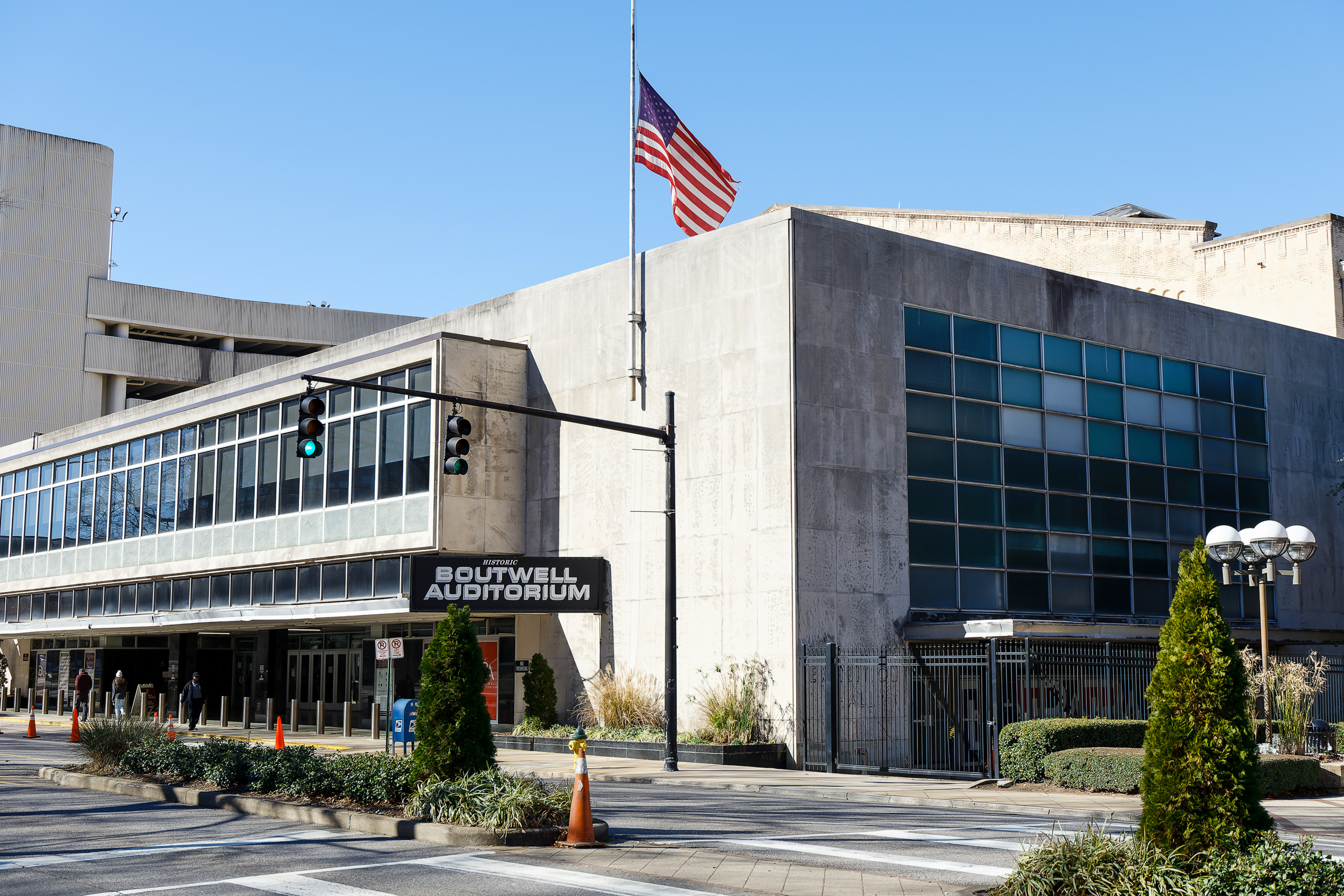
This past Tuesday night, about 150 residents filed into the Boutwell Auditorium. Elders in their 70s stood alongside children as young as four, all seeking relief from a cold that had lingered for days with no sign of letting up. Inside, they were met with blankets, hot food, and a place to lay their heads—simple comforts, but far more than the streets outside could offer.
The space, made possible through a partnership between the City of Birmingham and Jimmie Hale Mission, stretched wider than most emergency shelters. Jimmie Hale Mission, a trusted Birmingham nonprofit that has served the community for more than 80 years, has worked closely with the City in recent years to operate seasonal warming stations and emergency services during extreme weather.
“Most of those that seek the warming shelter are unhoused. However, we do have several every night who come because they don’t have sufficient heat in their homes,” said Perryn Carroll, executive director of the Jimmie Hale Mission.
Carroll says after reaching capacity Monday night, the mayor’s office was quick to help them find a bigger temporary space.
“This is actually the first time that we have been in charge of the warming station at Boutwell,” Carroll said.
This effort is part of Birmingham’s broader strategy to collaborate with nonprofit partners to reduce homelessness, expand access to supportive services, and improve outcomes for residents in need. The City has invested $1 million toward the Firehouse Shelter facility, $1.3 million for AIDS Alabama’s Way Station for youth, and more than $800,000 annually in federal grants administered by the Department of Community Development for emergency shelter and public service providers. For years, the City has also partnered with Jimmie Hale Mission and Pathways to expand shelter capacity during periods of extreme cold.
At the warming station, check-in happened downstairs. Upstairs, rows of cots filled the room. Volunteers and staff—many arriving straight from their day jobs—worked through exhaustion to keep the space coordinated, safe, and calm. During cold stretches like this, the need grows each night. Some people try to endure the first freeze outdoors. By the second or third night, the numbers swell.
The hardest moment comes in the morning. The lights come on, and it’s time to gently escort people back outside—a moment no one looks forward to. Thankfully, day shelters across the city open their doors, offering warmth and safety until night falls again.
According to the Jimmie Hale Mission, it costs around $2,500 a night to host a warming station.
“If we are feeding 130 people dinner and breakfast, there’s a cost involved in that as well. Plus, we wash blankets in between each year so everyone receives a clean sanitary blanket,” said Carroll. “So we’ve got water costs, detergent, manpower to do the washing. We’ve got cleaning supplies that we need, bottled water and just electricity to keep extra spaces warm.”
Carroll says the nonprofit is preparing to have the warming station open every night for the next two weeks with some days being a 24-hour warming station if temperatures don’t rise above freezing.
“We get prepared for this mentally every year so that we can work longer hours and get it done,” she said.
With this expectation the warming station could be open for a prolonged period, Jimmie Hale says donations are needed even more.
This work is costly, both financially and physically, but it saves lives. The warming station welcomes people who are unhoused, as well as residents whose heat has failed or who cannot afford to keep it on. There are no barriers to entry, no IDs required—just an open door and a shared understanding that in weather like this, compassion is essential.
Through city leadership, nonprofit partners, faith organizations, and everyday neighbors, Birmingham continues to show up—night after freezing night—to make sure no one has to face the cold alone.
CBS42 contributed to this report.