By Barnett Wright | The Birmingham Times
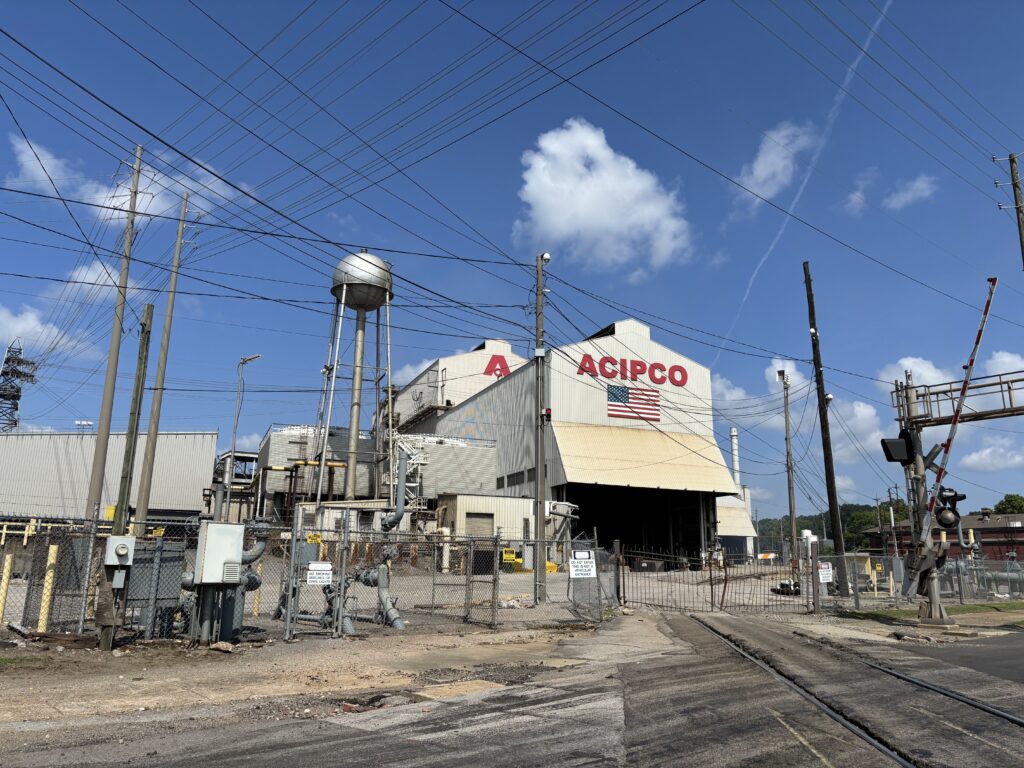
The Birmingham City Council on Tuesday approved an agreement with American Cast Iron Pipe Company (ACIPCO) to undertake a major expansion of its manufacturing facilities and corporate headquarters.
ACIPCO, one of Birmingham’s oldest companies, expects to hire 80 new full-time employees as part of its $790 million investment.
The company currently has approximately 1,687 employees at the site and generated over $303 million in payroll in 2024. In January, the Jefferson County Commission approved performance-based incentives (up to about $320,000) to help secure ACIPCO’s investment and local job commitments.
According to County Commission officials, the company, which has operated since 1905 and has become the largest manufacturing employer in the region, expects to spend $793.1 million to convert its furnaces to electric-fired furnaces, reducing emissions by more than 90 percent. The work will take between four and six years, leaders say.
The Council’s agreement includes “an incentive of $2,500 per each new full-time employee, not to exceed a total of $200,000.00; and a Tax Abatement Agreement with ACIPCO under which the City will grant to ACIPCO an abatement of all construction-related transaction taxes associated with the project and an abatement of non-educational ad valorem taxes imposed by the State of Alabama and Jefferson County for a period of ten years.”
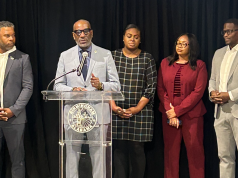
“When you’re talking about this kind of investment from a company that has called Birmingham home for over a century, this doesn’t happen often, and I think it will have a positive ripple effect across the community,” Council President Pro Tem LaTonya Tate, who represents the district. “For people that are trying to raise families, going into a job making $55 an hour or $114,000 annually, you’re able to sustain and take care of your family.”
She added that the company is an ideal community partner.
“They have a farm that’s sponsored by ACIPCO. [They] have been a tremendous partner and has really given back to the community over the years — whether through volunteer work or investing in local projects.”