Compiled by The Birmingham Times
As we bring Black History Month to a close here’s a look at some historic Birmingham milestones since the city’s founding.
1871—City of Birmingham founded; now the state’s most populous city, Birmingham was established at the crossing of two rail lines near one of the world’s richest mineral deposits.
1885—Birmingham Barons baseball team originally established as Birmingham Coal Barons.
1890—The Penny Savings Bank, founded by the Rev. William Reuben Pettiford in Birmingham, opens, becoming the first Black-owned and Black-operated financial institution in Alabama.
1902—Woodward Building, construction completed on the first of four steel-frame skyscrapers that would make up Birmingham’s “Heaviest Corner on Earth.”
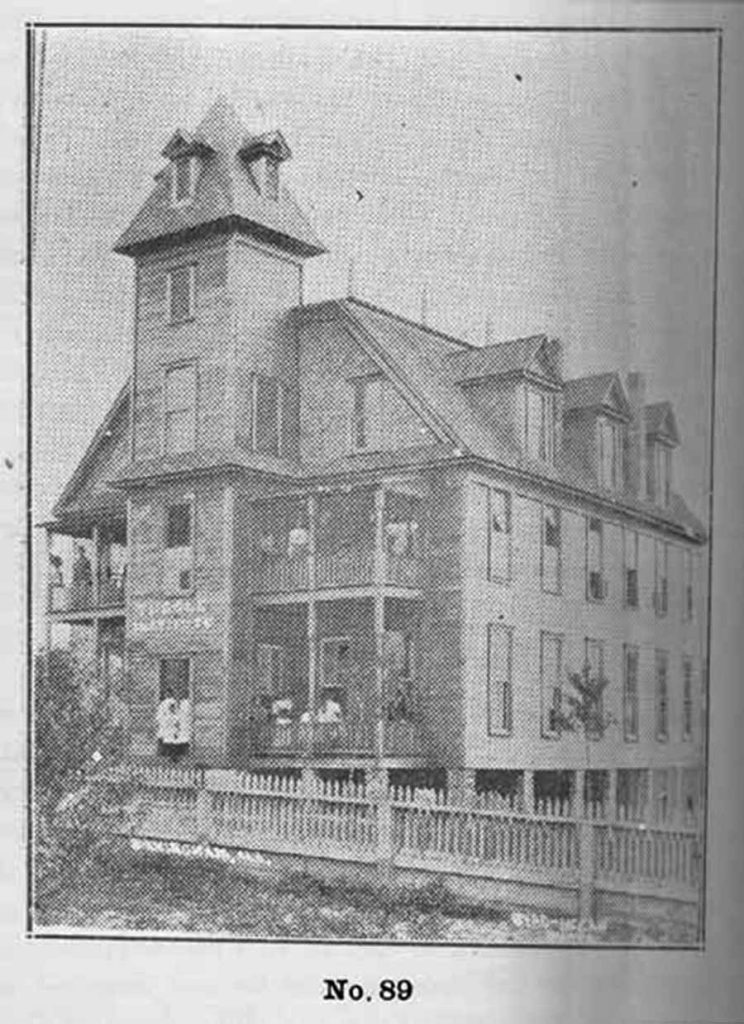
1903 —Social worker Carrie A. Tuggle opens the Tuggle Institute and School, the first orphan home in Alabama for African American boys. The Institute operated until Tuggle’s death on Nov. 5, 1924, and was later renamed Tuggle Elementary School in 1936.
1904 —Vulcan Statue, the world’s largest cast-iron statue, created as Birmingham’s entry in the St. Louis World’s Fair, was sculpted by Giuseppe Moretti.
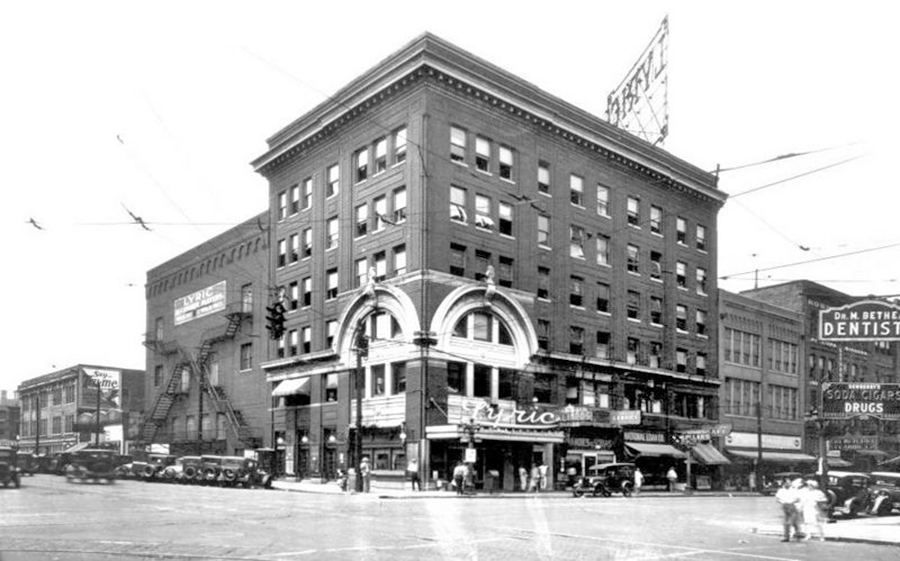
1914—Birmingham’s Lyric Theatre was established as one of the first in the South where Black and white audiences could see the same show for the same price, though Black sat in an isolated section with inferior accommodations
1918—Birmingham College and Southern University merged to establish Birmingham-Southern College.
1925—The Pittsburgh of the South, Birmingham, is the largest cast iron and steel producer in the Southern U.S.
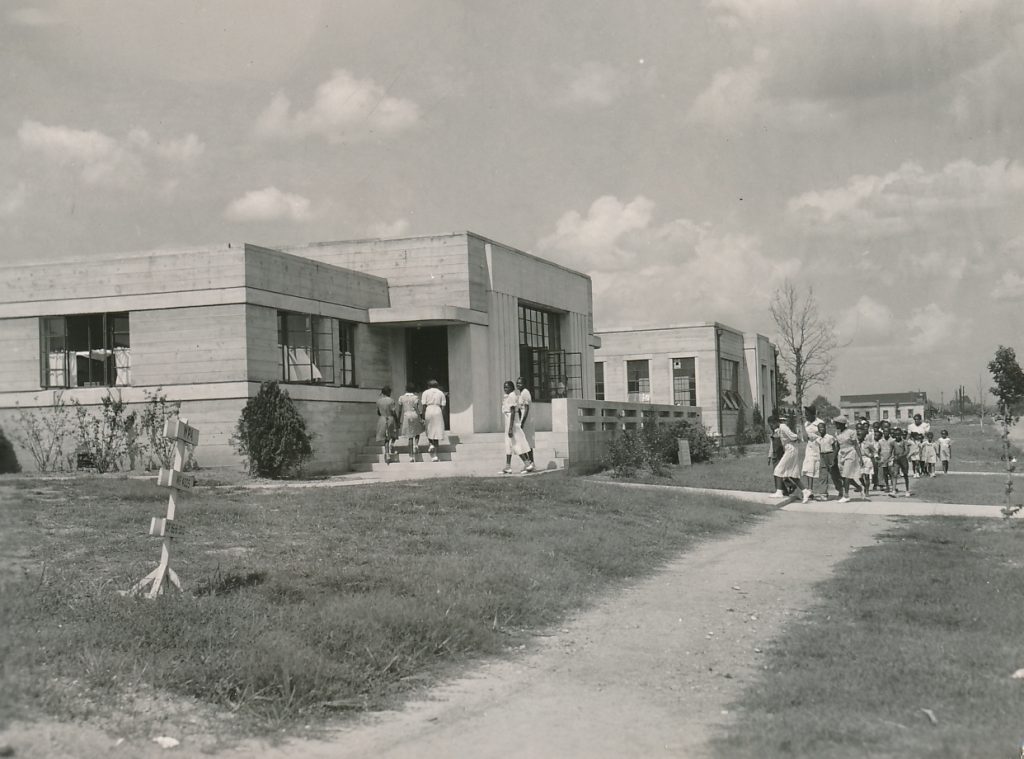
1939—Slossfield Health Clinic, located in a neighborhood surrounding ACIPCO’s plant, considered one of Birmingham’s most blighted, opens.
1941—The Sisters of Charity of Nazareth (SCN) assume responsibility for a small health clinic in the predominantly African American community of Ensley near Birmingham, Alabama. The clinic later becomes Holy Family Hospital.
1941—World War II. The demand for steel during the war brought Birmingham out of the Great Depression.
1948—Slossfield’s medical center closes in 1948 after World War II. The rest of the Slossfield Community Center campus closed in 1954.
1951—Birmingham Museum of Art, currently home to one of the finest collections in the Southeast, with extensive holdings from around the globe dating from ancient to modern times, opens.
1954—A.G. Gaston Motel founded by entrepreneur and activist A.G. Gaston to provide higher-class service to Black visitors.
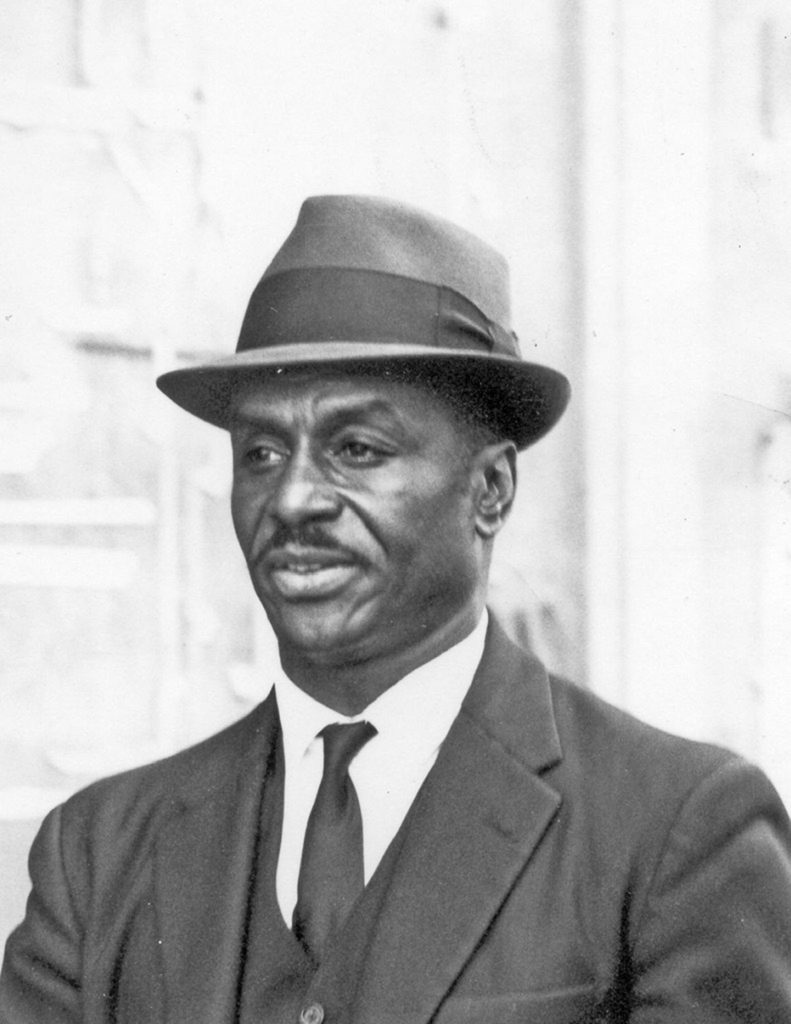
1956—The home of Birmingham minister and Civil Rights leader Fred Shuttlesworth is bombed. Although the structure is severely damaged, Shuttlesworth emerges uninjured.
- During a mass meeting at Birmingham’s Sardis Baptist Church, Shuttlesworth and other local Black ministers establish the Alabama Christian Movement for Human Rights (ACMHR). Founded in response to the State of Alabama’s eight-year ban on the NAACP, ACMHR was central to the civil rights movement in Birmingham.
- The Freedom Riders arrive at the Greyhound bus terminal in Montgomery, where they are attacked by an angry mob. The Freedom Ride, an integrated bus trip from Washington, D.C., through the Deep South, was formed to test the 1960 Supreme Court decision prohibiting segregation in bus and train terminal facilities.
1963—After previously establishing the ACMHR and the Southern Christian Leadership Conference (SCLC), Shuttlesworth invites Rev. Martin Luther King, Jr. to Birmingham to lead what becomes the Birmingham Campaign for Desegregation. King writes Letter From Birmingham Jail.
- Sixteenth Street Baptist Church was bombed, killing four young girls in an attack against the Civil Rights Movement and humanity.
1966—Oscar Adams Jr. becomes the first African American to join the Birmingham Bar Association.
1968—Arthur Shores was appointed to the Birmingham City Council, making him the first African American to serve as a councilman.
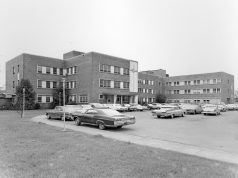
1970—The Sisters of Charity of Nazareth (SCNs) transfer ownership of Holy Family Hospital to a local non-profit organization, which was renamed Community Hospital. By 1986, the facility was sold and operated as Medical Park West until its closing in 1988. The facility would briefly reopen in 1989 as Community Hospital with 22 beds, only to close it down for good soon thereafter.
1974—J. Richmond Pearson and U.W. Clemon were the first African Americans elected to the Alabama State Senate since Reconstruction.
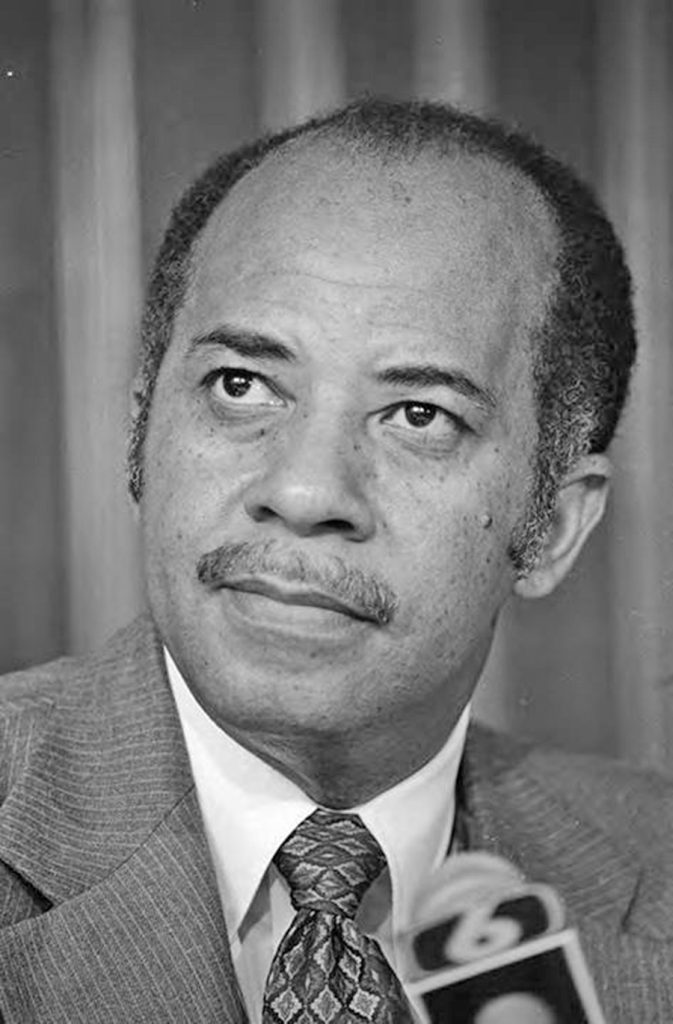
1979—Richard Arrington Jr. was elected as the first African American mayor of Birmingham. Arrington served in that post for nearly 20 years, until his resignation in July 1999.
1980—Oscar Adams Jr. was appointed to the Alabama Supreme Court, making him the first African American justice to hold that office.
1984—J. Mason Davis becomes the first African American president of the Birmingham Bar Association. He is also the first minority adjunct professor at The University of Alabama School of Law, serving from 1972 to 1997.
1986—Reuben Davis and Chris McNair were elected to the County Commission, the first district by district election, and are the first African Americans to serve on the commission.
1991—Carole Smitherman appointed to become the first African American woman to serve as a circuit court judge in Alabama
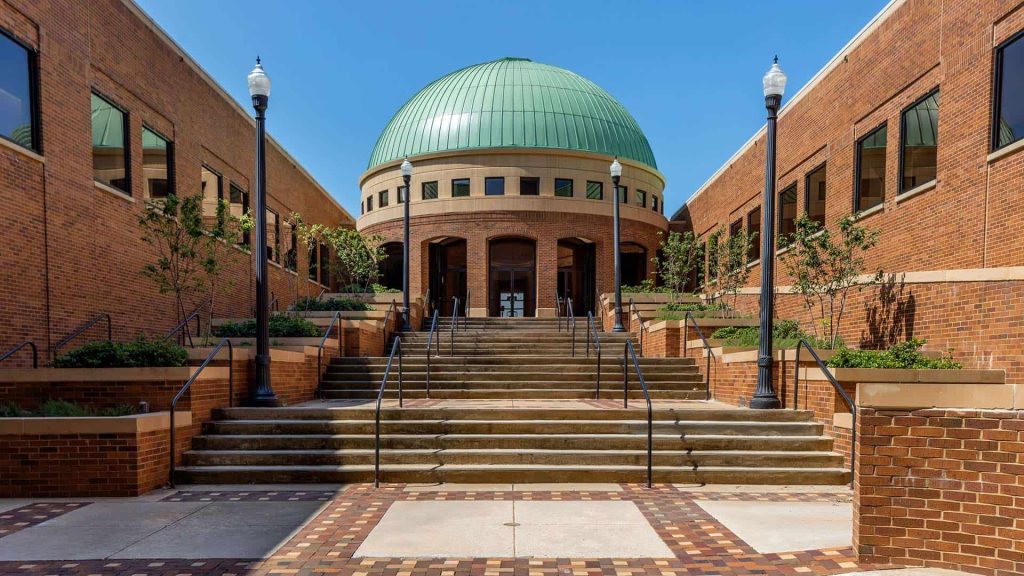
1992—Birmingham Civil Rights Institute opens its doors at Kelly Ingram Park in the Civil Rights District.
1993—Alabama Jazz Hall of Fame opens.
2002—Shelia Smoot elected first Black female Jefferson County Commissioner.
2003—Helen Shores Lee becomes the first African American woman to serve as a judge on the Jefferson County Circuit Court.
2005—Condoleezza Rice, a Birmingham native, is named U.S. Secretary of State.
2008-11—Jefferson County and creditors attempt to reach a settlement of the $3.14 billion sewer debt, but any deal would need to erase $1 billion or more of that debt.
2009—Carole Smitherman becomes Birmingham’s first African American female mayor.
2010—Railroad Park, a 19-acre park, opened, becoming a catalyst for revitalization in downtown Birmingham
2011—A massive storm in April, causing numerous powerful tornadoes, rips through the southeastern United States, killing 250 people in Alabama, including 20 people in Jefferson County communities of Pleasant Grove (10), Concord (6), Cahaba Heights (1), Pratt City (1), Forestdale (1), and McDonald Chapel (1).
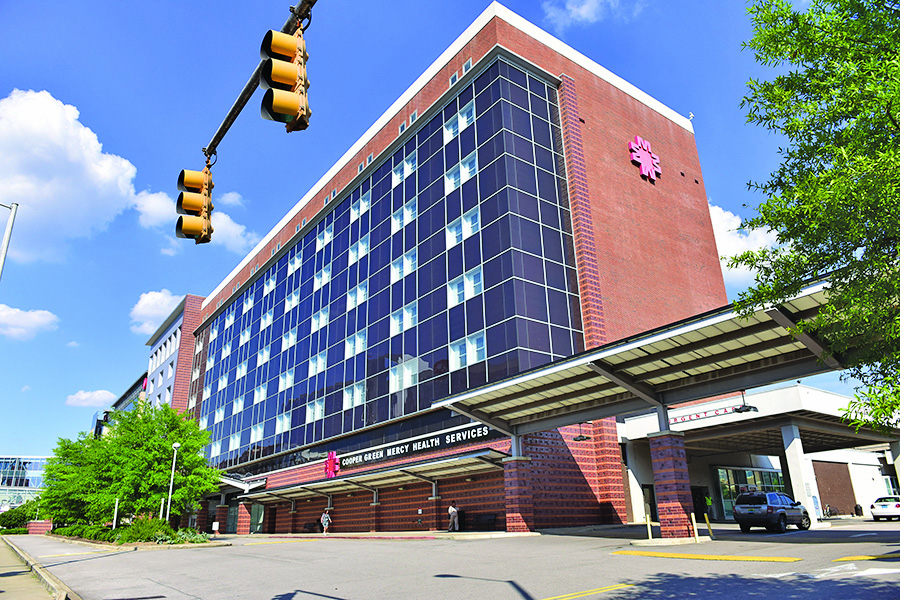
2012—Cooper Green Mercy Hospital downsized. The Jefferson County Commission votes 3-2 to close the inpatient care unit and emergency room at Cooper Green following weeks of debate and protests from community leaders who have begged the county to continue operating the facility for the sick and poor.
2016—Lynneice Washington elected District Attorney for the Bessemer Cutoff, the first African American DA in the state of Alabama.
2016—Theo Lawson was named the first African American Jefferson County attorney.
2016—Representative Terri Sewell introduces legislation leading to Birmingham Civil Rights National Monument designation by presidential proclamation one year later.
2017—John Henry joins the Jefferson County Commission Finance Department and becomes the county’s first Black chief financial officer.
2017—Danny Carr and Mark Pettway were elected the county’s first Black district attorney and first Black sheriff, respectively.
2019—Walter Gonsoulin was named the first permanent African American superintendent of the Jefferson County School System
2020—Felicia Rucker-Sumerlin was named the first female Deputy Chief in the 200-year history of the Jefferson County Sheriff’s Office.
2020—Elisabeth French becomes the first woman selected to serve as Presiding Judge in Jefferson County’s 200-year history. She will oversee the 10th Judicial Circuit, the largest in Alabama’s Judicial System.
2021—Ashley M. Jones, founder of the Magic City Poetry Festival, is named Poet Laureate for Alabama, making her the first Black Poet Laureate for the state and the youngest person to hold the position.
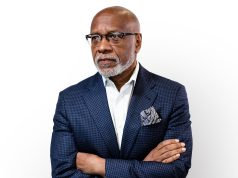
2022—Dr. Adolphus Jackson of Birmingham is elected President of the Alabama Dental Association, the first African American to serve as president of the state Association.
2022—Birmingham Mayor Randall Woodfin issues a proclamation declaring March 18 Reverend Fred Shuttlesworth Day, the 100th anniversary of the leader’s birth.
2023—Writer and educator Salaam Green becomes the city’s first poet laureate.
2024—Democrats Yashiba “Red” Blanchard and Jameria Moore on Tuesday became the first Black female judges elected to Probate Court in Jefferson County, Alabama.
2024—Myrna Carter Jackson, a Birmingham civic leader and Foot Soldier who participated in marches, sit-ins, demonstrations, and other Civil Rights activities, dies. She was 82.
2024—Hezekiah Jackson IV, who served as president of the Metro Birmingham NAACP, Birmingham Citizens Advisory Board, and the Inglenook Neighborhood Association, dies. He was 65.
2025—Judge Carole Smitherman retires after 50 years in law and politics in Birmingham, including being the first Black woman hired as a deputy district attorney in Jefferson County and becoming the city’s first Black woman municipal and circuit court judge.
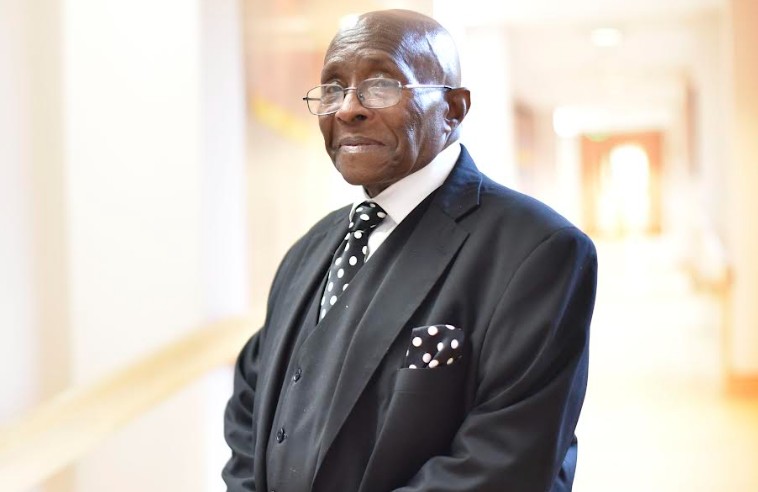
2025—Bishop Calvin Woods Sr., distinguished Birmingham Civil Rights leader and longtime pastor of Shiloh Baptist Church in Norwood, dies. He was 91.
2025—Former U.S. Attorney General Eric Holder Jr. accepts the prestigious 202d L. Shuttlesworth Human Rights Award at the downtown Sheraton.
2026—Claudette Colvin, who refused to move to a bus seat at the start of the Civil Rights Movement, dies at 86. Homegoing celebration was held at Greater Shiloh Missionary Baptist Church in SW Birmingham.
Source: The Birmingham Times, 1963: How The Birmingham Civil Rights Movement Changed America and the World; City of Birmingham Public Library; Associated Press; blackpast.org; Politics and Welfare in Birmingham, 1900–1975.