By Sym Posey | The Birmingham Times
(Black History Month Special)
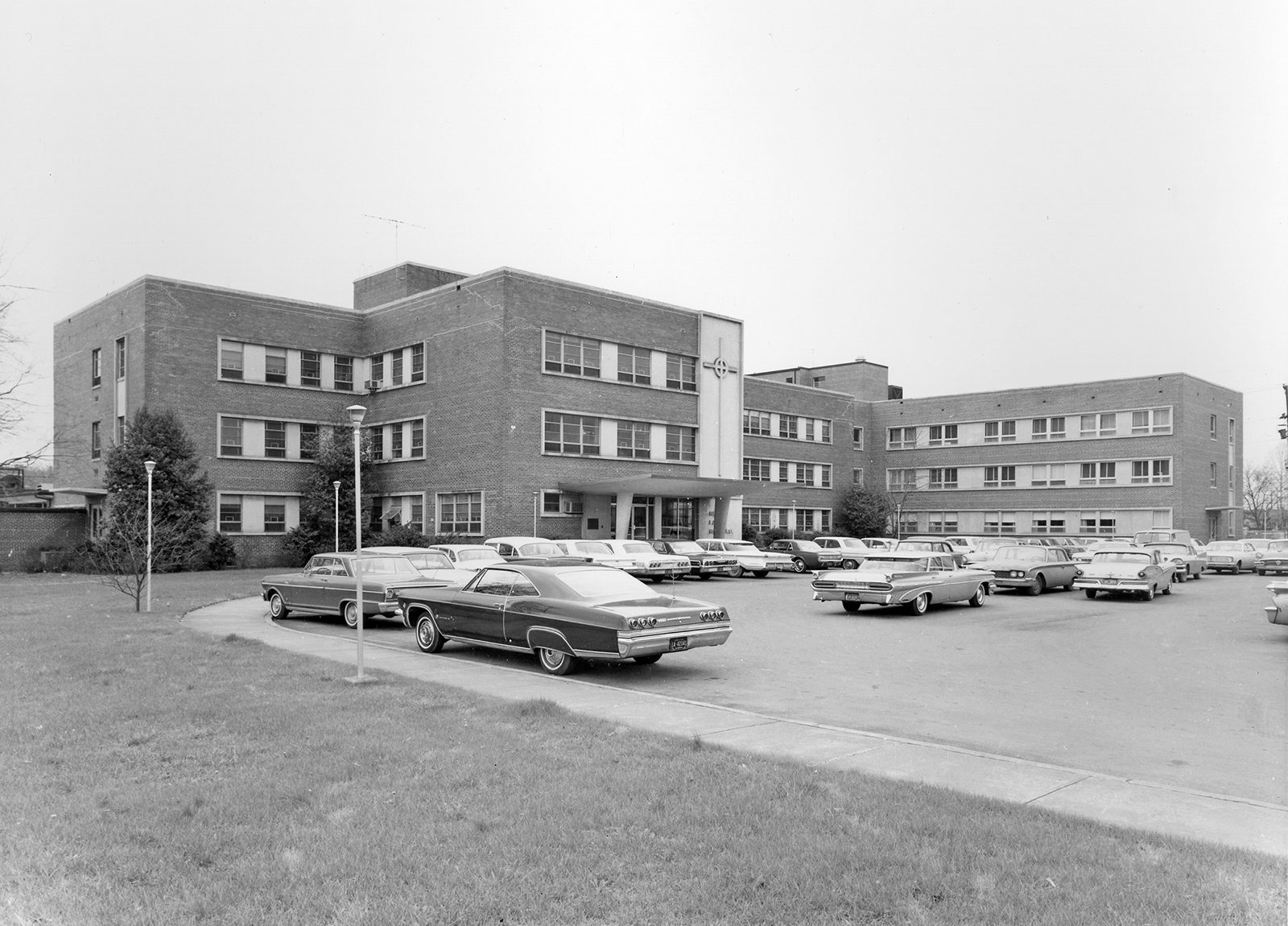
For decades, Holy Family Hospital stood in Ensley as far more than a medical facility. For Birmingham’s Black residents—particularly during segregation—it was a place of dignity, access, and compassion at a time when those things were routinely denied elsewhere.
“It was really the only hospital for Black people,” recalled Circuit Court Judge Tamara Harris Johnson, whose family history is deeply tied to the hospital. “When my family moved back to Birmingham (in 1961 from St. Louis, Missouri), it was the hospital.”

Founded through the collective efforts of Black physicians, Catholic nuns, and community supporters, Holy Family Hospital emerged to meet a critical need. Among those involved in its early financing and leadership was Harris Johnson’s grandfather, Samuel Francis Harris, M.D., who, according to a family-held newspaper article, helped fund the hospital, served as its first president, and delivered the hospital’s first baby.
Long before Birmingham became well-known for its excellent medical facilities, primarily centered around the University of Alabama at Birmingham (UAB) Health System, with UAB Hospital consistently ranked as Alabama’s best and a leading academic medical center nationally, there were hospitals and medical centers that focused on African Americans due to segregation.
One was the Holy Family. Another was the Slossfield Community Center campus, which once included a health clinic, maternity ward, recreational center, and education building. The complex was built between 1936 and 1939 by ACIPCO (American Cast Iron Pipe Company), with public funding, as an extension of its health program for workers and their families.
In the 1930s, Slossfield was a neighborhood surrounding ACIPCO’s plant where thousands of African Americans lived in shotgun houses without plumbing on dirt streets. Even during the Great Depression, this area was considered one of Birmingham’s most blighted, where 10 babies died out of every 100 born.
The health clinic opened on July 1, 1939, and provided obstetrics and prenatal care by house calls or in-office visits. The facility also provided tuberculosis treatment, dental care, general pediatrics, and venereal disease detection by Jefferson County staff. The health clinic served as a training center for graduate students and provided public health education. The Slossfield Community Center served 50,000 Black citizens in one of the poorest neighborhoods in the Southeast.
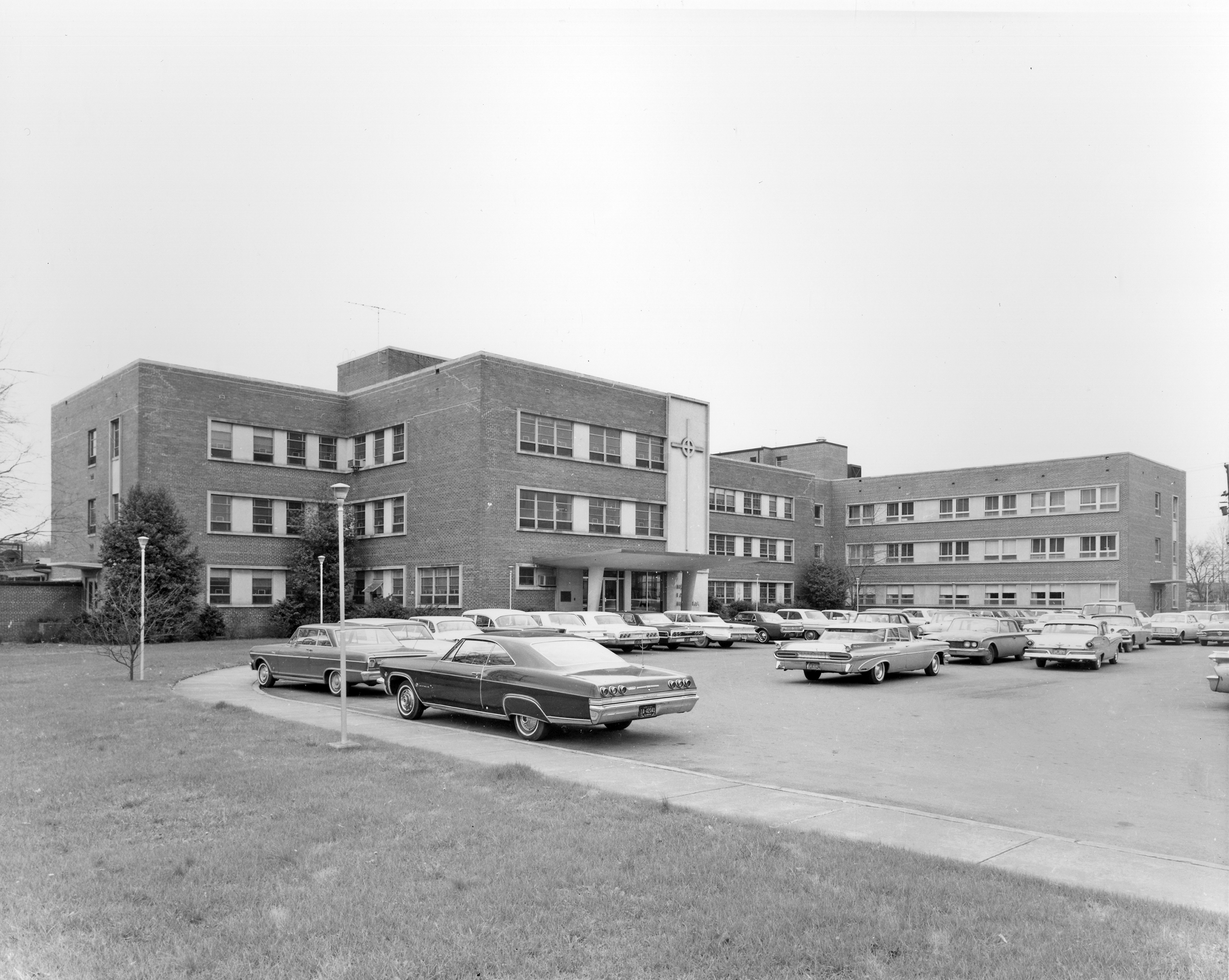
Holy Family Hospital
During segregation, even when Black doctors were granted privileges at white hospitals, their patients were often subjected to degrading treatment, said Harris Johnson. She recalled that her father, Samuel Elliott Harris, M.D., an OB-GYN and one of only two Black obstetricians practicing locally at the time, refused to admit patients anywhere but Holy Family.
“At the time, Black patients could be admitted (at other hospitals), but they would be placed in the basement, where the pipes were leaking on them,” she said. “So, he wouldn’t even admit any of his patients to other hospitals.”
In 1941, the Sisters of Charity of Nazareth (SCN) assumed responsibility for a small health clinic in the predominantly African American community of Ensley near Birmingham, Alabama. The clinic was the only place to obtain health care for most residents, as it was practically unheard of for African Americans to gain admittance to the hospitals in Birmingham. When African Americans did receive health care, they were usually treated in the basement to avoid mixing with the white patients. Local doctors, both Black and white, provided services along with SCN, lay nurses, and volunteer interns. In addition to providing much-needed health services, the SCNs also desired to provide African American doctors the opportunity to use their knowledge and skills to serve their community.
Holy Family Hospital served as a professional home for many of Birmingham’s Black physicians, including obstetricians, pediatricians, and surgeons, whose children still live and work in the city today. Harris Johnson named doctors such as Dr. Herschel Hamilton, Dr. Tyree Bearfield Pendleton and others whose practices helped sustain the hospital and serve generations of families.
But what distinguished Holy Family most was its philosophy of care.
“It was very family-oriented,” she said. “It was not stuffy like you would think most hospitals are. It was really like a family hospital—seriously.”
The clinic soon became overcrowded and needed expansion. Options were few and building materials were scarce due to the outbreak of World War II. The Sisters, with the help of a local construction expert, devised a plan to move and join three small houses together to create a larger facility.
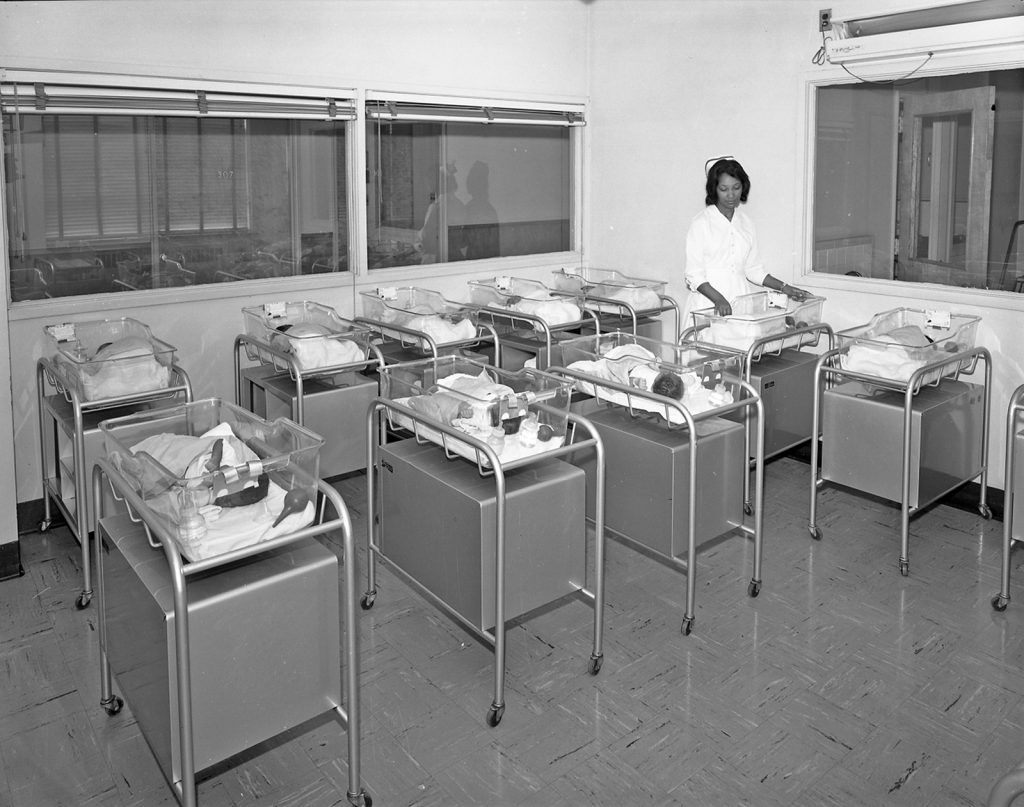
The new structure provided a 12-bed ward, a chapel, a dispensary, offices, and a kitchen. The clinic also assumed a new name: ‘Holy Family Hospital.’ The demand for maternity services was so great that Sisters eventually limited the hospital to those services. Between 1946 and 1950, there were over 1500 deliveries, mostly attended by African American doctors.
Care was often provided regardless of a patient’s ability to pay. According to Harris Johnson, Black doctors at Holy Family rarely turned anyone away.
“I’m not aware that they turned anybody around because they didn’t have the money,” she said. “It was sort of like an IOU—‘Well, when you get it, you pay.’”
She recalled accompanying her father and grandfather on home deliveries, where payment might come not in cash, but in food.
“A lot of the Black doctors were getting paid with fried chicken, pies—whatever people could pay them with,” she said. “The doctors would just take it because they believed people should have dignity.”
Years later, while serving as a city attorney, she was approached by strangers who shared stories of her father delivering their children when they could not afford medical care.
“They told me they couldn’t pay him,” she said. “But they said if I ever needed anything, just let them know—and they meant it.”
That ethic of mutual care, she believes, defined Holy Family Hospital.
“It wasn’t a unique story,” she said. “That was exhibited among many of the physicians here.”
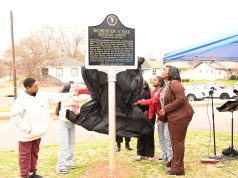
Despite its profound impact, the hospital’s closure left a painful void—and, she says, a troubling silence around its legacy.
“They’ve just let history die,” she said. “And then people started rewriting it in their own way.”
She expressed particular concern over recent claims circulating on social media that businessman and civil rights figure A.G. Gaston—her uncle by marriage—helped fund Holy Family Hospital with unlawful lottery money.
“He certainly would not have risked his reputation,” she said. “And when my family moved back here, I never heard that he had contributed one dime toward Holy Family Hospital.”
Today, she is unaware of any formal efforts to preserve the hospital’s history, which troubles her deeply.
“It was really a shame that it closed,” she said. “I don’t see why it couldn’t have stayed open along with the other hospitals.”
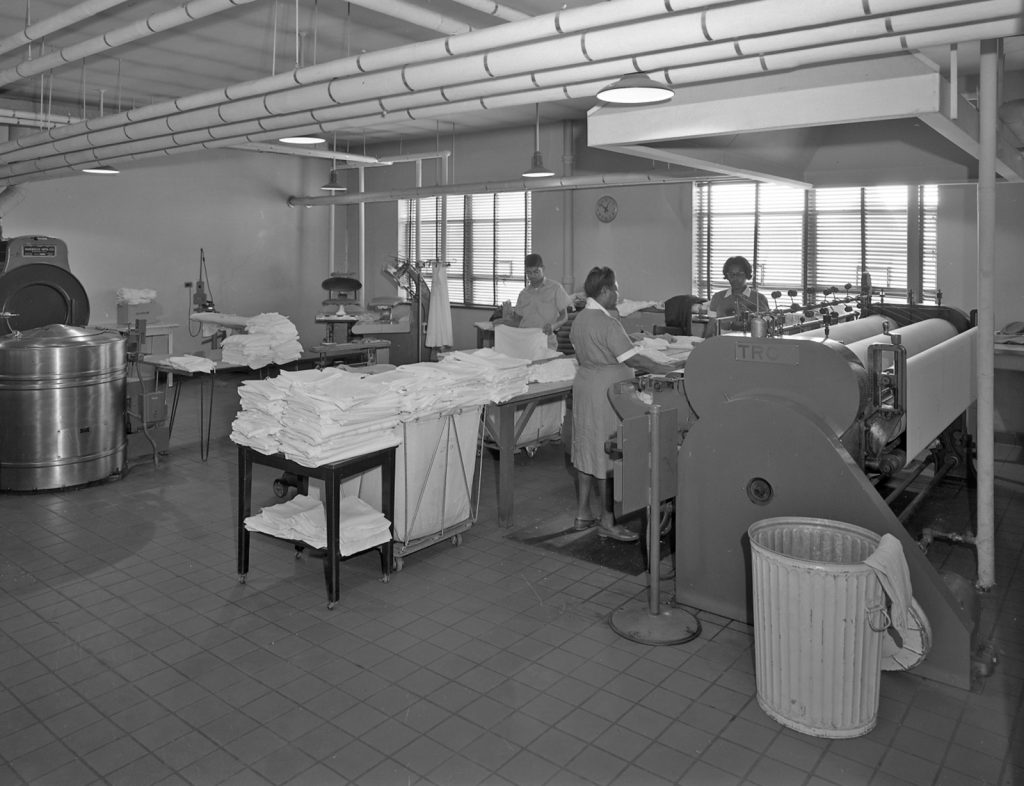
Closure
As integration became more common and the Civil Rights Act of 1964 was passed, the need for a separate African American hospital diminished. In response to these changing circumstances, in 1970, the Sisters of Charity of Nazareth (SCNs) transferred ownership of Holy Family Hospital to a local non-profit organization, which was renamed Community Hospital.
The SCNs were known for their commitment to health care and social justice, and for their history of serving underserved communities. In 1941, the SCNs had accepted the invitation and assumed responsibility for a small health clinic in Ensley. This clinic was a vital resource for the community, as it was often the only place where African Americans could access healthcare during a time when racial segregation and discrimination were rampant.
By 1986, the facility was sold and operated as Medical Park West until its closing in 1988. The facility would reopen briefly in 1989 as Community Hospital with 22 beds, only to close for good soon thereafter.
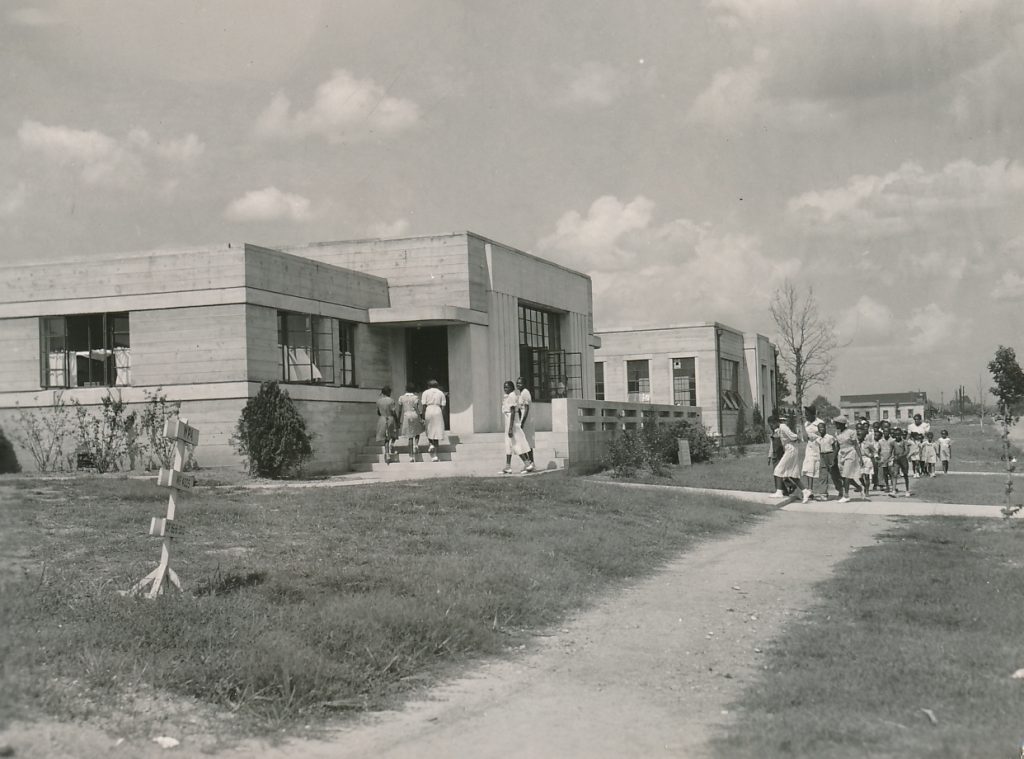
Slossfield Community Center
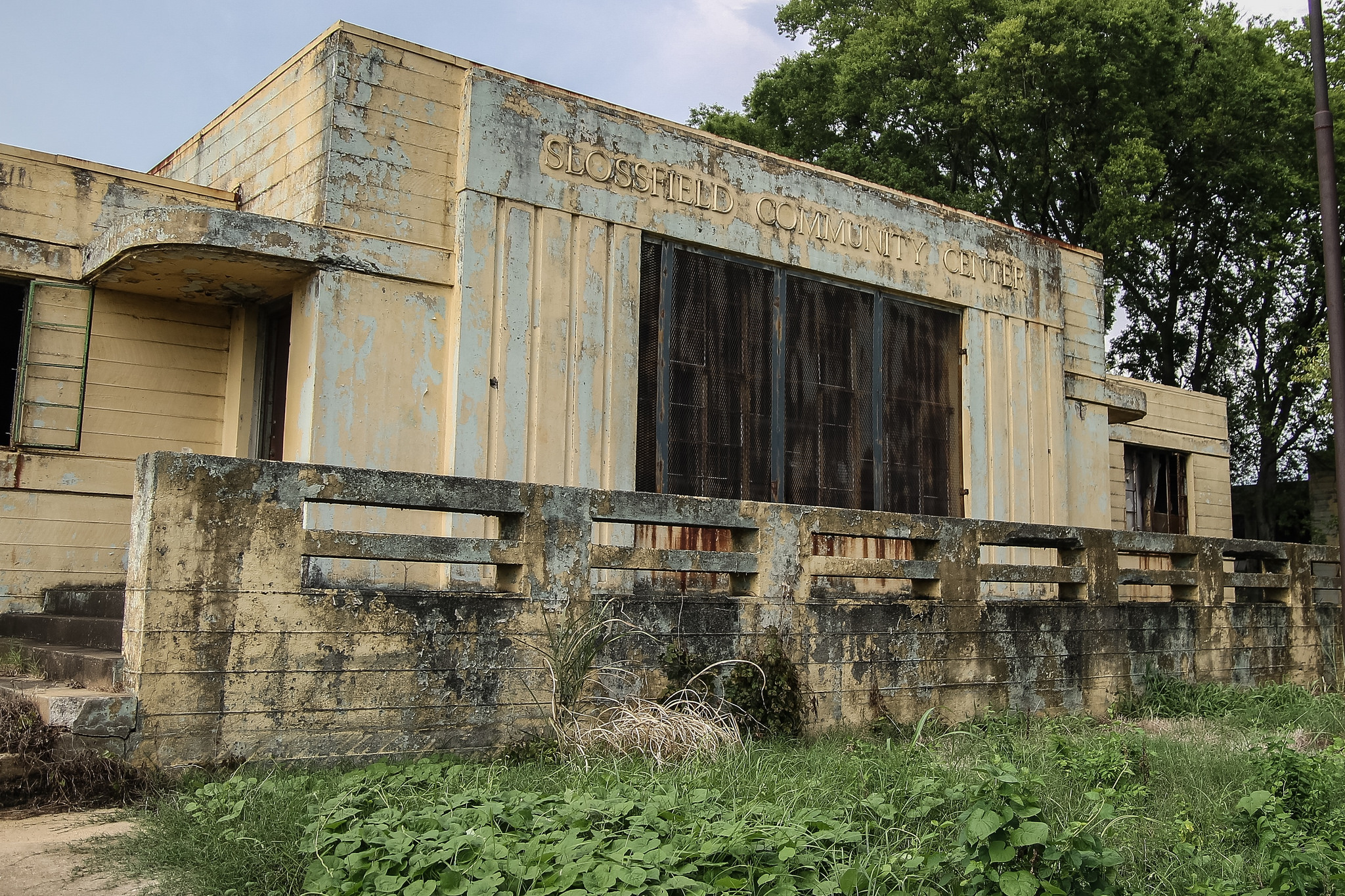
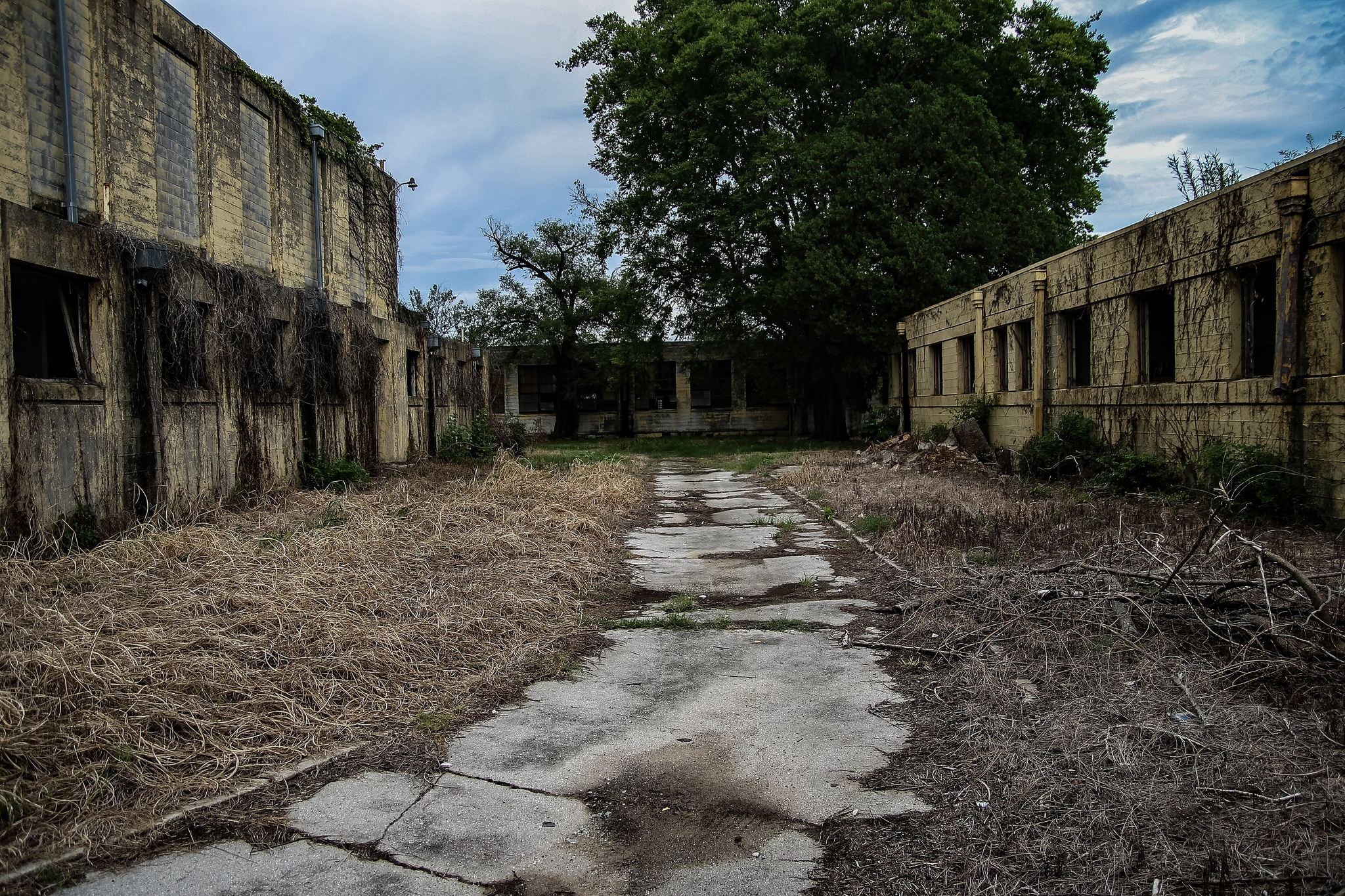
The Slossfield Community Center campus included a health clinic, a maternity ward, a recreational center, and an education building. The complex was built between 1936 and 1939 by ACIPCO (American Cast Iron Pipe Company), with public funding, as an extension of its health program for workers and their families. The Art Deco-style, solid concrete buildings were designed by E. B. Van Keuren and constructed by the Works Progress Administration.
In the 1930s, Slossfield was a neighborhood surrounding ACIPCO’s plant where thousands of African Americans lived in shotgun houses without plumbing on dirt streets. Even during the Great Depression, this area was considered one of Birmingham’s most blighted, where 10 babies died out of every 100 born.
The complex was located between 19th and 20th Streets and between 25th Avenue North and 25th Court North in the Slossfield community between North Birmingham and ACIPCO-Finley. The site, which formerly housed Birmingham’s municipal stables, was donated in exchange for the cost of relocating the stables. It now abuts the right-of-way for I-65, just north of the Finley Boulevard exit.
The health clinic, which opened on July 1, 1939 and expanded in 1941 from 28 to 39 rooms, was built and staffed with assistance from the Jefferson County Board of Health, the Jefferson County Anti-Tuberculosis Association (through its Birmingham Health Association, a subsidiary serving the black community), the Julius Rosenwald Fund, the Alabama State Department of Health, and the Children’s Bureau.
The health clinic opened on July 1, 1939. In an early form of universal health care, patients had to demonstrate an inability to afford private health care. The clinic provided obstetrics and prenatal care by house call or in-office visits. The facility also provided tuberculosis treatment, dental care, general pediatrics, and venereal disease detection by Jefferson County staff. The health clinic served as a training center for graduate students and provided public health education.
The neighborhood lacked significant maternity care. For almost a decade, Dr. Thomas Boulware worked at Slossfield’s 12-bed clinic dedicated to providing better prenatal care for mothers and their babies.
Within the first three years, the stillbirth rate, and neonatal deaths at Slossfield were cut in half. Boulware also trained Black physicians, including Dr. Robert Stewart, who became Alabama’s first Black OB/GYN practitioner. Dr. Boulware retired in 1977 after delivering 21,000 babies over a 48-year career.
Closure
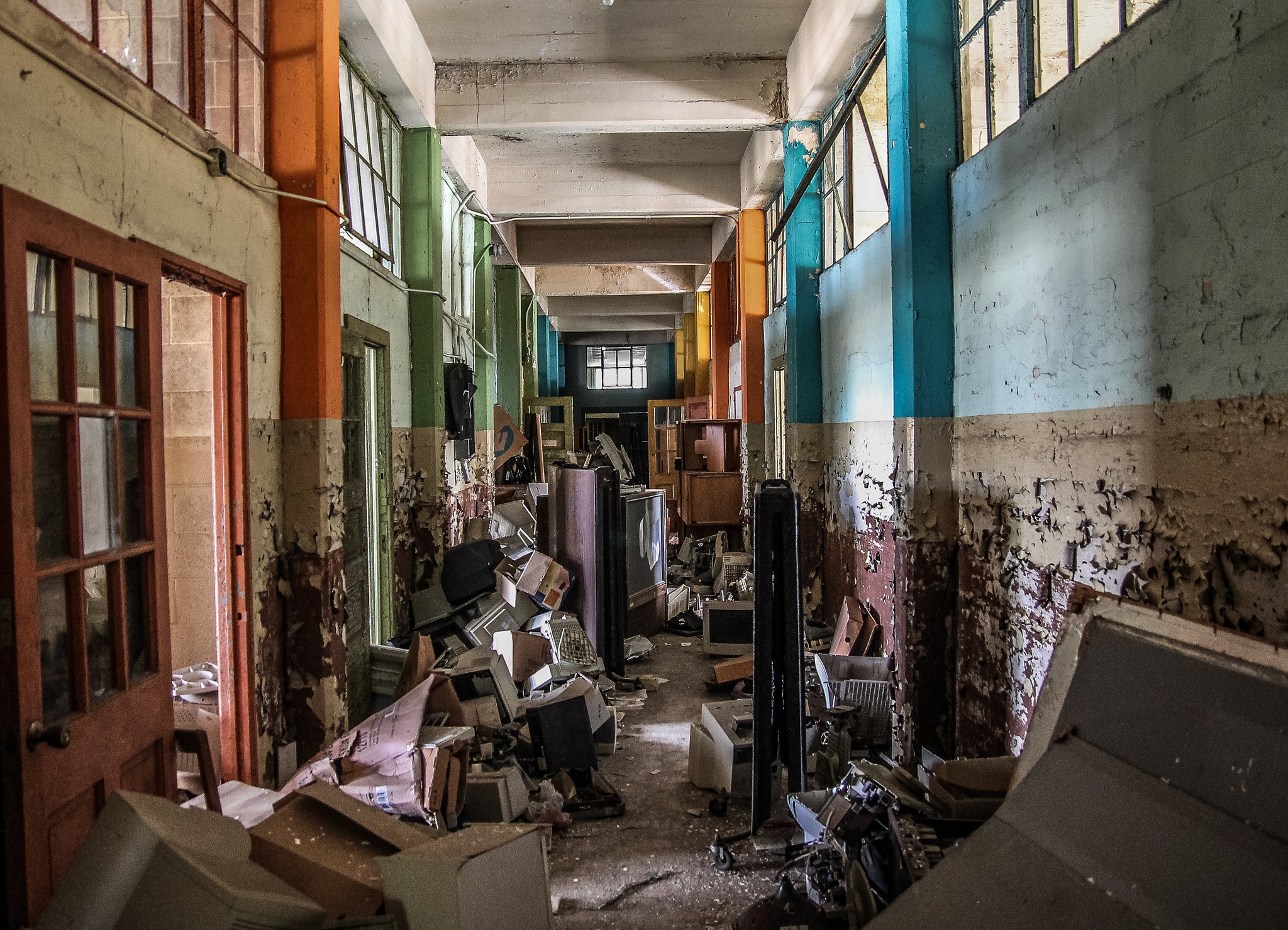
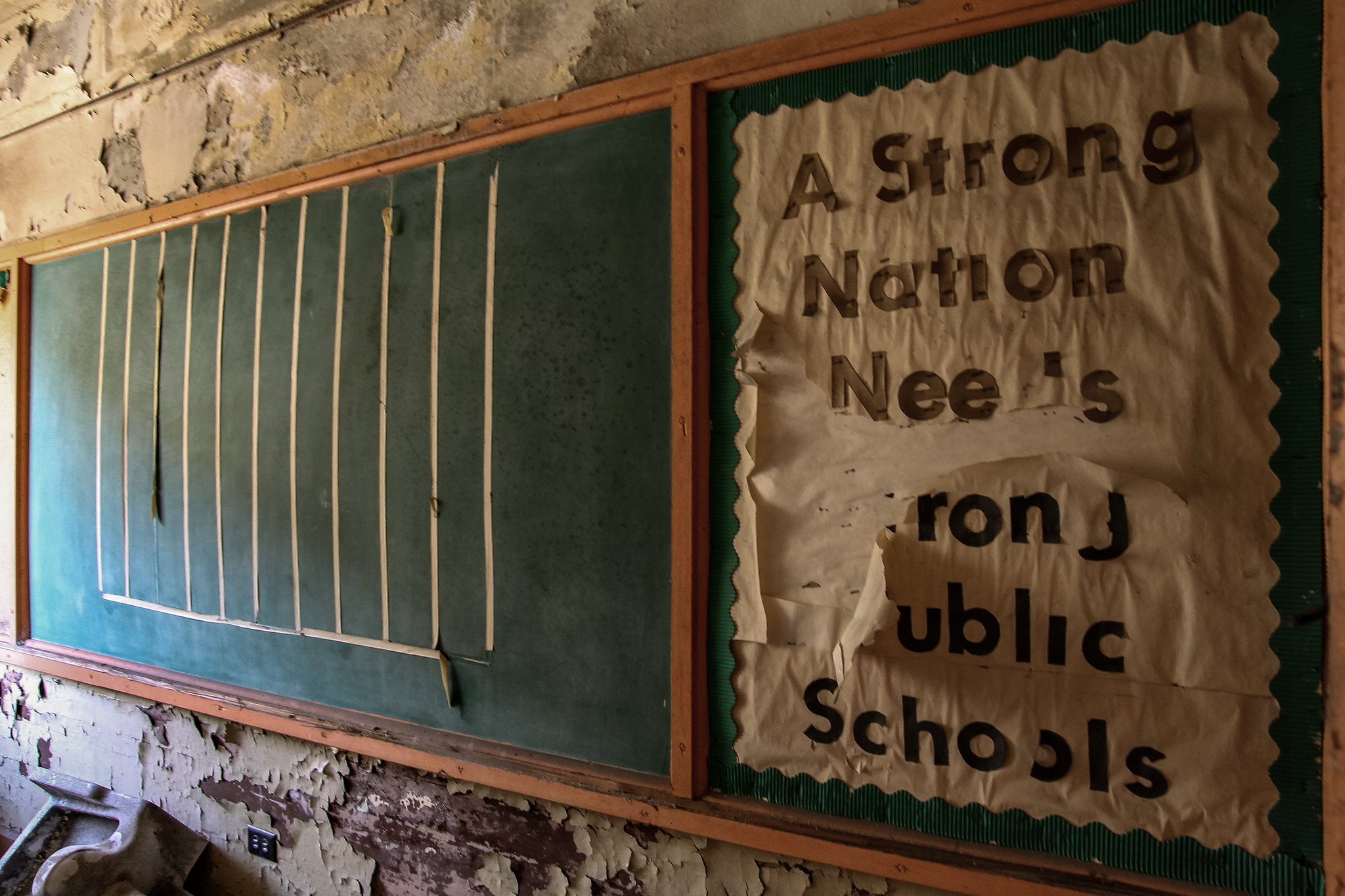
Slossfield’s medical center was closed in 1948 after World War II. The rest of the Slossfield Community Center campus closed in 1954. The recreational center and education building were sporadically used until the late 1970s, mainly as storage for the Birmingham City school system. The Slossfield Community Center was placed on the National Register of Historic Places on May 29, 2008. After sitting abandoned for over 30 years, the Salvation Army had expressed interest in the Slossfield Community Center.
The Slossfield Community Center was added to the National Trust of Historic Places in May of 2008. It was purchased in 2018 by The Salvation Army, with plans to use it once again as a core community center.