

By Samuel P. Martin | President and Publisher
It has been a couple of days since we learned of the passing of the The Reverend Jesse Jackson, and I have had a little time to think about his legacy.
I grew up in a small town in southeastern Ohio in the 1960s and 70s, and I cannot remember a time when Reverend Jackson was not at the forefront, fighting for the rights of African Americans and others who have historically been disadvantaged.
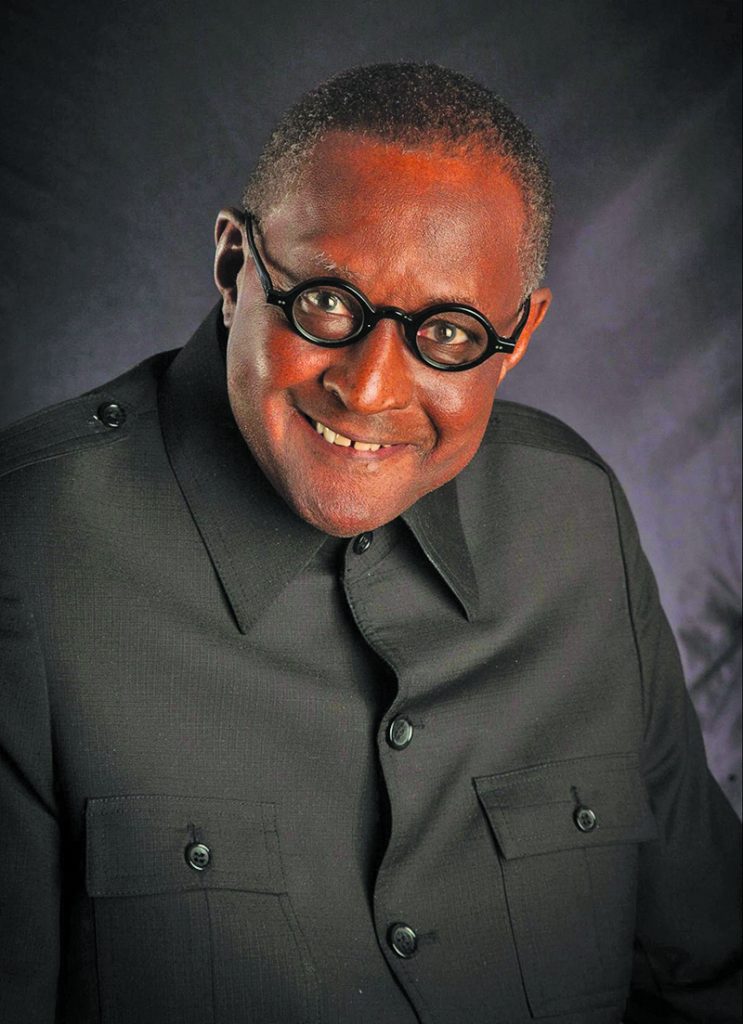
In the coming weeks, months, and years, the nation and world will reflect on Reverend Jackson’s amazing life. We will hear many perspectives on “the man.” We will find that there are aspects of him on which people will agree and disagree, but one thing is clear: his work will forever impact people’s lives, not just here in the United States but around the world.
I have my own perspective on the late Reverend Jackson that hits a little closer to home.
While I was an undergraduate student at Central State University in Wilberforce, Ohio, a Historically Black College (HBCU) in the late 1970’s, Reverend Jackson formed a relationship with our then-Vice President of Academic Affairs, Dr. Arthur E. Thomas, who later became the sixth president of the university from which he graduated. And Dr. Thomas was in his own right.
Dr. Thomas was a civil rights leader in Ohio during the 1960s and 1970s. He was known to advocate for social justice and equality. He played a crucial role in organizing grassroots movements, promoting voter registration, and challenging discriminatory laws. He helped unite the African American community, inspiring a generation to pursue civil rights reforms and contributing significantly to the progress made during that era. I count myself among that generation.
This partnership was formed during a time when HBCUs were seeking allies to address challenges ranging from funding shortfalls to enrollment declines. Their respect was mutual. Rev. Jackson (who was also an HBCU graduate, North Carolina A &T) found a connection with Dr. Thomas, admired his work at Central State, and Dr. Thomas was inspired by Reverend Jackson’s Civil Rights work and his national platform.
They joined forces to address some of the most pressing issues facing Central State University. Together, they organized campus events and national speaking engagements, raising awareness about the critical role HBCUs play in shaping future leaders.
Reverend Jackson used his national influence to bring attention to Central State’s needs, advocating for increased funding and forging connections with influential donors and policymakers.
His support for Central State University did not stop there; he became a champion for the institution. He visited the campus on many occasions, delivering impassioned speeches that galvanized both students and faculty. He highlighted the university’s achievements and challenged stakeholders to invest in its future.
His support of Dr. Thomas’s mission made a difference. With Dr. Thomas leading the way, enrollment grew as the university’s profile rose, and new partnerships with foundations and private-sector supporters strengthened academic programs and improved facilities. Their work inspired and instilled a sense of pride and purpose among students. The university’s success became a beacon for other HBCUs, demonstrating the power of strategic alliances and the importance of advocacy at both the local and national levels.
So, like others, I celebrate the Reverend Jesse Jackson’s lasting legacy, and say, “Thank you, sir, job well done.”