By Sym Posey | The Birmingham Times
Survivors of violence in Alabama will gather on February 24 at the State Capitol for a day of advocacy, healing, and finding ways to transform pain into policy change.
Survivors Speak Alabama, an all-day event scheduled from 9 a.m. to 4 p.m., will host those directly affected by violence, along with family members, advocates, and community partners.
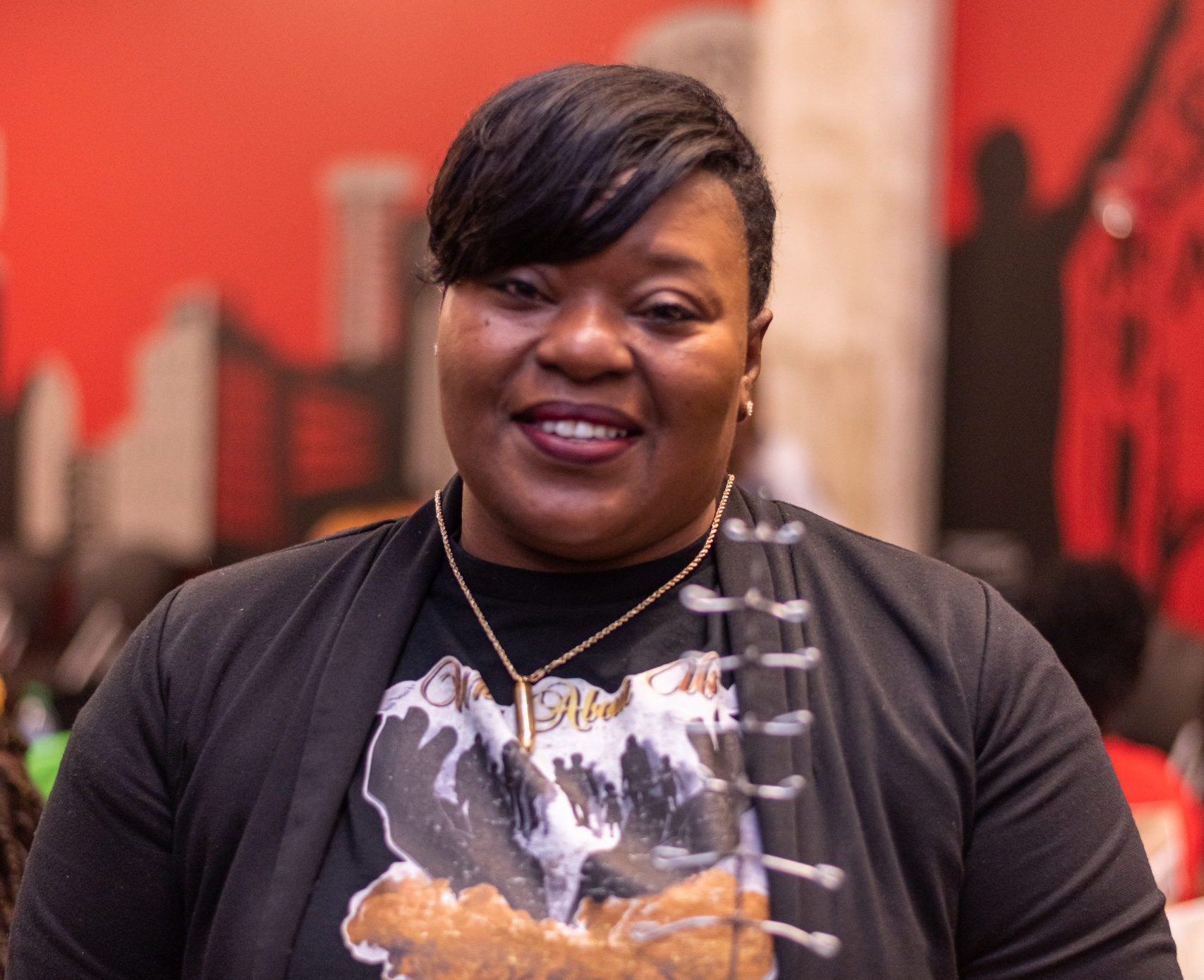
The goal is simple but urgent: elevate survivor voices and push for policies that promote healing, safety, and justice, said Sheree Kennon, a leading voice behind the event.
Kennon is the founder of What About Us, a Birmingham-based non-profit company that assists families who have lost loved ones.
Five years ago this month, her son, De’Traio Whorton, was shot and killed in 2021. Another mother, Roselyn Johnson, lost her son, DelQuan McNeily, on the same date in 2020.
“We decided to do this the day before on behalf of them and all of the other kids,” Kennon said. “We are here. We are still grieving. We are still trying to produce solutions and answers to build a better ecosystem.”
Buses will travel from Birmingham, Selma, and Talladega to Montgomery.
“[The gathering is] for survivors who’ve been impacted by losing a loved one or being impacted by the justice system, period,” said Kennon. “It is survivors coming together to show love and unity to one another. We will be leaving (from Birmingham on Feb. 24) no later than 7:45 to 8 o’clock from the Crescent Cultural Community Center (1121 Tuscaloosa Ave. SW, Birmingham AL 35211),” said Kennon.
The Montgomery visit follows a similar march held in Washington, D.C., about a year and a half ago. After participating in that national event, Kennon began pushing to bring the movement home.
“I talked to Aswald Thomas, and I’d been working with him about two years,” Kennon said. “He was like, ‘Well, let’s do it in Alabama.’ And I said, ‘Why not?’”
Now, with support from organizations including the Offenders Alumni Association (OAA) and other partners, that vision is becoming reality.
“It’s just amazing,” Kennon said. “We’re building this whole ecosystem for our community.”
Participants will begin the day in Montgomery at the Union Station Train Shed with breakfast and speakers before marching to the State Capitol. Once there, survivors will share their stories and meet directly with lawmakers.
One of the top policy priorities for survivors is reforming Alabama’s victim compensation program, Kennon said. Currently, survivors in Alabama have just one year to apply for victim compensation benefits, while many other states allow three to five years.
For grieving families, that one-year deadline can be overwhelming.
“During that one year, you’re not thinking about those applications,” she said. “You are not able to understand some of the verbiage in the application. My son was killed, and in that first year, you are not thinking about paperwork.”
Advocates are also calling for expanded eligibility (for what?), including allowing formerly incarcerated individuals to apply for compensation.
“We want it extended,” Kennon said. “We also want people who have been incarcerated to be able to apply for this compensation as well.”
Beyond policy change, Survivors Speak Alabama is about building community support for those navigating grief and trauma, said Kennon.
“So many people can’t even get out of their bed because they’re dealing with grief,” she said. “Some can’t go back to work because they can’t concentrate.”
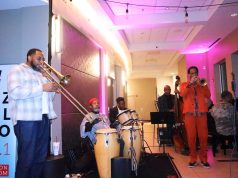
The event will feature counselors, art activities, a live band, and opportunities for connection. Healing is just as important as advocacy, Kennon said.
“A lot of us are still grieving. A lot of us have been impacted by some type of violence. These people need love. They need support. They need conversation, a hug.”
Community organizations have also stepped in to help families complete victim compensation applications, coordinate with funeral homes, and connect survivors with resources.
“We have the application. They can come into the office. We will help them fill it out and submit it,” Kennon said. “It’s about building relationships and showing each other support.”