Written and photographed by Marika N. Johnson
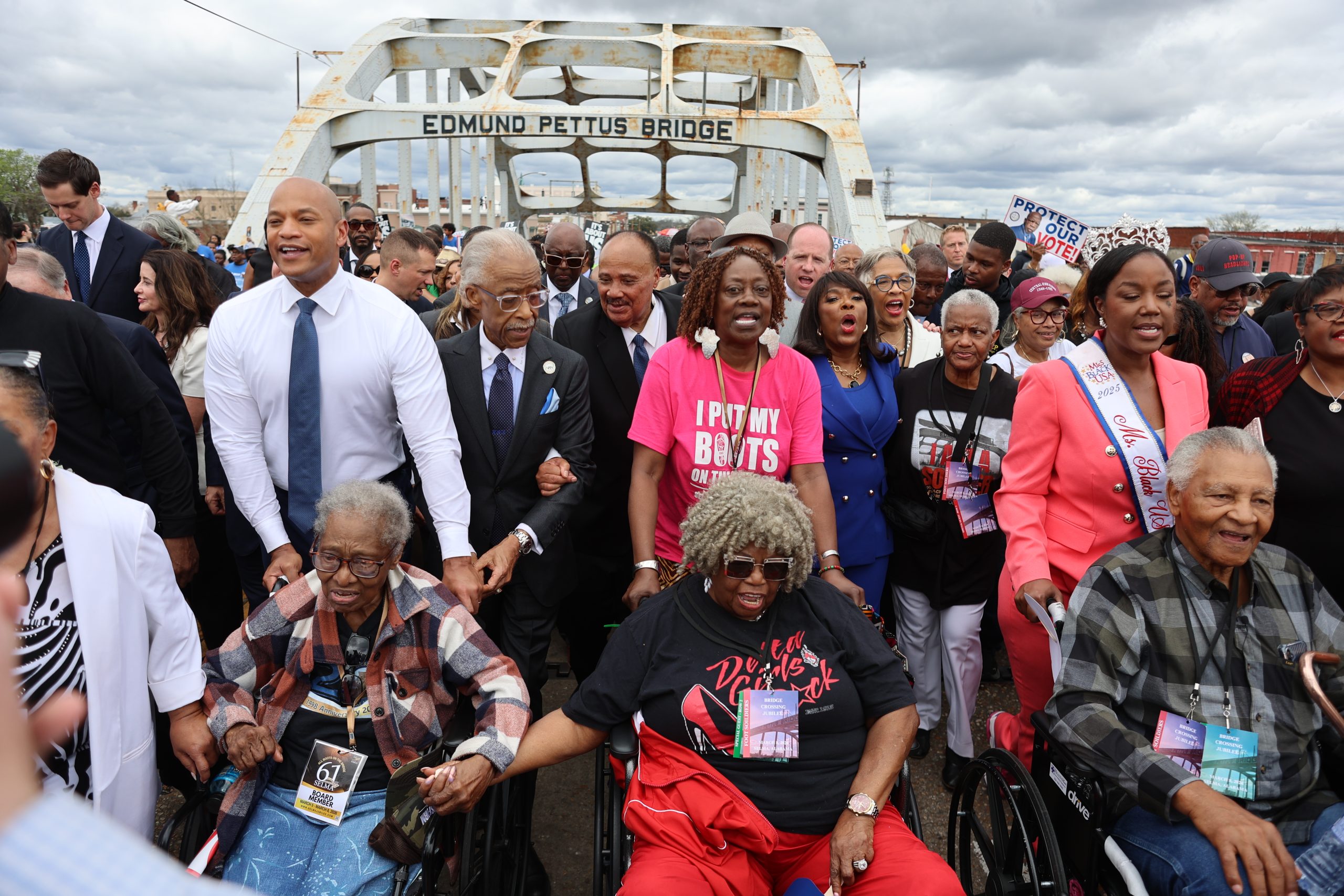
Each year, thousands of visitors make their way to Selma, Alabama, to commemorate the historic march that helped reshape American democracy. The walk across the Edmund Pettus Bridge has become a powerful ritual filled with speeches, reflections, remembrance and photographs.
For many, the trip serves as a reminder of the courage displayed during the 1965 voting rights movement, particularly the events of Bloody Sunday, when peaceful marchers were brutally attacked on March 7, 1965, while demanding the right to vote. The violence witnessed that day helped galvanize national support and ultimately led to the passage of the Voting Rights Act of 1965.
This year’s commemoration, held March 5-8, also carried a sense of loss as participants paid tribute to several civil rights leaders, foot soldiers, and organizers connected to Selma’s Bridge Crossing Jubilee. Amongst the fallen civil rights soldiers, JoAnne Bland (July 29, 1953 – February 19, 2026), the youngest to have been jailed during any demonstration of that era and co-founder of the Foot Soldiers Park and Education Center. Bland was a lifelong advocate for preserving the movement’s history.
Another loss remembered this year was Bernard Lafayette (July 29, 1940 – March 5, 2026), director of the Student Nonviolent Coordinating Committee’s Alabama Voter Registration Project. Organizers also paid homage to Shirley Floyd (March 5, 1953 – July 12, 2025), who was selected by Southern Christian Leadership Conference strategist Minister James Bevel to serve as a flag bearer in 2005.
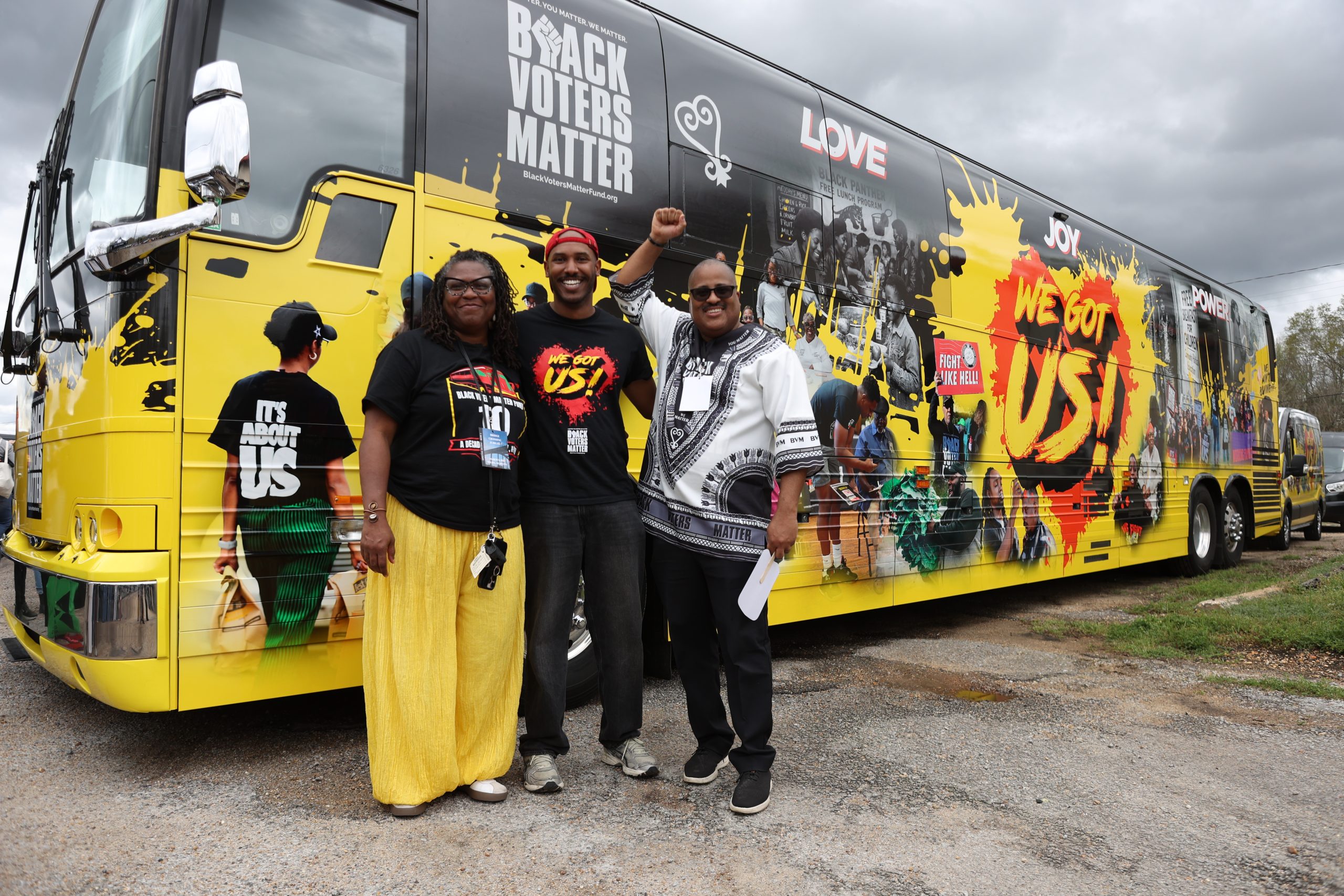
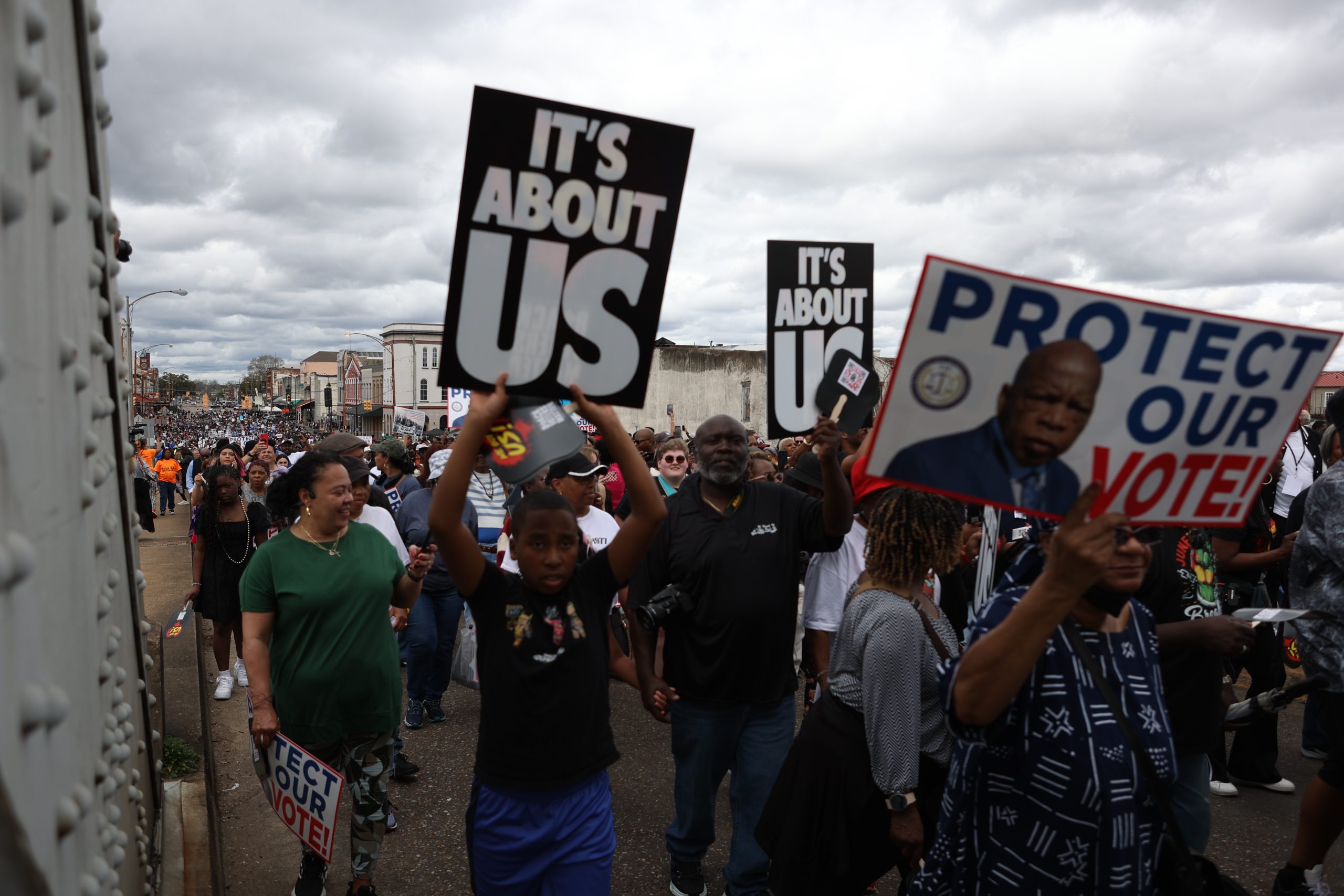
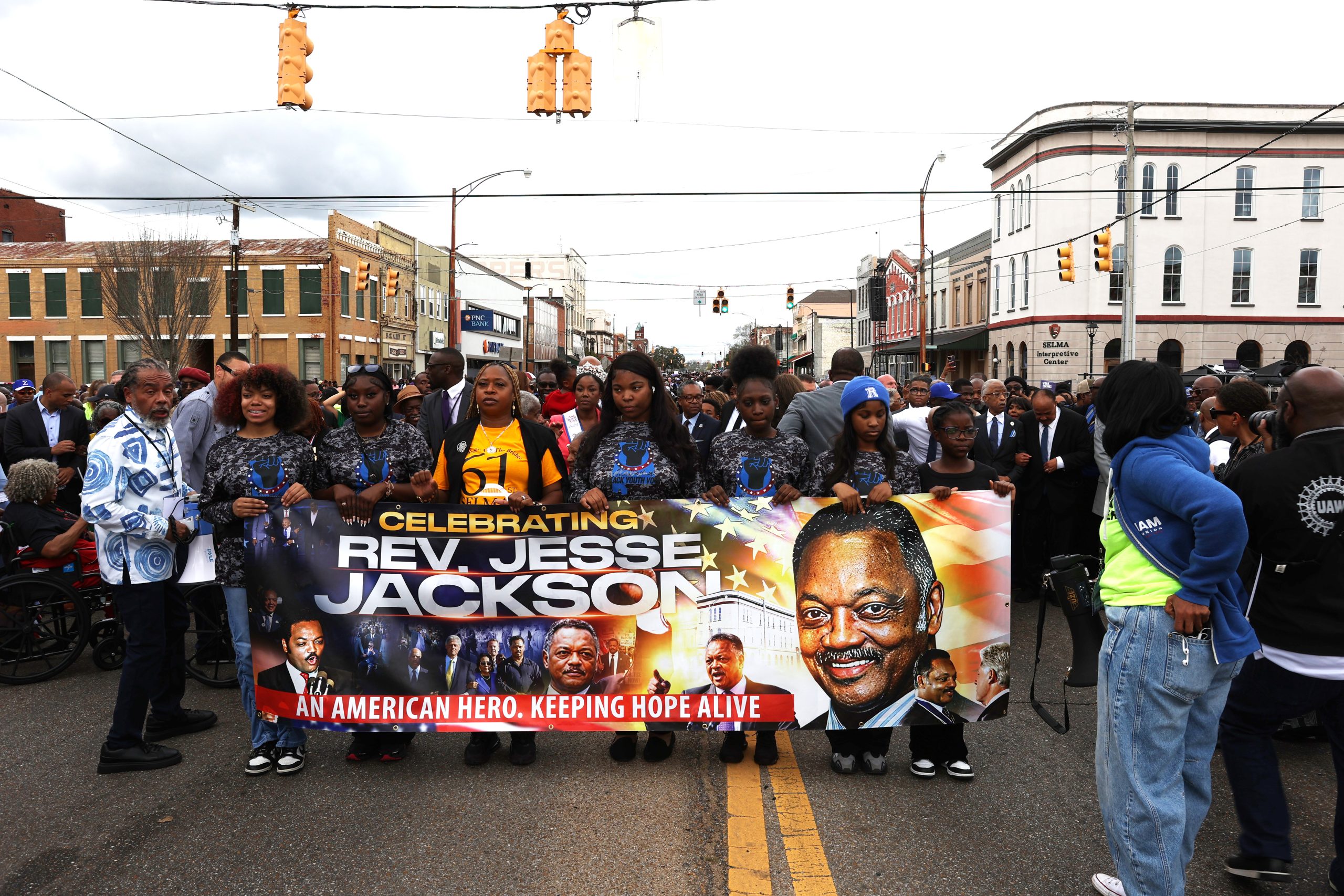
Speakers also reflected on the legacy of Rev. Jesse Jackson Sr. (October 8, 1941 – February 17, 2026).
“We will follow in the path that Rev. Jesse Jackson blazed for us,” Jesse Jackson Jr. told attendees. “We will not let his work and legacy die with him. His work lives on through all of us who continue the fight to expand democracy and protect the right to vote in these dark times.”
Charles Mauldin, a foot soldier who stood on the Edmund Pettus Bridge during Bloody Sunday in 1965, said Selma remains central to the nation’s democratic story.
“Selma is the birthplace of the continuation of democracy in America,” Mauldin said. “Before Selma, there wasn’t democracy for all Americans, especially Black Americans. A seed was planted here that is eternal.”
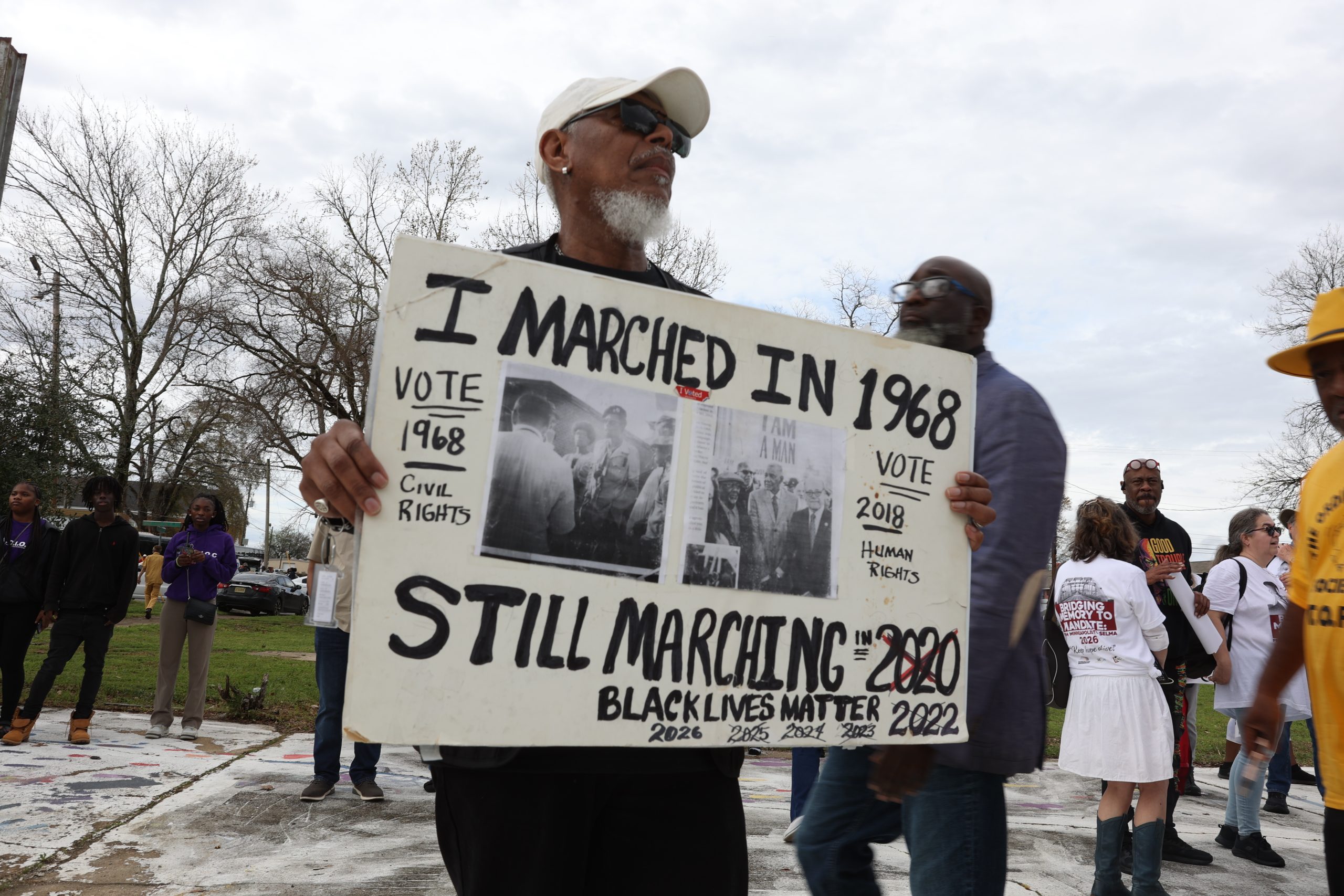
While the annual commemoration draws national attention, many leaders emphasize that the movement was never meant to be confined to one place. Real change, they say, requires sustained effort long after the speeches end and the crowds disperse.
Advocates working on voting access, education equity, criminal justice reform, and economic opportunity continue to look to Selma as a source of inspiration. But they stress that the true measure of the movement’s legacy is not the symbolic walk across the bridge—it is the work carried forward in communities across the country.
U.S. Rep. Maxwell Frost of Florida’s 10th Congressional District, the first Gen Z member elected to Congress, said he is ready to accept that challenge. He acknowledged the leaders who paved the way but are no longer here. “Like a sports team, though, you have to have replacements to keep the game going,” Frost said. “That’s on me. That’s on all of us in Congress to make sure we are doing what’s needed.”
For a few hours each year, the nation pauses in Selma to remember the sacrifices that helped secure the right to vote. But the lesson of the bridge is not simply to look back. It is to keep moving forward.