
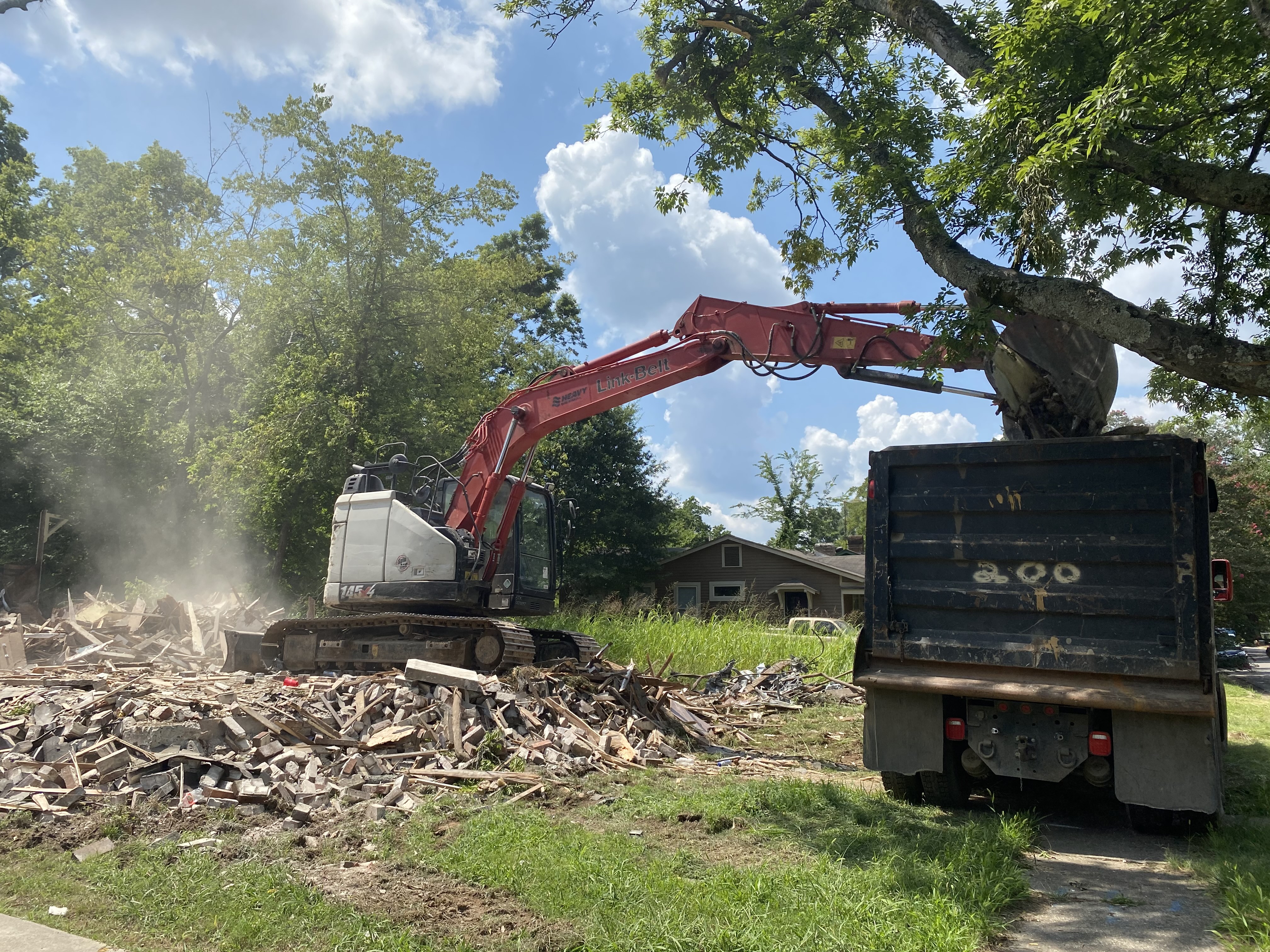
A new law passed by the Alabama Legislature this week will require owners of vacant properties in Birmingham to register, maintain, and pay fees for buildings sitting empty for more than three months.
The legislation creates a vacant property registry aimed at holding property owners accountable and speeding up the process for addressing dilapidated buildings across the city.
Under the law, the registration fee is $250 with a 150% increase per year, capping at $1,000.
“There are parts of the city of Birmingham, especially those older communities. You have so much blight and so many dilapidated properties,” said Rep. Patrick Sellers, who represents District 57.
The City of Birmingham said in a statement that it appreciates the legislature’s support in advancing the bill.
“Our goal is to address blight more efficiently, protect neighborhood quality of life, and reduce the burden on taxpayers by shifting costs back to responsible parties,” the statement said.
Sellers said property owners need to take action.
“Fix them up, renew them, refresh them, remodel them or sell them. Do something with them so it doesn’t hinder the communities of Birmingham,” he said.
The bill will be enforced with inspections without notice and fines. Any unpaid fines could result in a lien being placed on the property.
Veronica Edwards-Johnson, president of the Powderly neighborhood, said vacant properties have plagued her community for years.
“This property I’m pretty sure has been empty probably 25 years or more,” Edwards-Johnson said. “There’s one there, and one across the street and one up the street that’s empty.”
Edwards-Johnson said she would like to see the houses cleaned up quickly.
“We’d like to see these houses cleaned up in a more expedient fashion so our community looks better,” she said.
The city said it is currently reviewing the final version of the bill and looks forward to evaluating how it can best support ongoing blight reduction efforts.
The law goes into effect Oct. 1.