Compiled by Javacia Harris Bowser | The Birmingham Times
Alabama is home to a host of historic sites, monuments and museums dedicated to African American history. These places serve as powerful reminders of the resilience that has shaped the region and the nation and help to ensure that the stories of struggle, resistance, creativity, and triumph are not lost. Visiting them offers more than a history lesson; it provides an opportunity to connect with the people and movements that transformed America and continue to inspire the fight for justice today. Consider starting your journey through history with these notable sites.
Africatown Heritage House
Located in Mobile, this museum tells the story of the Clotilda, the last known slave ship to arrive in the United States, and the Africatown community founded by its survivors.
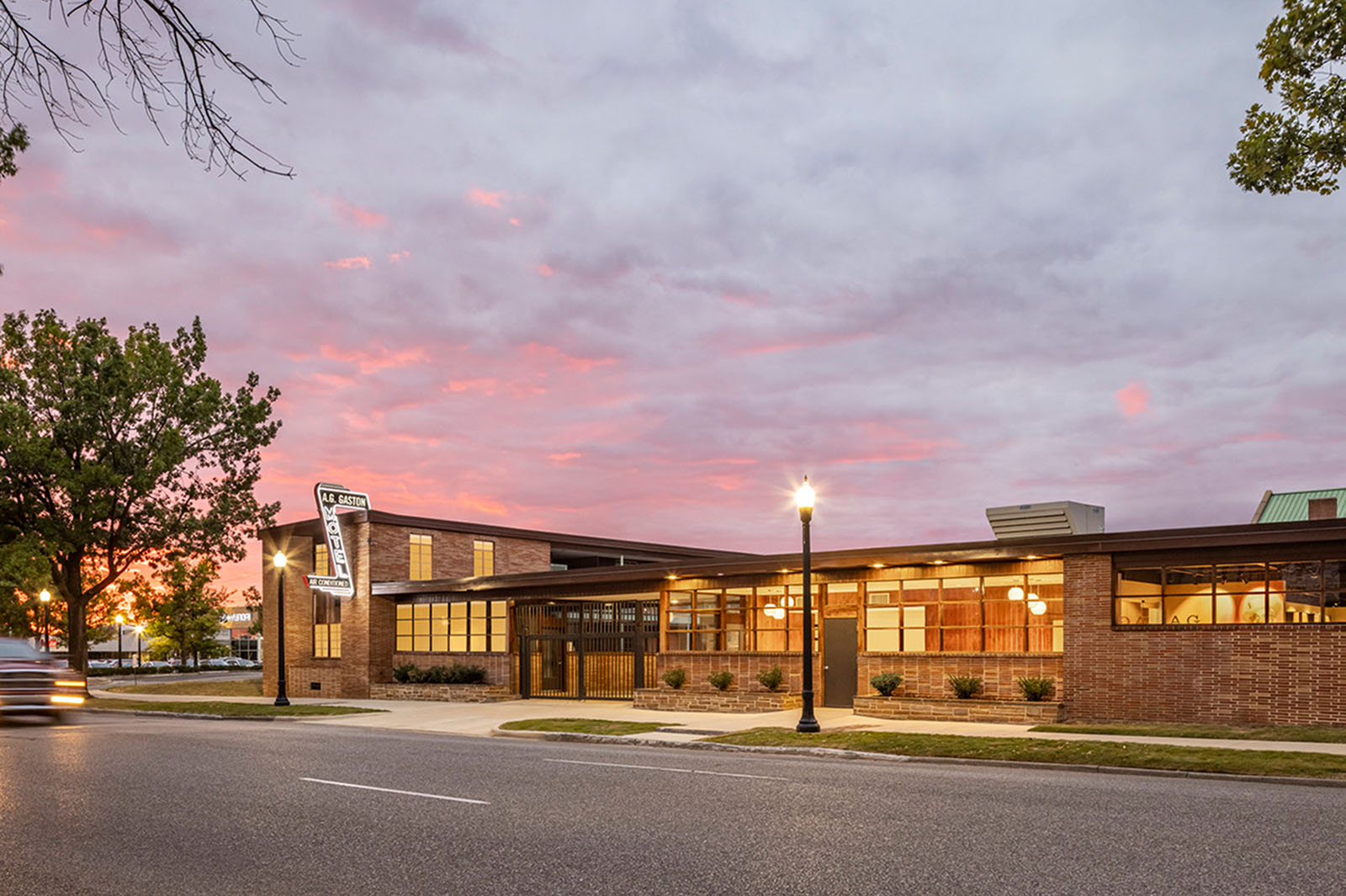
A.G. Gaston Motel
Once a haven for Black travelers, the Birmingham motel became a strategic headquarters for Civil Rights leaders during the Civil Rights Movement in the 1960s. Today, the site houses a museum and a locally owned coffee shop.
birminghamal.gov/government/city-departments/ag-gaston-motel
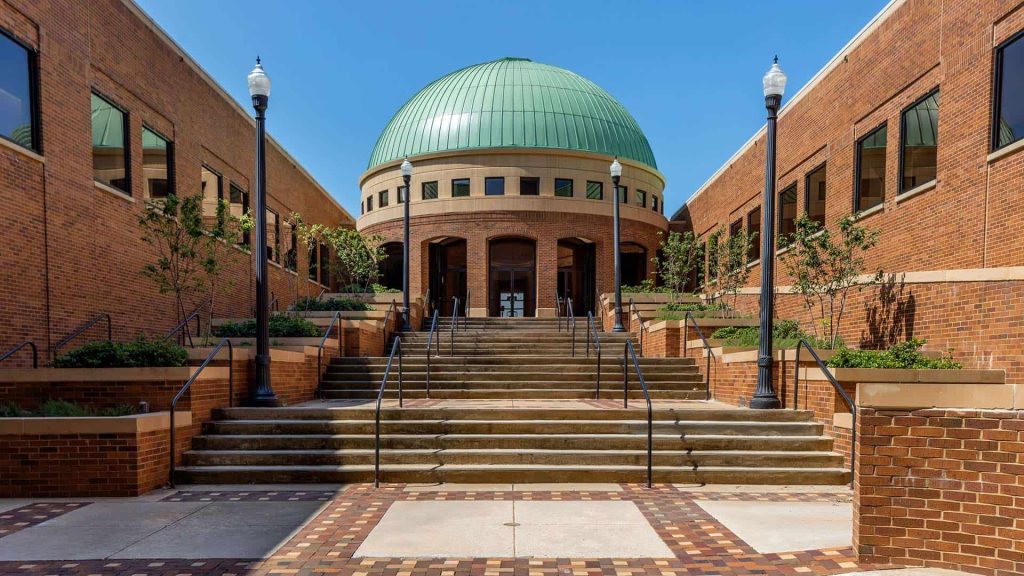
Birmingham Civil Rights Institute
More than a museum, the Birmingham Civil Rights District is a cultural and educational research center that promotes a comprehensive understanding of the significance of civil rights developments in Birmingham. Using multimedia exhibits to chronicle Birmingham’s role in the fight for equality, the BCRI is a cornerstone of the city’s Civil Rights District and reaches up to 150,000 individuals each year through award-winning programs and services.
16th Street Baptist Church
This historic church in Birmingham was a major organizing hub for civil rights activists and the site of the 1963 bombing that killed four young girls, galvanizing national support for the movement. Still active and vibrant today, the church not only holds regular services for parishioners but also offers tours for visitors.
Kelly Ingram Park
Located across from 16th Street Baptist Church, this park served as a staging ground for protests and demonstrations during the Civil Rights Movement. Today the park features several monuments and sculptures paying homage to the movement, including the Four Spirits memorial created by sculptor Elizabeth MacQueen in honor of the four girls killed in the 1963 bombing of 16th Street Baptist Church.
civilrightstrail.com/attraction/kelly-ingram-park
The Equal Justice Initiative (EJI) Legacy Sites
The EJI Legacy Sites in Montgomery, Alabama, offer one powerful experience through three sites. At the Legacy Museum, visitors travel through 400 years of history from slavery and racial terror to segregation and mass incarceration in America. The National Memorial for Peace and Justice sits on a six-acre site and is the nation’s first comprehensive memorial dedicated to victims of racial lynchings. Built on the banks of the Alabama River, the Freedom Monument Sculpture Park is a 17-acre site that explores the lived experience of enslaved people in America.
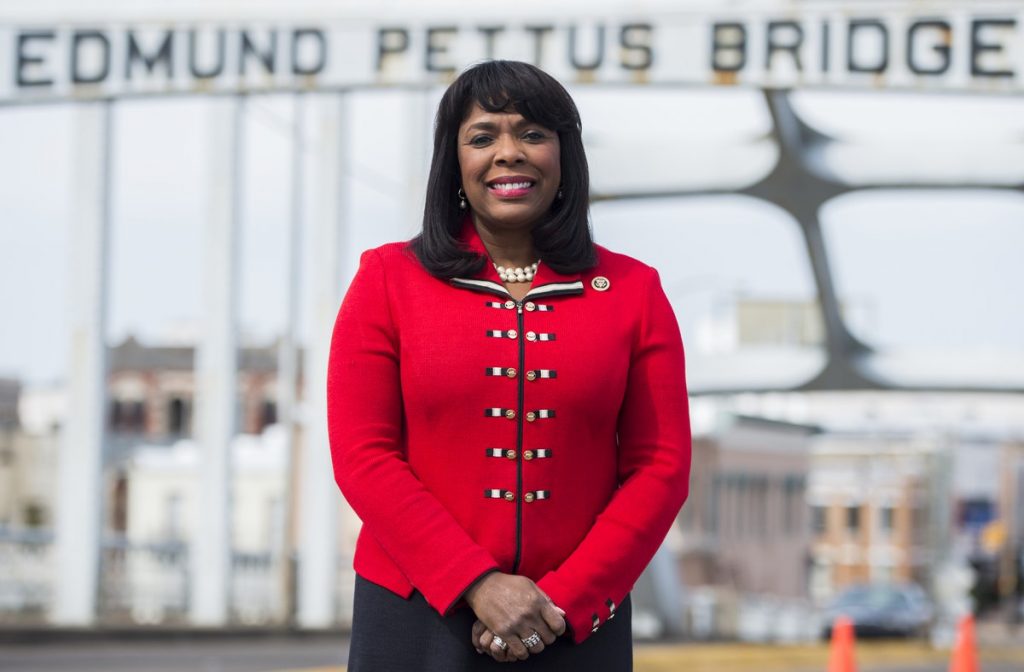
Edmund Pettus Bridge
Now a National Historic Landmark, the Edmund Pettus Bridge in Selma, Alabama, was the site of the brutal beatings of civil rights marchers on March 7, 1965, during the first march for voting rights. Known now as Bloody Sunday, the nationally televised attacks prompted public support for the civil rights activists in Selma and for the voting rights campaign. People gather at the bridge each year on the anniversary of the attacks to honor the freedom fighters.
civilrightstrail.com/attraction/edmund-pettus-bridge
Lowndes County Interpretive Center
Part of the Selma to Montgomery National Historic Trail, this National Park Service site honors those who marched from Selma to Montgomery to peacefully protest for voting rights. The center highlights the grassroots organizing and the violence that activists faced during the march.
civilrightstrail.com/attraction/lowndes-interpretive-center
Freedom Riders National Monument
Now part of the National Park Service, this former Greyhound station in downtown Anniston was the site of the 1961 bus burning attack on the Freedom Riders. Today, this monument pays tribute to the activists and their fight for civil rights.
civilrightstrail.com/attraction/freedom-riders-national-monument
Gee’s Bend
This historic Black community in Boykin, Alabama, is known for its quilting tradition, rooted in the legacy of enslaved people and sharecroppers, and now celebrated as a major contribution to American art.
Lincoln Normal School Campus and Museum
Founded in 1867 in Marion, Alabama, by formerly enslaved African Americans and the American Missionary Association, Lincoln Normal School was a pioneering institution for training Black teachers. It laid the foundation for Alabama State University (now based in Montgomery) and served as a vital, high-quality educational center for over a century before closing in 1970. Today, the museum houses artifacts, historical documents, memorabilia, videos, photos and newspapers relating to the legacy of Lincoln School.