
By Javacia Harris Bowser | For the Birmingham Times
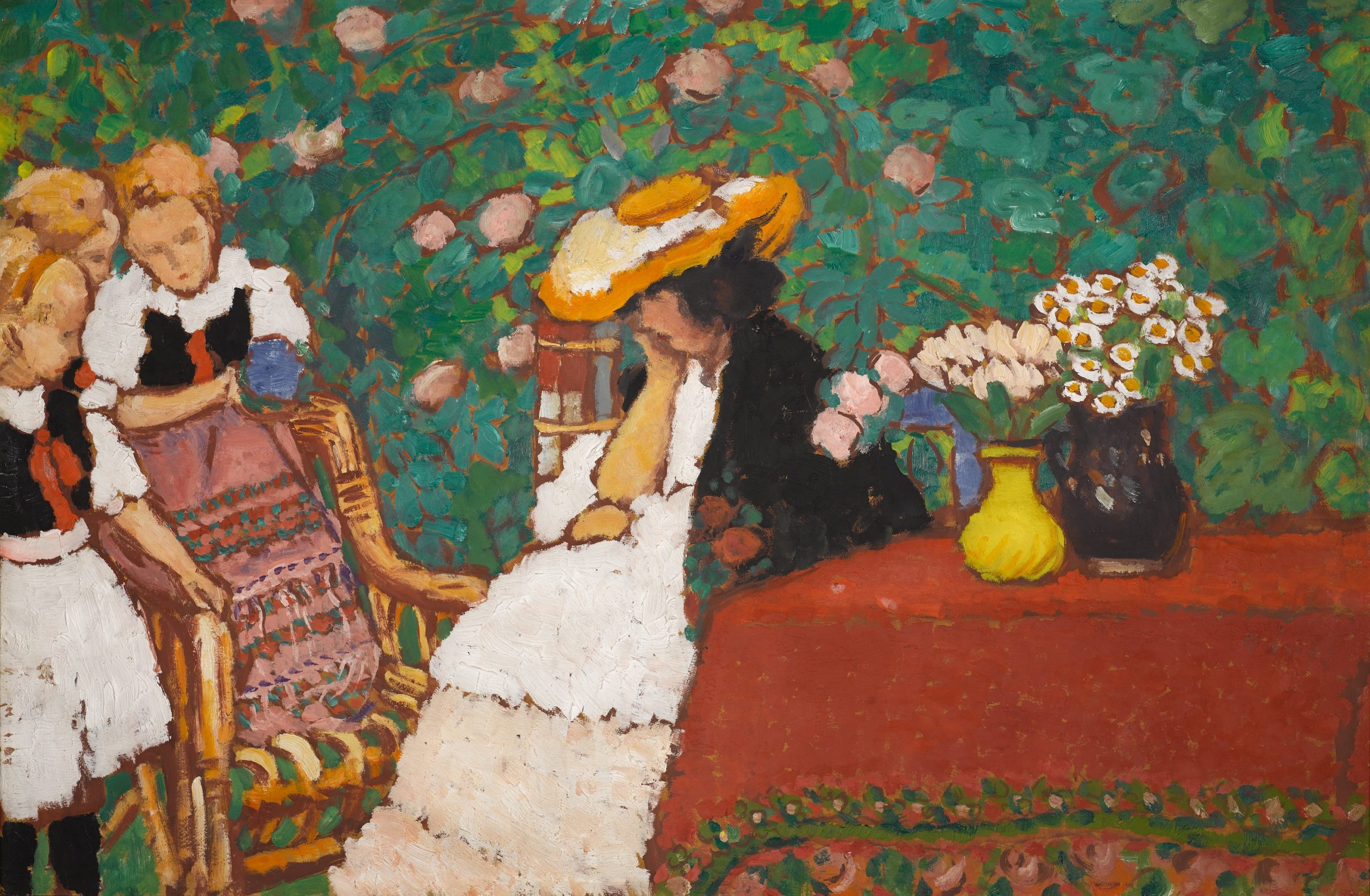
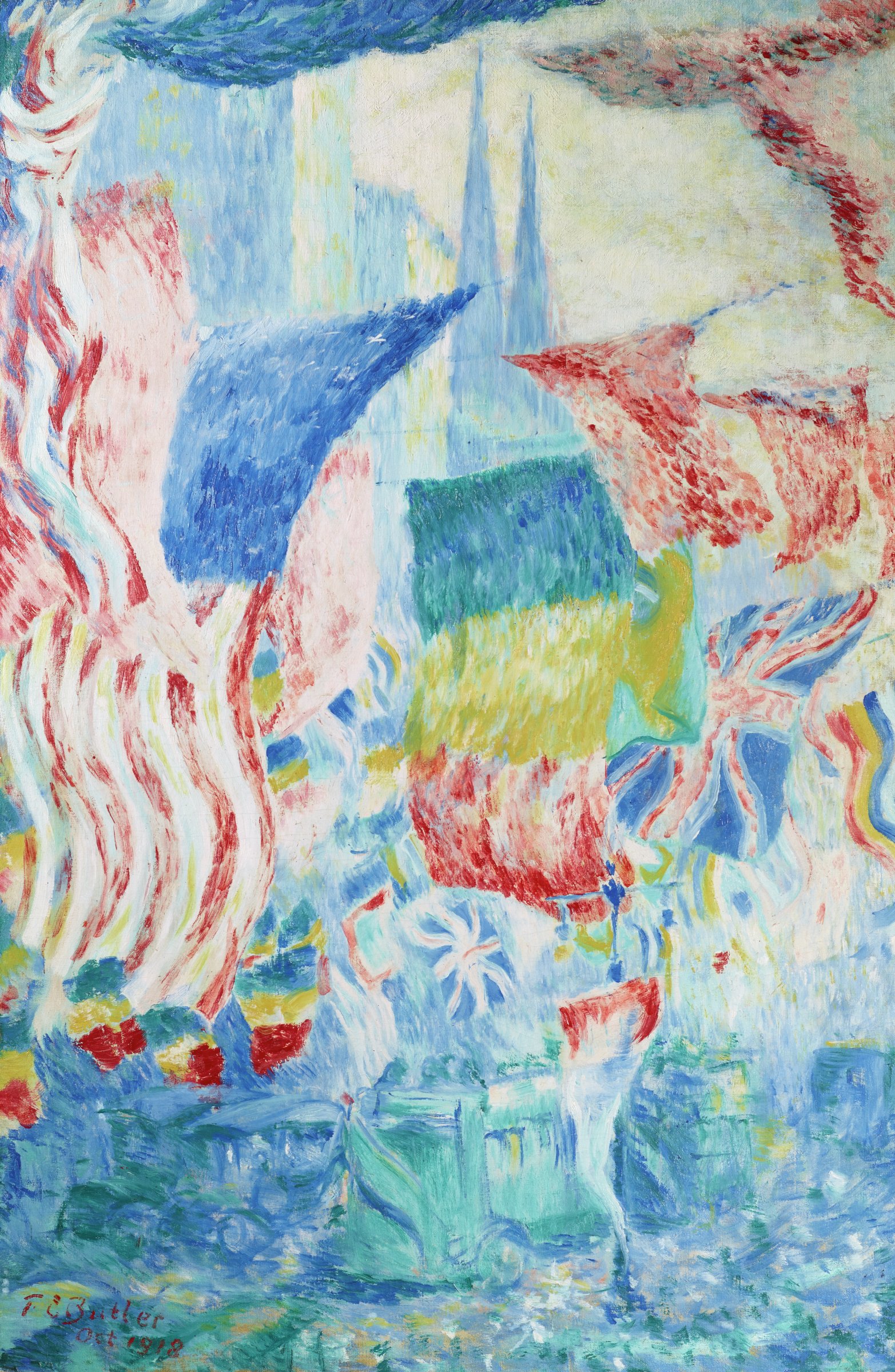
The Birmingham Museum of Art (BMA) will present an exhibition of over 100 masterworks when Monet to Matisse: French Moderns, 1850–1950, opens on Friday, Jan. 30.
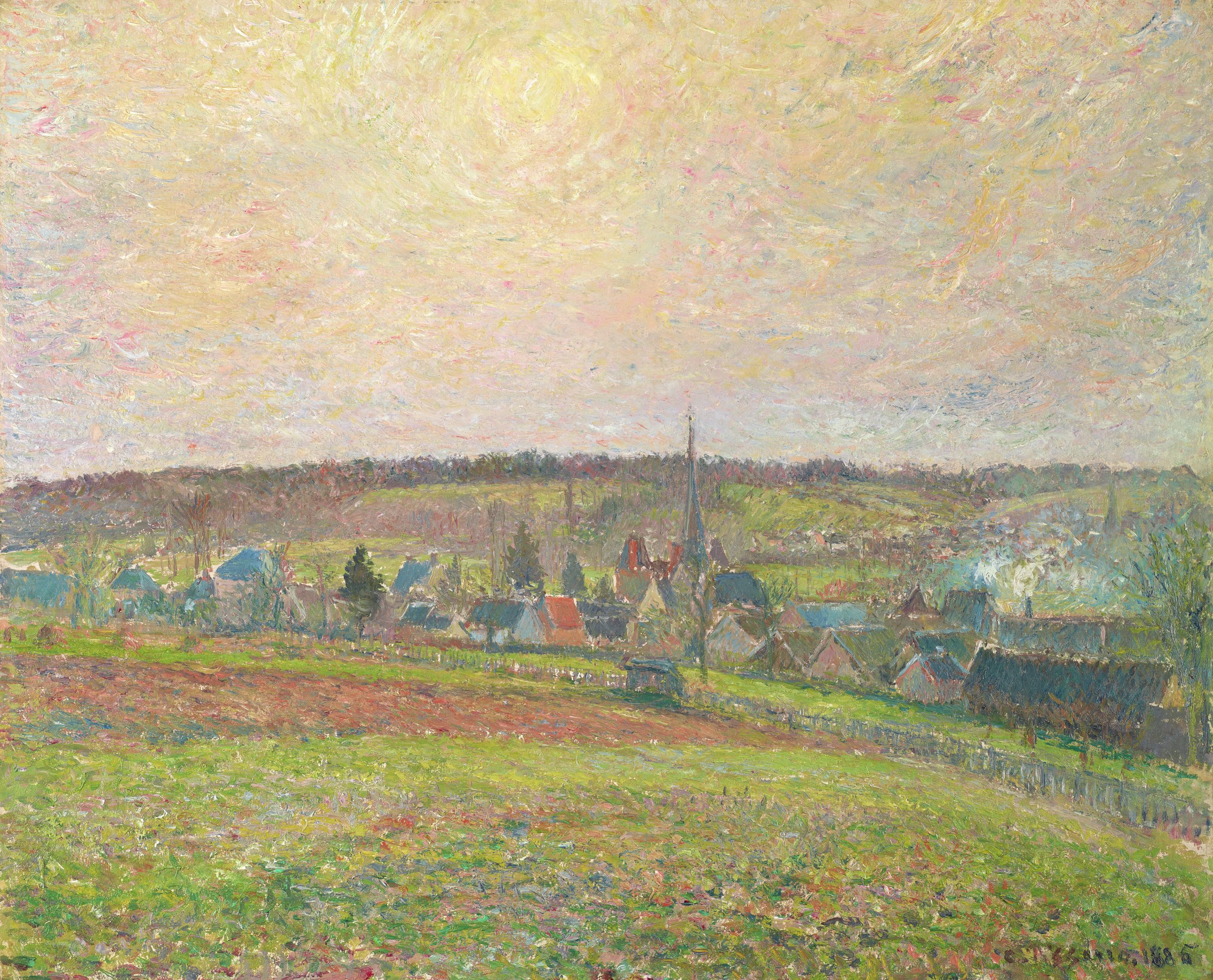
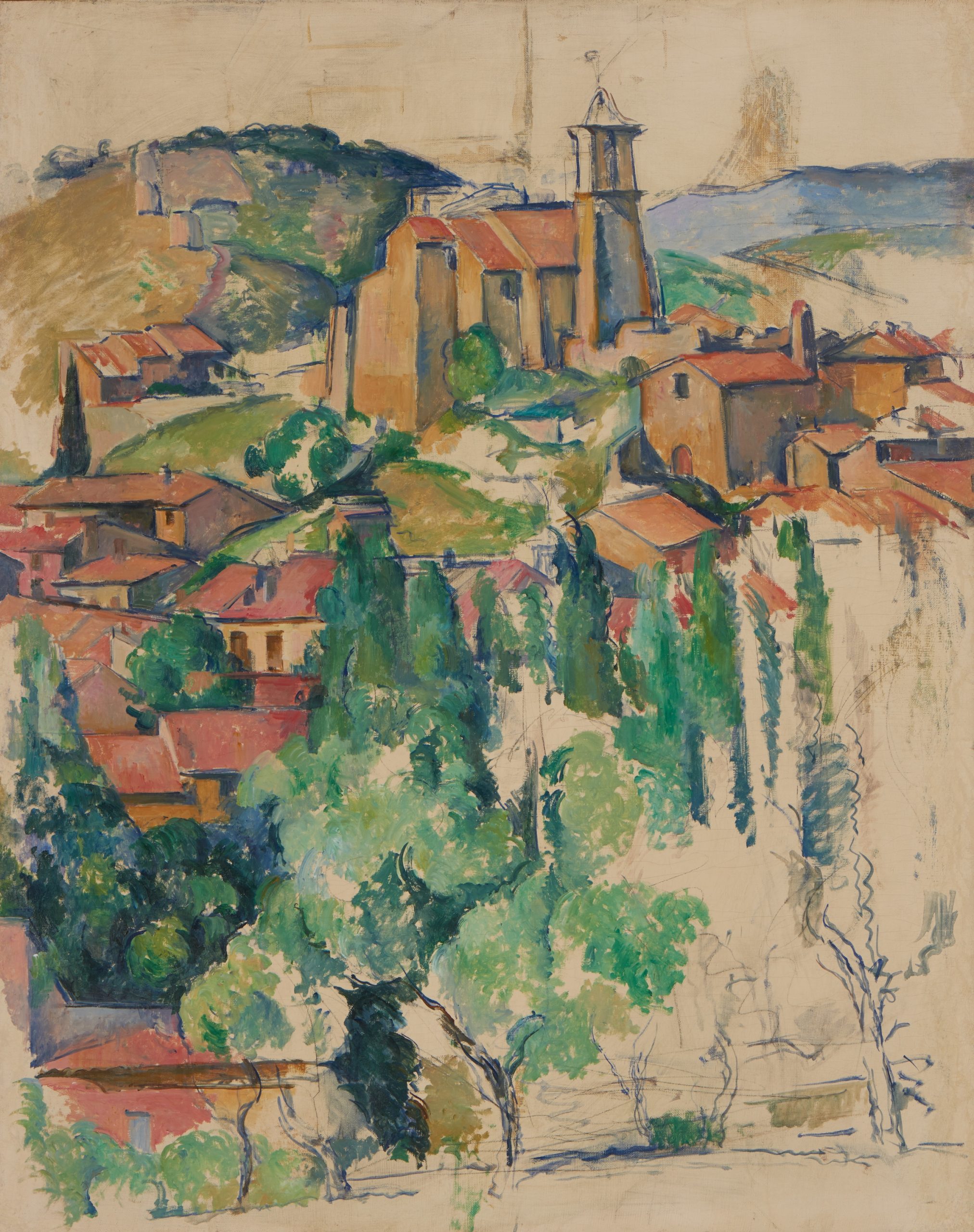
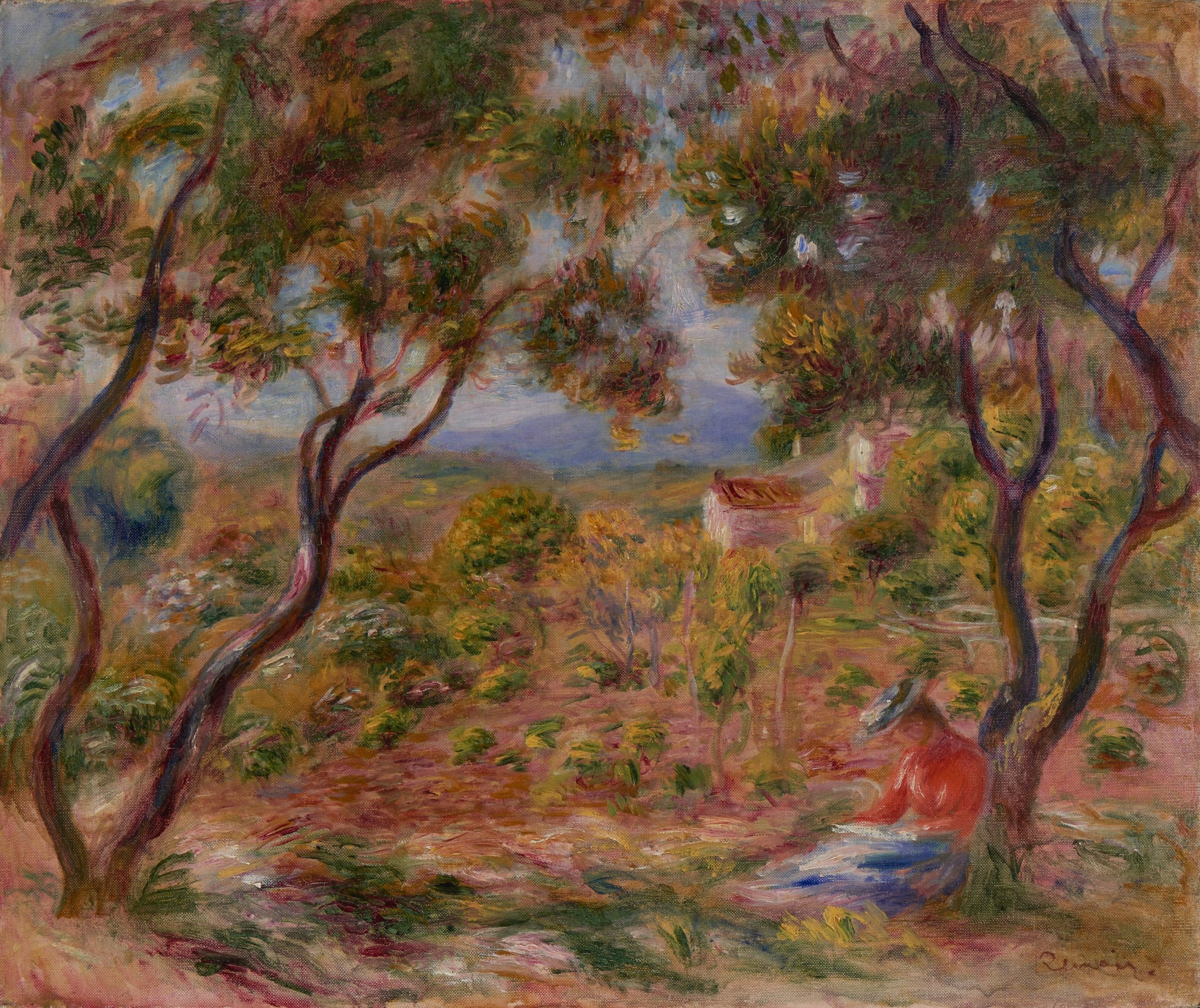
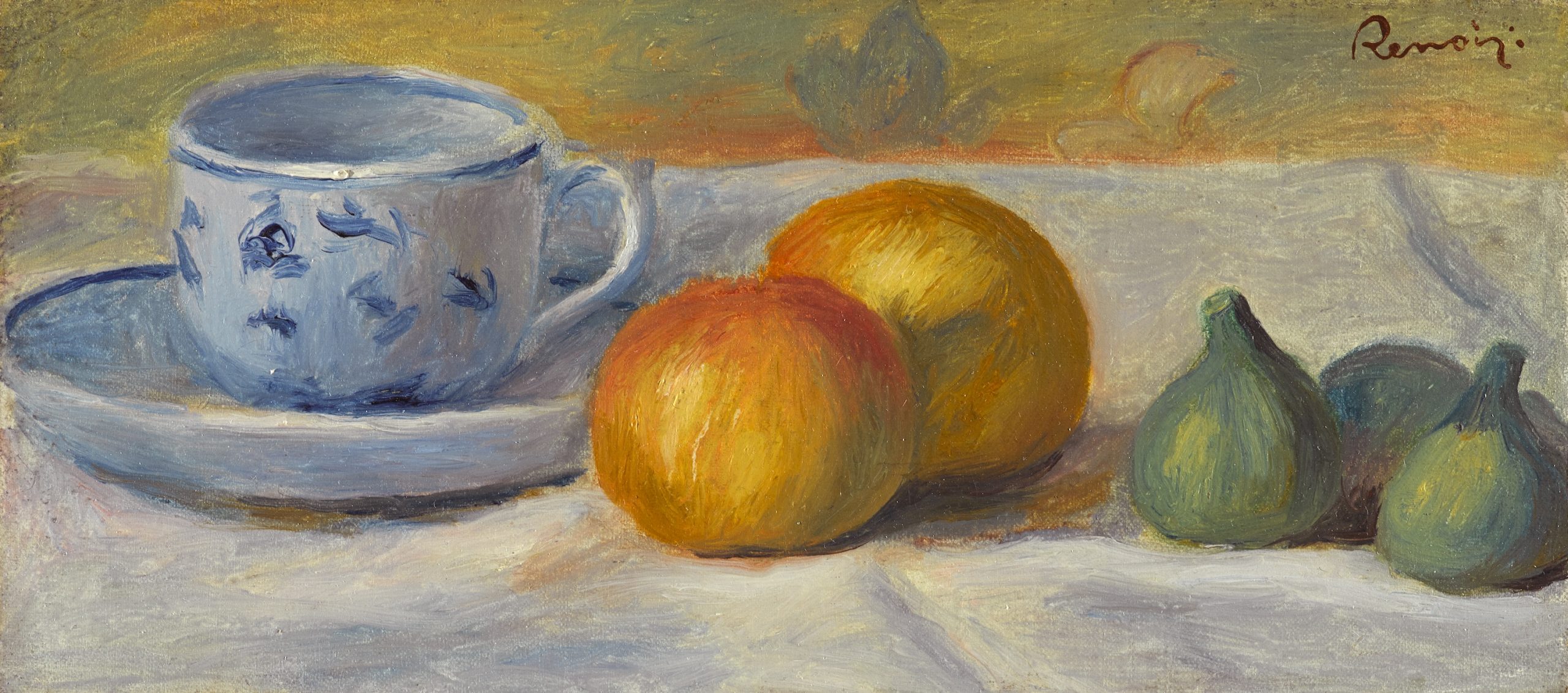
The exhibition features work from iconic artists such as Paul Cézanne, Mary Cassatt, Edgar Degas, Henri Matisse, Claude Monet, Camille Pissarro, Pierre-Auguste Renoir, and many others.
Monet to Matisse may be a traveling exhibit curated by the Brooklyn Museum, but the BMA exhibition will be one-of-a-kind as it also includes over 40 works from the museum’s collection to offer a broader exploration of this transformative period in art history.
“We are the only venue of the tour that has been allowed not just to add, but really significantly alter and grow the show, which is really exciting, and we’re really thankful to them for letting us this creativity to do that,” said Maggie Crosland, the Fariss Gambrill Lynn and Henry Sharpe Lynn Curator of European Art at the BMA.
The exhibition, Jan. 30-May 24, comes to the BMA as the museum celebrates its 75th anniversary.
“As we commemorate this milestone year, we are pleased to present one of the most significant exhibitions of French modern art to come to Birmingham,” said Graham C. Boettcher, R. Hugh Daniel Director of the Birmingham Museum of Art. “Monet to Matisse offers a rare opportunity to experience the revolutionary spirit of these artists up close. From the dreamlike brushstrokes of Monet to the bold colors of Matisse, this exhibition reflects the radical creativity that forever changed the course of art history.”
Revolutionary Art
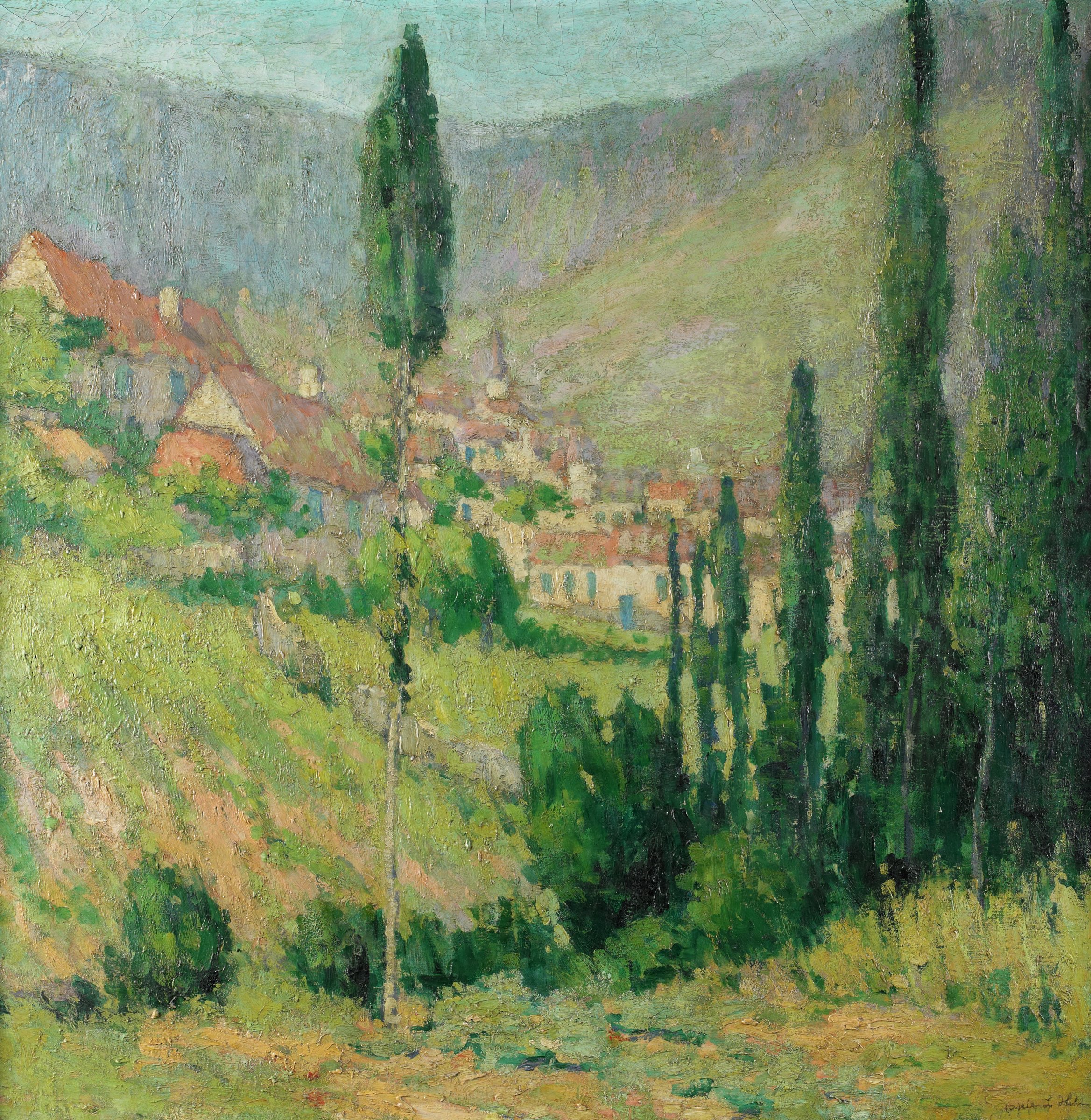
The exhibition is organized into four thematic sections—Landscape, Still Life, Portraits and Models, and The Nude— to provide an in-depth look at the evolution of modern art. But BMA wants to highlight the revolution of modern art too.
“We think of Claude Monet as very classic, but he’s panned by the critics at the time, Crosland explained. “He is doing something extremely different.”
And the world around him was becoming different.
“You don’t necessarily know you’re living in revolutionary times until you’re in the midst of it,” Crosland said. “Monet lived through the Franco-Prussian War and World War One. His son in law is exiled and his family is separated. These are artists who are actively responding to the things that are happening in their lives, and that’s what artists are doing now. That’s what we’re doing now.”
Crosland added, “so many of the big changes that you see through the exhibition is a direct impact of war and peace and technology and transportation that is developing at a rapid pace. And that’s what we’re living through.”
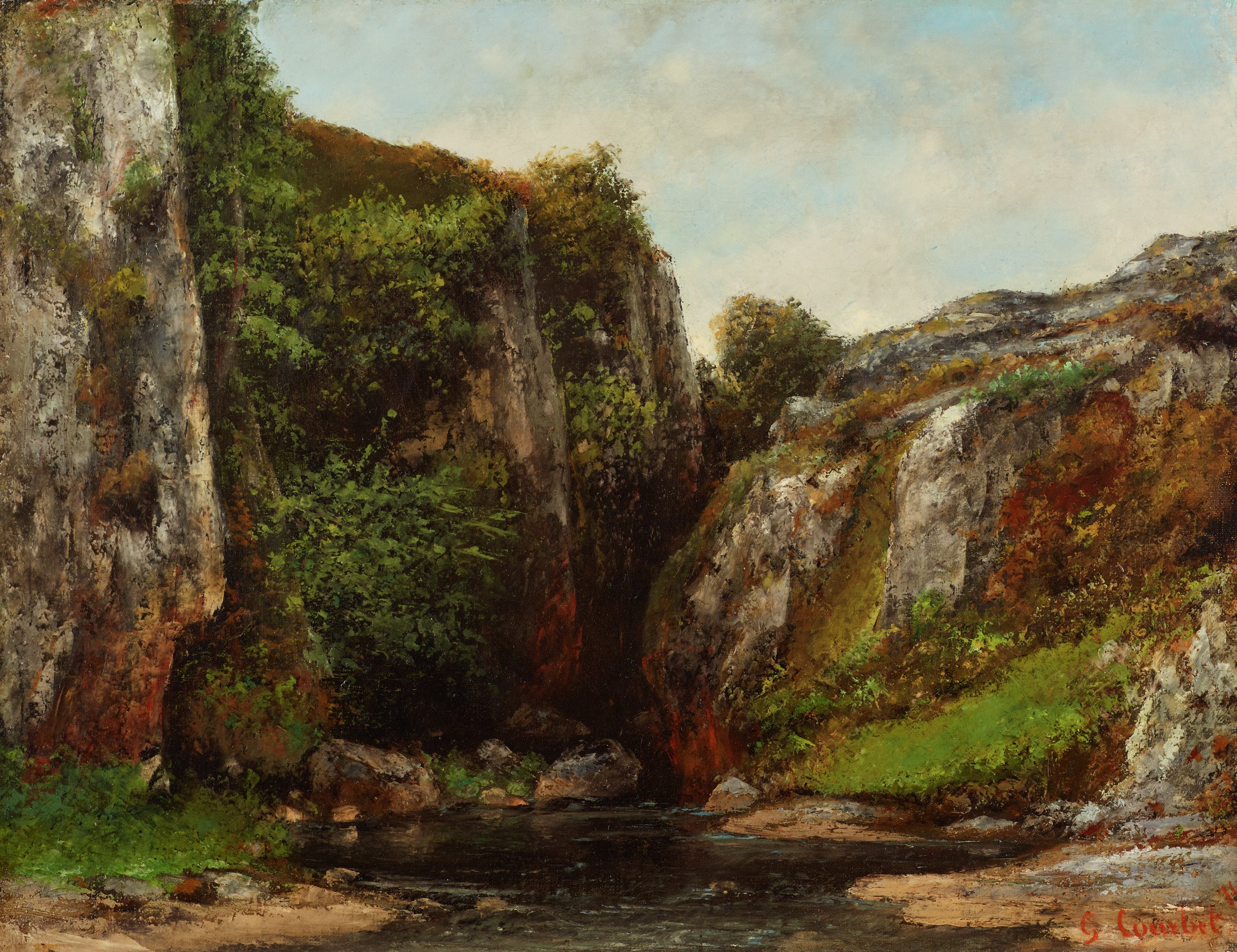
Expanding the Narrative
As Crosland and the BMA team considered which pieces to add to the exhibition, they aimed to expand the narrative and make the conversation around modern art more inclusive that not only showcase the contributions of French artists but also highlight the influence of Japanese visionaries who shaped the modernist movement.
The additions also highlight American artists who carried the legacy of modernism forward – including two Black artists – Henry Ossawa Tanner and Charles Ethan Porter — and two Alabama artists – Clara Weaver Parrish and Carrie Hill.
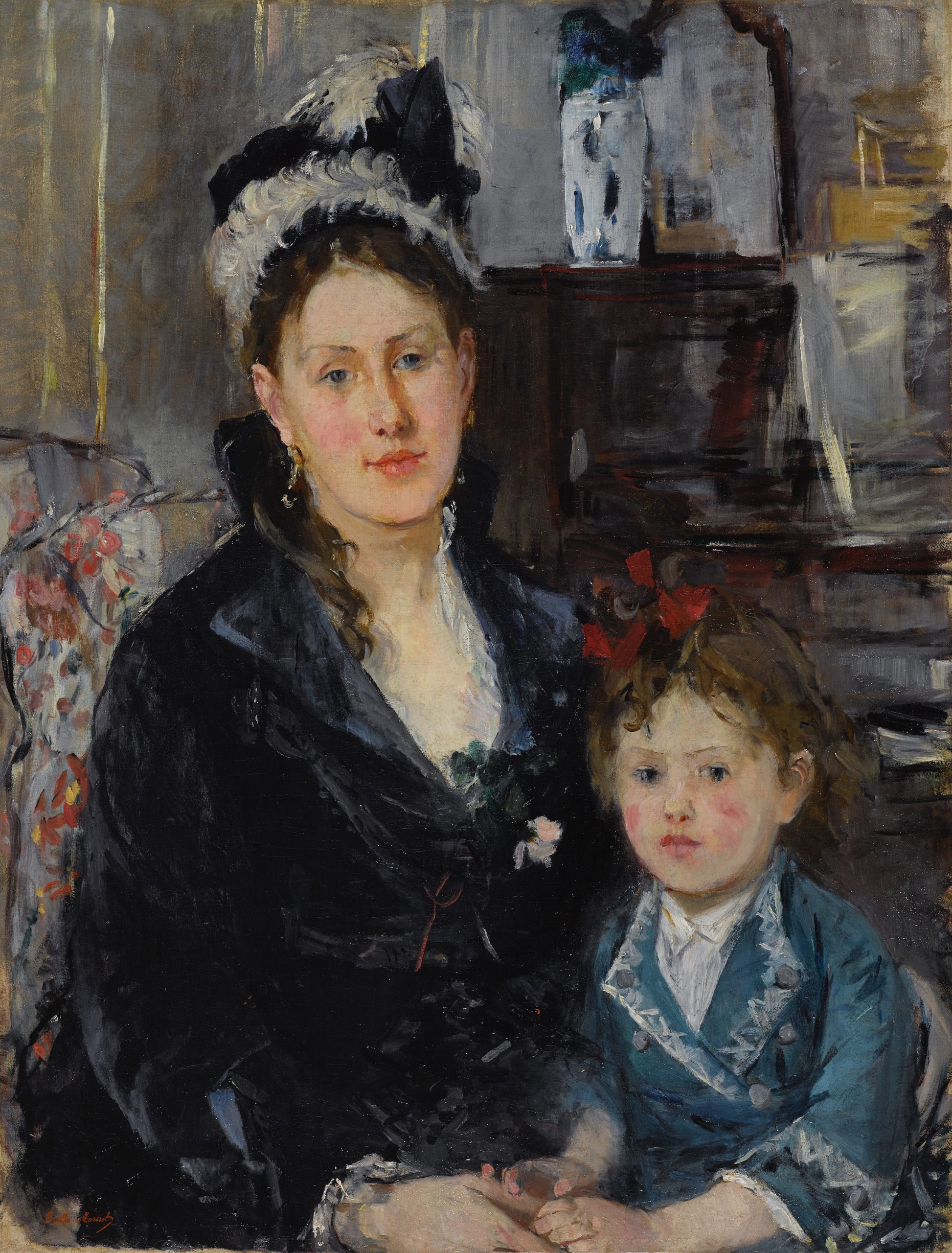
The exhibition also explores the contributions women artists such as Mary Cassatt, Berthe Morisot and Marie Bracquemond. Women were not only sometimes marginalized in the art world but also felt the push and pull of two careers. “One is an artist and one is a wife and mother, and if that is not one of the most contemporary statements, I don’t know what is,” Crosland said. “There’s a lot of connections.”
Community
The BMA will host a range of programs in conjunction with Monet to Matisse, including lectures, guided tours, and interactive workshops. The museum will partner with Alabama Ballet, Botanical Gardens and the University of Alabama at Birmingham (UAB) for future community events.
Crosland sees Monet to Matisse as an opportunity to celebrate not only French art but the Birmingham Museum of Art and the city of Birmingham.
“It is a museum that cannot exist without the community,” she said. “And yes, this is a show that’s coming from Brooklyn, but we can’t do what we’ve done with the show without the additions from our collection, and we cannot have that collection without the generosity of the people of Birmingham.”
“Monet to Matisse: French Moderns, 1850–1950″ will be on view Jan. 30-May 24 at the Birmingham Museum of Art, 2000 Rev. Abraham Woods Jr. Blvd. Admission to the museum is free, but tickets are required to see the exhibit, priced at $10-$19.51. For more visit the museum’s website here