
By Javacia Harris Bowser | The Birmingham Times
Visitors to the Birmingham Museum of Art’s presentation of the Monet to Matisse exhibition may be surprised to find works by two Black American artists on display in a show focused on French art. But for Dr. Maggie Crosland, BMA Curator of European Art, including works by Henry Ossawa Tanner (1859 – 1937) and Charles Ethan Porter (1847-1923) was key.
“Both artists worked in France and were inspired by the art being made in Paris in this moment,” Crosland said. “Because of what was happening politically in the United States from 1850 to 1950, there were many Black American artists living in France. These artists were part of arts communities and helped shape the aesthetics of the era.”
Monet to Matisse: French Moderns, 1850–1950, features over 100 masterworks by iconic artists such as Paul Cézanne, Mary Cassatt, Edgar Degas, Henri Matisse, Claude Monet, Camille Pissarro, Pierre-Auguste Renoir, and many others. Though Monet to Matisse is a traveling exhibit curated by the Brooklyn Museum, the BMA exhibition is one-of-a-kind as it also includes over 40 works from the museum’s collection to offer a broader exploration of this transformative period in art history. The pieces by Tanner and Porter are two examples.
“It was important to showcase the BMA’s exceptional collection because it is our 75th anniversary,” Crosland said. “Both of these paintings were gifts to the BMA collection — Tanner in 1971, and Porter in 2014.”
Tanner and Porter
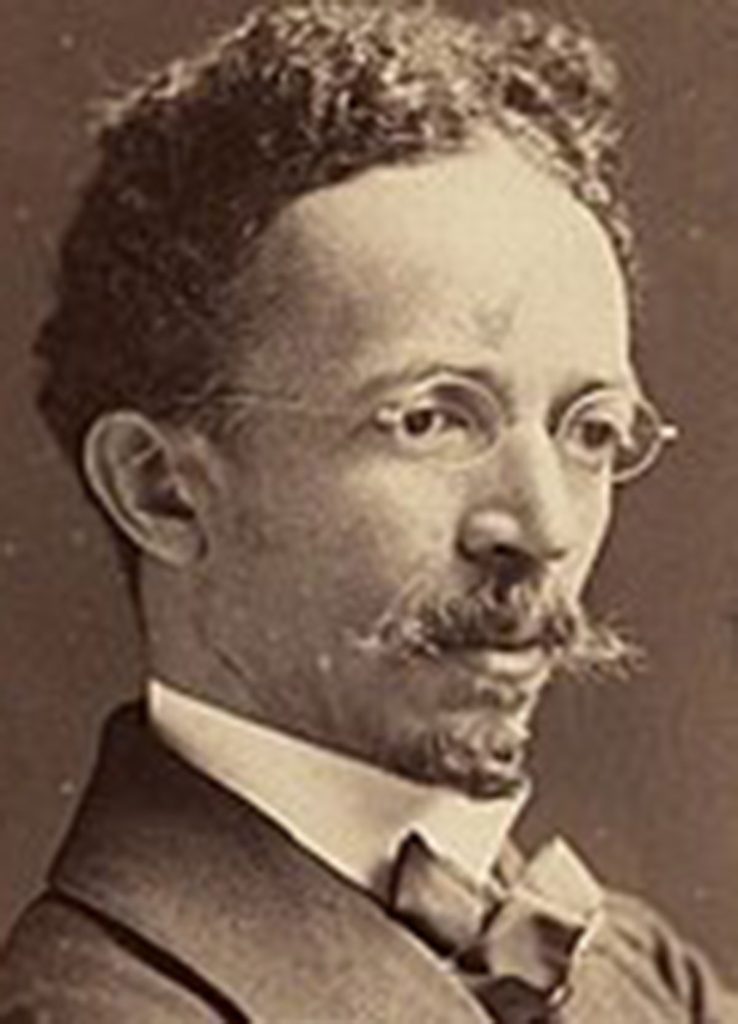
Henry Ossawa Tanner was born in Pittsburgh in 1859, the first of five children, to Reverend Benjamin Tucker Tanner, a future bishop in the African Methodist Episcopal Church, and Sarah Tanner, who had escaped her enslavers via the Underground Railroad. The family settled in Philadelphia in 1868, and in 1879 Tanner enrolled in the Pennsylvania Academy of the Fine Arts.
Eventually, Tanner relocated to Paris but maintained close ties to the United States and remained concerned about the African American struggle for equality.
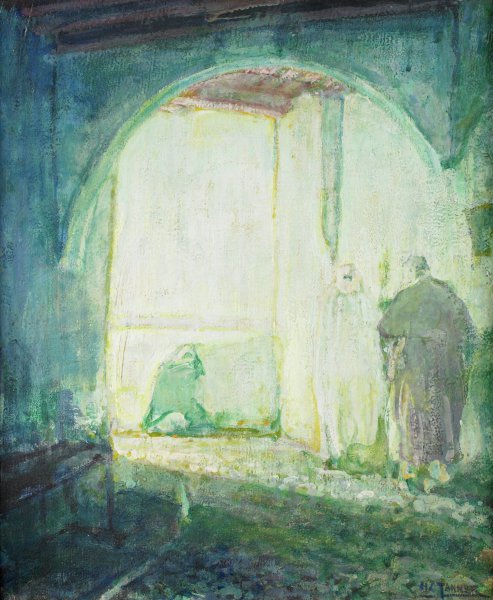
His piece “Moroccan Scene,” featured in the BMA exhibition Monet to Matisse, demonstrates Tanner’s fascination with the effects of light on the city’s architecture.
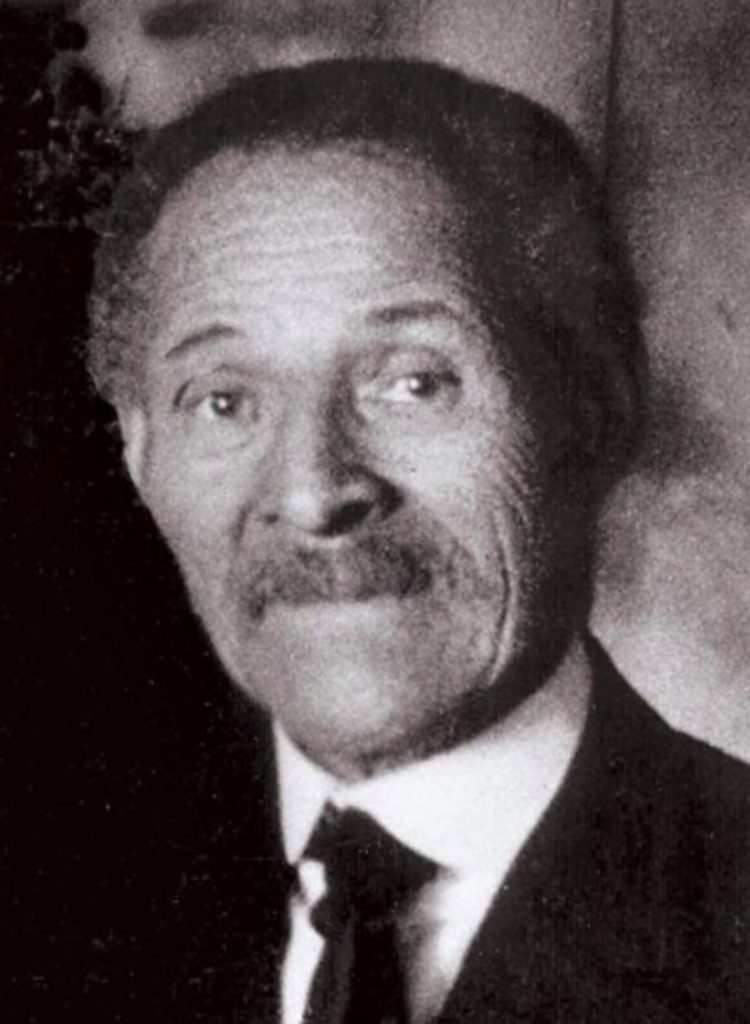
Charles Ethan Porter was a contemporary of renowned sculptor Edmonia Lewis, but he is often excluded from art history because he focused on painting still life at a time when this genre of painting was looked down upon.
After taking drawing lessons as a child and studying painting in high school, Porter was accepted to the National Academy of Design in 1869 and is believed to be the first Black student to attend this premier art school. Porter once wrote to his friend, author Mark Twain, that he wanted to show the world that African Americans were “capable the same as other men.”
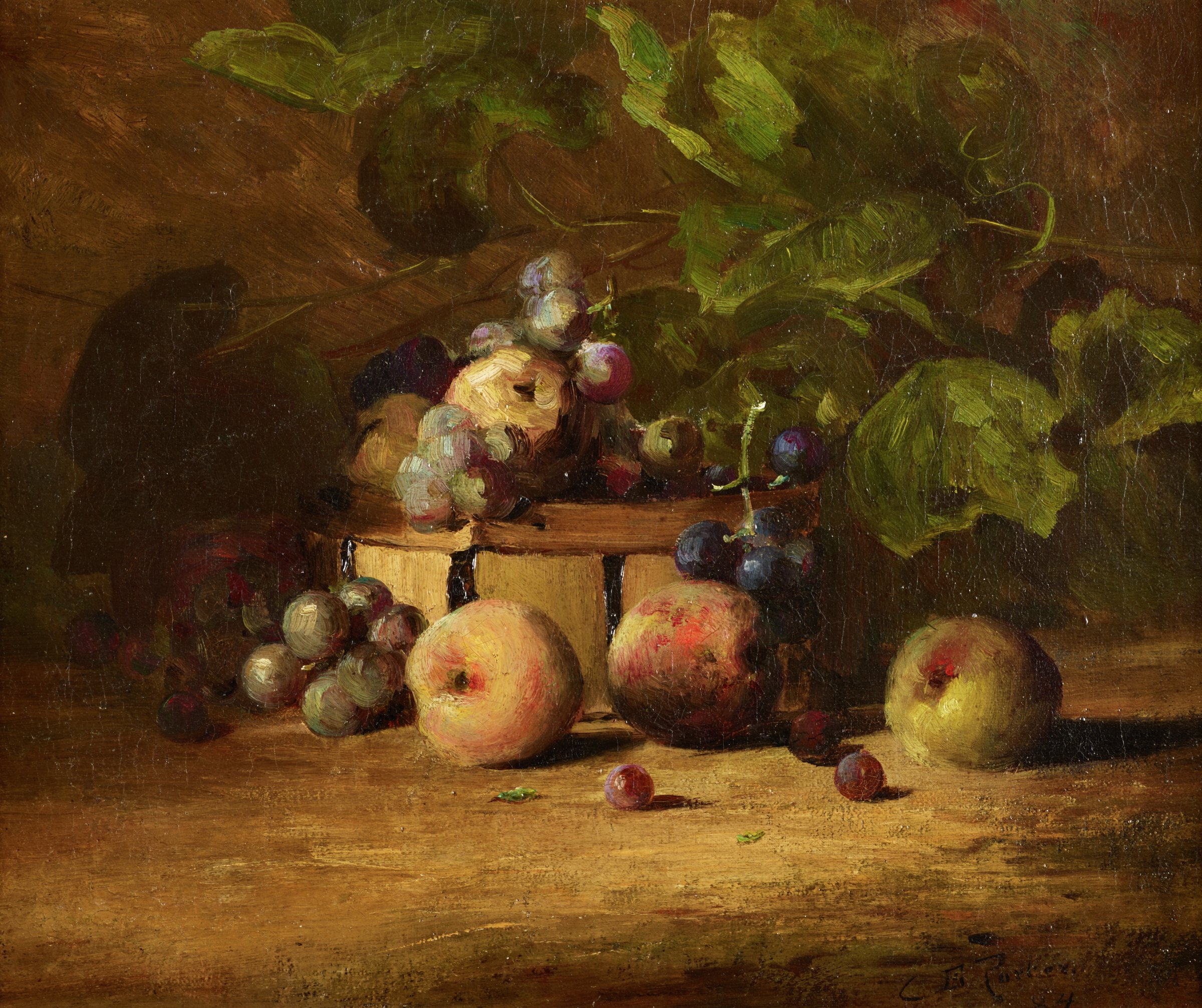
Porter also challenged the notion that still life painting was boring or static, incorporating styles such as Impressionism throughout his practice. The rich colors and meticulous attention to detail in “Still Life with Fruit,” the painting featured in the BMA Monet to Matisse exhibit, show that Porter was a specialist in the genre.
The Story Continues
Both the Tanner and Porter pieces will also be featured in the upcoming BMA exhibition Roll Call: 200 Years of Black American Art, which is set to open in the fall.
“Showing them in both exhibitions is an exciting way to continue telling the many stories they contain,” Crosland said.
The BMA exhibition of Monet to Matisse also features works by two artists with Alabama ties — Clara Weaver Parrish and Carrie Hill.
“Both of these paintings were gifts to the BMA collection — Hill in 1951, and Parrish in 2016,” Crosland explained. “Hill and Parrish also both made art in France. We know that the Parrish pastel was exhibited in Paris, and Hill brought the styles she absorbed back to teaching art in Birmingham.”
Including works by Tanner, Porter, Hill, Parrish and others reflects the museum’s commitment to expanding narratives around art.
“The BMA is dedicated to collecting and sharing works by Alabama artists, women artists, and Black artists,” Crosland said.
“Monet to Matisse: French Moderns, 1850–1950″ will be on view through May 24 at the Birmingham Museum of Art, 2000 Rev. Abraham Woods Jr. Blvd. Admission to the museum is free, but tickets are required to see the exhibit, priced at $10-$19.51. For more, visit the museum’s website at www.artsbma.org.