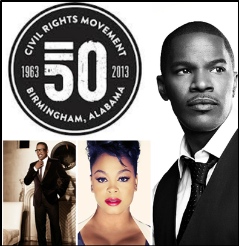
Academy Award®-winning superstar Jamie Foxx will host the BBVA Compass Concert for Human Rights on Saturday, Sept. 14, at The Birmingham Jefferson Convention Center in Birmingham, Ala.
The event will feature musical performances by Grammy® award-winning singer-songwriter Jill Scott and 2013 BET Lifetime Achievement Honoree and R&B singer-songwriter Charlie Wilson. Civil rights leaders will also make special appearances. The concert will support “50 Years Forward,” the city’s year-long celebration commemorating the 50th anniversary of the civil rights movement in Birmingham, where the Rev. Dr. Martin Luther King Jr. penned his famed “Letter from Birmingham Jail.”
I had the privilege to interview one of my favorite uncles, Charlie Wilson.
Uncle Charlie is visiting Birmingham for a Concert for Human Rights and said that he is elated to be a part of such a pivotal moment in history. He also can’t wait to see his friends Jill Scott, and Jamie Foxx.
It was a sunny afternoon and I got a call from Charlie Wilson’s Public Relation contact that he was on the phone and ready for the interview.
I was so excited. Of course, I said ” Hello Uncle Charlie.” He seemed so excited and delighted while speaking with me.
I asked him how did he get the name “Uncle Charlie.” He stated that Uncle Charlie was “America’s Favorite Uncle”, he gave an example of being the cool uncle when momma and daddy said ‘no’, he said ‘yes’ and he would always be the one that would give you an encouraging word or some money to go and buy junk food, etc.
Although Uncle Charlie is a family man who lives on a ranch with his wife, (who travels with him always and collaborates with him musically) and mentioned some of his animals which includes the llamas, alpacas, cats, goats, lambs, among other animals in his barn.
His passion, however, is singing, entertaining and writing songs. He stated he has so much passion and energy when it comes to music. He loves what he’s doing and for the next five years or so, he will continue to cut records and tour all over the world.
This cancer survivor/achiever and award winning uncle states that he is a cancer advocate. He recommends men to go to the doctor and get checked. His key to fighting Prostate Cancer was simple, “He Never Gave Up.”
He can’t wait to get to Birmingham. He plans on performing 90 minutes of every “hit” possible including some of his Best Bets and Gap Band Hits.
The BBVA Concert for Human Rights, which will be co-produced by Live Nation, will take place at the end of a week-long remembrance of the 16th Street Baptist Church bombing, which killed four girls in 1963 and marked a turning point in the struggle for civil rights.
“To have this event and artists of this caliber in the City of Birmingham to help commemorate and pay tribute to the individuals who risked their lives for freedom leaves me speechless,” said Birmingham Mayor William Bell. “Birmingham has come so far since 1963 and we want to show the world that we are 50 Years Forward. As the cradle of civil rights, we will continue going forward to make not only Birmingham better, but the world’s consciousness stronger in the struggle for human rights.”
“We knew this event would draw quality artists since it’s commemorating such an important time, and the line-up certainly reflects that,” said Alan Register, Birmingham city president for BBVA Compass. “Our hope is that the concert inspires people to get out there and continue to move the needle forward and make a difference.”
Shawn Gee, Geoff Gordon and Scott Mirkin are executive producers of the concert and are the same creative team behind some of the largest concerts and live streams in the U.S., including The Philly Fourth of July Jam and Budweiser Made In America Festival. Artists that have performed at these events include The Roots, JAY Z, Pearl Jam, John Mayer, Ne-Yo, J. Cole, Grace Potter, Jill Scott and many more. Charlie “Mack” Alston also serves as co-producer for the BBVA Compass Concert for Human Rights.
“It is our honor to co-produce and be a part of the BBVA Compass Concert for Human Rights,” said Live Nation’s Geoff Gordon. “Artists like Jamie Foxx, Jill Scott and Charlie Wilson help bring attention to Birmingham and the city’s place in our civil rights movement.”
For more information, go to 50yearsforward.com.
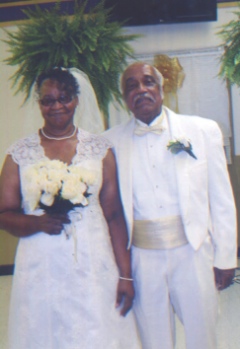
Celebration of a Legacy, Superintendent and Mrs. W.R. Hughes celebrating 50 years of marriage, 50 years of Ministry and 45 years as a leader. Theme: We still remember (Hebrews 6:10) Saturday, September 7th, Church of God in Christ Alabama Jurisdiction ONE headquarters. Keynote Speaker, Bishop O. L. Meadows.
Aubert nominated for Best Supporting Actress in African Oscars
KD Aubert (Friday After Next, The Scorpion King, Soul Plane) will be attending this year’s African Oscars Award Ceremony, held in the Legendary Warner Theatre in Washington D.C. and broadcasted internationally. Aubert’s role as ‘Stacey’ in the 2012 film Turning Point garnered her nomination for Best Actress in a Supporting Role in Diaspora Film for the 2013 Nollywood & African Film Critics Awards (African Oscars). The African Oscars does more than to recognize the excellence of professionals in the African film industry, it awards acclaim to humanitarians, dignitaries and government officials who have positively impacted the lives of citizens, making its guest list an impressive collection of affluent and revered public figures from around the world. Confirmed guests range from Goodluck Jonathan (President of Nigeria) to Curtis Jackson (aka Rap artist 50 cent). Hailed as “the highest U.S.A. based awards honoring excellence in African filmmaking” by The Nollywood Film Critics USA, The African Oscars is the only awards ceremony to assemble movie stars, public figures, and celebrities from every African country and around the world under one roof for the most prestigious African film awards event in North America. The Nollywood Film Critics USA is the official movie review organization for Nollywood and African films and headed by Founder and Senior Film Critic Dr. Victor O.Olatoye. Nominees like KD Aubert are capturing a new generation of Nollywood Films within the Hollywood landscape, showcasing how “Turning Point is unique in its casting. While similar scale Nollywood films explore sociopolitical themes, [this film] is a pure character driven story that is easy to relate to” (NigeriaShowBiz.com). Turning Point has also been nominated for Best Drama, Best Screenplay, and Best Cinematography in the Diaspora Film Categories in the 2013 African Oscars. The red-carpet ceremony is scheduled for September 14th at The Warner Theatre in Washington D.C. and will be broadcasted internationally. Special Guest Performers include Yemi Sax, Jerri Jheto, Jennifer Eliogu, and Katumbella. For a complete list of VIP guests and Live Performers please visit http://www.africanoscar.com/Performing_artists.aspx
(l to r) Cleophis ?????, County Manager Tony Petelos, Sheriff Mike Hale, Mayor of Bessemer Kenneth Gulley, Jefferson County Commissioner Sandra Little Brown, Commissioner President David Carrington, Commissioner Jimmie Stephens and Bessemer City Council Member Ron January
Dr. King’s arrest card
Greg Biffle
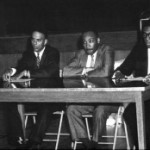
Andrew Young, Dr. Martine Luther King, Jr. and Dr. English in 1958 at Talladega College
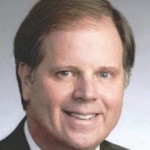
Doug Jones
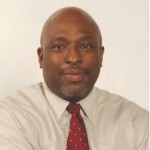
Barnett Wright
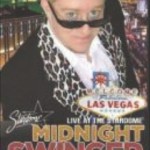
Midnight Swiinger
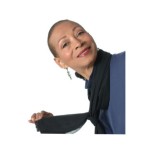
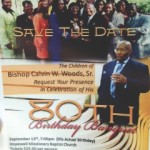
Bishop Calvin W. Woods, Sr.
CHRISETTE MICHELE
.
Photo: Gwen
By Gwen DeRu
BIRMINGHAM IS MAKING HISTORY….. STILL!!! CHECK IT ALL OUT!!
WORLD RECOGNITION! EMPOWERMENT WEEK! TALLADEGA SUPERSPEEDWAY COMES TO BIRMINGHAM!! LAUGHTER AT THE STARDOME! AND MORE!!!!
Birmingham is holding it down….. September is full of things all over the place. There will be good food, great entertainment, and plenty of people everywhere. Check out Jamie Foxx, Jill Scott and ‘Uncle’’ Charlie Wilson….if you can. But know that there are plenty more things going on and you can not make them all. I will see you somewhere… around town. Smile for the Camera!!
Now…, Let’s start with a ‘world’ recognition, again! This time in Fodor, a leading guide for world travelers. (This comes after the New York Times article by Joe Gose who wrote about a Return to Downtown Birmingham article and Regions Field being named the Ballpark of the Year in the baseballparks.com.) GO BIRMINGHAM!!!
**FODOR’S NAMES BIRMINGHAM AS A TOP WORLD DESTINATION – Birmingham was one of five American cities named to a list of 14 Best Places to Go This Fall compiled by Fodor’s, a leading guide for world travelers. Fodor’s encouraged travelers to visit Birmingham as it honors the 50th anniversary of Civil Rights milestones this fall with various events, including a Jazz Festival, a Civil Rights Film Festival and a Birmingham Museum of Art exhibit by Dawoud Bey dedicated to the 1963 bombing of the 16th Street Baptist Church.
“We are excited to be included in this list as one of only five U.S. cities,” said Birmingham Mayor William Bell. “We want the world to know that Birmingham is ready to welcome visitors from around the world as we commemorate 50YearsForward.”
The new Westin hotel in downtown Birmingham and one of the country’s largest urban parks, Ruffner Mountain Nature Preserve, also were cited. The full list, includes Paris, France, Kenya and Hong Kong, among others. THIS IS EMPOWERMENT WEEK – A WEEK OF REMEMBERING THE CIVIL RIGHTS MOVEMENT IN BIRMINGHAM – There are so many things going on this week and weekend. All year long the City and the country have been recognizing the efforts of the last 50 years as more and new things are getting recognition. Here are just a few…
NEW MUSEUM IN OLD BESSEMER JAIL – The old Bessemer jail will become a museum for Martin Luther King’s experience in the Bessemer County Jail. Jefferson County Commissioner Sandra Brown, Sheriff Mike Hale and Mayor Kenneth Gulley of Bessemer announced plans to transform the old Bessemer County jail into a Museum to tell the story of Dr. Martin Luther King, Jr.’s experience in a Bessemer jail in 1967. The exhibit at the county jail in Bessemer will highlight King’s connection to Bessemer. Artifacts from the evening Martin Luther King, Jr. was arrested and taken to the Bessemer County jail in 1967 will be on display. EXHIBIT OF KING’S BRIEF STAY IN 1967 WILL OPEN IN JANUARY OF 2014. While Dr. Martin Luther King Jr.’s footprint is all over Birmingham, his journey took him to Bessemer’s county jail where he served the balance of a sentence (3 days) along with A.D. King, Ralph Abernathy, and Wyatt T. Walker after the U.S. Supreme Court upheld a lower court’s conviction that he and others protested without a proper permit. The project will be funded totally by private donations and those persons who would like to help make this museum a reality should contact the organization at www.opendoortohistory.org.
**Remembering 4 Little Girls: A Gallery of Creative Expressions –
The Birmingham Civil Rights Institute (BCRI) will commemorate the 50th anniversary of the Sixteenth Street Baptist Church bombing with an opening reception of its new exhibition, Remembering 4 Little Girls: A Gallery of Creative Expressions. The exhibition will be on display through December 31, 2013 in the David Vann Gallery. The Remembering 4 Little Girls exhibition, which is one of six owned and circulated by BCRI, consists of the top 36 multi-media entries from a nationwide high school contest sponsored by Home Box Office (HBO) in 1998. The contest was held in conjunction with the release of Spike Lee’s Oscar nominated documentary “4 Little Girls.” Lee’s film explores the historic 1963 bombing of a church in Birmingham, Alabama which killed four little African-American girls attending Sunday School. The exhibition and related education programs are supported by Wells Fargo.
**FOUR SPIRITS STATUE IS A SCULPTURE TO BE UNVEILED SEPT 14
There has been some confusion between the 4 Little Girls Memorial Fund and the “Four Spirits” statue that will be unveiled on Saturday, September 14th at 4 p.m. across the street from the 16th Street Baptist Church.
FOUR LITTLE GIRLS MEMORIAL FUND – The 4 Little Girls Memorial Fund is a college scholarship fund that has been serving as a “Living Legacy” to the 4 Little Girls for the past 30 years – living through the lives of our college scholarship recipients. On Saturday, September 14th from 5:30 to 7:30 p.m., the 4 Little Girls Memorial Fund is hosting a 50-Year Memorial Tribute reception at the Birmingham Civil Rights Institute. Admission to this scholarship fundraising reception is by ticket, available at 4LittleGirlsFund.org or at the door. Tickets start at $50 (and include a $35 tax-deductible contribution to the Fund).
**TALLADEGA SUPERSPEEDWAY COMES TO BIRMINGHAM – Talladega Superspeedway supported the Empowerment Week with an appearance of the NASCAR Chase for the Championship Driver Greg Biffle. Biffle is a candidate for the 2013 NASCAR Sprint Cup Series Championship. As a part of Birmingham’s 50 Years Forward campaign commemorating key events in the Civil Rights Movement, it was a Day of Service for hundreds to volunteers to help improve the downtown area, a Tribute to the City’s first responders and a Kickoff to the 50th Anniversary of the Sixteenth Street Baptist Church bombing. Biffle seeded seventh out of the 12 drivers in The Chase and was in town to talk about the Chase for the NASCAR Sprint Cup and the Camping World RV Sales 500 Weekend October 18 – 20- at Talladega Superspeedway. Biffle met with Firefighters at Birmingham’s Fire Station 1, assisted with washing a fire truck, and toured the fire station before taking the truck for a lap around the block.
A PIECE OF HISTORY – Talladega College was the place where Dr. Martin Luther King, Jr. and Andrew Young were first introduced. It was on the Talladega College campus with Dr. English in 1958. Talladega College will be celebrating the 50th Anniversary of these historic civil rights events throughout the year. (Contact Talladega College for more details.)
**BABJ CONFERENCE RECOGNIZE GREAT PERSONS OF THE CIVIL RIGHTS MOVEMENT – DON LEMON spoke, recently, at the Birmingham Association of Black Journalists Mountaintop Awards event and honored Emory O. Jackson, our very own Dr. Jesse J. Lewis, Sr. and Dr. Shelley Stewart. BABJ continued to honor the 50th Anniversary Year of the Civil Rights Struggle with the Standing on Their Shoulders Conference while celebrating the courageous journalists of the past, present and future who put the spotlight on issues of civil and human rights. Media perspectives of civil and human rights….Then and Now included HANK KLIBANOFF, DOUG JONES and BARNETT WRIGHT as well as many others.
LAUGHTER AT THE STARDOME COMEDY CLUB – the MIDNIGHT SWINGER is performing at the StarDome Comedy Club this weekend. Call him cocky, call him confident, but never call him dull. The Midnight Swinger erupts onto the stage like the volcano in front of the Mirage Hotel in a fresh and original, over the top event that has been called “sharp-witted,” “clever” and “classy.” The never subtle or soft spoken Midnight Swinger heats up the room as he puts on a classic Las Vegas style show filled with great comedy, music, singing and dancing. Call (205) 444-0008 for more. Tell Bruce and Che Che that Gwen sent you.
EMPOWERMENT WEEK – CHECK OUT THE BIRMINGHAM TIMES FOR MORE!!
TODAY…. **U.S. CONFERENCE OF MAYORS – The U.S. Conference of Mayors will convene 9 a.m. – 12 Noon. Panel discussions with Mayors on Economic Justice; Building Tolerance at the 16th Street Baptist Church, 1530 6th Avenue North, Birmingham, Alabama. **MARTINI THURSDAY, 8:30 p.m., at Ona’s Music Room. **LIVE JAZZ WITH PJ SPRAGGINS and FRIENDS, 7:30 p.m. at Jazz Underground.
FRIDAY….. **SEMINAR – FINANCIAL DISASTER PREPAREDNESS & RECOVERY, 2 – 3:30 p.m. at the Innovation Depot on First Avenue North. FREE. Register at info@bbrc.biz. **SASSY BROWN with the SASSY BROWN BAND, 10 p.m., at Ona’s Music Room. **KING’S HOUR and VIP FRIDAY with DJ Dirty Vegas and Young Dil on the Mic at Merienda Lounge. Call (205) 422-9849 for more.
**BISHOP CALVIN WOODS. SR. CELEBRATES 80 YEARS –Get out and celebrate the80th Birthday Celebration for Bishop Calvin Woods, Sr. at Hopewell Missionary Baptist Church, 2315 26th Avenue North. For more information call (205) 322-5291.
**SOULED OUT LIVE, 7:30 p.m. at Jazz Underground. Call (205) 202-3640.
SATURDAY…… **HEELS AND CHUCKS, 10 p.m., at Ona’s Music Room. **SATURDAY NIGHT LIVE at the Merienda Lounge. **LIVE JAZZ WITH ON PURPOSE, 7:30 p.m. at Jazz Underground. There is an After Midnight Old School After Party at midnight. Call (205) 202-3640.
SUNDAY…. **CHRISETTE MICHELE LIVE at the Merienda Lounge. Merienda is celebrating its Third Year Anniversary Party featuring a performance by Christette Michele. Call (205) 422-9849 for more.
**SALSA SUNDAY, 6 p.m. at Jazz Underground. Call (205) 202-3640.
COMING SOON… **SEPTEMBER 26 – GREASE with slick hair, fast cars and unquestionable good times On Thursdays through Saturdays, 7:30 p.m. and on Sundays, 2 p.m. until October 20. Call (205) 324-2424 for more. **SEPTEMBER 26 – HAYES HIGH SCHOOL ALL CLASSES REUNION – Carol Hayes High is hosting an all classes’ reunion, September 26-29, 2013, in Birmingham, Ala. Contact persons are Jimmy L. Burton 205-798-0979, Dennis Jenkins 205-836-1377, Annie Lewis Myricks 205-777-3838, and Florine McMullin 205-787-1018.
For you… Birthday Ballers….. HAPPY BIRTHDAY TO ALL CELEBRATING!! HAPPY BIRTHDAY TO YOU ….. MANY, MANY MORE HAPPY BIRTHDAYS!! ENJOY!!
Well, that’s it for now. Tell you more ‘next’ time.
(People, Places and Things by Gwen DeRu is a weekly column. Send comments to my emails: thelewisgroup@birminghamtimes.com or gwenderu@yahoo.com)
BIRMINGHAM, Ala. – Birmingham Youth Host Celebrity Judge Glenda Hatchett as Keynote for 50 Years Forward Discussion on Civil Rights and its Lasting Impact on the Legal Community.
The Jefferson County Committee for Economic Opportunity (JCCEO), in partnership with the City of Birmingham and the 50 Years Forward Empowerment Week, announces Judge Glenda Hatchett as the keynote speaker for the panel entitled, Civil Rights: Lasting Impact on the Legal Community to be held on Thursday, September 12, 1:45 p.m. at the Sixteenth Street Baptist Church, located at 1530 6th Avenue North, Birmingham, Ala.
Hosted by Birmingham youth from JCCEO’s Positive Pathways Program, Judge Hatchett’s keynote address will be followed by a distinguished panel to be led by Atty. O. Jerome Green, President of Shorter College and former member of the Clinton Administration. Panelists include: Former U.S. Attorney Doug Jones; University of Pittsburgh Law Professor David Garrow; and Jefferson County Judge Helen Shores Lee, daughter of legendary Civil Rights Attorney Arthur Shores.
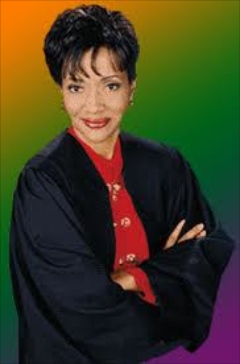
A nationally loved personality, Hatchett is well known for her two-time Emmy nominated show, Judge Hatchett, and as a staunch supporter of healthy families and children. She is also an accomplished author and barrier-breaker for women and African-Americans in corporate and legal circles. Judge Hatchett served as Georgia’s first African-American Chief Presiding Judge of a state court and the department head of one of the largest juvenile court systems in the country.
“The Civil Rights 50th Anniversary is an opportunity to take a look at the history of the civil rights movement and its impact on legislation, civil rights based laws, and the recent changes in the Voters Right Act (VRA)” said Judge Hatchett. “I look forward to engaging in discussion on this issue with national leaders and the people of Birmingham.”
JCCEO is honored to commemorate the Civil Rights Movement by empowering at-risk youth from our community to continue the legacy of leadership and the movement toward dignity and self-sufficiency. “We are delighted to host Judge Hatchett as part of Birmingham’s Civil Rights celebration and look forward to engaging our youth in the discussion,” said Dr. Jarralynne Agee, Coordinator for the Positive Pathways Program at JCCEO.
JCCEO is the Community Action Agency for Jefferson County, sponsoring such programs as Head Start and Early Head Start, senior nutrition, home weatherization, energy assistance, youth development, asset building, and counseling on housing, substance abuse, and employment.
As Empowerment Week gets closer, the list of activities grows even more meaningful. Super producer Spike Lee will host a viewing of his acclaimed 1997 historical documentary, “4 Little Girls” at Alabama Theatre on September 15, 2013 50 years to the day after the bombing. Doors will open at 11 a.m. Screening begins at noon.
On September 15, 1963, a bomb tore through the basement of a Baptist church in Birmingham, Alabama, killing four young girls—a horrific moment in the life of the community, and a defining moment in the history of America’s civil rights movement. In the Oscar ® nominated HBO documentary film “4 LITTLE GIRLS,” acclaimed filmmaker Spike Lee explores the origins, events and aftermath of that fateful day in this moving feature.
“Sunday September 15, 1963 is a date that will live in infamy for as long as people study American history. That bombing lives in the memories of people who were there and has impacted Birmingham and the world for the last 50 years. People were stirred by what happened here and change began to finally come. We are not the same Birmingham of 1963, and will continue to make sure that Birmingham is 50 years forward,” said Mayor William Bell.
Spike Lee first became interested in making a film about the Birmingham bombing as a student at New York University in 1983. After reading a New York Times Magazine article about the incident, he was moved to write to Chris McNair, the father of Denise McNair, one of the victims, asking for permission to tell her story on film.
The viewing is scheduled to being at 12p.m. and is free to the public, but tickets must be reserved in advance. To reserve tickets, go to http://4littlegirls2013.eventbrite.com.
For more information about empowerment week, visit http://www.50yearsforward.com. #50yearsforward
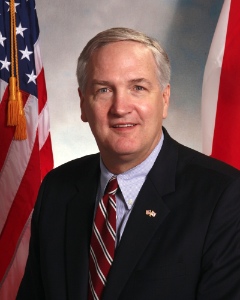
MONTGOMERY—Attorney General Luther Strange has been granted a temporary restraining order to stop a Birmingham-area company from selling products that not only claim incredible health and athletic benefits that are unsupported, but the use of which may also present significant dangers to consumers. In a civil complaint filed along with a motion for the temporary restraining order, Attorney General Strange charged SWATS Edge Performance Chips, LLC and its principal officers—Mitchell Ross and Christopher Key—with at least 264 counts of Deceptive Trade Practices Act violations.
The Attorney General cited extensive evidence that the defendants’ alleged violations pose a threat of immediate and irreparable injury. Jefferson County Circuit Judge Caryl P. Privett also granted the Attorney General’s request to appoint a receiver and take necessary steps to preserve assets. As a result, approximately $200,000 in cash and vehicles were seized, and GlassRatner Management and Realty Advisors, LLC, has been appointed as a receiver to protect consumers’ interests. A hearing for a preliminary injunction is set for 9 a.m. on September 19.
SWATS is a Wisconsin limited liability company doing business in Alabama in the Jefferson County city of Fultondale. The Attorney General’s complaint describes the company’s operators as “two men with no advanced medical or scientific background (who) practice their homespun versions of medicine, science, and pharmacology through SWATS, their self-styled supplement and wonder-drug outlet near Birmingham. Limited only by what their imagination can conjure, Ross and Key will say and sell anything under the premise of boosting athletic performance.”
The complaint notes that “since forming in January 2011, SWATS has rapidly expanded into a million-dollar business through a combination of controversy, shock advertising, and the declaration that its products are world leaders in the sports performance industry.” With an advertising blitz that includes a massive RV emblazoned with its logos, YouTube videos with experts who include a doctor (actually not of medicine, but of theology), and a news conference before the 2013 Super Bowl in New Orleans, defendants “have asserted that they have ‘the NFL concussion problem solved’ and that SWATS products ‘can reverse the symptoms of ALS [Lou Gehrig’s Disease],’ ‘knock out the swine flu in 90 minutes’, and treat diabetes.”
In fact, the complaint notes, “spanning nearly every aspect of the human body and its performance, SWATS advertises that its products will reduce your risk of cancer, alleviate anemia, control blood pressure, stimulate muscle growth, increase testosterone, grow new brain cells, prevent heat stroke, ‘reduce the long-term effects of concussive trauma to the brain,’ boost the immune system, ease arthritis and inflammation, reduce lines and wrinkles, balance the hormones necessary for healthy sexual function, increase the oxygen-carrying capacity of the blood, promote weight loss, and deliver anti-aging proteins.” Regarding any scientific basis for these remarkable claims, Key said, “We don’t have to prove that this is real or not. What we’re looking for is for [science] to prove that it is not real.”
Among the most well-known of SWATS’s products are sprays and tablets purporting to contain potent doses of a hormone produced by deer that is called IGF-1, or insulin-like growth factor 1. IGF-1 also is produced in people, complementing human growth hormone (hGH) in the growth and development of children. The legitimate medical use of IGF-1 is rare, is nearly always confined to children with severe growth-defect deficiencies, and is closely monitored for any severe side effects.
The potential damage to adults with excessively elevated levels of IGF-1 is even more serious, according to studies conducted by Harvard Medical School and Harvard School of Public Health covering tens of thousands of individuals. The results showed a three-to fourfold increase in chances of colorectal, breast or prostate cancer in those with the highest IGF-1 levels. Sustained high IGF-1 levels also are linked to damaged eyes, enlarged hearts, hypoglycemia and hyperglycemia. Thus, the Attorney General’s complaint states, “ample scientific evidence demonstrates why IGF-1 injections are nearly always limited to children with severe growth-hormone deficiencies” and under close medical supervision.
To investigate these products, the Attorney General obtained samples that were sent to the Sports Medicine Research and Testing Laboratory in Salt Lake City (a laboratory approved by the World-Anti-Doping Agency). Scientists there found no evidence the sprays and tablets contained any deer IGF-1 as prominently advertised, but instead concluded the likely source was from cows or humans. Regardless of this deception over where any IGF-1 may have come from, “this finding does not change the fact that SWATS makes significant claims about its products benefits and mentions no possible side effects or dangers,” the Attorney General’s complaint states.
Another SWATS product that raises serious concern is its Cooling Concussion Cap. “Marketed primarily at football players, SWATS represents that its Cooling Concussion Cap will help players whether they participate in Friday night high-school games or on Sunday afternoons in the NFL,” the Attorney General’s complaint notes. “Ross has even stated his intent to start a youth tackle-football league for children as young as nine at which all the participants will wear his concussion caps.”
The Attorney General’s complaint states that “the concussion cap itself is just a black compression-style skull cover. The purchased package includes a can of Energice Liquid Ice (a blue liquid that resembles and smells like Vick’s VapoRub) and instructions that say to immerse the cap into the liquid and then put the cap on your head. The instructions say that by doing so a user will ‘minimize the inflammation of The Brain.’” In a YouTube video, Ross claims the cap “can help reduce the inflammation due to small, blunt-force trauma to the head” and urges parents to use it to “take care of your child’s brain because a mind is a terrible thing to waste.”
As with the IGF-1 sprays and tablets, the Attorney General’s Office turned to reputable studies and experienced doctors, and found serious concerns. Significant among these is “the worry that the cap’s name itself creates a false sense of security, that reliance on it will lead to worse medical monitoring after injuries, and that its use will encourage wearers to engage in risky behavior and delay seeking medical attention if hurt.” The Attorney General’s brief also cites the doctors’ findings that “whatever cooling effect the concussion cap may have is limited solely to the skin’s surface, not the body’s core temperature. The concussion cap reduces the body’s core temperature no better than a cool rag would.”
Furthermore, SWATS’s recommendation that the caps be worn during practice and games is dangerous in that “helmets come with holes in them to allow the head to ‘breathe’—that is, to release sweat, which keeps the body cool. Once a concussion cap is placed on someone’s head, though, the cap will be cool for a while, but eventually, especially on a hot day, it will warm up. Then, by bottling up and blocking the body’s natural method of releasing heat through sweat, the concussion caps may actually increase body temperature, not just skin temperature. Hence, not only do SWATS concussion caps not prevent heat stroke, they may contribute to it if worn during practice or a game.”
A third broad category of SWATS products are chips for performance, pain management, insoles, and athletic performance bands. SWATS says these products contain holographic stickers “that bind sound vibrations into a disc to influence the human vitality field.” Worn once or repeatedly, applied directly to the skin or placed up to two inches from the body, these chips are claimed to increase strength, stamina, endurance and recovery. Specifically, the pain chips are said to work “on all kinds of pain anywhere in the body including but not limited to inflammatory pains ([e.g.] osteoarthritis, rheumatoid arthritis, tendonitis, plantar fasciitis, and chronic inflammatory pain), sprains, strains, feminine cramps, bone fractures, and any sports-related injuries or pains.” In a video, Ross further claims the chips treat spinal stenosis.
The Attorney General’s complaint asserts that “like SWATS’s other products, the chips are long on claims and short on science….Like the concussion cap and the sprays and tabs, the various chip products are marketed and sold under specific panacean-like promises that imply the science is there and the only variable on the results is your money. But the reality, which doubles as SWATS’s modus operandi, is that SWATS is waiting for science to prove its claims aren’t real, not the other way around.”
Attorney General Strange commended his Office of Consumer Protection, noting in particular Assistant Attorneys General Kyle Beckman, Cameron McEwen, and section chief Noel Barnes; and Special Agents of the Attorney General’s Investigations Division, for their skill and diligence in handling this case. He also thanked the Jefferson County Sheriff’s Office for its assistance.
(LR) Scholarship Swingers Competitors: Jordan Frazier, Gloria Dennard, Adrian Scott (Stillman College Office of Alumni Affairs), Andrea Whitfield, Alvin Washington
(LR) Scholarship Swingers Competitors: Jordan Frazier, Gloria Dennard, Adrian Scott (Stillman College Office of Alumni Affairs), Andrea Whitfield, Alvin Washington
James Lewis, Sr.
The 13th Annual Stillman College Scholarship Golf Tournament will honor James Lewis, Sr. for his outstanding, long-time service and support as the tournament’s co-chair since 1999. Although not a golfer himself, Lewis, in his leadership role, served the tournament in various capacities to ensure its success in raising funds to provide financial assistance to deserving Birmingham students to attend Stillman College, his alma mater. Whether it was working with tournament registration, as the hole-in-one monitor, as securer of corporate sponsorships, or providing publicity for the tournament, Lewis worked diligently with loyalty and dependability.
The 2013 golf tournament will be held at 8 a.m., Friday, September 27 at Roebuck Golf Course, at which time, Hole #1 will be designated the James Lewis, Sr. Hole and supported by friends and family of Lewis, an effort being coordinated by his son, James Lewis, Jr. Proceeds donated from this effort will be used to fund a scholarship to Stillman College in the name of James Lewis, Sr. and in his honor. Donations to the Lewis Fund are asked to be sent by September 10 to The Birmingham Times at 115 Third Avenue, West, Birmingham, AL 35203. Make checks payable to Stillman College Scholarship Golf Tournament and indicate that it is for the James Lewis, Sr. Scholarship Fund. Contact James Lewis, Jr. for more information at 205-251-5158.
James Lewis, Sr. transitioned this life on April 7, 2013. He is the son of Jesse and Helen Lewis.
The cost per golfer to play in the tournament is $100 and per team is $400. For registration information, contact Jordan Frazier at 205-281-6131 or Alvin Washington at 205-919-3085.
BIRMINGHAM, Ala. – Employers, education institutions, businesses, social and youth service organizations will once again come together for the 7th Annual Party With A Purpose on Saturday, October 5, at Ensley Park. Presented by District 8th Representative Steven W. Hoyt, Party With A Purpose is the recipient of national recognition as the 2011 Best Neighborhood Program winner awarded by Neighborhood USA (NUSA).
Party With A Purpose is a family festival atmosphere and will feature a job fair, health fair, rides, games and free food.
“I am proud of this collaborative effort with the city, law enforcement, community and business leaders who have all come together in an attempt to combat crime, poverty and health issues that affect our community. This is another opportunity to reach out and serve,” said Councilor Steven Hoyt. “Our goal is to inform residents about many services available to them and to encourage non-violence, good health, and economic prosperity while getting to know your neighbor in a family friendly environment.”
Party With A Purpose will be held at Ensley Park and Recreation Center, located at 2800 Avenue K., Ensley on Saturday, October 5th from 11 a.m. to 3 p.m.
The festival, which started as a vigil in response to area violence, has become a time of inspiration for the entire city. First unveiled in 2006, the event, which takes place in District 8, has quickly grown to attract thousands of residents from all over Birmingham.
The following agencies are amongst the many that will be on site offering assistance to attendees:
Birmingham Museum of Art, A. G. Gaston Boys and Girls Club, Girls Inc. of Central Alabama, H&R Block, Metro Birmingham NAACP, REV Birmingham, 5 Points West Merchants Association, Children’s of Alabama, Virginia College, University of Phoenix, JeffCo Senior Service, Vulcan Park and Museum, Alethia House, Childcare Resources, Princeton Baptist Medical Center, Regions Bank, BEAT Housing, Sickle Cell Foundation, Bethesda Life Center, The Literacy Council, Exchange Club Family Skills Center, Life South, Senior Rx, Parents Against Violence.
For more information, contact Event Coordinator Sylvia Williams at 205-254-2363 or Sylvia.Williams@birminghamal.gov.
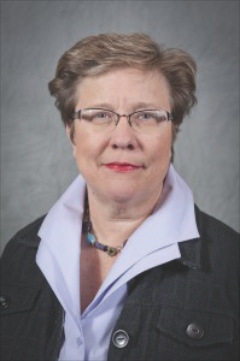
TUSCALOOSA, Ala. — Rebecca J. Pow has been named interim dean of the College of Continuing Studies at The University of Alabama. Pow joined the College of Continuing Studies in 1988 and most recently served as senior associate dean and director of academic outreach.
The appointment as interim dean was effective Sept. 1.
“Rebecca Pow has the expertise and experience to provide very effective leadership for the College of Continuing Studies, and we are looking forward to working with her in this new capacity,” said Dr. Joe Benson, UA interim provost, in announcing the appointment.
Pow joined the College of Continuing Studies 25 years ago as assistant director of academic programs and services. She was promoted to director of academic programs and services in 1995 and to associate dean and director of academic outreach in 2003. She was named senior associate dean in 2012.
In her roles as associate dean and senior associate dean, Pow has been responsible for the development and delivery of distance and non-traditional academic credit programs. The College of Continuing Studies delivers more than 25 degree programs in formats that include online, videotape and videoconference as well as programs taught at off-campus sites and in evening and weekend schedules.
Prior to joining the College of Continuing Studies, Pow served as coordinator of cooperative education and as a conference coordinator at UA. She earned her bachelor’s degree in advertising and her master’s degree in higher education administration, both at UA.
Dr. Carolyn Dahl, dean of the College of Continuing Studies since 2001, retired at the end of August.