Home Blog Page 527

Sticky Fingers: Scientists Create Robotic Hand With Gecko Grip
0

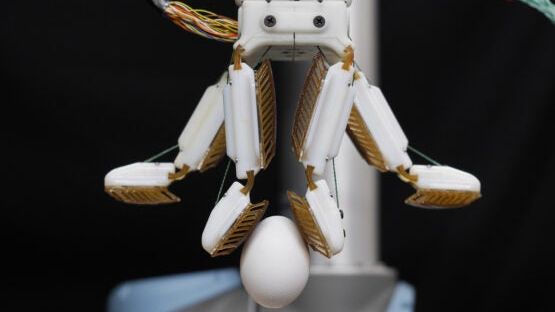
The robotic farmHand was developed at Stanford University's biomimetics lab and incorporates fingertips and an adhesive inspired by acrobatic gecko lizards, which can climb vertical surfaces unaided by liquids or surface tension. (Biomimetics and Dextrous Manipulation Lab, Stanford University)


By Martin M Barillas

Mimicking a human’s ability to adjust tension in the hand according to the power or delicacy required to grasp an object has met with limited success until now, as roboticists have developed a “hand” featuring sticky fingertips inspired by the gecko lizard.


Researchers say they devised a robotic hand that is able to grasp a basketball and carefully handle an egg or a delicate tomato that would have defeated previous robotic attempts. “You’ll see robotic hands do a power grasp and a precision grasp and then kind of imply that they can do everything in between,” said Wilson Ruotolo, lead author of the study published in Science Robotics.

Ruotolo and his collaborators wanted to create manipulators that are simultaneously dexterous and strong. He and Dane Brouwer of Stanford University’s Biomimetics and Dextrous Manipulation Lab developed the robotic “farmHand,” which can handle diverse objects ranging from raw eggs to jugs of liquids and an angle grinder.

The four-fingered farmHand was inspired not only by a human hand but also the gecko’s sticky toes. The adhesive toepads allow these acrobatic carnivores to adhere to surfaces without the use of liquids or surface tension. The grippy material for farmHand was developed by the Stanford lab, led by co-author Mark Cutkosky, a professor of mechanical engineering.

The gecko-inspired adhesive uses microscopic flaps to create a firm grip, using what is called a Van der Waals force — a weak intermolecular force that results from differences in the positions of electrons on the outsides of molecules. The adhesive’s grip, therefore, requires little force to be strong yet leaves behind no residue.
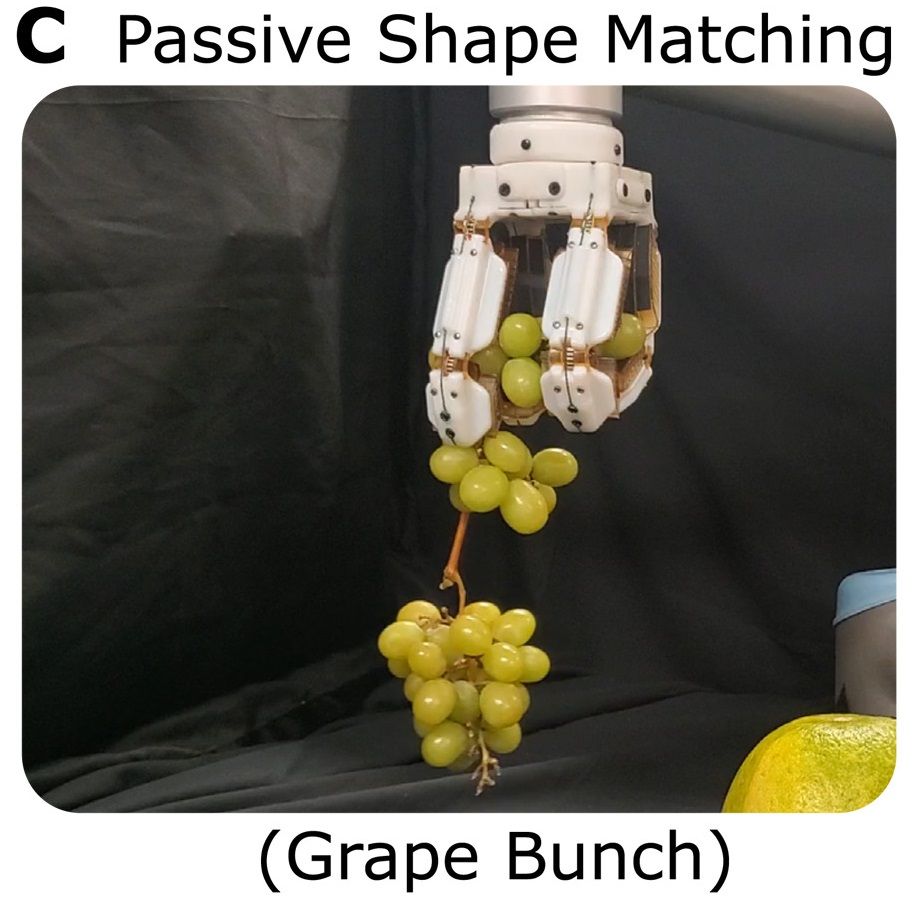
The new robotic hand has a grip gentle enough to grasp delicate fruit and strong enough to wield a basketball. (Figure adapted from Ruotolo et al. (2021)/Science Robotics)

“The first applications of the gecko adhesives had to do with climbing robots, climbing people or grasping very large, very smooth objects in space. But we’ve always had it in our minds to use them for more down-to-earth applications,” Cutkosky said. “The problem is that… gecko adhesives are actually very fussy.”

Gecko adhesives must connect with a surface in just the right way to activate the essential Van der Waals force. It is easy to apply smoothly onto a flat surface, but grasping an object with multiple gecko patches at various angles presents a challenge.

To address this challenge, the researchers designed finger pads for farmHand that are made of a collapsible rib structure, which buckles with little force. The ribs consistently buckle, regardless of location or angle of contact. This means that the adhesive pads apply equal force and prevent premature slipping.
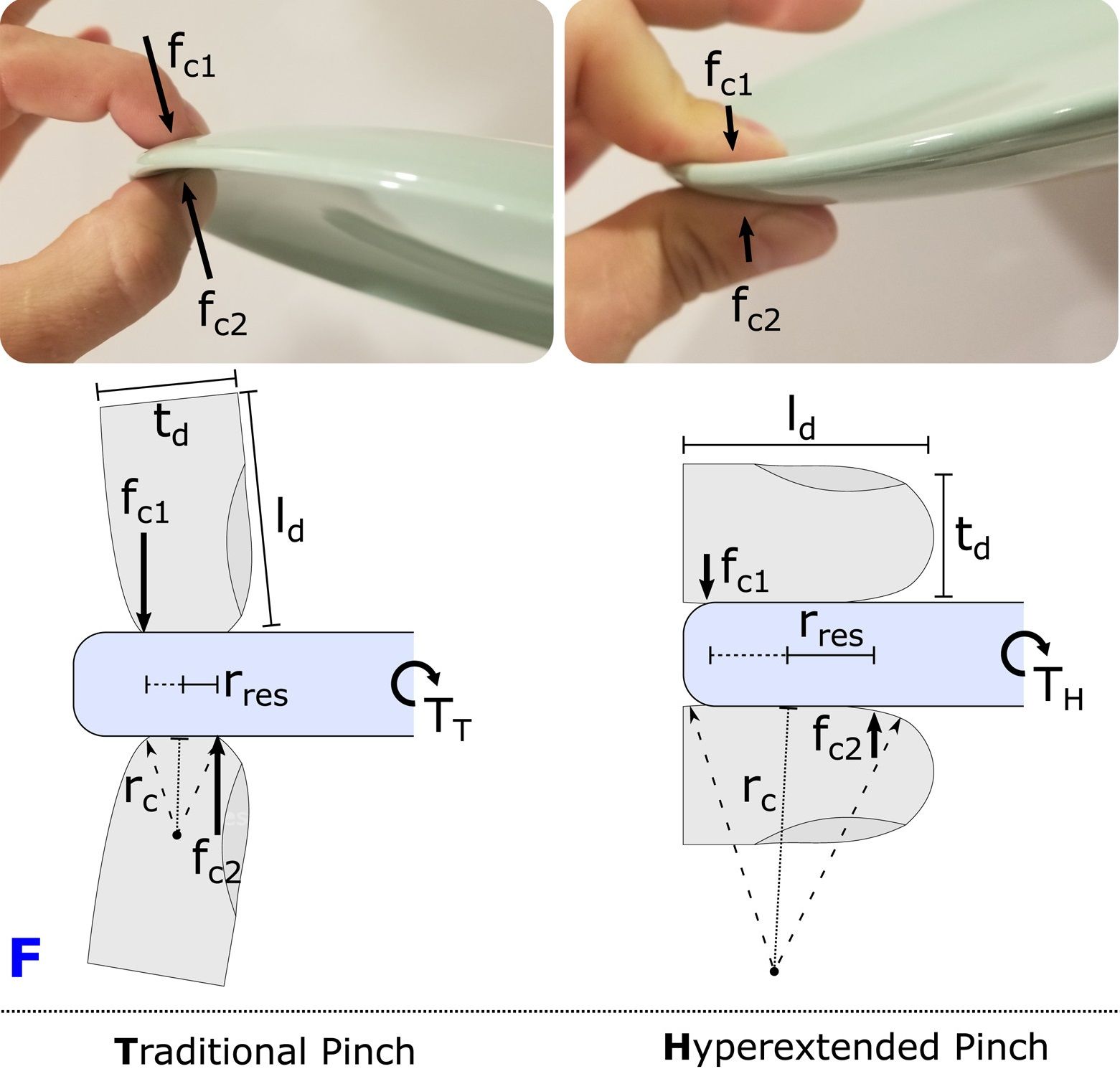
Robotic hands, so far, have only been able to grasp objects using a C-shaped traditional pinch (left), which is less effective than the hyperextended pinch (right) that allows for a greater surface area to make contact with the object. (Figure adapted from Ruotolo et al. (2021)/Science Robotics)

“If you move these ribs, the buckling results in a similar force no matter where you start,” said Brouwer. “It’s a simple, physical behavior that could be deployed even in spaces outside of robotics, perhaps as shoe tread or all-terrain tires.” Commercial applications for the technology are a possibility.

The authors also developed tendon-like structures for the robotic hand that allow a hyperextended pinch. Other robotic hands pinch objects in a shape resembling a “C,” while farmHand pinches with the ends of its fingers pressed pad to pad, thus giving the adhesives more surface area to work with.

The authors found that computer simulations predicting the interactions of a robot with something as soft as an heirloom tomato can be inaccurate. Despite this, they were successful due to 3D printing parts and testing them quickly: something that would have been impossible just a few years ago.

Edited by Siân Speakman and Kristen Butler

Recommended from our partners


The post Sticky Fingers: Scientists Create Robotic Hand With Gecko Grip appeared first on Zenger News.

Weekly Oil Data Paints Better Picture Of US Economy

0

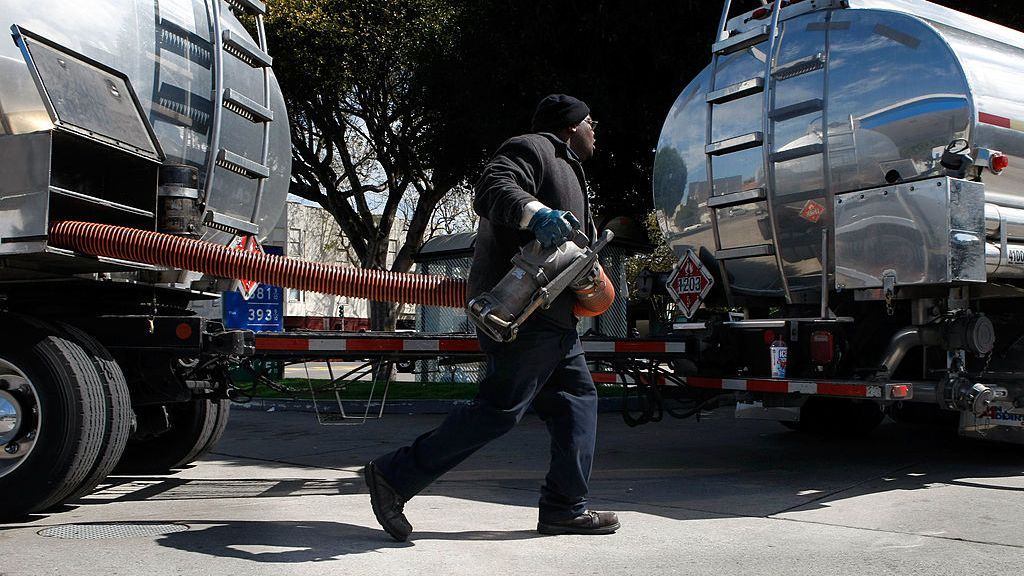
Analysts said there is healthy crude demand, but the short-term outlook is weakening on growing omicron and inflation worries. (Justin Sullivan/Getty Images)


By Daniel James Graeber

U.S. federal data on commercial storage levels of crude oil and refined petroleum products show the economy is improving, though the pandemic remains a looming concern, analysts said.


The U.S. Energy Information Administration, part of the Energy Department, publishes weekly data on inventories of crude oil and refined petroleum products such as gasoline and jet fuel. Broad-based declines usually indicate healthy demand, while the opposite holds for gains in commercial storage levels.

Most major product categories showed declines during the week ending Dec. 10. Commercial crude oil inventories declined by 4.6 million barrels, while total motor gasoline inventories fell by 700,000 barrels relative to the previous reporting period.

Ed Moya, a senior market analyst at trader OANDA, said if using the data as a snapshot of the U.S. economy, the latest inventory report was a good one.

“The snapshot of the economy shows healthy crude demand, but the short-term outlook is weakening on growing omicron and inflation worries,” he said.

Forecasts for GDP growth for the year were revised lower from earlier forecasts. (U.S. Federal Reserve)

Inflation is running hot in the U.S. economy to the tune of around 6 percent for consumer goods for the 12-month period ending in November. For energy products, however, inflation is higher than 50 percent.

In its latest estimate, the U.S. Federal Reserve expected gross domestic product to show a 5.5 percent increase for full-year 2021, lower than its September projection of 5.9 percent growth. Next year, it’s projected to grow around 4 percent, an upward revision from the Fed’s previous forecast of 3.8 percent.

Moya added that he was concerned about the ongoing economic impact from the COVID-19 pandemic. A Chinese vaccine, Sinovac, has shown to be ineffective against the highly contagious Omicron variant, which could be problematic for emerging markets.

Tamas Varga, an analyst at London oil broker PVM, said the declines in crude oil and petroleum producers should send a “powerfully bullish signal,” but the price of oil barely moved on Wednesday.

Federal data on commercial storage levels of crude oil and refined petroleum products shows the economy is improving, though the pandemic remains a looming concern (David McNew/Getty Images)

West Texas Intermediate, the U.S. benchmark for the price of oil, ended the trading day Wednesday up just 0.2 percent to close the day at $70.87 per barrel.

“The fact that the initial reaction is lukewarm might imply that concerns about Omicron and inflation are in the forefront of thinking,” Varga said.

But even with all the doom and gloom, demand is holding up. The Energy Information Administration reported the total amount of refined petroleum products supplied to the market, a loose proxy for demand, indicates levels are at or near pre-pandemic levels.

Echoing sentiments from U.S. Federal Reserve Chairman Jerome Powell on Wednesday, Phil Flynn, a senior energy analyst at The PRICE Futures Group in Chicago, said concerns about inflation and higher commodity prices somewhat overlooks the relative strength of U.S. economic performance.

“Based on what we’re seeing on oil demand, it looks like U.S. economy is humming along,” he said.

Edited by Bryan Wilkes and Kristen Butler

Recommended from our partners


The post Weekly Oil Data Paints Better Picture Of US Economy appeared first on Zenger News.

Science Was Dead Wrong: Bug Declared Extinct For 130 Years Found Alive By Students

0

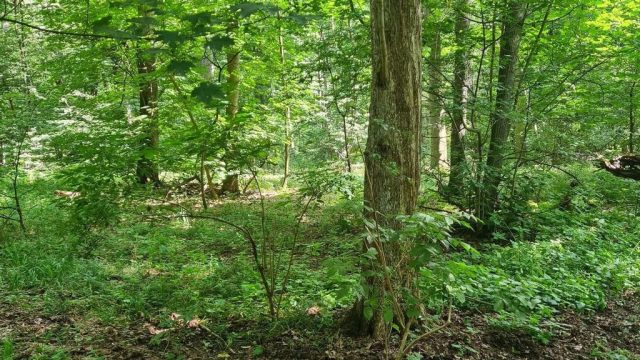
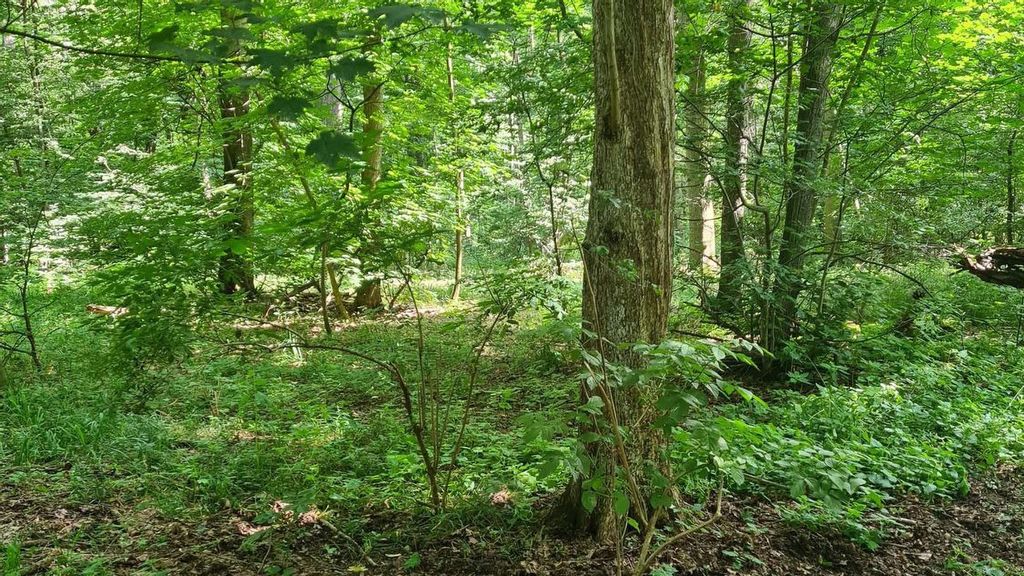
Students discovered an extremely rare insect, Bittacus hageni, during an excursion in the Leipzig Riverside Forest, shown here, in Germany in July. (Lisa Hahn/Zenger)


By Joseph Golder

Specimens from an extremely rare insect species that was believed to have been extinct for 130 years have been found in a German forest.


The insect, Bittacus Hagen, first found in Germany at the end of the 19th century, is a type of mosquito that was rediscovered by students at the University of Leipzig “during an outdoor zoological excursion to the Leipzig floodplain forest.”

This kind of insect has been seen in just a few places in Europe. In Germany it was considered extinct until 2003, when a Goettingen zoologist rediscovered it on the edge of the Harz Mountains.

“The find underlines the importance of the Leipzig alluvial forest as a unique but threatened habitat. But it also shows what valuable discoveries are possible through student excursions,” The University of Leipzig said in a statement.

Excursion leader Lisa Hahn, a PhD student at the Institute of Biology, and her colleagues have written a paper on the find that appeared in the December issue of the journal Entomologische Nachrichten und Berichte (Entomological News and Reports).

A student at the University of Leipzig discovered the specimen without knowing what she was holding in her hands. “As soon as I saw what the student had found, it was immediately clear to me that it had to be something very special, and I immediately sent pictures to my colleagues,” Hahn said.

A few days later she found more specimens of the species during an intensive search.

A specimen of the rare insect Bittacus hageni, first found in Germany at the end of the 19th century. (Lisa Hahn/Zenger)

Detlef Bernhard, who is an insect expert, was impressed when he was able to confirm his colleague’s initial taxonomic assessment, using a microscope.

The University of Leipzig, in cooperation with the German Center for Integrative Biodiversity Research, is also analyzing the scale and distribution of endangered insect species in the forest.

As part of her doctorate, Hahn researched the diversity of the more than 500 species of beetle that can be found on the ground but also in the canopy of the alluvial forest trees.

The university statement said the find will also provide the “first genetic fingerprint of the species” and that the information will be “available for research in DNA databases.”

“It is very difficult and a lucky coincidence to prove the existence of this species, as it lives extremely hidden and only seems to appear occasionally,” Professor Sebastian Steinfartz, the head of Molecular Evolution and Animal Systematics at the University of Leipzig, said.

“I am particularly pleased with this find, as it shows our students first-hand how exciting and fascinating biology can be and how important it is to get out to go into nature and not just sit in front of the screen or in the laboratory.”

Edited by Richard Pretorius and Kristen Butler

Recommended from our partners


The post Science Was Dead Wrong: Bug Declared Extinct For 130 Years Found Alive By Students appeared first on Zenger News.
Antidote Health Aims To Cure US Care-Access Crisis

0

The founders of Antidote Health believe their digital health maintenance organization will help cure the healthcare access crisis for U.S. citizens earning too much to be eligible for public insurance and too little for adequate private coverage. (Karolina Grabowska/Pexels)


By Abigail Klein Leichman

Thirty-eight million Americans without health insurance wake up every day hoping they won’t need medical care. Another 44 million have health insurance insufficient for their needs.


A new alternative for those 82 million Americans — typically earning between $17,000 and $55,000 annually — comes from Israel.

The founders of Antidote Health believe their digital health maintenance organization will help cure the healthcare access crisis for US citizens earning too much to be eligible for public insurance and too little for adequate private coverage.

Antidote’s online telehealth service offers one-time remote doctor visits and low-cost monthly subscriptions, starting at $29 for individuals and $49 out-of-pocket charge for families, for online acute or primary care checkups and prescriptions. There are no deductibles or co-pays.

As of early October, Antidote Health was nine months old and already available in New York, New Jersey, Michigan, Florida, North Carolina, California, Pennsylvania and Ohio.

With $12 million in seed funding from investors including iAngels, Welltech Ventures and Flint Capital, Antidote Health intends to cover the entire United States by the end of next year.

Keeping you healthy

“We took the playbook of the Israeli system — the HMO structure — and applied it to the underserved population in the U.S.,” says co-founder and chairman Ben Enosh, whose previous ventures include co-founding Cyota, a fintech company acquired for $145 million in 2005.

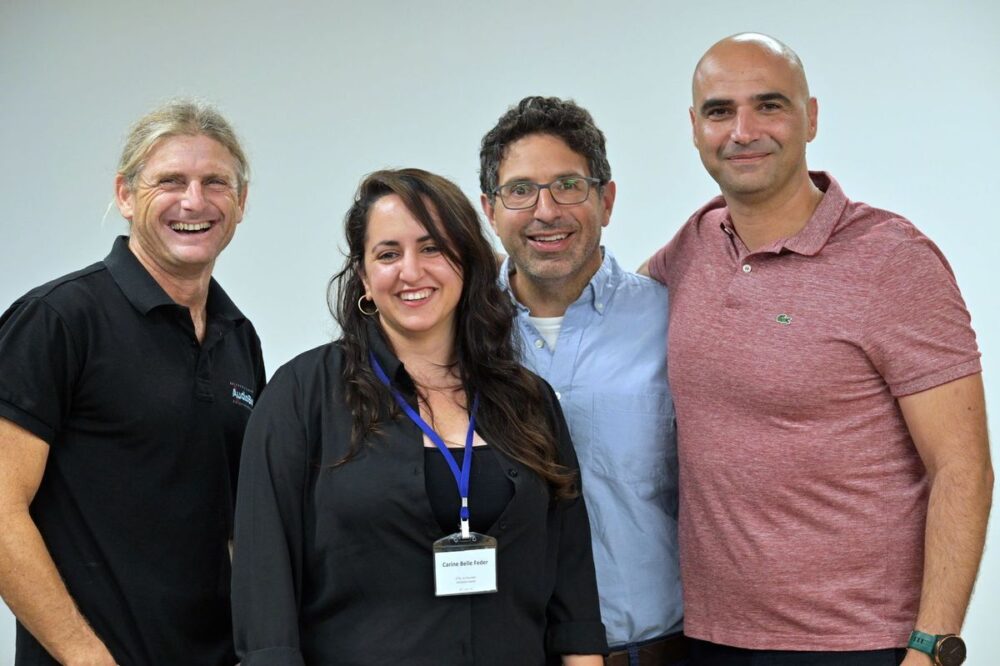
Antidote Health co-founders (from left) Chairman Ben Enosh, Chief Technology Officer Carine-Belle Feder, Chief Medical Officer Dr. David Zlotnick and CEO AvihaiSodri. (Yossi Zwecker)

Healthcare gobbles up 18 percent ($4 trillion) of the GDP of the United States, and costs are rising 4.6 percent annually. In Israel, the national HMO structure keeps healthcare to 7.5 percent of GDP, yet service and outcomes generally are better than in the United States, says Enosh.

“Israelis pay a monthly fee, and from that point on, any medical expense you incur is expensed to your HMO provider,” Enosh said. “The HMOs are not compensated on treating you, but on keeping you healthy, so they focus on prevention — such as annual screenings and patient education.”

HMOs do exist in the United States, but infrastructure costs have hindered their expansion.

“We come from a different approach,” says Enosh. “We provide a set of services that is totally digital, incorporating a lot of AI technologies to save resources. And every interaction we have with the brick-and-mortar world, we integrate through a layer of financial services.”

Using Antidote Health

An AI bot on the Antidote Health app takes registered users through an intake questionnaire and then helps schedule a virtual appointment with a participating Antidote physician licensed in the state where the patient is currently located.

Kids can download their own version of the Antidote app. Parents and children in different locations (such as work and school) may participate in a three-way virtual checkup.

The Antidote Health bot was developed by a team led by chief technology officer and co-founder Carine-Belle Feder, recipient of the Israel Defense Prize for her role in the elite 8200 military intelligence unit.

“Within a few months we already started teaching the bot by working with 60,000 patients in Israel’s Terem [chain of urgent care] centers,” says Enosh.

The bot also got “trained” on 20 years of anonymized patient data from Terem, whose former chief medical officer, Dr. David Zlotnick, is co-founder and chief medical officer of Antidote Health.

Often, a virtual doctor visit can prevent an emergency room visit — which currently is not covered by Antidote.

Antidote’s participating doctors also receive a decision support system powered by AI. This helps them handle common complaints and conditions virtually with ease. If necessary, the physician can recommend a specialist to be paid for out-of-pocket.

The company may incorporate Israeli digital health-tech products that fit within its affordability model, says Enosh. Hardware solutions such as TytoCare may not be possible, but software solutions such as Vocalis Health and Binah.ai could be promising potential partners.

Saving on prescriptions

Antidote Health users may fill digital prescriptions at any pharmacy. Enosh says about 95 percent of pharmaceuticals are included in Antidote’s “basket” of covered drugs, a concept borrowed from the Israeli system.

Antidote’s engine automatically replaces branded prescribed drugs with generic equivalents and searches in real time for discount coupons to apply.

The savings can be significant: An Augmentin prescription costs $260 at Kroger’s. The generic equivalent costs $67, and with a certain coupon just $12.75.

“As an HMO, we pay for drugs, so we are incentivized to figure out how to reduce the price,” says Enosh. “In a virtual world, dollars become cents as you use more technology to make healthcare delivery more efficient.”

Antidote loads the cost of the drug onto a dedicated debit card modeled on Israel’s Passport Card service.

Antidote Health plans in the future to launch an insurance product to cover other out-of-pocket healthcare expenses, including in-person visits.

“We’ll push the amount of money needed into your debit card. By paying at the point of care, we can get deep discounts,” says Enosh.

Also coming soon are “virtual clinic” packages for Antidote health members with diabetes, hypertension or mental-health issues, covering prescriptions and extra checkups.

Virtual checkups go mainstream

Founder and CEO Avihai Sodri managed innovation at Israel’s Leumit HMO. He saw that digitizing healthcare could cut costs dramatically.

But the average consumer wasn’t ready for virtual doctor visits — until COVID hit.

“Suddenly everything fell into place. Everybody knew how to use Zoom and was willing to be treated at home without driving to a medical facility and looking for a parking space. That was the genesis of the idea of making a virtual HMO.”

To disrupt any industry, Enosh says, “you always look for an underserved market where you’re not stepping on anyone’s toes. No insurance company thought there was money to be made from the uninsured population. So we understood that there was a ‘blue ocean’ opportunity.”

Enosh said Antidote doesn’t need to spend much on customer acquisition and marketing.

More than 50 physicians have come onboard so far, and some even invested in the company.

“A lot of doctors have in their mission a desire to help the people who need it the most and can’t afford it,” says chief marketing officer Zlotnick.

Flexibility is also a draw, as physicians can work from wherever they are and take advantage of the AI decision-support system to maximize efficiency.

Furthermore, Zlotnick says, “We’ve built a physician community with lectures, events and WhatsApp groups. By giving us feedback, they can be partners with us in building the system.”

Antidote Health is lean, with about 35 employees in its Tel Aviv development center. The company maintains a New York headquarters and a legal compliance team in Washington, D.C.

And yet, says Enosh, “We think we can become the largest HMO in the world by the end of this decade.”

For more information, click here 

Produced in association with Israel21C.

Recommended from our partners


The post Antidote Health Aims To Cure US Care-Access Crisis appeared first on Zenger News.

Market For Small Trees Could Curb Big Wildfires

0

Thinning treatments reduce the risk of wildfire and provide ecological benefits to forests but also generate wood residues that are burnt or left to decay, like this burn pile of underbrush, releasing carbon dioxide. New analysis by the University of California, Berkeley, shows how giving incentives to businesses to convert residues into biofuels and engineered lumber could fund forest thinning treatments while preventing the release of carbon. (Bodie Cabiyo, Courtesy of UC Berkeley)


By Martin M Barillas

Scientists at the University of California, Berkeley have offered a new perspective on reducing the threat of wildfires by thinning forests while limiting carbon emissions.


“It’s hard to manage our forests without releasing carbon,” said Bodie Cabiyo of the university’s Energy and Resources Group. He is a co-author of the study suggesting a market for small-diameter trees can create economic incentives for improving forest management and prevent trees’ stored carbon from being released through controlled burns.

By using wood carefully and efficiently and creating innovative products from waste wood, Cabiyo said “both net carbon benefits and wildfire mitigation benefits” can be achieved.

Using machines to remove small trees and underbrush poses fewer risks than prescribed burns, but can come at a much higher cost in terms of carbon emissions. (Evett Kilmartin, Courtesy of UC Regents)

California says it is committed to achieving full carbon neutrality by 2045. In cooperation with the U.S. Forest Service, the state is managing 1 million acres of state forests through prescribed burns, thinning trees and harvesting timber. The goal is to reduce overall carbon emissions, but also to invest in carbon sinks, such as forests, to remove carbon from the air.

“Creating a market for forest biomass produced by forest thinning could reduce wildfire hazard, prevent air pollution from smoke and potentially displace fossil fuels and increase water availability,” study co-author Brandon Collins of the U.S. Forest Service said. “We need to deal with this small diameter biomass, and there is a solution if we could just find a way to connect the dots politically and economically.”

The study’s authors say that bringing innovative wood products to market could simultaneously generate revenue for the state and private landowners while thinning forests and limiting emissions.

“A lot of people are pointing towards forests as a source of sucking carbon out of the air and not adding carbon to the atmosphere,” Cabiyos said. Noting that effective forest management of 1 million acres each year is costly, he said that “it’s still unclear where that money is going to come from.”

The Dixie Fire burns on a mountain ridge sending embers into the air on August 5, 2021, in Greenville, California. (Trevor Bexon/Getty Images)

Co-author Daniel Sanchez said he hopes the study aligns the twin objectives of reducing wildfires and meeting lofty emission goals. The study could provide a “framework for managing temperate forests across the world while trying to meet the needs of a changing climate,” he said.

Forest management now relies on removing small trees and underbrush and leaving behind the larger, fire-resistant mature trees. Large trees have a ready market, but wood residue from forest thinning is not marketable and is either burned or left to decay.

“If you drive through these forest treatment projects, you’ll see massive burn piles that can be over 20 feet tall — the size of multiple school buses — and they’re just sitting there waiting to be combusted,” Cabiyo said. “That’s a lot of carbon that is going to go back into the atmosphere.”

Wood residue can be transformed into engineered lumber, such as oriented strand board, which is made by compressing wood particles and adhesives into sheets. Homes in California and elsewhere are made of such products. Wood residue can also be used as biofuel at power plants that, if they have carbon scrubbers, can eliminate the carbon dioxide they generate, the authors contend.

Unlike large timber, small trees cannot usually be sold to sawmills to recoup some cost of the forest thinning treatments. (Daniel Sanchez, courtesy UC Berkeley)

The study offered a scenario in which the California government creates incentives for local businesses to use engineered wood in building “multi-unit affordable housing.”

Cabiyo said that the proposed thinning treatments would generate a “lot more lumber and wood residues,” raising the question of where that material will end up. He agreed that using engineered timber for affordable housing would reduce carbon emissions because otherwise, builders would use concrete and steel, both of which have a significant carbon footprint.

Thinning treatments could reduce wildfire risk. In 2021, 2.6 million acres burned in California in the second-worst season on record, burning down homes, businesses and large trees.

Edited by Richard Pretorius and Kristen Butler

Recommended from our partners


The post Market For Small Trees Could Curb Big Wildfires appeared first on Zenger News.

Bishop Calvin Woods Steps Down as President of SCLC Birmingham

0
By Ryan Michaels
The Birmingham Times

Jamal and Jason Brown, Framed an Identity, and Business, Around Food

0
Jamal, left, and Jason Brown, of 1918 Catering. (PROVIDED PHOTO)
By Haley Wilson
The Birmingham Times

Ni’Cole Connor Shocked Family When She Bought a Food Truck. Now They’re Aboard

0
Ni'Cole Connor outside her food truck during a recent Food Truck Fridays in Birmingham, AL. (Amarr Croskey, For The Birmingham Times)
By Haley Wilson
The Birmingham Times

Neleshia Dale’s Familiar Sandwiches ‘With a Gourmet Twist’

0
Nelesha "Dirty Red" Dale, owner of Dirty Red Food Truck. (Amarr Croskey, For The Birmingham Times)
By Ryan Michaels
The Birmingham Times

Cheryl Harris-Walker: Up And Running Susta’s Food Truck

0
Susta's Food Truck owner, Cheryl Harris-Walker, right, and cousin Deborah Greene offer Southern style street food. (Amarr Croskey, For The Birmingham Times)
By Ryan Michaels
The Birmingham Times