
By Don Rhodes II | The Birmingham Times
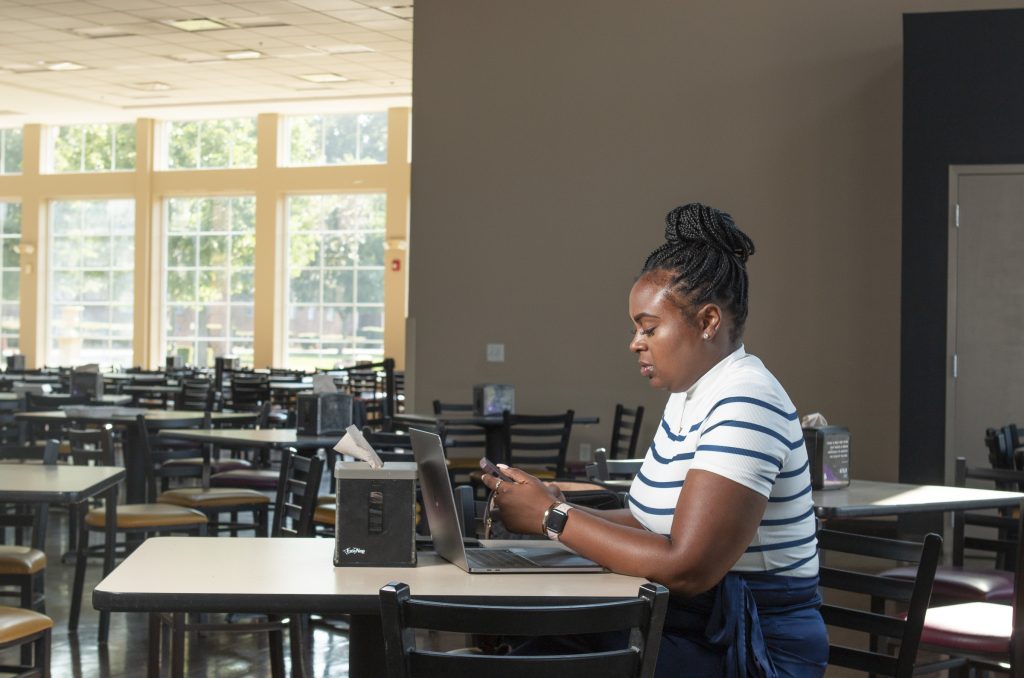
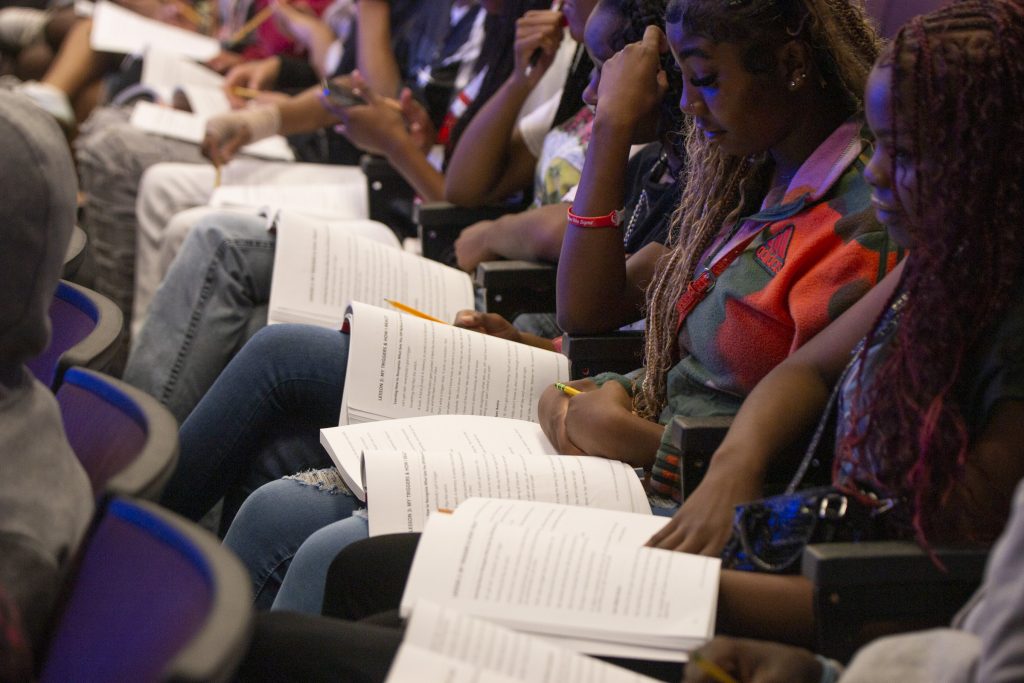
Add a multi-layered, youth-centered summer session built on investment, prevention, and partnership to the programs that Uche Bean, Director of Birmingham’s Community Safety Initiatives, has to help address violence prevention in the city.
With homicides down 56 percent in Birmingham this year, local officials are pointing to a number of contributing factors including more programs aimed at young adults. Those include a partnership currently in place at Miles College with grassroot groups like the Institute of Research for Social Justice in Action and New Direction 360, which have a long-standing track record of bridging higher education and community leadership.
“Programs like [those] are about planting seeds early to prevent crisis later,” said Bean, who was at Miles College Tuesday, where the camp is being held. “When young people spend time with credible messengers, who are people who’ve been through the system and come out the other side, it shifts their whole mindset.”
Some of the credible messengers include those like Khalil Tutt, a co-founder of New Direction 360, who is a former Newark gang member who was sentenced to 15 years in prison.
“These people have lived experience and they relate, and that relationship builds trust. That’s where real change starts,” Bean said. “When a young person sees that someone who’s been through it believes in them, they start to believe in themselves and considering a different path. That’s how you interrupt the pipeline to prison, and that’s how you start reducing homicides and cycles of violence by getting ahead of the problem and focusing on the root causes, being proactive and holistic about the approach; not just reacting to it.”
The city has launched several programs aimed at violence prevention and public health. Bean emphasized the importance of treating violence as a public health issue, employing a framework known as community violence intervention.
“We treat violence like a public health crisis,” she explained, drawing parallels between interventions for health crises and those for cycles of violence. “If someone is involved in cycles of violence, and prevention doesn’t work, we have to ensure that they don’t continue those cycles.”
She highlighted several key initiatives under her supervision, including the Restore Program and the Hospital Violence Intervention Program at the UAB trauma unit. The Restore Program, developed in collaboration with local organizations, has significantly impacted the lives of youth involved in the juvenile justice system. “It has changed those young people’s lives because we understand that if they are just as impacted at some point as a youth, we have to provide them the wraparound services they need,” she said.
The Hospital Violence Intervention Program addresses the needs of gunshot survivors, ensuring that they receive support right after a traumatic event. The program works to prevent retaliation and provide resources to help individuals rebuild their lives. “If they might have played a role in them getting shot, they also work to intervene on violence, to stop retaliation, right at the bedside of those people that are coming into UAB,” she said.
Bean also introduced the One Hood program, inspired by successful initiatives in Newark, New Jersey, which engages previously incarcerated individuals to act as mentors and violence interrupters within their communities.
“They utilize that influence and the respect that they have and trust in the community to calm temperatures down to stop retaliation,” she said. This peer-to-peer approach is designed to foster trust and understanding, helping to shift the narrative around youth and violence.
Change cannot happen in isolation, Bean emphasized. “It would not be sustainable for the city to manage this without our partners,” she said, recognizing the contributions of various local organizations and institutions, including Miles College. “When the belief is there and the trust is there, the rest just falls in place,” Bean affirmed.
The conversation also turned toward the broader implications of these initiatives. “These kids are extremely bright and brilliant. Our community never has lacked talent; it lacks resources,” she said.