By Don Rhodes II | The Birmingham Times
In a city with a rich Civil Rights legacy and cultural heritage, Birmingham’s historic Prince Hall Masonic Temple stands as a towering reminder of Black ingenuity, entrepreneurship, and civic pride.
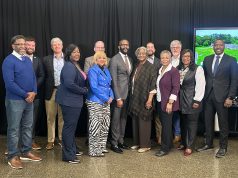
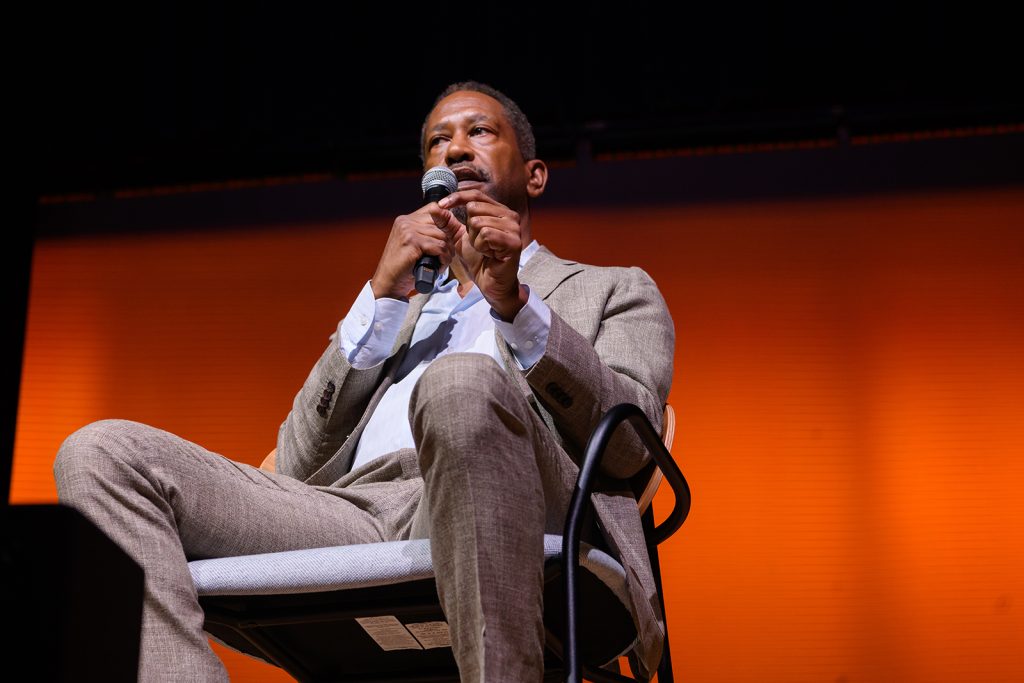
Recently, preservationists, city leaders, and community advocates gathered in the Magic City for a landmark summit focused on restoring and revitalizing this iconic structure. The event featured a dialogue between national preservation leaders Brent Leggs, executive director of the African American Cultural Heritage Action Fund, and Irvin Henderson, principal, historic developer, and longtime advocate for historic Black institutions. All at the seminar were looking for ways to preserve one of the nation’s architectural marvels.
“We will continue to build local supporters throughout the Southeast for the restoration and rehabilitation of the building,” Henderson said. “We will have another event this fall to talk about the search for support and the regulatory process. We will also continue to try to protect the structure from vandalism and advocate for the redevelopment and protection of the Civil Rights National Monument structures, including the Masonic Temple.”
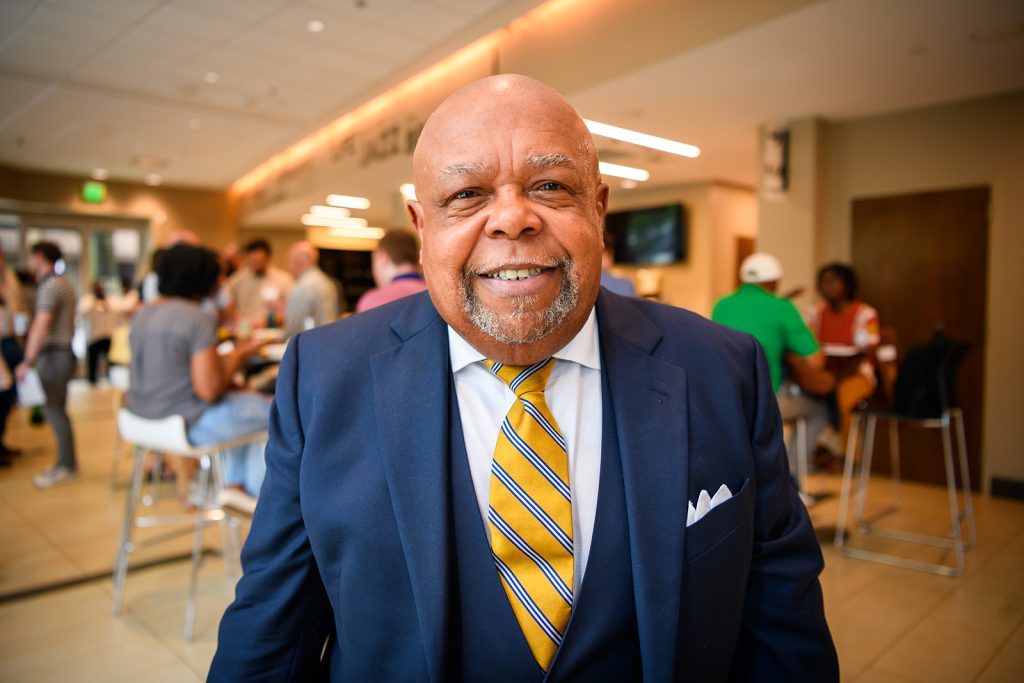
The Masonic Temple — previously home to the offices of prominent Black businesses, as well as Masonic leaders — is central to the Fourth Avenue Business District, once known as Birmingham’s Black Wall Street. Its restoration is envisioned not only as a physical transformation but also a civic awakening and a “laboratory for learning,” said Kweisi Daniels, Ph.D., department head, associate professor for the Taylor School of Architecture and Construction Science at Tuskegee University, who was also part of the summit.
“For a 100-year-old building, it is in great condition. … The building provides an opportunity to research what type of message the masonic lodge wanted to communicate to everyone who visited the building,” he explained. “The building has a lot to teach us — from the rationale for its architectural style to how the layout supported economic development, it is a time capsule of the consciousness of the Black Birmingham community.”
For Leggs, whose organization at the National Trust for Historic Preservation has raised $150 million to support more than 400 projects nationwide, the mission is personal. His connection to Birmingham began a decade ago, when he helped lead the national effort to preserve the A.G. Gaston Motel, which President Barack Obama ultimately designated a National Monument in 2017.
“It was clear that Birmingham’s Civil Rights legacy was unrecognized, and that felt like an injustice we could rectify through preservation,” Leggs said.
Reflecting on that journey, Leggs called the A.G. Gaston campaign a turning point: “What was so powerful was the way the local Black community organized around the motel. They showed their exceptional stewardship capacity.”
Leggs led efforts to establish the Birmingham Civil Rights National Monument in Alabama and was at the forefront of preserving the historic A. G. Gaston Motel, which was restored on June 30, 2022.
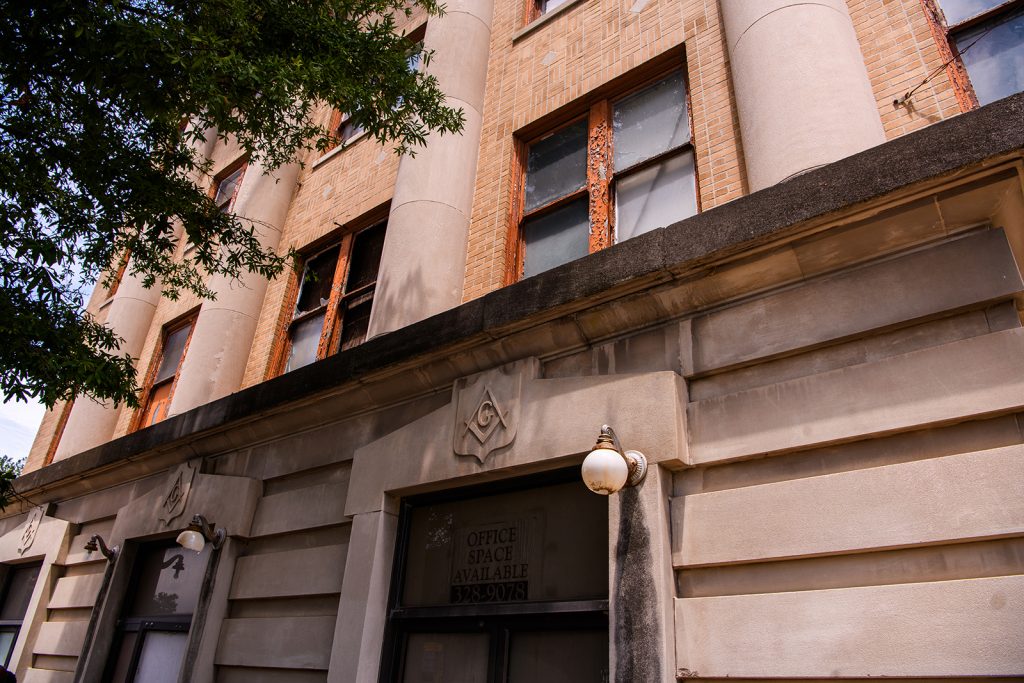
Now, Leggs and his team are back in the Magic City to help revive the Prince Hall Masonic Temple, which was designed by Robert R. Taylor, the first licensed Black architect in America. Unlike the Gaston project, however. this one carries a sobering note.
“There’s a sadness when I see this building. It’s like a body suffering from disease. It’s been neglected for far too long,” Leggs said. “But this temple deserves to be treated with the same reverence as Monticello or the National Cathedral.”
Landmark Building
The Most Worshipful Prince Hall Grand Lodge, Free and Accepted Masons (F & AM) of Alabama, Temple Building, a seven-story structure on the corner of 17th Street North and 4th Avenue, is an architectural marvel, as described by The Birmingham Times in a 2017 article. The Renaissance-Revival style building was designed by Taylor, who was the main campus architect of Tuskegee University. Construction began in 1922, and the building opened in 1924.
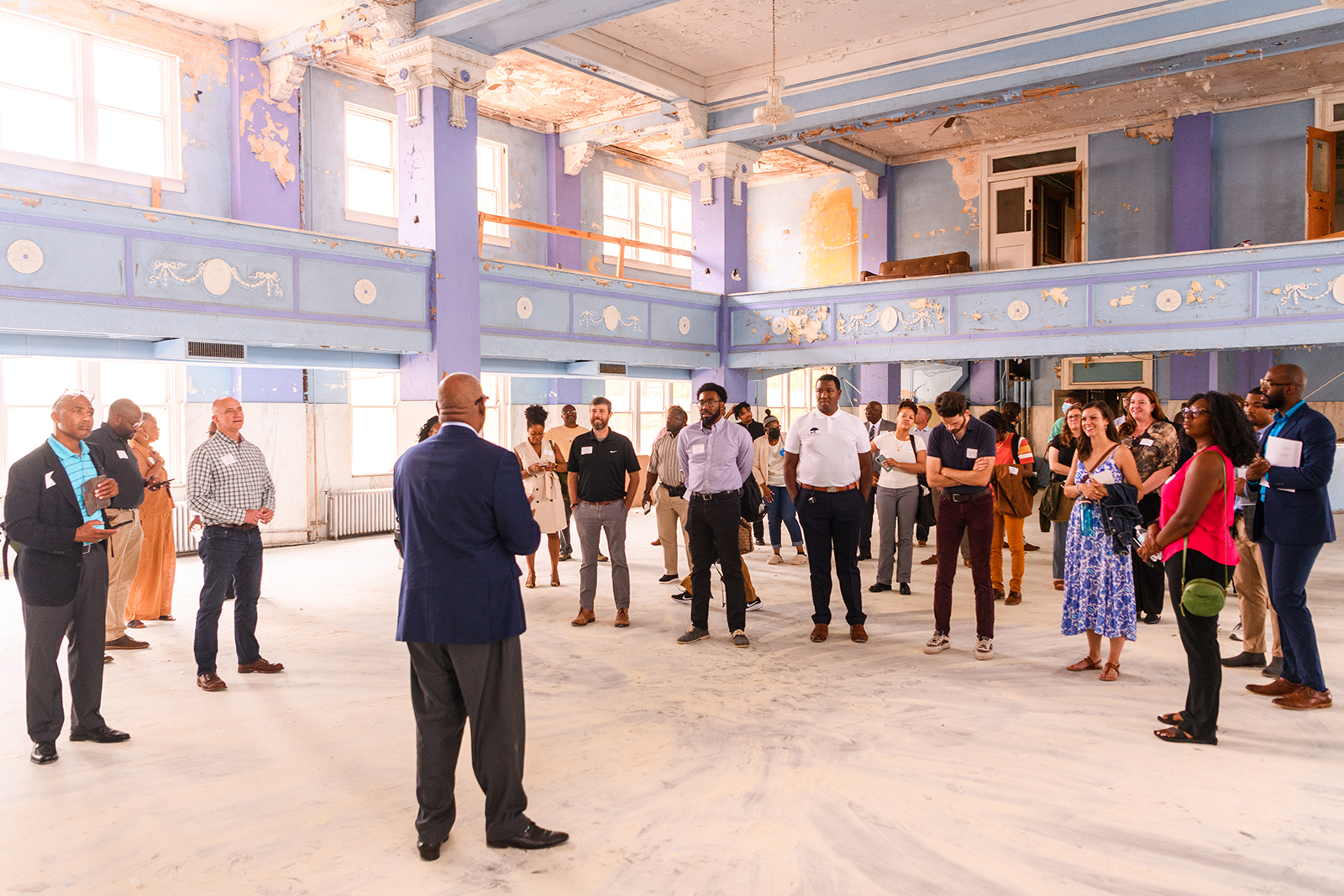
The auditorium and grand ballroom on the second and third floors seats up to 2,000 and is where legendary acts — Dizzy Gillespie, Duke Ellington, Count Basie, Birmingham native Erskine Hawkins, and many others — performed at the start of their celebrated careers. Besides well-preserved floors, the ballroom features elegant décor, such as Renaissance Revival–style columns with ornate capitals. Also housed throughout the landmark building were the offices of numerous Black doctors, dentists, lawyers, and other professionals, as well as the National Association for the Advancement of Colored People (NAACP).
The Temple anchors Birmingham’s 4th Avenue Historic District, which stretches along three blocks of 4th Avenue North, from 15th to 18th Street, and is notable as a center for businesses that served Black residents during the city’s long period of enforced segregation.
“Radical Act of Love”
Last month’s summit at the Carver Theatre brought together a mix of developers, preservationists, city officials, and concerned citizens to build momentum and outline a vision for the Temple’s restoration. Henderson, who helped lead past revitalization efforts and has been instrumental in national Black preservation work, spoke passionately about the broader economic and cultural impact of these projects.
“Preservation has always been a jewel for Birmingham, but it’s also an economic development engine,” he said. “It’s about connecting the past and the future. These buildings can provide services and opportunities, and they can power downtown for decades to come.”
For Henderson, the Masonic Temple’s legacy is more than symbolic — it’s a blueprint for Black excellence.
“These were men making $5 to $10 dollars a week, and yet they pooled nickels and dimes to build a $900,000 building — in cash, no debt. That’s a miracle of financial empowerment, of African American entrepreneurism.”
After last month’s summit, Daniels made his first visit to the building and described his visit as “awe-inspiring, because it allowed me to have a deeper insight into the architectural mind of Robert R. Taylor, the namesake of architecture program and father of Black Architecture.”
As the summit closed, both Leggs and Henderson left the audience with a challenge.
“We are stewards of this history, not just spectators,” said Henderson. “And we must work hand in hand with developers, preservationists, city officials, and, most importantly, community members to preserve the past in a way that empowers our future.”
Leggs added, “This work is a radical act of love, and Birmingham has everything it needs —history, talent, community — to lead the nation in a new preservation movement rooted in justice and possibility.”