By Barnett Wright | The Birmingham Times
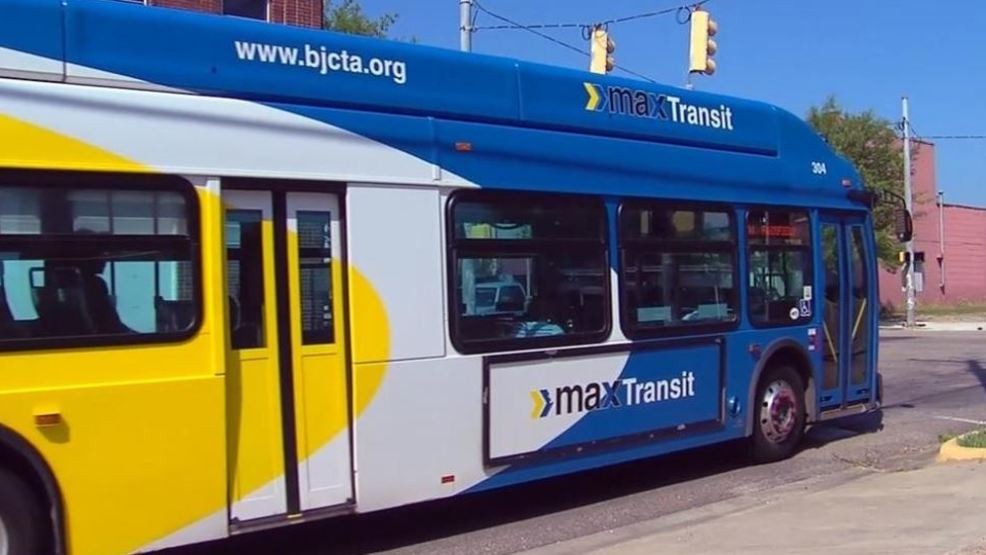
The Birmingham City Council on Tuesday approved a $14 million agreement with the Birmingham Jefferson County Transit Authority (BJCTA) that included $11 million for fixed bus routes and paratransit services, and $3 million for Bus Rapid Transit services citywide.
“Public transportation is a top priority for our residents,” said Council President Darrell O’Quinn. “It’s something we see in every survey that’s conducted. I tell people all the time, we are not yet the city that we aspire to be and that these changes take time. As leaders, we’re not satisfied with where we are currently but we’re going to continue to push forward.”
Currently between 10 to 15 percent of residents in Birmingham do not have access to reliable transportation, an issue that underscores the importance of prioritizing and improving public transportation for residents who depend on them, say City leaders.
Councilor Hunter Williams, who opposed the agreement, said he continues to hear complaints about transit in Birmingham.
“I am 37 years old, and we have complained about the public transit in this city for [longer] than I have been alive and the fact that we are giving more and more money [during] the eight years that I have been in this council seat and we’re still getting the same complaints about a broken system is unacceptable,” said Williams.
Transit officials say they continue to see an increase on ridership “particularly in [Williams’s] District 2, where recent improvements to Route 17 have made a real impact,” they told wbrc.com. “Route 17 is now one of our strongest performing routes with ridership up 13 percent since last month.”
Earlier this summer, the Council received an update from officials at the BJCTA regarding bus routes and ongoing plans to overhaul the system.
Charlotte Shaw, CEO and Executive Director of MAX Transit, explained how the agency is re-allocating resources to better serve the needs of the public by dedicating 70 percent of the buses to fixed routes and 30 percent to micro-transit.
“We’ve come a long way; we yet have a ways to go, but we’re at least creating solution to a problem Birmingham has had for the last 20 or 30 years with absolutely restricted funding,” she said.
Shaw said 80 percent of the overall budget is funded by the Federal Transit Administration and the total budget is about $55 million annually while BJTCA does not receive any funding from the state.
The Alabama legislature passed a constitutional amendment in 1952 preventing gas tax revenues from being utilized to fund public transit. As a result, the BJCTA relies largely on federal grants and local funding to overcome this operational funding hurdle.
O’Quinn said transit authorities across the nation are funded by their state’s gas tax, so they can count on many millions of dollars annually — in perpetuity “ … however in Jefferson County, we get absolutely zero dollars in state funding,” he said. “Only a handful of the 30-plus municipalities in Jefferson County have opted in to provide funding for these transit services. Needless to say, these are challenging circumstances.”