
The Birmingham Times
The Birmingham City Council voted Tuesday to extend the ShotSpotter program for another three years at a $3 million cost, a 5 percent increase over the last contract.
Police Chief Michael Pickett said the department wants to use the camera system and eventually get drones that could work with ShotSpotter.
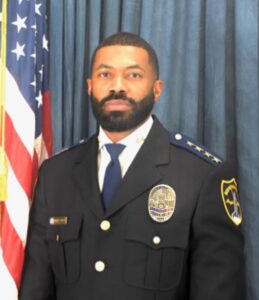
“That’s definitely one of the ways that we want to utilize the drones once approved and everything’s in place,” he said, “when those shots go out, we can get a drone in that area and just observe what’s going on, who’s leaving the scene, just what we see as officers are responding.”
Right now, ShotSpotter sensors cover about 20 square miles in Birmingham and can pick up the sound of gunfire and then report the location to police.
The police chief estimates ShotSpotter is the only notification of gunfire they receive 30 to 40 percent of the time.
“I’ve been in our police precinct, in the district that I represent, in the east side of town, and watched those shots ring out and come up on the computer,” said City Councilor Hunter Williams. “It shows exactly where they were, the location of the shots, the caliber of the shot, and the likelihood of that shot being that caliber and not fireworks or something else.”
Unfortunately, many Birmingham residents have gotten so used to the sound of gunfire that many don’t even bother reporting it to police, Williams said.
He added, “If this technology solves one homicide a year, I would say that it is worth the million dollars a year when we have a police budget of over $100 million a year.”
The city is continuing to see a huge decrease in murders. Numbers released Monday show a more than 55 percent drop in murders compared to this same time last year, but violent crime as a whole is actually slightly up, 1.2 percent.