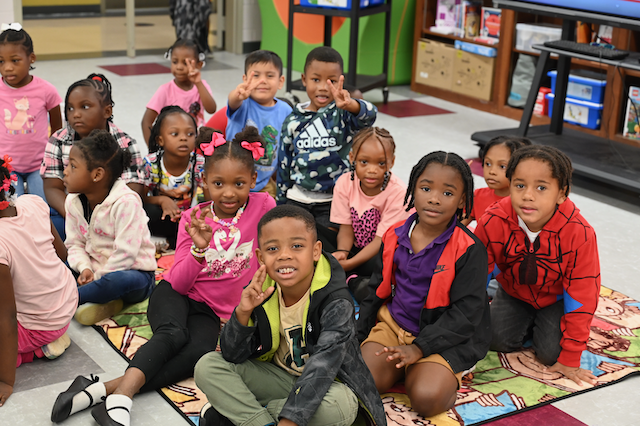
Birmingham City Schools said it is the first in the nation to provide district-wide specialized sensory inclusivity training.
Through a partnership with KultureCity, BCS has trained all employees and equipped each school.
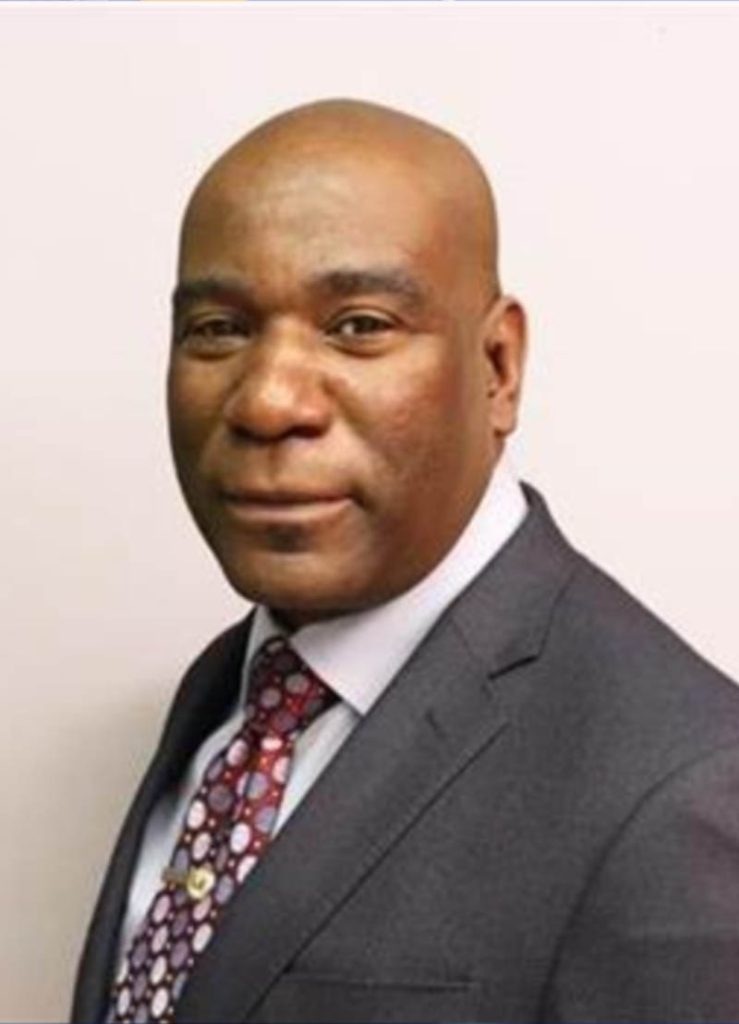
“We wanted to make sure that our students were treated in a way that was sensitive to what their abilities are,” BCS Superintendent Mark Sullivan said. “We wanted to make sure that our principals, our teachers, our secretaries, our bus drivers were aware of students who may be on the spectrum and the behaviors that those students may display — some of the characteristics the students may display — and not confuse some of those characteristics with disciplinary issues.”
Pamela Wimbish, the director of special education for BCS, said having the whole district sensory trained is exciting because it’s a need she’s seen within the schools. She said the goal is to have every student who comes through their doors be supported in their academics and social well-being.
“There are all different kinds of disabilities, and some of them are not seen,” Wimbish said. “Sometimes, you don’t know because a child is quiet, but that doesn’t mean they’re not having a sensory issue.”
BCS has been receiving the sensory training and resources from KultureCity for the last two years. The training has been rolled out in every school in 2025, and it reaches beyond teachers and administrators.
“A bus driver sometimes is the first person that sees our children first in the morning,” Wimbish said. “So we want to make sure that they understand what to do and how to respond if they’re having any challenges coming onto the bus and being able to come into the school building, they are feeling safe. That’s an expansion we’re making this year as well is making sure we have custodians, bus drivers, all of our operational staff that come in contact with our schools to be trained.”
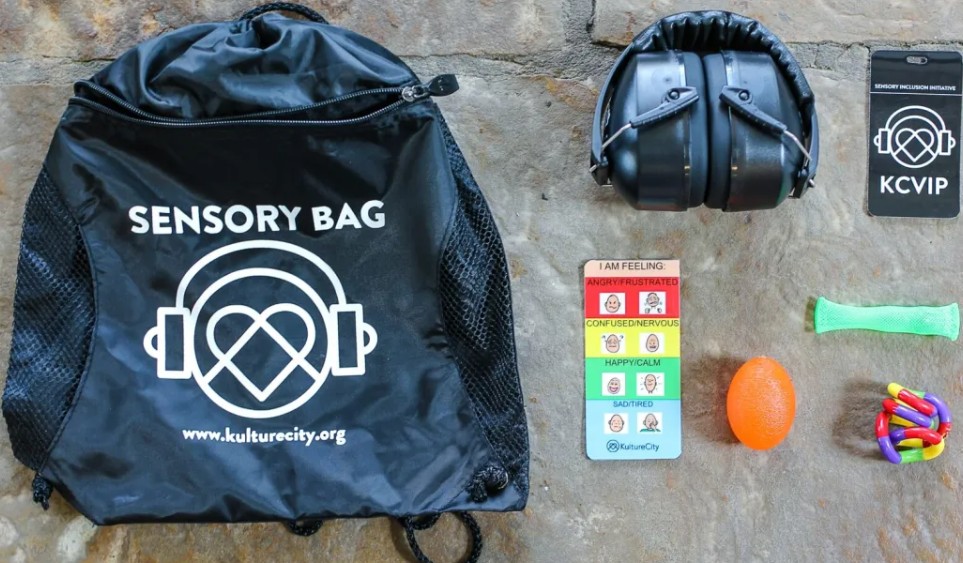
BCS is equipped with sensory bags with noise cancelling headphones and fidget toys, but the schools also have mobile sensory stations with calming lighting. Some schools in the district have full classrooms designated to sensory regulation, like Charmain Means’ classroom at Hudson K-8 School.
“Dealing with autistic children, sometimes they have moments where they just blurt out, have moments where they’re not so good moments,” Means said. “So the sensory room helps them again to calm down their emotions because some are nonverbal, and they can’t let you know what’s going on with them. No matter what a child may go through, whether it quote, unquote, ‘normal,’ students, autistic kids, they all need something where they just have a place to relax, calm down because you never know what they’re going through at home.”
Alice Murdoch teaches Pre-K through fifth grade at Norwood and Princeton elementary schools. She said the training helps to fight the stigmas against those who are on the spectrum or who are neurodivergent.
“They might see a child with a fidget, but they know ‘Oh, that’s just that person’s name, but he can stay in here and do the work, or she can stay in here and do the work if she just has that pop it’,” Murdoch said. “Even us, we get sensory overloaded, we get upset about things, but we are adults, and so we can kind of calm ourselves down or go to the restroom, things of that nature. Small children do not have the capability of doing that, so they have to go someplace that they can just chill out.”
While Sullivan knew it was a general need in the district, it’s also a need he’s seen firsthand.
“I have two nephews who are on the spectrum, so I know personally the issues that they may have at school and how some of the behaviors can be misunderstood and seen as disciplinary issues and not necessarily issues that tie to the abilities that those students have,” Sullivan said.
Sullivan said he’s shared the training and the KultureCity resources with other superintendents, hoping to see others follow suit.