By Sym Posey | The Birmingham Times
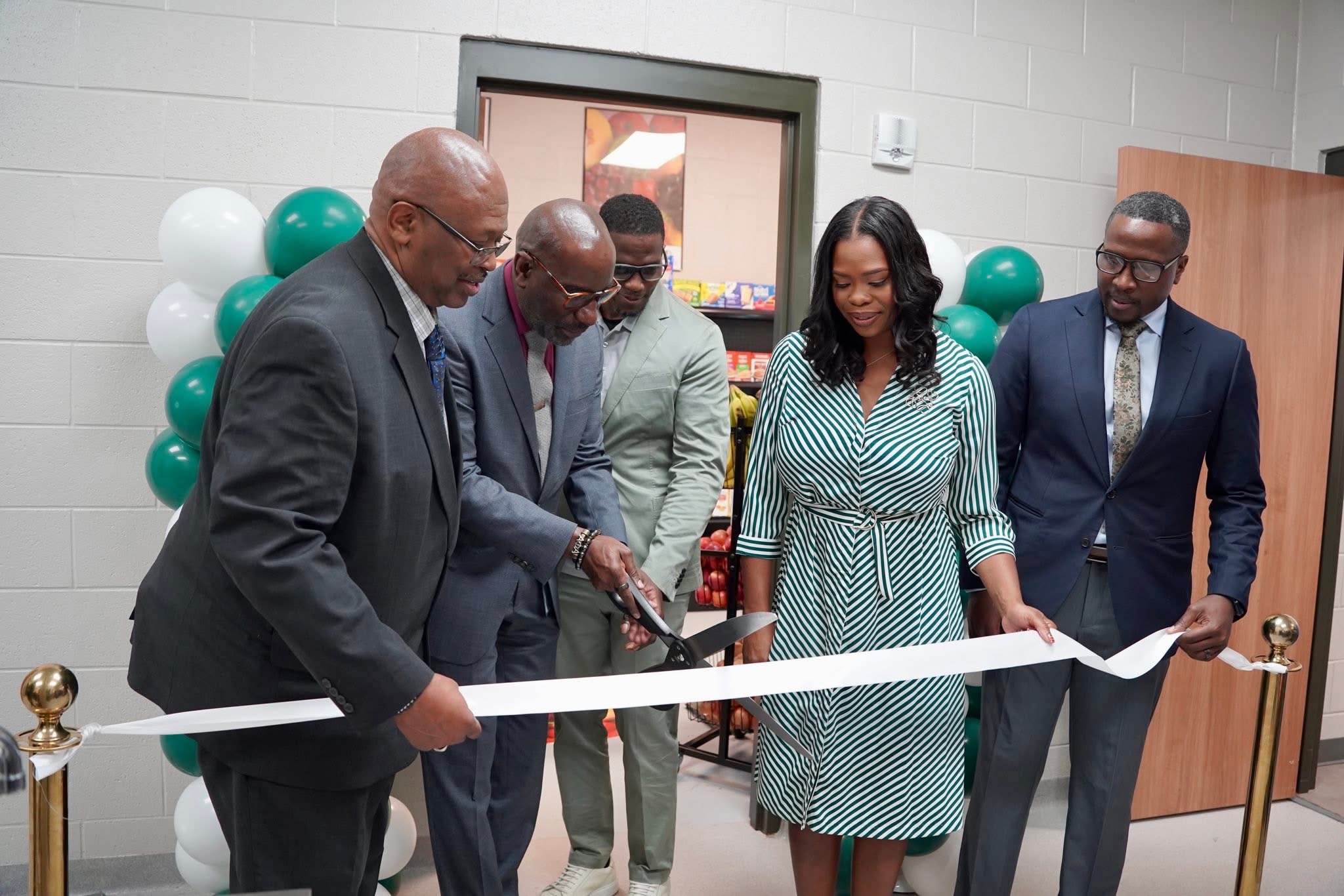
Birmingham’s Huffman Middle School on Wednesday became the first school in the state of Alabama to open an in-school grocery store making sure students and families don’t go without food.
For those like Brenda Craig, who has two grandchildren attending the school, the grocery store is welcomed. “I’ve had a lot of things come up where I have to choose to pay bills and not able to get things that they need,” Craig said. “So this will help me out a whole lot.”
She initially didn’t plan to show up for the opening after the school called to invite her, but decided otherwise.
“Sometimes things are short; pay bills, you go in the grocery store, and then your money is spent,” the grandmother said. “Now, this will help me.”
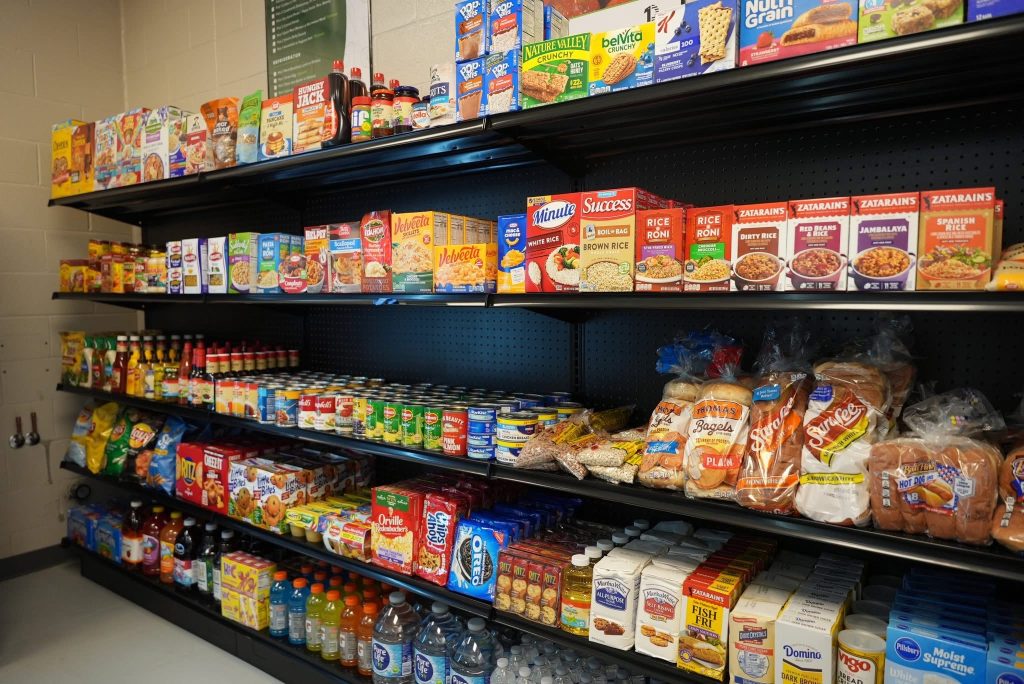
Operated by Goodr, a social impact company that combats food waste and hunger, the grocery store reflects a growing trend in education that goes beyond academics to address the everyday needs and challenges faced by students and their families.
“In addition to success starting here, hunger stops here,” said Huffman Principal Jeffery Willis.
The idea behind the grocery store is to provide students and families with access to fresh produce, pantry staples, and essential household items, all within the familiar and safe environment of the school campus.
The 300-square-foot space is stocked with fresh produce, bread, eggs, dairy, pantry staples and even vegan options. The store is not open to the public but is available to enrolled families, who can shop at no cost several times a month.
“This has not been an overnight thing,” said Goodr founder, Jasmine Crowe-Houston. ‘This has been very intentional and purposeful. We go out and source all of the groceries. Students and their families will have access to the store before, during, and after school hours.”
In addition to providing groceries, the store serves as a hands-on learning lab for Huffman students. Participants in the school’s Family and Consumer Sciences program help run the store, gaining experience in inventory management, customer service, and basic retail operations.
“Research has shown that for every $1 invested in programs like in-school grocery stores, the return is estimated to be $10-$14 due to improved graduation rates, reduced criminal justice costs, and better health outcomes,” said BCS Superintendent, Mark Sullivan, Ed.D. “Goodr will track the success of this pilot program over the next two years and hopefully we can build on this momentum and bring this concept to more schools.”
Birmingham City Councilor Clinton Woods used $277,500 of American Rescue Plan Act (ARPA) funds to support the store for its first two years. The goal is to “make sure students are equipped to succeed” by reducing outside stressors that interfere with learning, said the councilor.