
Based on census data, nearly all of us in the Birmingham region get to our jobs in a car. The Birmingham region is one of the most-car-dependent places in the country, and since we know the U.S. is one of the world’s most car-dependent countries, that means our city relies on cars more than most places on earth.
I’d like to build the case that we need more choices in how we travel. Cars can be great. If you’re fortunate enough to own a car, you’ve likely built a life that revolves around that mode of transportation. However, I also believe that if we build a world that assumes everyone will go everywhere in a car, that comes with more tradeoffs than we realize. Here are a few examples of things we’re missing out on:
- More mobility options will allow us to have infrastructure that actually works. We can’t afford to maintain a world where we all drive everywhere. Car-oriented growth means that everything spreads out. That leads to bigger roads, and that requires more asphalt, striping, signals, signs, stormwater pipes, stormwater inlets, sidewalks, street lighting, landscaping, bridges, and more. It’s a very costly venture. My administration has proudly invested more than $100 million into paving during my first two terms in office. However, our backlog of infrastructure needs is massive and ever-growing. We know that more walkable cities are more compact and therefore are more affordable to maintain.
- More mobility options will put money in our wallets. The American Automobile Association estimates that the average cost of car ownership in the United States is more than $12,000 per year, about $1,000 per month. Many households have more than one car. Imagine what an additional $1,000 per month would do for your household.
- More mobility options will make us safer. Around 40 people die each year in the City of Birmingham in vehicle crashes; hundreds more in the city are severely injured. These numbers are much higher for the larger region. Many of us know someone in our lives who has been personally affected by a car crash. We don’t have to accept these tragedies as the cost of modern convenience. There are many examples of advanced vibrant competitive cities around the country and around the world where more people walk, take public transportation, and ride bikes. Those cities don’t have nearly the same rates of transportation-related death and injury that we have.
- Providing mobility options will improve our health. In Alabama, we have some of the lowest health rankings in the country in almost any health metric you can name — heart disease, diabetes, cancer, and others. While walking is not a cure-all, it seems clear that if we provide more options for us to move our bodies throughout the day, we’ll have better health outcomes.
- Providing mobility options raises quality of life for everyone. Driving doesn’t work for everyone. Many of our neighbors are too young, too old, physically unable or simply cannot afford the financial costs of operating their own vehicles. Yet, we know from a study by the Brookings Institute that people in Birmingham with cars have access to 100 times more jobs than people who rely on public transportation. The system we have today is leaving too many people stranded.
- Providing mobility options helps the environment. Driving causes greenhouse gas emissions, excessive land consumption, and excessive energy consumption. In the United States, transportation is actually the leading generator of greenhouse gases. When we assume that everyone will drive cars, we build a world with larger roadways, intersections, private land developments, and larger parking lots. Even if we all ride in electric, fully-autonomous cars, a world built for automobiles will still have far too great of an impact on our environment.
I’d like to set a new vision for Birmingham’s future. It’s actually a future that resembles the way we’ve built cities for thousands of years. I’d like to make Birmingham walkable. I’d also like to strengthen our public transportation system and make us more bikeable too. And yes, I still want Birmingham to be accessible for cars.
Our kids should be able to walk to school or to grandma’s house. Catching a transit bus should be just as easy and convenient as driving. You should feel safe on a bicycle. I also don’t think it’s crazy to dream about a frequent and fast passenger rail connection from Birmingham to Atlanta. We can achieve these things.
To that end, we’re kicking off a major citywide transportation plan in partnership with the Birmingham-Jefferson County Transit Authority called goBHM, and I’d like you to join me in shaping this effort. If you live in Birmingham, work in Birmingham, or regularly visit Birmingham, visit letsgobhm.com to learn more and to stay informed. Over the next year, we’ll be sharing information and hosting public meetings to create a strong transportation vision for the future. Walk along with us on this journey and lean in.
I look forward to running into you out on the sidewalk.
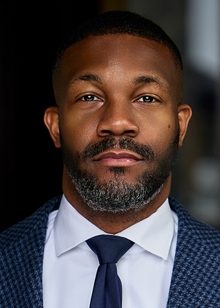
Randall Woodfin is the mayor of Birmingham. This is from his Substack article, ‘Let’s Go for a Walk, Birmingham.’