By Sym Posey | The Birmingham Times
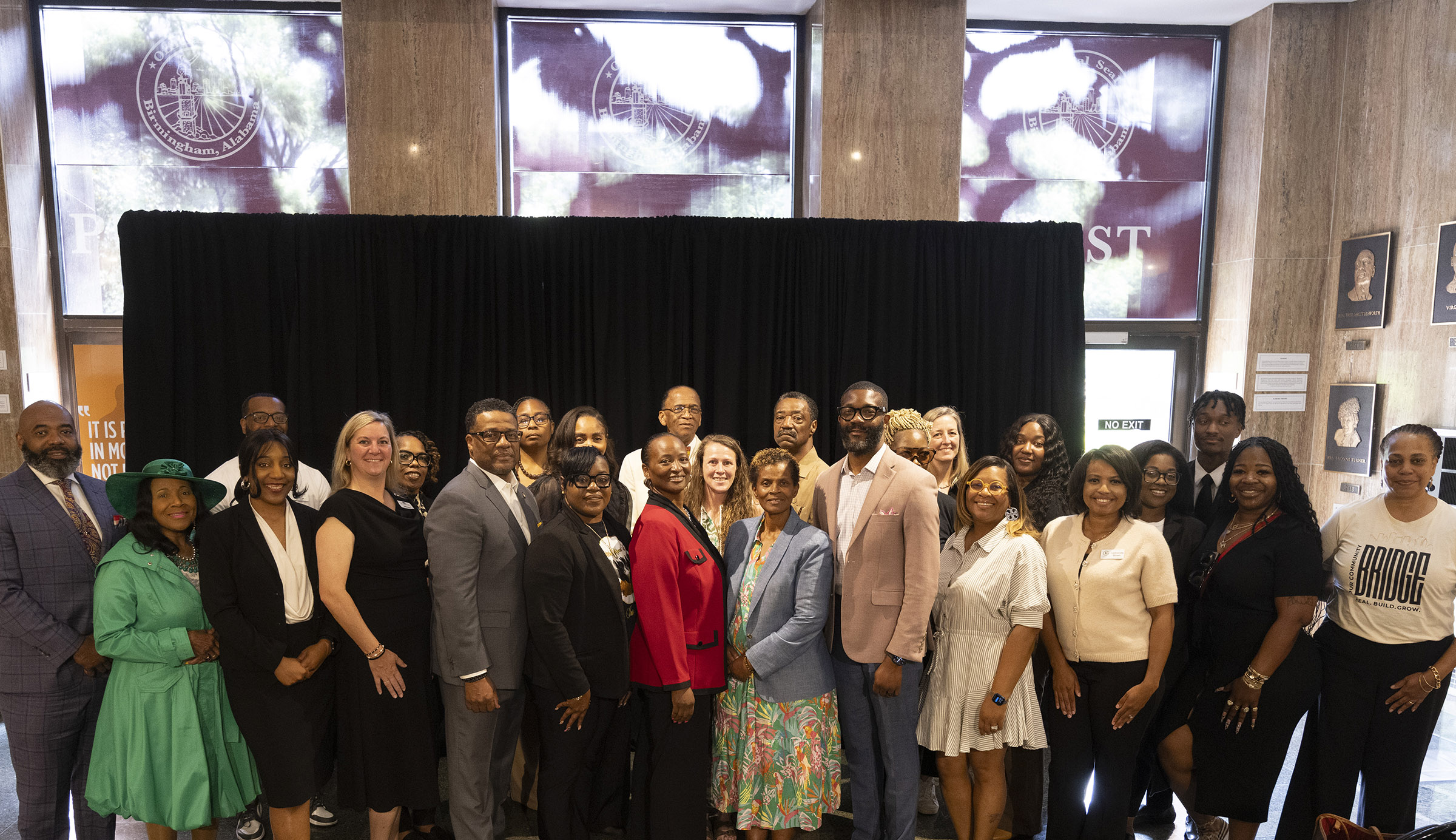
“Today we take that success further by investing directly in the people and organizations doing the most critical work on the ground,” said Mayor Randall Woodfin as he stood before community leaders at City Hall on Monday morning. “These groups are in our streets, connected to our community, and best positioned to address the realities our young people face every day.”
With that announcement, the City of Birmingham unveiled a new round of investments aimed at deepening its commitment to community-driven violence prevention. A total of $200,000 in micro-grants will be distributed to 14 local organizations working on the frontlines of youth intervention and family stabilization. The funding comes through the 2023 U.S. Department of Justice Community Violence Intervention and Prevention Initiative (CVIPI).
The micro-grants are designed to strengthen services connected to the RESTORE program — short for Reduce, Educate, Support, Train, Organize, Realize, Empower — operated by the Jefferson County Family Resource Center. RESTORE focuses on addressing systemic challenges faced by families involved in Family Court, particularly those with at-risk youth between the ages of 11 and 19.
City leaders say the initiative reflects a broader understanding that reducing violence requires more than traditional law enforcement.
“We can all agree that it’s more than policing and more than arrest,” Woodfin said, emphasizing the importance of prevention and intervention strategies rooted in community trust.
The funding will support a wide range of services proven to reduce violence and improve outcomes for young people. These include mentorship programs, workforce readiness training, educational support, life coaching, and family stabilization resources — often referred to as “wraparound services” because of their comprehensive, holistic approach.
The Solution Solvers
Councilwoman LaTonya Tate, who serves as president pro tem and chairs the Public Safety Committee, highlighted the significance of directing resources to grassroots organizations.
“Those closest to the problem are the solution solvers, but often furthest from the resources,” Tate said. “Today shows what can happen when we work together to change that.”
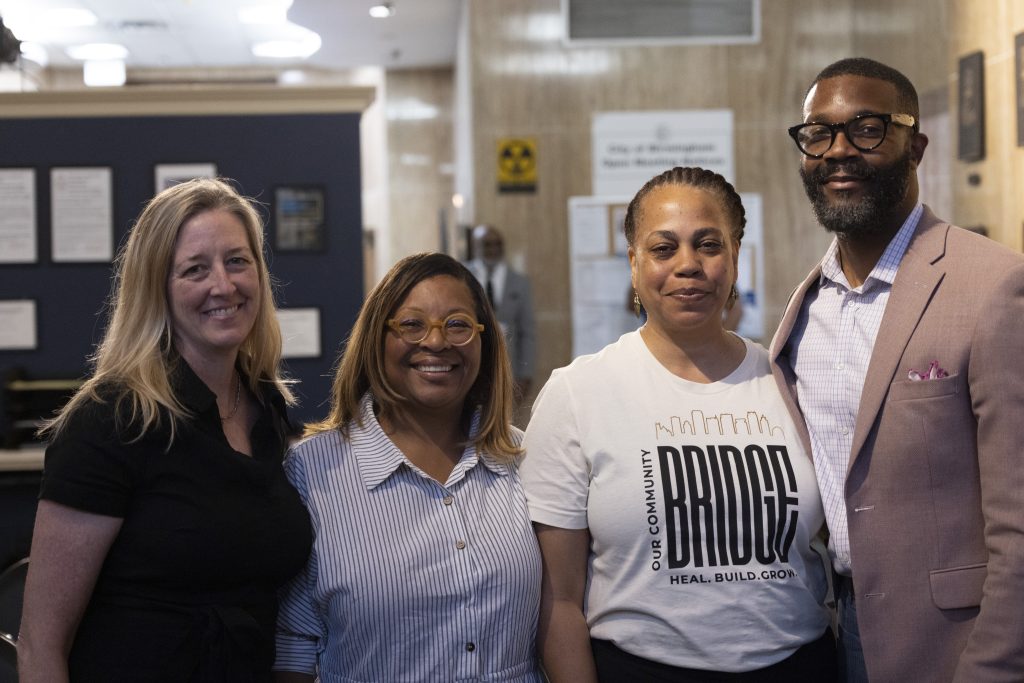
Among the 14 recipients are organizations long embedded in Birmingham neighborhoods. Groups like Anitra’s Light and What About Us focus on mentorship, healing, and support for families impacted by violence, while BuildUP in partnership with Tactical Community Action provides hands-on construction training and career pathways. Others, such as Be Kind Birmingham and Grace Klein Community, offer mobile outreach and essential resource connections to underserved families.
Programs also emphasize creative and nontraditional approaches to intervention. Inspire Justice uses storytelling and media production to amplify youth voices, while Our Community Bridge incorporates arts-based, trauma-informed healing. Meanwhile, Youth Towers and Rebirth Community Corporation focus on housing stability and reentry support for justice-involved youth.
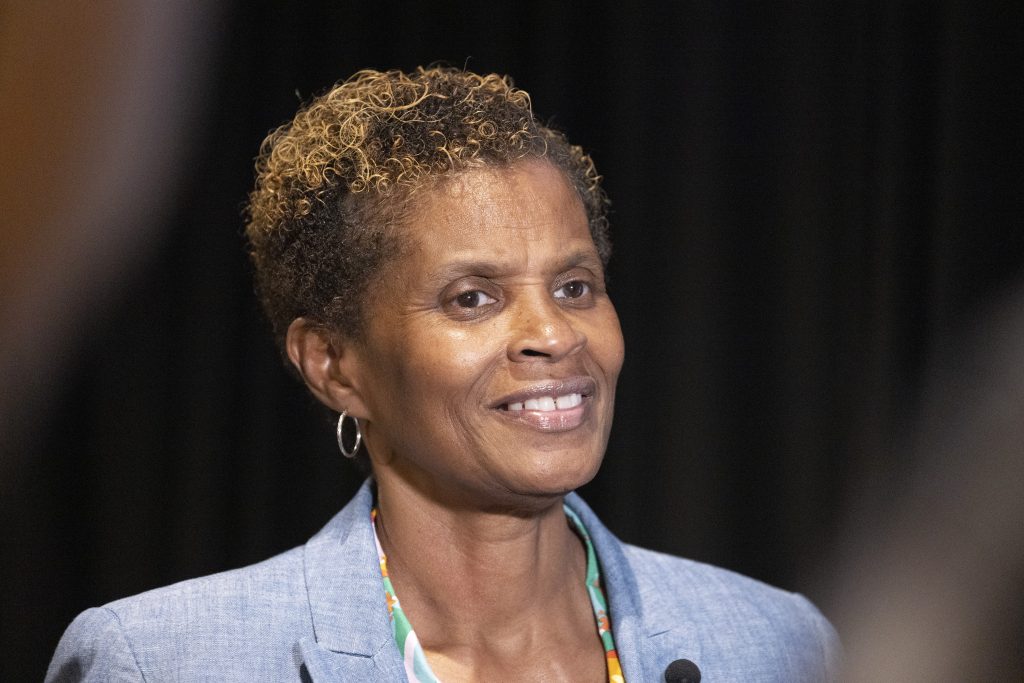
The impact of efforts like RESTORE is already evident. During the press conference announcing the grants, Judge Kechia Davis Hunt noted significant declines in youth violence since the program’s implementation, including an 85% reduction in youth charged with murder and a 71% drop in youth homicide victims within the targeted age range.
“These outcomes show that intervention works,” Hunt said. “But RESTORE cannot do it alone. These partnerships are essential.”
Leaders at the Family Resource Center echoed that sentiment, emphasizing that collaboration across organizations is what makes community violence intervention effective. Many of the grant recipients have operated for years with limited funding, often relying on volunteers and small donations to sustain their work.
For those organizations, the micro-grants represent more than financial support — they signal recognition.
“They’ve been showing up for our communities long before this moment,” Woodfin said. “Now it’s our turn to pour back into them.”
As Birmingham continues to build on recent reductions in violent crime, officials say investments like these will remain central to the city’s strategy. By empowering trusted community partners, the city hopes not only to prevent violence, but also to create lasting pathways to opportunity for its youth.
“This is what it looks like when a village comes together,” Tate said. “And the work is far from over.”
For more information about the RESTORE program and the City’s violence prevention efforts, visit www.birminghamal.gov/csi.