By Sym Posey | The Birmingham Times
The crack of the bat, the echo of history, and the weight of untold stories filled the air on Saturday, April 18, as the Negro Southern League Museum hosted its annual Jackie Robinson Day — an event that continues to grow in both meaning and impact.
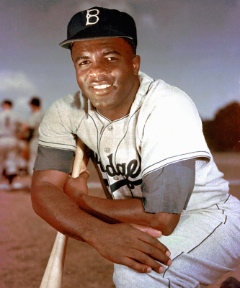
Held every year since the museum first opened its doors in 2015, the celebration honors not only Jackie Robinson’s historic breaking of Major League Baseball’s color barrier, but also the countless Negro League players whose talents never received the same national spotlight.
For museum director Anthony C. Williams, that broader recognition is the heart of the event.
“Many of those players who never got the recognition are here today,” Williams said. “When you think about integration, it was a slow process — it was a trickle. Many of the players who were qualified, many who were better than a lot of the players playing, never got their chance at the big stage. So, we like to keep the memory of those players alive.”
That mission is deeply rooted in Birmingham itself. The city holds one of the richest Negro League legacies in the country, a fact that led to the museum’s founding.
“This museum is here because Birmingham, Jefferson County has the largest concentration of Negro League players than any other location in the country,” Williams explained. “It was erected to honor that great legacy.”
Remembrance and Celebration
Throughout the day, the museum transformed into a hub of remembrance and celebration. Families, former players, historians, and young athletes gathered to reflect on a chapter of baseball history that remains, in many ways, underrepresented in the national narrative. Partnerships with local organizations — including youth initiatives and baseball foundations — helped extend the event beyond the museum walls and into the community.
Still, the focus remained clear: preserving history and passing it forward.
“Jackie Robinson represents just the tip of the iceberg,” Williams said. “There were so many other players who were extraordinary. Some made it to national fame, and some you will never hear their names. This museum exists to remember those players.”
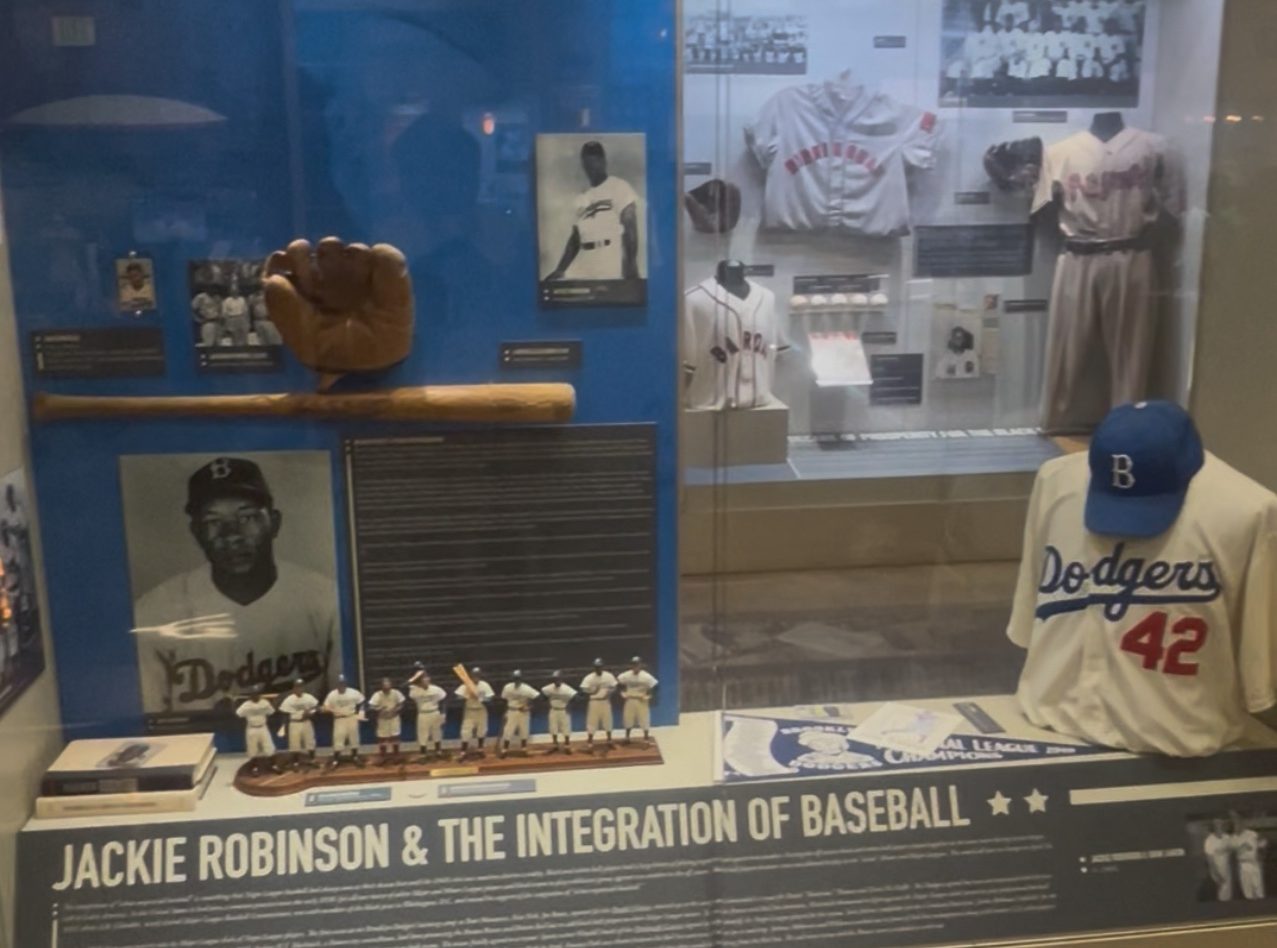
Inside the museum, that remembrance takes physical form. The Negro Southern League Museum houses the largest collection of original Negro League baseball artifacts in the world—a distinction that underscores both its cultural value and its rarity. In a region where the Negro Leagues once thrived but are often overlooked in mainstream history, the museum stands as a powerful and necessary institution.
The significance of that presence in Birmingham cannot be overstated. Negro Southern League baseball, while foundational to the sport’s evolution, is rarely centered in broader conversations about baseball history. Here, however, those stories are not only preserved — they are celebrated.
Williams hopes visitors leave with a deeper understanding of that legacy.
“I hope people just know how big baseball was to the Black community — and still is,” he said. “I hope they recognize that the museum we have here is a national treasure, and that they tell more people about it.”
Learn more at www.birminghamal.gov/government/city-departments/negro-southern-league-museum.