By Shauna Stuart | For the Birmingham Times
When Kredelle and Alphonso Petway joined the civil rights movement of the 1960s, they were following in the footsteps of their father Rev. Matthew Petway, who had been an activist since the 1950s. The family was based in Pensacola, Fla., but spent time in Montgomery, Ala. Kredelle started out helping people get registered to vote, assisting them with the application process. She helped them understand poll taxes, literacy tests and other suppression tactics the government used to intimidate Black people attempting to cast their votes in the Jim Crow South.
“For me, even at the age of — I think I was 17 or 18 — when I started being a volunteer with the Montgomery Improvement Association, I was amazed at how our people had been so humiliated that they were actually afraid to register to vote,” said Petway.
Alphonso was a youth member of the NAACP in Pensacola. He was deeply disturbed by the 1955 murder of Emmett Till, and reading news articles and seeing the images of Till’s mutilated body ignited a flame of activism in Petway. It was a burning, Petway says, that could not be quenched.
The Petways say their father emphatically encouraged them to get more active in the moment. In 1961, Kredelle and Alphonso joined their father to become Freedom Riders– an interracial group of civil rights activists who risked their lives to desegregate mass transportation systems throughout the South. Their mission: test whether the 1960 Boynton v. Virginia Supreme Court decision barring segregation on interstate buses and travel systems was being enforced. The activists boarded buses and were brutally attacked and arrested at bus stations including in Alabama, where a mob infamously burned one of their buses in Anniston. Of the hundreds of Freedom Riders, the Petways were some of the “few who flew.” Instead of boarding buses, they fought to desegregate air travel in airports in Montgomery, Alabama. and Jackson, Mississippi. The Petways were arrested in Jackson and sent to Parchman Penitentiary in Mississippi.
Now, more than six decades after their series of protests, the remaining Freedom Riders are witnessing another battleground.
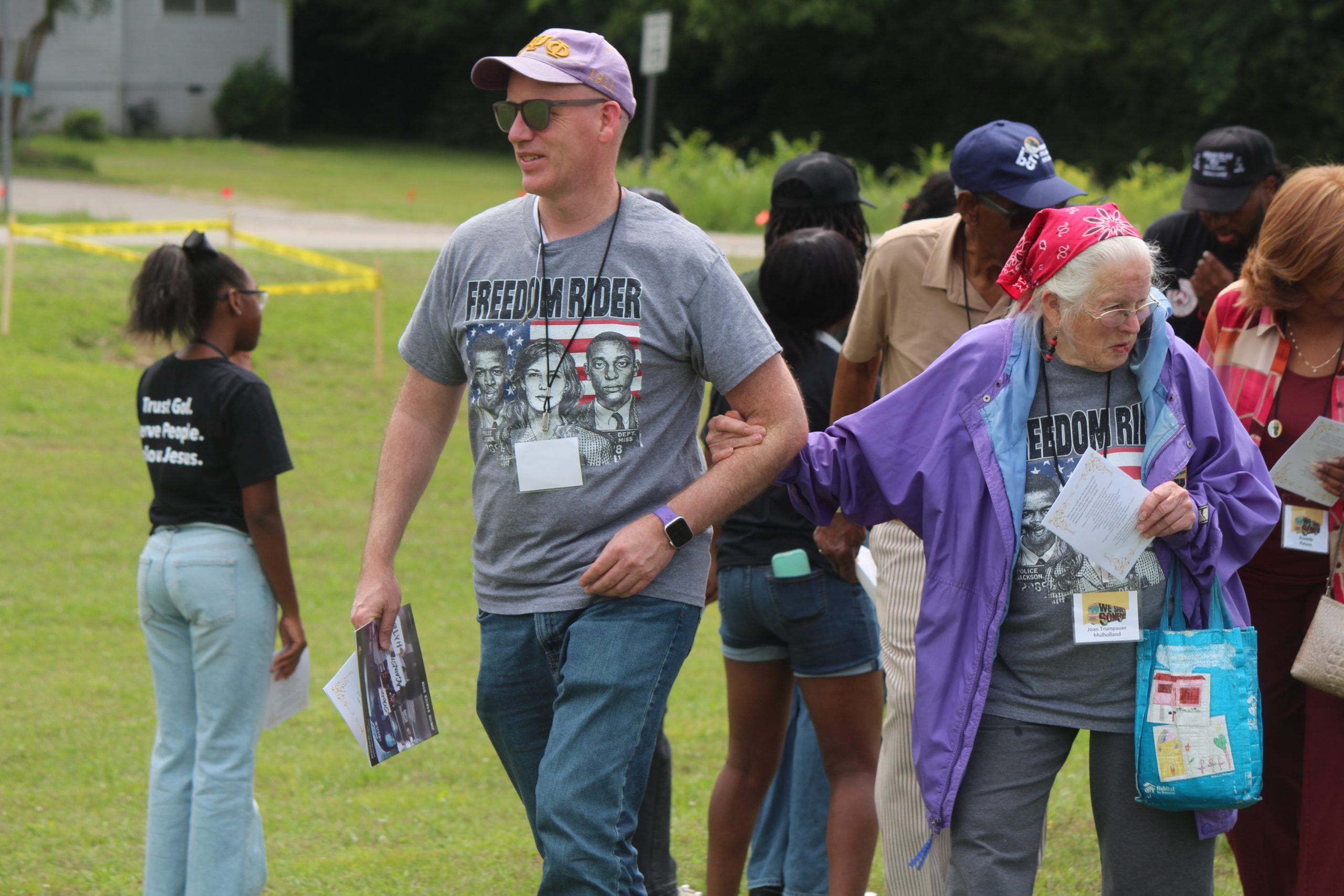
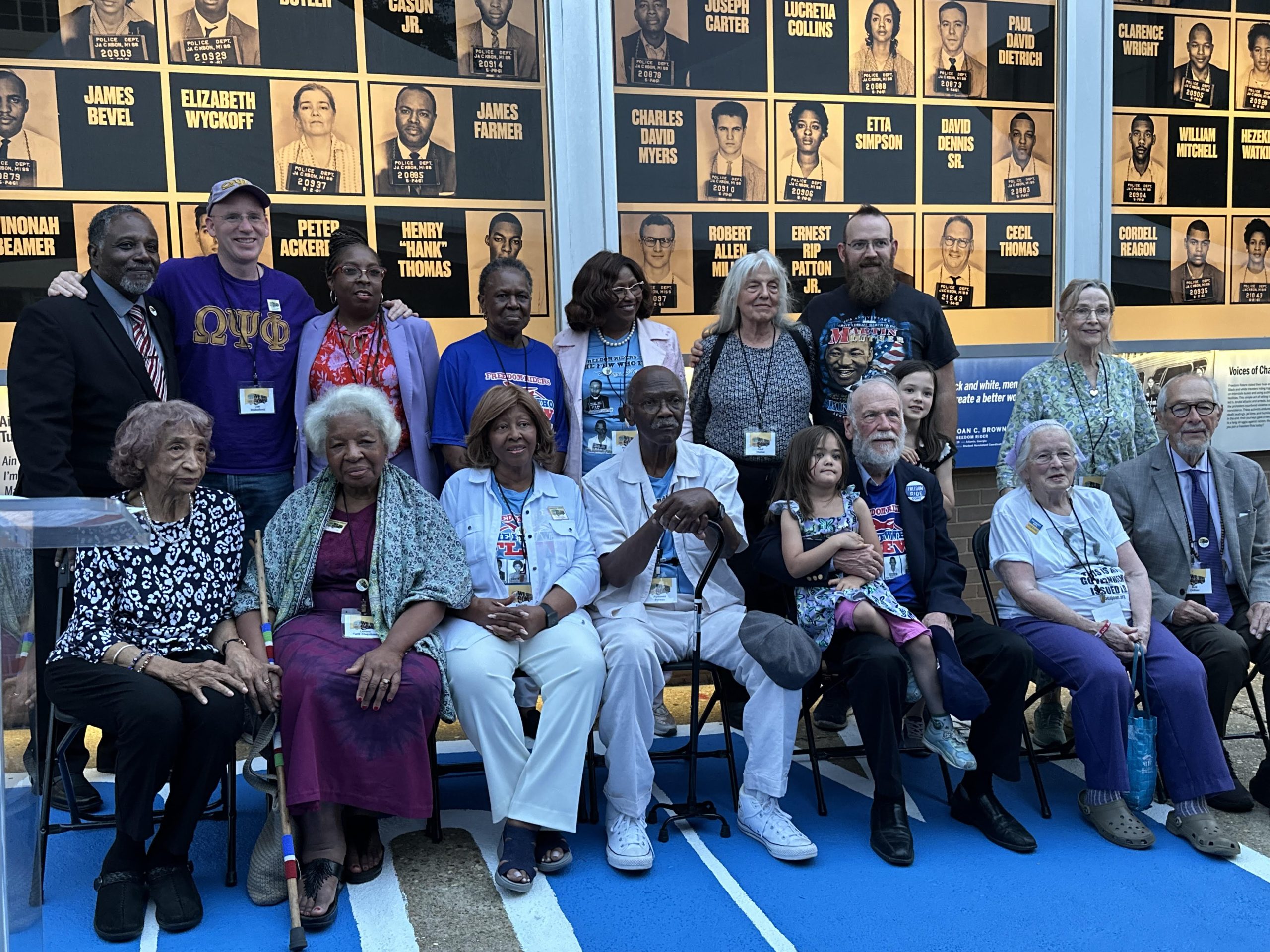
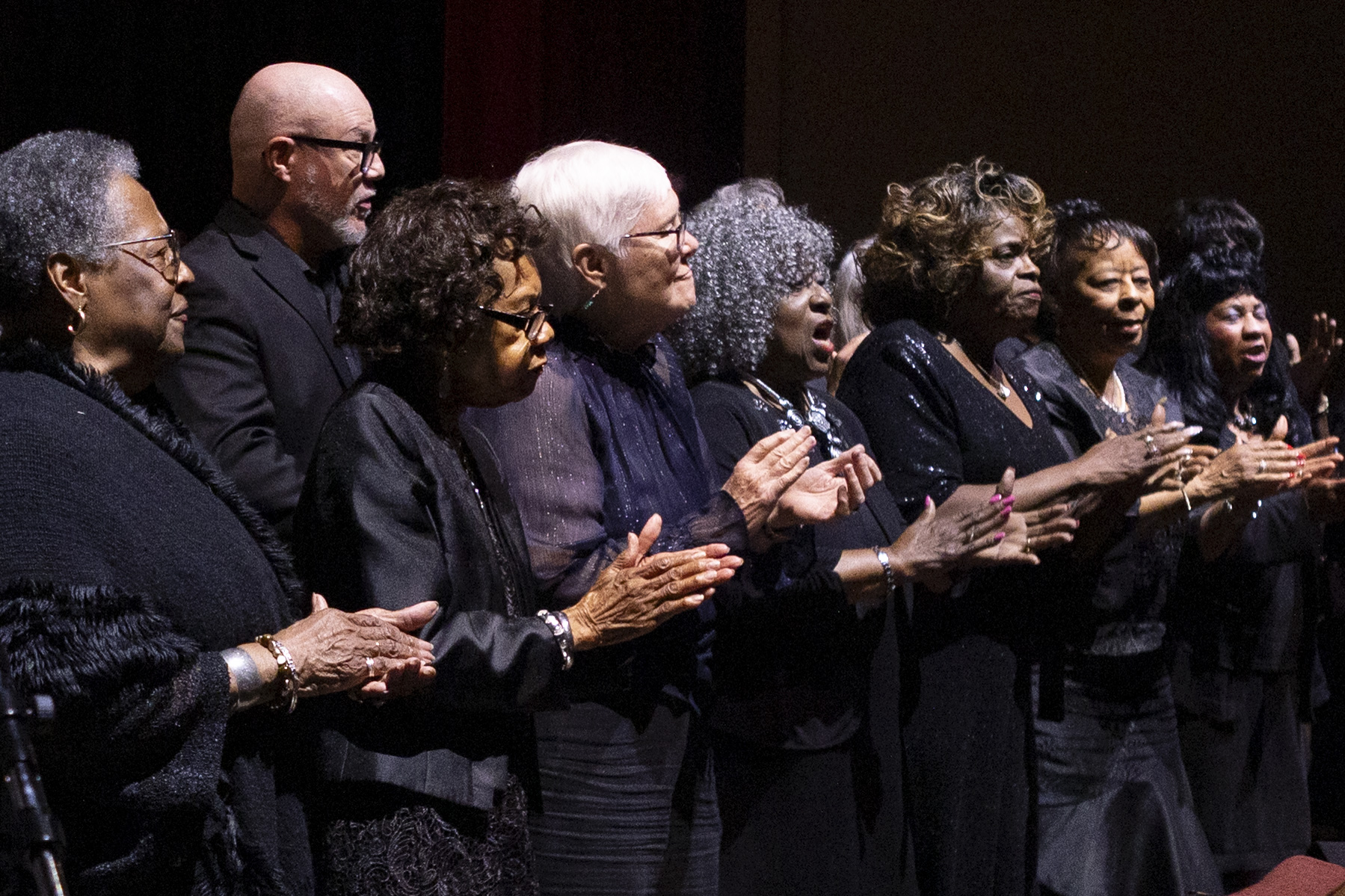
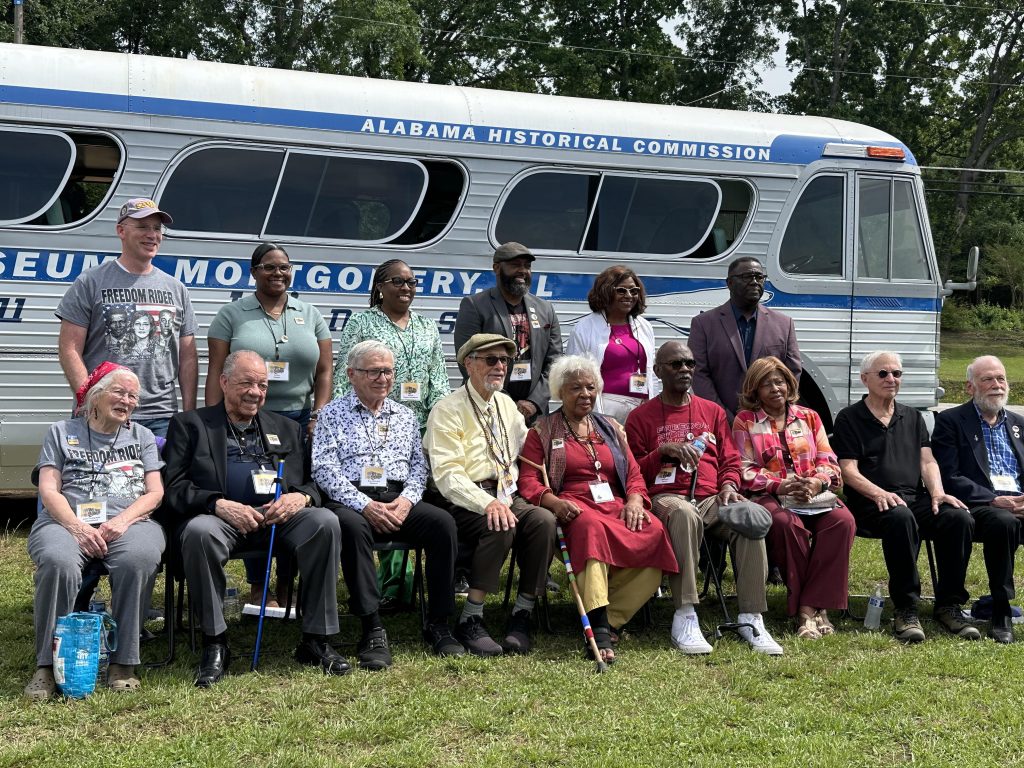
Recently, some of the Freedom Riders — joined by their families, community members, and politicians — gathered in Alabama to commemorate the 65th anniversary of the Freedom Rides. The week-long series of events started at the Walton Theatre in Selma and traveled to other historic sites around the state, including the Carver Theatre in Birmingham and the Freedom Riders National Monument in Anniston, culminating in a grand finale celebration at the Freedom Riders Museum in Montgomery. Featuring speeches from the Freedom Riders and their descendants, coupled with performances from the musical “We Shall Someday”, the commemoration was a celebration of living history at sacred spaces of the civil rights movement.
Organizers had planned the commemoration ceremonies over a year in advance. But last week, the events came at a pivotal moment — a new era in the battle for voting rights.
On April 29, the Supreme Court issued a 6-3 ruling in Louisiana v. Callais, striking down a landmark civil rights law that increased minority representation in Congress– a move that politicians and voting rights activists say guts Section 2 of the Voting Rights Act.
The move immediately ignited southern, Republican-led states to reassess redistricting plans. Alabama Governor Kay Ivey called a special session of the Alabama legislature to authorize plans that would eliminate the state’s only two Democratic majority legislative seats. Last Friday, Ivey signed two bills that would clear the way for Alabama to redraw its congressional maps. On Monday, the Supreme Court issued an order that would allow Alabama to remove one of its majority Black congressional districts. The events have ignited a clarion call of town halls and rallies around the state, including protests at the Alabama State House.
A Surge Back
On Saturday attendees of the 65th Freedom Riders Anniversary Commemoration convened in Anniston at the Freedom Riders National Monument. That morning, they met at the Anniston Greyhound Bus Depot where, in 1961, a white mob attacked a bus carrying the non-violent protestors. That afternoon, attendees gathered nearly 6 miles away at the junction of AL Highway 202 & Old Birmingham Highway — the site where the mob pursued the bus, firebombed it with the Freedom Riders on board, then beat activists as they emerged from the bus.
Gathered under a tent at the sacred ground that once evoked images of fire and smoke, descendants of the Freedom Riders honored the groundwork of their legacy in remarks to the audience. It was a moment that had a double resonance — at the same time, more than 90 miles away, activists were gathering in Montgomery at the Alabama State Capitol to protest the state’s effort to redraw voting maps.
“Democracy does not preserve itself. People preserve it. That’s the enduring lesson of the Freedom Riders,” said Jerrick Lewis, the nephew of the late Freedom Rider and Congressman John Lewis. “The Freedom Riders are still teaching us how to move from fear toward freedom.”
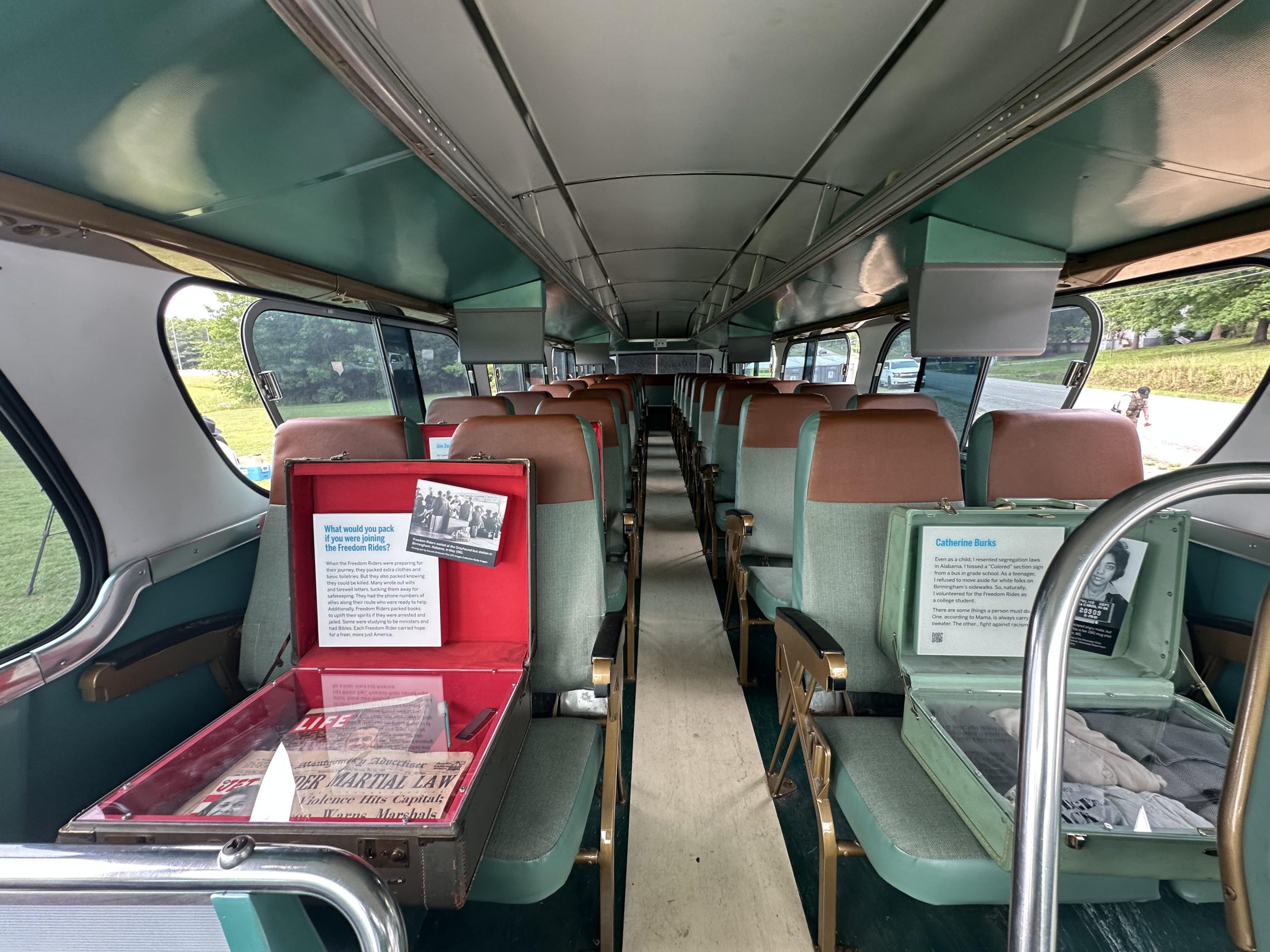
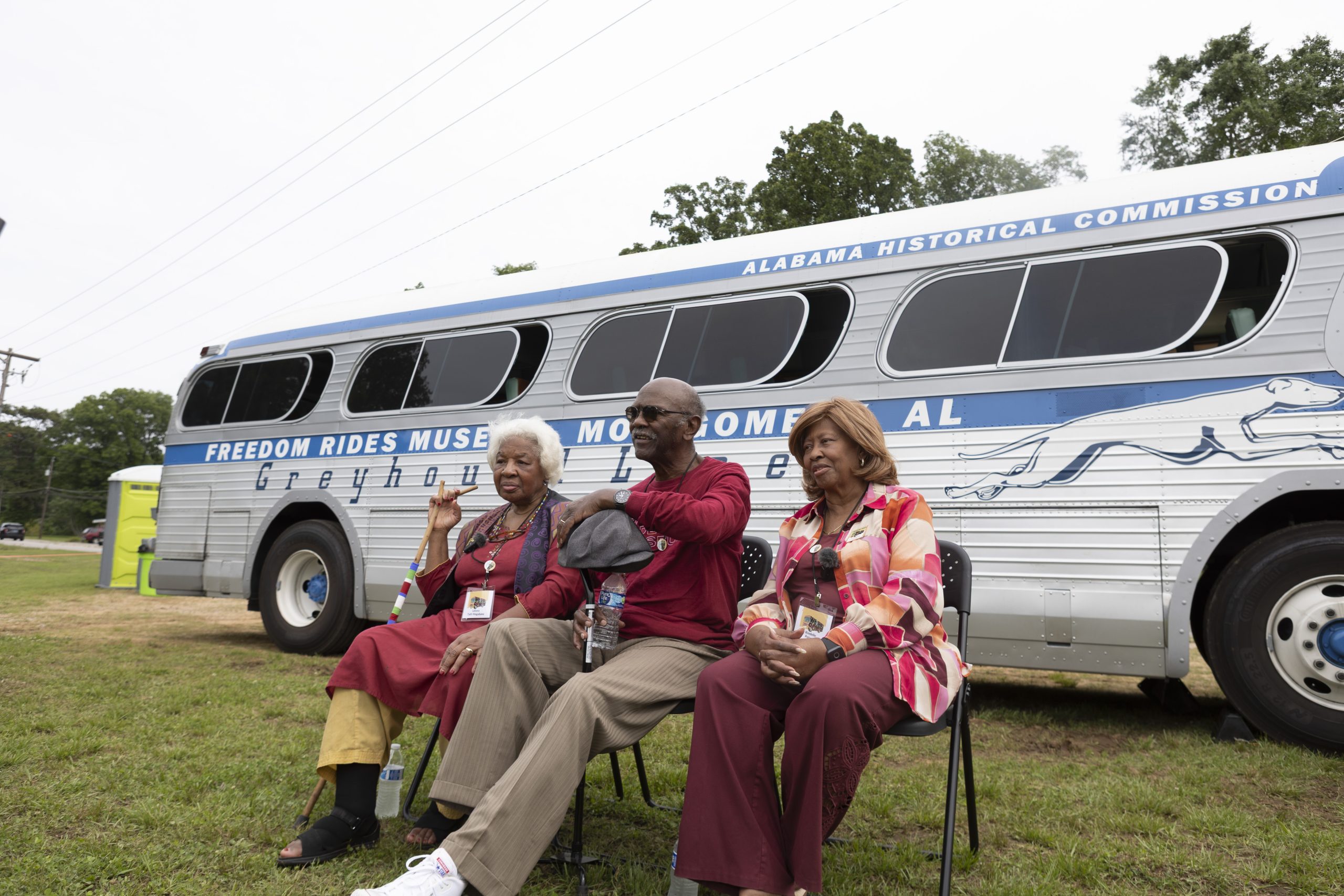
During her speech, Robbie Thomas, the daughter of Dr. Henry “Hank” Thomas — one of the original 13 Freedom Riders, pointed toward a restored 1957 Greyhound Bus parked on the lawn — a model used to demonstrate the bus the Freedom Riders boarded in 1961.
“Seeing this group of people…we may need to create another Freedom Ride,” said Thomas.
“Does that bus still work? Seems like we’re going to have to start the movement up again!”
David Dennis Sr. was 20 years old when he joined the Freedom Rides. A student at Dillard University, he joined the Freedom Rides when they left Montgomery, Alabama, for Jackson, Mississippi, and was one of the first activists to be arrested.
Dennis, now 86, isn’t surprised he’s witnessing a complete dismantling of the Voting Rights Act during his lifetime.
“If you look at it from all the way back to the 1964 Civil Rights Act and 1965 Voting Rights Act, ever since then, there have been things going on in this country to make that surge back,” said Dennis. “So this surge back we’re experiencing now has been a long time in the making, as you might call it. So we’ve got to be ready for it.”
Looking out onto the grounds, Dennis was reverent but still managed a slight smile. He has confidence in modern organizers as they gather for this new political battleground.
“I’m still hopeful, but at the same time, looking at it, a lot of my friends lost their lives to get where we were,” said Dennis. “I feel that personally because this is happening on my watch. I’m one of the last people alive who’ve been through [the civil rights movement], but it’s happening on my watch. So, I’m trying to figure out how I can borrow some more time to get back into the fight.”
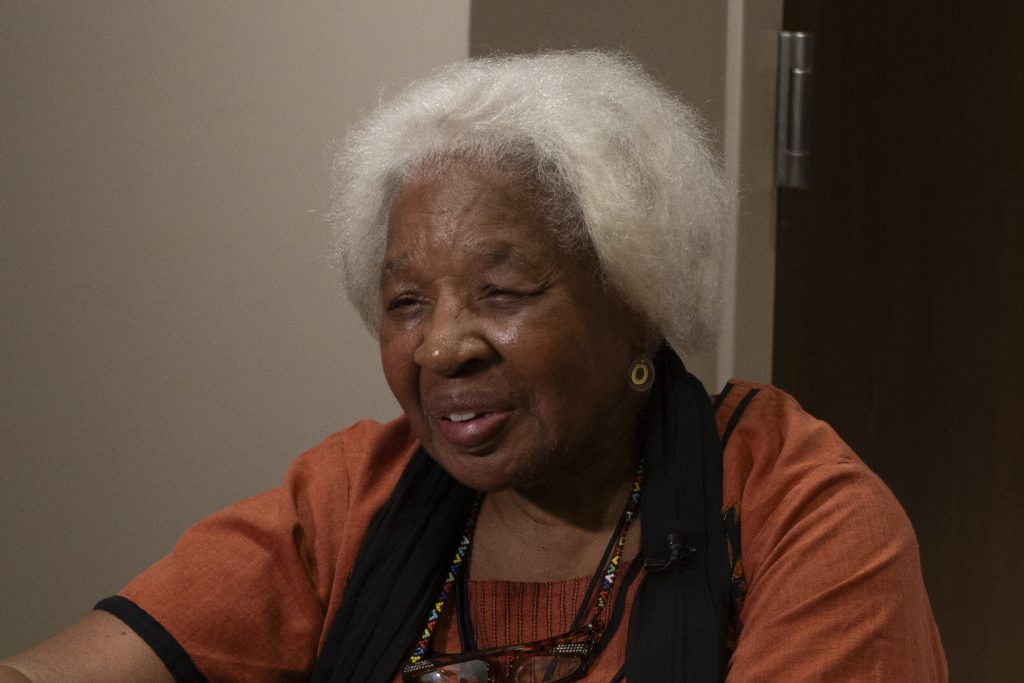
Lenora Taitt-Magubane shares the same sentiment of hope. She was 23 and a graduate of Spelman College when she and her fellow Freedom Riders were arrested for protesting segregation on trains running from Atlanta to Albany, Ga.
At this juncture, she says the Freedom Riders laid a foundation, but she understands the fight continues.
“We have to keep on. We can’t live on that legacy. It’s like a backdrop,” said Taitt-Magubane.
“Laws have changed. Things have changed around the country. But at this point in time, things are tending to go back. We are not moving forward. And my message to everyone is that it looks hopeless, but we’ve been through worse before and we’ve survived worse before. And we’ve conquered worse before. And therefore, we can never give up hope. We have to continue fighting.”
During his remarks at The Freedom Riders Museum, Rev. Bernard Lafayette III, the son of the late voting rights activist and Freedom Rider Bernard Lafaytte Jr. had words of encouragement for people attending the Freedom Riders commemoration.
“Whatever is torn down can be built back again and built back better. And that’s what we must dedicate ourselves to doing,” said Lafayette. “It’s always darkest before the dawn. And a new dawn is coming.”
‘This movement has to be reopened’
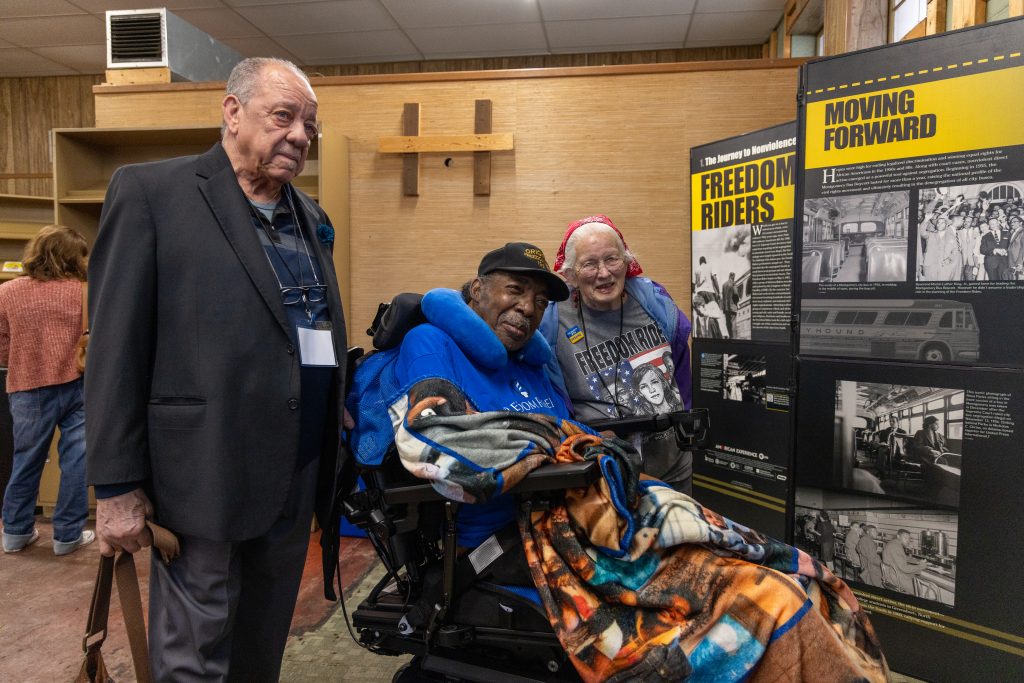
“Every time politicians see that African Americans are gaining ground, they find ways to dismantle that,” said Kredelle Petway.
Petway hopes that in addition to protesting, activists will make sure to educate the public about the effects of redistricting.
“I can’t imagine some of the ludicrous statements that are being made,” she said. “We do not have a choice at this point. If we don’t educate, and let people know what happened, we risk losing everything we worked for.”
Alphonso Petway knows this emerging battle against redrawing the voting maps will be a long fight.
“This juncture takes on a new meaning because someone else is going to have to get on the bus. This movement has to be reopened. I’m glad I could be a part of it,” said Petway. “In order to keep hope alive, we have to keep the bus moving. We can’t run out of freedom riders and freedom fighters,” he added. “As we talk about and consider passing the baton, I told a young lady I might not be ready to pass mine, but I’ll light another one. I will do that out of obedience. But the flame has not gone out, and the fire is still burning.”
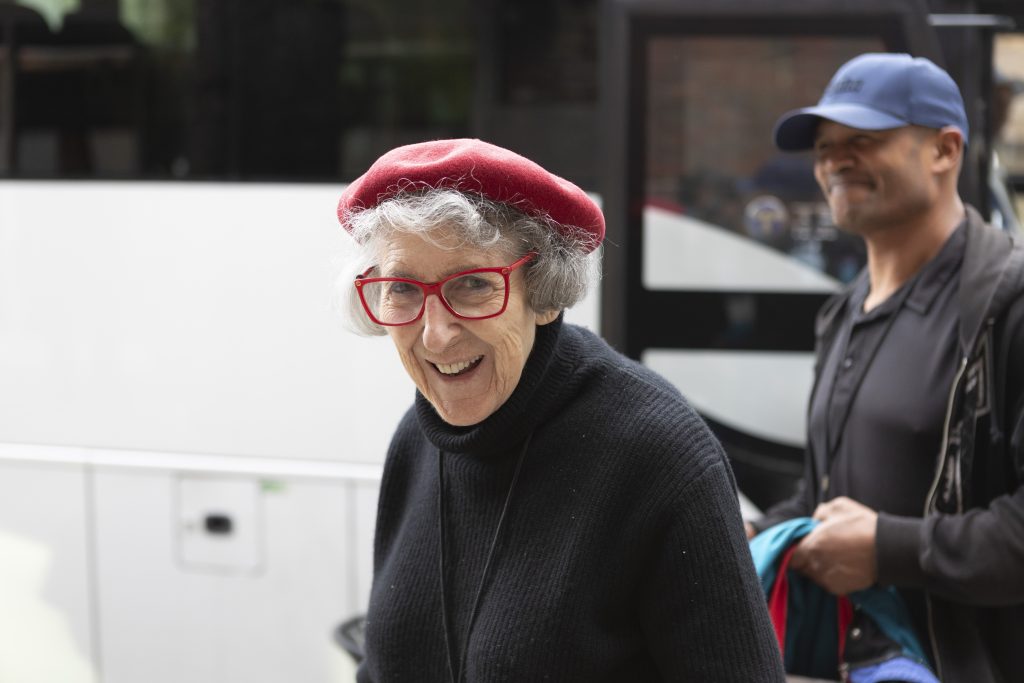
Carol Ruth Silver joined the Freedom Rides when she was 22 years old. She was arrested in Jackson, Miss., and sent to Parchman Penitentiary for 40 days. Silver says she is not only concerned about redistricting, but also for the safety of people who monitor elections. Silver has served as a poll worker for decades, and in 2020, she worked as poll watcher in Fulton County, Georgia for the Democratic party. She says the news that the Department of Justice has demanded the identities of every worker who staffed the 2020 election in Fulton County, Ga is another suppression tactic to impact both the outcome of elections and the livelihood of people who sign up to work on the polls and “who want to see free and fair elections come about.”
“It’s an intimidation of us,” said Silver. “Because if I knew that the FBI was going to be looking at my personal personnel records, I would not want to be a poll worker.”
Joan Trumpauer-Mulholland was 19 years old when she joined the Freedom Rides. She was arrested in Jackson. Her son, filmmaker Loki Mulholland, directed the 2019 documentary “After Selma,” which examines the history of voter suppression in the United States.
“We’re moving backwards,” she said, frankly.
Her advice to activists on the ground now is simple and straightforward: “Get a plan of action. Always have a lawyer’s phone number with you, and don’t be afraid.”