
By Sym Posey | The Birmingham Times
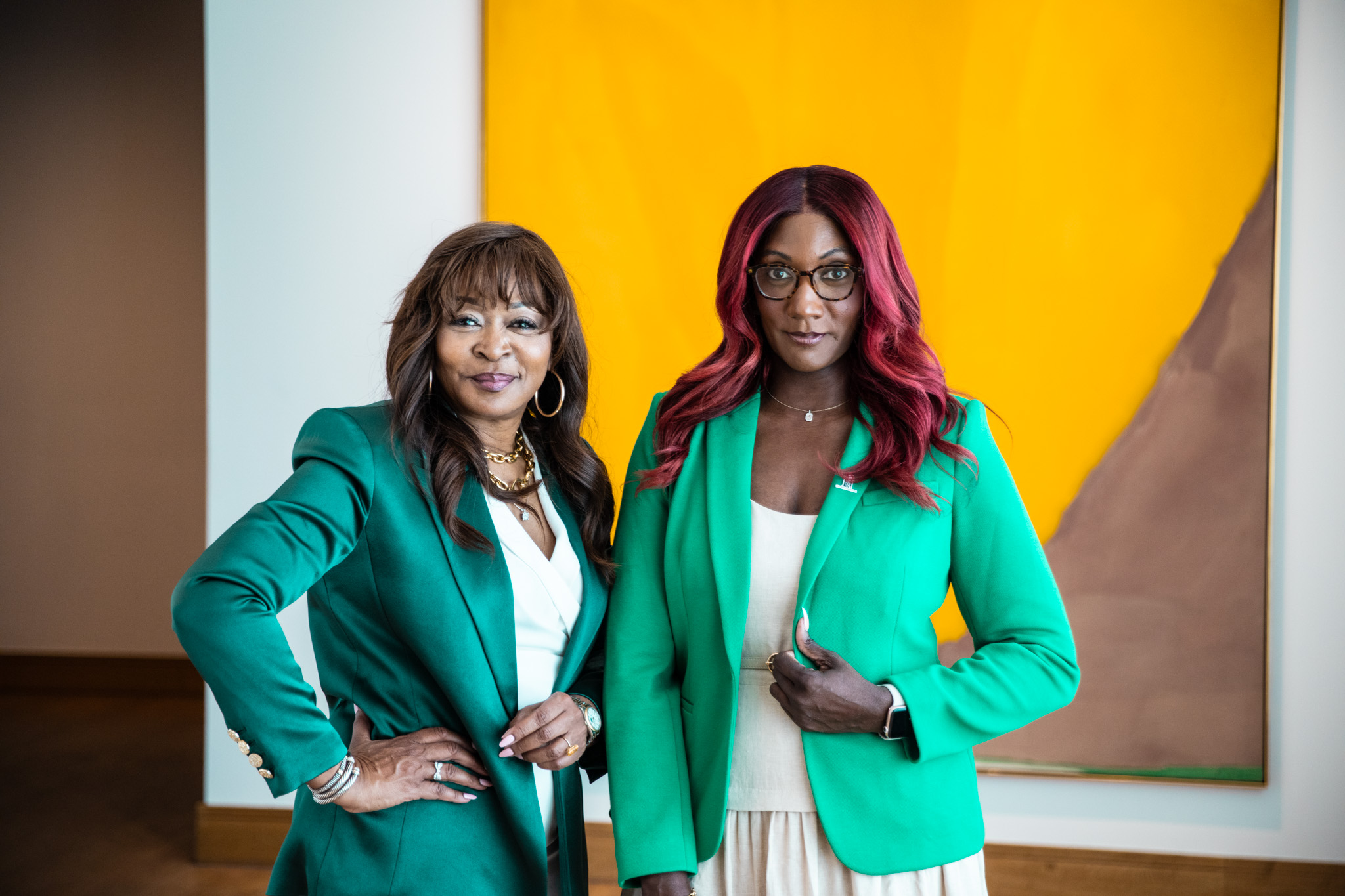
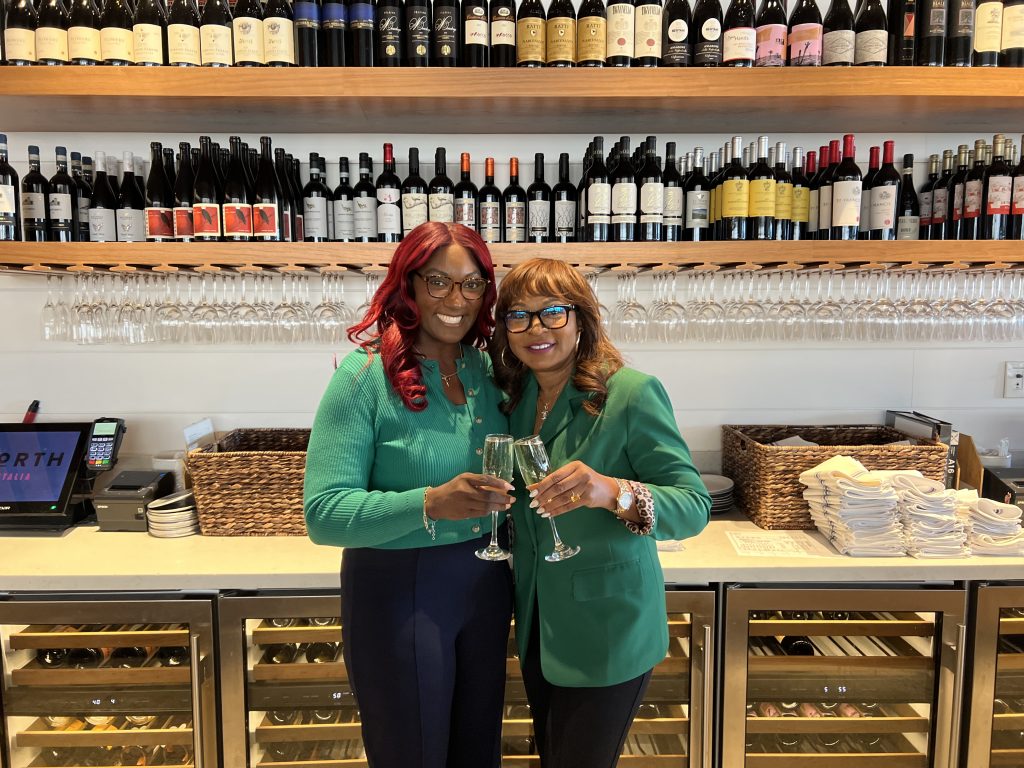
Ophelia Cox of Cox Commercial Interiors and Jacqui Jones of One Degree Marketing are two Birmingham entrepreneurs working to create lasting impact both in the city they call home and far beyond it. Through leadership, creativity, and persistence, both women have built thriving businesses while opening doors for others along the way.
Cox and Jones are also members of The BOW Collective, a highly selective national network of accomplished Black women business owners focused on helping Black women-led companies grow, scale, and thrive long term. The organization works to strengthen revenue growth, expand job creation, and close the gap between business formation and sustainable profitability for Black women entrepreneurs nationwide.
Using the relationships, resources, and knowledge gained through the BOW Collective — along with years of lived experience and determination — both women continue to invest in Birmingham’s future while building businesses rooted in purpose, impact, and community.
These are the stories of their entrepreneurial journeys.
A Foundation Built Early
There are some people who walk into a room — and before they say a word — you already know they’re about their business.
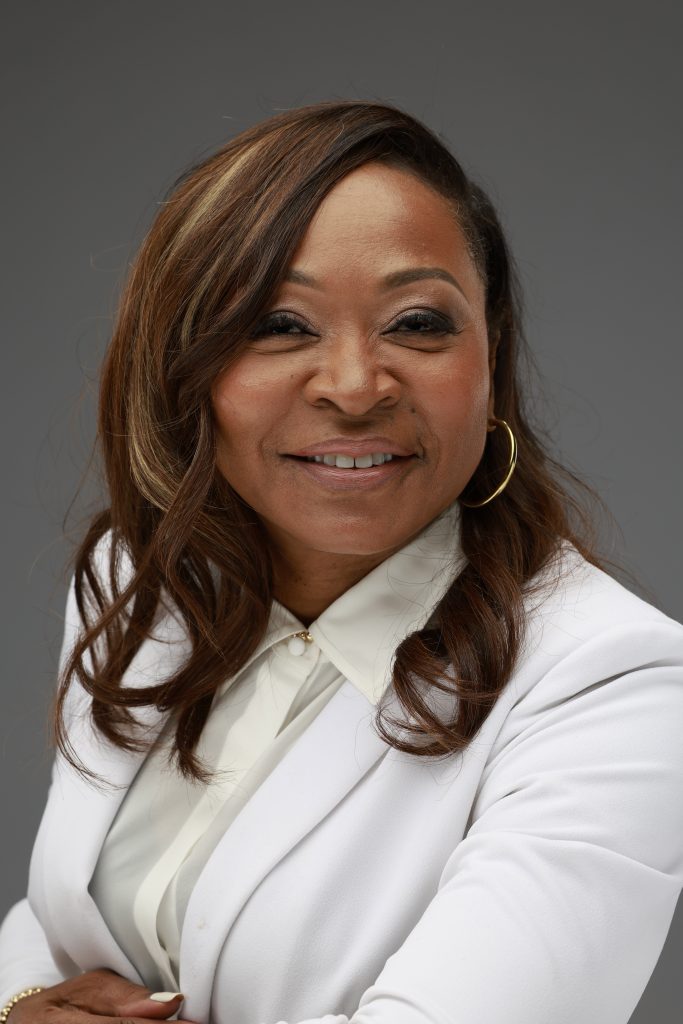
Ophelia Cox carries that kind of presence.
“I had a guy on a job site one time,” Cox recalled, laughing. “He saw me walking up and disappeared. Came back later and said, ‘Man, I don’t know who that is, but she look like she about her business.’”
She paused.
“And they told him, ‘Oh, that’s just Miss Ophelia. She cool. Just do your job — you won’t have no problem.’”
Across town — and in a different industry — Jacqui Jones has built a reputation that lands in a similar place, even if her path looks different on the surface.
“It’s funny,” Jones said. “People like to tell you the cute parts of entrepreneurship. But nobody says, ‘Hey, this is hard. You’re going to be tired. You’re going to question it.’”
Two women. Two industries. Two distinct journeys.
But at the core, a shared understanding: building something meaningful requires more than talent. It requires endurance, clarity, and a willingness to grow through every stage of the process.
In Birmingham — a city both women proudly call home — they’re doing exactly that.
For Cox, the foundation of her success was shaped in West End, where she learned early what it meant to carry yourself with intention.
“I didn’t grow up with a whole lot of means,” she said. “But we were taught to walk through this world with excellence.”
It’s a word she returns to often — excellence — not as a performance, but as a standard.
Even as a child, that standard showed up in unexpected ways.
“My mom would leave and come back, and I’d have the whole room rearranged,” she said. “I just always had an eye for it.”
That eye followed her into adulthood, through her time at the University of Alabama and into professional spaces where she began to understand what business ownership could look like.
Working under business titan and Birmingham’s first Black millionaire, Dr. Arthur George “A.G.” Gaston, left a lasting impression.
“To see a man come from nothing and build what he built — and be accessible while doing it — it did something to me,” Cox said. “I think that entrepreneur bug bit me right then.”
Cox reflected on her long professional connection to Gaston, noting that her early career included working within one of his business enterprises.
“I used to work for a Booker T. Washington Insurance Company not that long ago after college,” she said, explaining that Gaston’s network of businesses was so extensive that “everybody of a certain time worked for A.G. Gaston, at least one of his companies.”
Cox specifically identified her experience in his insurance company as part of that broader ecosystem, describing it as an early point of professional development that connected her to Birmingham’s historic Black business infrastructure and its tradition of economic opportunity.
A Creative Spirit at the Core
For Jones, the foundation looked different — but just as formative.
Long before she was leading strategy sessions and managing multi-state teams, Jacqui Jones was immersed in music.
Not casually — but fully.
“I started playing piano when I was four,” she said matter-of-factly. “Music has always been there.”
She grew up in the church as a member at New Pilgrim Baptist Church in Birmingham, surrounded by sound, structure, and storytelling — elements that would later shape both her artistry and her business. Over time, that foundation grew into directing choirs, performing, songwriting, and collaborating with artists across the region and beyond.
“I’ve been directing choirs since I was a teenager,” she said. “It’s just… part of me.”
In her early adulthood, Jones pursued music seriously, writing songs, traveling for sessions, and building relationships in the industry.
“I was doing professional songwriting, background singing, performing — all of that,” she said. “That was a whole season of my life.”
She remembers late nights in studios, spontaneous creative moments, and even forming a group with friends on a whim.
“We were at McDonald’s one night, singing our order in harmony,” she said, laughing. “And we were like, ‘We should start a group.’ And we did.”
That group — Denim — became a local favorite, and even now, people still ask about it.
“There are still people who are like, ‘Y’all need to get back together,’” she said. “And I’m like, we are grown now. We got responsibilities.”
Still, those experiences shaped her in ways that continue to show up in her work today.
“As a songwriter, I get to talk to an artist and figure out what they want to say,” she explained. “Marketing is the same thing. I help businesses write the music — they just perform it.”
Turning Skill into Strategy
Today, Cox is the CEO and president of Cox Commercial Interiors, a firm specializing in commercial furniture and design for schools, banks, and corporate spaces.
But she doesn’t lead with titles.
“I’m in sales,” she said plainly. “You can be CEO all day long — but if you’re not selling, nothing happens.”
Since launching her company in 2012, that mindset has guided every decision.
“You walk into a space, you see chairs, desks, layouts — you don’t think about where that came from,” she said. “But that’s what we do.”
And what she does goes beyond aesthetics. It’s about execution.
“When I give you a date, it’s going to be met,” she said. “When I give you a product, it’s going to be right.”
That consistency has built something deeper than a client list — it’s built trust.
“If you treat people right, it comes back,” she said. “People remember how you make them feel. They remember if you delivered.”
Jones arrived at entrepreneurship from a different direction — one that blended creativity with practicality.
After graduating from the University of Alabama with a degree in marketing, she initially pursued music full-time before taking a position with the Social Security Administration.
“I needed healthcare. I needed consistency,” she said. “But I was still doing music on the side.”
Eventually, those two worlds began to overlap.
“I started helping my friends who were artists with branding,” she said. “Helping them tell their story better.”
Then came a question that shifted everything:
“Somebody asked me, ‘Why do you trust the government more than you trust yourself?’”
She paused.
“And I was like… You know what? That’s real.”
From there, One Degree Marketing was born — first as a side effort, then a full-time commitment, and eventually a multi-state firm serving clients across industries.
The Weight of Growth
Success, for both women, has never been defined by ease.
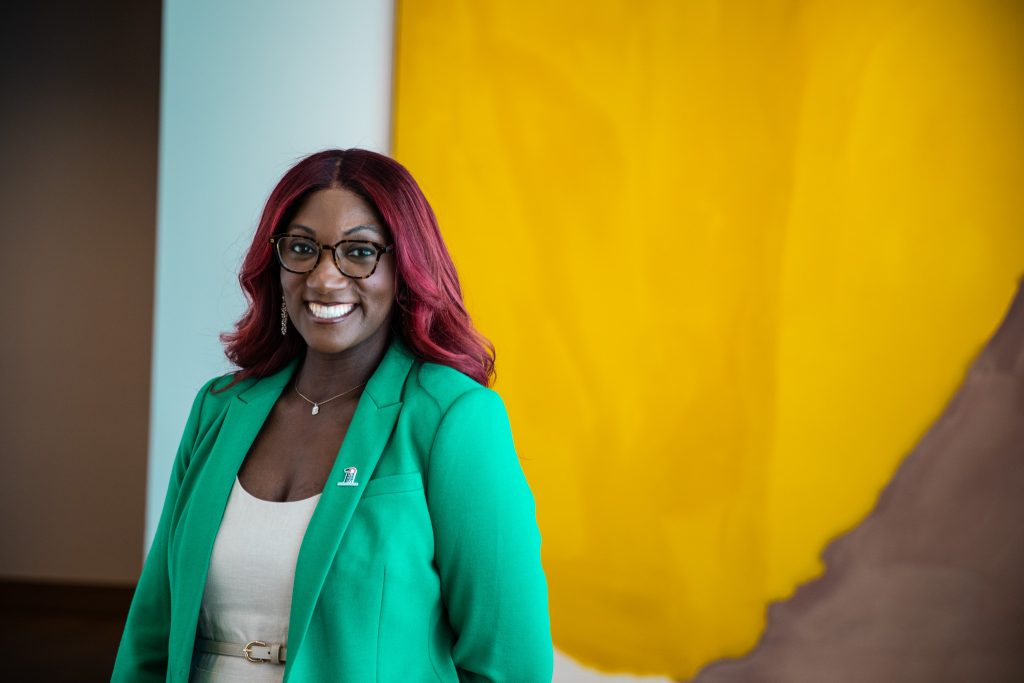
Founded in 2013, One Degree Marketing now operates across three states with a team of 11. But growth came with decisions that reshaped Jones’s view of leadership.
“I had to decide if I was going to employ people or not,” she said. “That’s not a small choice.”
Today, that responsibility is one she carries with intention.
“I am most proud that I am employing people,” she said. “Because that means when somebody else wakes up, this is their job too.”
But she doesn’t romanticize it.
“That’s payroll. That’s real life. That’s people depending on you.”
Cox shares that same awareness.
Her company isn’t just about design — it’s about livelihoods.
“You’re providing a livelihood for people,” she said. “That’s a responsibility.”
Over the years, she has built a team of designers, project managers, and support staff—creating opportunities for people who might not otherwise have access.
“That’s important to me,” she said. “Being able to impact lives.”
Navigating Spaces That Weren’t Built for Them
Both Cox and Jones have spent years moving through rooms where they were often the only ones who looked like them.
For Cox, that reality has been constant.
“I’ve been on job sites, in trailers, in meetings — and I’m the only one,” she said. “Just me.”
Navigating those spaces requires a particular kind of awareness.
“You’ve got to assert yourself,” she said. “But you’ve got to do it in a way where you’re not labeled the ‘angry Black female.’”
It’s a balance she’s learned over time.
“That’s a skill,” she said. “You develop that.”
Her approach is rooted in quiet confidence.
“You have to know you deserve to be in that space,” she said. “Once you know that, people can feel it.”
Jones carries a similar understanding, shaped in part by her mother’s example.
“My mom showed me that I deserve to be in any space I want to be in,” she said. “She never had to say it. She lived it.”
That belief has carried her through moments of uncertainty — including a college experience that forced her to confront her own fear.
“I was terrified,” she said of a public speaking competition she was pushed into unexpectedly. “I didn’t even have a topic.”
But she stepped up — and won.
“That’s when I learned that what I’m afraid of is not the same as the reality of my capacity,” she said.
Setbacks, Resets, and Reinvention
For Cox, one of the most defining chapters of her journey came when she had to step away from everything due to a serious illness.
“I had to bow out of life for about a year,” she said.
It was a forced pause — one that could have ended everything she had built.
Instead, it became a reset.
“I re-emerged and reinvented myself,” she said.
She doesn’t frame it as extraordinary — just necessary.
“They can’t keep a good woman down.”
Jones, too, has had to redefine what sustainability looks like — not through a single moment, but through an ongoing process.
“I don’t use the word balance,” she said. “I use the word blend.”
As a business owner and mother to a son with autism, her days don’t follow a fixed formula.
“Sometimes one thing takes more than the other,” she said. “And that’s okay.”
That mindset extends to how she approaches rest — something she once overlooked.
“There was a time I was ‘team no sleep,’” she said. “And I had to ask myself, why?”
Now, she’s more intentional.
“I don’t want to die early trying to increase revenue,” she said.
The Power of Community
While both women have built strong individual businesses, neither operates in isolation.
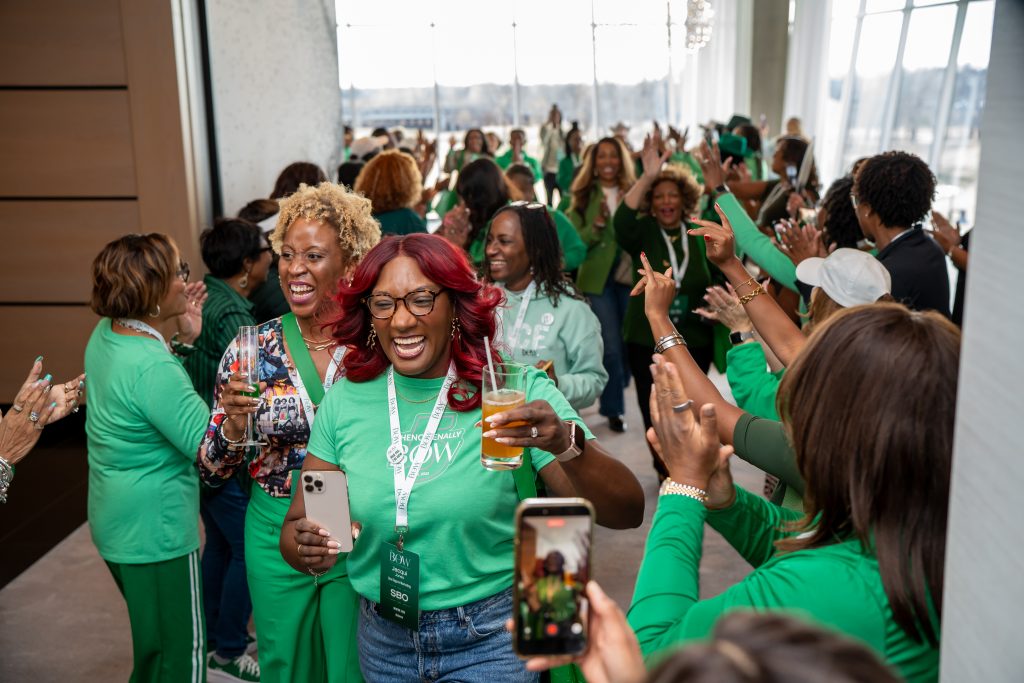
They are part of The BOW Collective, a national network of high-performing Black women entrepreneurs focused on scaling businesses, increasing revenue, and expanding job creation.
For Cox, the organization represents alignment and access to a broader network of excellence.
For Jones, it’s something deeply personal.
“It’s a room full of me’s,” she said. “The nation’s top Black women business owners.”
Within that space, collaboration replaces competition.
“We share opportunities. We go after RFPs together. We hype each other up,” she said.
The experience has reshaped how she thinks about growth — not just in terms of revenue, but sustainability.
“Honestly, I’ve learned more to transform my business into a healthier version than I have from years of programs,” Jones said. “We always say, ‘Everything you need is in the BOW.’ And very quickly, for me, that has proven to be true.”
Through the Collective, she has gained access to expertise, policy discussions, and partnerships that have directly influenced her company’s direction.
“My hope is that my experience continues to create a healthier version of One Degree Marketing that continues to positively impact my city,” she said.
That impact deepened during a recent BOW Collective conference in Arlington, Texas.
“Professionally, the experience was deep and rich in information, resources and connections,” she said. “I walked away with pages of notes, ideas and tasks — but also affirmation and encouragement.”
But what stood out most wasn’t just the programming — it was the people.
“I have never been able to look across a room and see hundreds of Black women who are running successful businesses, leading teams, and changing their communities while also being their authentic selves,” she said. “It was life-changing.”
That sense of shared ambition has already translated into tangible changes within her company.
“I completed a health assessment of my firm and followed up with a consultant, gaining real-time, in-depth information about where we are and where we’re going,” she said. “Most importantly, my business now has a CEO with a community of like-minded business owners who can support her along this journey.”
Rooted in Birmingham
Despite their national reach, both Cox and Jones remain deeply connected to Birmingham.
For Cox, local support has been a cornerstone of her success.
“To be supported in Birmingham — it means everything,” she said.
And contrary to common narratives, her experience has been overwhelmingly positive.
“I hear people say we don’t support each other,” she said. “That has not been my experience.”
Many of her clients have worked with her for decades.
“They found out what I was doing and said, ‘Come on, we need you,’” she said.
Jones shares that same belief in the city’s potential.
“People hear ‘Birmingham,’ and they have all these ideas,” she said. “But what I’ve always known is opportunity.”
Her perspective is rooted in what she saw growing up — leaders, entrepreneurs, and creatives building something from the ground up.
“I grew up seeing people start things and lead things,” she said. “That was normal.”
Even now, she challenges the idea that opportunity is limited.
“Where there is complaint, there is opportunity,” she said. “You just have to decide where you want to stand.”
Still Building
Neither woman speaks as though she has reached a final destination.
For Cox, the work continues—project by project, relationship by relationship.
Her philosophy remains simple.
“Do what you say you’re going to do,” she said. “And treat people right.”
For Jones, the journey is just as ongoing.
“I’m just living,” she said. “Taking what I have and doing the best I can with it.”
From rearranging childhood rooms to designing commercial spaces… from singing harmonies in a McDonald’s drive-thru to leading a multi-state marketing firm… their paths may look different, but the throughline is clear.
They are building.
Not just businesses — but systems, opportunities, and legacies that extend beyond themselves.
In Birmingham, a city that continues to evolve, that kind of work matters.
Because in the end, what Ophelia Cox and Jacqui Jones are creating isn’t just measured in contracts or campaigns.
It’s measured in impact.
In the people they employ.
In the spaces they shape.
In the example that they set for those coming behind them.
And in the quiet, consistent way they continue to show up—about their business, every single day.