Home Blog Page 17

101-year-old Birmingham Pastor Witnesses History While Breaking Racial Barriers
0
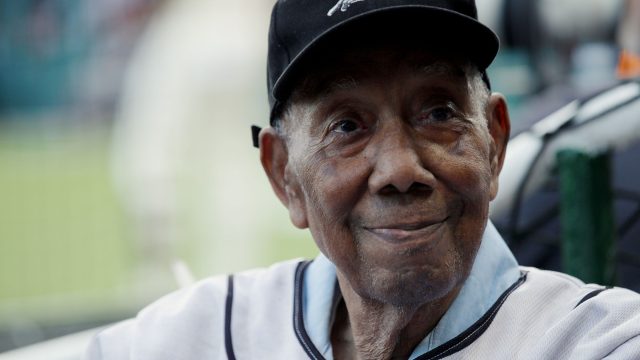
Bill Greason watches the Tribute to the Negro Leagues baseball game at Birmingham's Rickwood Field in June. This week, many paid tribute to Greason to mark his 100th birthday. (File)

Editor’s Note: Bill Greason, now 101, is the last living player from the Negro Leagues era, a distinction he holds following the death of Ron “Schoolboy” Teasley on Feb. 3. Greason played for the Birmingham Black Barons before later becoming the first Black pitcher for the MLB’s St. Louis Cardinals. Guy Rawlings talked with Rev. Greason a couple years ago while he was pastoring Bethel Baptist Church. Bill Greason has many stories to tell. Here are some of them.

A 101-year-old Birmingham pastor has witnessed and been a factor for change throughout the last century.

Born Sept. 3, 1924, William Henry Greason grew up in Atlanta, Georgia. The third of five children, born to James and Lizi Greason.

“We learned how to help one another when everyone is po’. They know how to help each other,” Greason said.

His mother quickly became his teacher. Growing up in the face of racism, Greason’s parents taught him that you can’t change people.

“They taught us to be who we were, ” Greason said. “‘You’re my son. I want you to grow up to be a man.’ This is the way they taught us. ‘Don’t worry about what’s going on around us. You can’t change people. You can’t change things. Just be the best you can be.’”

The family lived just down the road from Martin Luther King and his son, who would later change America.

A promise to God while serving in the military

Upon graduating high school, Greason enlisted in the military, becoming one of the first Black Marines in U.S history. He was sent to Montford Point, North Carolina, for training, and later to Iwo Jima, Japan.

Greason lost two of his best friends during the war. It led to a promise that changed his life.

“If He saved me, anything He wanted me to do, I would do it,” Greason said.

Decades later, that promise would change his life. Before coming home, Greason would have a front-row seat to history. He was in Japan days after the atomic bomb was dropped.

“You saw one or two of those chimneys and the rest of it was gone,” Greason said. “It was a terrible sight.”

He also saw the famous flag raising on Iwo Jima.

“We heard the trumpet blow. We looked up and the guy had a small flag up on Iwo. After a while, they took it down and raised the larger one,” Greason said.

Integrating baseball

When he returned home, Greason started playing baseball. He would be acquired by Birmingham after dominating the Black Barons. In 1948, he came to Birmingham, where he was teammates with a 17-year-old named Willie Mays.

By the early 50s, Greason drew the attention of the New York Yankees and Boston Red Sox. Ultimately both teams would pass for different reasons. Greason brushes off his chance at history, saying, “There’s a reason for things. You don’t need to try and probe and open it up.”

Not long after, history called Greason’s name again. First, he integrated professional baseball in the state of Oklahoma with the Oklahoma City Indians. He would face racism while playing in the Texas League.

“Called me all kinds of names,” Greason said. “‘We gonna get you so and so.’ I didn’t say anything. I just smiled and pitched a little harder.”

In 1954 he received the call. The St. Louis Cardinals called him up to the majors. In St. Louis, he became the first Black pitcher in Cardinals history. Success would be fleeting. In 4 games, Greason threw 3 innings giving up 8 runs. To make matters worse, he took a $300 pay cut to play in the majors.

Baseball researchers said Greason never really had a role with St. Louis. Greason himself says it was hard to find anyone to just play catch with.

“The white players were afraid of being stigmatized. ‘You’re a so-and-so lover.. you love Black folks.’ If they played with you or something, they’d put labels on you. If you showed any kindness towards me, then you had something to deal with,” Greason said.

He would be sent back to the minors where he would excel. He eventually integrated the Houston Buffaloes Triple-A team.

Interrupted by Fidel Castro

During the offseasons, Greason would play in Mexico, Puerto Rico and Cuba. One memory sticks out in particular. The night Fidel Castro took over Cuba, Greason was playing on the field when Castro and his soldiers interrupted the game.

“They paused, and boom boom boom.. fired those weapons. I just moved further back in the dugout,” Greason said.

Back in the States, Greason was winding down his playing career. Before he did, Greason built relationships with Hall of Famers Roberto Clemente and Bob Gibson.

His promise comes full circle

He retired in 1959. He and his wife, Willie stayed in Birmingham. Greason took a job working at Pizitz Department Store. One night after work, the promise to God came full circle.

“I missed having an accident,” Greason said. “Seemingly, the Lord said to me, ‘Now is the time.’ The next day I went to the office and said, ‘Mr. Pizitz, I gotta go.’ He said, ‘Bill, what’s wrong with you?’ I said, ‘I gotta go, I got a call.’”

The bombing of the 16th Street Baptist Church

By 1963, Bill and Willie were attending 16th Street Baptist Church. Greason was on the way to Tuscaloosa when a bomb went off, killing four little girls.

“We got to probably Bessemer we heard a BOOM!” Greason said. “That bomb went off where we used to congregate after Sunday school on Sunday.”

Greason believes God had his hand on him that day.
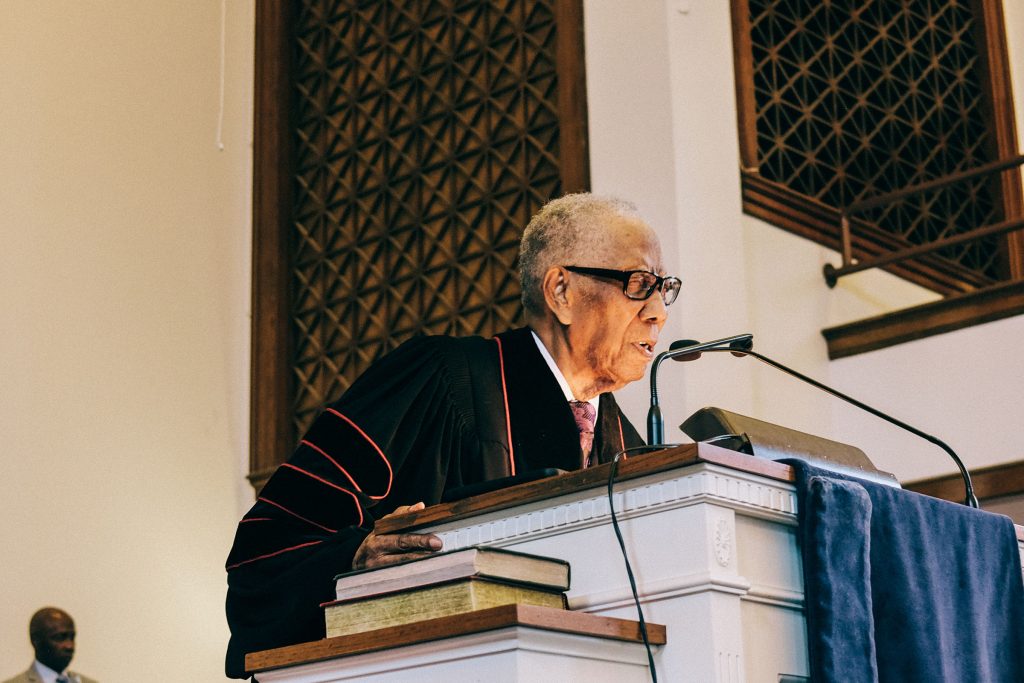
Rev. Bill Greason pastored Bethel Baptist Church Berney Points in SW Birmingham for more than 50 years. (File)

Rev. Greason’s legacy

By the late 60s, now-Reverend Greason began his ministry at a church in Bessemer. In 1971, he took over at Bethel Baptist in Berney Points.

Greason considers his agreement with God to be a life-long contract.

“It’s the Lord’s doing. I feel pretty good. My body is not as strong as it used to be. But I don’t have any problems with my body or my mind,” Greason said

In 2012 the Montford Point Marines received the Congressional Gold Medal. Greason calls it an honor. A couple of years later, he stepped back on the mound at Busch Stadium for the first time since 1954. The Cardinals honoring his place in franchise history.

What’s left for Rev. Bill Greason to accomplish? A lot.

He’s written a children’s book called, “Three Uniforms.” It tells the story of his amazing life. The foreword is written by his good friend, Willie Mays. It’s set to be released in the coming years.

This story was originally posted on WVTM in November of 2023. For an interview with Greason from that time, go to WVTM.

‘You Know When it’s Right, You Get That Feeling’

0

BY JE’DON HOLLOWAY-TALLEY | Special to the Birmingham Times

VERNON AND ALEXCIA BROWN

Live: Clay

Married: Aug. 13, 2022

Met: Magic City Classic Weekend, Friday, Oct. 25, 2019, on Lot M in the Legion Field parking lot. Alexcia worked as a parking cashier, checking and handing out parking decals, and Vernon was a parking attendant.

“I was checking cars, and Vernon and one of his coworkers came in the lot and I didn’t see a decal so I was giving them a hard time, telling them they couldn’t come on the lot without one,” Alexcia remembered.

Alexcia’s no-nonsense attitude was alluring to Vernon, “…and I just stopped and said, ‘hey, you cute (she has hazel eyes that attracted me); where your man at? And she said, ‘I ain’t got one, and I ain’t got time…,’” Vernon recalled. “And I said I’m going to park, and I’m coming back to get you.”

Vernon started helping me maneuver traffic while trying to [flirt],” Alexcia said. “He was asking about kids and that’s how we got into what schools we went to. He asked for my number and little did I know I put it in his phone wrong … I never saw him again that weekend, but a week goes by and he didn’t call, and then I got a Facebook friend request from him and immediately accepted and DM’d him saying ‘How you gonna get a person’s number and not use it?’. And he sent me a screenshot of what I put in his phone, and I put my number in wrong,” she laughed. “And the only reason he was able to look me up on Facebook is because I have a habit of putting my full name in people’s contacts.”

The two began talking through the DM’s, exchanged numbers, and moved the conversation offline. They took it slow because, “I was a workaholic … working and [my three] kids took all my time,” said Alexcia. But the holiday season presented the perfect opportunity for their first date. Alexcia invited Vernon to accompany her to West End High School’s Class of 2006’s Christmas Party.

First date: Late December at West End’s Class of 2006’s Christmas Party at the Midfield Event Center. But before going to the party, “We met each other at Urban Smoke to eat and pregame,” Alexcia said. “And at the party, Vernon knew more people in my class than I knew … He wasn’t a stranger to anyone in the party … he knew a lot of people from coaching youth sports in the neighborhood.”

“Because of our [10 year] age difference, I was a little uncomfortable going to the party, but ended up knowing people there,” Vernon said. “The party was pretty loud so we didn’t really get to talk.”

The turn: “Vernon first told me he loved me Jan. 11, 2020, and that’s when I knew it was getting serious. And on January 19, 2020, he asked me to be his girlfriend,” recalled Alexcia.

“We had a chemistry going and we were constantly on the phone all day. I used to be an Android fan, and she talked me into getting an iPhone so we could Face Time. And I always tell people you know when it’s right, you get that feeling,” said Vernon. “We’ve stuck by each other and kept [progressing], and as you can see, we’re married now.”

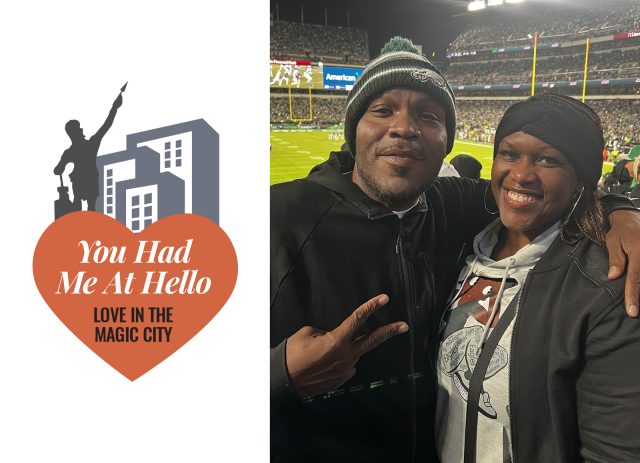
Vernon and Alexcia Brown met during the 2019 Magic City Classic Weekend, and married in 2022. (Provided Photos)

The proposal: May 3, 2021, in Orlando, Florida. Vernon had accompanied Alexcia and her three children, Jurnei, Jaydon, and Jace on a trip to Florida for Jurnei’s cheer competition, and one night while resting in the AirBnB they had rented, Vernon popped the question bedside.

“We had actually got to arguing prior to that [popping the question],” Vernon laughed. “And we were in the bedroom and I just decided to do it then. I got up, got the ring, and went around to her side and got on one knee and asked her to marry me.”

“He gave me his whole little spiel first, and I was surprised because we had just got through arguing,” Alexcia laughed. “But I knew it [a proposal] was coming, I just didn’t expect it then so it was a little shocking and sweet at the same time. I was emotional, and I said ‘yes.’”

The wedding: At Sloss Furnace National Historic Landmark, officiated by Pastor Willie Whitsett of Faith Deliverance OpenDoor Ministries in Pinson. Their colors were navy blue, rose gold, and champagne.

Most memorable for the bride was, “When they pushed back the curtain and I saw Vernon, and then I looked over at my girls [daughters], and they were tearing up, it almost got me, but I kept it together. And I enjoyed hanging with my bridesmaids, and maid of honor before the wedding too. It was nice getting to sip mimosa’s while we talked…,” Alexcia said.

Most memorable for the groom was, “was just sitting around getting dressed while [the videographer] was recording. It was a great moment with my boys [brother and friends], and my nephew. And the after party was nice. I used to work at Sloss Furnace, and I didn’t think it could look that good, but everything was very, very nice,” Vernon recalled.

Honeymoon: A weeklong cruise to the Bahamas. “This was actually the start of Vernon getting sick and we didn’t know what was going on, so he spent a lot of time laying down. But we were able to make a few memorable moments on the beach, and we did a couple excursions,” Alexcia said.

Words of wisdom: “Six months after we got married, that’s when we got his diagnosis of stage 4 pancreatic cancer and he went through some aggressive treatment … He went from 325 pounds to 130 and being newlyweds and going through that big of a game-changer pushed both of us in our marriage,” Alexcia said. “There were a lot of times where I had to empathize and just be there throughout the process. And because of the chemo, we were told we probably wouldn’t be able to have kids and although we weren’t trying, a few years later I got pregnant.” She added, “You have to keep an open line of communication, and you have to be intentional. Continue to date, go out and do things together.”

“Pray about everything and communicate. That is the key,” Vernon said.

Vernon was given 12-24 months to live after his diagnosis, and he has surpassed that timeframe by a year. They are hoping and praying the miracle continues.

Happily ever after: The Browns are a blended family with six children: Vernecia, 23, Jaydon, 20, Jurnei, 17, Nadia, 15, Jace, 11, and born of their union is Jream, 9 months.

Alexcia, 37, is a West End native, and West End High School grad. She attended Berea College, in Berea Kentucky, where she earned a bachelor’s degree in chemistry. Alexcia works for the City of Birmingham in storm water management.

Vernon, 47, is a Wenonah native, and Wenonah High School grad. He formerly worked for the City of Birmingham for 13 years in the Public Works department and coached youth sports at Wiggins Park in Birmingham for 17 years. Vernon — and his family — is currently battling stage 4 pancreatic cancer and inviting all believers in Christ to pray along with them.

“You Had Me at Hello’’ highlights married couples and the love that binds them. If you would like to be considered for a future “Hello’’ column, or know someone, please send nominations to editor@birminghamtimes.com. Include the couple’s name, contact number(s) and what makes their love story unique.

Birmingham Personal Injury Attorney | Guster Law Firm, LLC

Church Bombing Victim’s Sister, Suspect’s Daughter Share Lesson of Love at Birmingham K-8

0
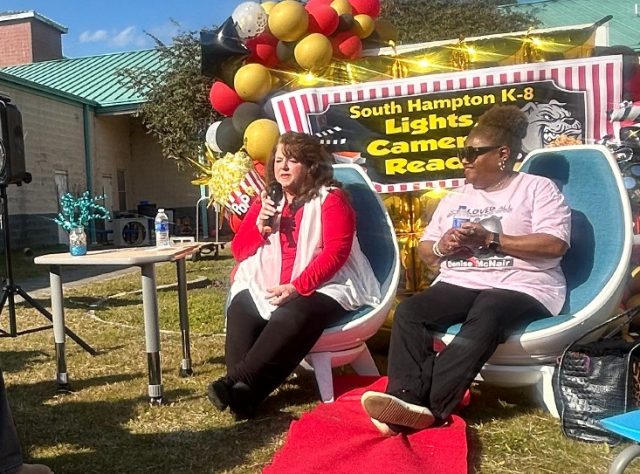
Tammie Fields, daughter of Charles Cagle, who was an active member of the Klan and Lisa McNair, sister of bombing victim Denise McNair, speak to students at South Hampton K-8 in Birmingham. (Sym Posey, The Birmingham Times)

By Sym Posey | The Birmingham Times

Despite being born on opposite sides of one of the most horrific events in Birmingham’s history, the two women at South Hampton K-8 School on Monday shared a common goal: provide students a first-hand lesson of learning to love.

The Ku Klux Klan killed four young girls more than 60 years in a church bombing that shocked the nation, leaving wounds that would echo for generations. Those wounds—and the possibility of healing—were remembered Monday as students listened to Lisa McNair, sister of bombing victim Denise McNair, and Tammie Fields, daughter of Charles Cagle, then-an active member of the Klan, who was initially questioned as a potential suspect in the blast, but never charged.

Through years of difficult conversations marked by grief, shame, anger, and accountability, McNair and Fields formed an unlikely relationship grounded in honesty and compassion. Their story challenged traditional ideas of justice and forgiveness, offering students a living example of reconciliation in action.

“Reconciliation is what Lisa and I are about,” Fields told students. “More than anything, we want reconciliation in this world — and to learn how to love each other.”

McNair urged students to understand their role in protecting history and shaping the future. “You have to be an advocate for yourself,” she said. “When you see history about to be erased, you have to stand up. Call your senators. Call your legislators. They work for you—you don’t work for them.”

Though many students are not yet old enough to vote, McNair emphasized that civic engagement starts now. “In a blink of an eye, you’ll be voting,” she said. “And until then, your parents vote, your families vote. You have more power than you think.”

“You all have a better platform than we ever had,” she continued. “You’ve got social media. Use it to share these stories. Encourage each other. Enrich each other—because you are the next generation.”

McNair also pointed students back to the roots of the Civil Rights Movement. “The Children’s Marches were led by children,” she said. “They weren’t adults. Young people have always been part of the movement.”

Both women stressed that advocacy must be grounded in compassion. “Stand up for yourself in a loving, caring way,” Fields added. “Use your words, not violence. Your words matter—so make them count.”

“Sincerity”

Students took part in a conversation recorded for the school’s student-led podcast, Bulldog Talk on The Edge. According to Victoria L. Coman-Jackson, South Hampton K-8’s librarian, the goal of the podcast episode was to move beyond secondhand lessons and allow students to engage with history directly.

“We wanted students to see real people who were affected by the bombing—not just hear about it from a teacher or read it online,” Coman-Jackson said. “Anytime you can talk to someone face to face and ask questions yourself, it’s impactful. That’s how you get the real information. You get to see the sincerity.”

The impact of the conversation was deeply felt by students, including James Speights, a seventh grader and second-year member of the Bulldog Talk on The Edge podcast team.

“Learning about my history made me feel good,” he said. “It makes history feel more real when you actually get to meet people and hear what they went through.”

Reflecting on the discussion, Speights added, “I learned a lot of things I didn’t even know about. People really went through stuff back then. I wouldn’t want to go through those things.”

For the student, the experience was something he wanted to share “with my mom, my dad, and my grandma,” he said. “I’d tell my whole family.”

“Wraparound Moment”

The podcast’s success is especially meaningful to Tambra Clark; the former South Hampton K-8 librarian now an administrator with Birmingham City Schools who helped launch the program. Seeing it thrives, she said, has been deeply personal.

“It truly warms my heart,” Clark told The Birmingham Times. “We started with one iPad, one device, one set of headphones—and now there’s a full podcast setup with students interviewing Black history figures and community leaders. I never imagined how impactful it would become.”

Clark noted that the timing of the episode, recorded during Black History Month, added to its significance. “To see this continue even after I’ve left the position—it just feels so good knowing it’s still growing.”

Coman-Jackson said the podcast will continue throughout February with a focus on voices from across the community, including younger leaders.

“They need to know that their opinions matter—that the way they look, the way they think, is important,” she said. “This is a wraparound moment with civil rights. A lot of what people fought for in the past, we’re having to protect again.”

She added, “Many of us thought we had arrived. I know I did. But we haven’t. And now it’s important these babies understand — it’s real.”

Fields left students with a final message. “What we said today matters now,” she told them. “But it’s going to matter even more as you get older. Don’t forget it. You have the power to change generations. You have the power to change the world.”

Birmingham’s Central Alabama Water Starts Mandatory Drug Testing for All Employees

0
Central Alabama Water confirmed that it started mandatory drug testing for all employees, with some already losing their jobs. (Adobe Stock)

Central Alabama Water confirmed that it started mandatory drug testing for all employees Monday.

According to CAW spokesperson John Matson, the testing served as a baseline and that CAW will conduct drug testing moving forward. Matson said CAW has a zero-tolerance policy for substance use and that failing to meet those standards will result in termination.

The employee association for CAW acknowledged the testing and the terminations of some employees.

“The CEO and the Senior Executive Team (SET) initiated a company-wide drug test just days after releasing a new employee handbook and three days before the first company town hall,” part of a statement from the employee association reads.

“We commend all employees who were able to comply with this testing requirement under these circumstances,” the statement continued. “The Employee Association will continue to press leadership for transparency regarding these changes and the implementation of procedures that do not benefit employees or ratepayers, despite claims to the contrary.”


IRS Provides Tips to Help Taxpayers Spot Fraudulent Tax Preparers

0
In fiscal year 2025, IRS-CI identified $4.5 billion in tax fraud, more than double the amount identified during the previous fiscal year. (Adobe Stock)

irs.gov  

With the 2026 tax season officially underway, and while millions of Americans prepare to file, IRS Criminal Investigation Atlanta Field Office officials are urging taxpayers to stay vigilant against unscrupulous preparers who prey on unsuspecting filers.

In fiscal year 2025, IRS-CI identified $4.5 billion in tax fraud, more than double the amount identified during the previous fiscal year.

“IRS Criminal Investigation plays a critical role in safeguarding the nation’s tax system,” said Special Agent in Charge Demetrius Hardeman, IRS Criminal Investigation, Atlanta Field Office. “Over 60 percent of our time is devoted to investigating criminal tax cases ranging from questionable refund schemes and return preparer fraud to abusive tax shelters and other complex financial crimes. These efforts ensure that those who attempt to cheat the system are held accountable, reinforcing fairness and trust in our tax administration.”

Taxpayers are reminded to remain vigilant against becoming victims of fraudulent refund schemes by following these important tips.

  • Choose a trustworthy tax return preparer. Avoid preparers who promise large refunds or charge a fee based on your refund amount. A trustworthy preparer will also provide their Preparer Tax Identification Number (PTIN) on your tax return and give you a complete copy of your return for your records.
  • Protect your return. Never sign a blank tax return, and make sure your refund goes to your account, not your tax preparer’s. Do not file your return if it reports false income, expenses, or dependents.
  • Be cautious with emails and texts. Don’t click links or open attachments from unknown senders claiming to be from the IRS. These could be scams that steal your personal information or install malware on your device.
  • Don’t fall for social media scams. Ignore social media influencers who encourage you to falsify your tax return with inaccurate income, false withholdings or credits. You could owe a hefty sum to the IRS if your tax return is not accurate, including penalties and interest.
  • Report suspicious activity. If you think someone is trying to scam you during tax season contact law enforcement and the IRS.

Vetted tax preparers can be found at www.irs.gov/chooseataxpro and free IRS-certified help can be obtained at http://irs.treasury.gov/freetaxprep. Report suspicious activity using the Return Preparer Complaint form at www.irs.gov/dmaf/form/f14157 or call the IRS Identity Theft Hotline at 1-800-908-4490 to report tax-related fraudulent activity.

Women’s Heart Health: Here is What You Should Know About Risks, Warnings

0
Experts at the UAB Cardiovascular Institute and UAB St. Vincent’s say it is never too early or too late for women to begin protecting themselves from heart disease. (Lexi Coon, UAB)

By Anna Jones | UAB News

Heart disease is the leading cause of death for women in the United States, according to the American Heart Association. Heart disease can develop and present differently in women compared to men, and studies show that women may downplay their symptoms or delay seeking treatment.

In women, the risk of heart attack and stroke increases with age, especially after menopause. Unfortunately, only about 50 percent of women recognize that heart disease is a threat to their health. Experts at the University of Alabama at Birmingham Cardiovascular Institute and UAB St. Vincent’s say it is never too early or too late for women to begin protecting themselves from heart disease.

How to prevent heart disease

“With heart disease prevention, small changes can make a huge difference,” said Gretchen Wells, M.D., Ph.D., director of the UAB Medicine Women’s Heart Health Program. “Most of our recommendations are low-tech and can easily be incorporated into an individual’s daily routines.”

Wells’ recommendations include:

  • Eating a heart-healthy diet
  • Exercising
  • Maintaining a healthy weight
  • Quitting smoking
  • Controlling cholesterol, blood glucose and blood pressure levels
  • Managing stress
  • Moderating alcohol use
  • Getting enough sleep

For women who want to start protecting their heart health, Wells recommends starting small and working their way up. For example, if walking for 30 minutes a day or shifting to a healthier diet seems intimidating at first, start with a reachable goal. This could mean walking for five to 10 minutes a day or adding a healthy side to a meal per day. As these habits become easier, continue to build upon them each day.

“It may also help to establish some of these healthy habits by involving everyone in the family,” Wells said. “Food and exercise are medicine, and everyone can benefit from eating healthier and getting exercise. There are some great resources for families for maintaining a healthy diet and making fun, colorful and interesting meals that are healthy for the whole family.”

Symptoms to look out for

Sometimes women may experience symptoms that are not typically associated with a heart attack, such as anxiety, an upset stomach, or unusual tiredness and weakness. Wells says, if a woman is experiencing any symptoms that are out of the ordinary, that justifies additional investigation.

Other common symptoms of a heart attack include the following:

  • Uncomfortable pressure or pain in the chest
  • Shortness of breath
  • Unexplained pain in the shoulder, back, arm or jaw
  • Unexplained nausea or vomiting
  • Excessive sweating
  • Lightheadedness or fainting
  • Excessive heart palpitations

If an individual is experiencing any of the symptoms above, call 911 and get to the hospital immediately.

Do not avoid seeking treatment

“We sometimes see women delay seeking treatment, because they feel that they are too busy with work/home life and managing kids or elderly parents to put themselves first and get an evaluation,” said Monica Hunter, M.D., cardiologist at UAB St. Vincent’s. “Some patients feel they are not taken seriously by health care providers and are afraid they may just be anxious or overreacting to any symptoms out of the ordinary.”

The American Heart Association is a helpful resource to help the whole family eat healthy.

Hunter says women should always seek medical attention if they sense that something is off.

“I would much rather see them in the emergency department or clinic and evaluate them to see that they are OK instead of missing that opportunity and they have a heart attack or stroke,” Hunter said.

Women who have had several conditions during pregnancy may have an increased risk of heart disease later in life. Women who have experienced conditions such as gestational diabetes, gestational hypertension and preeclampsia should let their health care providers know and make sure their blood sugar, cholesterol levels and blood pressure are checked regularly.

Hunter recommends making regular appointments with a health care provider. At this appointment, patients can discuss risk factors, set their exercise and weight loss goals, get blood work done, and refill any medications. Health care providers can also provide resources to help patients stop smoking and steps to help patients minimize their risk factors for heart disease.

The UAB Women’s Heart Health Program is designed to help patients reduce their risk of heart disease and stroke by providing medical care focused on women’s individual needs. An experienced team of cardiac experts will evaluate and manage the health of women with all types of heart disease and address the distinct concerns and unique risk factors that women may experience. The program focuses on treating some of the conditions encountered primarily in women, including coronary microvascular disease, heart failure, spontaneous coronary artery dissection and cardiovascular complications of pregnancy.

The cardiologists and care teams at UAB St. Vincent’s provide a personalized care plan for each patient’s heart and vascular health. Their complete cardiology care ranges from screenings and preventive services to complex heart and vascular and surgeries.

Black History Spotlight: Birmingham Legion Shares A Conversation with Soccer Star Chris Richards

0
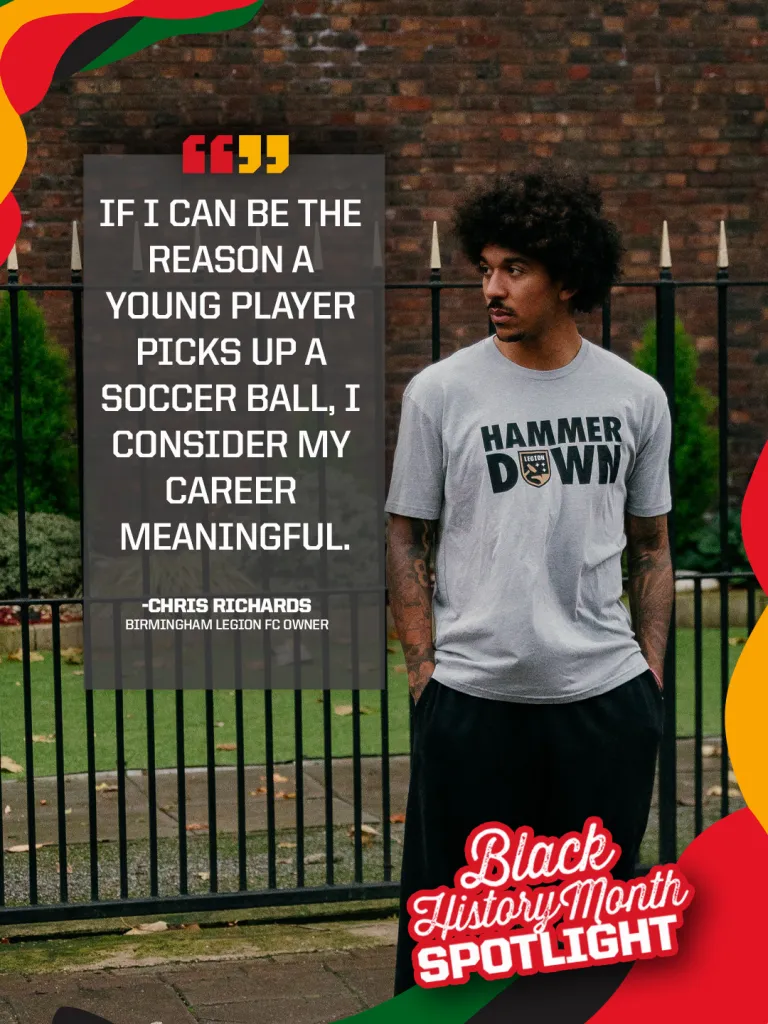
Legion Birmingham talked with Christ Richards about legacy, identity, representation, and the responsibility that comes with visibility in today’s game. (Birmingham Legion File)

Chris Richards carries Birmingham with him everywhere he goes. Not just in accent or upbringing, but in perspective, purpose, and responsibility. For Richards, Black History Month is not just about reflection; it is about continuation. It is about understanding the people who came before him in both life and sport, and recognizing the responsibility to write his own chapter so the next generation has someone to look toward.

Growing up in the heart of Alabama meant growing up surrounded by history. Birmingham stands as one of the defining epicenters of the Civil Rights Movement, and that reality shaped how Richards sees the world, his platform, and his place within it.

Just months away from the biggest competition in global soccer, and coming off being named the 2025 U.S. Men’s National Team Player of the Year, we sat down with the Premier League Crystal Palace starting center back, USMNT standout, and Birmingham Legion owner for our first Black History Spotlight conversation. We talked about legacy, identity, representation, and the responsibility that comes with visibility in today’s game.

“What does Black History Month mean to you?”

For Richards, Black History Month starts with honoring the people who came before him in both life and sport, and understanding the responsibility he carries to continue writing history so the next generation has someone to look toward.

Raised in Birmingham, Richards described growing up surrounded by Black history in one of the defining epicenters of the Civil Rights Movement. That environment shaped how he sees his platform today. He also reflected on how awareness and activism have evolved, especially through social media, allowing demonstrations and voices to be seen globally and helping drive recognition, equality, and understanding.

“Growing up, who were some Black athletes or leaders you looked up to?”

Richards pointed to three figures who shaped his outlook.

Martin Luther King Jr. for leadership and courage. Barack Obama for representation and possibility at the highest level. And LeBron James for excellence, resilience, and leadership under pressure.

Richards shared how LeBron’s journey from Akron resonated with him, drawing parallels to Birmingham and the shared feeling of coming from a place rich in community, history, and challenge.

“How has your identity and upbringing shaped you?”
Richards spoke openly about being mixed race, with a white mother and black father, and navigating questions of belonging growing up. Over time, he learned to embrace both sides of who he is while also understanding how the world perceives him and how that shapes how he carries himself.

That understanding fuels his drive, particularly in challenging outdated perceptions around soccer in the United States. He spoke about how the sport has shifted away from stereotypes of being exclusive and toward what it has always been meant to be: a global game that brings people together across cultures, communities, and identities.

“Soccer has taken you across different cultures and environments. How have those experiences shaped you?”

Richards described those experiences as beautiful, reinforcing how universal the game truly is. Competing at the highest level in the Premier League with Crystal Palace, representing the United States internationally, and playing across Europe has allowed him to be part of a generation of American players redefining what is possible, while also helping bring global football culture back home as the sport continues to grow domestically.

“Off the pitch, what impact do you want to have on the next generation?”

While trophies and wins matter, Richards measures success differently. If he can be the reason a young player picks up a soccer ball, he considers his career meaningful.He spoke about the importance of being a role model not just through performance, but through how he carries himself and how he uses his voice.

“Black history is about legacy. What does legacy mean to you?”

Richards’ answer was simple and powerful. Legacy is leaving something behind for the next generation, whether that is a record, a moment, or an example someone else can build from.

Our conversation with Chris Richards made one thing clear. While his story is still being written, it is already rooted in purpose, representation, and a commitment to moving the game and the communities connected to it forward.This conversation is just one of many sit downs taking place throughout the month. Our goal is to learn, educate, reflect, and celebrate Black excellence and Black History Month by sharing stories, experiences, and voices that continue to shape the game, our communities, and the future.

Hackathon Looks to Equip Alabama HBCU Student Startups for Future Success

0
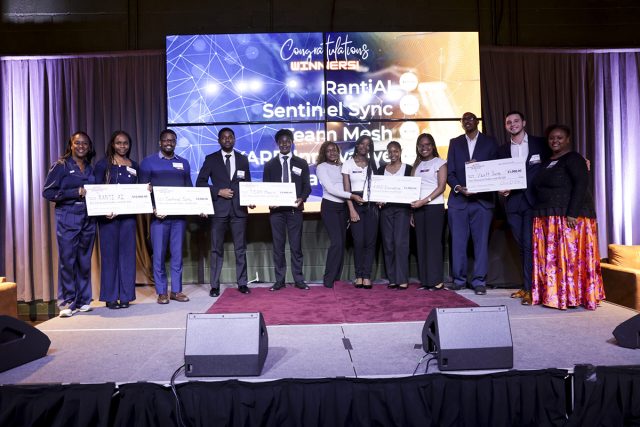
Charisse Stokes, executive director of The Alabama Collective (far left), and Shannon Allen, executive director future talent strategies for Innovate Alabama, with winners of the Innovate Alabama Entrepreneurship Hackathon 2025-2026: (l to r) Oluwaseun Omotayo, Marc-Anthony Jones, Tahbhelo Duve, Ayomikun Oyeniyi, Donnessia Whyte, Abbion McLarty, Kimone Orr, Rhonoya Anderson, Devarious Eatman, and Juan David Rey Gaitan. (Contributed)

By Mark Kelly | Alabama NewsCenter

If you want your startup business to succeed, you’re going to have to get farther with less money before being positioned to attract major venture investment. That’s according to Matt Hottle, a successful serial entrepreneur who now advises and mentors startups as co-founder and partner of Redhawk Advisory.

“Concept-stage founders need to know what’s ahead of them from a funding perspective,” said Hottle, who had just stepped off the stage after conducting a session on that subject at the Innovate Alabama Entrepreneurship Hackathon 2025-2026, held January 29 at Fairway Social, near Birmingham’s Railroad Park and Regions Field.

“I hope I provided a good idea of how venture capital works,” said Hottle. “It’s important that they recognize when they are reaching a stage where they should become interested in that.”

Presented by Innovate Alabama and The Alabama Collective, in partnership with the Alabama Power Foundation, the all-day Hackathon completed a process that started last fall, with a challenge to students at Alabama’s historically Black colleges and universities (HBCUs) to propose responsible, AI-driven solutions to public safety issues affecting Alabamians. The event featured pitches from 10 finalists selected from a highly competitive pool of 33 applicants.

In addition to the pitch presentations, the day featured training and mentoring sessions for the prospective entrepreneurs, as well as talks from subject-matter experts on design thinking, the possibilities of AI, and funding. As the presenter on the latter topic, Hottle, who works with founders to enhance the value of their enterprises, cautioned the finalists to be aware of the changes in the VC landscape and how that impacts their strategy for building a successful startup.

“There’s a new model,” Hottle said. “It’s become harder to raise money at the early stage, because VCs expect you to be farther along in the development process before you approach them about an investment. If you get to that stage, you’re one of a hundred. But you have to get there on a shoestring budget.

“Can you build your company to fit that new model? Can you go farther with less money?”

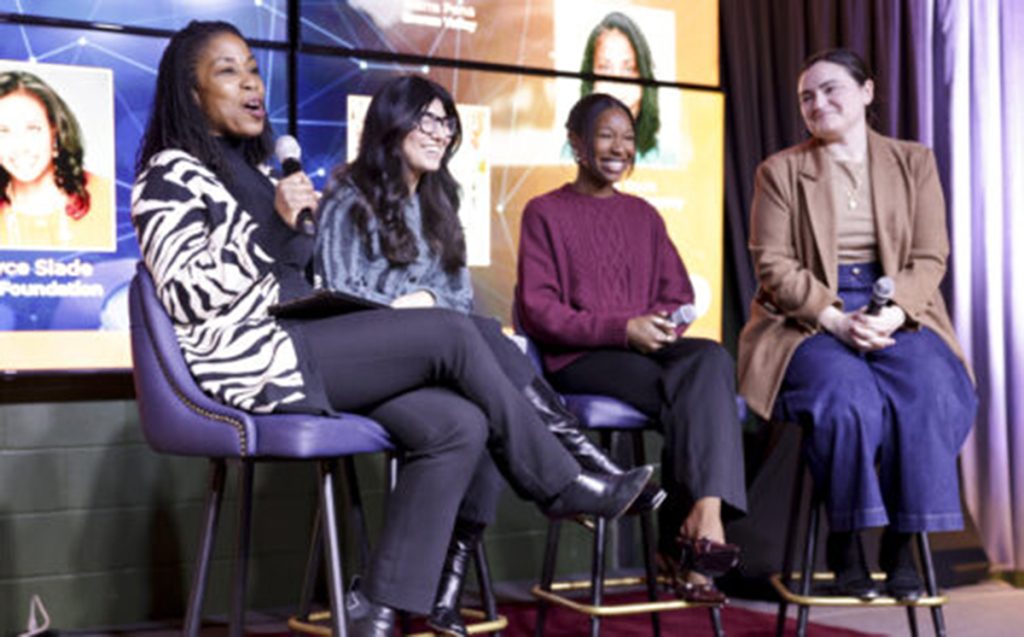
Hottle’s points were underscored by the participants in the “Founders & Funders” lunchtime panel discussion. Moderated by Tiffany Davis, director of innovation development for Alabama Power, the panel included Amanda Williams, managing director of the Prosper Health Tech Accelerator; Sierra Peña, managing director of the Bronze Valley Investment Accelerator; and Cori Fain-Forrest, founder and CEO of Moxi, a childcare technology company focused on expanding access to flexible, high-quality care for working families.

As funders, Williams and Peña reminded the group that multiple approaches are often necessary to obtain VC funding, so rejection does not necessarily equate to denial. In charting a startup’s progress toward that goal, VCs pay close attention to factors such as how expenses are allocated and whether the business is already earning revenue.

“Be a good steward of your funding, make good decisions about how to spend it,” advised Williams. “And remember, the second you take a funder’s money, that funder has expectations.”

Drilling down on that point, Fain-Forrest noted that “not everything has to be venture-backed,” and detailed sacrifices she and her family made to make the most of Moxi’s early-stage funding. She urged the student founders to keep their vision intact while also knowing when to pivot in response to changing conditions or circumstances — and to manage expenses closely to help ensure that their business is generating revenue as quickly as possible.

“Build for the problem you’re trying to solve, not what you think an investor wants to hear,” advised Fain-Forrest. “And get to revenue!”

Moderated byTiffany Davis (far left), director of innovation development for Alabama Power, the “Founders & Funders” panel featured (l to r) Sierra Peña, managing director of the Bronze Valley Investment Accelerator; Amanda Williams, managing director of the Prosper Health Tech Accelerator; and founder and CEO of Moxi, a childcare technology startup. (Contributed)

Following midday pitches from all 10 finalists and the afternoon program of mentoring sessions and networking opportunities, the field was narrowed to a Top 5 Pitch Finale held late in the afternoon. The winners:

First Place ($10,000): RantiAI, founder Oluwaseun Omotayo (Alabama A&M University). Designed for small and medium-sized enterprises, RantiAI helps businesses stay compliant, improve workplace safety and train employees using WhatsApp and SMS tools that deliver instant assessments, clear guidance and real-time risk visibility.

Second Place ($3,000): Sentinel Sync, founder Marc-Anthony Jones (Oakwood University). An interoperability platform connecting police, fire, EMS and dispatch systems, Sentinel Sync enables agencies to correlate incidents, detect patterns faster and improve operational coordination during emergencies.

Third Place ($2,000): Team Mesh, founders Tahbhelo Duve and Ayomikun Oyeniyi (Talladega College). Team Mesh brings fire, police, EMS, 911, hospitals, transit and emergency management into a single, real-time network, strengthening regional response and information sharing during emergencies.

The other Top 5 selections received Honorable Mentions and $1,000 each. Those were KARD Innovative, founders Rhonoya Anderson, Kimone Orr, Donnessia Whyte, and Abbion McLarty, of Talladega College; and Vault Sure, founders Juan David Rey Gaitan and Devarious Eatman, of Alabama A&M University.

“All the ideas we saw reflect both the talent and the commitment of our next generation of founders,” Charisse Stokes, executive director of The Alabama Collective, said after the Hackathon. “By investing in their ideas and surrounding them with mentorship and resources, we’re creating pathways for these students to build solutions, launch companies, and grow their futures right here in Alabama.”

Rep. Sewell Secures $9.5M for Local Projects Through Fiscal Year 2026 Appropriations Process

0
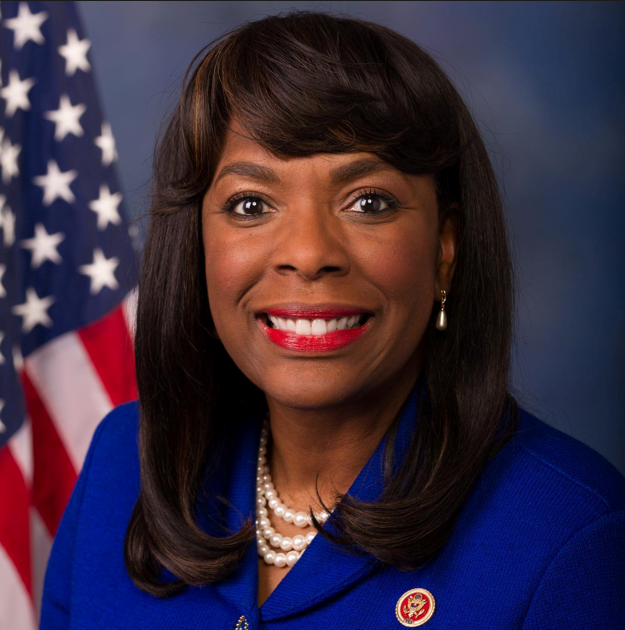
U.S. Rep. Terri Sewell has secured $9,571,000 in direct funding for 14 local projects, including $500,000 for Auburn University to construct 10 prototype "resilient homes" in Selma. (Adobe Stock)

sewell.house.gov

U.S. Rep. Terri Sewell (AL-07) announced Friday that she secured more than $9 million in direct funding for 14 local projects in Alabama’s 7th Congressional District including $850,000 for the Bessemer Housing Authority toward construction of a multi-purpose community center.

Rep. Terri Sewell

“I’m so proud to have secured $9.5 million for 14 community-driven projects that will make our district safer, stronger, and more prosperous,” said Sewell. “These investments reflect the priorities I hear from families, local leaders, and small businesses every day — safer streets, better infrastructure, and more opportunity. I will keep fighting to bring resources back to our community and to ensure that every federal dollar works for the people I represent.”

Projects include:

  • $250,000 for improvements to Craig Field Airport in Selma, including upgrades to the precision approach path indicating system, taxiway and runway signage, and parking asphalt repairs.
  • $1,656,000 for the City of Selma to revitalize Alabama Avenue by assessing, renovating, and converting fourteen existing buildings.
  • $500,000 for Auburn University to construct 10 prototype “resilient homes” in Selma made from high-performance materials to withstand extreme weather elements.
  • $850,000 for the Bessemer Housing Authority toward construction of a multi-purpose community center.
  • $250,000 for the City of Homewood to upgrade and expand culvert capacity in the neighborhoods surrounding Edgewood Elementary School.
  • $250,000 for the Jefferson County Greenway Commission to upgrade and renovate the entrance and guest parking lot of Red Mountain Park.
  • $700,000 for the City of Pleasant Grove to install 2.57 miles of new sidewalks, strategically add pedestrian lighting, and repair 1.26 miles of deteriorated sidewalk.
  • $850,000 for the City of Hueytown to improve roadways and walkways in the community by resurfacing streets and installing new sidewalks.
  • $250,000 for the City of Tuscaloosa toward upgrades and renovations to the infrastructure of the Tuscaloosa Public Library.
  • $750,000 to strengthen public safety in the City of Brighton by equipping local law enforcement with updated materials and tools, improving emergency response, supporting crime prevention efforts, and helping residents feel more secure in their community.
  • $500,000 to transform the Marion National Guard Armory, into a multi-purpose community center offering workforce development training, a temporary shelter for families during emergencies, and a community hub for the deployment and distribution of essential supplies.
  • $1,015,000 for Rural Health Medical Program, Inc. (RHMPI) to renovate the Uniontown Health Center by upgrading clinical equipment, labs, X-ray capabilities, and IT systems, and by enhancing the roads and parking facilities around the center.
  • $1,000,000 to construct a new joint police and volunteer fire station in Aliceville, helping first responders better serve the residents of Pickens County and West Alabama.
  • $750,000 for the Sumter County Commission for a new community center where residents of all ages can gather, connect, and engage in activities that promote community empowerment and resilience.

Watch Rep. Sewell’s social media video here.

City of Birmingham, Jones Valley Teaching Farm, Awards $100,000 to Local Urban Farmers

0
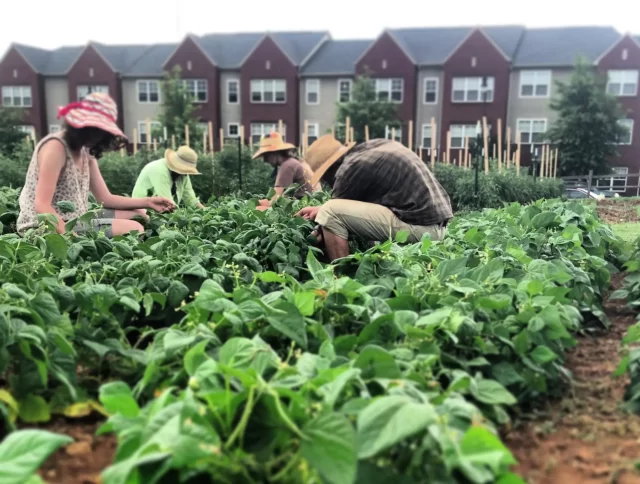
Jones Valley Teaching Farm and the City of Birmingham announced 10 recipients of the Urban Farmer Grant Program. (Provided)

birminghamal.gov

Jones Valley Teaching Farm and the City of Birmingham announced 10 recipients of the Urban Farmer Grant Program. This initiative is funded through the American Rescue Plan Act (ARPA) and is designated to provide financial relief. The funds will be used to address operational shortfalls that urban farming entities experienced due to the pandemic, and before that, longstanding inequities in economic opportunity and investment.

“The City of Birmingham is proud to stand with Jones Valley Teaching Farm in supporting our local urban farmers. These investments are proof of our commitment to both small business growth and food access for all residents,” said Birmingham Mayor Randall L. Woodfin. “Congratulations to all our grant recipients and thanks to Jones Valley for your dedication to the health, wellness, and economic growth of our city.”

“I am thrilled to see how this investment increases our ability to feed each other and inspires folks to grow, cook, and share food. Many of the awardees have garden training components to their work, allowing the impact to spread far beyond the urban farms themselves,” said Jessica Hill, Jones Valley Teaching Farm Community Programs Manager.

The program awarded $10,000 each to the following:

  • A Beautiful Life Enterprises (ABLE): Whole-food nutrition and healing through community-centered education and gardening.
  • Birmingham Eastside EcoGardens (B.E.E.): Growing food, wellness, and environmental stewardship in East Birmingham.
  • Birmingham Urban Gardeners: Teaching communities to grow food and build sustainability together.
  • Bush Hills Connections Inc.: Revitalizing Bush Hills through urban farming, wellness, and opportunity.
  • Christian Service Mission: Expanding neighborhood food access through gardens and partnerships.
  • East Lake Recovery Center: Cultivating recovery, connection, and healing through peer-led gardening.
  • The Flourish: Where art, food sovereignty, and community wellness take root.
  • LiftUp Alabama Foundation: Growing students through outdoor learning and food education.
  • Magic City Mushrooms: Local mushrooms, community education, and sustainable growing.
  • Reviving Our Neighbor CDC: Advancing equity and fresh food access in Ensley.

“The Urban Farm Grant will be an amazing resource towards creating community food experiences and facilitating community food education in my West End neighborhood and beyond. A beautiful thing,” said Chef Ama Shambulia, owner and operator of A Beautiful Life Enterprises LLC.

“This investment will help us make garden upgrades. It will allow us to improve our irrigation system and add a workstation. These improvements will help increase our production of fresh produce, which we provide to our community at no cost,” said Johnnie Brown and Vickie Jones of Birmingham Urban Gardeners.

The Birmingham City Council awarded Jones Valley Teaching Farm $120,000 in October 2024, with the intention of the organization regranting the majority of funds to urban farmers in the city. These funds are part of the city’s overall $141+ million ARPA allocation for economic recovery, focusing on food access, small business, and community development.

Jones Valley Teaching Farm was tapped as a regranting partner due to its commitment to community programming, most notably through its Good Community Food program. The program strengthens the local food system by increasing food access, providing culinary and agricultural skills-based training, and sharing resources with urban growers and community gardens.

A total of 38 applications were reviewed by Jones Valley Teaching Farm staff and the Community Advisory Board members, with oversight and legal guidance provided by The City of Birmingham.

“The City of Birmingham is a food city, and to me, that means we grow it and share it too. We are lucky to have so many talented and passionate urban farmers in this city,” said Jessica Hill, Jones Valley Teaching Farm Community Programs Manager.