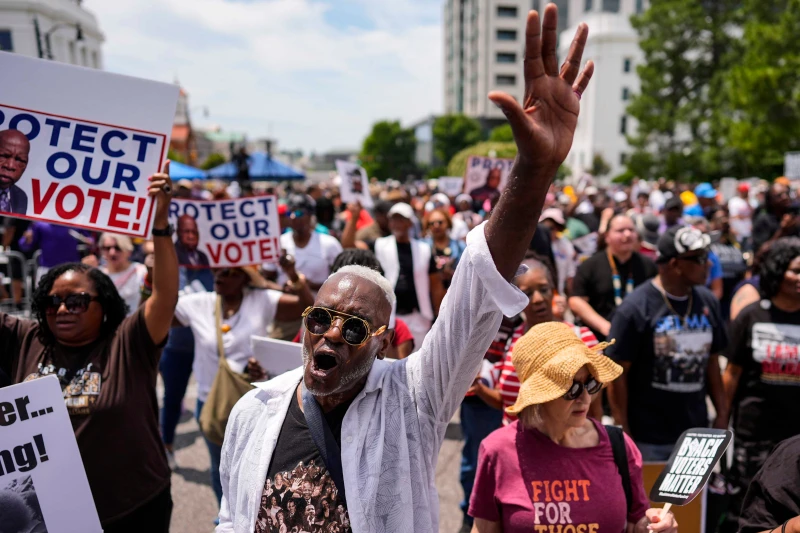
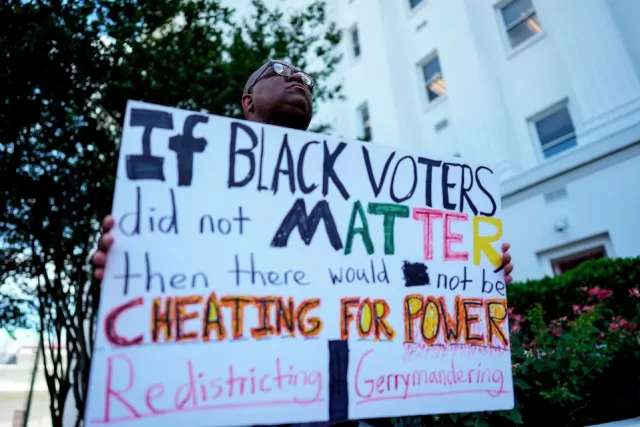
MONTGOMERY, Alabama — Thousands of people rallied Saturday in the cradle of the modern Civil Rights Movement to mobilize a new voting rights era as conservative states dismantle congressional districts that helped secure Black political representation.
U.S. Sen. Cory Booker of New Jersey called Montgomery “sacred soil” in the fight for civil rights.
“If we in our generation do not now do our duty, we will lose the gains and the rights and the liberties that our ancestors afforded us,” Booker said.
The crowd was led in chants of “we won’t go back” and “we fight.”
“We are not going down without a fight. We are not going down to Jim Crow maps,” Shalela Dowdy, a plaintiff in the Alabama redistricting case, said.
A recent U.S. Supreme Court ruling involving Louisiana hollowed out the voting rights law that was already weakened by a separate decision in 2013 and then narrowed further over the years. That helped clear the way for stricter voter ID laws, registration restrictions, and limits on early voting and polling place changes, including in states that once needed federal preclearance before they could change voting laws because of their historical discrimination against Black voters.
The Rev. Bernice King, the daughter of the Rev. Martin Luther King Jr., said the decision was a direct attack on the legacy of generations who faced “dogs and batons and bombs and billy clubs so that Black people and all marginalized communities could participate fully in this democracy.”
Rally where King spoke in 1965
A crowd of thousands gathered in front of the city’s historic Alabama Capitol, the place where the Confederacy was formed in 1861 and where the elder King spoke in 1965 at the end of the Selma-to-Montgomery Voting Rights March. The stage, set in front of the Capitol, was flanked from behind by statues of Confederate President Jefferson Davis and civil rights icon Rosa Parks — dueling tributes erected nearly 90 years apart.
Speakers said the spot was once the temple of the Confederacy and became the holy ground of the Civil Rights Movement.
Some in the crowd said the effort to redraw lines has echoes of the past.
“We lived through the ‘60s. It takes you back. When you think that Alabama’s moving forward, it takes two steps back,” said Camellia A Hooks, 70, of Montgomery, Alabama.
The rally began in Selma, where a violent clash between law enforcement and voting rights activists in 1965 galvanized support for passage of the Voting Rights Act. It then moved to the state Capitol, where King gave his “How Long, Not Long” speech that same year.
Veterans of the Civil Rights Movement are alarmed by the speed of the rollbacks, noting that protections won through generations of sacrifice have been weakened in little more than a decade.
Kirk Carrington, 75, was a teen in 1965 when law enforcement officers attacked marchers in Selma on what became known as “Bloody Sunday.” A white man on a horse wielding a stick chased Carrington through the streets.
“It’s really just appalling to me and all the young people that marched during the ’60s, fought hard to get voting rights, equal rights and civil rights,” Carrington said. “It’s sad that it’s continuing after 60-plus-odd years that we are still fighting for the same thing we fought for back then.”
Civil rights leaders, members of Congress from across the country, union leaders and pastors spoke at the rally, which lasted four hours.
“They think they can draw us out of power. They do not know the sleeping giant that they just awakened,” said U.S. Rep. Alexandria Ocasio-Cortez, a Democrat from New York.
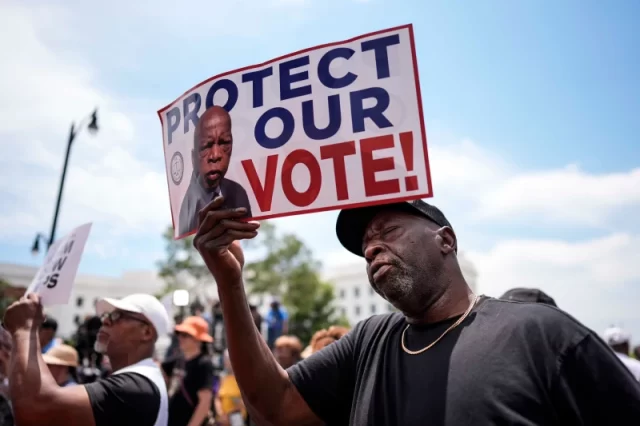
A man sings a spiritual song during a voting rally, Saturday, May 16, in Montgomery, Alabama. (Mike Stewart, Associated Press)
City will be affected by Supreme Court ruling
Montgomery is home to one of the congressional districts that is being altered in the wake of the Supreme Court ruling.
A federal court in 2023 redrew Alabama’s 2nd Congressional District after ruling that the state intentionally diluted the voting power of Black residents, who make up about 27% of its population. The court said there should be a district where Black people are a majority or near-majority and have an opportunity to elect their candidate of choice.
But the Supreme Court cleared the way for a different map that could let the GOP reclaim the seat. While the matter remains under litigation, the state plans special primaries Aug. 11 under the new map.
Democratic Rep. Shomari Figures, who won election in the district in 2024, said the dispute is not about him but rather people’s opportunity to have representation.
“When Republicans are literally turning back the clock on what representation, what the faces of representation, look like, what the opportunities, legitimate opportunities for representation look like across this country, then I think it starts to resonate with people in a little bit of a different way,” Figures said.
Alabama House Speaker Nathaniel Ledbetter, a Republican, said the Louisiana ruling provided an opportunity to revisit a map that was forced on the state by the federal court.“People tend to forget what happened. When this thing went to court, the Republican Party had that seat, congressional seat two,” Ledbetter said last week.
“There’s been a push through the courts to try to overtake some of these red state seats, and that’s certainly what happened in that one.”Evan Milligan, the lead plaintiff in the Alabama redistricting case, said there is grief over the implosion of the Voting Rights Act, but it is crucial that people recommit to the fight.
“We have to accept that this is the new reality, whether we like it or not,” Milligan said. “We don’t have to accept that this will be the reality for the next 10 years or two years or forever.”
Travis Jackson, of Montgomery, stands during a press conference outside the Alabama state house during a special session of the Alabama Legislature, May 5, in Montgomery, Alabama.
(Mike Stewart, AP)
By Kim Chandler, Associated Press
MONTGOMERY, Alabama — Thousands of people are rallying Saturday in the cradle of the modern Civil Rights Movement to mobilize a new voting rights era as conservative states dismantle congressional districts that helped secure Black political representation.“The bottom line is we are seeing a full-fledged, coordinated attack on Black political power that can actually reshape the entire political landscape, not just on the South but throughout the nation,” said LaTosha Brown, co-founder of Black Voters Matter.
The rally will begin in Selma, where a violent clash between law enforcement and voting rights activists in 1965 galvanized support for passage of the Voting Rights Act. It will then move to the state Capitol, where the Rev. Martin Luther King Jr. gave his “How Long, Not Long” speech that same year.
“We’re picking up where it was left because we still have unfinished business,” Brown said. “There will not be a new Jim Crow.”
A recent U.S. Supreme Court ruling involving Louisiana hollowed out voting rights law that was already weakened by a separate decision in 2013 and then narrowed further over the years. That helped clear the way for stricter voter ID laws, registration restrictions, and limits on early voting and polling place changes, including in states that once needed federal preclearance before they could change voting laws because of their historical discrimination against Black voters.
Veterans of the Civil Rights Movement are alarmed by the speed of the rollbacks, noting that protections won through generations of sacrifice have been weakened in little more than a decade.
Kirk Carrington, 75, was a teen in 1965 when law enforcement officers attacked marchers in Selma on what became known as “Bloody Sunday.” A white man on a horse wielding a stick chased Carrington through the streets.
“It’s really just appalling to me and all the young people that marched during the ’60s, fought hard to get voting rights, equal rights and civil rights,” Carrington said. “It’s sad that it’s continuing after 60-plus-odd years that we are still fighting for the same thing we fought for back then.”
Montgomery is home to one of the congressional districts that is being altered in the wake of the Supreme Court ruling.
A federal court in 2023 redrew Alabama’s 2nd Congressional District after ruling that the state intentionally diluted the voting power of Black residents, who make up about 27% of its population. The court said there should be a district where Black people are a majority or near-majority and have an opportunity to elect their candidate of choice.
But the Supreme Court cleared the way for a different map that could let the GOP reclaim the seat. While the matter remains under litigation, the state plans special primaries Aug. 11 under the new map.
Democratic Rep. Shomari Figures, who won election in the district in 2024, said the dispute is not about him but rather people’s opportunity to have representation.
“When Republicans are literally turning back the clock on what representation, what the faces of representation, look like, what the opportunities, legitimate opportunities for representation look like across this country, then I think it starts to resonate with people in a little bit of a different way,” Figures said.
Alabama House Speaker Nathaniel Ledbetter, a Republican, said the Louisiana ruling provided an opportunity to revisit a map that was forced on the state by the federal court.
“People tend to forget what happened. When this thing went to court, the Republican Party had that seat, congressional seat two,” Ledbetter said last week. “There’s been a push through the courts to try to overtake some of these red state seats, and that’s certainly what happened in that one.”
Evan Milligan, the lead plaintiff in the Alabama redistricting case, said there is grief over the implosion of the Voting Rights Act but it is crucial that people recommit to the fight.
“We have to accept that this is the new reality, whether we like it or not,” Milligan said. “We don’t have to accept that this will be the reality for the next 10 years or two years or forever.”
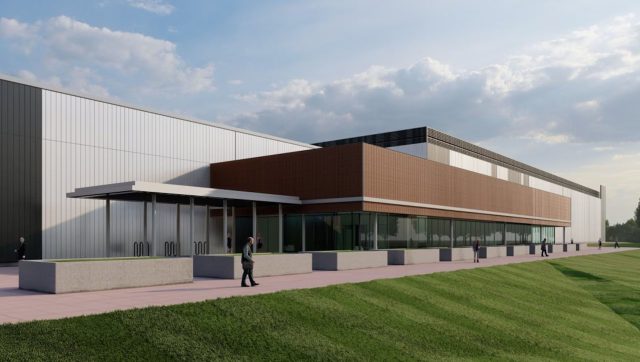
Residents near Birmingham’s Oxmoor Valley area have sued Nebius and the City of Birmingham over a proposed AI data center campus, arguing the project violates zoning rules and threatens nearby neighborhoods with noise, pollution and falling property values.
The class-action lawsuit, filed May 13 in Jefferson County Circuit Court, seeks to stop construction of the planned “Birmingham AI Factory,” a 300-megawatt AI computing campus proposed near Milan Parkway and Venice Road.
Plaintiffs Madelyn Greene and David Butler, who live near the site, claim the city allowed the project to move forward without required zoning approvals or public hearings. They argue the site’s mixed-use zoning does not allow a hyperscale AI facility and say permits tied to the project should be voided.
The complaint also argues Nebius lost any “grandfathered” development rights when the former Regions Bank operations center on the property was demolished.
At the center of the dispute is a proposed power substation and switching station tied to the project. The lawsuit says both facilities required special approval from Birmingham’s Zoning Board of Adjustment and notes the applications failed to receive enough votes for approval during a March zoning meeting.
That March meeting drew strong opposition from Oxmoor Valley residents concerned about environmental impacts and home values.
“We don’t want this in our neighborhood,” Joey Amberson, president of the Oxmoor Glen subdivision, said at the time. “It’s not good for our area.”
Nebius defended the project following the meeting, saying it would benefit Birmingham and the surrounding community.
The lawsuit also challenges an internal memo allegedly issued by Birmingham’s city attorney stating that the facilities did not qualify as utility substations under city code. Plaintiffs argue the memo improperly attempted to override the zoning board’s action.
The lawsuit says demolition and grading work are already underway and notes the city issued a roughly $7 million permit tied to the project. Plaintiffs are asking the court to stop further work and award damages tied to property values and quality of life.
“To my knowledge, we have not been served,” the city’s Office of Public Information said in a statement. “Regarding lawsuits, the city does not discuss pending legislation.”
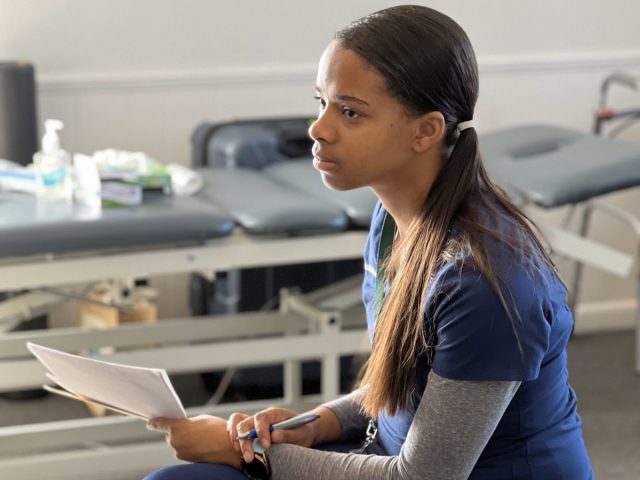
Malia McDowell, O.D., recipient of the inaugural Rural Optometry Scholarship, will practice in Valley, Alabama. (Kim Eaton, UAB News)
By Satina Richardson | UAB News
Malia McDowell, O.D., a 2026 graduate of the University of Alabama at BirminghamSchool of Optometry, is the first recipient of the Rural Optometry Scholarship from the Alabama Board of Optometric Scholarship and Loan Awards. She has received $134,000 to practice in an underserved rural community in Alabama.
McDowell will be moving to Valley, Alabama, to establish a practice as an independent optometrist at a Walmart Supercenter. The area has more than 34,000 residents and is considered critically underserved, with only a part-time optometrist currently providing care.
Service-oriented from the start
McDowell’s commitment to serving through her education and beyond began when she was in high school. In high school, she participated in two cultural immersion trips involving volunteer projects in Costa Rica and Peru, where she saw extreme poverty for the first time.
During the COVID-19 pandemic as an undergraduate and throughout optometry school, McDowell continued to serve. While in optometry school, McDowell juggled classes, board examines, volunteering and rigorous scholarship interviews.
“In optometry school, if I had the time available, I was volunteering, from establishing and participating in vision screenings and mission trips to becoming an Albert Schweitzer Foundation of Alabama Fellow,” McDowell said.
Albert Schweitzer Fellows are graduate optometry students who design and carry out community service projects that address unmet health needs. McDowell chose the Community of Hope Health Clinic as her project site. Established by two retired UAB Optometry alumni, the practice serves Shelby County patients who live below the federal poverty level and lack access to insurance.
McDowell joined during her fellowship year to help enhance patient care.
Through McDowell’s involvement in the School of Optometry’s Private Practice Club, she met alumni who work in small communities. These alumni expressed a strong sense of fulfillment and spoke highly of their careers to McDowell. Support from McDowell’s fiancé further reinforced her commitment to practicing in a rural area.
“Receiving the scholarship didn’t make our decision; it confirmed it. My fiancé and I always talk about how comfortable things are in the places we know. Sometimes, if you don’t jump, you may never, and I am beyond blessed to take this leap.” “Each experience deepened my passion to serve others and led me to apply to this program,” McDowell said.
A scholarship to meet a need
There is a growing need for eye care in rural communities across the state, and the Rural Optometry Scholarship aims to address that need through McDowell’s work in rural Alabama.
“Many smaller towns have limited access to optometric services, and in some areas, patients must travel significant distances for routine eye care,” said Lynn Hammonds, O.D., School of Optometry alumna and Alabama Board of Optometric Scholarship and Loan Awards chair. “This scholarship is designed to encourage new graduates to consider practicing in these communities by helping offset some of the financial burden they face as they begin their careers.”
McDowell completed a rigorous application and interview process. A list of qualifying counties is provided to ensure that scholarship applicants select an area that is statistically proven to be in need.
“When I think about why I applied for this scholarship, I think about the countless hours of volunteer work that made me who I am today,” she said. “In early middle school, my mom used to drag me out of bed on Saturdays at 5 a.m. to volunteer. I remember crawling around cold community center floors, organizing fruits and vegetables for families.”
Despite McDowell’s busy schedule, she and her fiancé still found time to imagine daily life in Chambers County.
“We were looking for a place to potentially call our forever home, and Chambers County stood out immediately,” she said. “The Walmart location had gone years without an optometrist, and the need was clear. So, we visited; then we visited again.”
Expanding access to vision care
McDowell, originally from Clarksville, Tennessee, will be moving with her new husband to Valley for at least six years. McDowell plans to use a portion of the scholarship to build the foundation of her practice, including establishing an electronic health record system, scheduling software and hiring staff.
“We hope Malia will become an integral part of our community by providing much needed access to comprehensive eye care,” Hammonds said. “In rural areas, optometrists are often the primary providers of vision care, early disease detection and ongoing eye health management. We believe Malia will serve patients clinically, while building relationships, improving health outcomes and helping ensure that residents in her community have consistent access to high-quality vision care.”
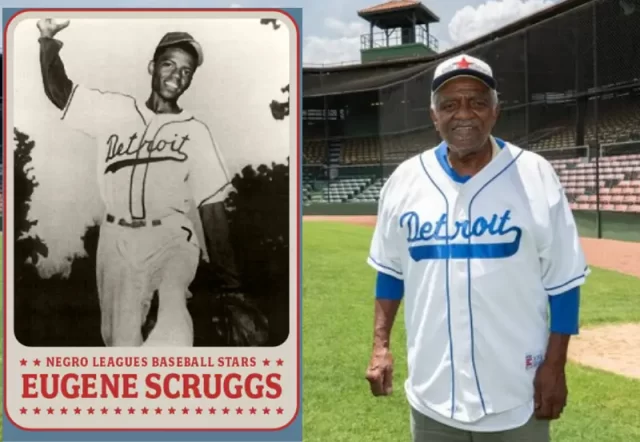
Eugene “Dick” Scruggs Sr., a former Negro league pitcher, died May 4, at age 87. (NSLM)
birminghamal.gov
Alabama native, and American pitcher, Eugene “Dick” Scruggs, Sr. died May 4, the Negro Southern League Museum announced. He was 87.
Scruggs was a pitcher in the Negro Leagues whose career, community leadership, and professional achievements left a lasting mark on Alabama sports history and the broader story of Black baseball in America.
Born in Meridianville, Alabama, Scruggs began developing his baseball talent in the industrial leagues, company sponsored youth and community teams, like many other players of his time. He played for the local Moore’s Mill Red Sox. His abilities on the mound — especially a fastball clocked near 90 mph and a breaking pitch widely remembered as “that funky curveball” — earned him a place in the Negro Professional Baseball League.
Scruggs pitched for the Detroit Stars from 1956-1957 and the Kansas City Monarchs from 1957–1958. During his time with the Stars, he recorded a standout shutout performance, striking out 16 batters in a 7-0 victory at South Haven. Although known for power and movement, he was also remembered for his competitive personality and for pitching with determination during a transitional and challenging era for Black professional baseball players.
After retiring from baseball, Scruggs built a distinguished professional life off the field. In 1970 he founded Associated Contractors, Inc., a janitorial and maintenance company serving office buildings, schools, and recreational facilities. Five years later, he became a licensed embalmer and funeral director, beginning a decades‑long career at Nelms Memorial Funeral Home in Huntsville. He trained numerous apprentices — among them his grandson — and became known for his professionalism, mentorship, and commitment to service.
Scruggs held memberships in several historic baseball and community organizations, including the Negro Leagues Baseball Museum, the Alabama Negro League organization, and the Yesterday Negro League group in Milwaukee. He participated in major commemorative events such as the 75th anniversary Negro Leagues reunion in Kansas City, 50th anniversary celebration of Jackie Robinson’s entrance into Major League Baseball, and MLB’s A Tribute to the Negro Leagues at Rickwood Field in 2024.
In recognition of his athletic legacy, Scruggs was inducted into the Huntsville-Madison County Athletic Hall of Fame in 2002. Through baseball, business, and community involvement, he became a respected figure across generations.
At the time of his passing in 2026, he was survived by his wife of 68 years, Ethel, along with a large family including children, grandchildren, and great‑grandchildren. His lived experience — from the segregated ballfields of the 1950s to the modern recognition of Negro League history — embodies a significant and treasured chapter of American sports heritage
The Equal Justice Initiative created the park to tell the story of enslaved people with honesty. (EJI)
By Cherith Glover Fluker | For the Birmingham Times
I love a good road trip.
Couple it with an opportunity to celebrate Black history and support Black-owned businesses, and you’ve got my attention.
In the Southeast, some of the most powerful landmarks in Black history sit just a few hours from Birmingham. And the communities around them are home to Black-owned restaurants, shops, and hotels worth the drive alone.
Here are five destinations within driving distance of Birmingham worth putting on your radar.
Montgomery — approximately 1.5 hours
Montgomery and Birmingham share a deep and intertwined Civil Rights legacy. But Alabama’s capital city has its own distinct identity worth exploring on its own. It draws visitors from around the world.
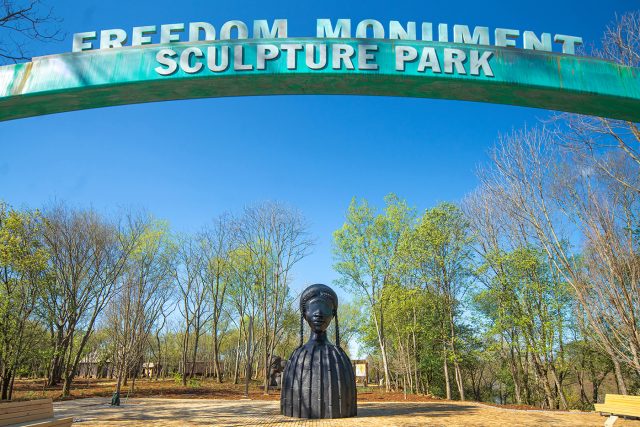
The Legacy Sites of the Equal Justice Initiative (EJI) offer a deeper look at the history of racial injustice in America. The sites include the Legacy Museum, the National Memorial for Peace and Justice, Freedom Monument Sculpture Park, and Montgomery Square. The Dexter Avenue King Memorial Baptist Church, where the Rev. Martin Luther King Jr. once pastored, and the Rosa Parks Museum round out a roster of landmarks that make Montgomery appealing for history buffs.
When it’s time to eat, head to Pannie-George’s Kitchen, a Black-owned cafeteria-style soul food restaurant. The fried chicken and fried catfish are my top choices.
Where to stay: Elevation Convening Center & Hotel is located close to all EJI Legacy Sites. SpringHill Suites Montgomery Downtown puts you in the heart of the city, within easy reach of its historical landmarks, restaurants, and waterfront adventures.
LaGrange, Georgia — approximately 2.5 hours
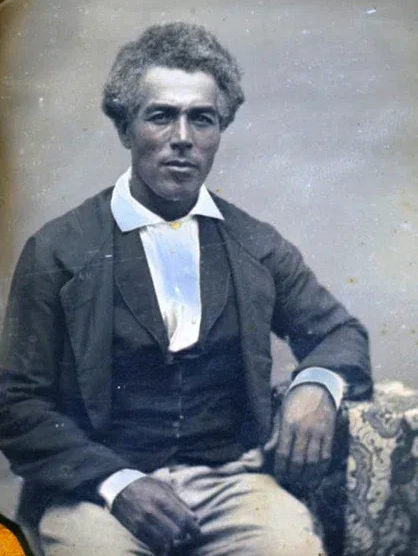
Horace King was an African-American architect, engineer and bridge builder. (Wikipedia)
LaGrange is a charming west Georgia town, easy to overlook compared to its larger counterparts. To do so, however, would mean missing one of the most compelling Black history stories in the region.
I had visited LaGrange before, but without a historical lens. Learning about Horace King changed that. King was a bridge builder and architect who was raised as an enslaved person and died a highly respected free man. His legacy is on display throughout downtown, where some buildings are patterned after his original designs. This detail stayed with me: at his funeral, his procession wound around the downtown square and drew business owners from every background. That says everything about the man he was and the life he built against extraordinary odds.
Where to stay: The Courtyard by Marriott sits conveniently on the downtown square, making it convenient to explore the city’s history and dining.
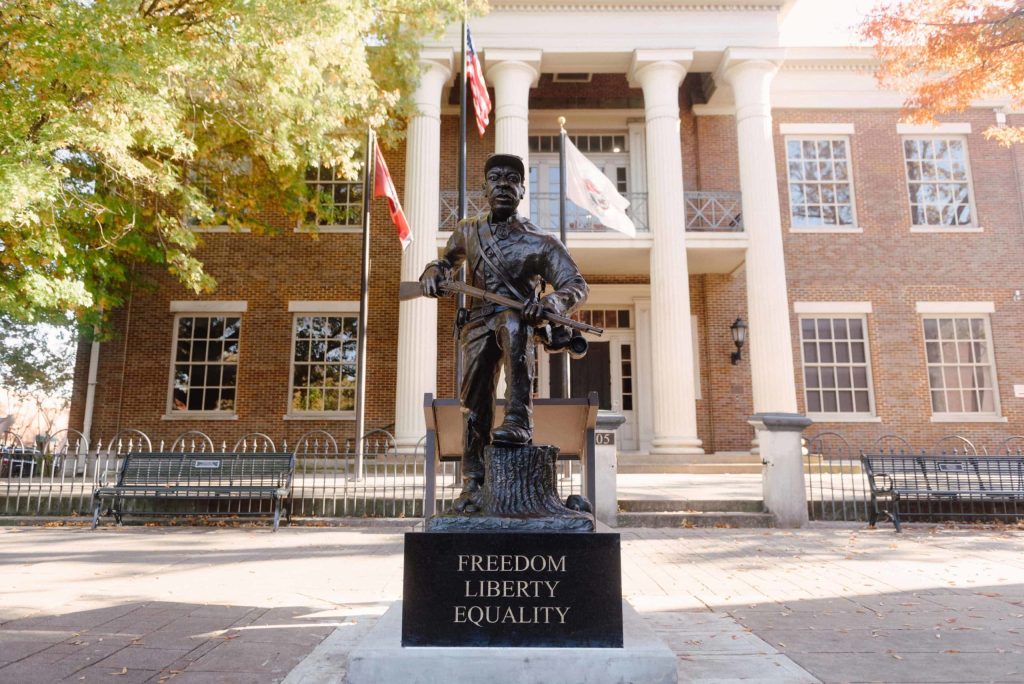
A bronze statue called March to Freedom now stands in Franklin, Tennessee’s Public Square honoring U.S. Colored Troops. (City Of Franklin)
Franklin, Tenn. — approximately 3 hours
Franklin is best known as a picturesque Tennessee town with a well-preserved historic downtown. But its Black history runs deeper than most visitors realize. A community initiative called “The Fuller Story” has worked to surface the complex history of the town’s African American population. A bronze statue called March to Freedom now stands in Franklin’s Public Square honoring U.S. Colored Troops, alongside historical markers about the slave market that once operated there, an 1867 race riot, and the long road through Reconstruction.
The McLemore House, purchased by formerly enslaved man Harvey McLemore in 1880, is now a museum celebrating the rich African American heritage of Franklin and Williamson County. Nearby, the Toussaint L’Ouverture Cemetery, founded in 1869 and named after the Haitian revolutionary, serves as the final resting place for the pioneers of Franklin’s Black community.
Where to stay: The Harpeth Hotel, a boutique property in the heart of downtown Franklin, puts you within walking distance of several of the city’s landmarks, dining, and shopping options.
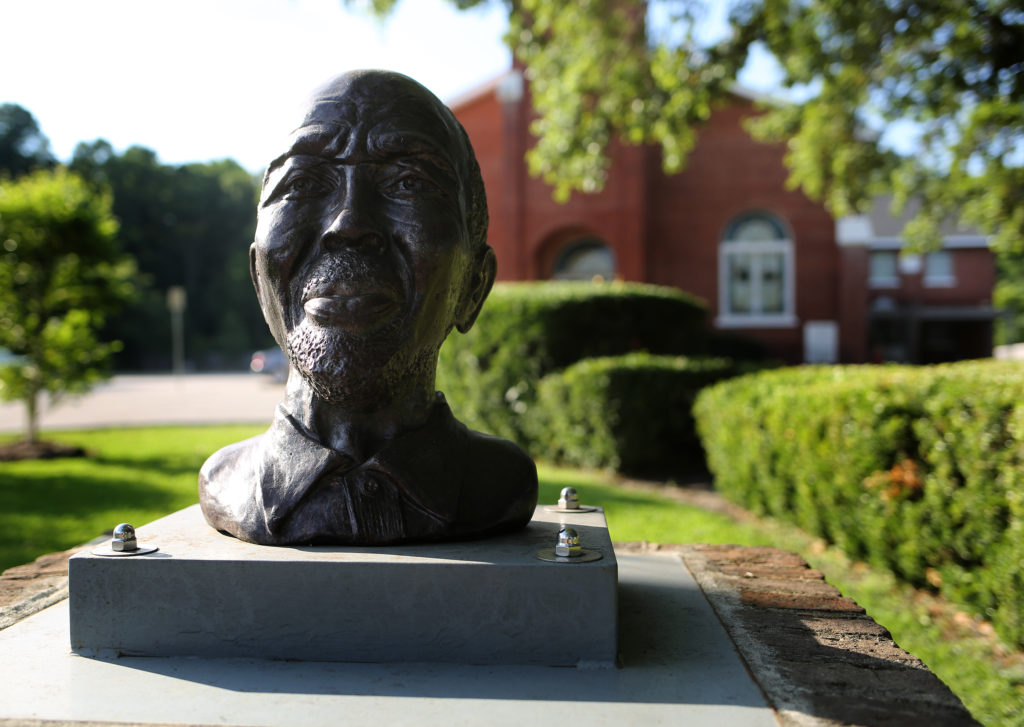
A cat iron bust of Cudjoe Lewis by April Livingston sits in front of Union Missionary Baptist Church in Africatown on in Mobile, Alabama. In the 1860s, Lewis founded Africatown with a group of other Clotilda survivors. (File)
Mobile — approximately 3 hours
A documentary on the Clotilda sent me to Mobile, and I’m glad it did. The story of the last known slave ship to arrive in the United States, and the 110 enslaved Africans aboard it who later founded Africatown, is one of the most remarkable in American history. The Africatown Heritage House brings that story to life in a way that is devastating, yet deeply human.
Mobile’s Black history spans more than three centuries. The Dora Franklin Finley African American Heritage Trail encompasses 40 points of interest, including Stone Street Baptist Church. This church was established in 1807 and is one of the oldest Black churches in Alabama. Dr. Martin Luther King Jr. Avenue, formerly known as Davis Avenue and once Mobile’s thriving “Black Wall Street,” is also worth a visit at the Historic Avenue Cultural Center.
For dining, The Breakfast Spot, a Black-owned downtown staple, is the move for brunch.
Where to stay: Downtown Mobile offers a range of hotels within easy reach of the city’s historic sites and waterfront.
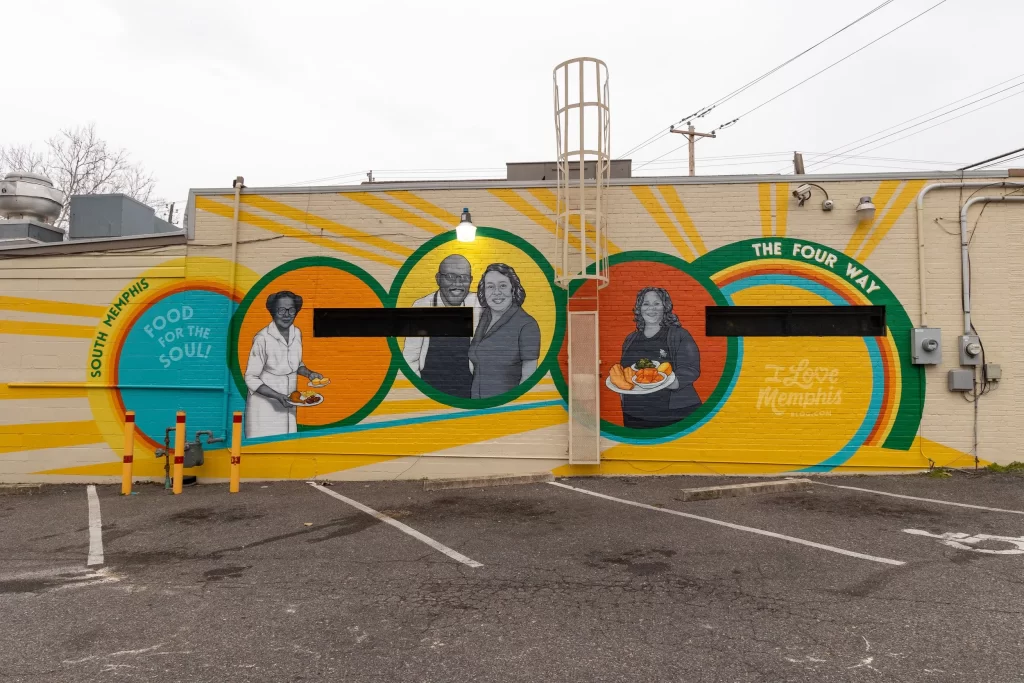
The Four Way is a Black-owned restaurant known for serving the best soul food in Memphis. (The Four Way)
Memphis, Tenn. — approximately 4.5 hours
Few cities tell the story of Black American life as fully as Memphis. Sites throughout the city paint pictures of the pain, power, and cultural genius of Black life. The feeling you get when you walk through the Lorraine Motel at the National Civil Rights Museum stays with you. The exhibits pull you into the era in a way that photographs and textbooks simply cannot.
Beale Street is its own history lesson. Black musicians have played here since the 1860s, and in the 1870s, Robert Church purchased the street, making him the South’s first Black millionaire. The Stax Museum of American Soul Music honors the legendary studio where Otis Redding, Isaac Hayes, and the Staple Singers shaped the sound of a generation.
End the day at The Four Way, a Black-owned restaurant known for serving the best soul food in Memphis. Open since 1946, it was one of the first integrated restaurants in the city.
Where to stay: The Guest House at Graceland offers a one-of-a-kind Memphis experience, while downtown hotels along the riverfront put you within easy reach of Beale Street and the National Civil Rights Museum. ARRIVE Memphis is a 62-room boutique hotel that gives you a taste of how locals live, as Memphis residents love hanging out in the ARRIVE lobby, which has a coffeeshop vibe during the day and transforms into a buzzworthy bar at night.
Each of these destinations offers a unique contribution to Black History. Black history is not confined to a single city or moment. It is woven into the fabric of this entire region, waiting to be explored one road trip at a time.
Follow Cherith Glover Fluker’s adventures in Birmingham and beyond at whatcherithinks.com.
Primary elections to choose candidates for the Alabama governor's race will take place on Tuesday, May 19. (alabama.gov)
Primaries: Part 4 of 4
By Javacia Harris Bowser | The Birmingham Times
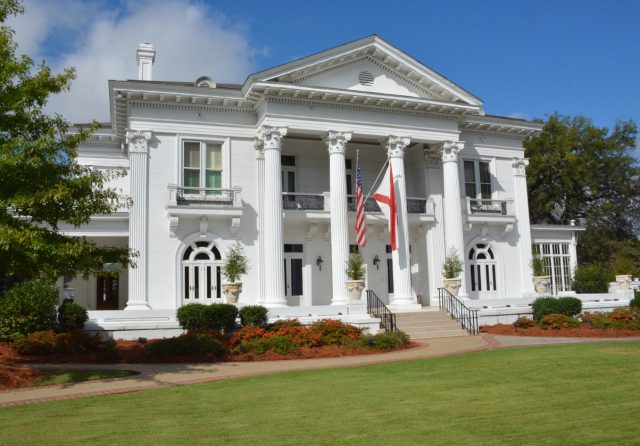
The 2026 Alabama gubernatorial election will be held on November 3. Primary elections to choose candidates will take place on Tuesday, May 19. Incumbent Republican Gov. Kay Ivey is ineligible to seek re-election to a third term. Here are the candidates running for the state’s highest office.
Democrats
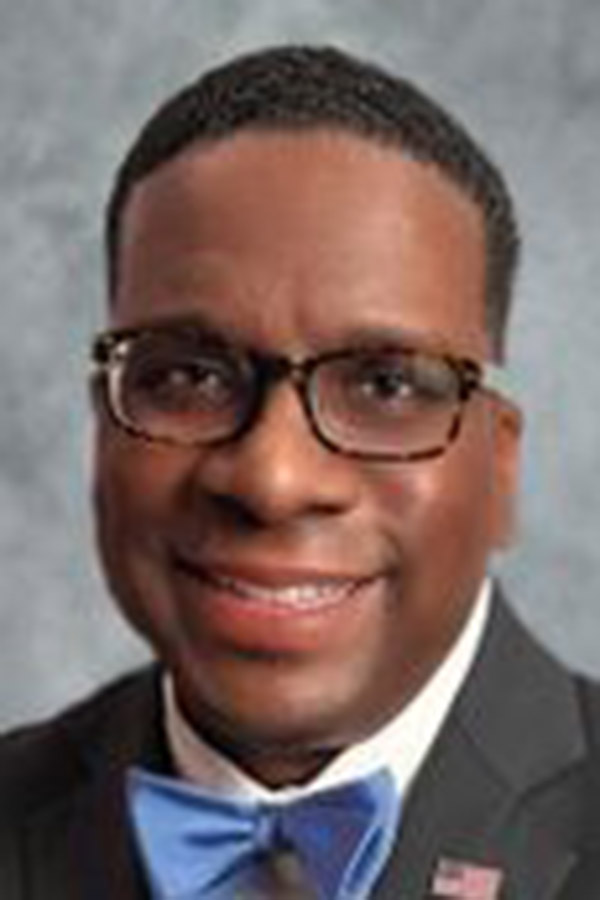
Will Boyd
Political experience:
Former Greenville, Illinois, city councilor
2022 Democratic nominee for U.S. Senate (Alabama)
Professional experience: Pastor, author, educator, businessman and engineer, Boyd began his career working in manufacturing leadership roles.
Civic experience: Boyd served on the Board of Directors for the Health Care Authority of Lauderdale County and the City of Florence and is a member of Omega Psi Phi Fraternity, Inc.
Key issues: Boyd has focused his campaign on economic development, education equity, and access to healthcare. His platform also includes protecting voting rights, supporting worker representation, and addressing environmental and climate issues. Endorsed by the Alabama Cannabis Coalition, Boyd’s platform also includes cannabis policy reform.
First-time gubernatorial candidate; previously ran for Montgomery mayor and Montgomery city council
Professional experience:
Online pastor
Civic experience: Faith-based community engagement
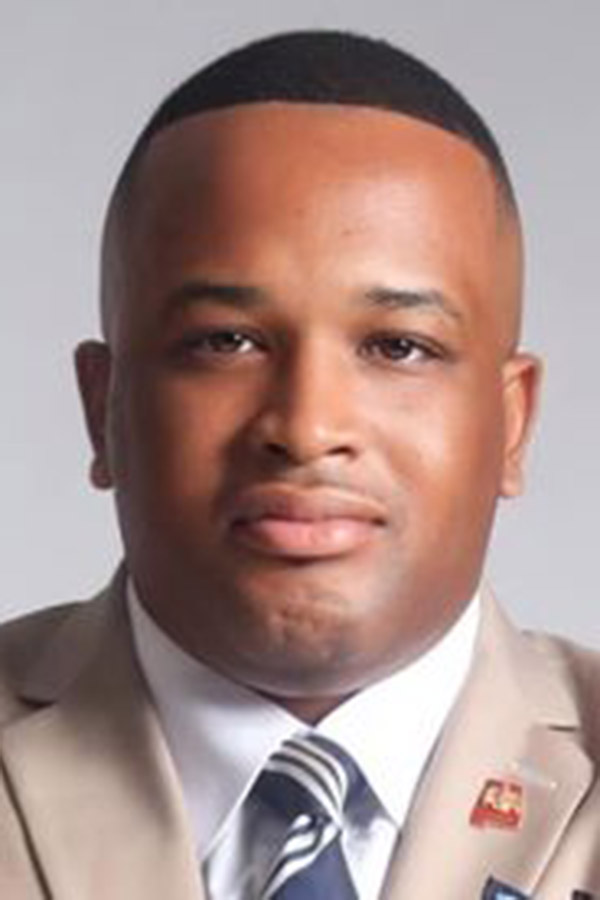
Key issues: Brown has centered his campaign on economic relief, justice reform and educational improvements. WVUA 23 reports that Brown is running on the intent to legalize marijuana, free all nonviolent state prisoners, and bring a lottery to Alabama. He also wants to raise minimum wage and bring down crime rates in big cities like Huntsville, Birmingham, and Tuscaloosa.
Campaign website: Not clearly documented
Yolanda Rochelle Flowers
Political experience:
Democratic nominee for governor (2022)
Professional experience:
Educator. Her career experience includes working as a rehabilitation specialist, an assistant speech pathologist, and a reading instructor.
Civic experience: Community advocacy and education.
Key issues: Flowers has focused her campaign on education, healthcare, poverty, and justice reform. She highlights the need to improve student testing outcomes and ensure broader representation in school curricula; expand healthcare access for working-class Alabamians, the elderly and small businesses; tackle poverty and address racial disparities in sentencing and incarceration.
U.S. Attorney for Northern District of Alabama (1997–2001)
Professional experience:
Attorney (notably prosecuted 1963 Birmingham church bombing case)
Civic experience: Longtime legal and civil rights involvement
Key issues: Jones has focused his campaign on increasing voter access, improving healthcare, and expanding economic opportunities, while also pushing back against one-party dominance in state government. He backs measures such as establishing a state lottery, implementing early voting, eliminating straight-ticket voting, expanding Medicaid, safeguarding IVF and contraception, and enhancing maternal health outcomes. His agenda also emphasizes job growth, affordability, and protecting workers as the economy and technology continue to evolve.
Professional experience: founded Thunder Industrial Supply Company, and later established Alabama’s first hemp dispensary, Honeysuckle Hemp Company, in Dothan
Key issues: Martin has built his campaign around improving healthcare access, education, and economic growth, particularly in rural and underserved areas. He supports expanding Medicaid, enhancing maternal and mental healthcare, and creating an education lottery to fund schools, scholarships, and workforce training.
Key issues: Mathis supports opening casinos and establishing a state lottery to generate revenue for Alabama schools and wants to launch initiatives to prevent severe flooding and address other environmental concerns.
Campaign website: Not clearly documented
Republicans
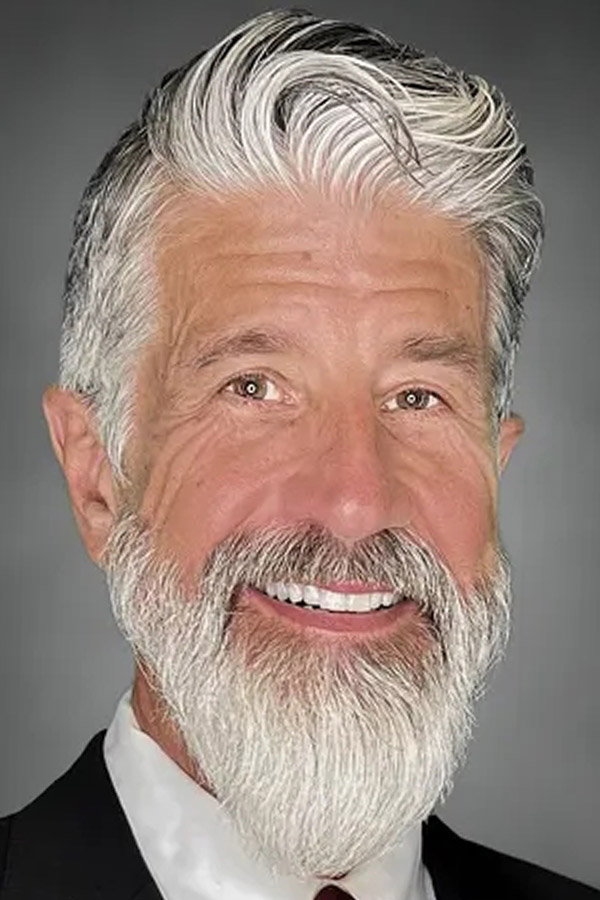
Ken “Abe” McFeeters
Political experience:
Candidate for U.S. House (AL-6, 2024)
Professional experience:
Insurance agent
Key issues: Ken McFeeters has focused his campaign on food independence, education reform, and civil liberties. His platform calls for in-state food processing, backing law enforcement, enforcing stricter immigration policies, maintaining a pro-life position, limiting government surveillance, and introducing education reforms such as a pathway for veterans to become teachers.
Professional experience: Businessman, entrepreneur, and real estate developer, Santivasci has also worked in auto manufacturing and engineering.
Key issues: Santivasci has centered his campaign on encouraging economic growth while reducing taxes and government spending. His proposals include eliminating taxes on overtime pay, fuel, and property, creating a state Department of Government Efficiency, expanding trade education and infrastructure, and increasing support for veterans. He also backs a public vote on establishing a state lottery.
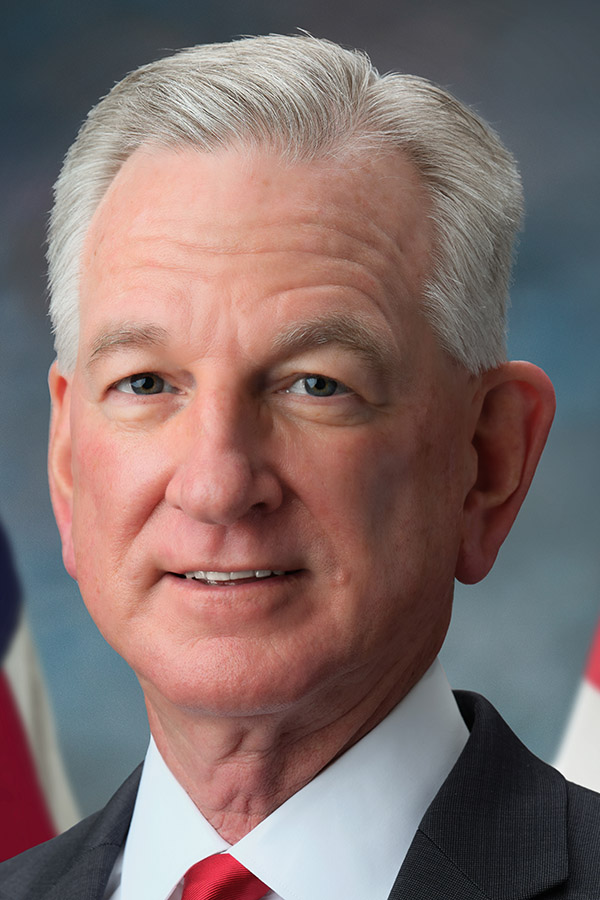
College football coach (Auburn University, others)
Civic experience: Public figure in athletics and politics
Key issues: Tuberville has built his campaign around conservative social policies, economic growth, and public safety. He opposes diversity, equity, and inclusion initiatives, transgender participation in women’s sports, and the use of public funds for abortion. He supports tougher immigration enforcement, gun rights, and law enforcement. He also promotes lowering taxes, growing the manufacturing sector, and school choice. His platform also includes boosting Alabama’s defense, space, and agricultural industries.
NBA LEGEND, PHILANTHROPIST AND BUSINESS LEADER EARVIN “MAGIC” JOHNSON, WHO DELIVERED THE KEYNOTE ADDRESS TO STILLMAN COLLEGE GRADUATES AS STILLMAN CELEBRATES 150 YEARS, THE BIRMINGHAM TIMES, MAY 10.
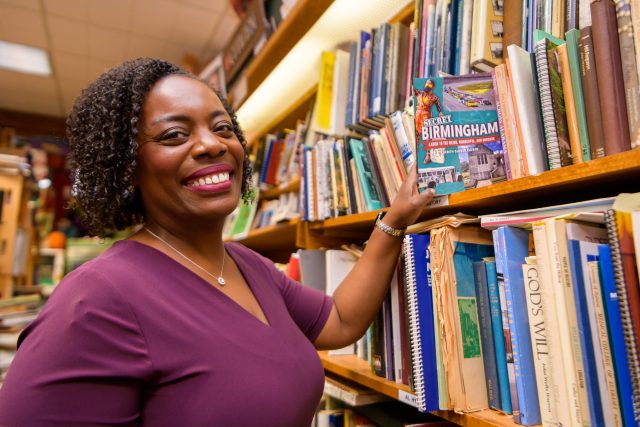
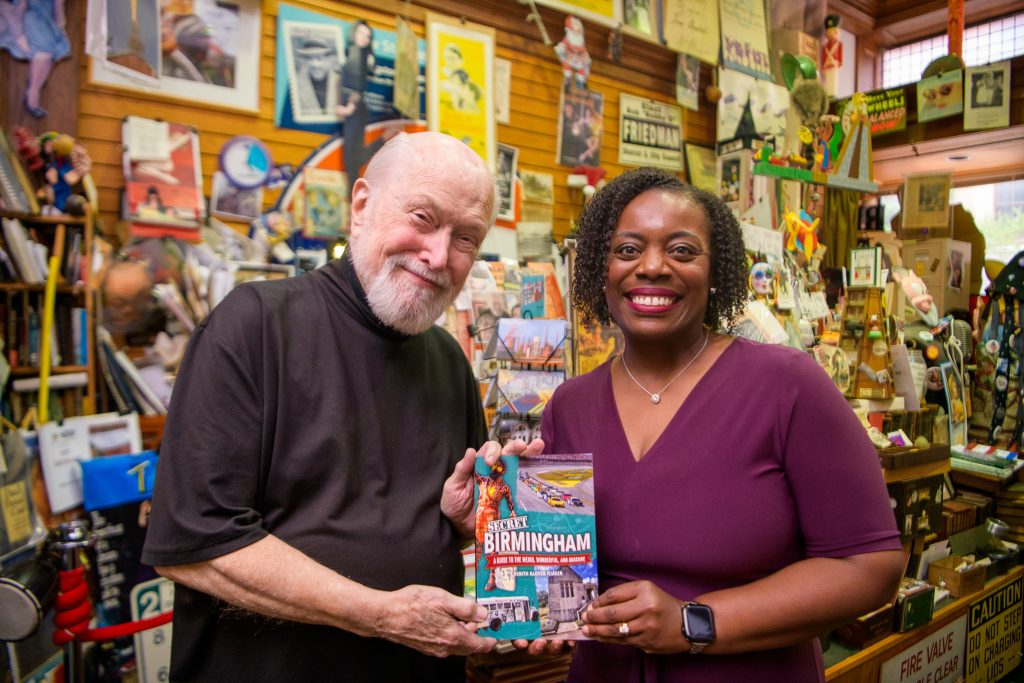
Cherith Glover Fluker, author of “Secret Birmingham: A Guide to the Weird, Wonderful, and Obscure,” in The Museum of Fond Memories at Reed Books. (Amarr Croskey, For The Birmingham Times)
By Cherith Glover Fluker | For the Birmingham Times
Over the past year, I’ve fallen in love with Birmingham all over again. The city itself has remained largely the same, but I have changed. While researching for my book, “Secret Birmingham: A Guide to the Weird, Wonderful, and Obscure,” I began looking at familiar places as if I were seeing them for the first time. I also began searching for places I had somehow overlooked. I slowed down, asked more questions, and wandered a little more than usual.
And somewhere along the way, I became a tourist in a city I thought I already knew.
As vacation season approaches, many families will begin weighing budgets and destinations, searching for the right place to get away. There will be conversations about flights, hotel stays, and how far the budget can stretch this year. But before booking that flight or packing the car, it’s worth considering something closer to home. Some of the most meaningful experiences may already exist just a few miles away.
It took a trip to Washington, D.C., to make that clear to me.
Standing inside the Smithsonian American Art Museum, I came across “The Dreamer,” a work by Joe Minter, a Birmingham artist who has spent decades building something remarkable in his own yard. The piece made me stop and take a closer look. The attached museum placard described Minter’s creation, “African Village in America,” as a deeply moving tribute to African American history, struggle, and survival. The most surprising revelation at that moment was learning its location: Birmingham’s Titusville community. Seeing a Black artist from Birmingham being celebrated in one of the most prestigious museums in the country gave me chills.
There was something jarring about encountering his work hundreds of miles away, framed and contextualized for an audience that may never set foot in Birmingham, while I — someone who had lived in Alabama my entire life — had somehow missed it entirely.
That realization stayed with me long after I left the museum.
Familiarity has a way of dulling our vision. We assume we already know what our city has to offer, and in doing so, we overlook what has been there all along. Birmingham holds more history, culture, and creativity than many of its own residents have ever fully explored. The streets of this city hold so much of that history. Seeing it clearly again begins with one thing: deciding to look.
Birmingham’s Civil Rights history can be found throughout the city. (Courtesy Of Cherith Glover Fluker)
History Hiding in Plain Sight
I visited the Birmingham Civil Rights Institute during Black History Month this year. It had been a while since my last visit, so I wanted to go again. Partly out of intention, and partly because I had been thinking about how often we let the most important places become mere scenery.
I’m glad I went.
Though the exhibits themselves remain as powerful as ever, I was struck by the young people visiting the institute that day. There were several youth groups moving through the galleries that morning, and I found myself stopping to watch them. I watched as curious students leaned in toward the displays, asking their teachers and the docents questions, possibly even leaving with more questions than they’d arrived with. Adults crouching down to meet them at eye level, having real conversations about things that happened in this city, on these streets, not so long ago. That passing of history from one generation to the next in real time is something a textbook simply cannot replicate.
Every time I visit the Civil Rights Institute, I have a different experience. That’s what makes it worth returning to. I suggest going on a weekday morning if you can. Give yourself more time than you think you need. And go with someone you can talk to afterward.
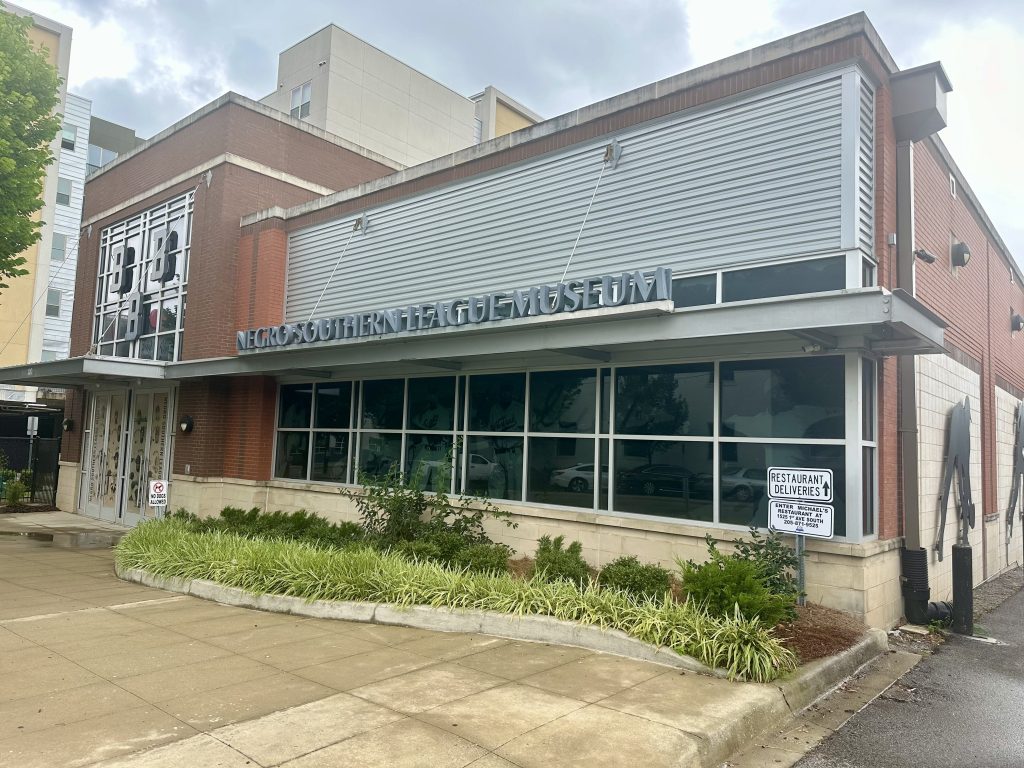
The Negro Southern League Museum tells another essential part of Birmingham’s story. (Courtesy Of Cherith Glover Fluker)
Just a few blocks away, the Negro Southern League Museum tells another essential part of Birmingham’s story. I’ll be honest, I had driven past it more times than I can count before I actually went inside while doing research for my book. It’s a small museum, but it leaves a mark. The entryway alone grabs your attention and makes it immediately clear just how deep the Black contribution to baseball runs and how central Birmingham was to that legacy. The museum honors the players’ talent, resilience, and the joy they brought to communities at a time when they needed it. These were men who were every bit as talented as their white counterparts and never got the recognition they deserved. This museum makes sure they are not forgotten. Walk through it, and you’ll leave with a newfound pride in the city.
Nearby, the Alabama Jazz Hall of Fame, housed in the historic Carver Theatre, offers yet another layer of the city’s history. I went in thinking I knew something about Birmingham’s contributions to jazz. I was wrong. The exhibits are rich, the stories are remarkable, and if you opt for a guided tour, you’ll find yourself in a conversation that goes far beyond what’s on the walls. Birmingham produced Sun Ra, Erskine Hawkins, and musicians who went on to perform alongside Duke Ellington. On certain evenings, the Carver Theatre still hosts live music. If you can catch a live performance there, do it. Hearing jazz in a room that hosted music for nearly a century would be an unforgettable experience.
Cherith Glover Fluker, right, author of “Secret Birmingham: A Guide to the Weird, Wonderful, and Obscure,” with Jim Reed of The Museum of Fond Memories at Reed Books. (Amarr Croskey, For The Birmingham Times)
Places That Stop You in Your Tracks
One thing I’ve learned as I’ve decided to be a tourist in my own town is to stop assuming I know what a place will be like before I get there. I’ve walked into spaces expecting one thing and found the experience to be something else entirely. It’s usually something better, and something that stayed with me well past my time there. That’s exactly what happened with The Museum of Fond Memories at Reed Books.
The first time I walked in, I’ll be honest: I didn’t know where to begin. So many things were competing for my attention. Objects from nearly every decade of the last century fill the shelves, the cases, the walls, and any remaining surfaces. Vintage lunch boxes, old board games, antique toys, and signs and packaging from discontinued food and candy brands are all throughout the store. You’ll find things you forgot existed until you see them, and then suddenly you’re recalling all sorts of memories from your childhood. My first instinct was to step back. My second was to slow down and change my perspective entirely.
Once I did that, the place opened up.
What I found, piece by piece, was something I wasn’t expecting: my own memories. Walking through the aisles unlocks something in you. The more objects I saw, the more memories were unlocked. I talked to Jim Reed, the owner, about how the museum came to be and how it has grown over the years. That conversation alone was worth the trip. He has been collecting, curating, and sharing these pieces for decades, and his love for the work is evident in every corner of the space.
And then there are the books. Nearly 300,000 of them, with some titles dating back centuries. You can easily lose track of time browsing the shelves. Just when you think you’ve seen it all, something else surprises you. And don’t worry if you’re looking for something specific and having trouble finding it. Reed can likely point you right to it.
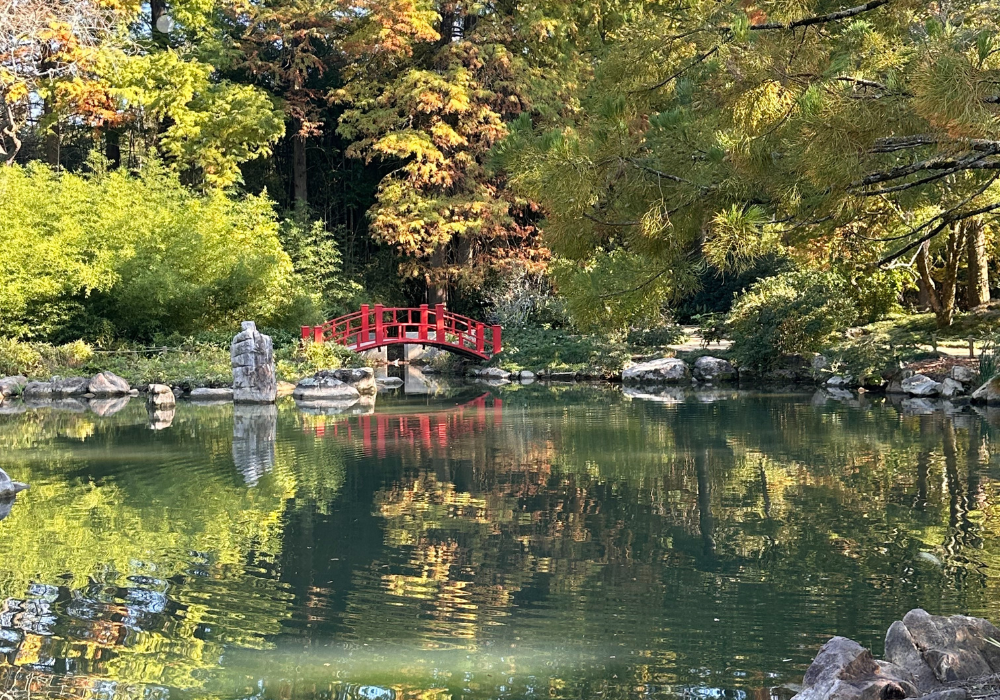
Make sure to explore the Japanese Garden at the Birmingham Botanical Gardens. (Courtesy Of Cherith Glover Fluker)
From there, make your way to the Birmingham Botanical Gardens and make sure to explore the Japanese Garden. I’ll admit the garden meant more to me once I learned its history.
The Japanese Garden dates back to 1965, when the Federated Garden Club of Alabama started raising money for it. They brought in a Japanese-American architect, Masaji “Buffy” Murai, to design it, and it was such a big deal that the Japanese ambassador came to Birmingham for the opening in 1967. In 1985, Birmingham’s sister city, Hitachi, Japan, gifted the garden with a stone lantern to mark the 60th year of Emperor Showa’s reign.
The story behind it added a layer that changed how I walked through it. The bamboo garden draws you in gradually, and somewhere between the stone lanterns and the koi pond, you almost forget that you’re just outside a bustling city. It takes a little effort to find, but the stillness waiting at the end of that walk is worth every step.
A short drive away, Vulcan Park and Museum offers a perspective that changed everything for me. In October, I visited the observation tower at night for the first time. It was an entirely different experience. Standing up there after dark, with Birmingham spread out below, was one of the best views of this city I have ever seen. The sparkle of the lights over the city showed me a side of Birmingham I had never seen before.
Unexpected Attractions
Part of being a tourist in your own town is being willing to be astonished. This means being open to the unexpected.
The Barber Vintage Motorsports Museum does that.
I walked in knowing it held a large motorcycle collection. I’m not sure I understood what large actually meant. The museum is home to more than 1,600 motorcycles and racing cars, holds the Guinness World Record for the largest motorcycle collection, and draws visitors from more than 16 countries.
Bikes are suspended from ceilings, mounted across five floors, and arranged in sweeping displays that feel more like sculpture than exhibition. I was surprised not only by the scale of the museum but also by the stories attached to individual machines. Some of these vehicles are genuinely one-of-a-kind. The museum includes the 1964 Ferrari F-158 in which John Surtees won the Formula 1 World Championship. This iconic piece of motorsports history is sitting right here in Birmingham. People travel from across the world for this experience.
Not far away, the Southern Museum of Flight tells a side of Birmingham’s story that most residents have never considered exploring. Through aircraft, artifacts, and interactive exhibits, it preserves the city’s aviation history. There is more here than most visitors expect.
Then, when you are ready to trade indoor exploration for the great outdoors, head out to Turkey Creek Nature Preserve in Pinson.
I knew Turkey Creek was a beautiful place to spend an afternoon, but I didn’t know it was one of the most ecologically significant sites in Alabama. The preserve is home to five endangered fish species, including the Vermilion Darter, found only in Turkey Creek and nowhere else on Earth. The Rush Darter is similarly found only here. This nature preserve can hold its own against some of the most celebrated natural destinations in the country.
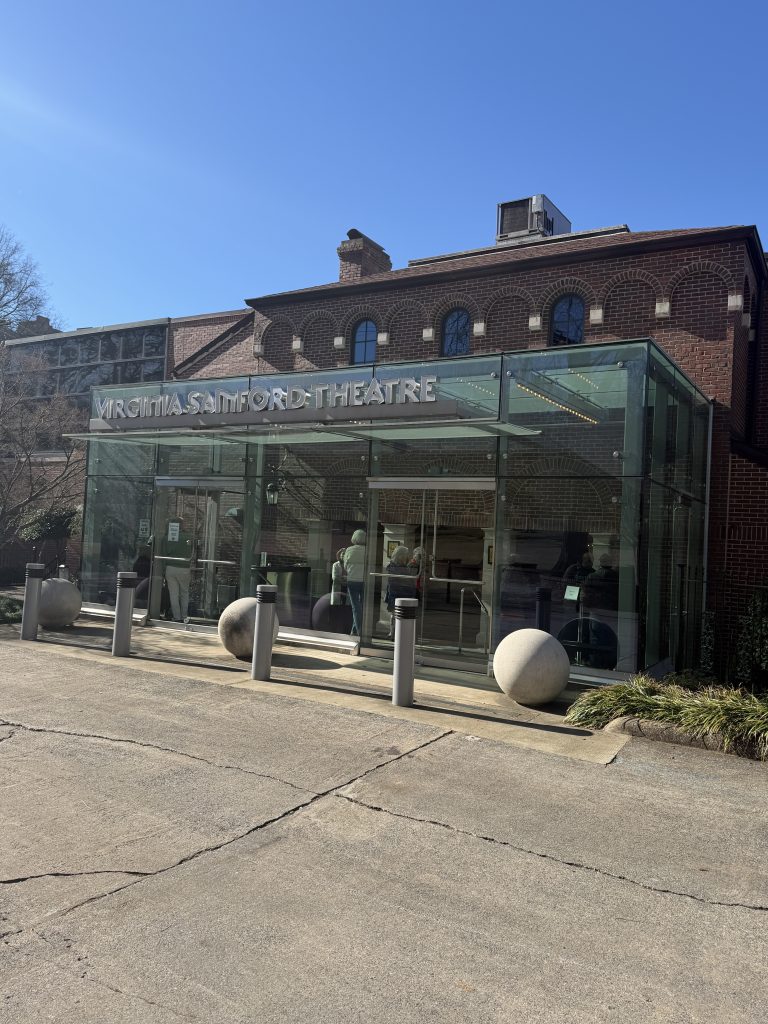
Virginia Samford Theatre is the oldest performing arts venue in Birmingham. (Courtesy Of Cherith Glover Fluker)
Art in the City
Being a tourist in your own town also means showing up for the artists and creators. It means buying a ticket. Filling a seat. Letting the artists and performers who chose Birmingham know that what they make matters.
Virginia Samford Theatre has been doing its part for a very long time.
Founded in 1927, it is the oldest performing arts venue in Birmingham. The theater seats just over 300 people, so there is no bad seat in the house. You are not watching a performance from a distance; you are inside it. Productions of “Little Women,” “Assassins,” and “Who’s Afraid of Virginia Woolf” have all graced the stages at the Virginia Samford Theatre. That range reflects the theater’s commitment to bringing challenging, relevant, and well-respected work to Birmingham audiences.
Beyond theatrical productions, Virginia Samford is also a gathering place for other community events and performances. Most recently, I attended a screening of “Tuxedo Junction,” a documentary that tells the story of how jazz was cultivated and popularized in Birmingham’s Ensley neighborhood in the 1920s through the 1950s.
Check the schedule before you go. I’ve found that there is almost always something on the calendar worth seeing. In an age of streaming and screens, it is nice to be in a room where something live is happening right in front of you.
The Birmingham Museum of Art offers another reason to show up for the arts. Free and open to the public, it houses one of the largest art collections in the Southeast. The collection includes more than 27,000 works spanning thousands of years and dozens of cultures. With rotating exhibitions and special events throughout the year, there is always a reason to come back. You won’t have the same experience twice.
Birmingham has a consistent history of fostering the arts. Our theatres and art institutions are proof of that, and they deserve an audience that shows up for them.
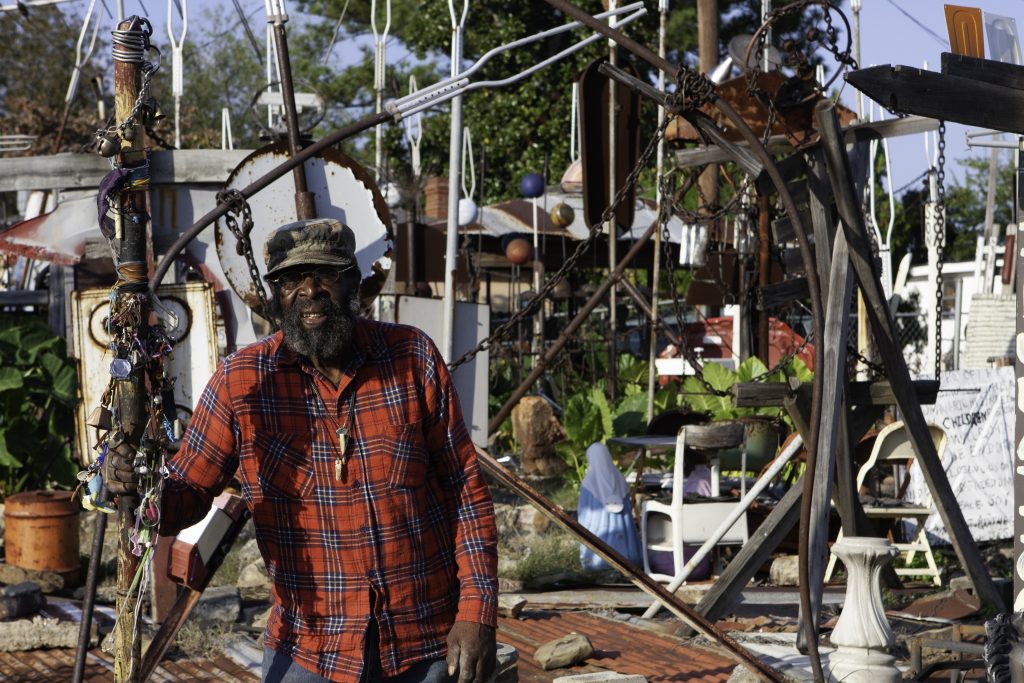
Joe Minter’s “African Village in America occupies the yard of Minter’s home in Birmingham’s Titusville community. (Courtesy Of Kelly Ludwig)
Be a Tourist at Home
After returning from Washington, D.C., I made a decision. I was going to stop overlooking what had always been within reach.
My first mission: find Joe Minter’s “African Village in America.”
The site occupies the yard of Minter’s home in Birmingham’s Titusville community. Minter began building it in 1989, inspired in part by the city’s plans to construct a civil rights museum. He worried the foot soldiers — the everyday people who marched, organized, and sacrificed — would be left out of the official narrative. So, he built his own memorial. Piece by piece, year by year, using salvaged materials: metal, wood, stone, and found objects. More than 100 hand-crafted sculptures and installations now fill the space.
Standing there, I thought about all the things I had driven past without stopping. All the museums I had meant to visit. The trails I hadn’t explored and the performances I had missed. I thought about all the places I had told myself I would get to eventually.
Eventually has a way of never coming if you’re not intentional about making it happen.
Birmingham is a place of remarkable depth. It is defined by resilience, creativity, and a history that continues to unfold on every block. The people and places that carry those stories deserve to be experienced. Not someday, but now.
So, before you finalize those vacation plans, I want to challenge you to be a tourist in your own town. Go back to the Civil Rights Institute and watch the next generation ask the questions you forgot to ask. Go see a show at the Virginia Samford Theatre. Walk into Reed Books without a plan and see what finds you. Drive out to Turkey Creek and let the afternoon slow down the way afternoons used to. Stand on top of Red Mountain after dark and look out over everything this city has built, survived, and become.
You don’t have to go far to find something extraordinary. You just have to decide to look.
Follow Cherith Glover Fluker’s adventures in Birmingham and beyond at whatcherithinks.com.
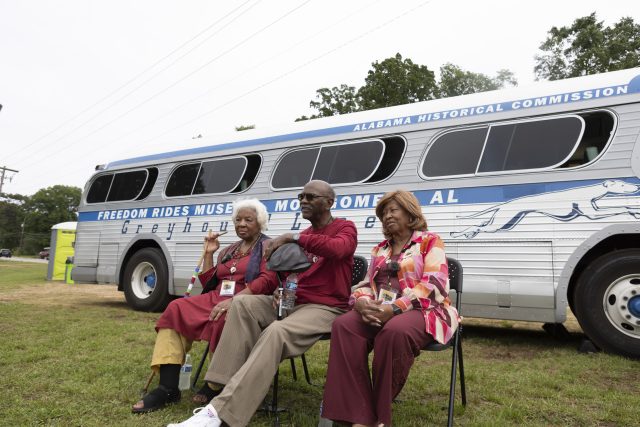
Freedom Riders Dr. Lenora Taitt-Magubane, the Rev. Alphonso Petway, and Kredelle Petway sit outside on the lawn of the Freedom Riders Bus Burning Site in Anniston. (Marika Johnson, For The Birmingham Times)
By Shauna Stuart | For the Birmingham Times
When Kredelle and Alphonso Petway joined the civil rights movement of the 1960s, they were following in the footsteps of their father Rev. Matthew Petway, who had been an activist since the 1950s. The family was based in Pensacola, Fla., but spent time in Montgomery, Ala. Kredelle started out helping people get registered to vote, assisting them with the application process. She helped them understand poll taxes, literacy tests and other suppression tactics the government used to intimidate Black people attempting to cast their votes in the Jim Crow South.
“For me, even at the age of — I think I was 17 or 18 — when I started being a volunteer with the Montgomery Improvement Association, I was amazed at how our people had been so humiliated that they were actually afraid to register to vote,” said Petway.
Alphonso was a youth member of the NAACP in Pensacola. He was deeply disturbed by the 1955 murder of Emmett Till, and reading news articles and seeing the images of Till’s mutilated body ignited a flame of activism in Petway. It was a burning, Petway says, that could not be quenched.
The Petways say their father emphatically encouraged them to get more active in the moment. In 1961, Kredelle and Alphonso joined their father to become Freedom Riders– an interracial group of civil rights activists who risked their lives to desegregate mass transportation systems throughout the South. Their mission: test whether the 1960 Boynton v. Virginia Supreme Court decision barring segregation on interstate buses and travel systems was being enforced. The activists boarded buses and were brutally attacked and arrested at bus stations including in Alabama, where a mob infamously burned one of their buses in Anniston. Of the hundreds of Freedom Riders, the Petways were some of the “few who flew.” Instead of boarding buses, they fought to desegregate air travel in airports in Montgomery, Alabama. and Jackson, Mississippi. The Petways were arrested in Jackson and sent to Parchman Penitentiary in Mississippi.
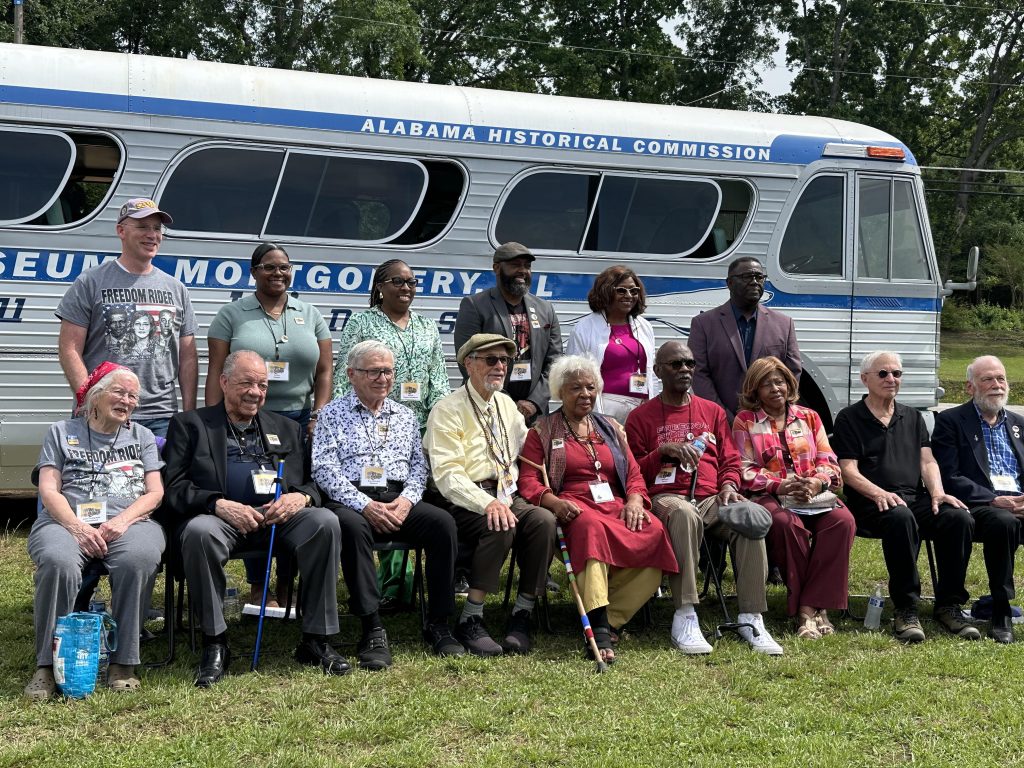
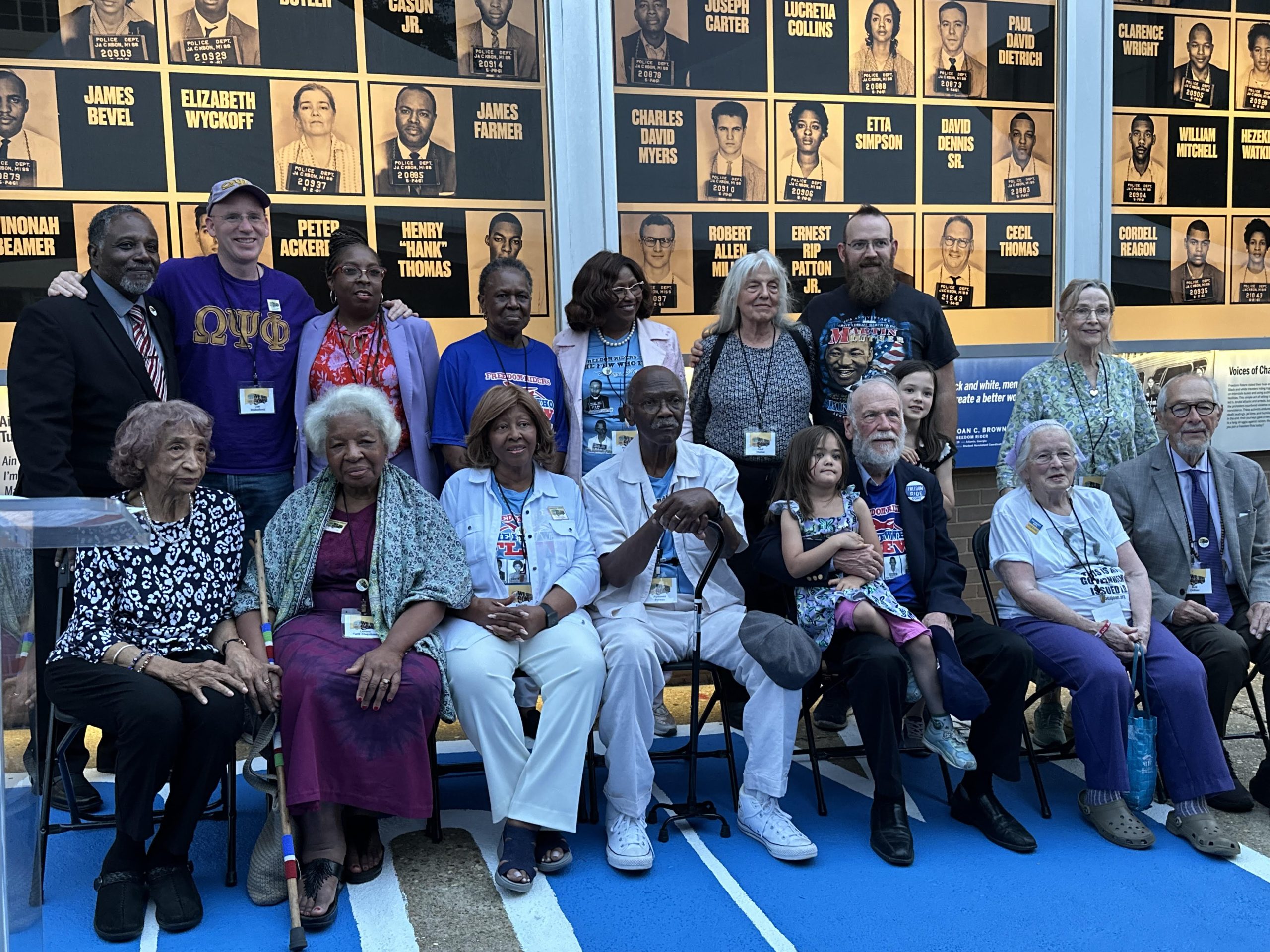
Freedom Riders and family members pose for a group photograph at the Freedom Riders Bus Burning Site in Anniston, Alabama. (Shauna Stuart, For The Birmingham Times)
Now, more than six decades after their series of protests, the remaining Freedom Riders are witnessing another battleground.
Recently, some of the Freedom Riders — joined by their families, community members, and politicians — gathered in Alabama to commemorate the 65th anniversary of the Freedom Rides. The week-long series of events started at the Walton Theatre in Selma and traveled to other historic sites around the state, including the Carver Theatre in Birmingham and the Freedom Riders National Monument in Anniston, culminating in a grand finale celebration at the Freedom Riders Museum in Montgomery. Featuring speeches from the Freedom Riders and their descendants, coupled with performances from the musical “We Shall Someday”, the commemoration was a celebration of living history at sacred spaces of the civil rights movement.
Organizers had planned the commemoration ceremonies over a year in advance. But last week, the events came at a pivotal moment — a new era in the battle for voting rights.
The move immediately ignited southern, Republican-led states to reassess redistricting plans. Alabama Governor Kay Ivey called a special session of the Alabama legislature to authorize plans that would eliminate the state’s only two Democratic majority legislative seats. Last Friday, Ivey signed two bills that would clear the way for Alabama to redraw its congressional maps. On Monday, the Supreme Court issued an order that would allow Alabama to remove one of its majority Black congressional districts. The events have ignited a clarion call of town halls and rallies around the state, including protests at the Alabama State House.
A Surge Back
On Saturday attendees of the 65th Freedom Riders Anniversary Commemoration convened in Anniston at the Freedom Riders National Monument. That morning, they met at the Anniston Greyhound Bus Depot where, in 1961, a white mob attacked a bus carrying the non-violent protestors. That afternoon, attendees gathered nearly 6 miles away at the junction of AL Highway 202 & Old Birmingham Highway — the site where the mob pursued the bus, firebombed it with the Freedom Riders on board, then beat activists as they emerged from the bus.
Gathered under a tent at the sacred ground that once evoked images of fire and smoke, descendants of the Freedom Riders honored the groundwork of their legacy in remarks to the audience. It was a moment that had a double resonance — at the same time, more than 90 miles away, activists were gathering in Montgomery at the Alabama State Capitol to protest the state’s effort to redraw voting maps.
“Democracy does not preserve itself. People preserve it. That’s the enduring lesson of the Freedom Riders,” said Jerrick Lewis, the nephew of the late Freedom Rider and Congressman John Lewis. “The Freedom Riders are still teaching us how to move from fear toward freedom.”
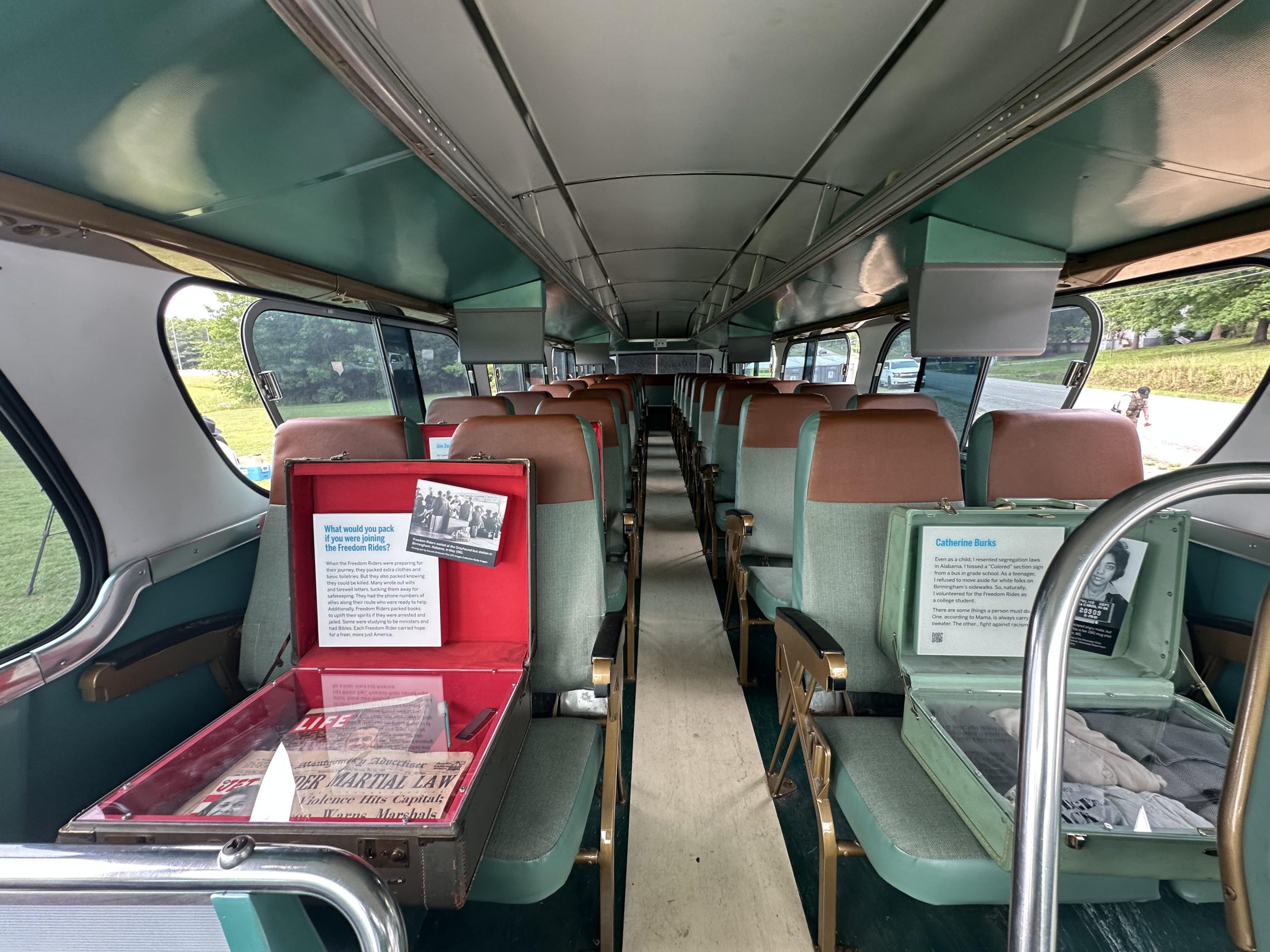
During her speech, Robbie Thomas, the daughter of Dr. Henry “Hank” Thomas — one of the original 13 Freedom Riders, pointed toward a restored 1957 Greyhound Bus parked on the lawn — a model used to demonstrate the bus the Freedom Riders boarded in 1961.
“Seeing this group of people…we may need to create another Freedom Ride,” said Thomas.
“Does that bus still work? Seems like we’re going to have to start the movement up again!”
David Dennis Sr. was 20 years old when he joined the Freedom Rides. A student at Dillard University, he joined the Freedom Rides when they left Montgomery, Alabama, for Jackson, Mississippi, and was one of the first activists to be arrested.
Dennis, now 86, isn’t surprised he’s witnessing a complete dismantling of the Voting Rights Act during his lifetime.
“If you look at it from all the way back to the 1964 Civil Rights Act and 1965 Voting Rights Act, ever since then, there have been things going on in this country to make that surge back,” said Dennis. “So this surge back we’re experiencing now has been a long time in the making, as you might call it. So we’ve got to be ready for it.”
Looking out onto the grounds, Dennis was reverent but still managed a slight smile. He has confidence in modern organizers as they gather for this new political battleground.
“I’m still hopeful, but at the same time, looking at it, a lot of my friends lost their lives to get where we were,” said Dennis. “I feel that personally because this is happening on my watch. I’m one of the last people alive who’ve been through [the civil rights movement], but it’s happening on my watch. So, I’m trying to figure out how I can borrow some more time to get back into the fight.”
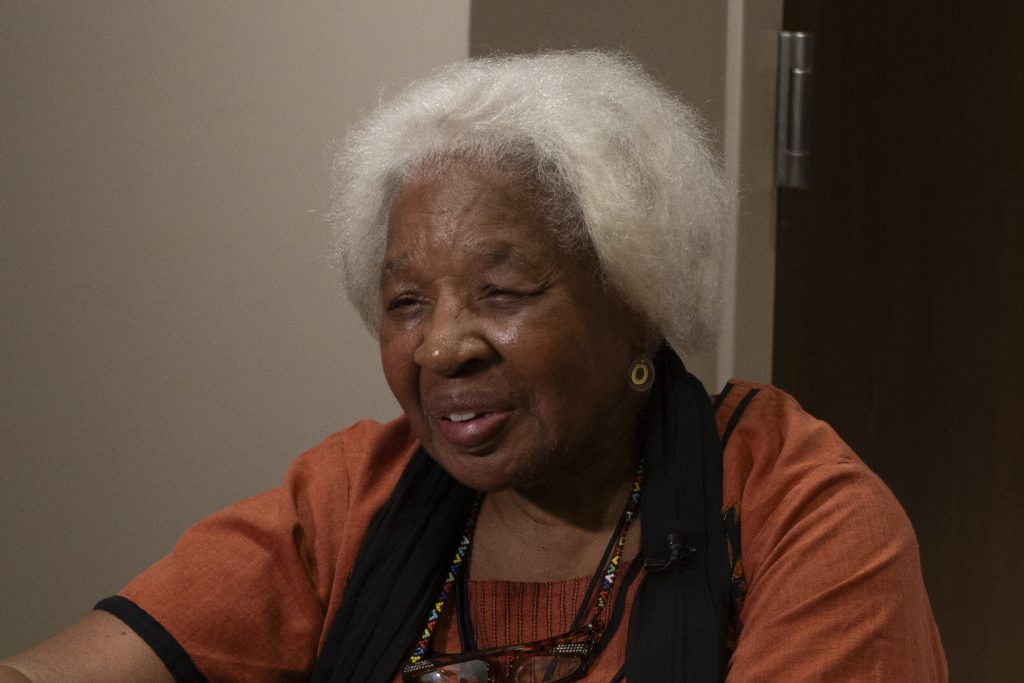
Lenora Taitt-Magubane was 23 and a graduate of Spelman College when she and her fellow Freedom Riders were arrested. (Marika Johnson, For The Birmingham Times)
Lenora Taitt-Magubane shares the same sentiment of hope. She was 23 and a graduate of Spelman College when she and her fellow Freedom Riders were arrested for protesting segregation on trains running from Atlanta to Albany, Ga.
At this juncture, she says the Freedom Riders laid a foundation, but she understands the fight continues.
“We have to keep on. We can’t live on that legacy. It’s like a backdrop,” said Taitt-Magubane.
“Laws have changed. Things have changed around the country. But at this point in time, things are tending to go back. We are not moving forward. And my message to everyone is that it looks hopeless, but we’ve been through worse before and we’ve survived worse before. And we’ve conquered worse before. And therefore, we can never give up hope. We have to continue fighting.”
During his remarks at The Freedom Riders Museum, Rev. Bernard Lafayette III, the son of the late voting rights activist and Freedom Rider Bernard Lafaytte Jr., had words of encouragement for people attending the Freedom Riders commemoration.
“Whatever is torn down can be built back again and built back better. And that’s what we must dedicate ourselves to doing,” said Lafayette. “It’s always darkest before the dawn. And a new dawn is coming.”
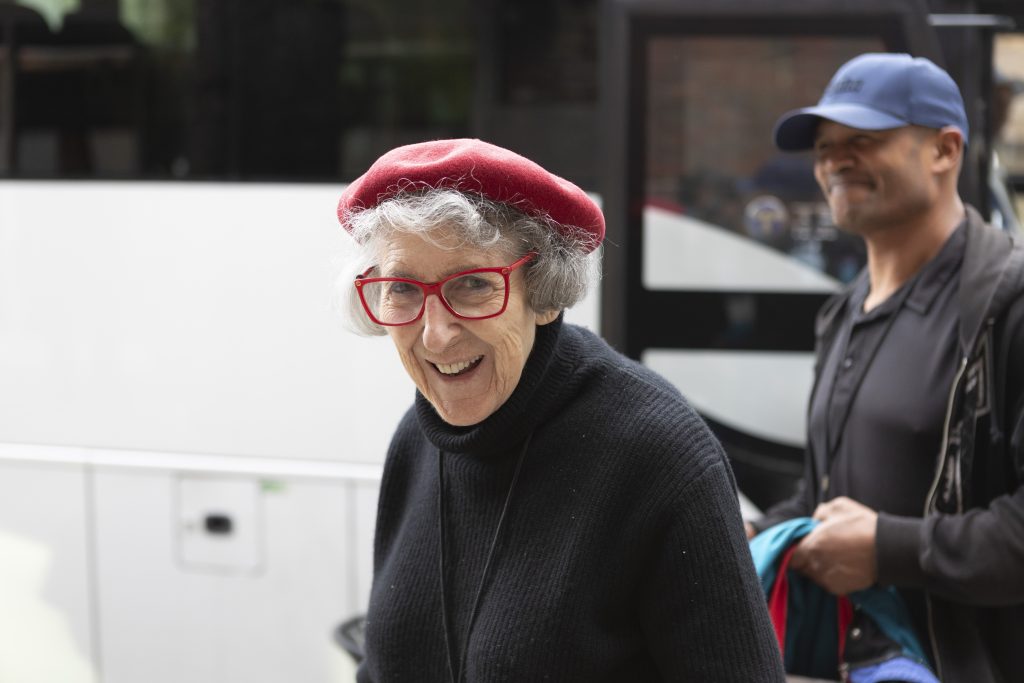
Freedom Riders David Dennis Sr., Henry “Hank” Thomas, and Joan Mulholland stand inside of the Anniston Greyhound Bus Depot. (Justin Hunter, Owl King Photography)
‘This movement has to be reopened’
“Every time politicians see that African Americans are gaining ground, they find ways to dismantle that,” said Kredelle Petway.
Petway hopes that in addition to protesting, activists will make sure to educate the public about the effects of redistricting.
“I can’t imagine some of the ludicrous statements that are being made,” she said. “We do not have a choice at this point. If we don’t educate, and let people know what happened, we risk losing everything we worked for.”
Alphonso Petway knows this emerging battle against redrawing the voting maps will be a long fight.
“This juncture takes on a new meaning because someone else is going to have to get on the bus. This movement has to be reopened. I’m glad I could be a part of it,” said Petway. “In order to keep hope alive, we have to keep the bus moving. We can’t run out of freedom riders and freedom fighters,” he added. “As we talk about and consider passing the baton, I told a young lady I might not be ready to pass mine, but I’ll light another one. I will do that out of obedience. But the flame has not gone out, and the fire is still burning.”
Freedom Rider Carol Ruth Silver outside of the Carver Theatre in Birmingham during the 65th anniversary commemoration of the Freedom Riders on May 7. (Marika Johnson, For The Birmingham Times)
Carol Ruth Silver joined the Freedom Rides when she was 22 years old. She was arrested in Jackson, Miss., and sent to Parchman Penitentiary for 40 days. Silver says she is not only concerned about redistricting, but also for the safety of people who monitor elections. Silver has served as a poll worker for decades, and in 2020, she worked as a poll watcher in Fulton County, Georgia, for the Democratic Party. She says the news that the Department of Justice has demanded the identities of every worker who staffed the 2020 election in Fulton County, Ga., is another suppression tactic to impact both the outcome of elections and the livelihood of people who sign up to work on the polls and “who want to see free and fair elections come about.”
“It’s an intimidation of us,” said Silver. “Because if I knew that the FBI was going to be looking at my personal personnel records, I would not want to be a poll worker.”
Joan Trumpauer-Mulholland was 19 years old when she joined the Freedom Rides. She was arrested in Jackson. Her son, filmmaker Loki Mulholland, directed the 2019 documentary “After Selma,” which examines the history of voter suppression in the United States.
“We’re moving backwards,” she said, frankly.
Her advice to activists on the ground now is simple and straightforward: “Get a plan of action. Always have a lawyer’s phone number with you, and don’t be afraid.”
1 of 5
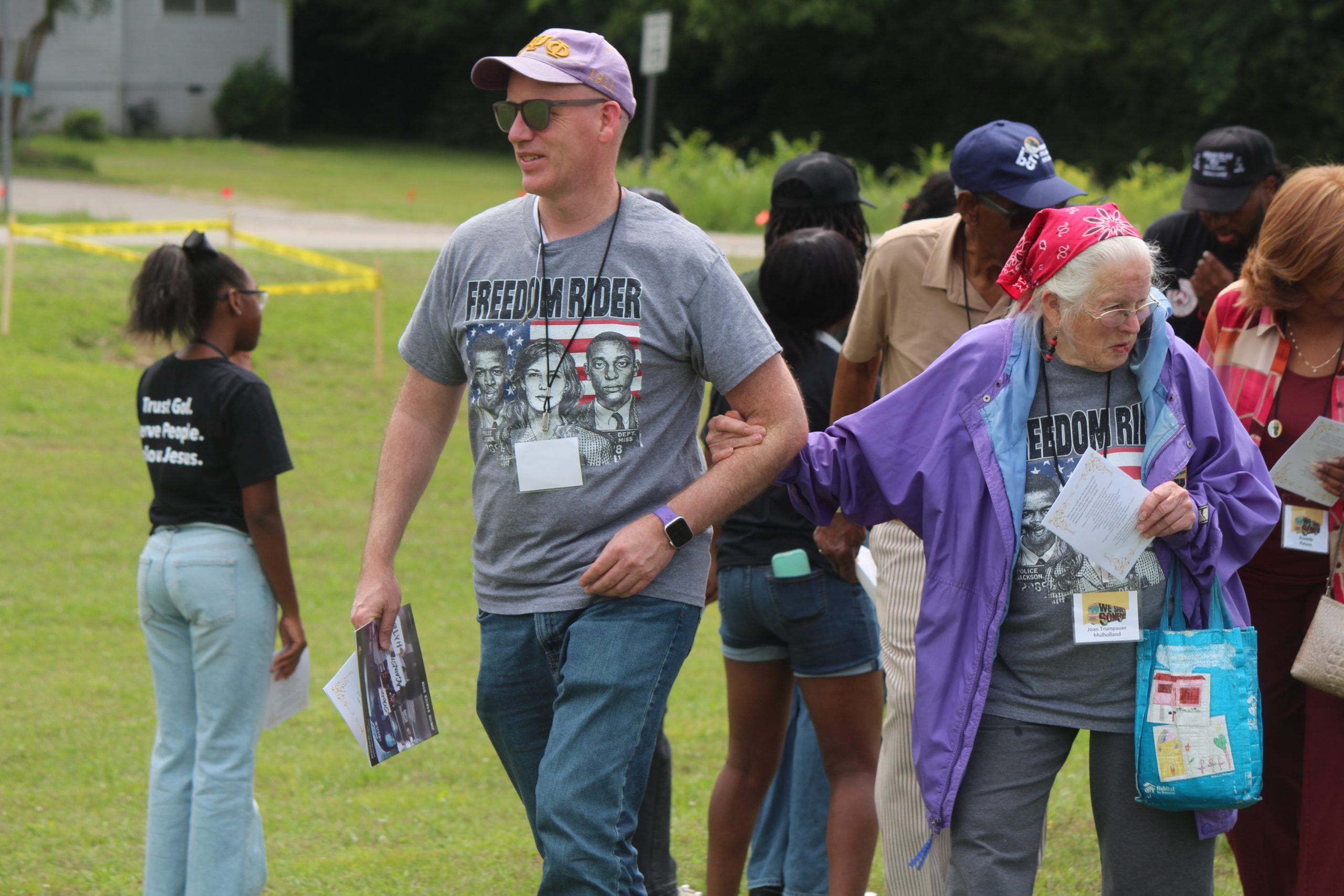
Loki Mulholland and Joan Trumpauer-Mulholland walk on the lawn of the Freedom Riders Bus Burning Site in Anniston during the 65th Commemoration of the Freedom Rides. (Shauna Stuart, For The Birmingham Times)
Freedom Riders and family at Freedom Riders Museum. (Shauna Stuart, For The Birmingham Times)
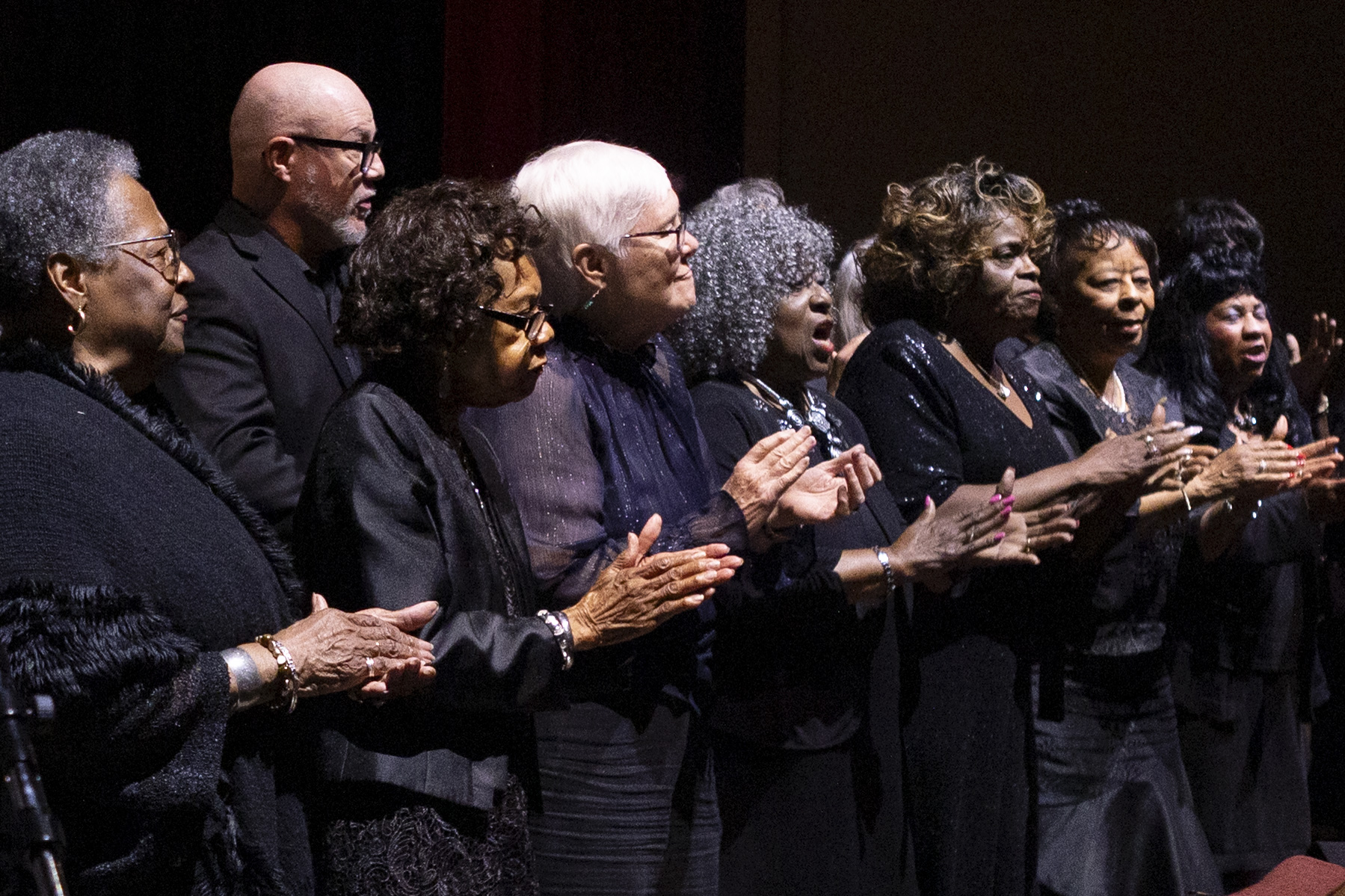
The Carlton Reese Choir at the 65th anniversary commemoration of the Freedom Riders at the Carver Theatre. (Marika Johnson, For The Birmingham Times)
The interior of a remodeled 1957 Greyhound Bus with artifacts from the Freedom Rides. (Shauna Stuart, For The Birmingham Times)
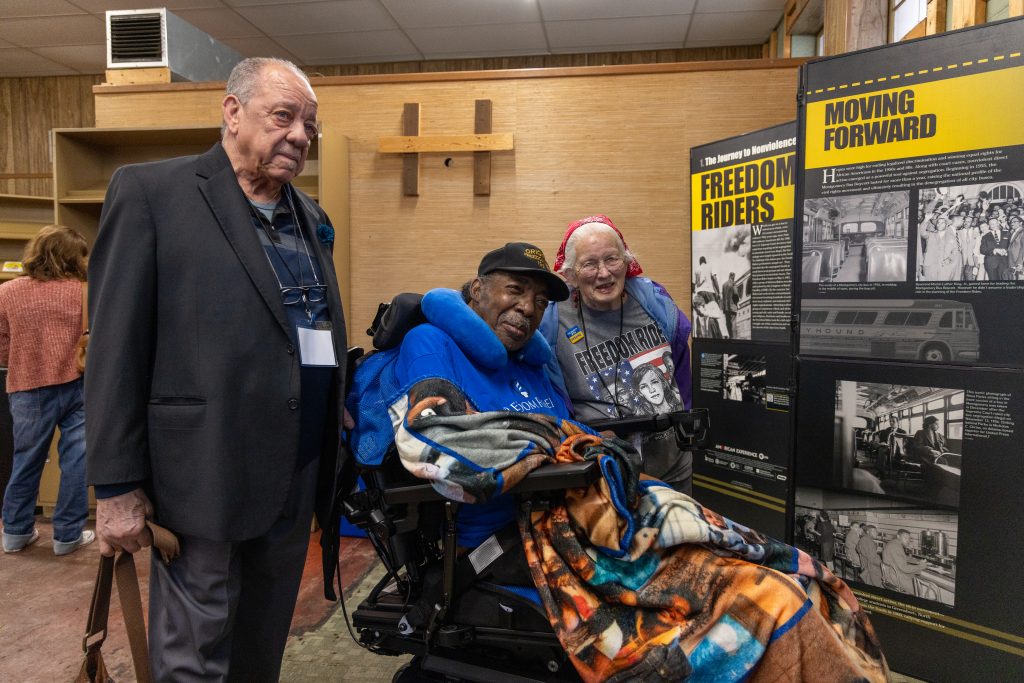
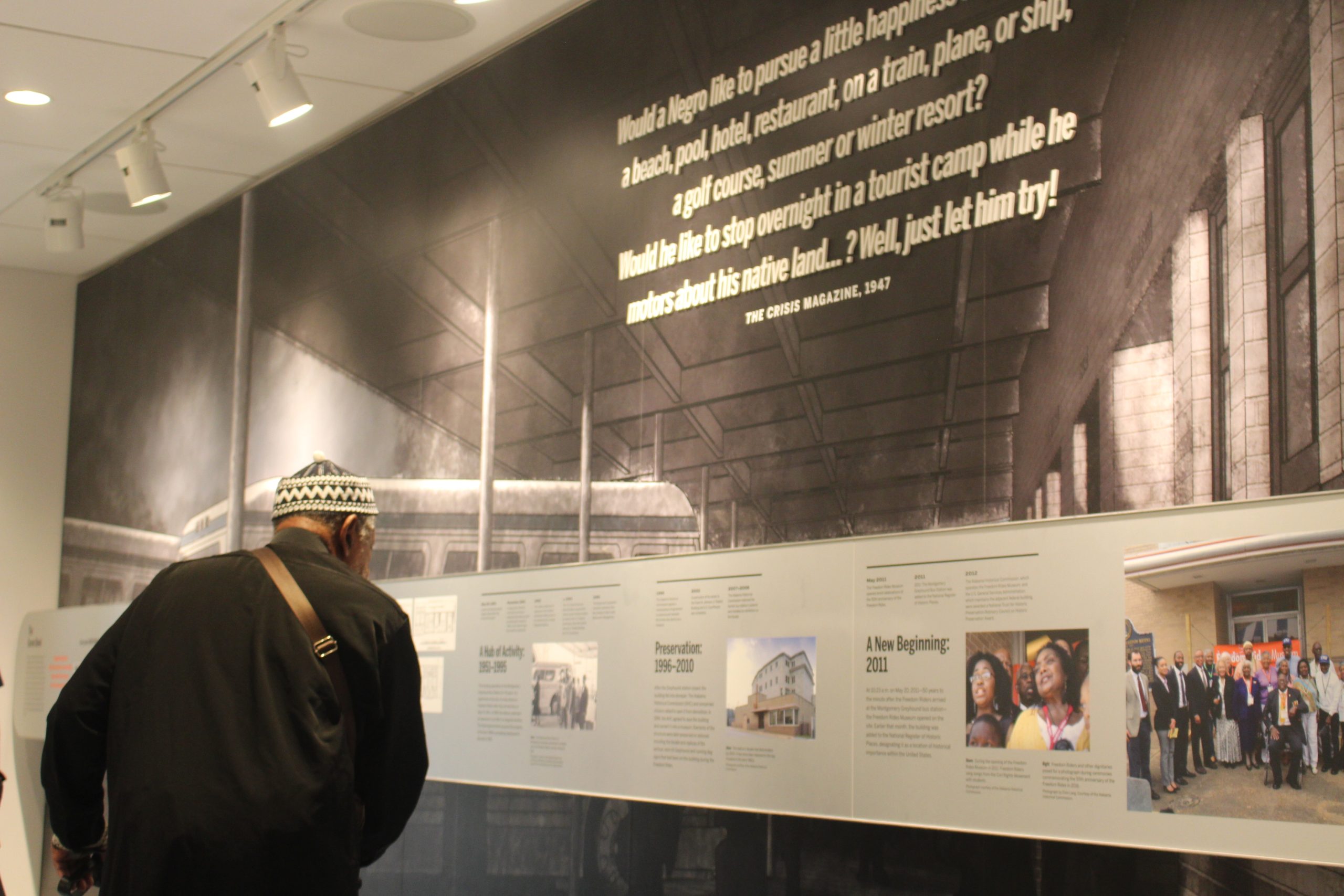
Freedom Rider Ameen Tuungane stops to look at an exhibit in the Freedom Riders Museum on May 11, during the 65th commemoration of the Freedom Rides. (Shauna Stuart, For The Birmingham Times)

 Will Boyd
  Ja’Mel Brown
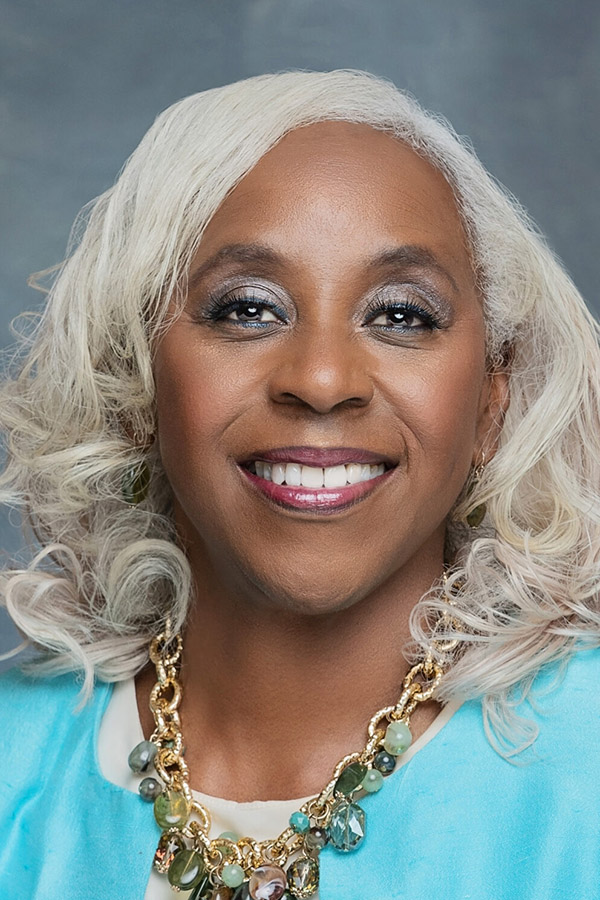 Yolanda Rochelle Flowers
 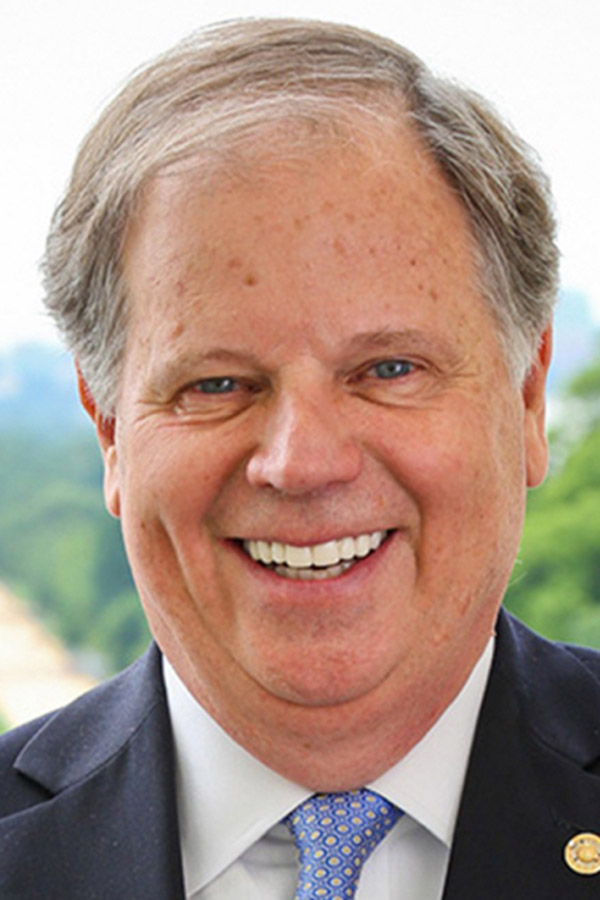 Doug Jones
  Chad “Chig” Martin
 Nathan “Nate” Mathis
  Ken “Abe” McFeeters
 Will “Alabama” Santivasci
  Tommy Tuberville (R)