Home Blog Page 228

Birmingham City Councilors Take Priorities to National League of Cities Conference
0
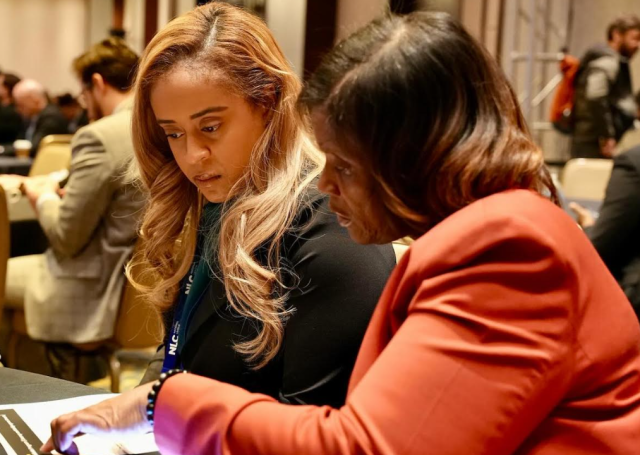
Councilors Crystal Smitherman, left, and LaTonya Tate were reappointed to prominent committee positions with the National League of Cities. (Provided)

birminghamcitycouncil.org

Birmingham City Councilors were among more than 3,000 elected officials from all over the United States last week to converge on Washington D.C. for the National League of Cities Conference.

The officials took the time to share ideas, learn best practices, and have extended meetings with their congressional delegations to help shape policy and priorities for their cities, towns and villages.

Birmingham City Council President Darrell O’Quinn said one of the priorities for the city was the Bipartisan Railway Safety Act which “has the potential to protect and benefit every single American living near a rail line by increasing regulations and appropriating federal funds to install more safety features in places like Birmingham.”

“I feel as though collectively we were able to make a lot of progress on this issue, especially considering the overwhelming support this bill has from local elected officials from all over the country,” he added.

Council Pro Tem Wardine Alexander has spearheaded efforts to increase workforce development opportunities for residents in District 7 and did so again at the conference.

She was awarded the E Pluribus Unum (UNUM) Fellowship Grant to help create a workforce development pipeline between Lawson State Community College and Buffalo Rock that will provide specialized training to fill jobs in the area. She has also focused on working with state legislators to pass key utilities legislation, including 5G infrastructure expansion.

“It is an honor to be able to represent Birmingham through an organization like the National League of Cities,” Alexander said. “My colleagues and I have been able to network with elected officials from all over the country and we’ve planned to implement some of the strategies we’ve discussed … I’ll be working with legislators on ways to improve workforce development opportunities, holistic strategies to address issues surrounding homelessness and increasing broadband access for students across the country.”
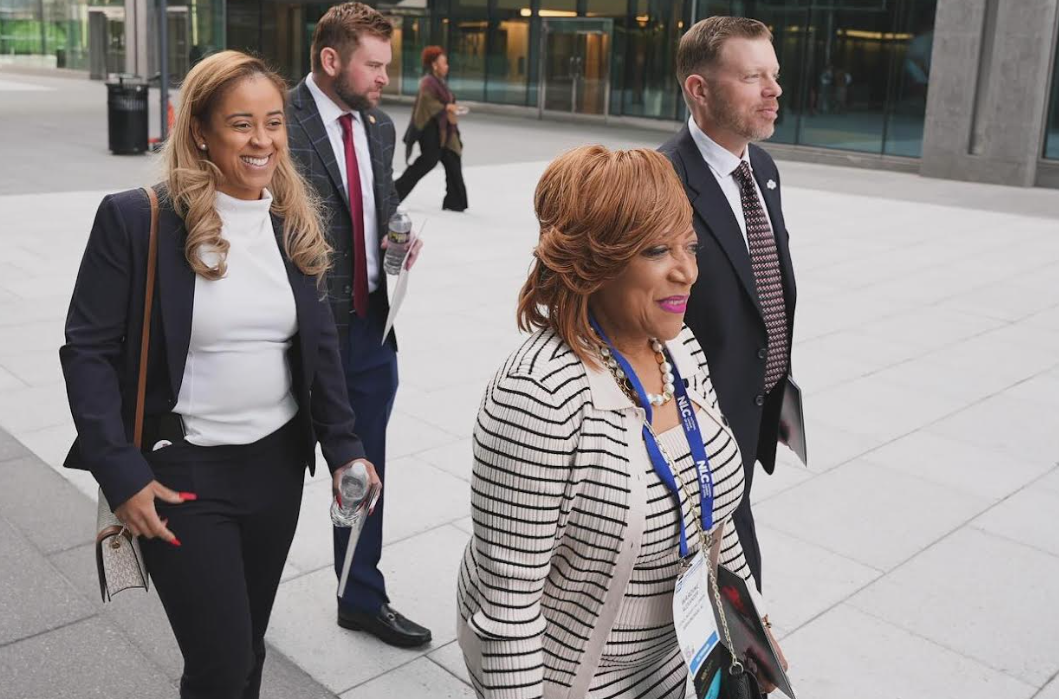
From left: Birmingham Councilors Crystal Smitherman; Hunter Williams; President Pro Tem Wardine Alexander and President Darrell O’Quinn during National League of Cities Conference in Washington D.C. (Provided)

O’Quinn, Alexander and Councilors Crystal Smitherman and LaTonya Tate were all been reappointed to prominent committee positions with the NLC.

O’Quinn was re-elected to serve on the NLC’s Board of Directors, Alexander was re-elected as the NLC’s Regional Director for the National Black Caucus of Local Elected Officials, and Smitherman is continuing in her role on the Finance, Administration and Intergovernmental Relations Committee with NLC and Tate was appointed to the Public Safety and Crime Prevention Committee.

Tate, who chairs the Council’s Public Safety Committee, was elected to a one-year term, and will provide strategic direction and guidance for NLC’s federal advocacy agenda and policy priorities on public safety.

“It is an honor to be able to represent Birmingham through an organization like the National League of Cities,” Tate said. “I’ll be working with legislators from across the country on ways to improve public safety and develop holistic strategies to address issues surrounding crime and violence intervention, especially among our young people.”

Here is a brief synopsis of a few key issues that were discussed with congressional leadership that could benefit Birmingham residents:

Airfield Safety and Expansion and BHM

The current runway and taxing position at Birmingham Shuttlesworth International Airport does not meet FAA safety standards, which limits the number of aircraft that can be accommodated at one time. Taxiway improvements would not only make the airport safer, but it would also significantly increase the economic opportunities for more cargo traffic.

The current cost of the project is $100 million but could be completed in phases. The request is for $20 million with the FAA Airport Improvement Program to help with the planning, design and construction of a portion of the airport’s primary runway.

Birmingham Police Department Vehicle Upgrades

As it stands, the Birmingham Police Departments Vehicles are, on average, over the standard mileage of 120,000. The aging fleet is in need of replacement and repairs to aid with call times and day-to-day operations. In 2023, the Birmingham Police Department responded to 442,396 calls, putting a substantial strain on the current vehicle fleet.

The request is for $2 million from the Department of Justice for the acquisition of 25 new patrol vehicles for BPD.

Birmingport Redevelopment

Located on 614 acres along the Black Warrior River, Birmingport is capable of handling intermodal cargo due to the fact it also has access to a rail line. However, there is not currently a controlled storage facility on the property, which severely limits the operational capacity of the port – it only operates at 5 percent of its overall capacity.

According to an analysis conducted by Auburn University, every dollar invested into the port would generate up to four dollars for the region. The request from the U.S. Department of Transportation would be for $12 million in Port Infrastructure Improvement Grants to assist with warehouse construction, rail spur extensions and push boat acquisitions.

EJI to Open 17-Acre Freedom Monument Sculpture Park on March 27 in Montgomery

0
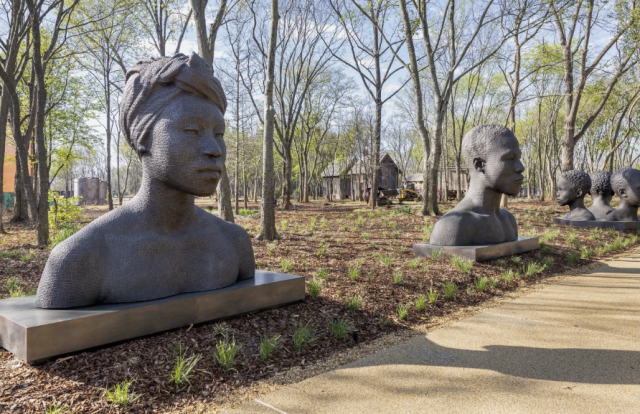
"Black Renaissance" by Rayvenn D'Clark, bronze, 2023 in Equal Justice Initiative's Freedom Monument Sculpture Park in Montgomery. Alabama. (AP Photo/Vasha Hunt)

eji.org

Equal Justice Initiative (EJI) has announced that the Freedom Monument Sculpture Park will open on March 27. The 17-acre site combines historical artifacts, contemporary art, original research, and first-person narratives to provide an authentic and historically significant space that explores the institution of slavery, the lives of enslaved people, and the legacy of slavery in this country.

The enslavement of 10 million Black people has shaped the legal, cultural, social, and economic character of the United States in profound ways but the history of enslavement and the lives of enslaved people have often been ignored.

The Sculpture Park seeks to address this lack of education and also seeks to honor the millions of people who endured the brutality of slavery and created a more hopeful future for this country. The Freedom Monument Sculpture Park joins EJI’s award-winning Legacy Sites — the expanded Legacy Museum and the National Memorial for Peace and Justice.

“I believe this will become a special place for millions of people who want to reckon with the history of slavery and honor the lives of people who endured tremendous hardship but still found ways to love in the midst of sorrow,” said Bryan Stevenson, Founder and Executive Director of the EJI. “Many of us are the heirs to that extraordinary perseverance and hope. There is a lot to learn at this site and we want everyone to experience it.”

The Freedom Monument Sculpture Park presents many historically significant objects, structures, and totems. 170-year-old dwellings from cotton plantations, restraints, and historical objects that represent the violence of slavery, and replicas of critical structures like rail cars and holding pens enable a more detailed understanding of the experience of enslaved people. Bricks made by enslaved people 175 years ago can be seen and touched. The site also presents powerful stories of survival, perseverance, hope, and resistance to the dehumanization that slavery created.

From a short history about Indigenous Peoples to an examination of Africa before and after the arrival of Europeans, the Sculpture Park contextualizes the history of slavery so that a more nuanced and informed understanding of this institution and its legacy is possible.

Also explored are the transatlantic trade of African people and the domestic trade of enslaved people in the United States; the laws of slavery in America; the labor of enslaved people; and escape, rebellion, and resistance to slavery. Love, death, family, and faith among enslaved people are acknowledged at different sections of the Park.

The National Monument to Freedom, standing 43 feet tall and 155 feet long, marks the culmination of the journey through the Sculpture Park. Using research from the 1870 Census, which was the first time formerly enslaved Black people were able to formally record a surname, the Monument individually lists over 122,000 surnames that nearly five million Black people adopted at the time and that tens of millions of people now carry across generations.

A sculpture named “We Am Very Cold” by Kwame Akoto-Bamfo. bronze, 2023 in Equal Justice Initiative’s Freedom Monument Sculpture Park in Montgomery. (AP Photo/Vasha Hunt)

At EJI’s Visitors Center, guests are able to learn more about the counties and states associated with the names of formerly enslaved people, and visitors can use the kiosks to advance genealogical research or trace family histories.

The art collection at the Sculpture Park is one of the most significant narrative collections in the world, a curated effort featuring newly commissioned works by artists including Charles Gaines, Alison Saar, and Kwame Akoto-Bamfo, alongside major sculptures from Simone Leigh, Wangechi Mutu, Rose B. Simpson, Theaster Gates, Kehinde Wiley, and Hank Willis Thomas.

The art works in tandem with historical artifacts to dramatize the brutality of slavery while simultaneously illuminating the strength, dignity, and power of enslaved people and their descendants.

Freedom Monument Sculpture Park is located on the banks of the Alabama River, bordered by rail lines built by enslaved people. The River was also home to Indigenous Peoples who occupied these lands for centuries before the arrival of Europeans in the 16th century, a history which is acknowledged at the Sculpture Park.

The Alabama River flows through the Black Belt of Alabama and was a center of commerce throughout much of the 19th century. Large plantations were built along the river’s banks where goods and produce could be easily shipped to distant locations. Forming just north of Montgomery, the river flows 318 miles through counties which held some of the largest populations of enslaved people in the country. By the 1850s, rail became the most common mode of moving and selling enslaved people, and hundreds of enslaved Black people arrived in Montgomery each day. By 1860, nearly 400,000 Black people were enslaved on or near the Alabama River.

The Alabama River also has an enduring legacy with regard to Civil Rights and flows under the Edmund Pettus Bridge in Selma, Alabama, which was the site of the most significant efforts for voting rights for African Americans.

Through its significant location, artwork, and historical research and context, the Freedom Monument Sculpture Park presents a significant space for visitors to deepen their understanding of the institution of slavery and its legacy, while honoring the lives of the people who were enslaved.

Legacy Sites Website: legacysites.eji.org
Facebook: facebook.com/thelegacysites
Instagram: instagram.com/legacysites
Twitter: twitter.com/legacysites

About Equal Justice Initiative

The Equal Justice Initiative (EJI) is committed to ending mass incarceration and excessive punishment in the United States, to challenging racial and economic injustice, and to protecting basic human rights for the most vulnerable people in American society. Founded in 1989 by Bryan Stevenson, a widely acclaimed public interest lawyer and best-selling author of Just Mercy, EJI is a private, 501(c)(3) nonprofit organization that works with communities that have been marginalized by poverty and discouraged by unequal treatment, and we are committed to changing the narrative about race in America.

School Attendance Incentives for Birmingham Students Showing Signs of Success

0
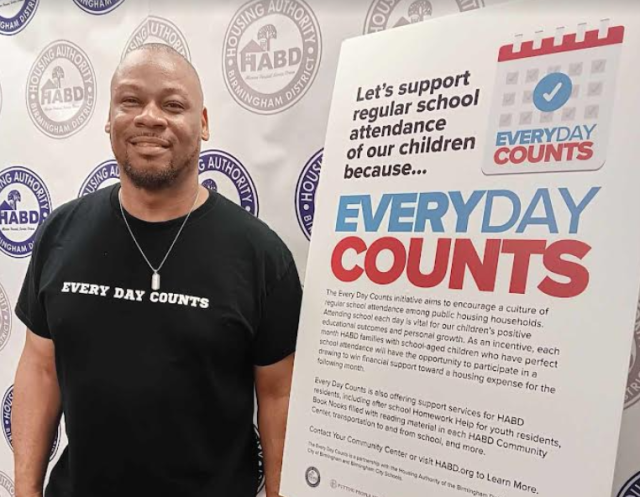
Larry Williams, Chief of Housing Operations and Programs at HABD, after announcing February's winners of Every Day Counts on Friday. (Keisa Sharpe-Jefferson, For The Birmingham Times)

By Keisa Sharpe-Jefferson | For The Birmingham Times

Birmingham’s Every Day Counts program, an effort to combat truancy, is gaining momentum.

The initiative incentivizes Housing Authority of Birmingham District (HABD) parents to get their children to school each day with the possibility of winning cash rewards (to be used for rent or utilities).

The program is a partnered effort between the City of Birmingham, Birmingham City Schools and HABD.

On Friday, HABD held its first official drawing for families who will receive a financial reward toward their housing or a utility expense as a result of children having perfect attendance for the month of February.

Larry Williams, Chief of Housing Operations and Programs at (HABD) announced the latest winners of the program.

Two months ago, only two public housing households qualified for the drawing, but in February, 135 students qualified.

“Holistically, you have to look at the family and if you provide the support to the (entire) family, you get more success in outcomes,” said Williams.

While the monetary incentive and family programs are tools, the ultimate goal is for the child to succeed, he added.

“I think the most important thing is to make sure that kids are being educated. We all know that if they are not in school, they are not being educated,” said Williams. “So, this is about really pushing them and getting them excited about learning, and so we want to make sure that we do that throughout all of our communities.”

Birmingham Mayor Randall Woodfin, who strongly advocated for the program, said, “the attendance incentive program is working … shot out to our Housing Authority, school system, and all our partners for supporting the initiative. Thank you parents.”

Williams also shared another Every Day Counts update: 65 youth residents receiving homework assistance and 42 adult residents participating in literacy programming during the month of February.

He said the effort could not happen without the support of their sponsors.

“From the initial kickoff, we had a number of people from that event reach out to us and provide donations and even (pledge to) provide continuous support going forward,” said Williams.

Each month, he added, they seek additional sponsors for the program.

Williams credited the increase in households to having better, more open access to data. All three partners have worked together to get the word out “through flyers and social media, but we also had the school district reach out to us immediately to get all the information to put into the students’ bookbags to go home to parents and things like that,” he said.

The HABD official also confirmed that the program could be in place again next year “because I think the way we were looking at it is, an entire school year will give us the opportunity to really determine if we’re having a huge success and what the impact of it is,” he said.

And Williams added that it’d be an honor if the Birmingham program is copied. “Anytime you do something, and other people look at it as a success and duplicate it on their own, I think that’s a compliment to the success and everybody coming together to work on behalf of the parents and students,” he said.

UAB Expert Shares 5 Steps for a Cleaner, Safer Water Bottle

0
A UAB assistant professor explains neuroplasticity and offers tips to help maintain newly set goals and habits in the new year. (Adobe Stock Photo)
Name-brand water bottles have become the newest trend, but what happens when they are not properly cleaned? One UAB expert explains how bottles are a breeding ground for mold and bacteria.Reusable water bottles have taken the social media world by storm, and while trends rise and fall, one thing remains — water bottles create an ideal breeding ground for mold growth.

When a bottle is not dried properly, moisture can accumulate, and even small amounts of residual moisture can make drinkware more susceptible to mold.

“Mold spores, which are ubiquitous in the environment, can settle on damp surfaces and begin to grow,” said Benjamin Turner, instructor in the University of Alabama at Birmingham’s Department of Biology. “Additionally, if the water inside the bottle is not replaced regularly, organic matter from saliva or other contaminants can provide nutrients for mold to thrive.”

Turner says reusable water bottles can be a convenient and environmentally friendly option, but that regular cleanings are imperative to prevent mold growth.

What Is Mold?

Mold is a type of fungus that grows in tiny, thread-like structures called hyphae. It comes in many colors, like green, black or white, and often looks fuzzy or slimy. Mold likes to grow in damp and warm places, and it spreads by releasing tiny spores into the air.

“These spores can land on surfaces and start new mold colonies,” Turner said. “Sometimes mold can be helpful, like in making cheese or medicine; but other times it can be harmful, causing allergies or damaging buildings and food.”

How Do You Properly Sanitize a Cup?

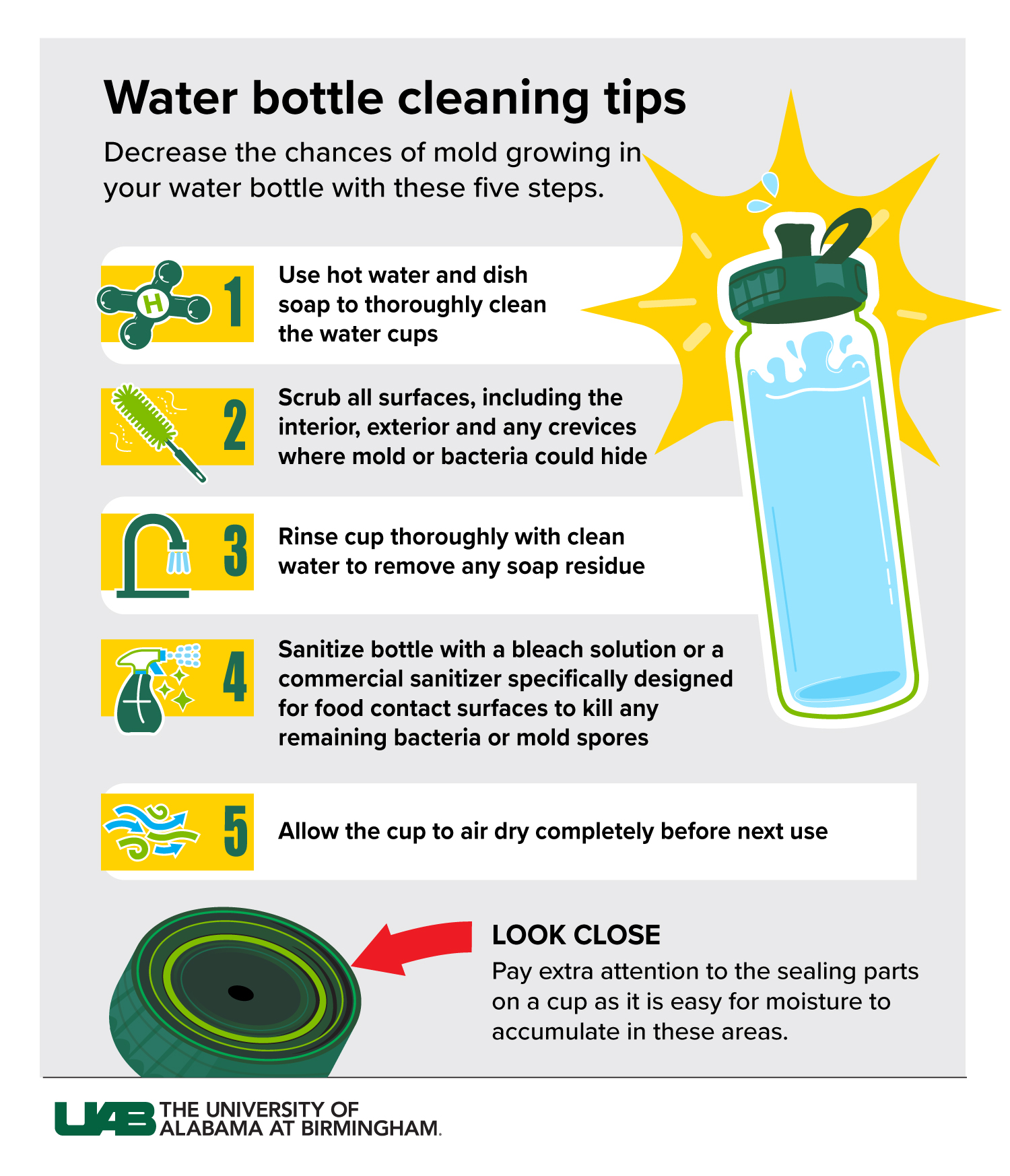
Water cups should be cleaned regularly, ideally daily, to prevent mold growth. If the same cup is not used every day, Turner says, clean it every few days to prevent any mold or bacteria buildup. He recommends the following ways to properly clean water bottles:

  • Use hot water and dish soap to thoroughly clean the water cups.
  • Scrub all surfaces, including the interior, exterior and any crevices where mold or bacteria could hide.
  • Rinse cup thoroughly with clean water to remove any soap residue.
  • Sanitize bottle with a bleach solution or a commercial sanitizer specifically designed for food contact surfaces to kill any remaining bacteria or mold spores.
  • Allow the cup to air dry completely before next use.

Large WBGraphic by: Jody Potter, UAB

Pay extra attention to the sealing parts on a cup as it is easy for moisture to accumulate in these areas. Turner recommends disassembling the parts and cleaning them thoroughly to ensure all traces of moisture and debris are removed.

“It is important to clean any rubber sealing parts, straws or lids that may have crevices where moisture can accumulate — these areas can be hot spots for mold growth if not properly cleaned and dried,” Turner said. “Inspect them regularly for any signs of mold or mildew growth, and immediately clean and sanitize the cups again if found.”

Is It Harmful To Ingest Mold?

While not all molds are harmful, ingesting mold is generally not recommended, especially in large quantities. Turner says the primary concern with mold exposure typically comes from inhalation or skin contact rather than ingestion.

“When mold spores are inhaled or come into contact with the skin, they can cause a range of health issues, particularly for individuals with allergies, asthma or weakened immune systems,” Turner said. “It’s important to note that the severity of the health effects can vary widely depending on individual susceptibility, the type and concentration of mold present, and the duration of exposure.”

Common symptoms of mold exposure include respiratory problems such as coughing, wheezing or throat irritation, as well as nasal congestion, skin irritation and, in severe cases, mold-induced infections.

To reduce the risk of mold exposure, Turner recommends looking for reusable, dishwasher-safe water bottles made of materials like stainless steel or BPA-free plastics when purchasing drinkware.

Black Veterans with PTSD Have a Higher Risk of Rehospitalization After a Stroke

0
For Black veterans, the impact of PTSD can be even greater and more difficult to get help for due to cultural stigma, and more. (Adobe Stock)

Results showed that African American veterans with PTSD had a higher risk of rehospitalization than those without PTSD. However, white veterans with PTSD did not have a significantly higher risk of rehospitalization post-stroke. People with post-traumatic stress disorder have a higher risk of heart disease and stroke. Additionally, veterans are more likely to develop PTSD than civilians, with 23 percent of veterans who receive VA care being diagnosed at some point in their lives.

Researchers from the University of Alabama at Birmingham and the Birmingham Veterans Administration conducted a study evaluating the effect of PTSD on post-stroke outcomes and rehospitalizations. Results showed that African American veterans previously diagnosed with PTSD were significantly more likely to be rehospitalized than those without PTSD. The results were published today in Stroke, the peer-reviewed scientific journal of the American Stroke Association, a division of the American Heart Association.

“If PTSD affected post-stroke outcomes, we expected it would be for veterans across the board,” said Chen Lin, M.D., associate professor in the UAB Department of Neurology, neurologist at the Birmingham Veterans Administration and senior author of the study. “Instead, we found that the African American veteran population with PTSD had a significantly higher risk than white veterans with PTSD.”

Using the VA database, Lin and the study team analyzed 93,651 African American and white veterans who had a previous stroke. Besides PTSD, Type 2 diabetes or illicit drug use were associated with a higher risk of rehospitalization in the African American population. However, heart failure or high cholesterol was associated with a higher rehospitalization risk in white veterans.

“The only factors that increased the risk of rehospitalization in both white and African American veterans post-stroke were high blood pressure, prior heart attack and the narrowing of arteries outside of the heart,” Lin said.

Lin hopes the results will improve post-discharge stroke outcomes, as well as help mitigate risk factors.

“Post-discharge care can be challenging, whether it is making it to follow-up appointments or living with disabilities that limit one’s abilities, like walking or driving,” Lin said. “Identifying risk factors, and who has the highest risk, can help physicians provide more targeted care and hopefully prevent rehospitalizations.”

Syncopated Ladies LIVE to Perform April 7 at UAB’s Alys Stephens Center

0
See Chloé Arnold’s Syncopated Ladies LIVE on Sunday, April 7, at the University of Alabama at Birmingham, presented by the Alys Stephens Performing Arts Center. (Provided)

See Chloé Arnold’s Syncopated Ladies LIVE on Sunday, April 7, at the University of Alabama at Birmingham, presented by the Alys Stephens Performing Arts Center.

This female tap-dance band — and viral tap dance sensation — from Los Angeles, California, features fierce rhythms and fast footwork. Created by Emmy Award-nominated tap dancer and choreographer Chloe Arnold, protege of Debbie Allen, Syncopated Ladies are the music AND the dance. Their full-length concert is a high-energy dance performance featuring hip-hop, jazz and tap set to hit pop songs from such artists as Beyoncé and Justin Timberlake. With a sharp sound and look, this crew of fly girls is on a tap mission, ready to deliver rhythm and style to the world.​

The performance will be at 6 p.m., and doors open at 5 p.m. Ticketholders can enjoy a lobby party as well as food trucks Fat Charles BBQ and Chicks N Donuts on-site.

Tickets are $25, $35 and $45. For tickets, call 205-975-2787 or visit AlysStephens.org. A limited number of UAB employee discounts, $15 off the purchase of two tickets, are available. Student rush tickets are available two hours before showtime.

The performance is sponsored in part by GirlSpring and by WBHM.

Syncopated Ladies have performed on stages worldwide and to sold-out crowds. They won the “So You Think You Can Dance” television show’s first dance crew battle, and the group’s viral videos have amassed more than 100 million views. They have performed on “Good Morning America” and at the U.S. Open and appeared on television shows “The Kelly Clarkson Show,” “Dancing with The Stars,” “Glee,” “The Ellen Show” and “The Late Late Show with James Corden” and in films including “Idlewild.” Chloe Arnold even taught actors Ryan Reynolds and Will Ferrell to tap dance for the hit film, “Spirited,” which featured Syncopated Ladies. The group’s Maud Arnold — Chloe’s sister — was the choreographer for the critically acclaimed 2023 independent film “Theatre Camp.” Syncopated Ladies’ sold-out performance at the Alys Stephens Center in February 2022 left people wanting more.

As part of their visit, Syncopated Ladies will perform free for area schoolchildren in an ArtPlay Community Education Meet the Artist performance at 10 a.m. Monday, April 8.

At 3:30 p.m. that day, the Syncopated Ladies Dance and Empowerment Workshop, presented by ArtPlay at the Alys Stephens Center, will include a free workshop for dancers of all levels to learn technique, improvisation and choreography from some of the best in the world. Walk-ins are welcome, or register online. No experience or tap shoes are necessary, and sneakers are encouraged. The empowerment workshop, sponsored by GirlSpring, will follow at 4:30 p.m.

UAB Research: Genetic Mutation in Black Individuals Increases Risk of Developing Heart Problems

0
A large nationwide study by researchers at UAB found that Black individuals carrying a genetic mutation in the TTN gene were at an increased risk of adverse clinical outcomes. (Adobe Stock)

| UAB News

A large nationwide study by researchers at UAB found that Black individuals carrying a genetic mutation in the TTN gene were at an increased risk of adverse clinical outcomes. Physician-scientists from the University of Alabama at Birmingham Marnix E. Heersink School of Medicine led a nationwide genetic study examining the role of genetic mutations in the Titin, TTN, gene in Black individuals. In the Nature Cardiovascular Research study, they found that Black individuals carrying these genetic variants were at a high risk of developing atrial fibrillation and heart failure.

“Titin is an essential protein that is required for the contraction and relaxation of the heart,” said Naman S. Shetty, M.D., a research fellow in the UAB Division of Cardiovascular Disease and first author.

Shetty explains the TTN gene, encoding the Titin protein, is one of the largest genes in humans.

“The sheer size of the gene makes it prone to genetic mutations,” Shetty said. “However, not all mutations in the Titin gene cause disease. A specific subset of mutations known as high-proportion splice-in (hiPSI) Titin truncating variants (TTNtvs) have been found to increase the risk of diseases such as atrial fibrillation and heart failure. These hiPSI TTNtvs variants are a unique set of mutations that expressed at least nine out of 10 times in the Titin protein and disrupt the structure of the protein.”

Prior studies showed that these variants increase the risk of atrial fibrillation, heart failure and dilated cardiomyopathy in white individuals.

“DCM is a rare type of heart disease where the chambers of the heart enlarge in size, which prevents the heart from effectively pumping blood to the rest of the body,” Shetty said. “Due to the underrepresentation of Black individuals in genetic studies, the role of hiPSI TTNtvs in the development of atrial fibrillation, heart failure and DCM could not be established in Black individuals.”

Shetty and his team leveraged data from the All of Us Research Program to examine if hiPSI TTNtvs were associated with adverse cardiovascular events in Black individuals. The All of Us Research Program is an NIH-funded program that aims to recruit a diverse group of individuals from across the United States and promote precision medicine research by providing researchers with access to genetic and phenotypic data.

stream 2 Shetty Arora
Naman Shetty, M.D. (left), and Pankaj Arora, M.D. (right), are UAB researchers involved in the study. (UAB)

“Since race is predominantly considered as a social construct, we used the genetic data to ascertain the genetic ancestry in each individual,” Shetty said. “Using genetic ancestry, we conducted our analysis in individuals of African ancestry. We found that individuals of African ancestry carrying a hiPSI TTNtv were at a twofold higher risk of developing atrial fibrillation, DCM and heart failure.”

This study generated comparative data in individuals with European ancestry.

“Similar to the prior studies, we found that carriers of a hiPSI TTNtv had a high risk of developing atrial fibrillation, DCM and heart failure,” said Pankaj Arora, M.D., senior author and an associate professor in the UAB Division of Cardiovascular Disease. “Notably, the increase in risk of atrial fibrillation, DCM and heart failure among carriers were similar in individuals of African and European ancestry.”

Arora directs the UAB Cardiogenomics Clinic and is regularly involved in the care of patients with DCM and says the study was born out of the observation at the clinic, where they noticed that a large proportion of patients with DCM carried mutations in the Titin gene, irrespective of their race. However, corroborative evidence in literature was lacking.

“Our study highlights that hiPSI TTNtvs are equally pathogenic across ancestry groups,” Arora said. “The All of Us Research Program provides us with access to a large group of individuals from diverse ethnic backgrounds, which allowed us to examine the role of hiPSI TTNtvs in causing cardiovascular disease across two ancestry groups.”

Learn more about All of Us and how you can participate.

“Our findings support the role of genetic screening for hiPSI TTNtvs in both European and African ancestry,” Arora said. “Identification of these individuals may allow regular monitoring and preventive measures to delay the onset of disease. Furthermore, identification of carriers may also prompt cascade screening wherein first-degree relatives of the carrier undergo genetic screening as they have a likelihood of carrying the same genetic variant.”

Arora emphasizes the need to increase awareness of the role of hiPSI TTNtvs in causing DCM and to develop and implement a population screening for hiPSI TTNtvs.

Jamilah Woods Named Deputy Director of Birmingham’s Department of Human Resources

0
The purpose of Birmingham's Human Resource office includes ensuring positions are filled and making sure city departments are supported. (Adobe Stock) 

City of Birmingham

Jamilah Woods is the new deputy director of the Department of Human Resources. (City of Birmingham)

When Jamilah Woods was a kid growing up in the Collegeville community of Birmingham, she wanted to be a pilot. Though she had visions of slicing through clouds and sailing the skies, her career pivoted toward her steering a craft of different type: the City of Birmingham enterprise. Woods was recently named the deputy director of the Department of Human Resources.  

In her role, she is responsible for everything operational, she said, “and it’s a lot.” Her task is to make sure things are done with excellence for the more than 3,500 city employees. 

“I have a servant’s heart,” said the married mother of two, “and find joy in making a difference in the lives of the people I serve.”

Prior to her new role, Woods had worked for the Birmingham Public Library since a 10th grader at Carver High School. She started out at the North Birmingham Public Library shelving books, then went on to the Powderly location where she was assistant to the branch manager. She went on to downtown central library serving as personnel tech and then the personnel officer.  

Although none of her job titles ever included being an actual librarian, Woods would often be reading, she said. But it wasn’t books about faraway lands or by literary greats. “It was always something about HR and what you can offer employees,” she said. “I knew I wanted to be a public servant.” 

Woods attended Troy State University where she received her undergraduate degree in social science and a master’s degree in public administration with a specialization in public human resource management. Today, she’s using that knowledge to not just serve the library system, but the 27 other city departments as well.  

On her first day as Deputy Director of HR, Woods sat in the chair of her new office and was pretty nervous. “It took me a week to get out of that,” she said with a laugh. “I had to pray.” 

Now she is finding her rhythm, she said. “I am over that initial shock and every day I am learning something new.” 

Woods prides herself in the role she plays in supporting the city’s motto of “Putting People First.” “If I make the employees happy to come to work and get to the root of what motivates them, they are better equipped. That helps the public as well,” she said. “Our employees are our greatest asset. I guess I am piloting, huh?” 

Birmingham City Schools, UAB Nursing Partner to Prepare Students for College and Future Careers

0
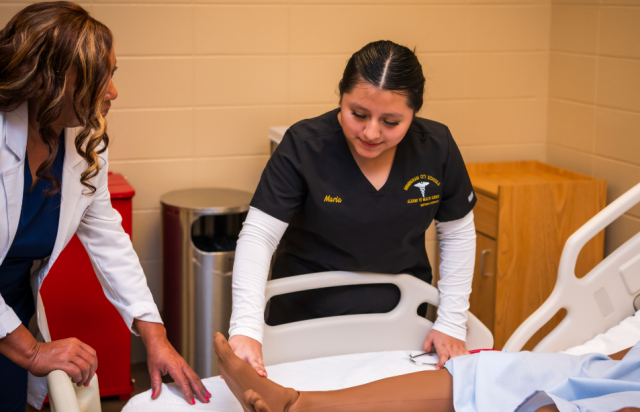
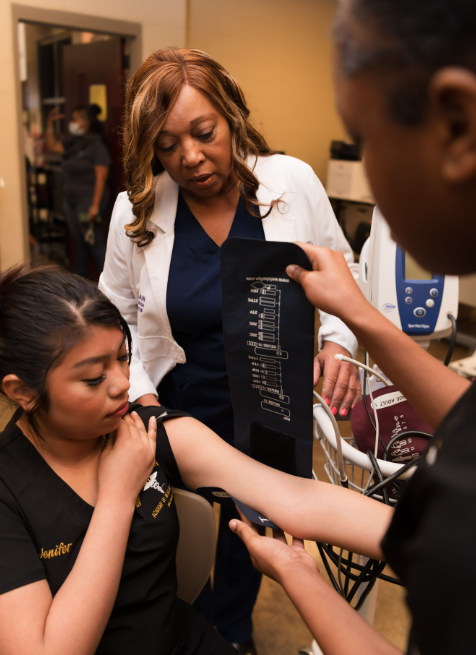
Student Maria Manuel works toward a career in nursing with the assistance of Crystal Freeman, adjunct instructor nursing family/child health/caregiver at UAB School of Nursing. (Amarr Croskey, For The Birmingham Times)

Sym Posey | The Birmingham Times

Maria Manuel is just a freshman at Huffman High School but already knows what she wants to do once she graduates. “I want to be an ultrasound technician,” said the 15-year-old.

Thanks to a Pathways to Professional Nursing Program at her school she is already on her way.

Designed to prepare students for post-secondary education, the program launched last fall at Huffman High School and is co-managed by Crystal Freeman, adjunct instructor nursing family/child health/caregiver at UAB School of Nursing and Allyson Sanders, UAB School of Nursing Instructor.

Currently, 19 Huffman High School students are participating with plans to welcome 9th-graders from Woodlawn, Wenonah, and Ramsay High Schools next year.

“It feels really good to be a part of this program,” Manuel said. “It gives me a chance to be in the medical field in the future and this is a great opportunity … it will be worth it. “

Students will have opportunities to take advanced and dual-enrollment classes, visit the UAB campus on a scheduled basis and participate in summer enrichment activities. Those who complete the program and enroll at UAB will be considered pre-nursing students and will receive further exposure to professional nursing through their participation in the UAB Student Nurse Association.

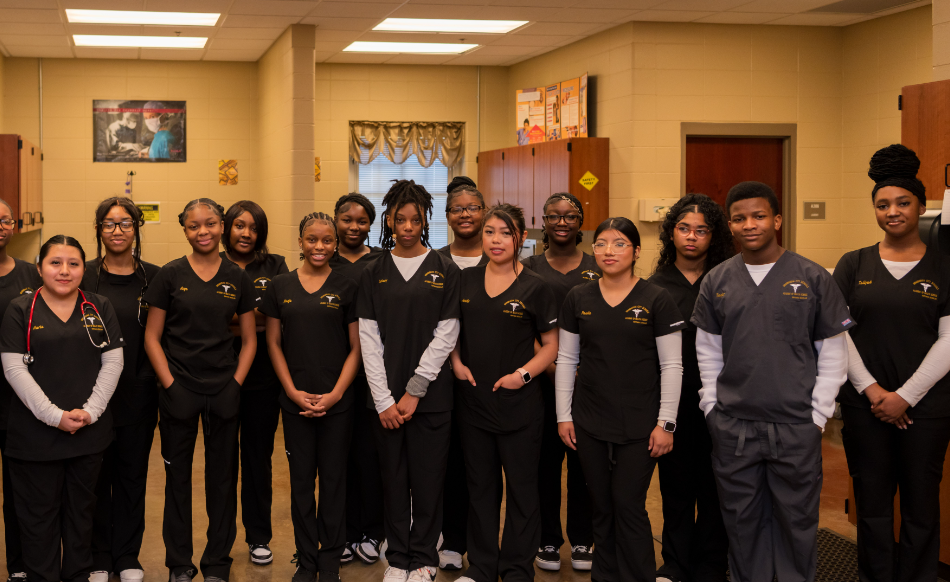
With an existing Academy of Health Science, Huffman High School was an ideal choice for the program, complete with readily accessible resources such as a health care skills lab with a nursing station and mannequins.

Birmingham City Schools Superintendent, Mark Sullivan, Ed.D. said Pathways to Professional Nursing Program is another example of how BCS prepares students for college and career.

“We know that in our community, a lot of times individuals feel more comfortable when they are working with doctors and nurses that may look like or have similar experiences as they do,” said Sullivan. “Having this diverse group of students, that are here to really learn about nursing and take it to that next level.”

Crystal Freeman, adjunct instructor nursing family/child health/caregiver at UAB School of Nursing helps students with the blood pressure check. (Amarr Croskey, For The Birmingham Times)

Freeman, who has been in the nursing field over 20 years said, “I don’t know if it’s a feeling, obligation, or a calling. I feel like I owe this back to the students. Someone took the time to prepare me. Someone took the time to mentor me … [and] prepare me to be the best version of myself at a place when I did not know how to be a nurse. This is the time now to help put that back into the students.”

One of the program goals is to prepare students for success to take the patient care technician certification exam upon graduation. Additionally, students will gain research and quality improvement experience working with UAB nurse scientists.

The goal is for each student to publish a scientific paper or complete a scientific poster and participate in a professional nursing conference prior to graduating from high school.

Upon completion of the program, if the student decides to attend to UAB, cohorts will be considered pre-nursing students and known as Mary Eliza Mahoney Scholars, after the first African American licensed nurse and notable figure in advocating for equality in nursing education.

Principal John Lyons Jr. Ed.D. said he was happy to see students begin now to acquire the skills to help others. “The boy and girls in the program genuinely love it .., They love learning how to take care of themselves and others. Most of these kids want to do this so that they can come back to the community,” he said.

Huffman High School’s Academy of Health Sciences is designed to prepare students for post-secondary education. (Amarr Croskey, For The Birmingham Times)


Stephanie St. Clair: How a Black Woman’s Empire Influenced Lotteries

0

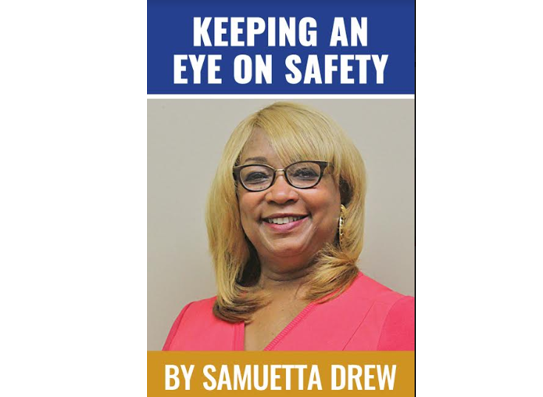
By Samuetta Hill Drew | For the Birmingham Times

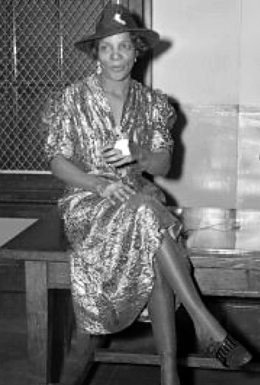
Stephanie St. Clair was a racketeer who ran numerous enterprises in Harlem, New York in the early 20th century. (WIKIPEDIA)

As we continue to explore African American women and their influence and impact on our daily lives the name Stephanie St. Clair named surfaced. It was an unlikely name because most of the women in the past articles were inventors with U.S. patents or the like, but this was a woman who had invented a system which didn’t require a patent. It required a sharp mind, a strong will and a strong understanding of the U.S. economic system.

St. Clair was a young woman born in Martinique, French Caribbean on Dec. 24, 1897. She was the daughter of a single mother named Felicienne who stories say worked very hard to send her daughter to school, but unfortunately, she died when Stephanie was 12 years old. This meant the end of her formal education, so  St. Clair had to work.

She saved her money and moved to Montreal as a part of the 1910-1911 Caribbean Domestic Scheme, which brought domestic workers to Quebec. She soon migrated to the United States and continued this same profession of domestic work for whites in New York.  She used her long voyage and subsequent quarantine to learn English. She was now fluent in French, Spanish and English. =

She fell in love with a small-time crook named Duke who was killed in a gang fight. She started working as a numbers runner in Harlem which was a male dominated operation with her new boyfriend Ed. The numbers game has been created by a man from the West Indies. She had made $30,000 and told Ed she wanted to leave him and start her own business. He tried to strangle her, and she pushed him away with such force that Ed fell hitting his head against a table and died.

She began employing her own men, bribed policemen, and on April 12, 1917, invested $10,000 of her own money in a clandestine lottery game in Harlem. She was the only woman in the numbers game. She was the first to use the telephone as a tool for clients to send in their numbers. As a result of running one of the most successful numbers games in the city, she became known throughout Manhattan as Quennie, but Harlem residents referred to her as Madame St. Clair. The movies Cotton Comes to Harlem and Hoodlum have a brief depiction of her.

Why Stephanie St. Clair?

As a reader, one may still be wondering why spotlight St. Clair? Well, let’s continue to look into her life’s story and why the numbers game popularity in Harlem influenced government lotteries.

St. Clair was involved in policy banking, which for her was a mixture of investing, gambling and playing the lottery. It was also a predominantly Black industry which allowed many bankers to have a sense of agency that would not be possible in white-dominated fields. In this way, St. Clair used the underground economy in Harlem to address racial politics.

Many banks at this time would not accept black customers, so they were not able to invest legally. Policy banking wasn’t technically legal, but it was one of the few options offered to Black Harlem residents who wished to invest their money. In addition Blacks couldn’t get loans from banks to open legitimate businesses in Harlem, so they used the numbers banker’s activity to finance their legal ventures. St. Clair helped the Black Harlem community also by providing many with jobs such as numbers runners. She made millions and lived a lavish lifestyle. She helped her community by donating money to programs that promoted racial progress.

She was known to put out ads in the local newspapers educating the Harlem community about their legal rights, advocating for voting rights and calling out police brutality against the Black community. She complained to senior police officers of harassment of Blacks in Harlem by police officers to no avail. St. Clair fought against the Mafia Leader Dutch Schultz push to take over the numbers game in Harlem. Schultz had begun killing and beating Black numbers runners. She was sentenced to eight months in a workhouse on trumped-up charges. Later in her life she retired from the numbers game, became a prosperous businesswoman and continued her fight for political reform.  She died in 1969, shortly after her 73rd birthday.

As we end this article about St. Clair, it is important to quote a few sentences from the Journal of American History, Volume 101, Issue 1, June 2014 “A detailed study of the New York illegal numbers game conducted in 1972 revealed how high the stakes were in the conflict.

It described an industry with 24,000 employees  and annual revenue of $600 million……While studying the fight over numbers gambling broadens our understanding of the ways key Black communities sought to position themselves during the 1960s and 1970s, it also deepens our knowledge of the modern origins of the widespread use of lotteries as tools of governance….The numbers game was the hinge upon which the national approach toward gambling pivoted…”