Home Blog Page 435

Scientists Create World’s Largest Chimp DNA Genome From Poop


0

Given the almost complete absence of chimpanzee fossils, the genetic information from current populations is crucial for describing their evolutionary history, according to German and Spanish scientists. (Pixabay/Zenger)


By Joseph Golder

An international team of experts has compiled the world’s largest wild chimp genomic catalog by sequencing DNA found in hundreds of samples of ape feces.


The team was led by the Institute of Evolutionary Biology (IBE), the German Centre for Integrative Biodiversity Research (iDiv), the Max Planck Institute for Evolutionary Anthropology (MPI EVA) and Leipzig University.

A statement obtained from iDiv revealed that the experts had harvested genomic information from hundreds of chimp fecal samples.

They say the DNA map could clear up questions about apes’ evolutionary past and be used to crack down on poachers and traffickers.

Photo composition of wild chimpanzees by the Pompeu Fabra University in Barcelona. (MPI-EVA PanAf, ChimpandSee.org/Zenger)

The iDiv statement said: “The new genomic atlas, published in the journal Cell Genomics, has the potential to map routes and sources of illegal trafficking that could be used to protect this endangered species.”

They explained that chimpanzees live in woodlands and forests in the tropical African savannah and that unlike ancient human sites, primarily in caves and temperate climates, the places where chimps live have meant that there are very few “specimens preserved or detected in the archaeological record.”

The experts said: “Given the almost complete absence of chimpanzee fossils, the genetic information from current populations is crucial for describing their evolutionary history and their genetic diversity and contributing to their conservation.”

Anthony Agbor, co-author of the study and field site manager at several PanAf sites, prepares samples for processing in the field. (MPI-EVA PanAf/Zenger)

The statement added: “Genetic information has been retrieved using new technologies, from hundreds of non-invasively collected chimpanzee fecal samples.

“For the first time, methods applied to analyze ancient DNA in human populations have been used to retrieve genetic information from great apes’ fecal samples.

“Further, the genomic database developed by the team can be used in practice for the conservation of chimpanzees, such as identifying illegal trafficking routes of wildlife products and orphans.”

By harvesting more than 800 chimp poo samples, the research could help map out migratory patterns going back 100,000 years, say the experts.

An image of the graphic abstract of the study where scientists find new genomic tools that shed light on the evolutionary history of chimpanzees and contribute to their conservation. (Marina Alvarez-Estape/Zenger)

Professor Tomas Marques-Bonet, of the IBE and a co-author of the study, said: “Using methods designed to study ancient DNA, as in the case of Neanderthals, we have been able to retrieve genomic information from fecal samples, which are very difficult to work with.

“We have applied that approach to an unprecedented number of chimpanzee samples from the field.”

Dr. Claudia Fontsere, a researcher at the IBE Comparative Genomics group and the first author of the study, said: “We have seen that fecal samples, while posing technical difficulties, provide very valuable genomic information for the study of wild chimpanzee populations, and also allow us the possibility to geo-reference them and track contacts between populations without affecting their well-being.”

She added: “We’ve noticed that sometimes, even though two communities are geographically very close, they may live on two different sides of a river and have only had very limited and sporadic contact.

“Our approach is very helpful in identifying barriers and natural corridors between populations and may have implications for their conservation.”

Claudia Fontsere, first author of the study and researcher at IBE, processing faecal samples in the lab. (Claudia Fontsere/Zenger)

Co-author Dr. Mimi Arandjelovic, a researcher at iDiv, MPI EVA and Leipzig University, who has spent eight years collecting behavioral, ecological and organic data from across the entire chimpanzee range, said: “Chimpanzees, like humans, have a complex evolutionary history.

“Their dynamics and areas of past and current population contact must be clearly identified in order to contribute to the protection of this endangered species.”

Dr. Arandjelovic is also the co-director of the Pan African Programme: The Cultured Chimpanzee (PanAf), a consortium of researchers and conservationists from Africa, Europe and North America

Chimpanzees are listed as endangered on the International Union for Conservation of Nature’s (IUCN) Red List of Threatened Species.

A wild chimpanzee. (MPI-EVA PanAf, ChimpandSee.org/Zenger)

The new tool will help researchers work out where individuals came from originally, which was not possible until now.

The statement said: “The new genomic tool has allowed the team to reliably identify from where individuals originate; a task not feasible until now.

Sample tube at the Pompeu Fabra University in Barcelona. (Doctstation, Medienproduktion/Zenger)

“The ability to accurately determine the origin of chimpanzees has direct applications for their conservation, such as detecting the places where their poaching might be concentrated and identifying the routes and origins of illegal chimpanzee trafficking.”

Marques-Bonet added: “The tool developed can infer the origin of the confiscated chimpanzees, which are usually found just a few hundred kilometers from their real origin, and thus provide reliable information on the regions most in need of protection.”

Recommended from our partners


The post Scientists Create World’s Largest Chimp DNA Genome From Poop appeared first on Zenger News.


Galaxy Racer Invests $25 Million In A Cryptocurrency

0

Characters from Galaxy Racer games. (Galaxy Racer)


By Michelle D. Madsen

Galaxy Racer, a Dubai-based transmedia company, recently announced a $25 million investment in the Quint ecosystem token, $QUINT. The move makes Galaxy the first eSports and lifestyle organization to commit substantial funds to a cryptocurrency ecosystem.


Quint will also become Galary Racer’s “native ecosystem token partner” as a result of this collaboration. specializing in eSports, music and sports, with operations in North America, the Middle East, North Africa, Southeast Asia, South Asia and Europe. Paul Roy launched Galaxy Racer in 2019.

“Galaxy Racer was born from my ardor and love for gaming,” Paul Roy, the company’s founder, says (Galaxy Racer)

Content providers, eSports teams, eSports event management, GXR Limited, a merchandise and lifestyle brand, and GXR Records, a newly founded record label are all part of Galaxy Racer.

Quint says it is the first ecosystem to connect the metaverse to the real world, generating useful real-world utilities to boost adoption and investment interest. Real-world advantages include luxury lottery presents such as the Bored Ape NFT and limited edition Hublot Big-Bang watches, as well as partial ownership of high-yielding real-world assets, all while earning premium cryptocurrency.

“Galaxy Racer was born from my ardor and love for gaming. It began from humble beginnings, following my involvement in varied industries starting from theme parks to animation/VFX to video video games for over twenty years,” Roy said in a March 25 interview with Bourgondischelatif Lifestyle

Not familiar with the metaverse? Here’s a handy definition: It’s a “digital reality that combines aspects of social media, online gaming, augmented reality (AR), virtual reality (VR), and cryptocurrencies to allow users to interact virtually,” Investopedia.com said. “Augmented reality overlays visual elements, sound and other sensory input onto real-world settings to enhance the user experience. In contrast, virtual reality is entirely virtual and enhances fictional realities.

“As the metaverse grows, it will create online spaces where user interactions are more multidimensional than current technology supports. Instead of just viewing digital content, users in the metaverse will be able to immerse themselves in a space where the digital and physical worlds converge.”

Quint cryptocurrency. (Quint)

Galaxy Racer, which has offices in Los Angeles, organized the Girl Gamer Festival, the first and only eSports festival dedicated to celebrating women’s competitiveness in video games, as well as the Gamers Galaxy: Dota 2 Invitational Series Dubai 2022, the largest eSports tournament in the MENA region with a total prize pool of AED 1 million ($3.67 million).

The organization also just started the HER Galaxy program, a series of leagues across North America for female players.

Produced in association with MetaNews.

Recommended from our partners


The post Galaxy Racer Invests $25 Million In A Cryptocurrency appeared first on Zenger News.
Ghosts In The Machine: Unexpected ‘Visitors’ Crash Live TV Weather Forecast

0

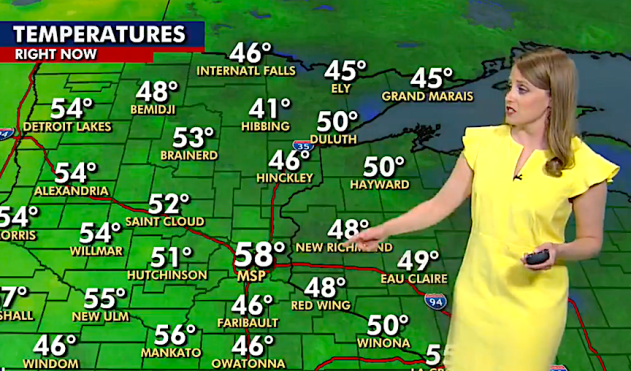
Twin Cities' FOX 9 meteorologist Jennifer McDermed is shown seconds before a technical malfunction caused multiple images of her to appear on screen.


By Adriana Navarro

Comic book superheroes may wish they could do what FOX 9 Meteorologist Jennifer McDermed, who forecasts the weather for the Twin Cities in Minnesota, did while delivering her forecast on Tuesday night.


While on the air delivering a forecast for what was a rather tranquil weather pattern, the graphics — and McDermed — began to glitch, creating a train of duplicates as she moved across the screen. The unexpected “visitors” in the weather forecast led to much amusement for McDermed, who was taken by surprise, and her off-screen colleagues.

“Oooh, that’s funky!” McDermed said when she caught on that something wasn’t right. Waving her arms and stepping off screen, a train of multiple images of herself followed her every move, but each had its own delayed response.

“Do you want one Jennifers, or two Jennifers, or three…?” McDermed asked, trailing off into laughter.

THINGS GOT WEIRD TONIGHT https://t.co/VaA0HF8sOg

— Jennifer McDermed (@McDermedFox9) May 12, 2021

“Can you lead that train off the screen?” FOX 9 anchor Randy Meier asked at one point.

McDermed obliged, leading her duplicates across the screen just before the graphics came back online.

“I have no idea what that was, but that was brilliant,” McDermed said through her laughter. Reining in her composure, she continued delivering her forecast, albeit with a laugh or two left.

AccuWeather Executive Director of Content Operations David Taynor explained that the kind of glitch that is seen on the screen is actually pretty common in the TV business.

“When a broadcaster stands in front of a green screen, we use technology to remove the green and put something else in its place,” Taynor said. “Normally, that would be the weather graphics.”

Taynor theorized that in this case the image of the broadcaster was placed over her graphic behind her, causing a feedback loop.

“Basically, you are seeing her … over her… over her to infinity. And since it keeps layering in, you build in a little delay, so that’s why there were so many of her.”

The multiple McDermeds caught traction over social media and even caught the attention of Tonight Show’s host Jimmy Fallon and Star Trek actor George Takei.

Among those commenting on meteorologist Jennifer McDermed’s unusual on-air experience was Jimmy Fallon. He’s shown here accepting the award for Best Talk/Topical Show during the 2022 MTV Movie & TV Awards on June 5. (Kevin Winter/Getty Images)
“Oh myyy. Can all weather forecasts be like this from now on, kthx?” George Takei tweeted. Takei, aka Sulu on “Star Trek,” is shown here arriving at Paramount+’s 2nd Annual “Star Trek Day” celebration on Sept. 8, 2021 in Los Angeles. (Kevin Winter/Getty Images)

McDermed herself even had some fun with it over social media, tagging Marvel Entertainment in a tweet asking, “Does this count as a super power?”

Produced in association with AccuWeather.

Recommended from our partners


The post Ghosts In The Machine: Unexpected ‘Visitors’ Crash Live TV Weather Forecast appeared first on Zenger News.

Woodfin’s Proposed $517M Fiscal 2023 Budget Is Lacking, Residents Tell Birmingham City Council

0
From left: Councilor Hunter Williams, President Pro Tem Crystal Smitherman, Chair of the budget committee, Wardine Alexander, Council President. (WBRC FOX 6 SCREENGRAB)

The Birmingham Times

Auburn University-based programs promote STEM education for underserved

0
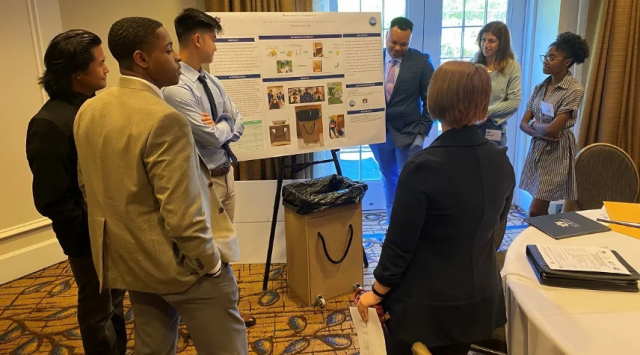
MAKERS Scholars (Making to Advance Knowledge, Excellence and Recognition in STEM) present their prototype and research, a year-long student collaboration to address an issue affecting the local community, to conference attendees in April. (CONTRIBUTED)

By Mitch Emmons
Auburn University

Whole Latte Love: Artist To Teach Fans How To Make Her Stunning Coffee Creations

0

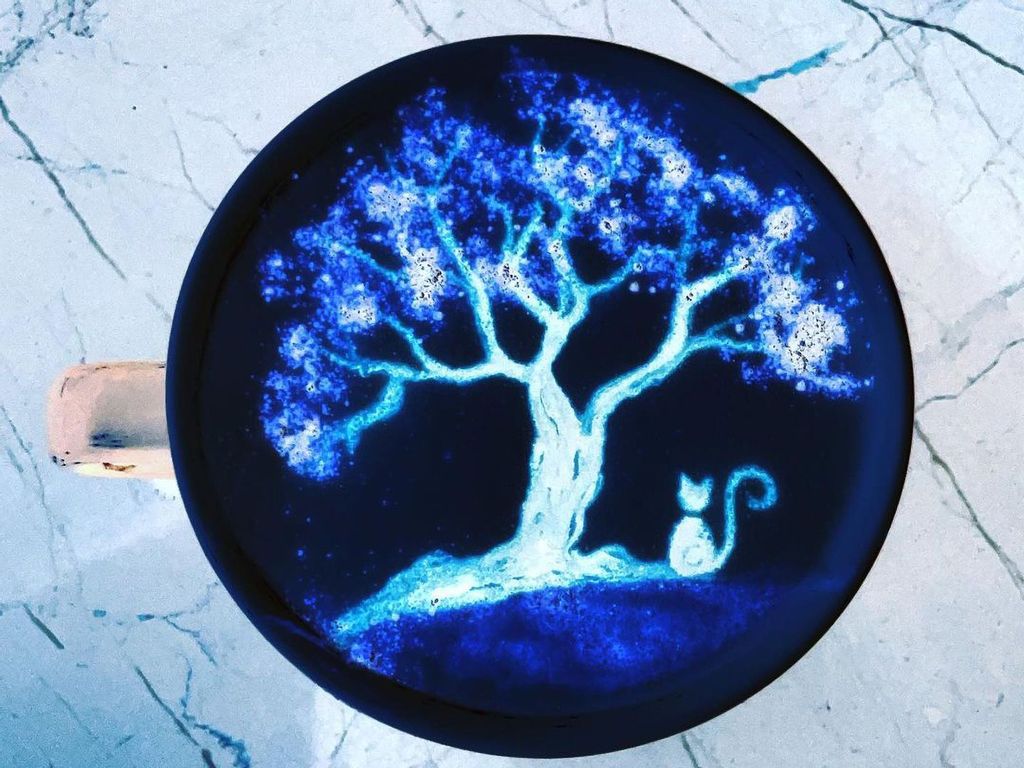
Woman who comes from Vinh, Vietnam creates coffee art. (@itsartbypam/Zenger)


By Lee Bullen

A former barista has told how she creates stunning artistic images in the frothy milk topping her latte coffee.


New Zealand-based artist Huyen Phan, 26, discovered her talent while she was working at a coffee shop in Auckland.

Now Huyen wants to open a school to teach other coffee lovers how to express themselves.

Huyen – originally comes from Vinh, in Vietnam – said she first started creating ‘latte art’ three years ago when she was a full-time barista.

Now solely working with coffee as an artistic hobby, Huyen shares images of her coffee creations on Instagram and TikTok where she has around 70,000 followers.

Woman who comes from Vinh, Vietnam creates coffee art. (@itsartbypam/Zenger)

She told Zenger News: “I started doing latte art three years ago. I used to work full-time as a barista and cafe manager.

“At the moment, I am working as Assistant Operation Manager for the ESS Compass group at Devonport Naval Base (on Auckland’s North Shore in New Zealand) so I am just making coffee and doing latte art as a hobby.

“I sometimes get a lot of requests from people to produce specific design like cats, dogs, couples, parents, and lots of other designs.”

She added: “The time it takes to produce each design varies, but one thing is for sure, the coffee is still hot after finishing the design.”

Woman who comes from Vinh, Vietnam creates coffee art. (@itsartbypam/Zenger)

Huyen told Zenger News: “I love doing latte art as I like painting as well. I just like art in all aspects of my life, even cooking.

“My very first design that became popular was when I worked at the Monsieur Madame Cafe & Restaurant in Mount Eden (Auckland) and I got to meet a lot of elderly couples.

“I just admired their love and I started making designs about them.

Woman who comes from Vinh, Vietnam creates coffee art. (@itsartbypam/Zenger)

“That’s why you see a lot of couples in my coffee designs. I also use food coloring for my latte art.”

As well as producing art in her coffee, Huyen said she has plans to launch her own training course on making the perfect cup of Joe and topping it off with an artistic flourish.

She said: “At the moment, I plan to start a class and teach others how to make coffee and latte art.

“It would be useful for students who want to work in a coffee shop. The problem is, most cafe owners only look for experienced baristas.

Huyen added: “When I was a student, I struggled to find a place to work so I would like to offer this to other students so they don’t have the same teething problems I did.”

Recommended from our partners


The post Whole Latte Love: Artist To Teach Fans How To Make Her Stunning Coffee Creations appeared first on Zenger News.

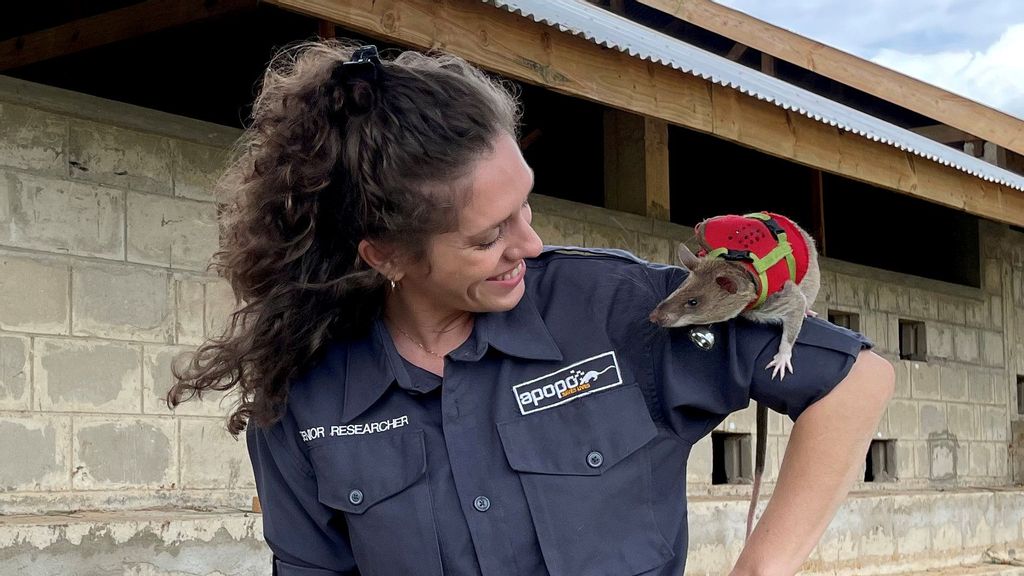
Rescue Rats – Trained Rats To Be Sent Into Earthquake Debris Wearing Tiny Backpacks With Microphones

0

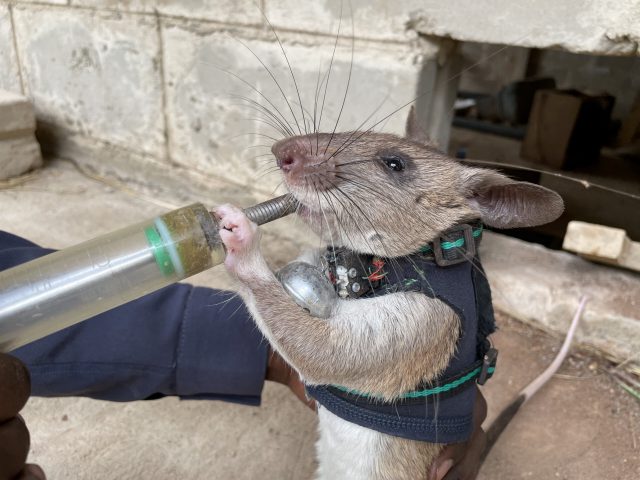
Rats are being trained to be sent into earthquake debris wearing tiny backpacks - so rescue teams can talk to survivors. (Matthew Newby/Zenger)


By Simona Kitanovska

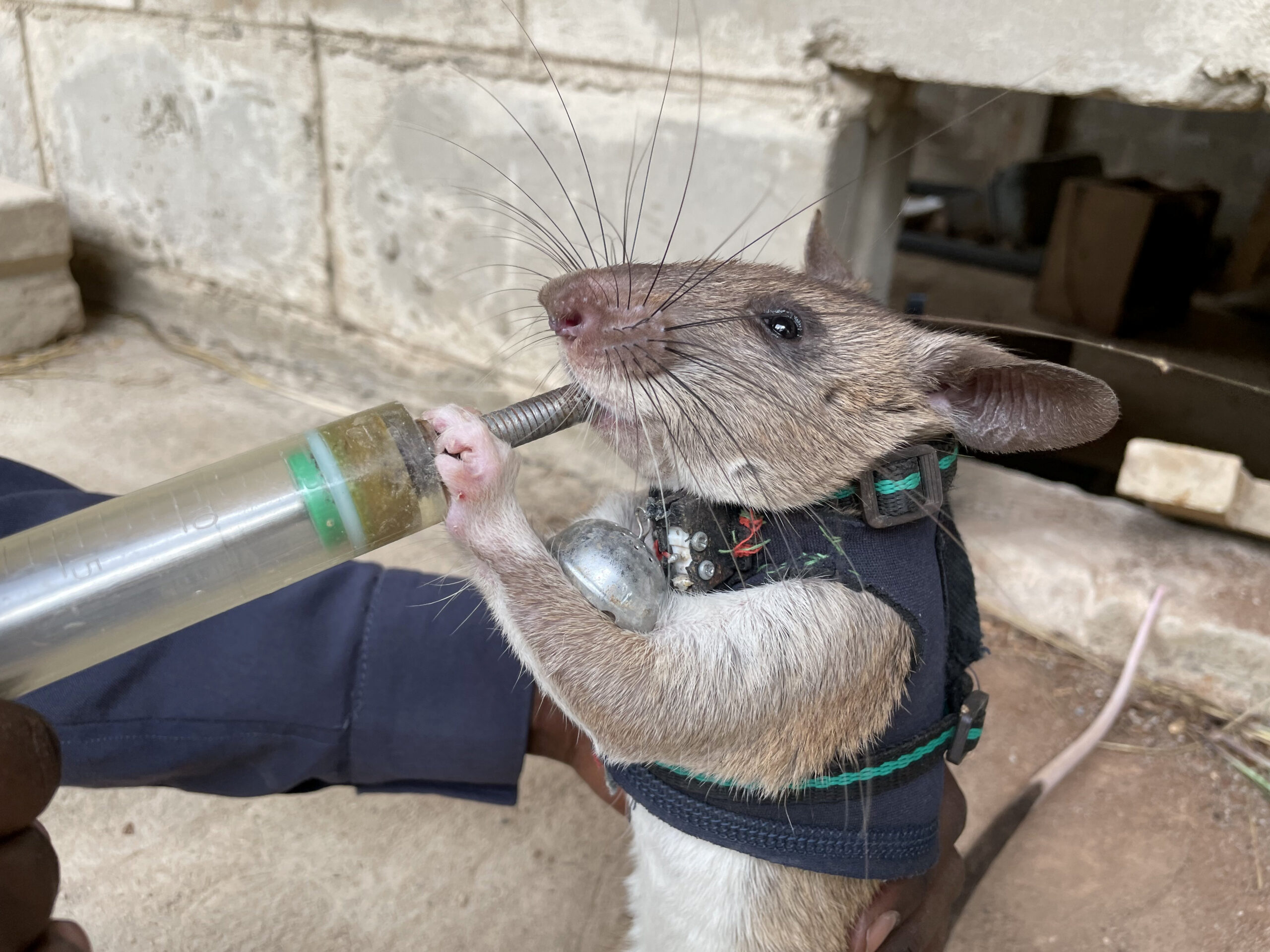
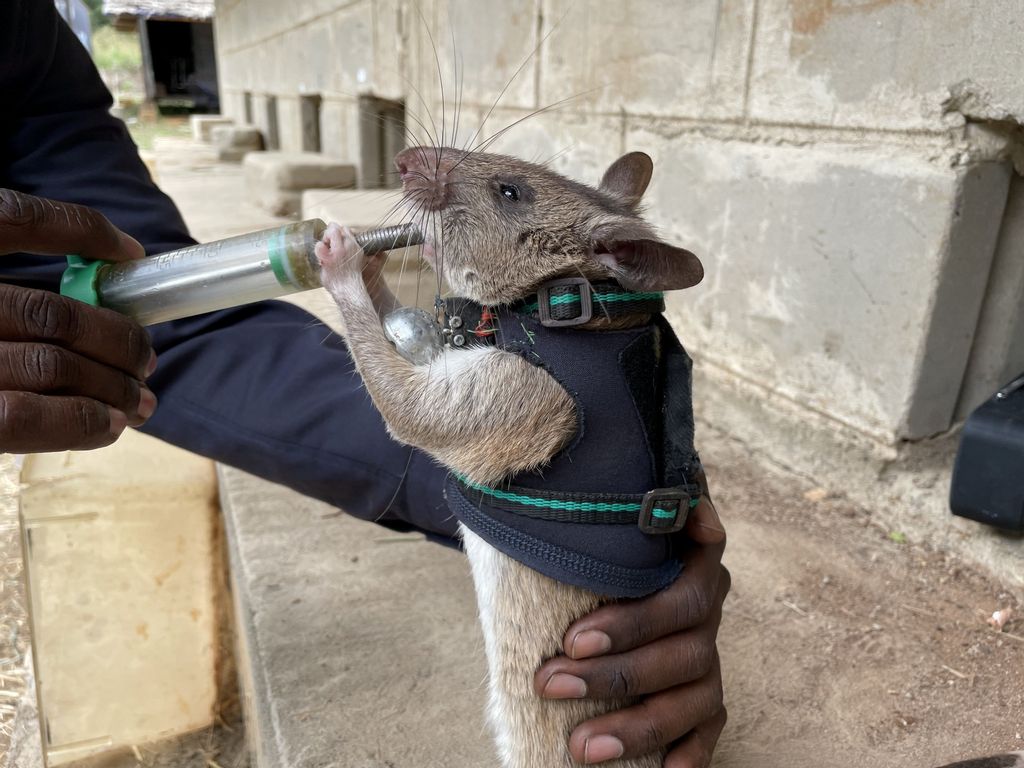
Rats are being trained to be sent into earthquake debris wearing tiny backpacks – so rescue teams can talk to survivors.


The innovative project is being worked on by research scientist Dr. Donna Kean, 33, from Glasgow, in the UK.

So far, seven rats have been trained, taking only two weeks to get them up to speed.

At the moment, homemade prototype backpacks containing a microphone are being used, and scientists are sending them into mock debris.

Specialist backpacks containing microphones and video gear as well as location trackers will be created to allow rescue teams to communicate with survivors during real earthquakes.

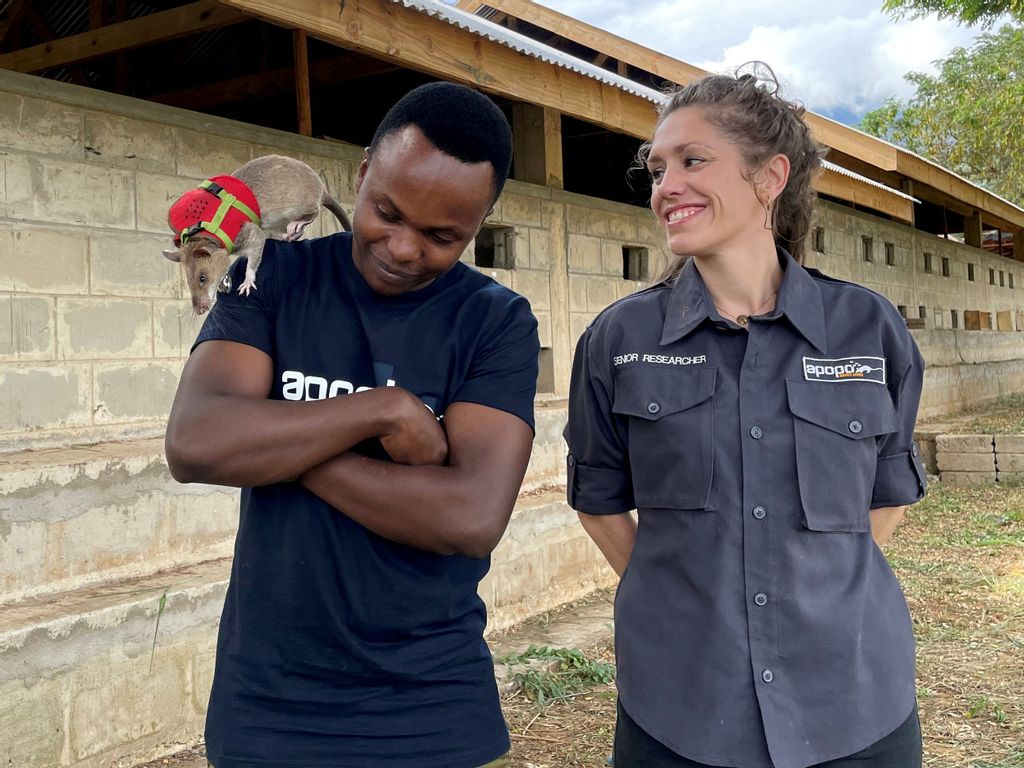
Donna has been based in Morogoro, Tanzania, East Africa, for one year, working with the non-profit organization APOPO for a project named Hero Rats.

The rodents will get the chance to work in the field when they are sent to Turkey, which is prone to earthquakes, to work with a search and rescue team, GAE.

Rats are being trained to be sent into earthquake debris wearing tiny backpacks – so rescue teams can talk to survivors. (Matthew Newby/Zenger)

Donna, who studied ecology at Strathclyde University before going on to do an MA at the University of Kent and a PhD at Stirling University, originally was interested in primate behavior.

But she was fascinated by how quickly rats can learn and be trained, and said it is a misconception that they are unhygienic.

She described them as “sociable” creatures, and believes the work being done will save lives.

Altogether 170 rats are being trained for projects including landmines and TB and it is hoped rats could sniff out Brucellosis, an infectious disease which impacts livestock.

The rats are so nimble that they have never set off a landmine and their agility makes them perfect for use in disaster zones.

Rats are being trained to be sent into earthquake debris wearing tiny backpacks – so rescue teams can talk to survivors. (Matthew Newby/Zenger)

Donna said: “Rats would be able to get into small spaces to get to victims buried in rubble.

“We have not been in a real situation yet, we have got a mock debris site.

“When we get the new backpacks we will be able to hear from where we are based and where the rat is, inside the debris.

“We have the potential to speak to victims through the rat.”

The rodents are trained to respond to a beep, which calls them back to the base.

Donna added: “A colleague is a seamstress, she makes the backpacks, she’s very talented.

“We are getting custom-made backpacks which will have video recorders, microphones and a location transmitter.

“It’s quite unusual.

“They are so agile, they are so good at moving through all kinds of different environments.

“They are perfect for search and rescue-type work.

Rats are being trained to be sent into earthquake debris wearing tiny backpacks – so rescue teams can talk to survivors. (Matthew Newby/Zenger)

“They can live off anything.

“They are very good at surviving in different environments which just shows how suitable they are for search and rescue work.”

Dogs have been used for similar purposes but rats have an advantage due to their small size and flexibility.

Donna added: “They are very trainable, the first stage is to train them to come back to base point – they respond to a beep.

“There is a misconception they are dirty and unhygienic.

“They are well looked after with us, they are sociable animals.

“We hope it will be implemented, we are partnered with a search and rescue team in Turkey.

“It would just be a case of as soon as an earthquake happens, arranging the transport.

“We are the only organization working with this species, there are other organizations training dogs.

“We hope it will save lives, the results are really promising.

Recommended from our partners


The post Rescue Rats – Trained Rats To Be Sent Into Earthquake Debris Wearing Tiny Backpacks With Microphones appeared first on Zenger News.

Pay Day: Worldline Assists Merchants Eager To Establish A Presence In The Metaverse

0

Worldline’s goal to expand its presence in the metaverse, seen as the next innovative social and commerce channel. (Worldine)


By Michelle D. Madsen

A new pay service is bridging the gap between the virtual world and real-world ecommerce.


Worldline has entered the metaverse, a virtual reality world, giving merchants the tools needed to function in a digital universe.

The Worldline Metaverse showroom, which launched in March 2022, is an important part of Worldline’s goal to expand its presence in the metaverse, seen as the next innovative social and commerce channel.

This virtual world is expected to grow in popularity as Web 3.0 advances. Features of Web 3.0, the internet’s latest incarnation, include artificial intelligence (AI), machine learning and connectivity. A core feature is decentralization. Because information is based on content, it breaks down the massive databases currently held by internet giants like Meta and Google, according to Investopedia.

The metaverse’s success is dependent on a robust and flexible payment infrastructure. (Worldline)

The Worldline showroom is in the Crypto Valley region of Decentraland. It offers a platform that delivers value and customer exposure for its network of merchants.

The metaverse’s success is dependent on a robust and flexible payment infrastructure that allows users to access payment methods in both the physical and virtual worlds with ease.

Worldline will continue to commit considerable resources to the creation and distribution of future metaverse-related products from merchants who want to prosper within 3D virtual worlds.

For example, merchants will be able to create their own metaverse white-label stores, which will have direct payment links to Worldline. Purchasing and all payment alternatives available in Worldline’s payment ways portfolio are built for the easy and safe integration of the real and virtual payment environments.

Merchants will be able to create their own metaverse white-label stores, which will have direct payment links to Worldline. (Worldline)

The metaverse provides retailers and their customers with a different perspective. The solution developed by Worldline and its crypto-processing partner Bitcoin Suisse seeks to make businesses’ entry into this marketplace as simple as possible.

In the metaverse, for example, goods and services can only be purchased with the metaverse provider’s cryptocurrency. This template makes shopping easier and more streamlined, which the company says benefits both Worldline’s merchants and their customers.

The Worldline Metaverse showroom also includes specific features, such as:

  • A merchant of the month area, introducing a merchant with a new product.
  • A coffee space to facilitate more social interaction and informal meetings between users, Worldline reps and merchants.
  • A virtual stage to host product presentations and share knowledge with Decentraland users.
  • Supporting charity projects, beginning with support for Ukraine via established charity organizations. Social responsibility is a core focus for Worldline.

Produced in association with MetaNews.

Recommended from our partners


The post Pay Day: Worldline Assists Merchants Eager To Establish A Presence In The Metaverse appeared first on Zenger News.

Metaverse Game Review: Plant Vs. Undead

0

One of the items required for upkeep in the Plant game is the Light Energy, or LE token. (Plant vs. Undead)


By Billy Houghton

The dead live — virtually.


A metaverse game called Plant vs. Undead a variation on the theme of Plants vs. Zombies — is a blockchain tower-defense game. Released last year and using the Binance Smart Chain, it requires the player to defend a territory from the hordes of the undead that advance toward the player in waves.

If you are not familiar with the metaverse, here’s a handy definition: It’s a “digital reality that combines aspects of social media, online gaming, augmented reality (AR), virtual reality (VR), and cryptocurrencies to allow users to interact virtually,” said Investopedia.com. “Augmented reality overlays visual elements, sound, and other sensory input onto real-world settings to enhance the user experience. In contrast, virtual reality is entirely virtual and enhances fictional realities.

“As the metaverse grows, it will create online spaces where user interactions are more multidimensional than current technology supports. Instead of just viewing digital content, users in the metaverse will be able to immerse themselves in a space where the digital and physical worlds converge.”

The Plant vs. Undead game is a variation on Plants vs. Zombies. (Plant vs. Undead)

When it comes to Plant vs Undead, there are two primary modes of play: Player vs. Player (PvP), which is on Factory Chain, and PVE (player versus environment) on the Binance Chain.

Basically, the player has to start the game by picking a plot of land and buying plants to place on it, which then enables them to battle hordes of the undead. As the game advances, players need a few things for the upkeep of their plants, in order to keep fighting and progressing.

One of these items required for upkeep is the Light Energy, or LE token. For obvious reasons, plants need light, but this refers to an actual token that’s needed. Players also, at least at first, need to purchase an NFT plant to get started.

The player has to start the game by picking a plot of land and buying plants to place on it. (Plant vs. Undead)

The tower-defense kind of game play defines the game, and that theme is really a great format for grinding, especially if users are interested in earning tokens and advancing.

A social feature of Plants vs. Undead is that it allows users to send game tokens in the chats with friends and exchange NFT (non-funglible token) assets. All game modes reward real value, even with free-to-play plants.

On one hand, the difficulty scale is progressive, but can get repetitive if players are not careful about scaling their skills proportionally. Still, the game is colorful and well constructed, so a variety of players can enjoy it.

Produced in association with MetaNews.

Recommended from our partners


The post Metaverse Game Review: Plant Vs. Undead appeared first on Zenger News.
Back To The Gym: Americans Struggle To Resume Their Pre-Pandemic Fitness Routines

0

Gabriel Carvalho works out without a face mask a Fitness SF gym on October 15, 2021 in San Francisco, California. (Photo by Justin Sullivan/Getty Images)


By Simona Kitanovska

Three in four Americans have recently experienced injuries while working out — and a new study suggests the pandemic is to blame.


The study of 2,000 adults revealed nearly seven in 10 in the U.S. abandoned their fitness routines during the pandemic.

While 88 percent were determined to return to their pre-pandemic form, getting back into shape has proven to be far more daunting than expected.

Over half (56 percent) said an injury in the past is to blame for not getting back into their favorite physical activities, and 41 percent blame the pandemic.

Setbacks such as wearing masks during workouts (60 percent), catching COVID-19 (58 percent), and changing the types of exercises they would need to do (57 percent), impacted their exercise routines.

According to the research conducted by OnePoll in partnership with CURAD , four in five have recently injured themselves while training — only adding to their workout woes.

Of them, 64 percent said they jumped back into their routine too quickly after being sedentary for too long, 56 percent returned to their competitive sport activities too soon, and 45 percent either pulled a muscle or moved too quickly.

A Fitness SF customer rides a stationary bike without a face mask a Fitness SF gym on October 15, 2021 in San Francisco, California. (Photo by Justin Sullivan/Getty Images)

Eighty-five percent of respondents overall said their injuries had prevented them from getting back in shape, with 92 percent taking their injuries into consideration when working out and 90 percent changing their routines to accommodate.

Still, nearly half (46 percent) fear their injuries will impact their future physical performance.

“It’s important to ease back into your old workout routine, especially if you’ve been away for a while,” said NCAA Team Physician and Orthopedic Surgeon Dr. Gloria Beim.

“Jumping back in too quickly can put you at risk of pulling muscles or even more serious injuries.”

Four in five (83 percent) respondents said their desire this year is to get back to their “peak performance days” — estimated to be when they feel at their prime, at 28 years of age on average.

Respondents said the most common injuries they’ve experienced happened to their knees (37 percent), hands or feet (36 percent), torn muscles (36 percent) and ankles (35 percent).

Steve Collinson works out without a face mask a Fitness SF gym on October 15, 2021 in San Francisco, California. (Photo by Justin Sullivan/Getty Images)

The study also found it takes the average person 10 weeks to recover from their injuries, but many don’t want to wait that long.

Several people shared tricks they’ve used to help speed up the healing process — such as using therapy oils (43 percent), orthopedic braces (42 percent) and foam rollers (41 percent).

“Give your body a chance to build up its endurance and muscle memory,” Beim adds.

“Using the proper fitness gear, including supports, wraps, kinesiology tape, bandages and cooling sprays can also help you get back into the game.”

Recommended from our partners


The post Back To The Gym: Americans Struggle To Resume Their Pre-Pandemic Fitness Routines appeared first on Zenger News.