
First-ever Fred Shuttlesworth Day Observed in Birmingham

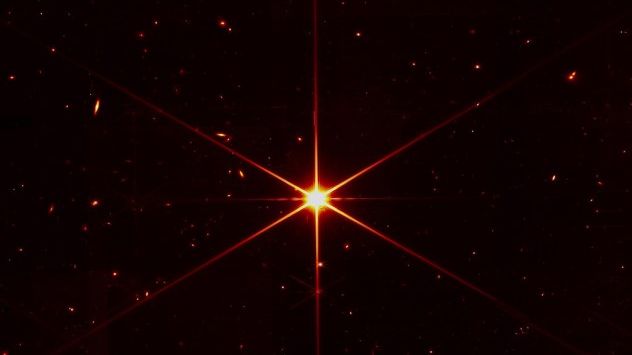
The first sharp image from NASA’s James Webb Space Telescope captured a stunningly clear photo of a twinkling star roughly more than 2,000 light-years away from Earth.
The photo, released on Wednesday, shows the distant Milky Way star located in deep space about 2,000 light-years away in the Ursa Major constellation. Experts have designated the star as 2MASS J17554042+6551277. At this distance, light that was emitted by the star 2,000 years ago is just now reaching Earth, giving earthlings a close-up glimpse of what the star looked like around the time Julius Ceasar reigned and Jesus Christ walked the Earth.
This photo was part of a test of the telescope, which uses a complex system of 18 hexagonal mirrors that have been adjusted on the level of nanometers, or a billionth of a meter. The adjustments work to allow the mirrors to form a single surface, which then allows for the creation of a single image in extraordinarily sharp focus, NASA scientists said in a press release, adding that the test exceeded their expectations.
“More than 20 years ago, the Webb team set out to build the most powerful telescope that anyone has ever put in space and came up with an audacious optical design to meet demanding science goals,” said Thomas Zurbuchen, associate administrator for NASA’s Science Mission Directorate in Washington. “Today, we can say that design is going to deliver.”

Other scientists pointed out that the photograph is so detailed, intricate details in the background can be recognized.
“You not only see the star and the spikes from the diffraction of the star, but you see other stars in the field that are tightly focused, just like we expect, and all sorts of other interesting structure in the background,” Lee Feinberg, the NASA engineer who led the development of Webb’s optical elements, told reporters, according to the BBC.
“We’ve actually done very detailed analysis of the images we’re getting, and, so far, what we’re finding is that the performance is as good if not better than our most optimistic prediction,” Feinberg said.
Jane Rigby, Webb operations project scientist, said that the image of the star also revealed multiple unidentified galaxies in the background.
“Now, we took this image to characterize the sharpness, but you can’t help but see those thousands of galaxies behind it; they’re truly gorgeous,” Rigby said. “There’s no way that Webb can look for 2,000 seconds at any point in the sky and not so incredibly deeply. So this is going to be the future from now on. We’re seeing back in time … light as it looks billions of years ago without even really breaking a sweat.”

Future images taken by the telescope are expected to be even sharper. The telescope, which was launched on Dec. 25, 2021, and arrived at its planned destination about 930,000 miles away from Earth in late January, is set to be a vast improvement over the Hubble Space Telescope, which the Webb telescope was launched to replace. Hubble was launched in 1990 and has more than doubled its life expectancy of 15 years, according to the Massachusetts Institute of Technology’s Technology Review.
“Webb will explore every phase of cosmic history — from within our solar system to the most distant observable galaxies in the early universe and everything in between,” NASA said in a news release this week. “Webb will reveal new and unexpected discoveries and help humanity understand the origins of the universe and our place in it.”
The Webb telescope is more powerful than the Hubble Space Telescope and is able to image objects that were up to 100 times too faint for the Hubble telescope to capture. The Webb telescope will be able to last for 10 to 20 years until it runs out of fuel to power its thrusters, according to a report from LiveScience.
For the latest weather news, check back on AccuWeather.com. Watch the AccuWeather Network on DIRECTV, Frontier, Spectrum, fuboTV, Philo and Verizon Fios. AccuWeather Now is now available on your preferred streaming platform.
Produced in association with AccueWeather.com.
The post New NASA Telescope’s First Photo Is Stunning Image From Deep Space appeared first on Zenger News.
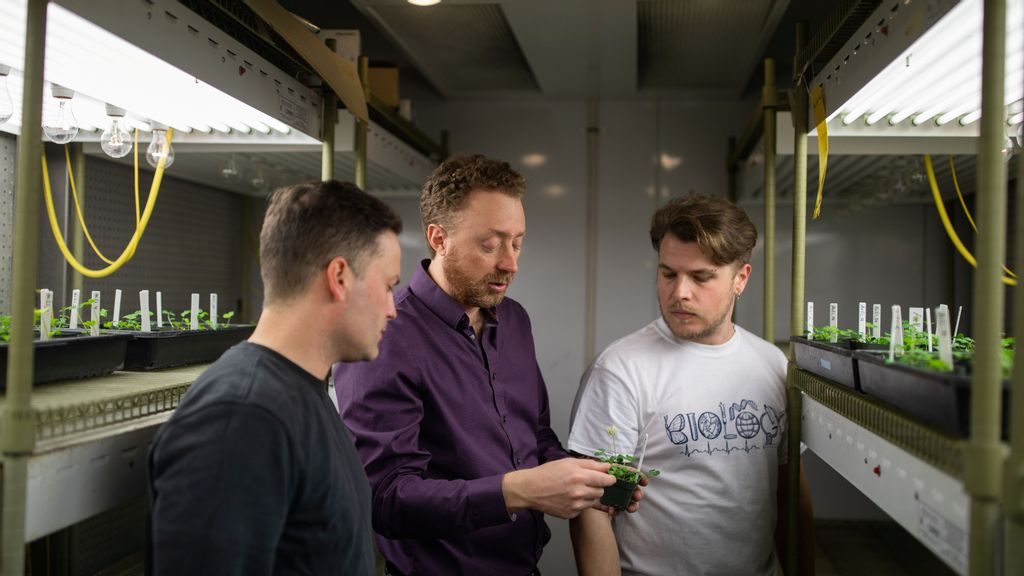
Humans are changing the way life evolves, according to new research that found plants and animals are adapting in unusual ways because of us.
The phenomenon, dubbed “unnatural selection,” is one of the greatest biological forces on Earth.
It has created “parallel urban worlds” where wildlife has had to respond — or die.
“We’ve long known that we’ve changed cities in pretty profound ways, and we’ve dramatically altered the environment and ecosystems,” said James Santangelo, a PhD student at the University of Toronto and lead author of the study, which was published in the journal Science.
“But we [have] just showed this happens, often in similar ways, on a global scale,” said Santangelo.

The finding is based on an analysis of white clover collected from 160 cities and nearby rural areas in 26 countries.
A familiar “weed” of British gardens, the clover is famous for its three “trefoil” leaves.
It provides the clearest evidence to date that people in towns and cities are driving nature.
The shamrock plant is genetically altering itself from London to Lisbon, Toronto to Tokyo and Melbourne to Munich.
Humans are profoundly transforming their surroundings, which is dramatically impacting organisms they share them with.
The study, supported by the Global Urban Evolution Project (GLUE), showed environmental conditions in cities tend to be more similar to each other than to nearby rural habitats.
As a result, downtown Toronto is more comparable to downtown Tokyo than to farmland and forests just outside the city.
White clover produces hydrogen cyanide to deter herbivores and increase tolerance to drought.
The international team found city varieties produce less of the chemical due to changes in the presence of plant eaters and water stress.
This applies across different climates, and the implications reach far beyond the humble clover.
“This study is a model to understand how humans change the evolution of life around us,” said Rob Ness, also from Toronto, who co-led the study along with Marc Johnson and their PhD candidate Santangelo.

“Cities are where people live, and this is the most compelling evidence we have that we are altering the evolution of life in them.
“Beyond ecologists and evolutionary biologists, this is going to be important for society,” he said.
White clover is present in almost every city, providing the perfect tool to investigate human influence on evolution.
It began with the domestication of dogs 30,000 years ago. Now, industrialized farming, introduced species, urbanization, pollution and climate change are creating unprecedented selective pressures.
Evolution, at least for larger, more complex organisms, can be slow. It leaves many animals unable to adapt fast enough.
But rapid change is also possible. Researchers identified a so-called “hopeful monster” in Colorado — a mutant variation of the Colorado blue columbine that’s rapidly proliferating as an adaptation to being eaten by aphids and deer.
The most famous example of this as a result of “unnatural selection” is the peppered moth, which changed from speckled white to black in response to soot rising from the chimneys in Britain during the Industrial Revolution.
Today, human activity has affected the evolution of numerous species, from Zambian elephants born without tusks in response to poaching to mosquito species that can only exist in their city’s subway system.

The study opens the door to developing strategies to conserve rare species in towns and cities, the researchers said.
It can also help them better understand how to prevent the spread of unwanted pests and diseases.
The 287 scientists who participated in the study sequenced more than 2,500 clover genomes from over 110,000 samples, creating a massive dataset that will be studied for years to come.
The unprecedented initiative began with a single Tweet.
“Nearly everyone we asked to collaborate said yes, and that was kind of remarkable because we were asking people to take on a lot of work,” said Johnson.
“Our collaborators recognized the importance of this project. There has never been a field study of evolution of this scale or a global study of how urbanization influences evolution.
“It would have been impossible to do this without our global set of collaborators,” he said.
Edited by Siân Speakman and Kristen Butler
The post Humans Are Changing The Way Life Evolves, Scientists Say appeared first on Zenger News.

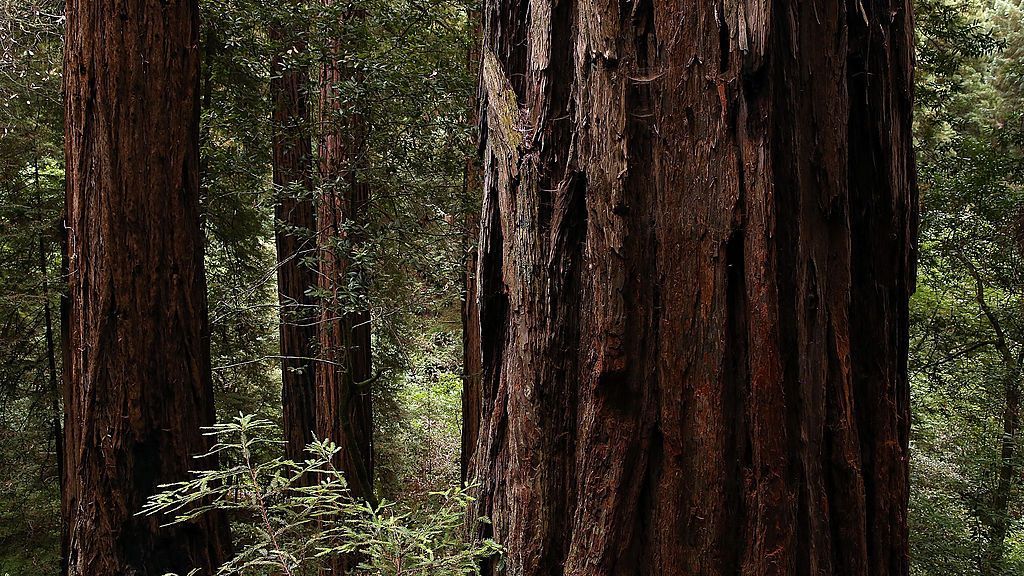
The tallest trees in the world continue to offer insights to scientists, with a new study revealing that redwoods have functionally distinct leaves that allow them to thrive in both wet and dry areas.
The paper, appearing in the American Journal of Botany, showed that redwood trees (Sequoia sempervirens) feature two types of leaves with completely different functions. The feathery peripheral leaves engage in vital photosynthesis, converting sunlight and carbon dioxide into the sugar the tree needs. Its tightly wound axial leaves don’t photosynthesize; they’re instead tasked with absorbing water.
Renowned for facing many natural threats, redwoods are among the world’s oldest, tallest and widest trees. They have fire-resistant bark, tannin-rich heartwood and leaves that resist pests.
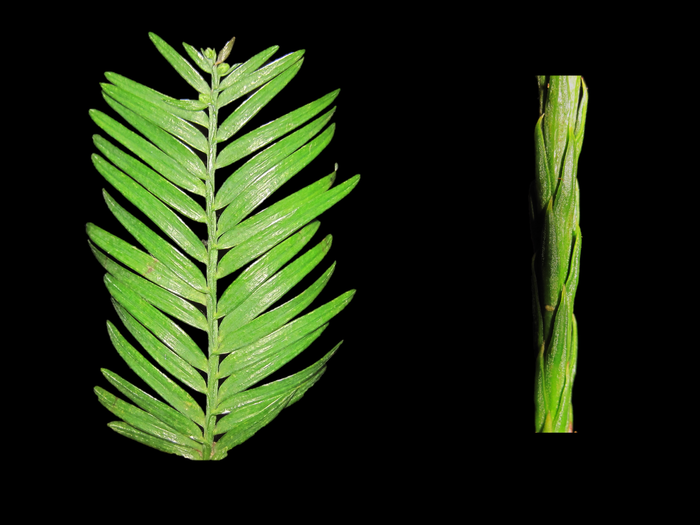
Not only do redwoods have specialized leaves, they can also shift their leaves around to better adapt to their conditions. On California’s rainy north-coast region, the axial leaf type is found on the lower branches, while the feathery photosynthesizing type is found in the upper levels to maximize sun exposure. But when redwoods are in the drier southern range, the water-absorbing type is found up high, where it can make the most of rain and fog.
“The cool thing here is their ability to thrive under all these circumstances and adjust themselves to these different environments,” said lead author Alana Chin of the University of California-Davis, who grew up in Mendocino County where the trees abound. “That things like this can be happening right under our nose in one of the best-studied species out there — none of us assumed this would be the story.”
Chin and the research team also found that large redwood trees can consume up to 14 gallons of water in just a few hours of getting wet. Because each of the towering giants can have more than 100 million leaves, researchers say it’s unlikely that other trees can absorb as much water, but that has yet to be confirmed — this study is the first to estimate water absorption by a tree crown.
The different leaf types allow redwoods to photosynthesize when wet, while the vital process may be inhibited in other trees when water covers the stomata, the tiny mouth-like pores that admit oxygen and carbon dioxide. The waxy coating on redwood peripheral leaves slows water absorption but aids photosynthesis during the rainy season.


Noting that she would not be surprised if other conifers have similar capabilities, Chin said, “Having leaves that aren’t for photosynthesis is in itself surprising. If you’re a tree, you don’t want to have a leaf that’s not photosynthesizing unless there’s a very good reason for it.”
To understand how redwood leaves work, the study’s authors exposed clusters of shoots taken from six redwood trees across several locations, ranging from the dry Santa Cruz Mountains to the wetter Del Norte County. The team also estimated the water absorption potential of seven additional trees, collecting samples at various heights.
The researchers compared the two types of leaves to understand their functionality and calculated the photosynthesis level of each. In addition, they developed a physics-based causal model that allowed them to determine which leaf traits regulate absorption rates.
What excites Chin the most is to have devised an effective and easy method to calculate redwood trees’ ability to absorb moisture-rich fog. Scientists can now monitor whether redwoods are adapting to a possibly drier world in the future. By photographing the waxy surfaces of both types of leaves, scientists can share their data among themselves and with the public.
Edited by Siân Speakman and Kristen Butler
The post Redwoods Have Specialized Leaves That Allow Adaptation To Both Wet And Drier Climates appeared first on Zenger News.

By Anthony Cook
Alabama NewsCenter
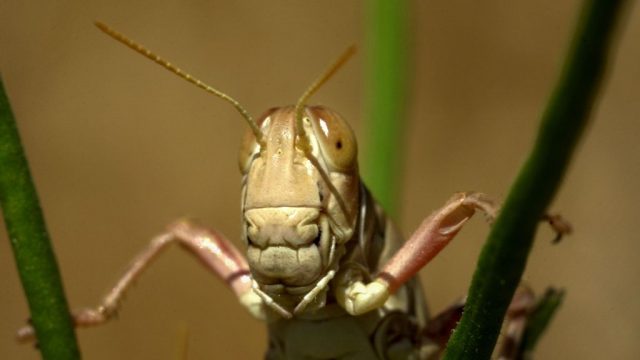
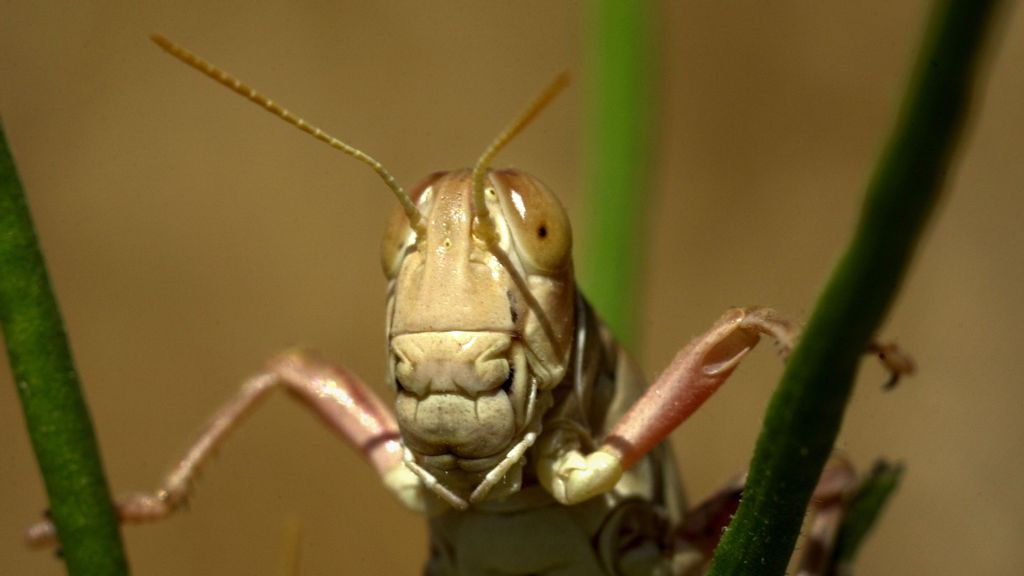
New research combines analytical tools and a nondestructive method to examine museum collections of various grasshopper species and reveal their dietary patterns, even decades after the collection of samples.
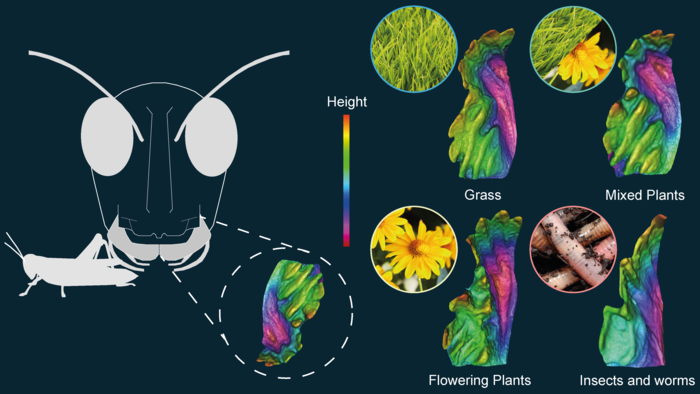
In a study published in the journal Methods of Ecology and Evolution, scientists revealed how they used 3D imaging techniques to precisely map the shape of a grasshopper’s mandible, or lower jaw, revealing previously unknown similarities to mammals through modeling.
“Knowing what animals eat is fundamental to understanding ecosystems, but working this out can be difficult and time-consuming, especially if the animals you study are rare, small or move quickly,” said lead author Chris Stockey of the University of Leicester in England.
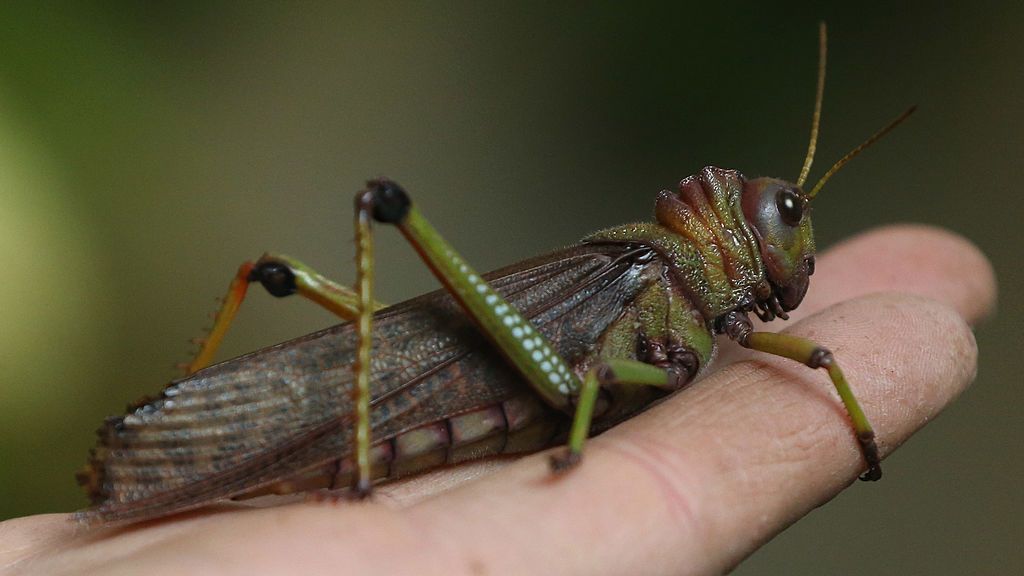
Currently, there are approximately 11,000 known species of grasshoppers, which play important roles in grasslands and other ecosystems. Surprisingly, some of them are carnivorous.
Grasshoppers lack teeth, and their mandibles differ according to their diet. While some have molar-like mouthparts for grinding tough foods such as grass, others have sharp edges for cutting. Because previous approaches of classification were imprecise, grasshoppers were assigned only to broad feeding categories.
Analyzing grasshoppers’ role in ecosystems had previously proven difficult because it required precise studies of their guts or detailed observations of feeding habits in the wild to find out what they eat. The new, nondestructive method developed at the University of Leicester allows researchers to easily investigate the grasshoppers’ dietary habits, even among rare or extinct species.
“Surprisingly, comparing the mandible landscapes of grasshoppers with mammals’ teeth allows grasshopper diet to be predicted with 82 percent accuracy — pretty amazing when you consider that the mouthparts of mammals and grasshoppers have evolved independently for 400 million years and were not present in their common ancestor,” said Stockey.
The researchers examined museum collections holding millions of samples that remain unseen by most visitors. In fact, samples collected by Charles Darwin, whose 19th-century transglobal voyage on the research ship Beagle led to his theory of evolution, still surprise scientists by providing evidence of new species every year.
“We measured the shapes of grasshoppers’ mouthparts and analyzed them like the topography of a landscape and found clear differences linked to diet,” said study co-author Mark Purnell of the University of Leicester. He said that meat-eating grasshoppers have steeper slopes and sharper cliff edges on their mandibles, while those that eat grass and other tough plant material “have mandibles with complex undulating ‘landscapes.’”
The new method developed by the team means samples will not need to be dissected, which is a slow process that damages specimens and renders them less useful for future use.
Ben Price of the Natural History Museum in London said the study’s nondestructive method of “combining modern analytical methods with historical samples from museum collections” may in time “reveal the diet information for thousands of species decades after the specimens were collected.”
Edited by Siân Speakman and Kristen Butler
The post A Study Of Grasshopper Jaws Reveals Similarity To Mammals, Diversity Of Diet appeared first on Zenger News.