

24,000-Year-Old Animal Found Alive, Well And Ready To Reproduce
By Mark Puleo
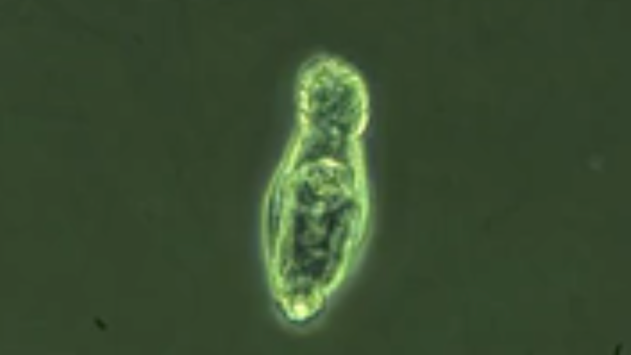
The bdelloid rotifer is awake – and we’re going to need to buy some more birthday candles.
For the past 24,000 years, the multicellular microorganism had been snoozing in Siberian permafrost, having become frozen in the Arctic ice right around the same time in history that humans first ventured into North America during the Upper Paleolithic era, otherwise known as the Late Stone Age.
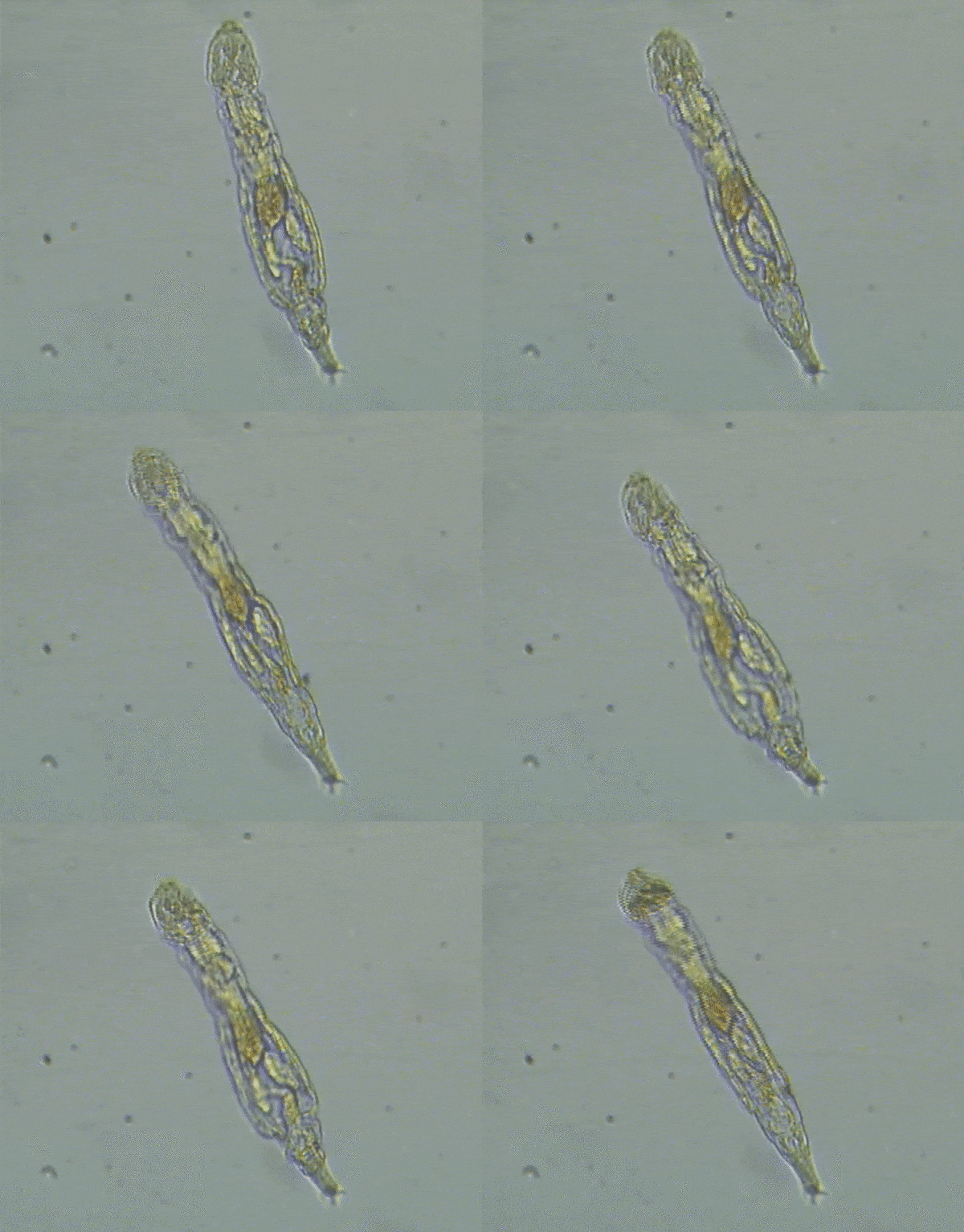
A bdelloid rotifer is a freshwater creature that can be found around the world, measuring too small to see with the naked eye at 150 and 700 μm, the unit for micrometers which are used to measure microns. For comparison, the thickness of paper measures 70 to 180 μm.
Not only did the animal come back to life from its frozen nap, but it also successfully cloned itself multiple times with an asexual reproduction form known as parthenogenesis.
The remarkable discovery has experts raising new questions about the mechanisms of cryptobiosis, the state in which metabolic activity is reduced to an undetectable level without disappearing completely.
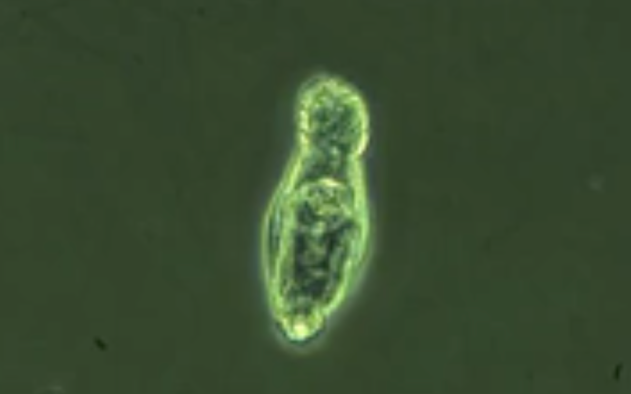
The finding was made by researchers from the Soil Cryology Laboratory in Pushchino, Russia, who were astonished to discover the microorganism alive and well in a soil sample, taken from permafrost in northeastern Siberia. Radiocarbon dating found the specimens to be about 24,000 years, the authors wrote in their publication on Cell.com.
The permafrost samples were taken from the Alazeya River, which flows from Siberia into the Arctic. The researchers explained that they are confident that organisms as large as the bdelloid rotifer wouldn’t have been able to move through the ice-cemented ground.
“Thus, no significant vertical movement could have occurred in the studied sediments, and therefore the isolated microbes were likely trapped in permafrost at the same time as the radiocarbon-dated organics,” the study reads, before adding that age analysis data from the University of Arizona AMS Laboratory shows the material to be between 23,960 and 24,485 years old.
Stas Malavin, an author in the study, said in a press release that the findings are a big step forward for researchers in moving from the preservation of single-celled organisms to ones with a gut and brain.
“The takeaway is that a multicellular organism can be frozen and stored as such for thousands of years and then return back to life – a dream of many fiction writers,” Malavin said.
The full scope of those fiction dreams, however, is still far away, Malavin explained. The more complex an organism is, the trickier it is to preserve alive, such as for mammals.

But the team’s findings are still a revolutionary addition to the short list of organisms that have been found to be able to survive such extraordinary timespans.
Previously, a pair of prehistoric nematode, otherwise known as roundworms, were discovered and successfully revived in Russia. The worms were dated to have been between 30,000 and 42,000 years old.
Similarly, numerous prehistoric plants and mosses have successfully regenerated after many thousands of years trapped in the ice, the press release said. However, none of the previously discovered specimens were nearly as complex as the bdelloid rotifer.
Elsewhere in the frozen tundras around the world, shifting ice conditions have unearthed discoveries that have helped answer long-held questions.
The melting of permafrost has allowed researchers to study more and more prehistoric organisms in recent years, including a number of much larger mammals. In 2016, a gold miner in Canada hit a layer of thawing permafrost and unearthed a doglike specimen. In December 2020, researchers concluded that it was actually a 57,000-year-old, Pleistocene gray wolf puppy, the most perfectly preserved animal of its kind.
Similarly, a 20,000-year-old wooly rhino was discovered by a Siberian farmer in the area of Yakutia in 2021. Researchers believe the adolescent mammal likely drowned in the Tirekhtyakh River before its body was perfectly preserved by the region’s frigid conditions.
CLICK HERE FOR THE FREE ACCUWEATHER APP
Following their discovery, Malavin said his team would continue to till the tundra in search of other cryptobiosis-capable organisms. He said they hope to learn more about just what makes the bdelloid rotifer capable of such a survival.
That discovery could be the true, science fiction-caliber, breakthrough.
“The hope is that insights from these tiny animals will offer clues as to how better to cryo-preserve the cells, tissues, and organs of other animals, including humans,” the press release wrote.
For the latest weather news, check back on AccuWeather.com. Watch the AccuWeather Network on DIRECTV, Frontier, Spectrum, fuboTV, Philo, and Verizon Fios. AccuWeather Now is now available on your preferred streaming platform.
Produced in association with AccuWeather.com.
Recommended from our partners
The post 24,000-Year-Old Animal Found Alive, Well And Ready To Reproduce appeared first on Zenger News.
Pig Grunts, Barks And Squeals Reveal A Range Of Emotions
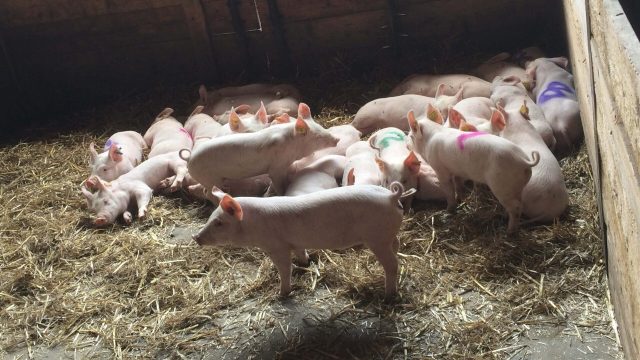
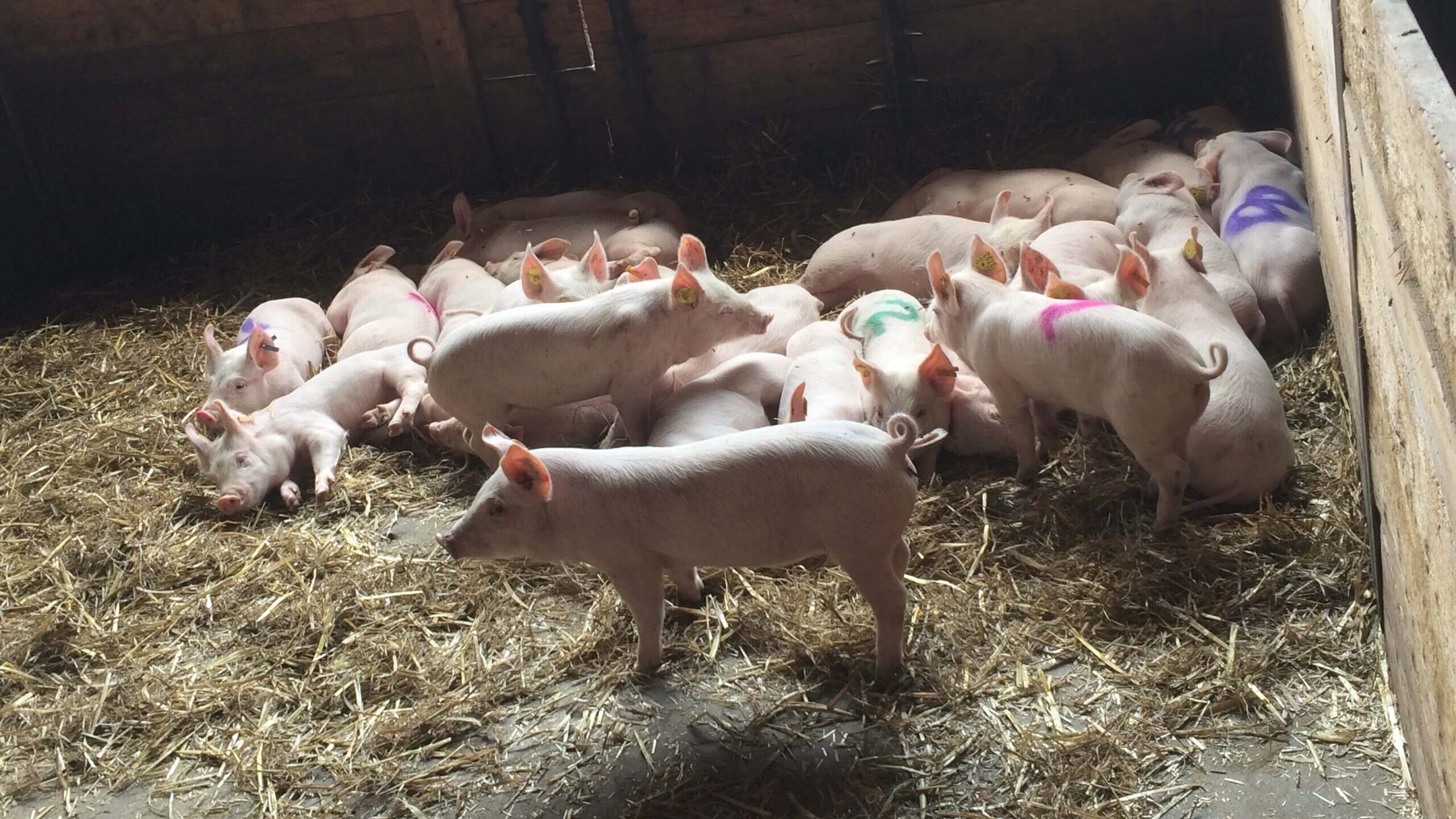
Having gathered thousands of recordings of pigs in various contexts, researchers have discovered for the first time that porcine grunts reveal real emotions.
With an algorithm they designed, the European researchers decoded more than 7,000 pig vocalizations as negative (scared or frightened) or positive (happy or excited).
“With this study, we demonstrate that animal sounds provide great insight into their emotions,” said researcher Elodie Briefer of the University of Copenhagen. As the lead author of a study that appears in the journal Scientific Reports, she noted that this is “an important step towards improved animal welfare for livestock.”

Briefer and her colleagues recorded the pigs in both commercial and lab circumstances. Working with pigs, researchers created mock scenarios to evoke nuanced emotions in the middle of the spectrum of positive and negative. For example, pigs were put in one area and supplied with food and toys or placed in an area lacking these stimuli. The researchers also put the pigs in an area with new, unfamiliar objects for them to explore.
During the experiments, the team recorded the swine’s behavior, heart rate and calls. By analyzing thousands of recordings of the pigs’ positive and negative reactions, researchers tried to tell which betrayed negative or positive emotions. Confirming earlier research, more high-frequency calls, such as squeals and screams, were recorded in negative situations. On the other hand, low-frequency calls such as barks and grunts were associated with positive emotions.
Related behavior also revealed emotion. Pigs typically stood still, released repeated vocalizations and attempted escape while in negative surroundings such as a slaughterhouse, according to the study. Positive emotions elicited exploration of their surroundings and having their ears in a forward position.
When pigs were experiencing good vibes, such as when piglets suckled sows or reunited with their littermates, their vocalizations were associated with positive emotions. Bad vibes included separation from sows, fighting between piglets, slaughter and castration.

Also, with further analysis, the team saw in great detail a new pattern of what the swine were experiencing.
“There are clear differences in pig calls when we look at positive and negative situations. In the positive situations, the calls are far shorter, with minor fluctuations in amplitude. Grunts, more specifically, begin high and gradually go lower in frequency. By training an algorithm to recognize these sounds, we can classify 92 percent of the calls to the correct emotion,” Briefer said.
Over the last two decades, more information about animal emotions has led to acceptance that livestock’s mental health is important for the animals’ wellbeing and farmers’ bottom lines. Even so, the concept of animal welfare remains focused on animals’ physical wellbeing, which has led to automatic monitoring of animal health.

But the results of the study may lead to monitoring and responding to animal vocalizations that reveal their mental state. The researchers believe that the algorithm they developed may be a first step toward improved quality of life for swine and other livestock.
“We have trained the algorithm to decode pig grunts. Now, we need someone who wants to develop the algorithm into an app that farmers can use to improve the welfare of their animals,” Briefer said.
Edited by Siân Speakman and Kristen Butler
Recommended from our partners
The post Pig Grunts, Barks And Squeals Reveal A Range Of Emotions appeared first on Zenger News.
Kroger Creating 161 Jobs to Launch Grocery Delivery Service in Birmingham

By Jerry Underwood
Made in Alabama

Why Locusts Form Destructive Swarms
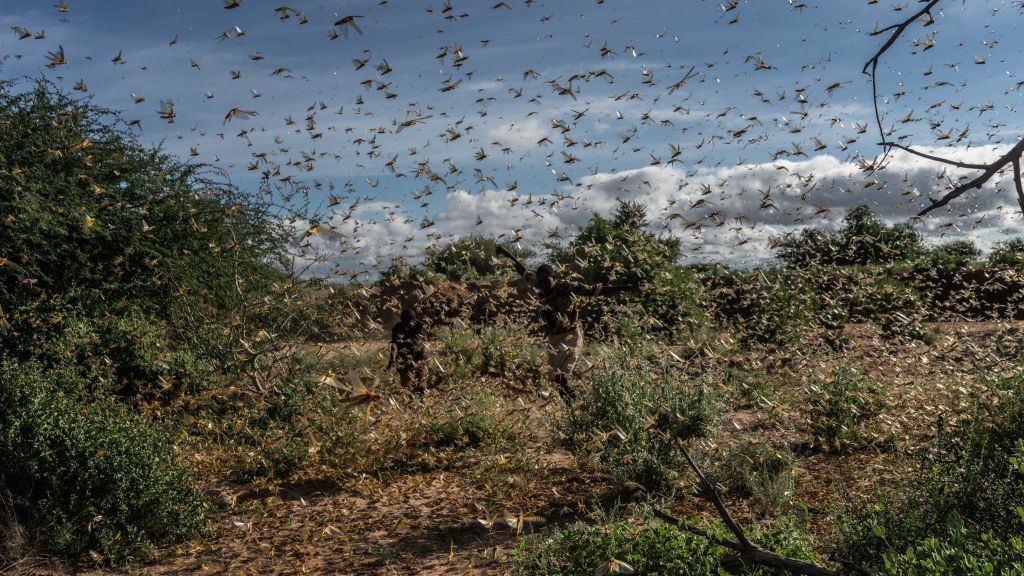
“Locust swarms that decimate all crops in their path have been a major cause of famine from biblical times to the present. Over the last three years large parts of Africa, India and Pakistan have been hard-hit by locust outbreaks, and climate change is expected to exacerbate the problem even further,” said Prof. Amir Ayali, from the Tel Aviv University School of Zoology.
“Locust swarms form when individual locusts, usually solitary and harmless, aggregate and begin to migrate. However, the causes for this behavior remain largely unknown, and an effective solution is yet to be found.”
Following recent studies indicating that microbiomes can influence their hosts’ social behavior, Ayali and PhD student Omer Lavy tested their hypothesis that locusts’ microbiomes may play a role in their tendency to aggregate.
Indeed, they found that the microbiome of a solitary locust undergoes a profound change when the host joins a group.
Bacteria called Weissella, almost completely absent from the microbiome of solitary locusts, become dominant in the gregarious phase.
Moreover, a specially developed mathematical model indicates that swarming provides these bacteria with potential evolutionary advantages, allowing them to spread and infect large numbers of locusts.
Although these findings do not prove unequivocally that these bacteria cause locusts to swarm and migrate, Ayali and Lavy believe that the microbiome, and specifically Weissella bacteria, are involved the locusts’ aggregation behavior.
“We hope that this new understanding will drive the development of new means for combating locust outbreaks — still a major threat to countless people, animals, and plants all over the globe,” said Ayali.
The study was based on a multidisciplinary collaboration of experts from Tel Aviv University and the University of Haifa in fields as varied as insect behavior and physiology, microbiology, and computational models of evolution. Their paper was published in Environmental Microbiology.
Produced in association with ISRAEL21c.
Recommended from our partners
The post Why Locusts Form Destructive Swarms appeared first on Zenger News.
Sounds Fishy: New Website Offers Repository Of Fish Sounds From Around The World
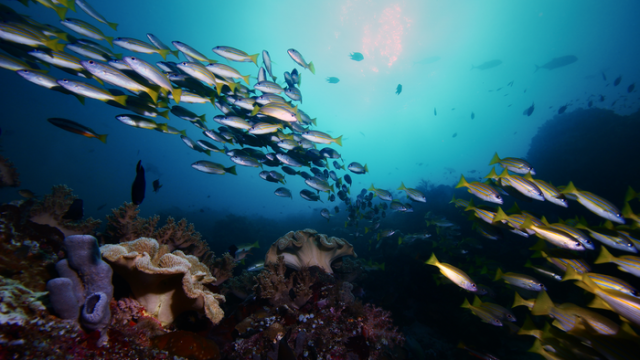
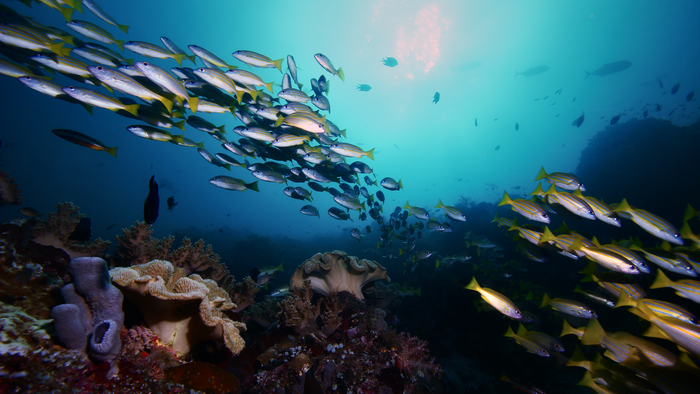
If you’ve seen fish in an aquarium or pond moving their lips, you might be surprised to learn they were probably making sounds that other fish, at least, may understand.
Observers have long documented the songs and trills of birds all over the world, distinguishing various species from each other and the purported meanings of their sounds. Moreover, whales and dolphins sing and squeak and use sound for echolocation.
Yet it still comes as a surprise to many people that fish make sounds, according to researcher Audrey Looby of the University of Florida, lead author of a new study published in Reviews in Fish Biology and Fisheries.
“You could make the case that they are as important for understanding fish as bird sounds are for studying birds,” Looby said.

“Fish sounds contain a lot of important information,” she said, adding that they may be communicating about predators, food, sex and territory. “And when we can match fish sounds to fish species, their sounds are a kind of calling card that can tell us what kinds of fish are in an area and what they are doing,” she said.
While previous studies have recorded and analyzed fish sounds, many of those recordings have not been accessible to the public before now.
To advance understanding of fish sounds, Looby and a team of collaborators created FishSounds.net: the first interactive online fish sounds repository.
On the website are audio files and fish sound visualizations for browsing, organized by species and sound name. If visitors select the “boop” sound, they can hear the Bocon toadfish (Amphicthys crytocentrus). In its native habitat in Central American and Caribbean countries, it is known as Bocón, which is Spanish for “big mouth.” It is closely related to a fish Looby is researching while working at a biological research station in Cedar Key, Florida.

“There’s no standard system yet for naming fish sounds, so our project uses the sound names researchers have come up with. And who doesn’t love a fish that boops?” said Looby.
She and the creators of FishSounds.net expect that visitors to the website will contribute their own recordings of fish sounds. The team is working on further interactive features, including a clickable world map with fish sound data points.
The researchers reviewed scientific reports of fish sounds dating back nearly 150 years. Toadfish and other denizens of the deep have organs or structures that produce so-called “active sounds.” Other fish make passive, incidental sounds such as chewing but even these may transmit information.

Some fish bear names that pay tribute to the sounds they make, such as croakers, grunts and squeaking catfish. The study found that almost 1,000 fish species make active sounds, and several hundred were studied for passive sounds. However, these numbers may not be accurate. Because sound travels faster underwater than through air, researchers have concluded that making sounds is effective for communication, especially in low visibility areas.
For scientists, conservationists and the fishing industry to study the movements and location of fish, they could use underwater microphones known as hydrophones. But identifying the species making the sounds will be important.
“There are probably a lot of fish sounds that just haven’t been recorded. That’s why we’ll continue to review new studies coming out and add [them] to the repository. This is truly an international… project with much more to come,” said study co-author Kieran Cox of the University of Victoria, British Columbia.
Edited by Siân Speakman and Kristen Butler
Recommended from our partners
The post Sounds Fishy: New Website Offers Repository Of Fish Sounds From Around The World appeared first on Zenger News.
Vice President Kamala Harris Marks ‘Bloody Sunday’ Anniversary in Selma

Business Owner Darlene Wilson Celebrated on International Women’s Day, March 8