
Owl’s About That? Owl Wings Inspire Quieter Airfoil Design
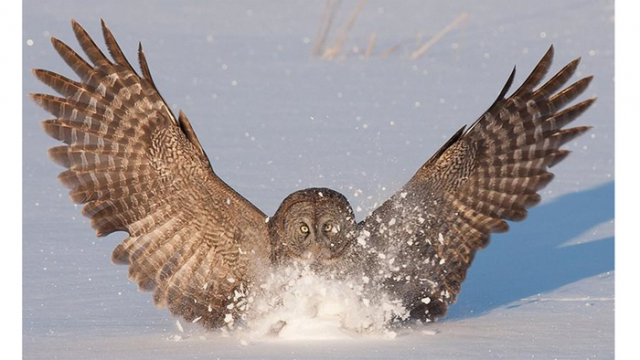
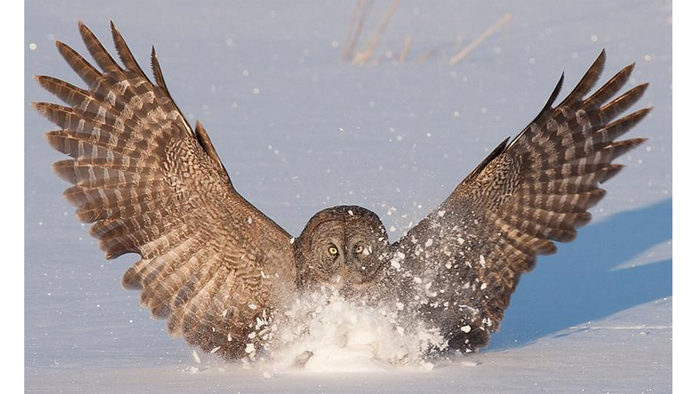
Owls are able to swiftly and silently swoop down on their prey thanks to the noise-suppressing characteristics of their wings. Scientists hope to emulate these features to create quieter airplanes and wind turbines.
The sound of air rushing over the trailing edge of wings is the dominant noise produced by aeronautical and turbine engines, contributing to noise pollution, particularly in urban areas. Looking to nature for a solution, researchers believe the characteristics of owl wings could transform the design of airfoils and minimize trailing-edge noise.
Xiaomin Liu of Xi’an Jiaotong University, one of the authors of a study appearing in Physics of Fluids, described how owls are adept silent killers.
“Nocturnal owls produce about 18 decibels less noise than other birds at similar flight speeds due to their unique wing configuration,” he said. “Moreover, when the owl catches prey, the shape of the wings is also constantly changing, so the study of the wing edge configuration during owl flight is of great significance.”

When air flows over the back of an airfoil, it creates turbulence along its upper and lower surfaces. When the air flows back through an airfoil’s trailing edge, it radiates noise. While older studies found that using serrated trailing edges could reduce the noise signatures of rotating machinery, the reduction of noise was not universal and depended on the final application.
Owls, like other birds, have various kinds of feathers. Unlike other birds, owls’ primary feathers are uniquely able to reduce turbulence over their wings because of their comb-like serrations. These serrations muffle the sound of the airflow, shifting the angle at which air flows. Air is allowed to pass through them, eliminating sound. It is possible that the feathers also shift the sound of the airflow to a higher frequency that most animals cannot hear.
Additionally, owls’ secondary feathers have a soft fringe that reduces turbulence behind the wings. With tattered feathers on the trailing edge of the wing and downy feathers on the legs and the rest of the wing, sound waves are broken up. The fluttery, downy feathers absorb any remaining in-flight noise. The down absorbs frequencies measuring above 2,000 hertz, thus eliminating sounds that would alert owls’ hapless prey.

Admitting that current technology to reduce airfoil noise has reached a “bottleneck,” Liu said, “The noise reduction capabilities of conventional saw tooth structures are limited, and some new non-smooth trailing-edge structures need to be proposed and developed to further tap the potential of bionic noise reduction.”
After conducting theoretical studies of airfoils with the characteristics of owl wings, the research team applied their data to limit the noise level of rotating machinery. They found that asymmetric serrations reduced noise more than symmetric serrations. Different operating conditions saw varied levels of noise reduction. Thus, the researchers suggest that future airfoil designs should be tested according to the specific application required.
Wind turbines, for example, have very complex incoming flow environments, which require a more general noise-reduction technology. Designers would need to try different techniques for noise reduction based on varied incoming flows to apply the results of the study.
The noise generated by wind turbines has been a source of controversy. In the south of France, for example, a court recognized in November 2021 that a couple suffered from “turbine syndrome.” The pair claimed that the wind turbine noise had caused depression, dizziness, headaches, insomnia and tinnitus for over two years.
Without precedent, a court in Toulouse awarded them more than 100,000 euros ($113,000) in compensation. When a forest was cut down near their home in 2013, the effective natural sound screen was eliminated between them and the wind turbines 2,300 feet away, exacerbating the effect on the couple’s health.
Edited by Siân Speakman and Kristen Butler
Recommended from our partners
The post Owl’s About That? Owl Wings Inspire Quieter Airfoil Design appeared first on Zenger News.
Federal Judges Order Alabama to Redraw Congressional Map




The Animals That Disperse Seeds Are Disappearing, Spelling Trouble For Vital Plants
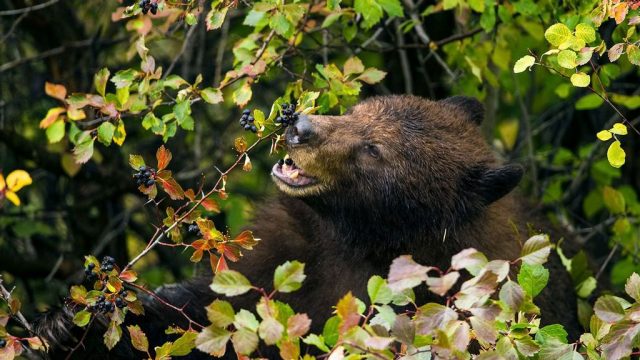
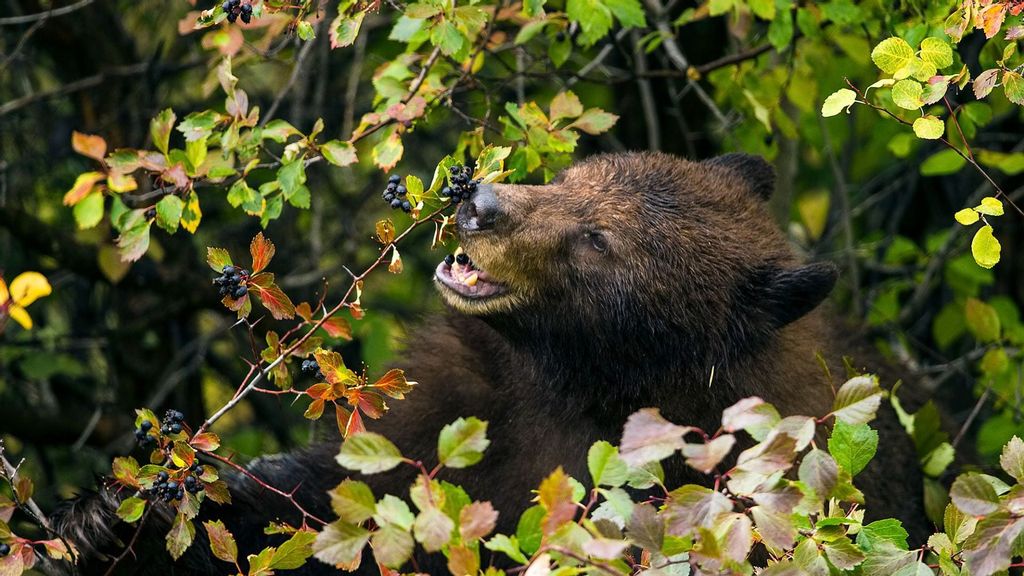
A loss of biodiversity among the birds and mammals that disperse seeds endangers plants necessary for human life, according to a new study.
Half of all plants rely on animals to spread their seeds. An international team of researchers determined the extent of plant dispersal has already been limited as seed-dispersing animals are lost to human-caused extinctions or range limitations.
In a study that appeared in the journal Science, the research team showed the spread of animal-dispersed plants has been “conservatively” reduced by 60 percent due to the loss of birds and mammals that aid plants in moving to locations with favorable conditions.
“Some plants live hundreds of years, and their only chance to move is during the short period when they’re a seed moving across the landscape,” said study co-author Evan Fricke of Rice University in Texas.
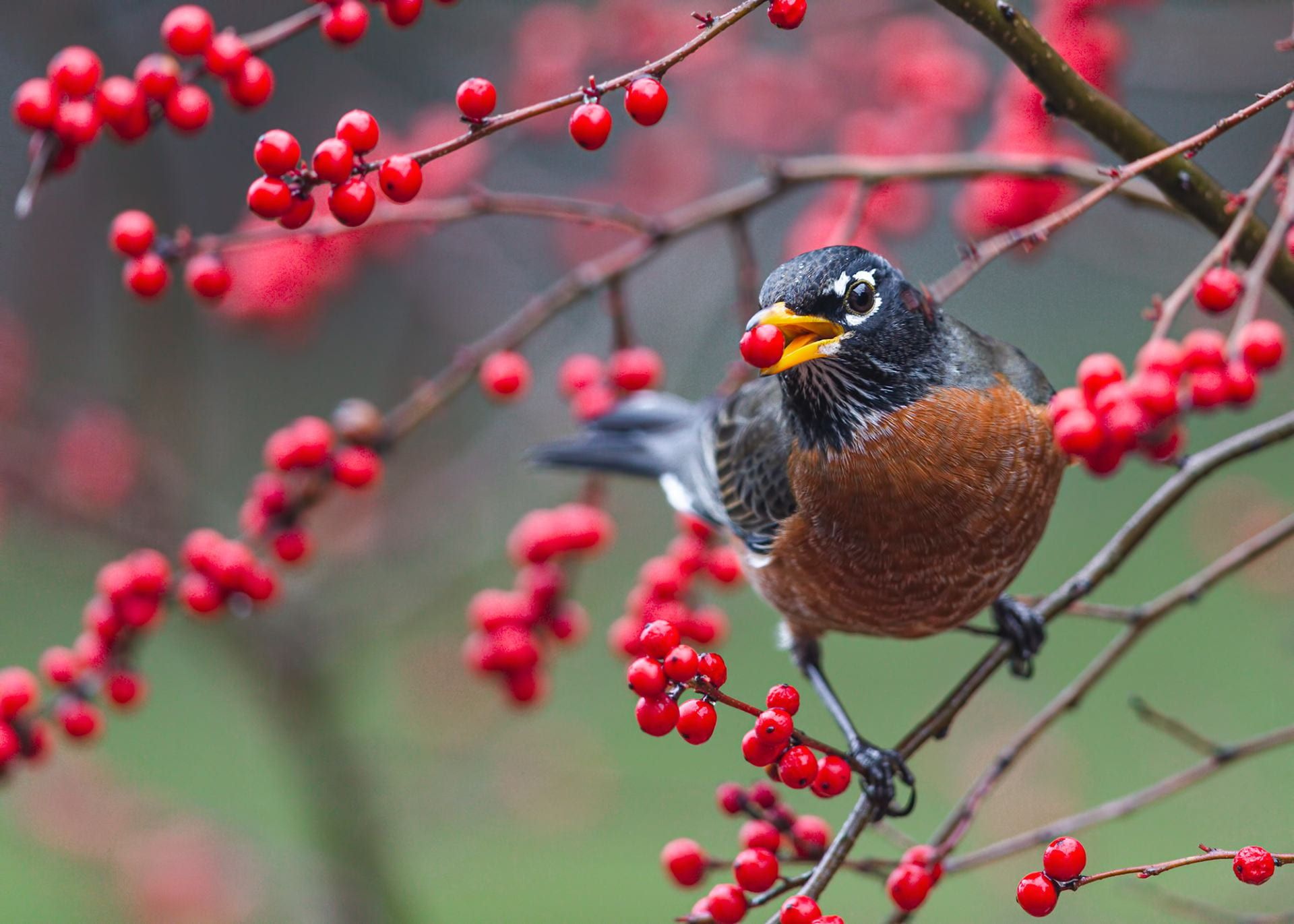
By using data from thousands of field studies, the researchers mapped the dispersal of seeds by birds and mammals across the world. They also compared maps showing current areas of dispersal with what that would be without animal extinctions or restrictions to their range.
To survive a changing climate, plant species must extend their range into more suitable environments, researchers said. But that could be hard with too few animals to help.
“If there are no animals available to eat their fruits or carry away their nuts, animal-dispersed plants aren’t moving very far,” Fricke said. Many of these plants are familiar and necessary to human beings, he said.
Fricke said the study is the first to quantify the scale of the problem and to identify the regions most affected worldwide. Using the field data with a machine-learning model, the authors estimated the effect on seed dispersal caused by the decline in the animals.
By using data on species’ interactions gleaned from more than 400 field studies, Fricke and colleagues predicted the interactions between plants and animals. The researchers also used data from thousands of other studies to determine how many seeds certain birds and animals spread, how far the seeds are dispersed and their rate of germination.
“For example, when an animal eats a fruit, it might destroy the seeds or it might disperse them a few meters away or several kilometers away,” Fricke said.
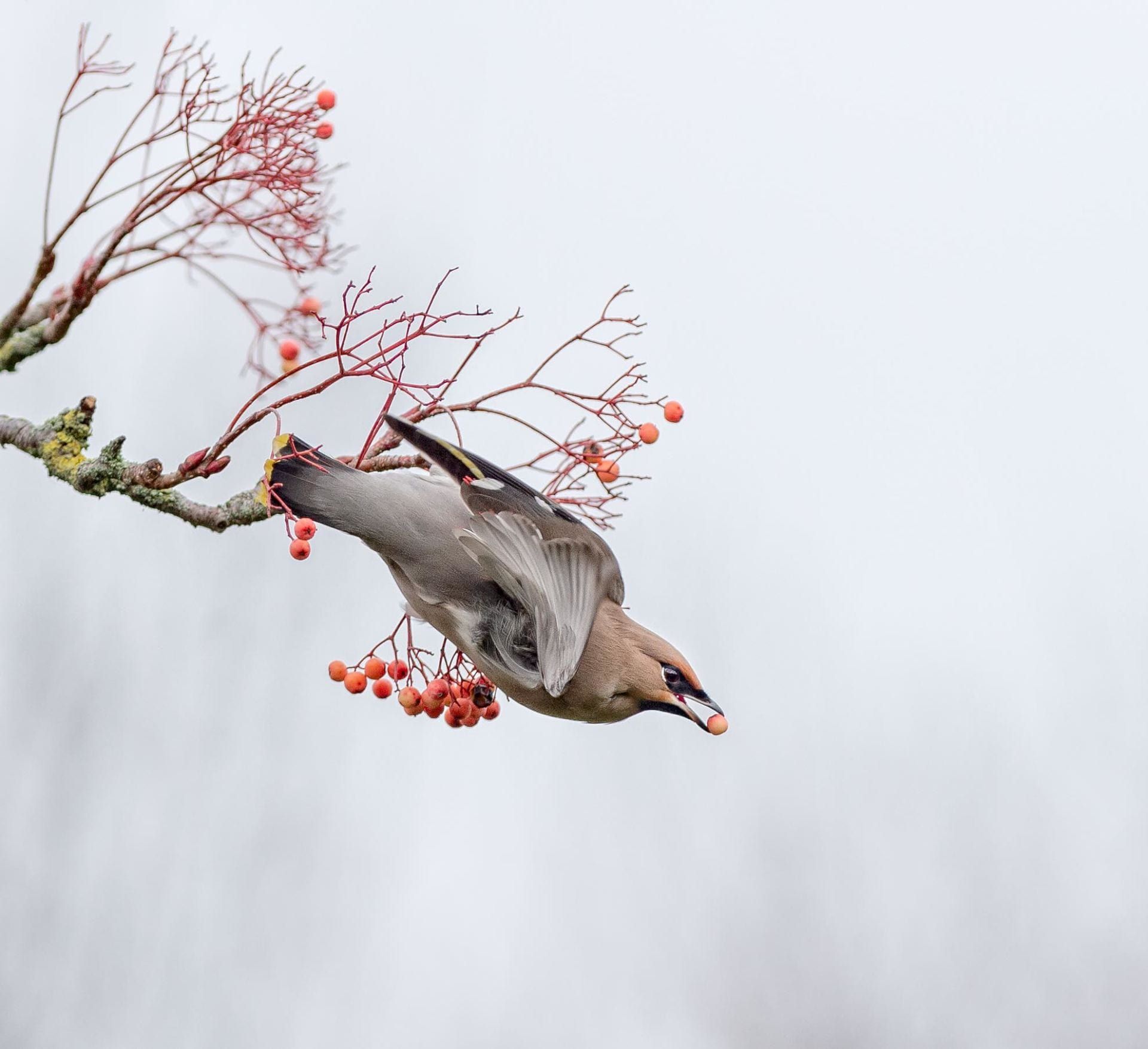
Seed-dispersal declines were especially acute in temperate regions of Australia, Europe and the Americas, where seed-dispersing animals are challenged. But tropical regions in Africa, Southeast Asia and South America would be the most affected if endangered species become extinct, the researchers say.
“We found regions where climate-tracking seed dispersal declined by 95 percent, even though they’d lost only a few percent of their mammal and bird species,” Fricke said.
“Large mammals and birds are particularly important as long-distance seed dispersers and have been widely lost from natural ecosystems,” said co-author Jens-Christian Svenning, an ecologist at Aarhus University.
“When we lose mammals and birds from ecosystems, we don’t just lose species. Extinction and habitat loss damage complex ecological networks. This study shows animal declines can disrupt ecological networks in ways that threaten the climate resilience of entire ecosystems that people rely upon,” Fricke said.
”Restoring ecosystems may counteract some decline of seed dispersal,” Fricke said, adding that biodiversity among seed-dispersing animals is essential to the survival of plants that store carbon and feed people.
Edited by Richard Pretorius and Kristen Butler
Recommended from our partners
The post The Animals That Disperse Seeds Are Disappearing, Spelling Trouble For Vital Plants appeared first on Zenger News.