By Sym Posey | The Birmingham Times
Denise Biddings was among more than several dozen seniors at the Five Points West Library on Wednesday learning how to avoid falling victim to scammers. But she also shared an alarming story.
“My husband was a victim of a gift card scam for [a large retailer,]” she said. “We lost almost $600.”
Biddings wasn’t the only one in the room targeted by scammers. Many in attendance, and even some of the speakers, shared similar experiences.
Chase Bank and the Birmingham Police Department hosted an education event about common scams that threaten everyone, but seniors most of all.
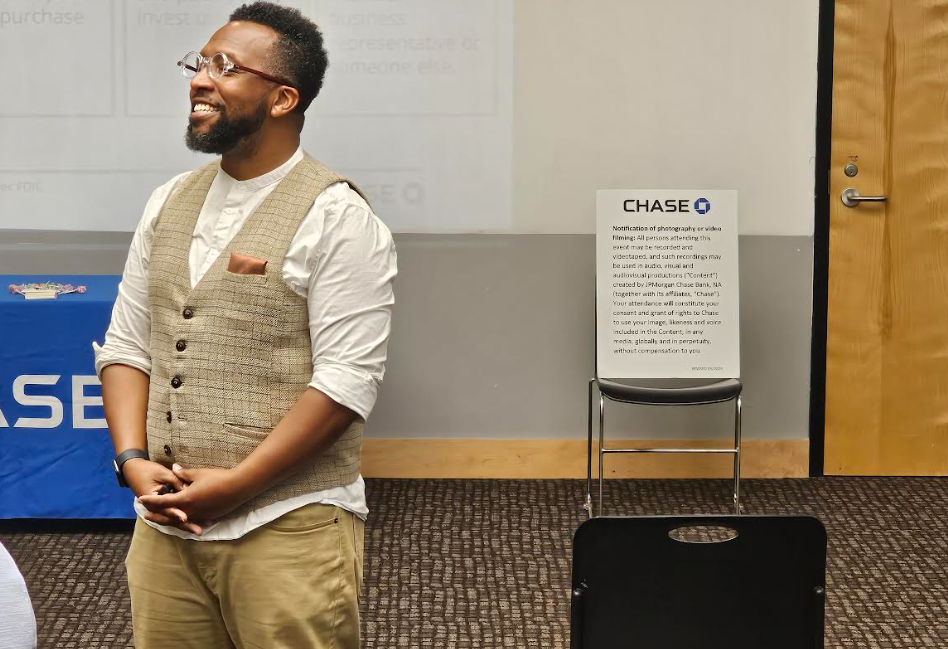
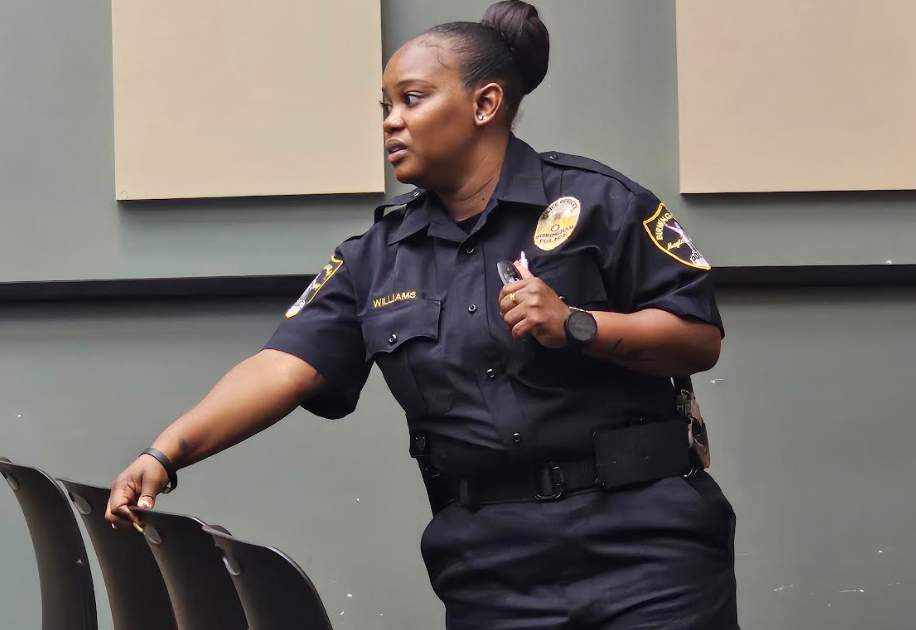
They heard from Chase Community Manager Geno Gardner, who frequently provides scam and fraud prevention education, Birmingham Police Officer La Vanna Williams, community engagement officer and Nia Bibbs, community relations specialist for Archwell Health.
Seniors are often targeted because scammers believe they may be more trusting, less familiar with new technology, or more financially stable, Gardner said.
He added, “loneliness can make them vulnerable to romance or impersonation scams. And there is one more element: Many seniors want to be helpful. They see a need, and want to fill it.”
Williams said her office has seen numerous instances where people are getting phone calls from people who they don’t know impersonating law enforcement officers. “Some actually say that they have a warrant out for their arrests,” she said.
Bibbs said the “climate of today” has created more fraud and scams.
“There’s just plenty of opportunities and different methods,” she said. “[Scammers] are getting very, very savvy and very smart … It is important for just regular citizens to stay vigilant and diligent in protecting themselves and their assets.”
So, what can seniors, and people in general, do?
“Always be cautious if the caller pressures you to act immediately or asks for personal info like Social Security numbers, bank details, or passwords,” Gardner said. “Legitimate organizations won’t demand this over the phone. For instance, your bank will not call you at your senior center or on your cell phone.”
He advised, “Hang up and verify by calling the official number listed on your statement, your credit or debit card, or the company’s website.”
He also encouraged family members to help keep their seniors safe from scams.
“Encourage them to speak to you before sending money to anyone,” he said. “And if someone ever asks them to do something and keep it a secret from their family or caregivers – that is the reddest flag of them all. Hang up and call your family.”
Williams said, “be cognitive of what and who you give your information to. I can’t stress that enough. Your information is your information. That’s your identifiable information. Don’t give it away. And especially to someone you don’t know.”
After the session ended, Biddings, the attendee said, “Events like today are helping to educate the community. People need to know. When you’re just doing everyday things, things pop up on the computer, do not answer them.”