A law taking effect in Alabama today is meant to make purchasing menstrual and maternity products a little cheaper.
About 16 percent of Alabama families live below the poverty line, according to 2023 U.S. Census data. For many, products used for menstrual hygiene, pregnancy and caring for babies are a necessity.
Beginning today, shoppers will not be charged state sales tax for some of these items.
“This sort of bill is a step in the right direction to show young people that, hey, if you want to build a family, this is how our government is going to remove the barriers,” said Shante Wolfe, the URGE Southeastern States Field Director.
URGE is a group advocating for reproductive and gender equity, including equal access to menstrual hygiene and family care products.
“One thing that we need in the state is financial relief for families,” Wolfe said. “This removes about 4% of the sales tax on essential products and especially in lower-income communities. This means not having to choose between simple things like medication or food or gas. You know, we can give people a little breathing room back.”
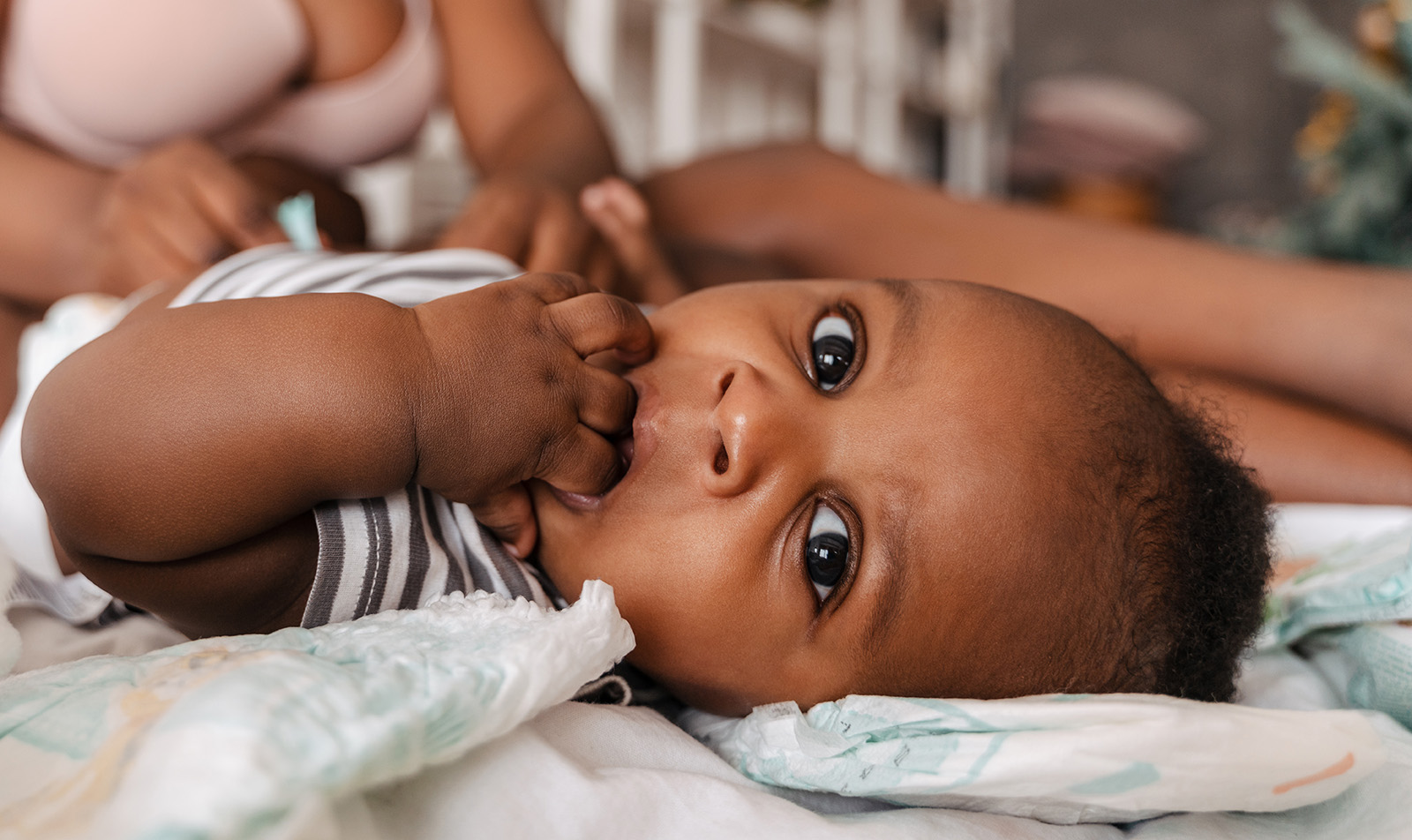
The tax exemption includes pads, tampons, sanitary napkins, menstrual sponges and cups. It will also apply to products needed for pregnancy and caring for infants, like maternity clothing, bottles, diapers, wipes, formula and breast pumps.
Earlier this year, the Alabama Legislature determined passing this bill would decrease state revenue by about $10 million, but lawmakers decided the benefit to families would outweigh the cost. The legislation passed with bipartisan support.
The bill does not automatically exempt these products from municipal and county sales tax, but it does create the framework for local governments to choose to opt into offering the exemption.