
By Sym Posey | The Birmingham Times
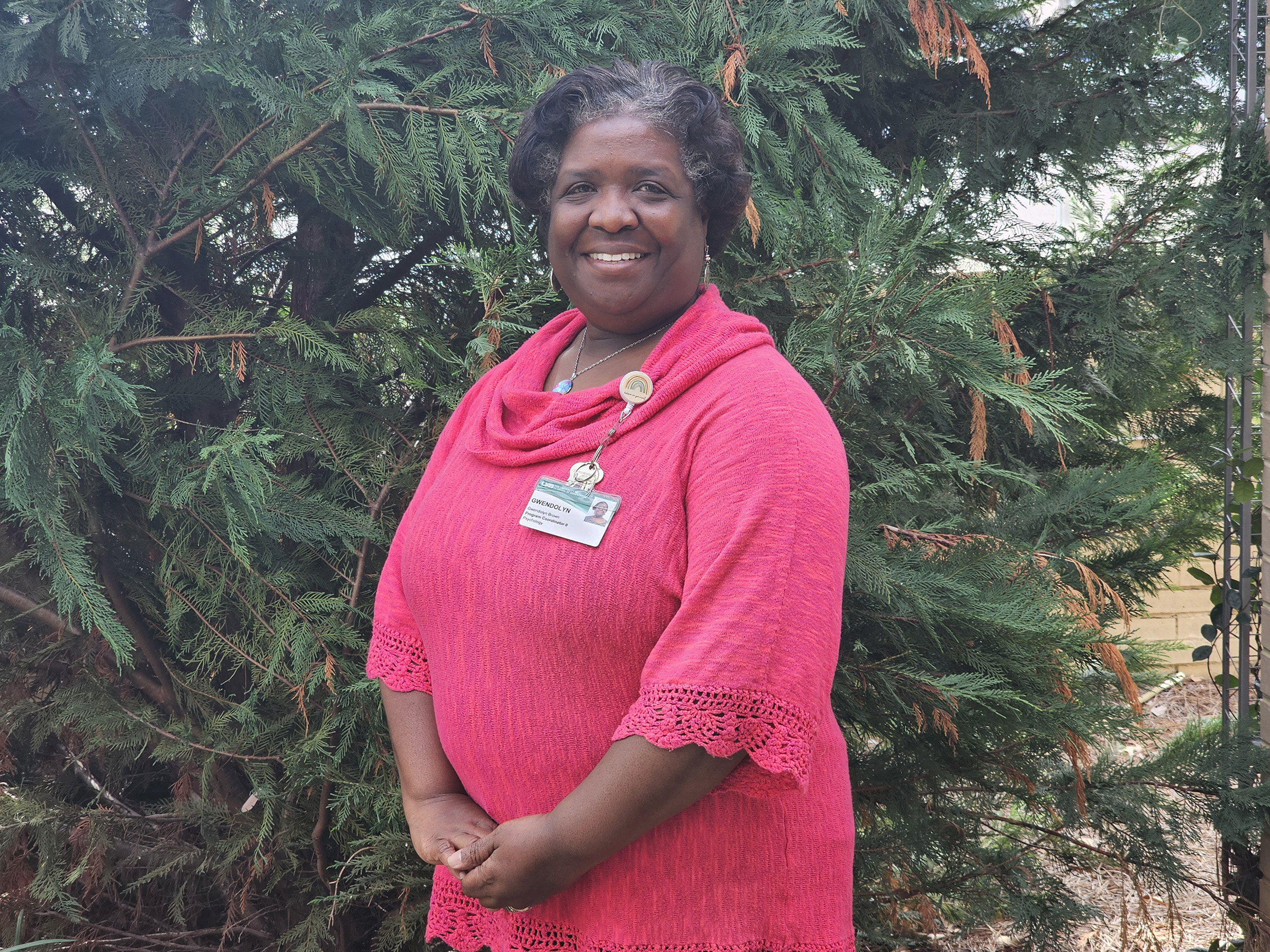
When you meet Gwendolyn Brown, you are greeted by warmth and determination that radiates from every word. As the mom of 26-year-old Erech, who is autistic, and 19-year-old Jakkob, who lives with sickle cell disease, Brown’s life is a testament to resilience, advocacy, love, and caregiving.
“Every day brings new challenges and new joys,” said Brown. “Motherhood and caregiving have taught me patience, resilience, and the importance of community.”
Her love of family has not only shaped her personal life but also inspired her professional calling as Regional Autism Network Family Navigator for the University of Alabama at Birmingham (UAB) Civitan-Sparks Clinic.
By definition, a caregiver is someone who provides assistance and support to an individual who is unable to fully care for themselves, whether due to age, illness, or disability — and November is National Family Caregivers Month, a time to recognize and honor those who support loved ones with chronic illnesses, disabilities, or other needs.
A report released in July 2025 by AARP and the National Alliance for Caregiving shows that nearly one in four adults, 63 million Americans, provided care for an adult or child with a complex medical condition or disability in the past year.
That is an increase of 20 million over the last 10 years, and this number is expected to continue to increase as the population ages. African American families have the highest prevalence of caregiving in the U.S. and are often in high-intensity roles that require regular interaction with health care providers. They also tend to be younger caregivers and more often have children at home while caregiving.
Mental Health as a Caregiver
While caring for others, caregivers must be cognizant of their own needs, as well.
Brown said, “When I started this journey, nobody ever addressed my mental health. Had it not been for my faith, I’m not too sure I would have been here. I’ve had those moments when I felt as if I was losing my mind, when I didn’t have friends, when I lost friends, lost family members, and just felt myself feeling as if I was alone. … It was stressful. It was challenging. I didn’t know if I was coming or going sometimes, didn’t want to wake up in the morning because I was like, ‘How am I going to be able to handle this?”
Brown added that it’s important for caregivers to carve out time for themselves.
“You have to try to accept that, despite all of the things we may try to do, … we are human and we are not going to be able to fix it all in one day, one week, or one month. Once you accept that, [take time to] love yourself, cater to yourself, have moments when you just stop,” she said.
Meeting families who were in caregiving roles similar to hers served as a “life support,” said Brown.
“Even if we had totally different disability diagnoses, there was a connection through families that made a world of difference to my mental health,” she said.
Early in her journey, Brown didn’t know about some of the groups that were out there: “It’s important to get [people] connected to support groups to help,” she said. “And we cannot leave out the faith-based families because some of them are looking for places [where] they can take their kids, and that may be a challenge for them.”
Caregivers can be professionals, such as nurses or aides, but many are family members who step into this role out of necessity and love, like Brown. They help with daily activities, emotional support, medical management, and advocacy, often sacrificing their own needs to ensure the well-being of those in their care.
Family Care
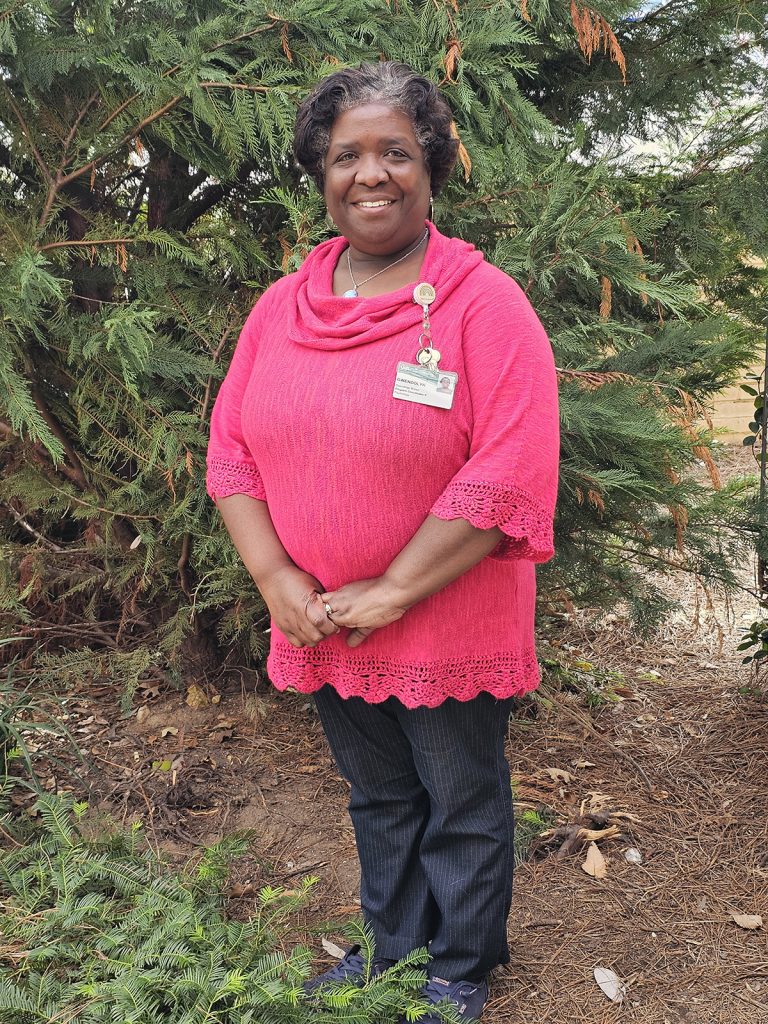
As the Regional Autism Navigator for UAB’s Civitan-Sparks Clinic, Brown works with families of loved ones while also caring for her sons, Erech and Jakkob.
For Erech, she must be attuned to his sensory sensitivities, communication challenges, and need for routine, said Brown, who advocates for his education, ensures that therapies are in place, and provides emotional security. Her days are filled with teaching, comforting, and sometimes simply being present when the world feels too much for him.
“With Erech, had I not chosen to advocate for him to be included with his peers, to not stay in what I refer to as a segregated classroom, his peers would not have been able to have an opportunity to know him. He would not have been able to grow to the extent that he has grown and excel as an adult,” said Brown.
Jakkob’s journey is marked by medical appointments, pain management, and vigilance for complications. Sickle cell disease can mean frequent hospital visits and unpredictable health crises.
“For Jakkob, had we not helped and advocated, his peers would not have known that his illness was not contagious. They would not have known to include him. They would not have known to protect him the moment that maybe he didn’t feel like protecting himself,” said Brown “It caused us to educate the world, which also created a pathway for others that they were going to meet along this journey.”
She added, “We have an autistic child who was in a school system, which meant tons of school meetings, [Individual Education Plan (IEP)] meetings, battling the school system. … Then we had the other child who, because of his sickle cell, was having crisis moments, so we were running into the emergency room in the wee hours of the morning and just trying to figure out how to do what we need to do and still survive and thrive.”
The Eyes of Caregiver Mother
Originally from Atmore, Alabama, Brown began her family in Florida before moving to Helena, Alabama.
“We moved from Florida back toward home because we needed help. We didn’t have enough help there as far as somebody that could give us a break,” she said.
“My husband and I had to learn to really be willing to accept help, to be willing to share our story in order to make connections, because at first we didn’t. We didn’t know who really to talk to, who would not judge us, and who would just, even if they didn’t understand, be willing to say, ‘I will be there for you all, when I can,’” said Brown.
“In recognizing the sacrifices and triumphs of caregivers, especially mothers who juggle multiple roles for their children, we are reminded of the importance of support, understanding, and empathy in our communities,” she continued. “Their stories inspire us to see caregiving not just as a duty, but as a profound act of love.
“Being aware of how to advocate and work past or through the fear of advocating. Learning how to advocate and having the mental health support along the journey,” said Brown.
For more on UAB Center for Excellence in Developmental Disabilities call (205) 975-1815