
By Alaina Bookman | abookman@al.com
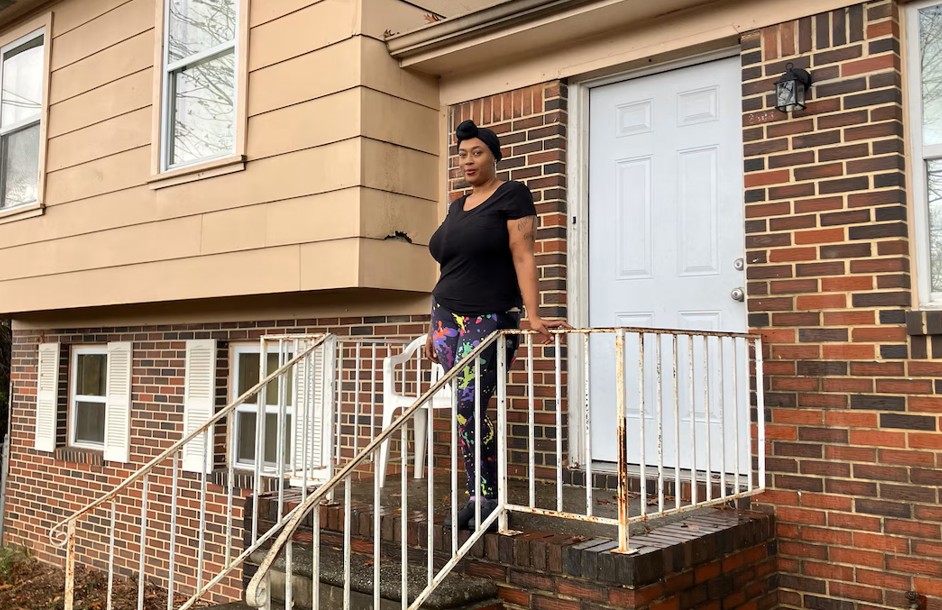
Tiffany Edwards used to greet her children every day after school on the porch of their red brick house north of Birmingham.
Now she’s working 12-hour shifts and missing time with her kids to maintain the roof over their heads and keep up with the ever-mounting bills.
After moving from home to home and battling addiction for a decade, Edwards found hard-fought stability for her three children.
The Continuum of Care, a program that helped thousands of people out of homelessness across the nation, was a key part of that stability.
Gaps in federal funding for the housing program can leave some of the nation’s most vulnerable people to drown.
Its demise put Edwards in a precarious situation.
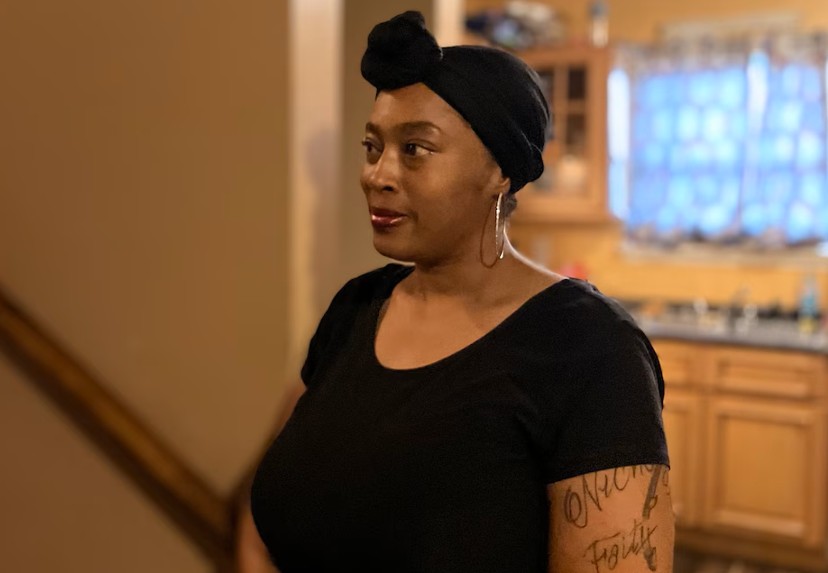
“I don’t want to be left in the blind and don’t want to have an eviction and I’m left wondering about what I’m gonna do with me and my three children,” Edwards told AL.com.
Beginning Of The End
In March, a letter arrived from the Jefferson County Housing Authority telling Edwards in big bold letters that she would no longer have help paying the rent: “Effective June 1, 2025, you will no longer be a participant of the Continuum of Care…”
The federally funded Continuum of Care program once helped 370 households — 585 people, including 128 children and teens — find safe and affordable homes in Jefferson County through housing choice vouchers.
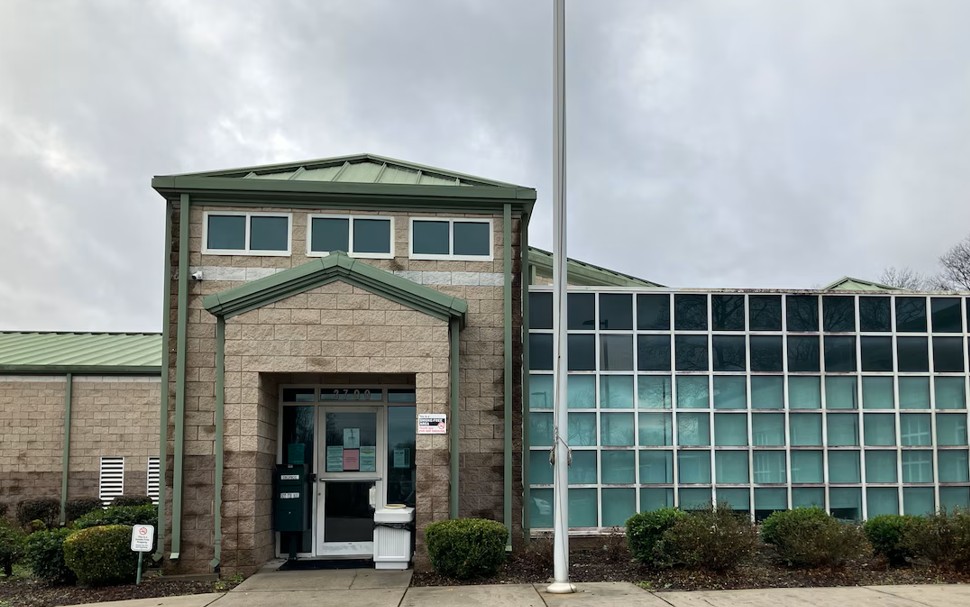
Representatives of the Jefferson County Housing Authority said they had to end their Continuum of Care program because the United States Department of Housing and Urban Development didn’t provide enough funding to sustain it.
“The only options really were for [Housing and Urban Development] to fund us exactly what we needed and none of this would have taken place,” said Hannah Gore, the executive director of the housing authority.
When the program ended, the housing authority and local homeless organizations helped more than 200 participating households find alternative resources and housing.
But others fended for themselves.
A representative of One Roof, a local homeless relief organization, said it is unknown exactly how many individuals were left without housing options or resources since the program’s end.
Edwards’ is one case that slipped through the cracks, leaving her worried about what comes next.
“If it’s underfunded, things are going to fall through the cracks. It’s not a perfect system, and we never claim it to be,” Gordon Sullivan, One Roof’s executive director, said.
“We try our best, because truly, at our core we believe everyone deserves to have a safe place to call home.”
Why It Matters
The Continuum of Care has 400 programs nationwide, including nine in Alabama, which have helped thousands of people around the country out of homelessness since 1994.
Communities and organizations come together to provide outreach, emergency shelter, transitional and permanent housing for those in need.
For Edwards, the Continuum of Care gave her one less thing to worry about by ensuring her rent was paid in full every month.
Without the program, some families would be left with few options.
And some may even return to homelessness.
From 2023 to 2024, central Alabama saw a 7.8% increase in homelessness.
In January 2025, One Roof counted about 810 people who were homeless in the city of Birmingham, Jefferson, St. Clair and Shelby Counties. Because the count is done on a single night, One Roof says it is likely an underrepresentation of the realities of homelessness in the area.
Of the 810 homeless individuals, 518 were Black, 82 had serious mental illnesses, 71 were under the age of 18, and 61 were adults with substance use disorders.
The Continuum of Care helps provide stability to people in need, like Edwards and her children.
A Safe Place To Sleep
From 2006 to 2015, Edwards struggled with drug addiction, moving from home to home in west Birmingham.
“It was a lot of hanging with the wrong people in the wrong crowd, living the fast life. That’s how I ended up getting addicted,” Edwards said.
She said Continuum of Care, which she joined in 2018, was her saving grace.
“I went to treatment to get myself together for not only myself, but for my children,” Edwards said.
“In recovery, they say get away from familiar people, places and things.”
Jefferson County Housing Authority’s Continuum of Care helped Edwards, her daughter and two sons move from the West End to find stable housing in Center Point by providing her a housing choice voucher and paying her rent.
“It gave me the outlook to continue to move forward and attempt to try to get things together,” Edwards said.
But other bills kept coming.
Edwards’ daughter was born prematurely, weighing only a pound and three ounces. Now 8 years old, she has cerebral palsy, which limits her mobility, and learning disabilities.
Edwards is often in and out of the hospital with her daughter and says she needs to be home to attend to her special needs.
Her only source of income was her daughter’s disability payments, about $960 a month.
“I couldn’t find a job. With that program, I was secure enough where we at least have somewhere to stay. We won’t be homeless because my rent was taken care of,” Edwards said.
“It gave me that comfort and support.”
But behind the scenes, funding was drying up.
How It Fell Apart
In Alabama, there is no state budget line item for homelessness relief, which Sullivan says makes resources and services uncertain.
Continuum of Care’s sole source of funding comes from the federal Department of Housing and Urban Development through a competitive grant.
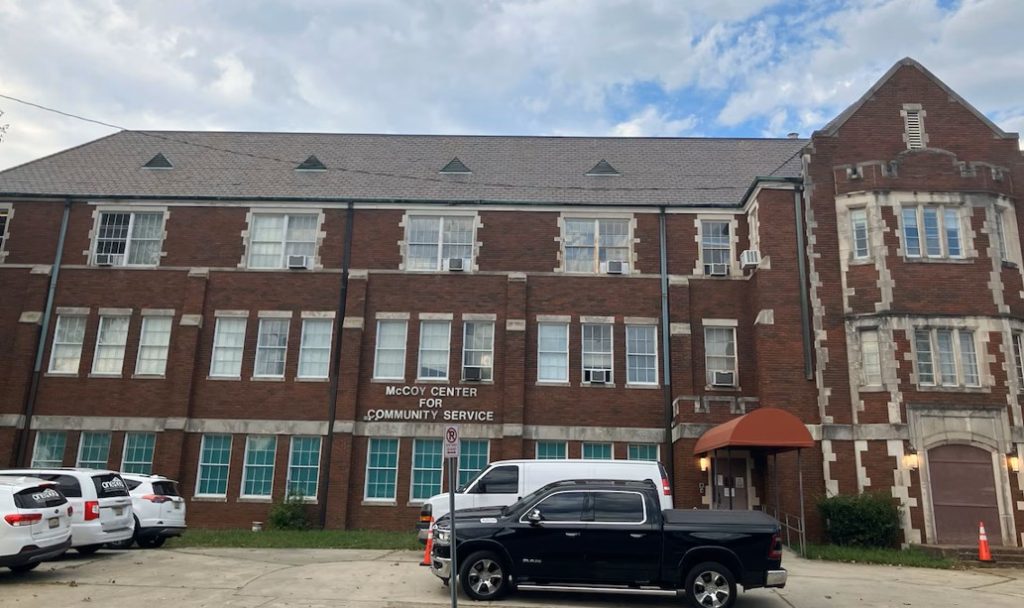
One Roof is the lead agency for the Central Alabama Continuum of Care program, which includes 67 partner organizations and the Jefferson County Housing Authority.
In 2024, the Department of Housing and Urban Development awarded Central Alabama’s Continuum of Care Program $10.3 million, which each partner agency can apply for.
Sullivan said that money is only a “drop in the bucket,” to tackle homelessness across the region.
“As a system of care, we are woefully underfunded. I would say we only receive maybe a third of what we really need,” Sullivan said.
The amount of money a program can receive depends on a strict set of guidelines set by the federal government.
The guidelines include serving people who are chronically homeless, meaning unhoused for over a year, and providing participants costly and labor intensive wrap-around services like employment, legal and medical support.
Those guidelines limited the federal dollars the housing authority received because they operated solely by providing housing vouchers and rent assistance.
“There was no way that we could push our program into that mold and make it fit. And they did not accept the fact that this is the way we operate,” said Diane Clark, the human resources director of the housing authority.
“What housing authorities do is not consistent with the way those programs operate.”
Without additional funding from the United States Department of Housing and Urban Development, the program couldn’t go on.
“There honestly was not another alternative, other than get the money that we needed, but we wouldn’t have been in compliance,” Gore said.
“So we had to just start taking people off the program. That was the only way…It’s very, very, very unfortunate for the participants.”
The End Of The Program
Jefferson County Housing Authority representatives said they could not sustain their Continuum of Care program due to lack of funding from the Department of Housing and Urban Development.Alaina Bookman
In 2024, the Jefferson County Housing Authority made the difficult decision to opt out of the Continuum of Care.
To close out the program, the housing authority broke the participating households into three groups: those who could survive without the program, those who would need additional assistance and those who would need the most help.
On Aug. 7, 2024, the housing authority sent out 100 letters to the first group of households, informing them that their last rental payment would be made on October 1, 2024.
But that was only the beginning.
In January 2025, the housing authority, One Roof and the Department of Housing and Urban Development began helping more than 200 participating households find viable housing options and resources.
In March 2025, Edwards, who was in the second group of participants, received her letter from the Jefferson County Housing Authority telling her that her saving grace would no longer exist.
“I started immediately feeling stressed, trying to figure out what I’m gonna do, how I’m gonna do it, if I could afford to even stay in the house,” Edwards said.
How would she find a viable job? Who would take care of her daughter? Would the changes burden her sons? Would they have enough to eat? These were all questions Edwards said she didn’t have the answers to.
In May 2025, the Jefferson County Housing Authority sent letters to the final group of 100 households telling them that the funding had officially run out.
With help from the housing authority, some participants were transferred to different housing programs. Others moved in with relatives. Some got help from partner agencies that aid in homelessness outreach like the Lovelady Center and the JBS Mental Health Authority.
According to Gore, the housing authority helped more than 200 households find alternative housing and resources.
“One lady has ended up with a house…and her community has come in to support her,” Clark said
“Another individual is in a wheelchair and he was absolutely frantic…We have been able to give him a mainstream voucher so he will continue to get help.”
Gore said the process was long and heartbreaking.
“It took forever, but we tried to have a plan for everybody,” Gore said.
“We have been very hands-on with this, because we actually care. We have a conscience. We know that these are people, these are families,” Gore said.
But not everyone found a solution.
Edwards said neither the Jefferson County Housing Authority nor One Roof reached out to offer help or resources, despite her calling and sending emails.
“We have lost sleep,” Clark said. “The whole thing is tearing us apart emotionally, and it’s very frustrating that we can’t do anything about it.”
All the while, Edwards was also losing sleep.
A Precarious Situation
For months, Edwards was behind on rent, putting her daughter’s disability payments toward keeping the lights on, the water running and food on the table.
“Once you pay the bills, within that first week, you’re broke, and you’re looking like a deer in headlights,” Edwards said.
She said her days were like a “constant rollercoaster,” trying to figure out what to do.
Finally, in September 2025, after a lucky break, things changed for the better.
Edwards’ landlord helped her find a job as a caretaker for the elderly.
“It was the grace of God that I ended up running across it…[The landlord] has been extremely helpful, going over and beyond to try to help me to be able to stay,” Edwards said.
“I even called One Roof to try to get assistance and I still haven’t heard anything from them…If it wasn’t for [the landlord] helping me, we’d be on the streets.”
Even with her new job, Edwards said it’s been hard to “get back to normalcy.”
As a caretaker, she works 12 hour shifts, sometimes longer, running back and forth from her clients’ homes to her own to spend what little time she has with her children.
Edwards said she worries the United States Social Security Administration will deduct from her daughter’s disability payments because of her new job, even though it doesn’t pay much.
Without the Continuum of Care, her utility bills and daughter’s medical bills are still piling up.
Spending long days at work, being in and out of the hospital with her child, having no family to rely on for child care, and not knowing where to turn for resources, Edwards said, has left her treading water.
The week of Nov. 17, One Roof reached out to Edwards to connect her with rent assistance resources.
Edwards said it’s only led her to more unanswered calls and waitlists.
“I’ve been depressed, but one thing that I refuse to do is to relapse,” Edwards said.
“I just want to be able to smile again.”
How To Get Help
One Roof is still assisting Jefferson County clients and anyone in need of housing assistance or resources.
Anyone who is at risk of becoming homeless or is already currently experiencing homelessness can contact One Roof through their website or at 205-254-8833.
The Lovelady Center offers women housing assistance, educational and career programming, counseling and medical treatment. Visit their website or call 205-833-7410 to learn more.
JBS Mental Health Authority offers case management to those with mental illnesses, providing transportation, referrals and support. Those experiencing a mental health or substance use crisis can call their crisis center at 205-263-1701.
One Roof has created a list of community resources including where to go for emergency shelter, rent and utility assistance, substance use treatment programs, transportation, mental health and youth services.