
By Monique Jones | For the Birmingham Times
Black philanthropy was shaping Birmingham even before the area became an official city.
Enslaved workers of Alabama dealt with the harshest of environments, but they still found ways to protect each other. According to the social justice philanthropy organization Tides, enslaved Africans brought West African traditions of philanthropy, such as cooperatives and savings clubs, to the plantations.
The ingrained practices of giving and sharing have been passed down through centuries; as Tides reports, Black families contribute the largest portion of their wealth to charity, more than any other racial group. In detail, two-thirds of Black families give around $11 billion each year. Individually, Black families give 25 percent more of their income yearly than their white counterparts. The high number of donations to charity is despite the fact that, on average, a Black man earns $1.8 million over a lifetime, as opposed to a white man’s $2.9 million, according to the nonprofit research organization the Urban Institute.
While Black families and communities had long been well-versed in helping and protecting one another, Black philanthropy as an institution emerged as Black entrepreneurship flourished during Reconstruction and beyond.
Reverend William Reuben Pettiford
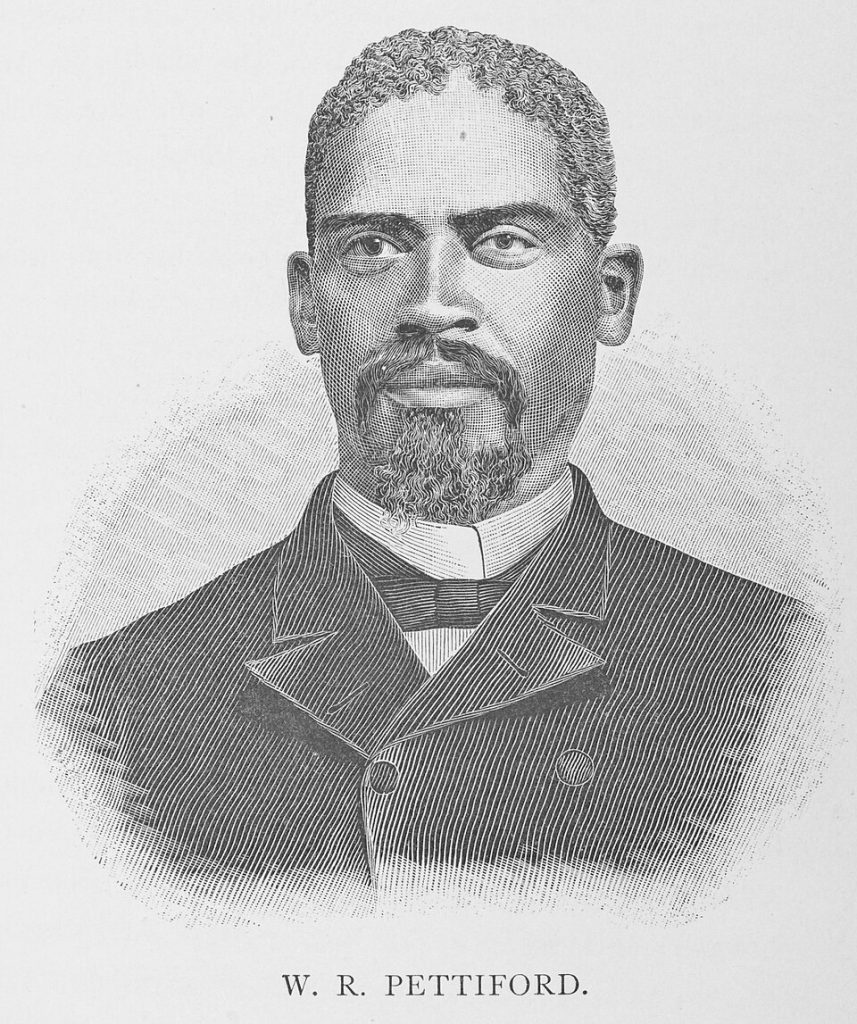
One of the earliest Black philanthropists in the city was Reverend William Reuben Pettiford, who founded the Penny Savings Bank, the first Black-owned and Black-operated financial institution in the state, in 1890.
Pettiford, who also served as the fourth pastor of the 16th Street Baptist Church from 1883 to 1893, also preached the gospel of savings and proper financial management via his bank. Throughout his pastoral and banking career, Pettiford served as a community leader, establishing the Christian Aid Society to help sick church members and to aid them with burial services. According to The Alabama Baptist, Pettiford also started the country’s first technology school in Birmingham, presided over the Birmingham Ministerial Association as President and served on the board of trustees at Selma University.
A.G. Gaston
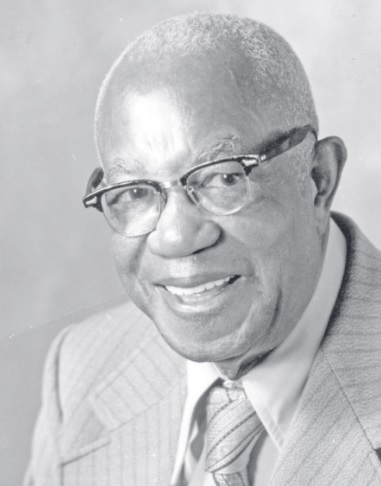
Other entrepreneurs-turned-philanthropists include civil rights leaders like A.G. Gaston. Gaston owned several businesses in the city, including the A.G. Gaston Motel, and used his money to help the civil rights movement gain ground, such as helping to pay the legal bills for the court case involving Black students integrating the University of Alabama, according to TIME.
His motel housed leaders like Martin Luther King while they stayed and strategized in Birmingham. Gaston also bailed King, Ralph Abernathy, and hundreds of protestors out of jail.
As TIME reports, Gaston, who, at the time of his death in 1996 was reportedly worth $130 million, allocated much of his wealth for philanthropic works such as the A.G. Gaston Boys and Girls Club.
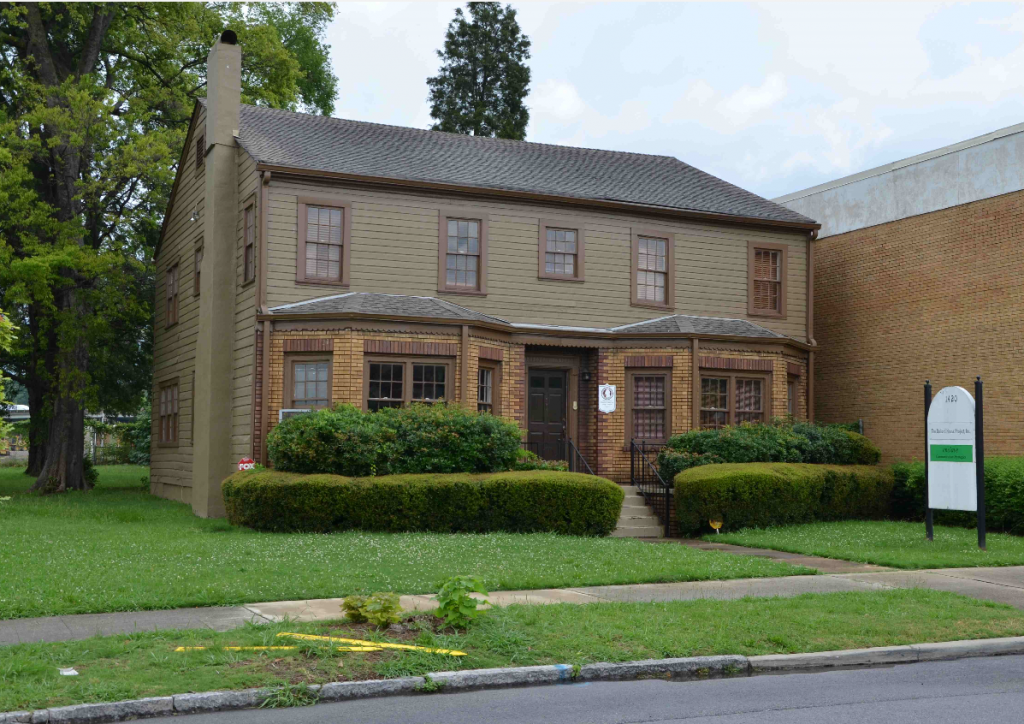
The Ballard House
Before the A.G. Gaston Motel was constructed, the Ballard House was the place Black notables stayed while in town.
Dr. Edward Ballard created a thriving medical office in 1940, quickly becoming one of Birmingham’s business elite. According to The Ballard House Project, the Ballard family moved to California in the early 1950s, and entrepreneur Jesse Perkins became the next owner of the location.
Perkins turned the home and business area into “a significant and pivotal gathering and meeting place for the community of color, and a central backdrop for the chartering and meeting of numerous African-American clubs and community organizations,” according to the site.
One of the doctors who used the Ballard House as his workplace was Dr. Herschell L. Hamilton, the first board-certified Black general surgeon to practice in Alabama and at the University of Alabama in Birmingham. According to the site, Hamilton set up shop in 1959 and treated King, Reverend Fred Shuttlesworth and many of the marchers who were hurt during protests. He also supported the cause with his own resources.
While Hamilton worked at the Ballard House, the location continued as a meeting place for civil rights leaders to strategize and regroup.
Birmingham’s Black Philanthropy Today
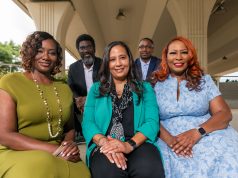
Today, Black philanthropy is still alive in groups like the Birmingham Change Fund, The Brilliant Black Girl Collective, and the Penny Foundation.
Based on the legacy of the Penny Savings Bank,  was created to empower Birmingham’s business community to give back.
Lyord Watson, a founding member of the Birmingham Change Fund, also serves as founder and CEO of the Penny Foundation. He called starting the Penny Foundation “a monumental task,” but says he’s “grateful and blessed” to have a lot of support.
Watson said that the effort from others invested in the foundation included “a lot of time, sweat and tears getting the foundation off of the ground.” As a result, the foundation has been going strong for eight years, with its ninth anniversary occurring in October. Since its inception, the Penny Foundation has raised $14 million for philanthropic works.
“When Birmingham decides to work together and put our minds together to do something, we can be successful,” he said.