Home Blog

‘My Thing Was That You Know When You Know … I Had No Doubt About It’
0
34th Anniversary

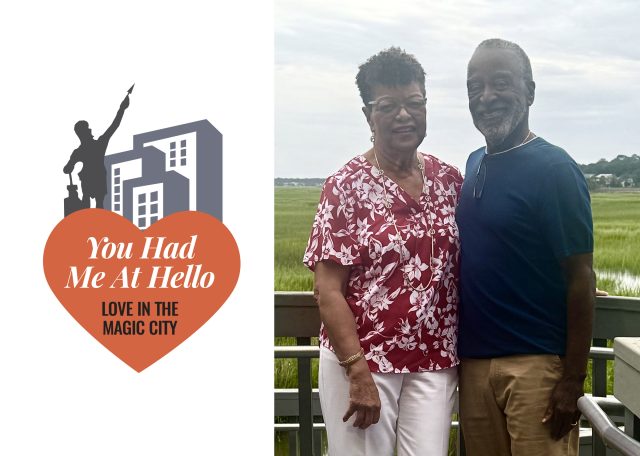
Jo & Charles Chambers

By Mia Watkins | The Birmingham Times

Live: Vestavia Hills

Married: August 10, 1991

Met: Jo and Charles Chambers either met in the 1960s or the 1990s, depending on who you ask.

“He says we met when we were in college.” Jo Chambers said. “I don’t remember meeting him. I remember his roommates, but I don’t remember meeting him. He says he saw me, but I don’t ever remember being introduced.”

Charles Chambers, an Auburn student at the time, was doing a co-op program with BellSouth in the late 60s.

“We met at UAB,” he said. “There was a gathering of UAB students as well as Auburn. This was either in 1968 or 1969. She was dating a Marine. I was dating someone else, too”

Fast forward to 1990, and the two crossed paths again.

“With people from that group, I was living in Tuscaloosa at the time, and he was living in Birmingham,” she said. “I had come up to a party with those friends. We were having breakfast at a restaurant and he walked in. It was the day of the Auburn-Alabama game, and my friend Pat says, ‘Oh, there’s Charles.’ I looked up and I said, ‘Who’s Charles?’ She says, ‘You remember Charles.’ She tried to explain. I didn’t remember him. She was telling me that we were going to get together again at Christmas. But he didn’t come to that gathering. He came to the New Year’s gathering. That’s when we met.

“He came in and he sat down by me, and we started talking,” Jo said. “Everybody moved over to Pat’s house to play cards. We kept talking. We were card partners. You know you get up, come back and play again at some point. We just talked and talked the whole night.”

Charles told Jo he had to take his son on a camping trip, but they exchanged numbers and kissed goodnight. Charles didn’t call her until Sunday.

“He was actually in Centreville at his mom’s, which isn’t far from Tuscaloosa,” Jo remembered. “He had to come over to Tuscaloosa to get a part for his mom’s stove.”

Charles stopped by to see Jo.

“I had rollers in my hair, but he came back.”

First date: The two went to see “Dances with Wolves” on their first date.

“We were just getting to know each other, so we were just kind of feeling each other out,” Jo said.

Their second date was a comedy show with the comedian George Wallace.

“I’d never been married,” Jo said. “I had dated several guys that I thought I would have married but didn’t for whatever reason. So, I said, ‘God, if you want me to have somebody, send somebody because I can’t get this right.’ I had just broken up with a guy in November before we met in December. I said that maybe this is something.”

Charles, who had been married for 18 years previously, wasn’t necessarily looking for a relationship.

“But it felt right,” he said. “The ease of conversation and there didn’t seem to be any pretentiousness on Jo’s part. I felt that this may be the one.”

The two embarked on a relationship, despite living in two different cities.

“We talked almost every night on the phone,” Jo said. “I thought, maybe this is what I’m looking for.”
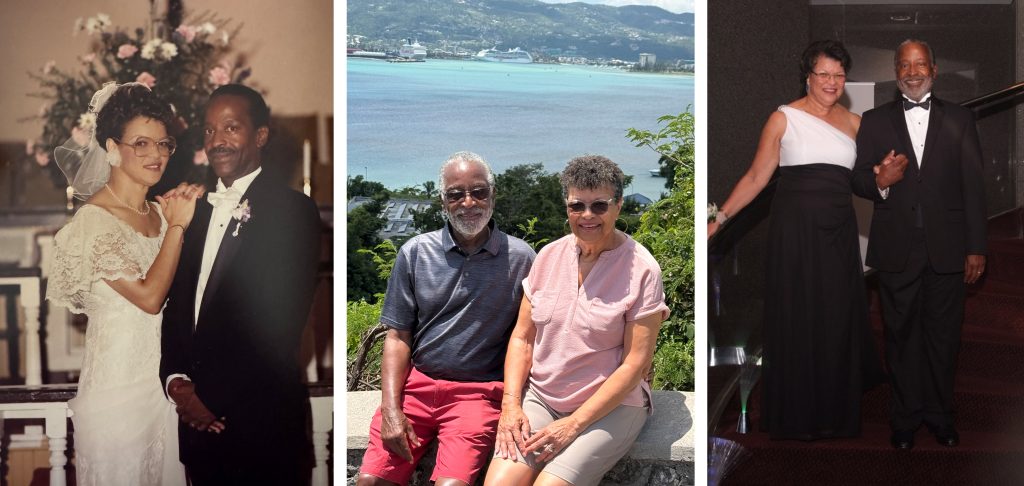
Jo and Charles Chambers initially met as college students in the 1960s, but connected as a couple in 1990, marrying in 1991. (Provided)

The turn/proposal: “He knew sooner than I did,” Jo said.

The two were talking one night in March when Charles asked Jo a life-changing question.

“He said, ‘What if I said let’s get married in December?” she said. “You know, I’m going along with this and say, ‘Nobody wants to get married in December. That’s Christmas. I don’t want my wedding anniversary and Christmas on the same day.’ He threw out some other things, ‘What about June?’ I had recently gone back to school to get my second master’s. I was in school at the time at UA. And I said, ‘I’ll be in school in June, we can’t get married in June.’ He threw out something else and asked when would be a good time. I said, ‘Well probably August. I would have finished my classes. That would be before I start student teaching.’ He said OK.”

“When I hung up, I was like, ‘What just happened?” she remembered with a laugh. “Was that a proposal or were we just talking? I thought that we hadn’t known each other that long, is this guy crazy? I just didn’t know what to think about that conversation. I had to ponder that one for a while.”

For Charles, the marriage conversation didn’t come too soon. It was right on time.

“My thing was that you know when you know,” he said. “I had no doubt about it at that time. Again, the ease of conversation and I felt we were on the same wavelength in terms of family responsibilities and all that stuff. That was my way of saying let’s move this along. The other part was just a matter of … I didn’t have time for games. We both were 40 years old, and I wasn’t playing games. It is or it isn’t, you know? Plus, I was concerned about my two sons. It was a matter of let’s move on it.”

The next step was to tell both of their mothers, who they were extremely close with.

“I think how both of us related to our mamas brought us together,” Jo said. “I knew he would be there for me and my mom. He knew that I would be there for him and his mom.”

Jo also had to meet Charles’ mother for the first time. Charles then introduces Jo to his mom and leaves the two to talk.

“I’m just meeting her,” she said. “We’re having a little awkward conversation and she said, ‘Well, you know, I don’t get in my children’s business.’ I said, ‘Yes, ma’am.”

The rest of their family and friends approved of their fast courtship. Charles recalls being on a camping trip and telling his friend that he was contemplating marriage.

“His question to me was how well I knew Jo and if she was the right one,” he said. “I said yes with no hesitation. He was supportive and he was in the wedding.”

When Charles met Jo’s aunt later, she had one question for him.

“She asked if she could see his broom,” Jo recalled. “He said, ‘What broom?’ and she said, “The one you swept her off her feet with.’”

The wedding: The two got married in a simple ceremony at Bailey Tabernacle CME Church in Tuscaloosa.

“I was 40 years old,’ she said. “I didn’t want frills. I bought a tea-length dress. My aunt said I had to wear a veil. I found a headpiece that we added a short veil to. It was cute. I didn’t send out invitations.”

However, Jo’s mother invited everyone in town.

Many of Charles’ relatives also came to the wedding. Her two cousins served as her bridesmaids and his brother and friend served as groomsmen.

Jo wore ivory and pink.

She said that her favorite memory was the 12-year-old who caught the bouquet at the reception.

“Later on, she was my student at the Alabama School of Fine Arts,” she said. “Everybody was asking how that little girl got the bouquet.”

Because the two didn’t get to eat at the reception, they stopped at an Olive Garden when they got back to Birmingham.

“It was a line, and somebody from the inside came out and got us,” she said. “They asked if we just got married, they gave us a table and brought us champagne.”

Charles remembers struggling with volume control during the wedding.

“They said I was saying my vows too loud,” he said.

The honeymoon: The two went to Sea Island, Georgia, for their honeymoon, a popular honeymoon destination for U.S. Presidents.

“He didn’t tell me where we were going, he just said pack stuff for the beach,” Jo said.

That’s when Charles found out that his bride was a soap opera fan.

“The first full day, we were getting ready to go to the beach, I thought,” he recalled with a laugh. “She told me she couldn’t leave because ‘The Young and the Restless’ was on TV. She started telling me about Victor, Paul and all of them.”

Words of wisdom: The two said the secret to a long marriage is respect.

“Listen to each other,” Jo said. “Sometimes, and we have done it, you’re not listening to what the other person is saying. You have to consider their feelings and what they’re going through. The first time Charles told me that I shouldn’t feel like that, I told him, ‘You can’t tell me how to feel.’ Let me get in my feelings and get through it, and he learned. He read the book “Men Are From Mars and Women Are From Venus” and said that it’s so true. We’re not always going to be on the same page, but at some point, we’ve got to get on the same page.”

Charles said it’s about teamwork.

“It’s all about partnership,” he said. “You work together. You respect and recognize that, and it makes a difference.”

Happily ever after: The Chambers are parents to Charles’ two sons, who are 50 and 47. They have six grandchildren and two great-grandchildren.

Jo retired from the Alabama School of Fine Arts (ASFA) and Charles retired from AT&T.

In this phase of life, they love to travel the world. They’ve been to every continent with the exception of Antarctica.

“I’ve learned that I can play golf, she can do her shopping, and everyone is happy,” Charles said.

“You Had Me at Hello’’ highlights married couples and the love that binds them. If you would like to be considered for a future “Hello’’ column, or know someone, please send nominations to editor@birminghamtimes.com. Include the couple’s name, contact number(s) and what makes their love story unique.

Birmingham Personal Injury Attorney | Guster Law Firm, LLC

Birmingham City Council Delays Vote Until June on Data Center Regulations

0
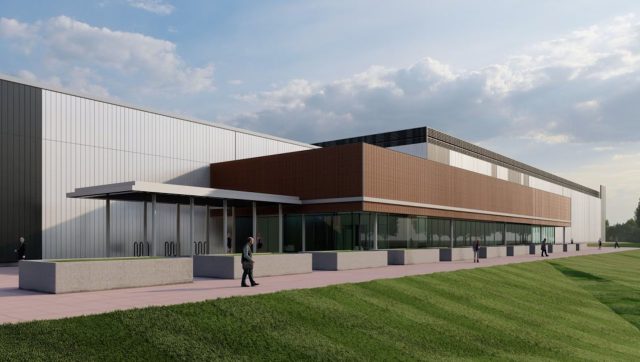
The proposed guidelines will not apply to developments with completed permits included the center to be built by Nebius on Lakeshore Parkway. (Nebius)

The Birmingham Times

Rules for future data center development in Birmingham are still being worked out, as city council members delayed a vote on updates to the city’s zoning ordinance.

After hearing from nearly two dozen concerned citizens during a public hearing on Tuesday, the Birmingham City Council voted unanimously to postpone a decision on new data center regulations. The proposed guidelines were presented by zoning and planning staff during the meeting. The delay will give officials more time to revise the draft regulations and to consider stakeholder comments. Because state law requires 30 days of public notice, the council will move its vote to the first week of June.

During the public hearing, some residents and environmental advocates said they were encouraged by what has been proposed, but members of the business community warned against adopting restrictions that could make it harder for Birmingham to attract future development.

Currently, data center developers can’t apply for permits within the city due to a six-month moratorium enacted by the council on March 3.

The draft regulations define and outline restrictions for four types of data centers: accessory, medium, hyperscale, and micro. The categories are determined mostly by size and electrical use, and each one has its own set of conditions.

Conditions for Hyperscale Data Centers

The draft of proposed regulations includes 19 conditions for hyperscale data centers. A hyperscale data center is defined as “a large data processing facility designed to support high volume computing, storage, and networking capacity” and “occupies more than 200,000 square feet of gross floor area, and/or has an aggregate electrical demand exceeding 30 megawatts.”

In Birmingham and beyond, hyperscale data centers have drawn the most attention because of potential environmental impacts, including water and energy use, noise pollution, and more. A hyperscale data center requires extensive cooling systems, electrical substations, backup power generation and related infrastructure.

The proposed requirements for hyperscale data centers include the following conditions:

  • at least 500-foot separation from residential areas
  • a minimum property size of five acres
  • a ban on illicit discharge into the municipal stormwater system
  • required noise studies before and after construction
  • no on-site power generation, except by solar power (Backup generators can be used within limits during power outages, emergencies, or when required for testing and maintenance.)
  • mandatory closed-loop cooling systems (which recirculate water and minimize the use of potable water for cooling purposes)
  • compliance with specific lighting requirements

Several people who spoke during Tuesday’s meeting, along with Councilor Brian Gunn, called for greater distance between data centers and nearby neighborhoods, possibly increasing the 500-foot setback requirement to at least 1000 feet. Others also urged city officials to revise definitions and strengthen regulations for medium data centers.

The proposed guidelines will not apply to developments with completed permits, including the Nebius project at the former Regions Lakeshore Operations Center site on Lakeshore and the expansion of DC BLOX’s existing facility.

Foot Soldiers’ 63rd Anniversary Celebration Set For Saturday in Birmingham’s Historic 4th Avenue District

0
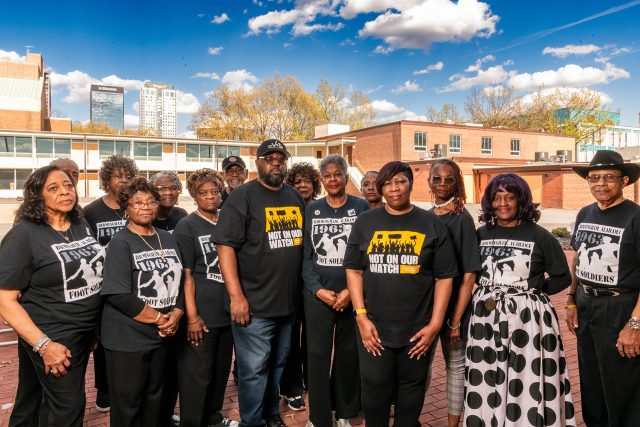
Members from two generations of Foot Soldiers — Not On Our Watch and the Civil Rights Activist Committee — gathered together last year at the historic A.G. Gaston Motel in downtown Birmingham. (File, The Birmingham Times)

Special to The Times

The Civil Rights Activist Committee is hosting the Foot Soldiers’ 63rd anniversary celebration from 10 a.m. to 7 p.m. on Saturday, May 2, in Birmingham’s Historic 4th Avenue District.

This year’s theme, “Honoring the Legacy – Uniting the Neighborhoods – Inspiring the Nation,” commemorates the 63rd anniversary of the Birmingham Civil Rights Movement of 1963, including the historic Children’s March. This celebration honors the courageous young people who marched for justice and changed the course of American history.

The celebration will feature:

  • Main Stage Program with tributes to Foot Soldiers, musical performances, and guest speakers
  • Community Unity Village with booths representing Birmingham’s 99 neighborhoods
  • Youth Legacy Zone featuring student exhibits, art, and storytelling projects
  • Evening Candlelight Tribute and Unity Walk symbolizing reflection, peace, and ongoing progress

This event seeks to provide a powerful, living-history educational experience for students of all ages, giving them the opportunity to stand in the footsteps of the original Foot Soldiers. It is an opportunity to connect classroom learning about the Civil Rights Movement with the very ground where history was made — and to meet the Foot Soldiers who made it.

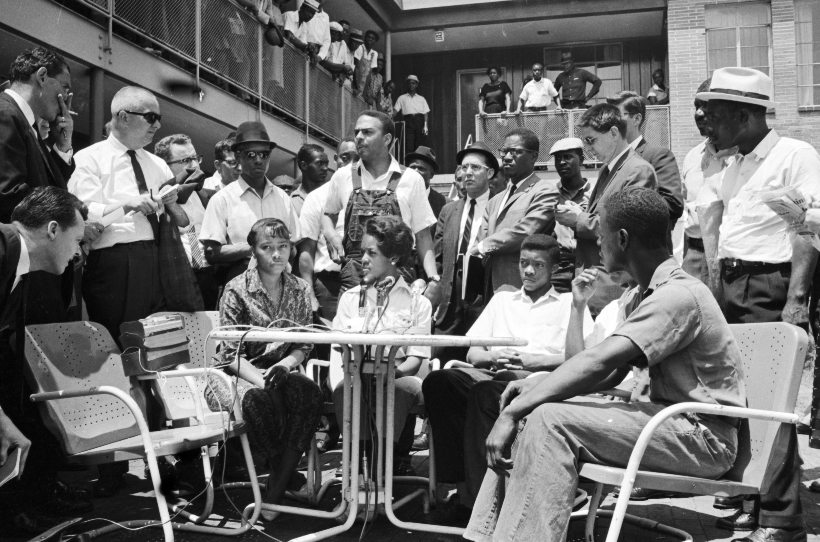
Young Civil Rights demonstrators speaking at a press conference at the A.G. Gaston Motel during the Children’s Crusade in Birmingham, Alabama. (Alabama Department of Archives and History. Donated by Alabama Media Group. Photo by Norman Dean)

The Birmingham campaign, also known as the Birmingham movement or Birmingham confrontation, was an American movement organized in early 1963 by the Southern Christian Leadership Conference to bring attention to the integration efforts of African Americans in Birmingham.

Led by Martin Luther King Jr., James Bevel, Fred Shuttlesworth and others, the campaign of nonviolent direct action culminated in the 1963 Children’s Crusade, widely publicized confrontations between young Black students marching peacefully to City Hall to talk to the Mayor and white civic authorities, who stopped them with force, dogs, and fire hoses.

These events led the municipal government to change the city’s discrimination laws and the federal government to began the process of drafting the 1964 Civil Rights Act.

For general event information, please contact the Civil Rights Activist Committee at (205) 518-0321 or email info@cracfs.org.

Speak Loud, Win Big: $500 on the Line at BPL’s Bards & Brews Poetry Slam on May 1

0
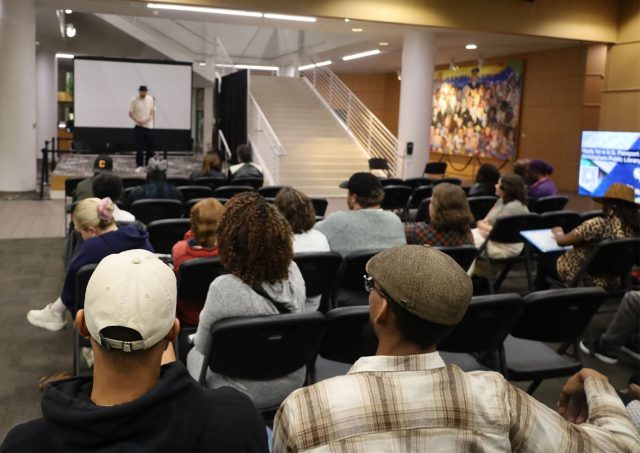
Birmingham Public Library's Bards & Brews Poetry Slam is happening Friday, May 1 at the Central Library downtown. (BPL)

By Roy L. Williams | Birmingham Public Library

Birmingham Public Library (BPL) invites the community to experience some of the metro area’s top spoken word artists competing for a combined $500 in a Bards & Brews Poetry Slam happening Friday, May 1 at the Central Library downtown.

This will be the second slam of the year hosted by Bards & Brews, BPL’s high-energy monthly spoken word poetry series where poets express their voices on stage.

Ten poets will go head-to-head in a fast-paced, three-round poetry slam. First place wins a $250 check, second place $150 and third place $100. With audience members serving as judges, every performance counts and getting the crowd on your side matters. Thed Weller will serve as host.

Doors open at 6:00 p.m., with live music by saxophonist Saxual Healer beginning at 6:30 p.m., followed by the poetry slam. The competition is limited to the first 10 poets who register on-site and pay the $5 entry fee.

Admission is free and open to the public; you must be 18 or older to enter and 21 or older to drink beer samples. Yellowhammer Brewing will serve as the beer sponsor for the evening.

Now in its 16th year, Bards & Brews continues to be one of the library’s most popular programs. Bards & Brews is supported by a grant from the Alabama State Council on the Arts, presented to the Friends Foundation of the Birmingham Public Library.

What:  Bards & Brews Poetry Slam
When: 
Friday, May 1, 2026 | 6:30–8:30 p.m. (Poet registration begins at 6:00 p.m.)
Where: 
Birmingham Public Library’s Central Location,
2100 Park Place, Birmingham, AL 35203
Host: 
Thed Weller
Live Music: 
Saxual Healer
Beer Sponsor: 
Yellowhammer Brewing

About: Bards & Brews, Birmingham Public Library’s monthly spoken word series, is supported by a grant from the Alabama State Council on the Arts, presented through the Friends Foundation of the Birmingham Public Library.

Admission: Free (18+ to enter; 21+ to receive beer samples)

Poet Entry Fee: $5 | Limited to first 10 poets

For more information, click here https://bplolinenews.blogspot.com/2026/04/speak-loud-win-big-500-on-line-at-bards.html

Birmingham Expands Community Violence Prevention Efforts with $200,000 in Local Micro-Grants

0
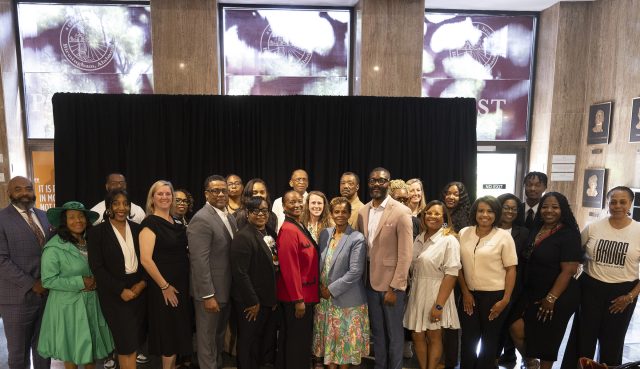
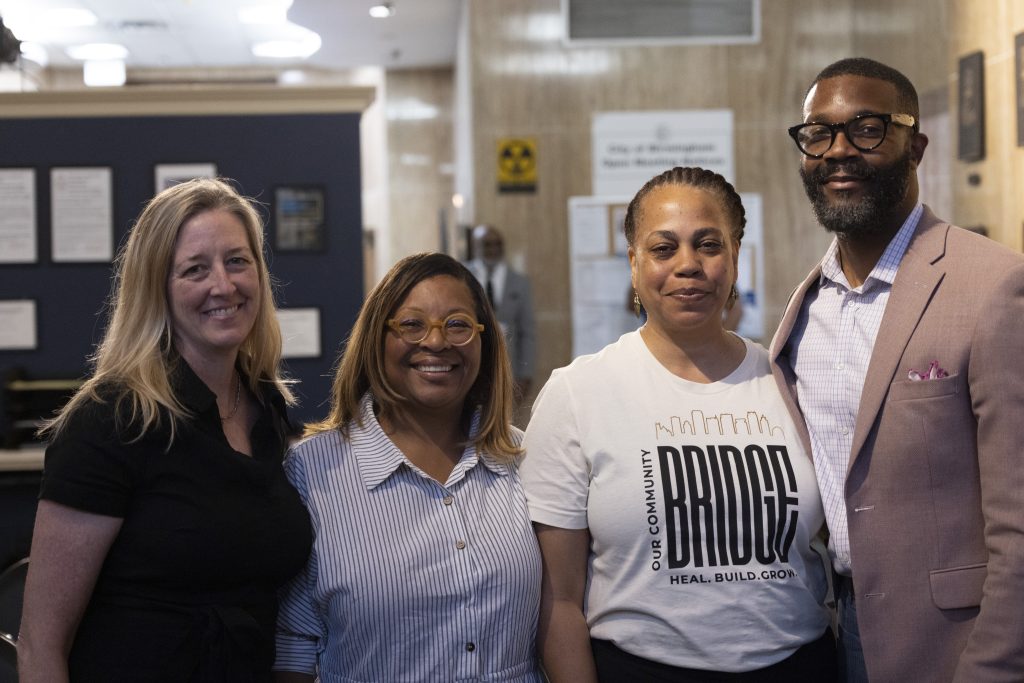
Local educators, nonprofit leaders and city leaders joined Birmingham Mayor Randall Woodfin as the City of Birmingham unveiled a new round of investments aimed at deepening its commitment to community-driven violence prevention. (City of Birmingham)

By Sym Posey | The Birmingham Times

“Today we take that success further by investing directly in the people and organizations doing the most critical work on the ground,” said Mayor Randall Woodfin as he stood before community leaders at City Hall on Monday morning. “These groups are in our streets, connected to our community, and best positioned to address the realities our young people face every day.”

With that announcement, the City of Birmingham unveiled a new round of investments aimed at deepening its commitment to community-driven violence prevention. A total of $200,000 in micro-grants will be distributed to 14 local organizations working on the frontlines of youth intervention and family stabilization. The funding comes through the 2023 U.S. Department of Justice Community Violence Intervention and Prevention Initiative (CVIPI).

The micro-grants are designed to strengthen services connected to the RESTORE program — short for Reduce, Educate, Support, Train, Organize, Realize, Empower — operated by the Jefferson County Family Resource Center. RESTORE focuses on addressing systemic challenges faced by families involved in Family Court, particularly those with at-risk youth between the ages of 11 and 19.

City leaders say the initiative reflects a broader understanding that reducing violence requires more than traditional law enforcement.

“We can all agree that it’s more than policing and more than arrest,” Woodfin said, emphasizing the importance of prevention and intervention strategies rooted in community trust.

The funding will support a wide range of services proven to reduce violence and improve outcomes for young people. These include mentorship programs, workforce readiness training, educational support, life coaching, and family stabilization resources — often referred to as “wraparound services” because of their comprehensive, holistic approach.

The Solution Solvers

Councilwoman LaTonya Tate, who serves as president pro tem and chairs the Public Safety Committee, highlighted the significance of directing resources to grassroots organizations.

“Those closest to the problem are the solution solvers, but often furthest from the resources,” Tate said. “Today shows what can happen when we work together to change that.”

Among the 14 recipients are organizations long embedded in Birmingham neighborhoods. Groups like Anitra’s Light and What About Us focus on mentorship, healing, and support for families impacted by violence, while BuildUP in partnership with Tactical Community Action provides hands-on construction training and career pathways. Others, such as Be Kind Birmingham and Grace Klein Community, offer mobile outreach and essential resource connections to underserved families.

Councilwoman LaTonya Tate, who serves as president pro tem and chairs the Public Safety Committee, highlighted the significance of directing resources to grassroots organizations. (City of Birmingham)

Programs also emphasize creative and nontraditional approaches to intervention. Inspire Justice uses storytelling and media production to amplify youth voices, while Our Community Bridge incorporates arts-based, trauma-informed healing. Meanwhile, Youth Towers and Rebirth Community Corporation focus on housing stability and reentry support for justice-involved youth.

The impact of efforts like RESTORE is already evident. During the press conference announcing the grants, Judge Kechia Davis Hunt noted significant declines in youth violence since the program’s implementation, including an 85% reduction in youth charged with murder and a 71% drop in youth homicide victims within the targeted age range.

“These outcomes show that intervention works,” Hunt said. “But RESTORE cannot do it alone. These partnerships are essential.”

Leaders at the Family Resource Center echoed that sentiment, emphasizing that collaboration across organizations is what makes community violence intervention effective. Many of the grant recipients have operated for years with limited funding, often relying on volunteers and small donations to sustain their work.

For those organizations, the micro-grants represent more than financial support — they signal recognition.

“They’ve been showing up for our communities long before this moment,” Woodfin said. “Now it’s our turn to pour back into them.”

As Birmingham continues to build on recent reductions in violent crime, officials say investments like these will remain central to the city’s strategy. By empowering trusted community partners, the city hopes not only to prevent violence, but also to create lasting pathways to opportunity for its youth.

“This is what it looks like when a village comes together,” Tate said. “And the work is far from over.” 

For more information about the RESTORE program and the City’s violence prevention efforts, visit www.birminghamal.gov/csi

Local educators and nonprofit leaders joined Birmingham Mayor Randall Woodfin. (City of Birmingham)

Coreata Houser: The ‘Solutions Architect’ for Business in Birmingham

0
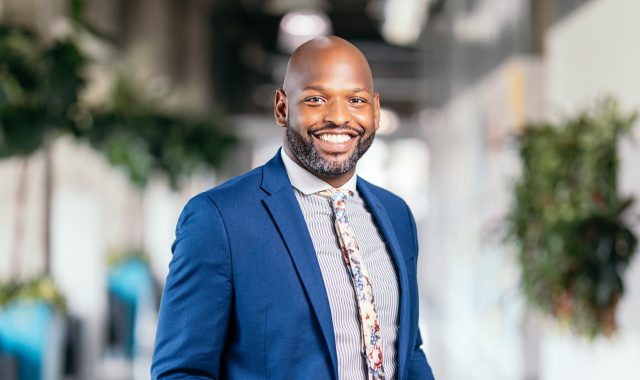
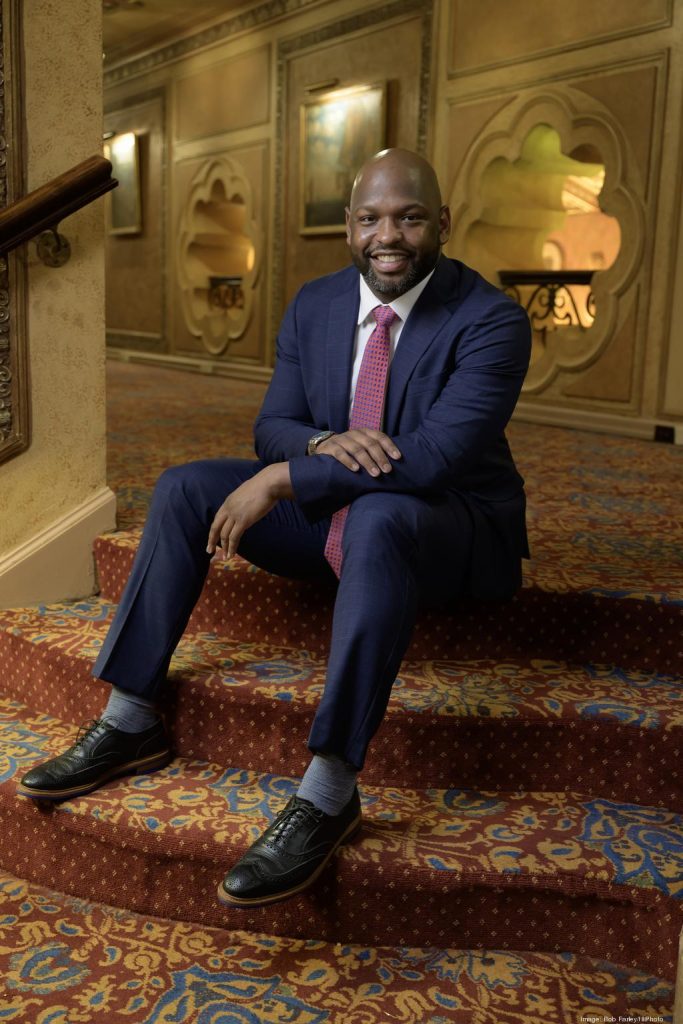
Coreata Houser is the director of the City of Birmingham’s Department of Innovation & Economic Opportunity (IEO). (Provided)

By Javacia Harris Bowser | The Birmingham Times

Coreata Houser believes all his past experiences — both professional and personal — have prepared him for his current role as director of the City of Birmingham’s Department of Innovation & Economic Opportunity (IEO).

“This is the only job where every single experience I’ve had in life, the good and the bad, has come together to really build a foundation for me to stand in the space that I’m standing in today,” Houser told the Birmingham Times.

In this role, which he’s held since November 2025, Houser helps to power the city’s economic engine by overseeing workforce development, real estate management, economic data intelligence and more. One of Houser’s most cherished responsibilities is helping build local businesses.

“Small businesses need to be successful in order for Birmingham to grow,” he said. While he and the IEO team work year-round to help local entrepreneurs, they are currently extra busy preparing for Birmingham Small Business Week, set for May 3-9.

Centered on the theme “Build Big: Elevate Your Vision. Empower Your Journey,” Birmingham Small Business Week is for local business owners at every stage and seeks to connect entrepreneurs to the resources, relationships, and opportunities needed to grow and scale.

“This is time for small business owners to invest in themselves, to get the resources and education needed to go to that next level,” Houser said. He and his team hope to connect with 500 to 600 local businesses throughout the week.

The Solutions Architect

Before his current role, Houser served in other positions with the city and its Department of Innovation & Economic Opportunity. He’s also worked with tech startups and at McWane Science Center. Though each job was different, they all had one thing in common.

“Throughout my entire career, I was always the one who was the solutions architect,” he said.

When working for startups, he managed the client relationship team, solving problems to keep customers happy. At McWane, he managed the visitor experience.

Houser began his career with the City of Birmingham during the COVID-19 pandemic.

“That gave me the opportunity to jump straight into solutions because everything we had known about economic development was out the door,” he said.

Turning Pain into Purpose

Coreata Houser began his career with the City of Birmingham during the COVID-19 pandemic. (Provided)

Though born and raised in Sylacauga, Houser had family in Birmingham and would visit the city often during the summer and for major events such as the Magic City Classic. After graduating from Tuskegee University in 2009 with a degree in biology, Houser eventually made his way to the University of Alabama at Birmingham (UAB) to study Information Engineering and Management, a concentration that combined his love for science and business.

“I’d always had a business mindset,” he said. He was specifically interested in operations, always eager to learn how to make systems work well.

Houser believes this stems from his younger years when tragedy forced him to figure out much of life on his own.

“I lost my dad at 15, and I lost my mom at 17,” he shared. “Losing your parents that early, you immediately have to go into solutions mode because you don’t have mom and dad to call. I have older siblings, but that parental figure was missing.”

Houser, however, turned his grief and pain into passion and purpose.

“That really started this sort of drive for me, that whatever I could do to help somebody who looks like me or who may be in the same situation, I want to do that,” he said.

A Calling and Responsibility

Other experiences would only deepen Houser’s drive to help others. After college, he worked in the court system and court referral programs.

“It was really an eye-opener for me,” he said. That experience showed him how nuanced solutions needed to be if he wanted to help people better their lives. He saw that a simple program won’t get the job done.

“You’ve got to really roll your sleeves up and change communities in multiple ways,” he said.

This thought was confirmed later when he volunteered with a program through More Than Conquerors Faith Church in Birmingham for youth living in public housing.

“It became more than a program,” he said. “I realized this is my calling. This is my responsibility.”

And this work once again showed him the need for a well-rounded approach when addressing a community’s needs.

“If I’m hungry, if I don’t have water, if I don’t have utilities, I don’t care what program you bring,” he said.

The Big Impact of Small Business

Houser believes that small businesses help address those community needs — and not just by offering people jobs.

“Small businesses are the ones who are giving to the PTOs and the Boys and Girls Club,” he said. “They’re sponsoring baseball bats and a Little League soccer game.”

And as small businesses pour into Birmingham communities, Houser and the IEO team help the City of Birmingham pour back into those small businesses — in part, through Birmingham Small Business Week.

“We really take time to be intentional about the programming,” Houser said. In addition to workshops and networking events aimed at helping entrepreneurs scale their businesses, Small Business Week will also include wellness events, a full day of workshops for nonprofits, and much more.

“This is your city,” Houser said to small business owners. “And this is the City of Birmingham, saying, ‘We see you, and we value you.’”

The full event schedule for Birmingham Small Business Week is available at ieo.birminghamal.gov/bhmup.

Under the Big Top: A Celebration of Culture and Community Arrives in Birmingham

0
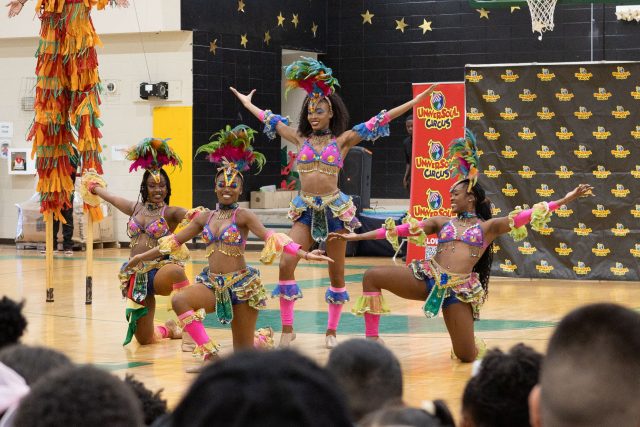
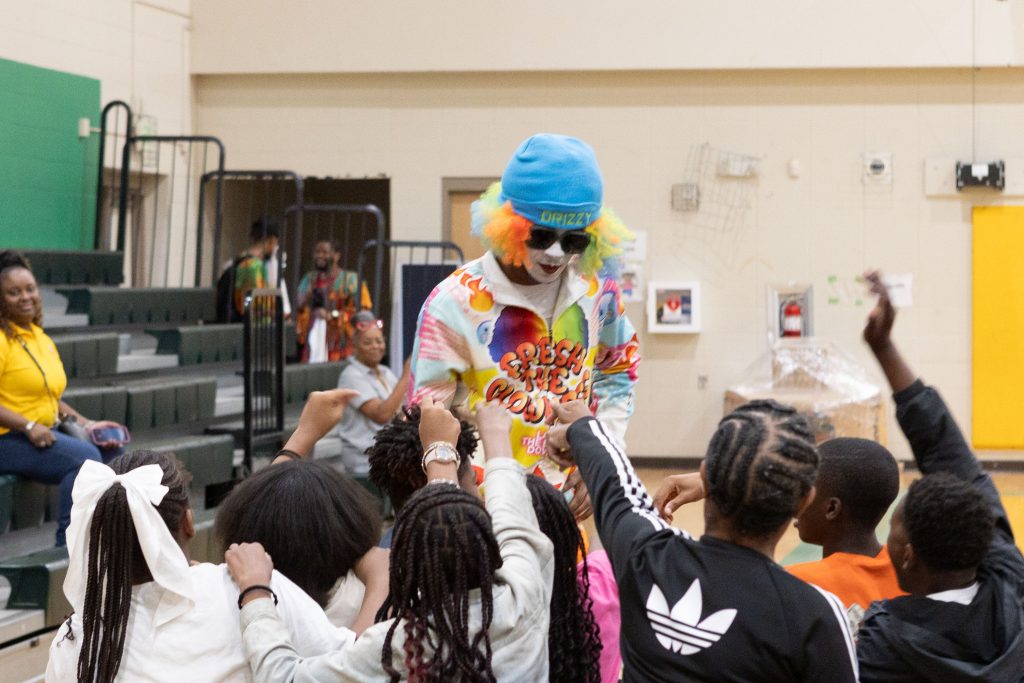
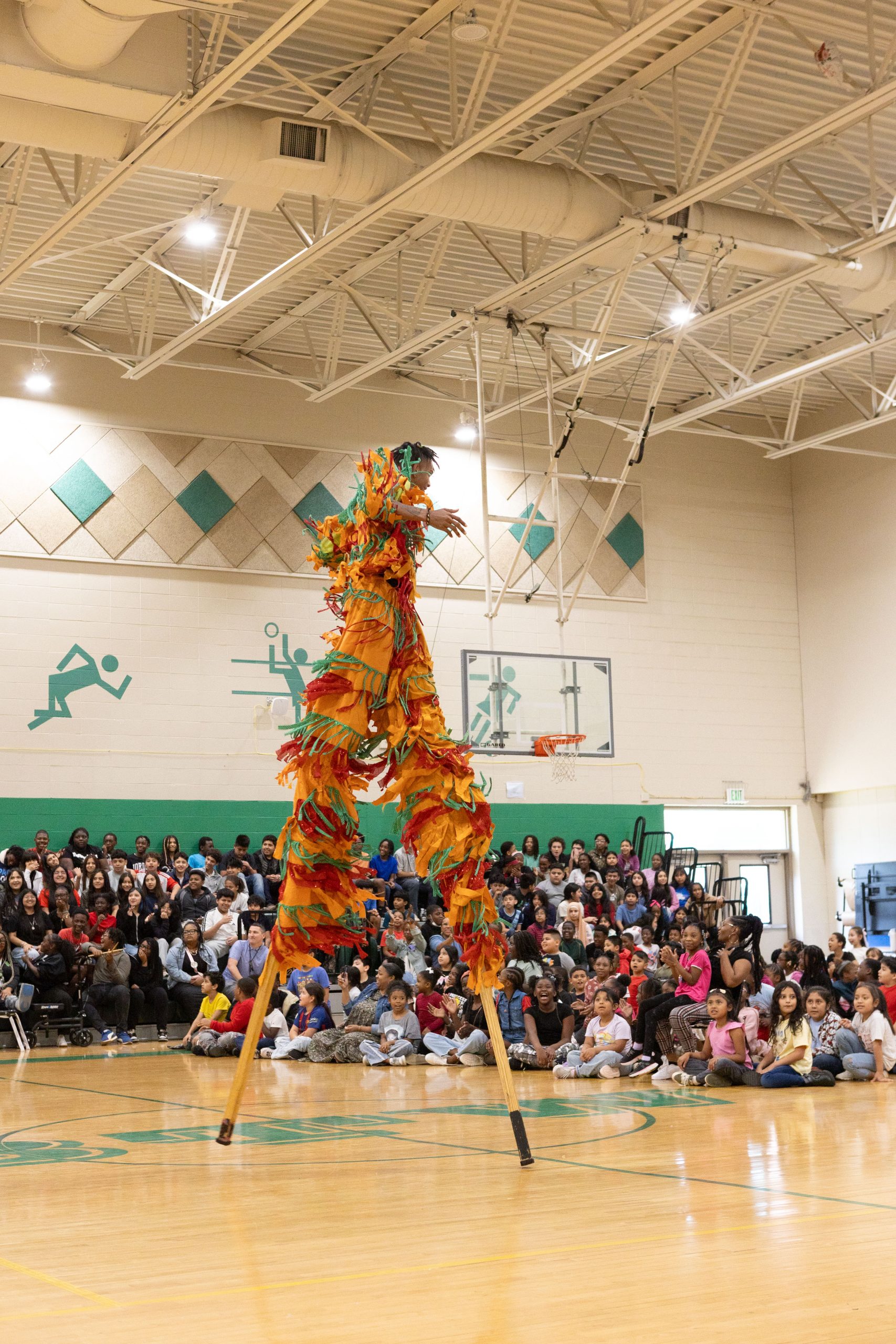
UniverSoul Circus made a stop at Booker T. Washington K-8 School, where students and staff welcomed performers with enthusiasm. (Marika N. Johnson, For The Birmingham Times)

Story and Photos by Marika N. Johnson | For the Birmingham Times

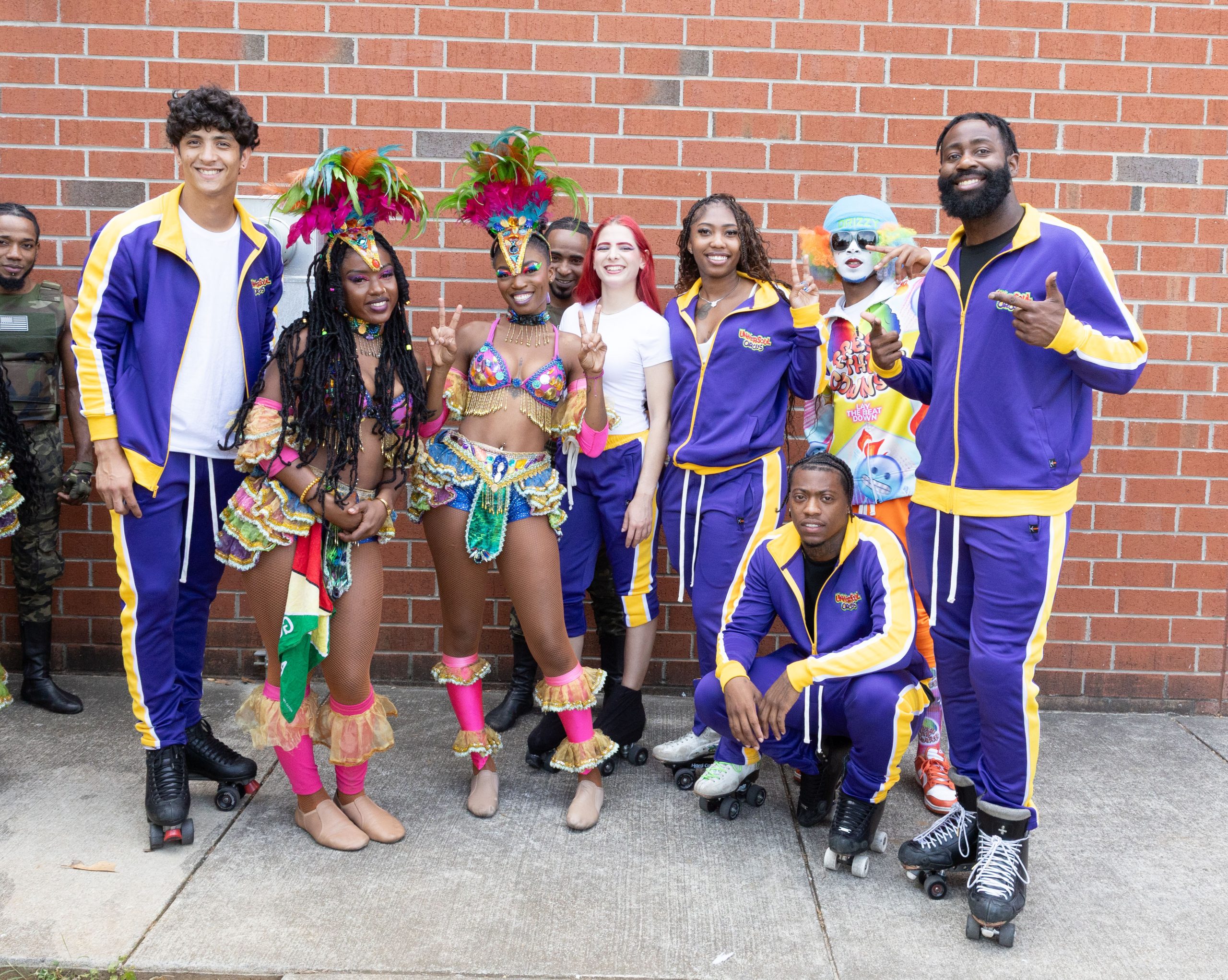
For more than three decades, the UniverSoul Circus has brought a different kind of spectacle beneath the big top — one that blends world-class circus entertainment with the rhythms, traditions and cultural expressions of communities often underrepresented in mainstream circus productions.

The traveling production concluded its Birmingham tour stop on April 26, continuing its legacy of combining acrobatics, dance, music, and audience participation into an experience that reflects the diversity of the audiences who fill its seats.

Founded in 1994 by concert and theater promoter Cedric Walker, UniverSoul Circus was created with a vision of building a live entertainment experience rooted in multiculturalism, centered on Black audiences and performers. At a time when traditional circuses rarely reflected the faces or cultural traditions of many American families, UniverSoul introduced something fresh: a high-energy production where hip-hop, gospel, R&B, Afrobeat and Caribbean influences could exist alongside tightrope walkers, contortionists and aerial stunts.

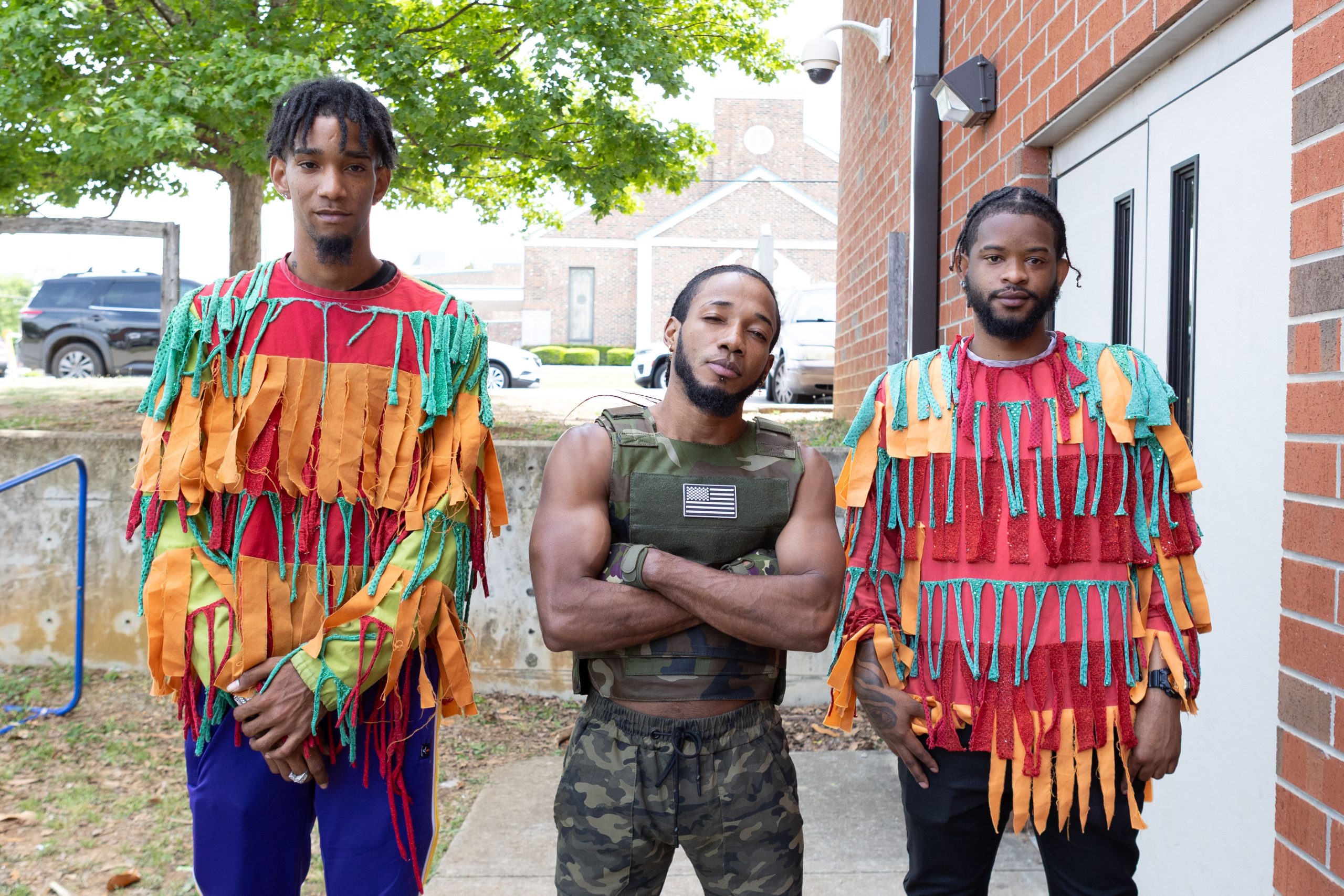
Over the years, performers from across the globe, including artists from African nations, Latin America, the Caribbean, Asia and Europe, have shared the spotlight in productions that celebrate both cultural individuality and collective artistry. Audiences are not treated as passive spectators. Instead, they become part of the show through dancing, singing and call-and-response interactions that mirror traditions deeply rooted in Black cultural expression.

In cities like Birmingham, where Black culture has long shaped community identity, the significance of that representation resonates deeply.

UniverSoul Circus entertained students and faculty at Booker T. Washington K-8 School. (Marika N. Johnson, For The Birmingham Times)

For many families attending the circus, seeing Black ringmasters, dancers and performers commanding the stage offers children an opportunity to see themselves reflected in spaces historically dominated by others. Representation in entertainment matters not only because it broadens visibility, but because it affirms that talent, creativity and excellence exist across cultures.

At the same time, UniverSoul Circus also serves as a reminder of the power of cultural exchange. Audiences witness performances inspired by traditions from around the world while recognizing the ways music, movement and storytelling connect people across backgrounds.

That mission feels especially meaningful in Birmingham — a city whose history is deeply connected to the fight for equality and the continued celebration of Black culture and achievement. Beyond the performances under the big top, UniverSoul Circus also works to engage directly with the local community. Through events such as Rock City Church Night, City of Birmingham Night and visits to local schools, the circus continues to build excitement and create meaningful connections throughout the city. One of those visits included a stop at Booker T. Washington K-8 School, where students and staff welcomed performers with enthusiasm.

“It was an honor to have the UniverSoul Circus at Booker T. Washington K-8,” said Dr. Antonia G. Ishman, principal of the school. “The excitement that the UniverSoul Circus generated during their visit was amazing. The students found the experience to be a lot of fun. It was a great finale to our state ACAP testing, and we are so thankful for the organizers and artists who put smiles on our kids’ faces.”

As families gather under the bright lights of the tent, the experience becomes about more than daring stunts and laughter. It becomes a shared moment of joy, visibility and cultural pride.

For many in attendance, the circus represents something larger than entertainment. It is a space where communities come together and young people can dream a little bigger after seeing performers who look like them soar high above the crowd.

Former Players Sharpe and Saxton Lead Fairfield’s Football, Girls Basketball Programs

0
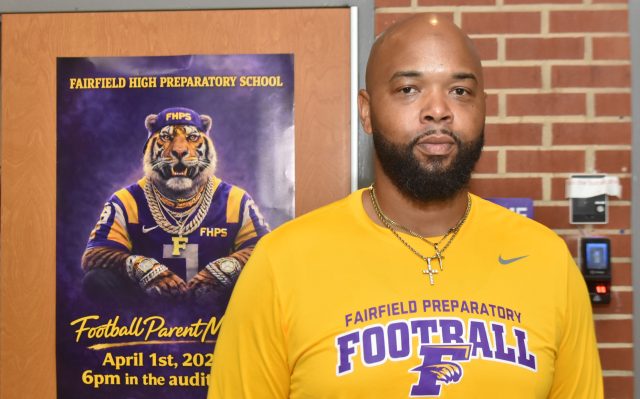
Fairfield High Preparatory School Football Coach Rex Sharpe is an alumni of the school. (Solomon Crenshaw Jr., Provided)

By Solomon Crenshaw Jr. | For the Birmingham Times

When young sports fans of Fairfield High Preparatory School talk about the good old days, they might only think about the beginning of boys basketball success under coach Maurice Ford. But Jazmine Saxton and Rex Sharpe know better.

They are former Fairfield Tiger athletes who experienced success in their playing days. They — Saxton as the girls basketball coach and Sharpe preparing for his first season leading the Fairfield football team — have returned to their alma mater with plans to duplicate the recent success of boys basketball.

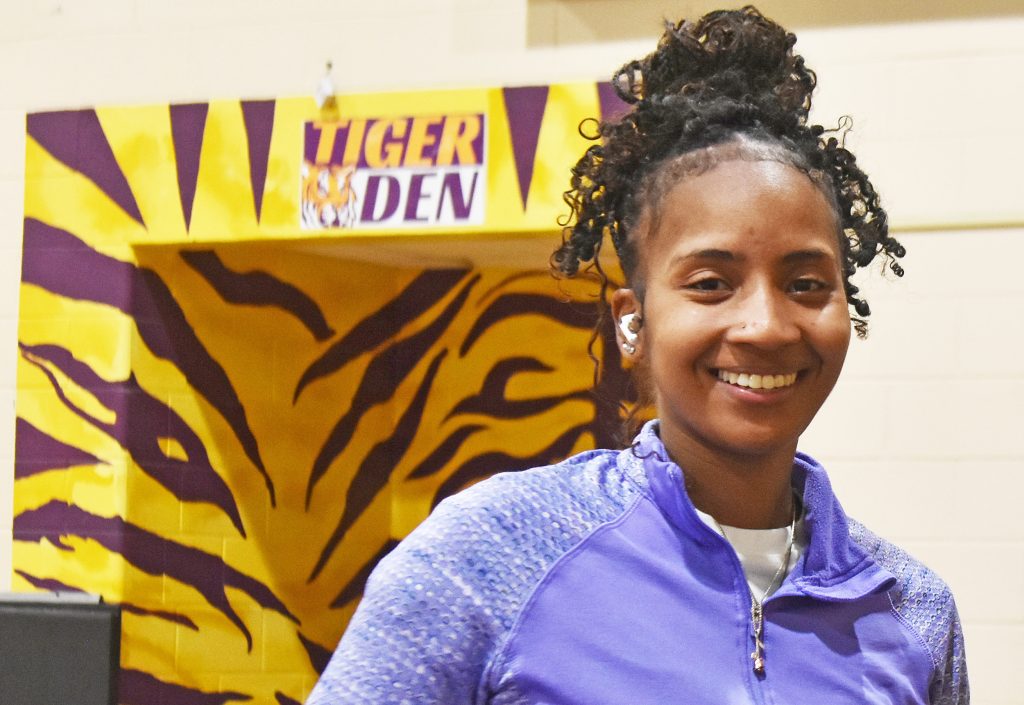
Saxton had a similar view from the mountaintop as Ford’s hoops squad. Her Tigers won the 2010 Class 5A championship and she was instrumental in her team scaling that height.

“It was special because the previous year we fell short in the Elite Eight,” she said. “I remember doing an interview — I can’t remember who I did the interview with — but I told them we will be back, and we ended up coming back, ended up making it to the Elite Eight and then I hit a game-winning shot to send us to the Final Four.”

Girls Basketball Coach Jazmine Saxton is a graduate of the school. (Solomon Crenshaw Jr., Provided)

A March 2010 story on AL.com told of Saxton’s repeated heroics in the Northwest Regional tournament. She hit a pair of free throws to lift Fairfield to a 47-45 victory over Hartselle in the semifinal and then knocked down a buzzer-beating bank shot 3-pointer in a 46-45 win over Russellville in the final.

The point guard, who was The Birmingham News’ West Area Player of the Year in 2010, also nailed a 3-pointer with 2:17 left to give Fairfield a lead over Carver-Montgomery it would not relinquish in the championship game.

“It was just a great feeling to be able to bring it back to Fairfield,” Saxton said. “I know what Fairfield girls basketball program has been; it’s been a winning program. It (had) great teams before then. To be able to bring it back and finish what everybody else couldn’t finish was a great feeling.”

“It felt like family”

Sharpe, who was in Fairfield’s Class of 2005, said the biggest thing that his Tigers had in his playing days was family.

“It felt like family,” he said. “We all — from ninth grade to 12th grade — we all got along. I think that was the biggest thing.”

Fairfield football didn’t reach the summit when Sharpe suited up as a linebacker, wide receiver and occasional kicker. But they got better.

“When we turned it around here, we went from 0-10 to third round playoffs by the time I was a senior,” he said. “It was great.”

The football coach said it’s important to him that he can relate to playing for Fairfield.

“I’m someone they can see themselves in,” he said. “I walked the same halls, I walked the same streets, I played on the same field and sat in the same desks. It’s very important because now they can see someone that’s from here actually can make it, can come back and give back.”

Sharpe said he’s encouraged by the love and the commitment of the city.

“It is still here. It doesn’t seem like it, but it’s still here,” he said. “That is my goal, to bring it back out. That’s why I want all the city involvement, from community to the board to City Hall. I want everybody to feel welcome. It’s an open-door policy for me. Anybody want to come visit, talk, sit down, I welcome you. I want everybody to feel like it’s home.”

The current Fairfield girls basketball coach said it’s not just about winning for her. She wants to impact her players the way her coach — former Fairfield point guard Tiffany Frederick — impacted her.

“Yes, I want to win,” Saxton said. “I hate losing but I just wanted to make sure that at least I got the program back into structure and at least get it to where these girls are learning and getting better. I understand that it’s not just about basketball. It’s bigger than basketball. It’s teaching life lessons through basketball.”

New Collaborative Offers UAB Students Community-Driven Work to Help the Birmingham Thrive

0
The Community Solutions Collaborative brings together UAB labs focused on digital forensics, law and data science to serve the City of Birmingham. (UAB)

By Matt Windsor | UAB News

Three faculty members in UAB’s J. Frank Barefield, Jr. Department of Criminal Justice have joined forces to give bright undergraduates the opportunity to get real-world experience while serving the surrounding community.

The Community Solutions Collaborative brings together UAB labs focused on digital forensics, law and data science “to serve the City of Birmingham,” said Jeffery T. Walker, Ph.D., University Professor and J. Frank Barefield, Jr. Endowed Chair in Communities and Crime in UAB’s J. Frank Barefield, Jr. Department of Criminal Justice.

“We really want to capitalize on our location to offer students a unique learning experience,” said Laura McLester, teaching assistant professor and Digital Forensics coordinator in the Criminal Justice department.

Jeffery Walker, Ph.D.
Jeffery T. Walker, Ph.D.

The Praxis Legal Lab is run by Brandon Blankenship, J.D., teaching assistant professor and Pre-Law director in the department.

“This is a service-learning lab where students are paired with community partners to support thriving in Birmingham,” Blankenship said. One example is helping a community group file a Freedom of Information Act request with a government department. “The student works with a lawyer to learn how to do that, so they are gaining a skill and getting real-world data for real-world partners,” Blankenship said.

Blankenship is currently working with a student in UAB’s Genetics and Genomic Sciences bachelor’s program who is writing an honors thesis “on the intersection of genetics and law,” he said. Another ongoing partnership involves students’ working with the Jefferson County District Attorney’s Office on cold-case investigations.

Laura McLester
Laura McLester

Walker’s Dragon Scales Integrated Data Lab brings together a range of disciplines, from data science to computational physics and geospatial analysis, to understand, predict and prevent problems.

“There is so much data in this world, and it operates in silos,” Walker said. But bringing all that data together creates massive datasets that can be problematic to interpret, especially for understaffed community groups.

Walker and his students are analyzing and summarizing survey responses from communities and combining them with external data sources to surface actionable information. They also are working with community partners such as Woodlawn United, which is implementing a number of initiatives through the national Purpose Built Communities program. “We are trying to build a model of what has worked there that we can use for the entire city,” Walker said.

McLester’s Dragon Eye Learning Lab focuses on training students in digital investigation skills. “It is a place where they can come to do hands-on practice, collaborate with each other and learn from each other,” she said.

Brandon Blankenship, J.D.

McLester has also built a partnership with Ed Farm, an initiative that works with teachers in K–12 schools to provide technologies and tech-focused curricula.

“We said, ‘What do you need? How can we partner with you?’” McLester said. That contact led to several of McLester’s digital forensics students’ going to speak to middle school classrooms in Birmingham City Schools about digital forensics careers and technologies. McLester would like to bring in teachers to the Dragon Eye Lab “and give them a workshop of skills they can teach in their classrooms,” she said.

The Community Solutions Collaborative is three different labs with different themes, “but it’s all in the same direction,” Walker said. “We are all working under the same community-driven philosophy while giving our students hands-on experience that matters to that community.”

Students in the labs are a mix of majors and schools, including undergraduates as well as graduate students, Walker said: “Anyone who is interested in getting experience and helping the city thrive, we are interested in them.”

Learn more about the Community Solutions Collaborative at sites.uab.edu/communitysolutions.

Sloss Metal Arts Summer Youth Apprenticeship Applications Open

0
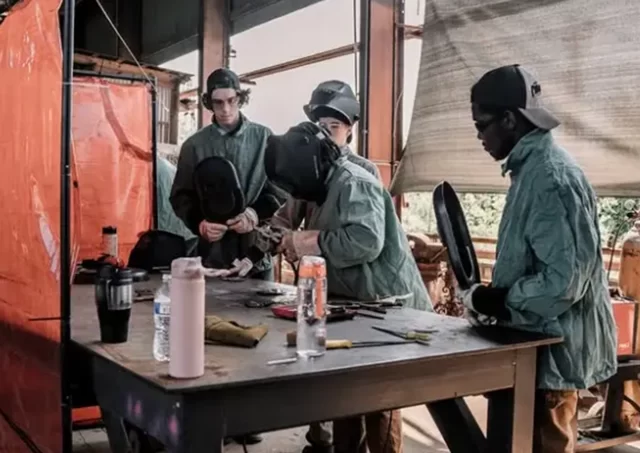
Accepted apprentices at Sloss Furnaces will work 30 hours per week with Sloss Metal Art's Resident Artists. (Provided)

birminghamal.gov

Applications are open through April 28 for the annual Summer Youth Apprenticeship at Sloss Furnaces.

The Summer Youth Apprenticeship was founded on the importance of passing on the history of Sloss and the many techniques and traditions of metal art. This paid, 8-week program employs 10-15 high school students, aged 16-19, to work and study under professional artists for 30 hours per week.

This is an incredible opportunity to learn new skills, work in a creative environment, and explore the world of metal arts. No prior experience needed — just a willingness to learn and create.

The Sloss Furnaces instructors are all professional artists working in cast iron or fabricated steel. Apprentices can expect to learn:

• Site and tool safety
• Wood, wax, and oil-based clay sculpting
• Mold making
• Iron casting
• Welding
• Blacksmithing
• Fabrication
• Art exhibition preparation and installation
• Large scale sculpture and public art
• Critique methods
• Sculpture proposals and maquette building

Accepted students are introduced to a variety of processes and techniques in an interactive, individualized environment. While being introduced to these techniques, the apprentices will create an array of work from tiles and medallions to bookends and light switch covers to be sold in the Sloss Museum Store in support of the program.

For their final projects, they will submit a professional proposal and maquette and spend the final tqo weeks executing their final sculpture. Their final pieces will be on display during an art reception open to the public at the conclusion of the program.

Accepted apprentices will work 30 hours per week with Sloss Metal Art’s Resident Artists. Over the course of 8-weeks, they will learn basic metal casting, mold making, fabrication, welding, blacksmithing, and art exhibition preparation.

This program is intended for those who are local to (or have accommodations in) Birmingham, and are currently enrolled in a high school program.

All applicants must attend a mandatory casting workshop on Saturday, May 2nd.

Applicants will receive an email with details regarding the workshop after the applications have closed.

  • Applications due: Tuesday, April 28
  • Casting Workshop & Interviews: Saturday, May 2
  • Apprenticeship Dates: Tuesday, June 9-Friday, July 31
  • Apprenticeship Final Exhibition Date TBD

Email Metal Arts Director at Virginia@slossfurnaces.org for more information. If you are unable to complete the online form, please email all application materials found in the Application Packet to MetalArts@slossfurnaces.org