Home Blog Page 12

Birmingham’s Bold New Sisterhood: ‘Belle Collective: Birmingham’ Celebrates Black Women, Growth, and Community

0
Belle Collective: Birmingham Premiers on the Oprah Winfrey Network (OWN) April 10. (Provided)

By Sym Posey | The Birmingham Times

A new chapter of sisterhood, strength, and self-discovery is unfolding in the Magic City — and it’s arriving on national television. The ladies of Belle Collective: Birmingham are bringing Birmingham’s vibrancy, resilience, and entrepreneurial spirit to the forefront, and in doing so, they are telling stories that deeply reflect and celebrate Black women.

Premiering on the Oprah Winfrey Network (OWN) April 10, the series introduces viewers to a dynamic group of women navigating business, relationships, personal growth, and friendship — all rooted in their connection to Birmingham.

At its core, Belle Collective: Birmingham is more than reality television — it’s a mirror, reflecting the beauty and complexity of Black womanhood.

A City That Shapes Their Stories

Each of the women brings a unique relationship to Birmingham—one that shapes not only who they are, but how they move through the world.

For K’la Inman, Birmingham became home during a pivotal moment in her life. After moving from Buffalo, New York, at age 12 following the tragic loss of her father, she has spent decades building her life here. “It was definitely like a shell shock for me,” she shared with The Birmingham Times, “but I’ve been here for a while… and it’s really become a part of who I am.”

Tiffaney Jones, though born in Los Angeles, proudly claims Birmingham as her own. “If you ask me where I’m from, I’m gonna say Bham all day,” she said. Having moved to the city at age five, she embodies the spirit of a hometown woman who has grown, built, and thrived within its community.

Funmi Ford’s journey to Birmingham came through love and faith. After immigrating to the United States from Nigeria as a child and later meeting and marrying her husband, a Birmingham native, in Montgomery, she and her family relocated to Birmingham nearly a decade ago. “I feel like my life began when I moved here,” she said, noting how deeply rooted her family has become in the city.

Amber Jones, a former UAB basketball standout originally from Town Creek, Alabama, chose Birmingham as the place to build her legacy. After playing professionally in Europe, she returned in 2017 to launch her business ventures and has remained ever since, contributing to the city’s economic and cultural growth.

Growth, Transparency, and Real Life

This season promises authenticity — unfiltered, layered, and deeply human.

K’la describes her journey as “a renaissance… sort of an awakening,” as she navigates life after an 18-year marriage and learns herself in new ways. Her story is one of rediscovery and courage, showing viewers what it looks like to rebuild from within.

Tiffaney, whose personality brings both light and depth, calls her season “intentional.” She emphasizes growth without perfection: “You don’t have to be perfect to grow… it’s all a process.” Viewers will see her balancing faith, entrepreneurship, and motherhood—while embracing both her “goofy” and grounded sides.

Funmi highlights the emotional layers of stepping into new friendships and public life. “There’s pressure in showing up authentically,” she explained, while also recognizing the elevation that comes with having a platform to inspire others. She also proudly weaves her Nigerian heritage into the show, using food, language, and family life to share her culture with viewers.

Amber brings a powerful narrative of ambition and self-definition. As a CEO balancing career demands and personal expectations, she describes her season as one of “pressure” — but also empowerment. Her message to women is clear: “Do what’s best for you and never let the world force you to make decisions based on traditional beliefs.”

A Reflection of Black Women Everywhere

What makes Belle Collective: Birmingham resonate is its relatability. These women are successful, yes — but they are also navigating grief, growth, friendships, identity, and purpose.

“I think they should tune in because… we are all successful women who have built empires from the ground up,” K’la said. “But they also get to see that we’re human… life is still lifing for everyone.”

Tiffaney echoes that sentiment through the lens of community: “Maybe my testimony can give you hope… I think by tuning in, it builds community.”

Amber points to the group’s diversity as a key strength. “You get to see a mixture… country girls, city girls, Nigerian girls… no matter where women are in their lives, they’ll relate to someone.”

And Funmi offers a powerful reminder of why representation matters — especially for Birmingham. “It’ll show other people… that Birmingham is up and coming and beautiful. It’s fun, it’s vibrant, and it’s a city that you want to be a part of.”

More Than a Show — It’s a Celebration

At a time when representation continues to matter, Belle Collective: Birmingham stands as a celebration of Black women in all their forms — imperfect, evolving, joyful, resilient, and powerful.

It invites viewers not just to watch — but to see themselves.

And for Birmingham, it’s a moment of pride.

As Tiffaney put it best: “Put on for your city… tune in.”

Belle Collective: Birmingham premieres April 10 on OWN.
Kwoya Fagin Maples: Local Poet Explores the Sea and Black Womanhood With New Collection

0
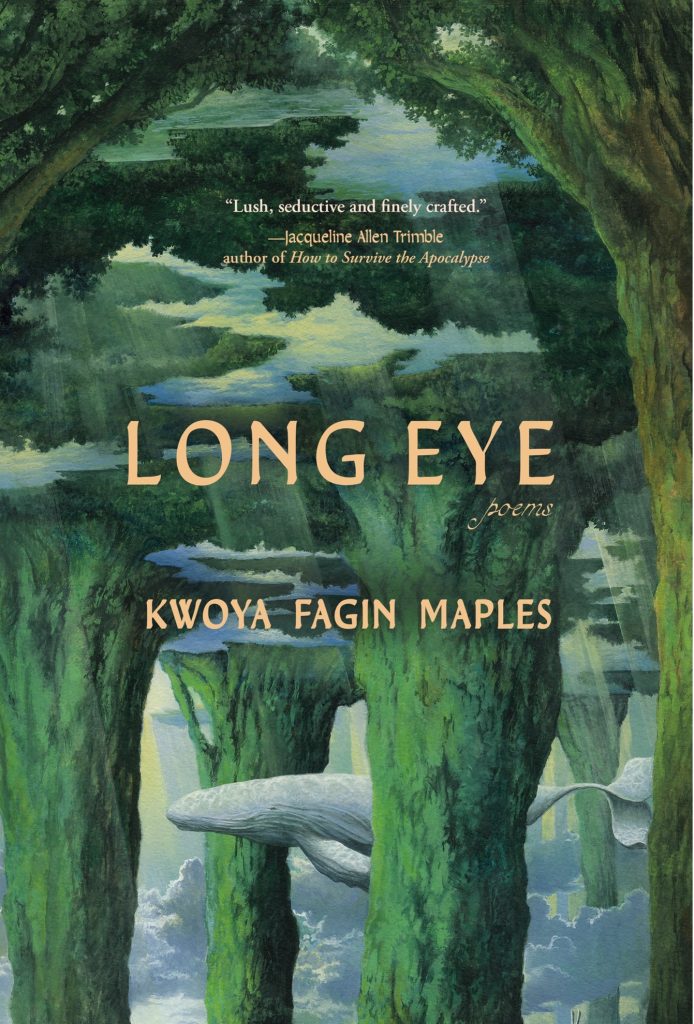
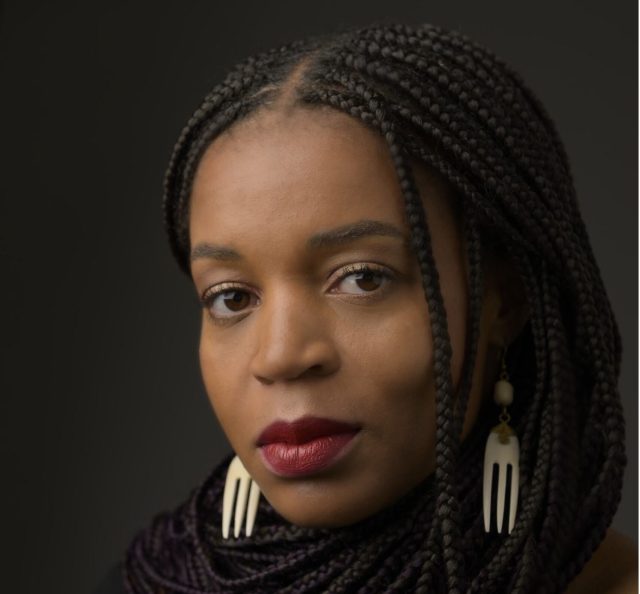
Birmingham-based poet Kwoya Fagin Maples has released her newest poetry collection, ‘Long Eye’. (Provided)

By Javacia Harris Bowser | The Birmingham Times

“I feel like I came from the ocean,” Birmingham-based poet Kwoya Fagin Maples says when asked about the inspiration for her newest poetry collection, Long Eye.

Long Eye is described as “a sea-bound collection that channels the mythic, defiant voice of a Black Mermaid.” In the poems, Maples explores the power and divinity of being a Black woman, a mother, a thinker, a protector, and a creator.  Readers meet sea creatures that serve as guides for survival, resistance and transformation and witness the beauty of Black familial bonds that thrive even in societies structured against them.

Maples says Long Eye is also autobiographical.

Her first book, Mend, is a collection of persona poetry written from the perspective of the enslaved women that J. Marion Sims, who is celebrated as the “father of modern gynecology,” experimented upon to achieve his surgical breakthroughs. Published in 2018 by University Press of Kentucky, Mend was a finalist for the 2019 Hurston/Wright Legacy Award for Poetry.

For Long Eye, Maples gets personal. She said with this book, she was ready to finally allow herself to be known.


“I feel like it’s been the time to do that, but I haven’t had the bravery, haven’t had the courage to do that,” Maples confessed. “But I feel like all of the people that I’m in community with, other poets, other writers, the organizations I’m a part of nationally, everyone has been making that risk.”

Maples admits that in the past she’s used poetry to “hide within plain sight.”  She would say the things she longed to communicate but never explicitly.

“When I was writing this book, I was still struggling with being more forthcoming,” she said of Long Eye. But when revising the poems that make up the collection, Maples made sure that each work was truthful and clear.

“My life was made.”

Born in Charleston, South Carolina, Maples first came to Alabama in to attend the University of Alabama, where she earned a Bachelor of Science in Human Environmental Sciences in 2005 and a Master of Fine Arts (MFA) in Creative Writing in 2008. She then moved to Birmingham with her husband Marcus. She worked as an adjunct instructor at several colleges before joining the creative writing faculty at the Alabama School of Fine Arts in 2013. Currently, Maples is an Assistant Professor of Creative Writing in the MFA program for Creative Writing at the University of Alabama, where she’s worked since 2020.

Maples shared that her love for poetry was first inspired by Maya Angelou when she was 13 years old.

“I had finished all of Maya Angelou’s autobiographical books, all of her memoirs, and in my school library, I had always seen her poetry collection, and I thought, ‘I’m never reading that,’” Maples said.

But after finishing Angelou’s memoirs, Maples was eager to read more of Angelou’s work. So, she decided to give the poetry collection a try.

“Begrudgingly, I took it home and read it,” Maples said. “And then, my life was made.”

A Fish Out of Water

Maples was born and raised in Charleston, South Carolina, but she’s lived in Birmingham since 2008. However, neither place feels completely like home.

“I feel like I came from the ocean,” she said. “I always played in the ocean my whole life,” she said. “So even when I couldn’t swim, I was never afraid of the ocean, and I would still go out as far as I could. I always had a very friendly relationship with water.”

As an adult, her relationship with water intensified.

“I started feeling that more strongly when I knew that it was renewing me to go to the ocean,” she said. “I just started noticing the difference in how I felt when I was at the ocean.”

Maples often feels like a fish out of water, as if she doesn’t fully belong anywhere on land.

“Not necessarily belonging in Alabama, even though I’ve been here a long time, because I’m not from here,” she explained. “And then even when I go home to Charleston, not necessarily feeling I belong because all of my friends have grown up and they have families that I haven’t been around to witness. Even my family will tease me and say, ‘You’re from Alabama now.’”

Maples began work on Long Eye seaside.

“I started writing the first poems at the Dauphin Island Sea lab,” she explained. “I was their first artist in residence, and I was able to talk to scientists who were doing research there. So, I started doing research and gathering ideas.”

She decided to continue her practice of writing by the water.

“Sometimes waves would be coming up to my feet as I was writing,” she said. She revised her work at the ocean too.

Maples said the collection was inspired in part by stories of Mami Wata, a water spirit of West African folklore. But she explains that the Black mermaid who appears in the collection is not Mami Wata. In fact, she is nameless.

“She doesn’t want to be pinned down with anything,” Maples said. “She wants to be absolutely free, and she also doesn’t want the burden of a name, she doesn’t want the burden of that identity, of being a Mami Wata, where you have to help everyone you encounter. And if you think about it, it’s like the plight of the Black woman.”

On Motherhood

Maples and her husband Marcus, a Birmingham-based attorney, stay busy with their three daughters — Maya, 11, and 13-year-old twins Eden and Vivienne.

“Motherhood has informed my work,” Maples said. “It’s added texture to my work.”

Because balancing poetry and parenting requires intentional time management, Maples said motherhood has given her work structure. But she added that it also offers a source of accountability.

“It’s given me a push to be productive and get stuff done, to get writing done and finish the projects that I’m working on,” she said. “My kids will ask me about what I’m doing. They’ll say, ‘Have you finished this?’ It has given me strength to carry out the things that are inside me.”

Cheating on Poetry

When she’s not writing, teaching, or spending time with family, Maples said she likes to “cheat on” poetry with woodworking. Her specialty is designing and building unique, custom bookcases.

“Sometimes I’m tired of caring about poetry,” Maples said. “That’s why I say I cheat on it.”

That said, Maples acknowledged that woodworking does indirectly support her poetry practice.

“It helps me build confidence for writing,” she said. “I don’t struggle with my confidence as a woodworker, because I’m a beginner, and I know I’m a beginner, so I know that they’re going to be things that I’m not good at yet. With woodworking I don’t have to be great at it, I can just enjoy it.”

Maples said woodworking is also more immediately gratifying.

“I can say today I completed the frame for a bookshelf, and everyone can see it versus I’m 10 poems into my book,” Maples said. “That doesn’t mean anything to anyone, and it’s not something I’m going to feel great about either, because I know that’s not anywhere close to being done.”

“Poetry is all around us.”

Always a teacher, Maples offered a practical tip for people who have trouble understanding poetry.

“If you feel like you can’t access a poem at all, just look for the words that are at the end of the lines,” she said. “Read all of those words and think about what kinds of words those are. And then also look at the verbs. The verbs in a poem will guide you through the poem, as far as the feeling and the tone of the poem.”

And for people who think poetry isn’t for them, Maples asserts that “Poetry is all around us. From nursery rhymes when we’re little — which are the first poems that we hear.”

Poetry is in music and even in visual art, she added.

“It’s a part of our lives,” she said, “regardless of whether or not we realize it.”

Learn more at kwoyafaginmaples.com.

Is Your Child Looking for Summer Work? Birmingham’s Kids and Jobs May Be the Answer

0
This summer, youth ages 14 to 24 will have the opportunity to work a summer job where they can receive exposure and experience in the workforce. (Adobe Stock)

birminghamal.gov

This summer, youth ages 14 to 24 will have the opportunity to work a summer job where they can receive exposure and experience in the workforce all while receiving an income.

Participants can earn $11-$14 an hour over the course of the five-week program.

The City of Birmingham is also recruiting local businesses and organizations to join as Program Partners to help cultivate the professional development necessary to empower students to become an integral part of the business community.

Kids And Jobs Exposure Program

Because companies are usually unwilling to hire youth between 14 and 15 years of age, the Department of Youth Services is partnering with the public and nonprofit sectors of the business community to provide youth with exposure to the job experience. The Exposure Component of the Kids & Jobs Program gives deserving Birmingham youth who might otherwise not be given the chance an opportunity to experience the workplace for the first time.

Executive component

The Executive component provides students 16 to 24 years of age with an opportunity to work in the career path of their choice. Students who qualify for the program are provided with valuable work experience and employers gain much needed summer help.

Become A Kids and Jobs Program Partner

Hosting a Kids and Jobs intern is an opportunity to make a meaningful impact while adding real value to your organization. By creating a structured, supportive environment, you empower a young person to gain hands‑on experience, build essential skills, and grow personally and professionally. Your investment in their development not only strengthens our future workforce but also brings fresh energy, new perspectives, and dedication to your team.

Perks:

  • City of Birmingham covers wages of hosting intern(s)
  • Get additional summer work support of 20hr/wk for 5 weeks
  • Mentor and foster the professional development of Birmingham students

Program Duration: June 8-July 10

As you make plans for the summer, head over to our website to learn more about Kids and Jobs.

UAB Receives Federal Funding to Establish Center of Excellence in Maternal and Child Health

0
UAB is part of a network of 13 Centers of Excellence across the country funded by the Health Resources and Services Administration. (File)

The University of Alabama at Birmingham School of Public Health now is home to one of only 13 Centers of Excellence in Maternal and Child Health Education, Science and Practice nationwide, thanks to funding from the Department of Health and Human Services’ Maternal and Child Health Bureau.

The UAB Center of Excellence in MCH is dedicated to preparing both current professionals and the next generation of leaders to improve health outcomes for mothers, children, children and youth with special health care needs, and families. Through graduate education, research opportunities and professional development, the center equips students and practitioners with the skills to influence policy, advance evidence-based practices, and make a lasting impact on communities in Alabama and beyond.

“This award recognizes the very broad and deep expertise in maternal and child health in the School of Public Health, especially within our Department of Health Policy and Organization,” said School of Public Health Dean Paul Erwin, Ph.D. “Led by Professor Julie Preskitt and including Department Chair Martha Wingate and numerous other faculty and staff, this Center of Excellence will position the school to grow the next generation of MCH leaders through our educational offerings. The connectivity the center has with the Alabama Department of Public Health and other state agencies will provide important opportunities for students to be engaged on the ground with practitioners, applying what they have learned in the classroom to real-world challenges in maternal and child health.”

Education and training

A key component of the center’s work is formal education. UAB offers graduate programs and certificates designed to prepare leaders in MCH through rigorous coursework, interprofessional learning and leadership training. Students can pursue a Master of Public Health degree, Doctor of Public Health  degree, or a specialized certificate in MCH Policy and Leadership .

Student support and engagement

Students enrolled in MCH programs are considered trainees and have access to financial support, leadership opportunities and professional development. Scholarships are available for both master’s- and doctoral-level students along with travel assistance for conferences. The MCH Student Association offers additional opportunities for engagement and networking.

Partnerships and expertise

Beyond the classroom, the center will collaborate with state agencies and community organizations to strengthen MCH programs. These partnerships aim to enhance capacity and share expertise across Alabama and the region.

Learn more about the center.

The Power of Place: How Phillip Howard and the Legacy Places Initiative are Fighting to Conserve Black History

0
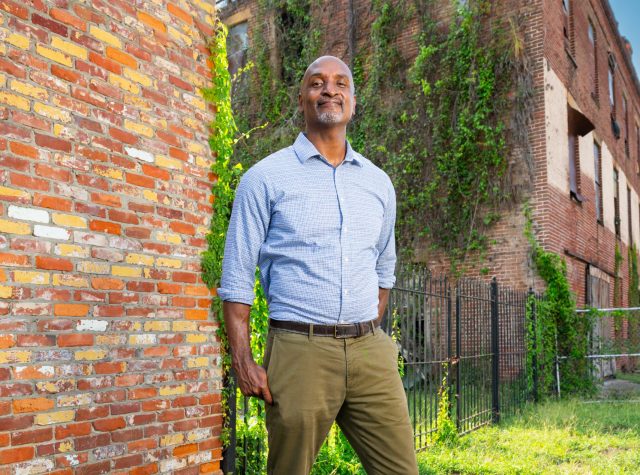
Phillip Howard, Director of the Legacy Places Initiative for The Conservation Fund. (Jay Brittain, Provided)

By Javacia Harris Bowser | The Birmingham Times

In 2025, the Edistone Hotel in Selma, Alabama, came close to being demolished.

Built in 1855, the hotel tells stories of tragedy and triumph. Before the Civil War, the site was the largest market for enslaved people in Dallas County. After the war, during Reconstruction, it housed the Freedmen’s Bureau, a federal agency created by Congress to provide newly freed African Americans with essentials like food, clothing, and shelter. By the 1870s, the hotel’s owner made the notable decision to welcome guests of all races and offer equal accommodation to all patrons.

The Edistone Hotel also sits just steps from the Edmund Pettus Bridge, where on March 7, 1965, more than 500 civil rights marchers were violently attacked while en route to Montgomery — a day remembered as Bloody Sunday.

Had it been destroyed, the building’s history could have been lost as well. That’s why The Conservation Fund stepped in to save the Edistone Hotel from the wrecking ball.

“It’s unfathomable that the Edistone Hotel, a place so rich in American history, came so close to being lost forever,” Phillip Howard, Director of the Legacy Places Initiative for The Conservation Fund, said in a statement after The Conservation Fund secured the property. “As the site of the Freedman’s Bureau after the Civil War, you can imagine that the Edistone Hotel was one of the first places a formerly enslaved person in the South would have been treated like a human. By saving the Edistone Hotel, we’re not just protecting the physical location. We’re protecting the stories and legacies of all those that passed through its doors, or stood at this site, and are ensuring those stories live on as part of our shared American history.”

Through the Legacy Places Initiative, The Conservation Fund works with local communities and partners to identify sites across the country tied to African American history that are at risk of being forgotten, demolished, or developed in ways that ignore their history. The group focuses on sites linked to the civil rights movements of the South, areas along the Underground Railroad, and locations where Black American culture and art were created.

The Conservation Fund, through its Legacy Places Initiative, has worked to protect several other African American heritage sites, including the final home of famous author Zora Neale Hurston, the Freedom Riders National Monument in Anniston, and, more recently, the Ben Moore Hotel in Montgomery, Alabama. Built in 1945, the Ben Moore Hotel hosted civil rights meetings and served as a safe space for lodging and socializing. On the first floor, the hotel housed Malden Brothers Barber Shop, which serviced many in the neighborhood, including its most famous customer, Dr. Martin Luther King Jr.

“It’s always important to conserve history.”

With history exhibits and historical markers tied to Black culture being removed in areas across the nation, many now feel a sense of urgency about preserving African American heritage sites. But for Howard and others at The Conversation Fund, this work has long been a top priority.

“I think it’s always important to conserve history and preserve history,” Howard told the Birmingham Times. “So, although there are challenges that are more pronounced now, I think for people in the space, it’s always been a challenge, and there have always been obstacles. It seems like it’s different, but the work has been going on. There have been great organizations leading in this space for years.”

Along with securing funding, Howard said that coalition building is one of the hardest parts of his job.

“Historic sites that are on the same block sometimes don’t even talk to each other about how they can work together, let alone across counties that share historical narratives and stories,” Howard said. “As you can imagine, if everyone’s going after the same funding, they’re probably not going to be apt to work together.”

But Howard believes collaboration is key, especially for rural sites with limited resources.

“We’ve been really intentional about building partnerships,” he said.

Son of the Black Belt

Howard, who served in the Marine Corps and worked at the Department of Justice as a Community Outreach Reentry Coordinator, joined The Conservation Fund in 2022.

“It just started with me wanting to understand history and loving history,” Howard said when asked how he became interested in his line of work. His love of history was inspired by the story of Charles Person, the youngest of the original Freedom Riders, and by his father, who was a World War II veteran.

“All of it is challenging, but it’s also really fun,” Howard said of his work, pointing out that building relationships with people who lived the history he enjoys learning about is a highlight of his job.

And as a native of Eutaw, Alabama, for Howard, this work is personal.

“I am a son of the Black Belt,” he said.

But Howard believes that preserving legacy places should be important to everyone, regardless of where they call home.

“People who were a part of this history — looking particularly at the civil rights movement — they are passing,” Howard said. “And so, it makes it even more significant. If we’re losing the people who can tell us the stories and we lose the places where the stories happened, then anyone can rewrite history.”

But Howard and The Conservation Fund are determined to preserve the truth.

Learn more about the Legacy Places Initiative of The Conversation Fund at conservationfund.org/our-programs/legacy-places-initiative.

Through Ed Farm Partnership, Hayes K-8 Launches New Technology Hub

0
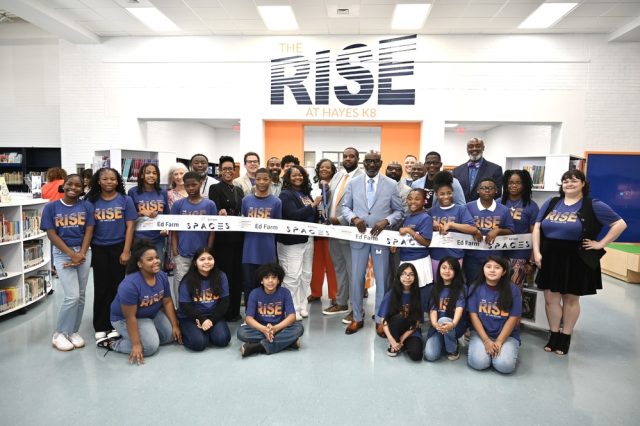
Birmingham City Schools officials and nonprofit partners at EdFarm cut the ribbon on The Rise at Hayes K-8, a tech-enabled learning and creative space for scholars. (Birmingham City Schools)

Last week at C.W. Hayes K-8 School, Birmingham City Schools officials and its nonprofit partners at Ed Farm cut the ribbon on The Rise at Hayes K-8, a tech-enabled learning and creative space for scholars.

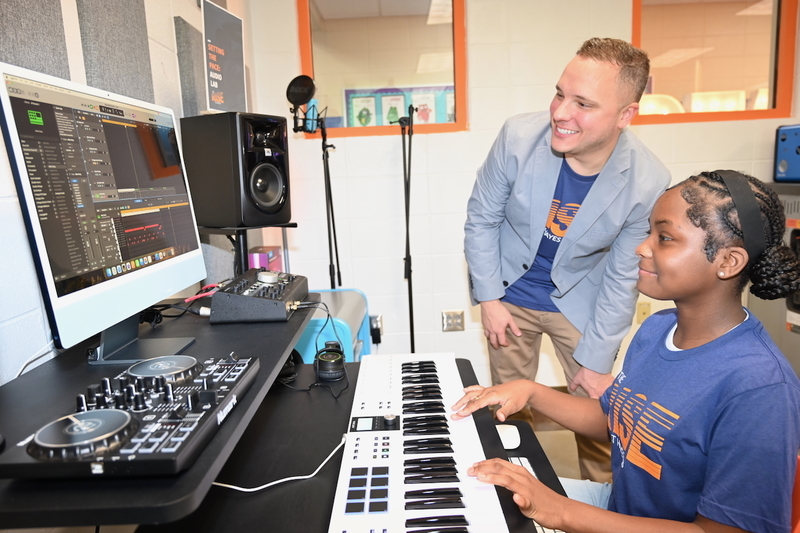
The 6,000-square-foot, multi-room space includes a fully redesigned media center and an adjacent computer lab converted into a state-of-the-art audio and video production suite. Students and teachers led the grand opening celebration, showcasing how the space will support hands-on learning, creative exploration, and technology-driven collaboration.

A Hayes scholar demonstrates music production in the computer lab.
The Hayes Ed Farm Space will support media production, collaborative learning, hands-on technology exploration, and expanded digital literacy programming. (Birmingham City Schools)

“For our students to see a space like this — modern, innovative, and built specifically for them — sends a powerful message that they deserve access to the future,” said Dr. Mark Sullivan, Superintendent of Birmingham City Schools and recently named Outstanding Superintendent of the Year by the Alabama Education Association.

“In partnership with Ed Farm, we are investing in innovative, tech-enabled spaces to drive a resurgence across schools like Hayes K-8 — boosting student engagement, improving attendance, and re-energizing our school communities,” Sullivan added. “This new space reflects our commitment to creating learning environments where every student feels motivated, supported, and prepared for what comes next.”

The Hayes Ed Farm Space will support media production, collaborative learning, hands-on technology exploration, and expanded digital literacy programming. Select features of Ed Farm’s new Spaces app will also be introduced during the launch period to enhance how educators manage and activate the space.

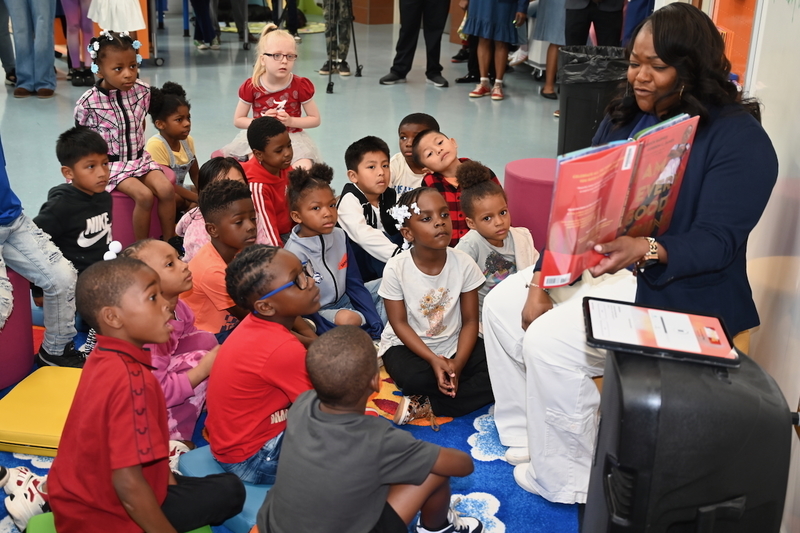
A Hayes teacher reads an interactive book to kindergarten students.
A Hayes teacher reads an interactive book to kindergarten students. (Birmingham City Schools)

“This space gives our students new opportunities to express themselves, collaborate, and build real digital skills,” said Hayes K-8 Principal Jerry Davenport. “It represents a fresh start and an exciting chapter for our school community.”

Ed Farm designed and outfitted the space in collaboration with the Birmingham City Schools Operations Department, school administrators and educators, and local partners, including Birmingham-based manufacturer Corona Group Inc., located in the same community as the school. The company custom-fabricated space elements, including durable pegboard and integrated dry-erase wall systems, to facilitate collaborative learning.

“When students walk into an environment that looks like the future instead of the past, it changes how they see themselves and what’s possible,” said Waymond Jackson, CEO of Ed Farm. “This space was co-designed alongside Hayes educators and students to reflect their goals and ideas, and we’re excited to continue our partnership with Birmingham City Schools to create more learning spaces like this for students to explore, create, and learn the digital skills they need to succeed in a dynamic economy.”

Ed Farm has outfitted similar hubs at Bush Hills STEAM Academy, Green Acres Middle School, Huffman Middle School, and South Hampton K-8. The next Space at Jackson-Olin High School will open later this month.

J. Mason Davis, Pioneering Civil Rights Attorney and Civic Leader, Dies

0
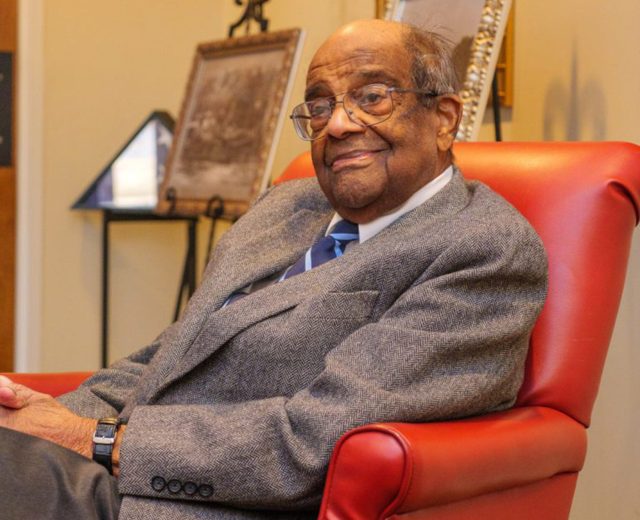
J. Mason Davis, a trailblazing attorney whose legal work helped dismantle segregation in Alabama, has died. He was 90. (File, The Birmingham Times)

The Birmingham Times

J. Mason Davis, a trailblazing attorney whose legal work helped dismantle segregation in Alabama and whose leadership shaped generations of lawyers and community advocates, has died. He was 90. Davis was widely respected for both his courtroom achievements and his enduring commitment to service.

Mason Davis, Jr. was born in Birmingham, Alabama, on July 30, 1935, the son of J. Mason Davis and Madeliene Harris Davis. He began his education at Tuggle School and A. H. Parker High School. He went on to attend Talladega College and the University at Buffalo School of Law before returning home to establish his own law practice in 1959. From the start, he dedicated his career to civil rights law, taking on cases that placed him at the center of the struggle for racial equality in the South.

Among his most notable work was his representation of students involved in the Huntsville lunch counter sit-ins of 1961 and 1962.  These cases drew national attention and became pivotal moments in the broader movement to end segregation. Through these and other efforts, Davis played a vital role in advancing desegregation across Alabama.

Davis’s influence extended far beyond the courtroom. In 1963, he served as one of 23 Black members of Birmingham’s Community Affairs Committee, a group formed to help ease racial tensions during one of the city’s most turbulent periods. Over the decades, he continued to lead in both legal and civic arenas, embodying a steady commitment to progress and reconciliation.

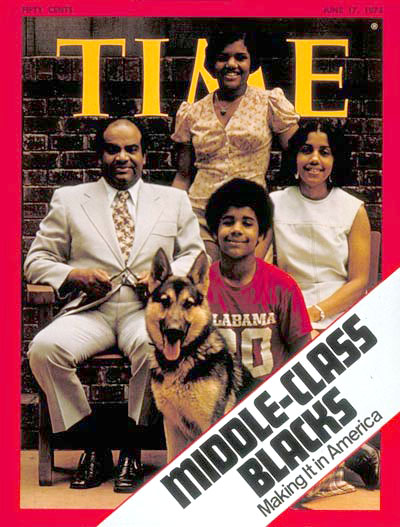
Cover of the June 17, 1974 issue of TIME magazine, featuring J. Mason Davis and his family. (Public Domain)

In 1984, Davis made history as the first African American president of the Birmingham Bar Association. He also broke barriers in academia as the first minority adjunct professor at the University of Alabama School of Law, where he taught from 1972 to 1997, mentoring and inspiring countless future attorneys.

His distinguished legal career included his tenure at Sirote & Permutt, now known as Dentons Sirote, where he became a partner and later a shareholder. Beyond the legal profession, Davis served as chair of the Birmingham Regional Chamber of Commerce from 2000 to 2001 and led the United Way of Central Alabama from 2002 to 2003, reflecting his deep investment in community advancement.

Though he received numerous professional honors, including a Lifetime Achievement Award in Human and Civil Rights from the NAACP in 2013 and induction into the Birmingham Business Hall of Fame in 2016, Davis often expressed that his greatest pride came from supporting health and human services initiatives and creating opportunities for minorities.

In 2019, the United Way of Central Alabama established the J. Mason Davis Leadership Society in his honor, recognizing his legacy of philanthropy, volunteerism and advocacy, and inspiring others to follow in his footsteps. In 2022, he was further honored by Regions Bank for his lasting contributions to the community.

Throughout his life, Davis remained a steadfast advocate for justice, equality and opportunity. A celebrated attorney, Civil Rights activist and mentor, he leaves behind a legacy defined not only by legal victories but by the lives he influenced and the doors he helped open.

His impact on Birmingham and on the ongoing pursuit of Civil Rights in America will endure for generations.

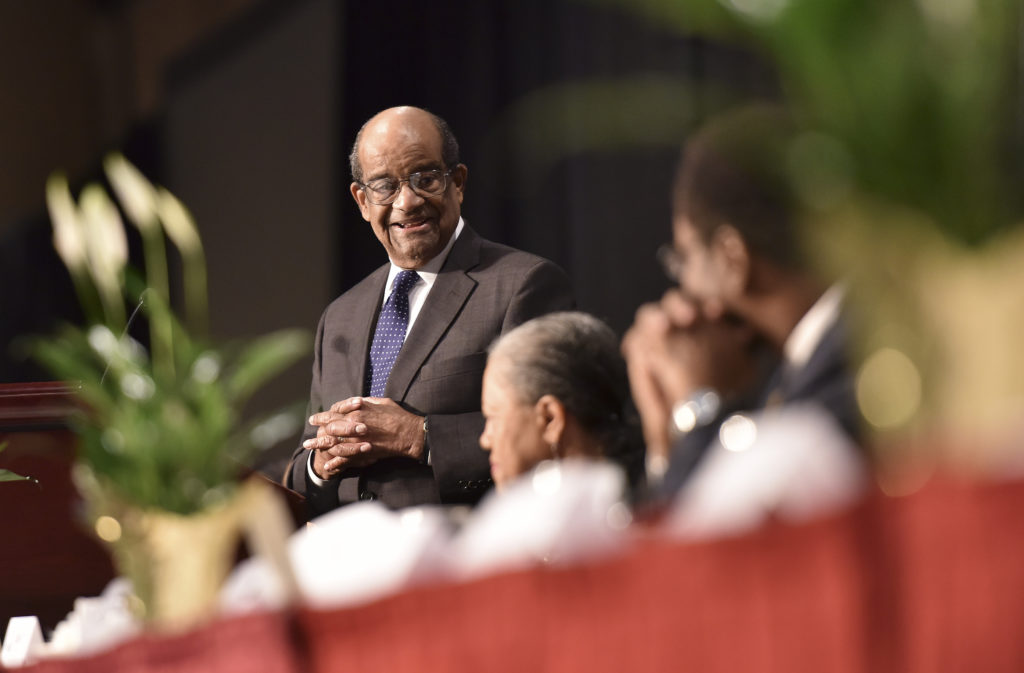
Keynote speaker J. Mason Davis. The Dr. Martin Luther King, Jr. Unity Breakfast held at the Birmingham-Jefferson Civic Complex in Birmingham Alabama Monday January 15, 2017. (File, The Birmingham Times)

Rapper Juvenile Kicks Off ‘Boiling Point Tour’ at Birmingham’s Iron City

0
Juvenile returned to the stage with purpose on Thursday night, launching his Boiling Point Tour in Birmingham with a packed show at Iron City. (Marika N. Johnson, For The Birmingham Times)

Story and Photos by Marika N. Johnson | For The Birmingham Times

Juvenile returned to the stage with purpose on Thursday night, launching his Boiling Point Tour in Birmingham with a packed show at Iron City. Marking his first album release in over a decade, the New Orleans rap icon chose the Magic City as the starting point for a new chapter and the crowd responded with energy that matched the moment.

Blending fresh material with the records that defined a generation, Juvenile moved seamlessly between new tracks and the unmistakable hits that built his legacy in the late 1990s and early 2000s. Early favorites like “Ha” and “Set It Off” immediately drew a response, while “Back That A Up” turned the venue into a full dance floor, with fans moving in unison and recapturing the spirit of Southern hip-hop at its peak.

Fans enjoy Juvenile Thursday night as he launched his Boiling Point Tour in Birmingham. (Marika N. Johnson, For The Birmingham Times)

The momentum continued with “Slow Motion” and “Project Chick,” as people danced shoulder to shoulder, creating a sense of shared nostalgia across generations. The atmosphere felt both celebratory and gave a sense of belonging as longtime listeners and younger fans alike fed off the energy in the room.

The new music, especially the viral hit “B.B.B.,” held its own alongside the classics, signaling an artist who understands how to evolve without losing the essence that made him a household name. As the first stop on the tour, Birmingham set the tone. If Thursday night was any indication, Juvenile’s Boiling Point Tour is less about a comeback and more about reaffirming a legacy that continues to move the crowd — literally.

Juvenile moved seamlessly between new tracks and his unmistakable hits. (Marika N. Johnson, For The Birmingham Times)

The City of Birmingham Celebrates Landscape Architecture Month

0
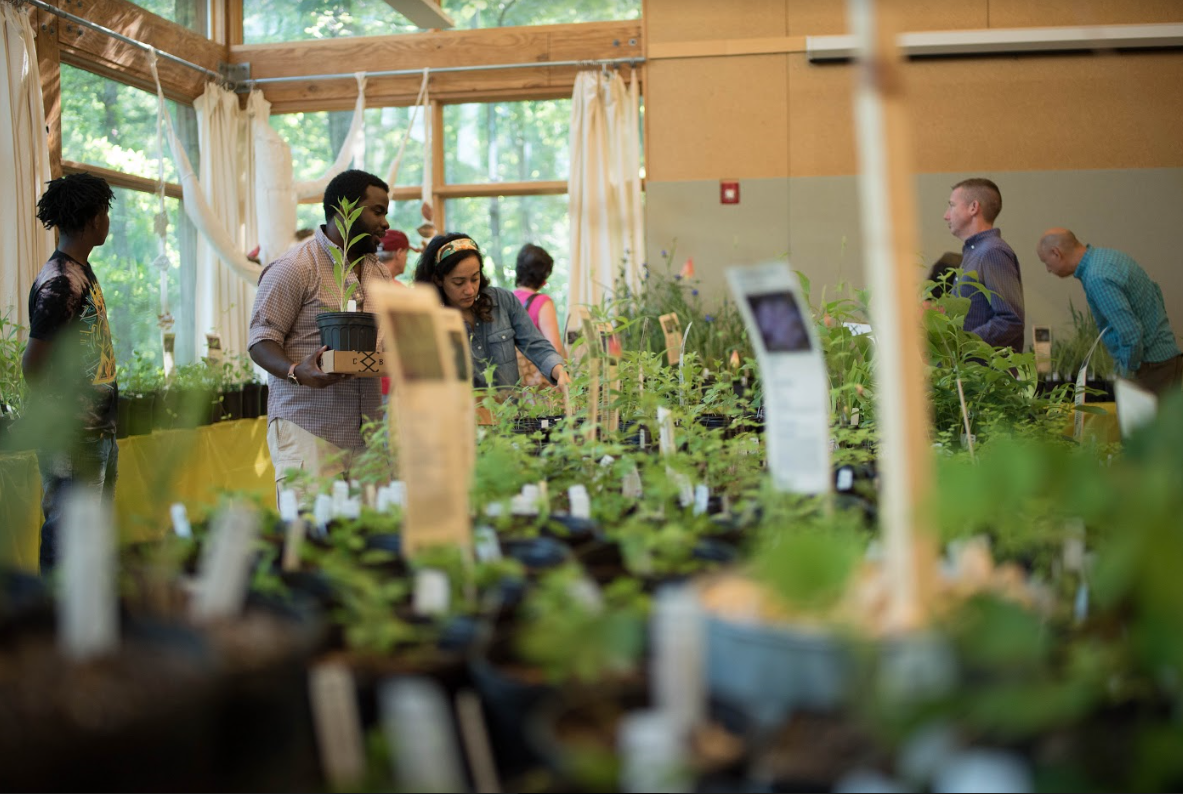
The Ruffner Mountain Nature Center will hold its annual native plant sale this month. (Bob Farley, Ruffner Mountain)

birminghamal.gov

The City of Birmingham Department of Planning, Engineering, and Permits will join cities across the nation in celebrating Landscape Architecture Month this April, recognizing the vital role landscape architects play in shaping a healthier, more resilient, and more connected Birmingham.

Mayor Randall L. Woodfin has officially proclaimed April 2026 as Landscape Architecture Month in the City of Birmingham, highlighting the profession’s impact on the city’s infrastructure, public spaces, and quality of life.

Landscape architecture blends science, design, and environmental stewardship to create spaces that serve communities — ranging from parks and streetscapes to stormwater systems and transportation corridors. These efforts not only enhance the beauty of Birmingham but also safeguard public health, safety, and welfare.

Wednesday, April 1, 2026, is recognized as Professional Landscape Architecture (PLA) Day, honoring licensed professionals whose expertise in science, technology, engineering, and mathematics (STEM) supports the city’s infrastructure and long-term growth.

This year’s theme, “Landscape Architecture in Action,” emphasizes the visible and lasting impact of the profession across urban, suburban, and rural communities. As the nation approaches the America 250 milestone, the City also recognizes the historical and ongoing contributions of landscape architects in shaping spaces that reflect democratic values, cultural heritage, and opportunity for future generations.

In Birmingham, more than 50 licensed landscape architects contribute to economic development, environmental protection, and tourism — strengthening the city’s economy while improving everyday life for residents.

Landscape architects are also on the front lines of addressing climate challenges, using green infrastructure and sustainable design strategies to restore ecosystems, mitigate environmental risks, and reduce long-term recovery costs from natural disasters.

Landscape Architecture Month Events: 

Residents are encouraged to participate in a variety of events happening throughout April:

Podcaster Deante Kyle Challenges Birmingham to Engage, Reflect, and Act

0
Deante Kyle’s Grits and Eggs Podcast, a platform centered on honest conversations about community, purpose, and personal growth, held a live show this week at the Stardome. (Marika N. Johnson, For The Birmingham Times)

Story and Photos by Marika N. Johnson

The lights were low, the music was loud and the room was full on Wednesday night at Hoover’s Stardome, a space typically reserved for stand-up comedy. But this was not a comedy show. Instead, the crowd gathered for a live experience of Deante Kyle’s Grits and Eggs Podcast, a platform centered on honest conversations about community, purpose, and personal growth.

Kyle has grown his voice from humble beginnings, previously recording in his truck, to building a platform that leans into real conversations that challenge and connect. That evolution was on full display during his stop at the Stardome, where a sold-out crowd left both enlightened and reflective.

“Because of the Civil Rights Movement, people think impact has to be big. People don’t look at the amount of time it takes to make an impact; it’s also the small steps,” Kyle shared, grounding the evening in perspective and intention.

Part of the First Cousins Tour, the night balanced moments of humor with a largely serious tone. Kyle moved seamlessly between crowd interactions and deeper conversation, even pausing at one point to remind an outspoken attendee, “This ain’t a comedy show — this is a town hall.” The moment underscored the purpose behind his work, creating space for dialogue, not just entertainment.

The goal of Kyle’s live events is to bring the podcast into a shared, in-person setting where conversation becomes collective. Throughout the evening, he encouraged attendees to be present and intentional, offering both reflection and challenge. “Put your phones down!” he called out. “Hug a tree!” he exclaimed, reinforcing the importance of disconnecting from constant distractions and reconnecting with what matters.

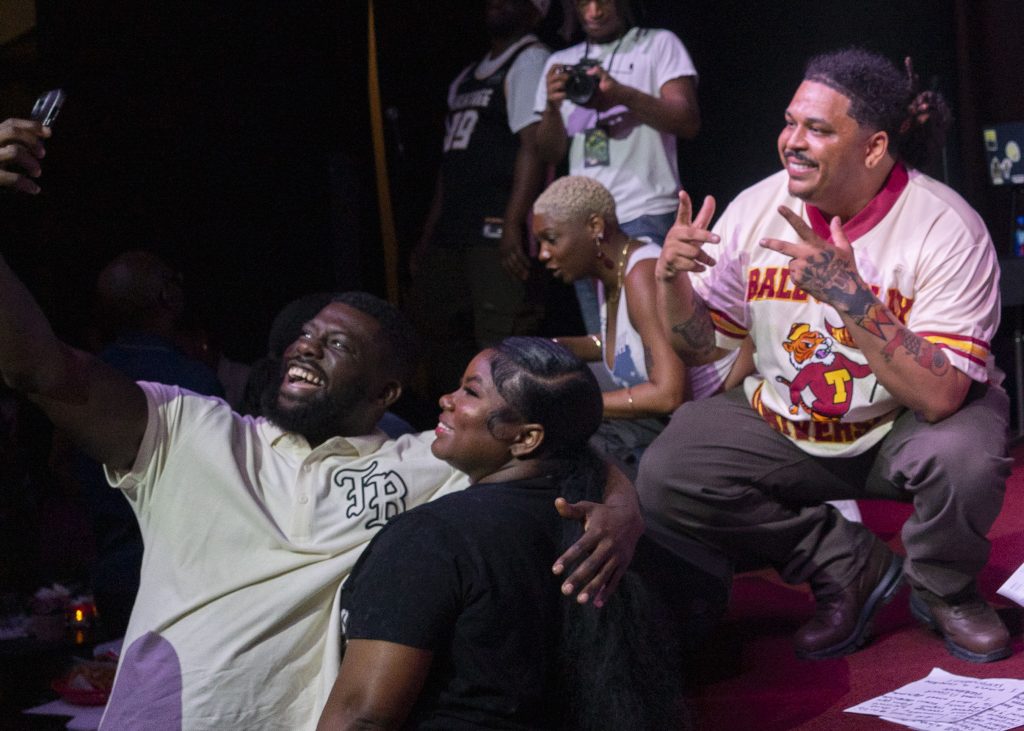
Deante Kyle, right, hangs out with audience members at the Stardome. (Marika N. Johnson, For The Birmingham Times)

What sets Kyle apart is his raw, unfiltered lens on the world we live in. He doesn’t dress up hard truths — he confronts them, offering insight on how to navigate a culture filled with distractions. From reconnecting with nature and staying grounded to emphasizing the importance of community and conserving personal energy amid the trivial distractions of social media and even the negativity found in advertisements, his message feels both practical and necessary.

He referenced a recently released sports ad that featured an image of an African American man with logos seemingly etched into his back, bearing a resemblance to imagery associated with the scars of slavery. Kyle noted that images like these, even when negative, are designed to create engagement, which ultimately serves the interests of those behind them.

Kyle’s message is rooted in his journey. He began with limited resources, recording episodes from his truck before steadily building Grits and Eggs into a growing platform. Now residing in Georgia, he shared that he once lived in Gadsden, Alabama, a connection that adds a layer of familiarity to his presence in the Birmingham area.

Kyle urges everyone in Birmingham “to come to more events where people are talking and doing things for the community… get involved in the politics that are happening locally that actually impact your way of living.” His journey reflects the very message he delivers: impact doesn’t always start big –it starts consistently and intentionally –but above all, Kyle says, “just start somewhere.”