Home Blog Page 469

Heartening News: Smartwatch Apps Can Detect Irregular Heartbeat

0

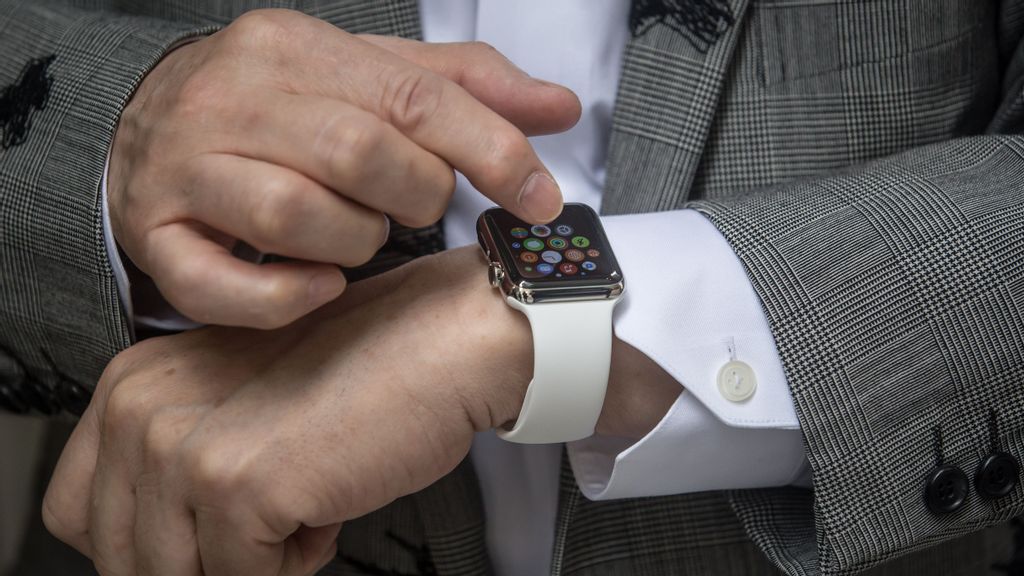
Hajime Shimada shows off his newly purchased Apple Watch outside boutique store, Dover Street Market Ginza on April 24, 2015 in Tokyo, Japan. The Apple Watch launched globally today after months of publicity and pre-orders. However the smart watch was not sold from Apple stores but from a handful of upscale boutiques at select locations around the world in a bid to position the watch as a fashion accessory. Apple has been directing people to order online preventing the long lines usual seen with the launch of iPhones and iPads. (Photo by Chris McGrath/Getty Images)


By Darko Manevski

People with an irregular heartbeat that puts them at risk of strokes, blood clots and other heart complications are being mostly correctly diagnosed by smartwatches, according to new research.


The problem of an irregular heartbeat, known as Atrial fibrillation (AFib), was confirmed in nearly 94 percent of people who were initially identified by a smartwatch application as having signs of the heart rhythm disorder.

The study, which was presented at the American College of Cardiology’s 71st Annual Scientific Session, reportedly used Huawei watches, but it found that similar photoplethysmography technology was available with other smartwatches like those built by Apple and with FitBit devices.

The study, which involved more than 2.8 million participants, is the largest study to date to demonstrate how wearable consumer technologies can be used to screen for heart problems during everyday activities.

Researchers also used the app to screen a subset of participants for obstructive sleep apnea and found that people flagged for possible sleep apnea were 1.5 times more likely to have AFib than those who were not. This suggests that tools suitable for detecting the two conditions can work together to further enhance health monitoring.
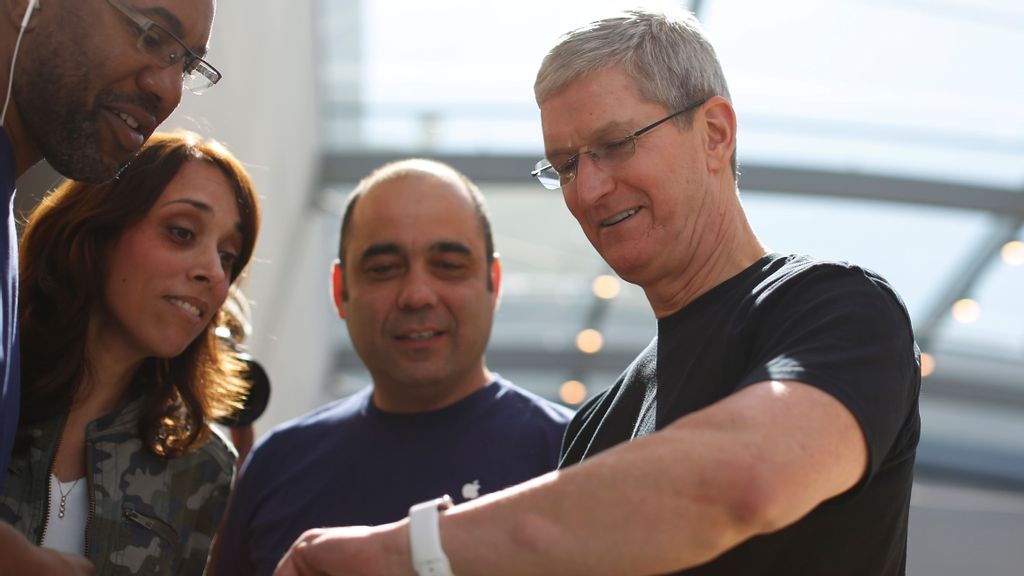
Apple CEO Tim Cook displays his personal Apple Watch to customers at an Apple Store on April 10, 2015 in Palo Alto, California. The pre-orders of the highly-anticipated wearable from the tech giant begins today as the watches arrive at stores for customers to preview.

The study’s lead author, Yutao Guo, MD, Professor of Internal Medicine at the Chinese PLA Medical School and the Chinese PLA General Hospital in Beijing, said: “Digital technologies make it possible to increase general awareness about AFib and its risk factors as well as to improve prevention of AFib and its complications.”

He added: “With the global surge of wearable technology for AFib screening, especially in the challenging setting of the COVID-19 pandemic, the present study provides a possible solution to help people identify possible signs of AFib and get diagnosed and treated earlier.”

AFib is the most common type of heart rhythm disorder, with symptoms including a rapid or irregular heartbeat along with episodes of lightheadedness, chest pain and shortness of breath. People with AFib are about five times more likely to suffer a stroke compared with the general population because an erratic heartbeat can cause blood to pool and clot. However, this risk can be lowered with early diagnosis and treatment.

The study, conducted in China, combined data from smart devices with clinical data to examine the accuracy of AFib screening using photoplethysmography, a light-based method to monitor blood flow used in many wearable devices.

Researchers tracked more than 2.8 million people who downloaded an AFib screening app on a compatible Huawei smart device. The smart device uses photoplethysmography to monitor the wearer’s pulse and the app applies an algorithm to detect when the heart rhythm is abnormal. If an abnormal rhythm was detected, the wearer would be contacted by a clinician to set up an appointment for a clinical assessment.

Over the course of four years (2018-2021), 12,244 users received a notification of suspected AFib. Among 5,227 people who chose to follow up with a clinician, AFib was confirmed in 93.8 percent of patients using standard AFib diagnostic tools including clinical evaluation, an electrocardiogram and 24-hour Holter monitoring, where someone wears a device to track heart activity while they go about their usual activities including sleeping.
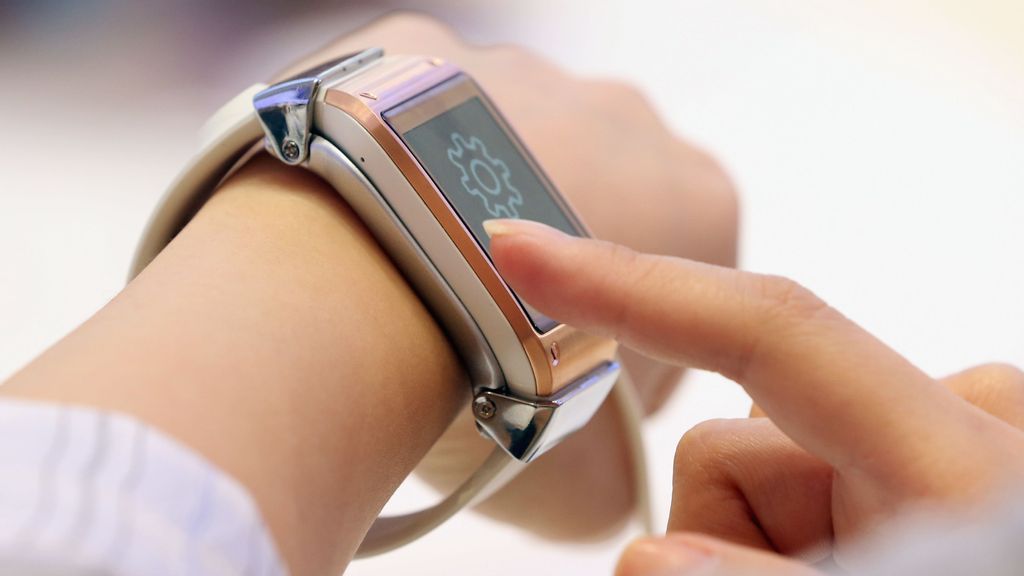
Visitors try out the new Galaxy Gear smartwatch at the Samsung stand at the IFA 2013 consumer electronics trade fair on September 5, 2013 in Berlin, Germany. The 2013 IFA will be open to the public from September 6-11. (Photo by Sean Gallup/Getty Images)

Photoplethysmography can also be used to detect physiological changes that occur when a person has obstructive sleep apnea, a condition that disrupts breathing during sleep. Previous studies have suggested that about half of people with AFib also have sleep apnea. In this study, 961,931 of the app users screened for AFib were also screened for signs of sleep apnea.

Of these, about 18,000 were notified they may have the condition. Results also showed a high rate of AFib diagnosis among this group, with 1.5-fold higher odds of receiving an AFib diagnosis among those who were flagged for sleep apnea compared to those who were not.

“This consumer-led AFib screening approach highlights the increased risk for detecting prevalent AFib episodes over time and the need for modification of obstructive sleep apnea and other risk factors that increase AFib susceptibility,” Guo said. “Future studies will be needed to move toward using ‘smart’ technology to help manage AFib and the risk factors that increase AFib susceptibility, as well as to evaluate attitudes and concerns related to this digital health tool.”

One limitation of the study is that only 53.3 percent of those who received a notification of suspected AFib effectively followed up with a clinician for further evaluation. Researchers were unable to verify whether the remaining individuals had clinically confirmed AFib or determine why they did not follow up for a health assessment.

The study was funded by the National Natural Science Foundation of China.

The American College of Cardiology envisions a world where innovation and knowledge optimize cardiovascular care and outcomes.

As the professional home for the entire cardiovascular care team, the mission of the College and its 54,000 members is to transform cardiovascular care and improve heart health.

Recommended from our partners


The post Heartening News: Smartwatch Apps Can Detect Irregular Heartbeat appeared first on Zenger News.

Americans Admit They Eat More Candy Now Than When They Were Kids

0

Americans admit they eat more candy now than when they were kids, according to new research. (Mallory Dubay/Zenger)


By Anamarija Brnjarchevska

Things may change, but your sweet tooth might remain the same, according to new research.


A new poll of 2,000 Americans – including at least 1,000 who celebrate Easter – revealed that the average person first picked a “favorite candy” around the age of 11 and has stuck with it ever since.

In fact, 52 percent reported eating more candy now as adults than they ever did as kids.

Many of those polled (40 percent) gravitate towards snack- or “fun”-sized candies, despite the traditional wisdom that bigger is better.

While just over one in three (35 percent) prefer chewy candy the most, making it the most popular texture among respondents.

Conducted by OnePoll on behalf of HI-CHEW, the survey also explored how the typical person approaches a “candy haul” that’s gathered during a seasonal event like Easter or Halloween.

When asked how much candy constitutes a “haul,” respondents settled on an average of 23 pieces or more.

Over half (57 percent) organize their haul before digging in, most commonly by flavor (34 percent), and almost a third (29 percent) save their favorites for the end.

But what to do with the candy you’re less enthused about? For most, it’s not a snap decision – 33 percent will eat a few pieces first before deciding whether or not to share, typically with their children (41 percent) or partner (41 percent).

Candy swaps also proved popular, as two in five (41 percent) have traded with other family members to ensure they have more of their favorite.

Regardless, survey-takers figure they could still eat an average of four pieces of their least favorite candy in one sitting.

“It’s no surprise that children enjoy indulging in sweets during a holiday like Easter, and we know that their parents have a sweet tooth too,” said Teruhiro Kawabe (Terry), President and Chief Executive Officer of Morinaga America, Inc. “While some preferences may change, the joyful experiences of the past contribute to why the average American has had the same favorite candy since childhood.”

Childhood memories, preferences and jealousy aside, two-thirds (67 percent) agree that candy hauls are not just for kids.

While 11 percent of respondents still get Easter baskets as adults, 38 percent admitted they envy the baskets of the younger children they celebrate with.

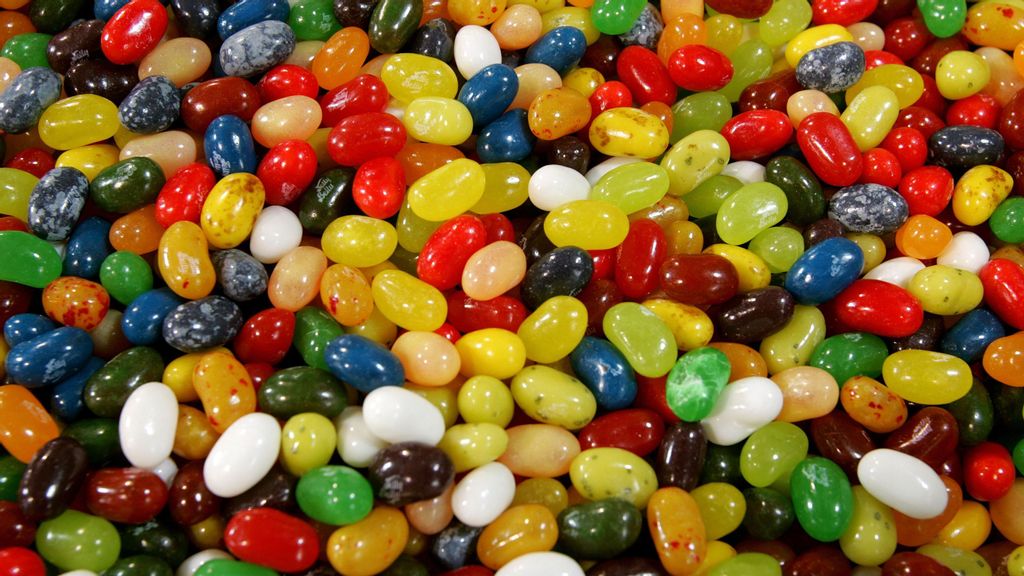
Jelly beans are shown at the Jelly Belly candy factory June 10, 2004 in Fairfield, California. The late former U.S. President Ronald Reagan was known for his fondness for jelly beans during his political career and claims the candy helped him quite smoking when he was governor of California. (Photo by David Paul Morris/Getty Images)

And even with all the trading and giving away, 38 percent of respondents have had to settle family arguments over who gets what goodies in their basket.

Over the years, respondents have participated in a variety of Easter activities. About half (48 percent) have gone on an Easter egg hunt and 42 percent have met and taken a photo with the Easter bunny.

Almost half (48 percent) have made an Easter basket for someone else, and 45 percent enjoy tailoring that basket to the person receiving it.

“Easter candy in America dates back hundreds of years, with sweets being a staple in baskets to bring smiles to children’s faces on Easter morning,” said Kawabe.

“This springtime holiday tradition has helped create cherished memories and bonding time for kids, adults and everyone in between for many generations.”

Recommended from our partners


The post Americans Admit They Eat More Candy Now Than When They Were Kids appeared first on Zenger News.

Eight In 10 Americans Believe Having A “green Thumb” Is A Necessary Survival Skill

0

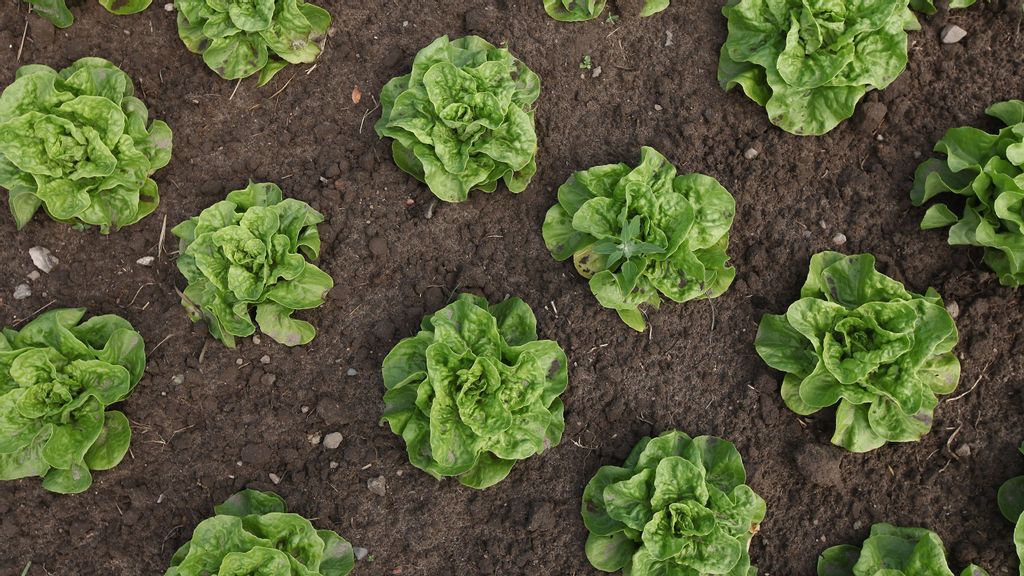
Lettuce grows at the Teltower Ruebchen organic vegetable farm on June 1, 2011 in Teltow, Germany.  (Photo by Sean Gallup/Getty Images)


By Ellis Wylam

Americans are trading city life for the countryside — complete with chickens and farmland.


A new survey of 2,000 adults – with half living in urban/suburban areas and the rest in rural communities – asked them how they viewed their environmental habits throughout the pandemic and found that two-thirds of all respondents have made an effort to live more sustainably (67%).

Urban and suburban residents are more interested in learning about obtaining a sustainable lifestyle than their rural counterparts (77% vs. 57%).

And some people have taken measures to be more sustainable by reducing food waste (49%), using reusable household materials (47%) or paper alternatives instead of plastic (46%).

Interestingly, eight in 10 believe having a green thumb is a necessary survival skill (79%), which is why 42% of Americans began growing their own produce, and 31% are interested in raising livestock.

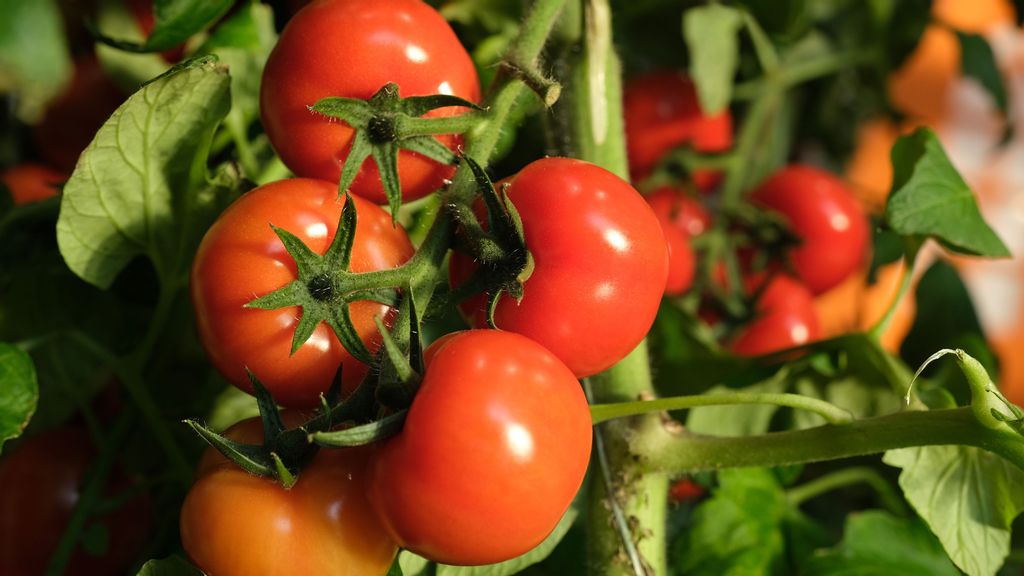
Tomatoes grow on a vine at a Dutch stand at the Green Week (Grüne Woche) agricultural trade fair on January 17, 2020 in Berlin, Germany. (Photo by Sean Gallup/Getty Images)

Commissioned by Tractor Supply Co. in partnership with OnePoll for Earth Day, the survey also revealed nearly one in five people (18%) who lived in urban or suburban areas have moved to rural communities during the pandemic.

Sixty-nine percent of urban/suburban respondents said they’d prefer living in rural settings because it’s more peaceful (61%), less stressful (49%) or because the cost of living is lower (45%).

Regardless of whether they’ve made a drastic move, people shared that they’ve started their own sustainable hobbies (52%), but others found it difficult because of costs (40%), too much work (38%) or they didn’t know where to begin (38%).

More than half (54%) think it’s expensive to live sustainably, with the average person estimating the lifestyle costs $11,000 more a year.

Seven in 10 Americans also believe that having a large yard space is mandatory to live sustainably (71%) and most wish their home’s yard space were bigger (74%).

“You don’t have to have a lot of money to live sustainably. Imagine keeping chickens in your backyard or growing herbs right on your countertop! It’s okay to start small – simple changes can make a big impact,” said Christi Korzekwa, chief marketing officer at Tractor Supply.

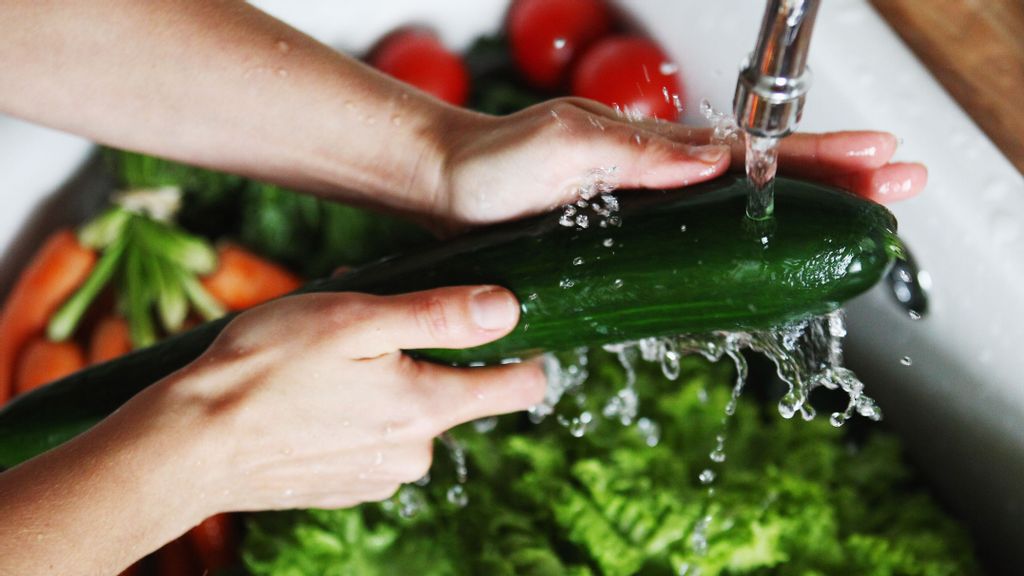
A woman washes cucumbers on May 26, 2011 in Hamburg, Germany. (Photo by Joern Pollex/Getty Images)

“Choosing to live a sustainable lifestyle is all about raising, recycling and repurposing. By choosing to live more sustainably, you can find creative ways to become more efficient, eliminate waste or reduce your impact on the environment, all while having fun raising chicks or growing tomatoes right in your backyard.”

While the grass may seem greener where there’s more of it, 65% of respondents who live in rural neighborhoods also long for larger yard spaces.

Nearly half of respondents said they would be interested in starting their own hobby farm if they had the time, space and resources (48%).

More than two in three added they wouldn’t have any problem growing their own produce if all the grocery stores shut down (68%), with those in urban/suburban areas feeling more confident than rural dwellers (72% vs. 62%).

Respondents even admitted they could “live off the land” if they had to (62%), and a third of them predicted they could last more than a year.

This drastic change may even come sooner than later, as 53% see themselves living a more sustainable lifestyle within the next decade.

Overall, 77% believe in making sustainable choices for themselves and creating a better environment for the next generation.

“Our study shows that people have made an effort to live more sustainably over the last two years, and we can see this trend will be here to stay,” said Seth Estep, executive vice president and chief merchandising officer at Tractor Supply. “Making positive changes means that we are helping our planet, which is important for our children and future generations so that they will have the same opportunities that we enjoy today. It’s never too late to live more sustainably.”

TOP FOODS PEOPLE WANT TO GROW/RAISE/HARVEST

Tomatoes – 56%

Potatoes – 52%

Cucumbers – 46%

Strawberries – 44%

Green beans – 44%

Lettuce – 43%

Corn – 42%

Fresh herbs (i.e. cilantro, basil, parsley, etc.) – 40%

Apples – 38%

Broccoli – 36%

Recommended from our partners


The post Eight In 10 Americans Believe Having A “green Thumb” Is A Necessary Survival Skill appeared first on Zenger News.

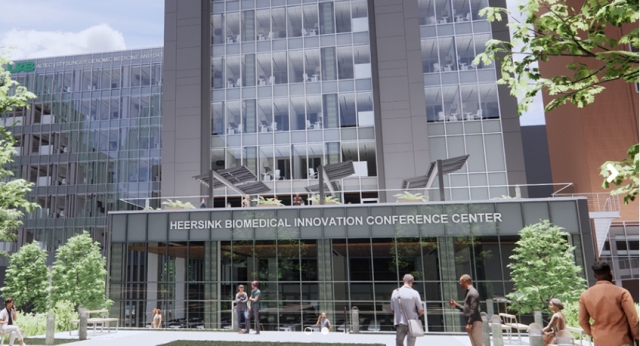
Add $78M-Plus Medical Facility at UAB to Recent Wins For Birmingham

0

By Ryan Michaels

The Birmingham Times

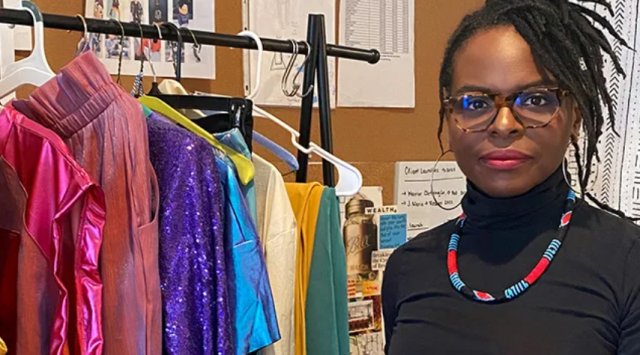
Alabama native Twyla Grider to design costumes for The World Games 2022

0
Twyler Grider is the CEO and founder of Stellar Creative Collective, the company that will be designing costumes for the opening and closing ceremonies during The World Games this summer. (contributed)

By Shirley Jackson

Alabama NewsCenter

Bride And Grime: Wife Makes Husband Sign Washing Up Contract

0

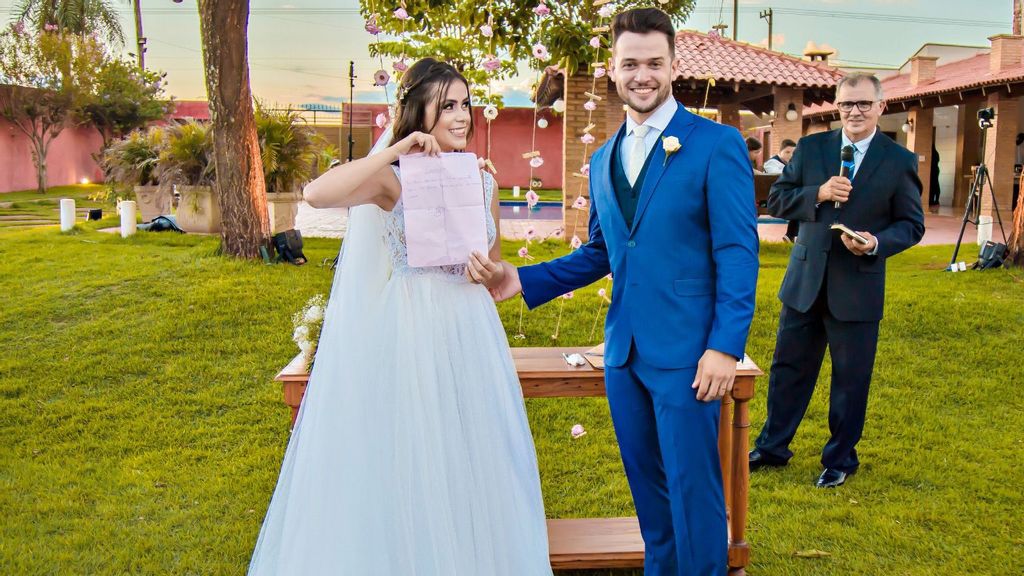
Jaqueline Miranda Bomfim made her husband Lucas sign a contract pledging to wash the dishes every day, at their wedding in the interior of Sao Paulo, Brazil, in February 2022. (Jaqueline Miranda Bomfim/Zenger)


By Feza Uzay

A hapless new husband has signed an agreement to wash the dishes every day after his bride whipped out a contract at the altar.


Bride Jaqueline Miranda Bomfim was still in her wedding dress when she gave the papers to her new husband, Lucas, and handed him a pen.

Footage of the signing – later posted to social media – shows Jaqueline triumphantly holding up the inked contract while the couple’s guests cheer.

Jaqueline Miranda Bomfim made her husband Lucas sign a contract pledging to wash the dishes every day, at their wedding in the interior of Sao Paulo, Brazil, in February 2022. (Jaqueline Miranda Bomfim/Zenger)

The footage quickly made the rounds on social media in Latin America, and now Zenger News has spoken to Jaqueline in an exclusive interview about the stunt.

She told how the big day unfolded in the south-eastern Brazilian state of Sao Paulo, in February, with the images only coming to the attention of social media users and local media at the end of March.

Jaqueline married Lucas in a traditional ceremony, with their friends and family in attendance.

She can be seen in the footage wearing a beautiful, white dress, while Lucas is seen sporting a slick, electric blue suit.

But later in the footage, she can be seen holding a pen as a man, who she later said was her dad, hands her a piece of paper.

The piece of paper was a contract in which Lucas pledged to wash the dishes every day.

Jaqueline Miranda Bomfim made her husband Lucas sign a contract pledging to wash the dishes every day, at their wedding in the interior of Sao Paulo, Brazil, in February 2022. (Jaqueline Miranda Bomfim/Zenger)

She hands him the contract and, although he is a little startled at first, he can be seen chuckling as he happily signs it.

Jaqueline said that she had come up with the idea “as a joke” while “writing my vows”.

She said she made Lucas promise to wash the dishes the day before but added that he had no idea about the prank she was about to pull on the big day.

She added: “It was a relaxing moment for my vows, I made my guests smile at that moment, and my wedding video was really cool with their joy.”

Lucas even asked the priest marrying them “if it was allowed”, and Jaqueline jokingly said that the clergyman “washed his hands” of the matter.

Jaqueline Miranda Bomfim made her husband Lucas sign a contract pledging to wash the dishes every day, at their wedding in the interior of Sao Paulo, Brazil, in February 2022. (Jaqueline Miranda Bomfim/Zenger)

Jacqueline said she has a strong relationship with Lucas and added: “I didn’t ask for anything more than the dishes, but still he does more! In fact, he teaches me a lot, because I got married without even knowing how to cook, and Lucas already lived alone and knew how to manage a lot.”

She also said: “My relationship is very healthy, we always try to keep it as light as possible, we laugh and joke a lot, but when we have to treat it seriously, we treat it as such.”

And she added that despite all the fun and games, she would describe them as a “traditional” couple.

But she also admitted that they live in a modern world, where the dynamics have evolved.

She said: “We received a lot of criticism, but I confess I don’t care about any of it.

“They think that the woman has to take care of all the domestic chores, and it’s not like that, today the world has changed, and we even share the bills.”

The text message which was sent by Jaqueline Miranda Bomfim who made her husband Lucas sign a contract pledging to wash the dishes every day, at their wedding in the interior of Sao Paulo, Brazil, in February 2022. (Jaqueline Miranda Bomfim/Zenger)

Speaking about her new hubby, Jaqueline said: “Lucas is a very nice person, calm, and he knows me very well.

“You know that after all, it was just a joke.

“I always ask him if he’s feeling bad about the critical comments, he says no, he doesn’t care.”

Recommended from our partners


The post Bride And Grime: Wife Makes Husband Sign Washing Up Contract appeared first on Zenger News.
Three And A Half: Brazilian Throuple Reveals Baby Is On The Way

0

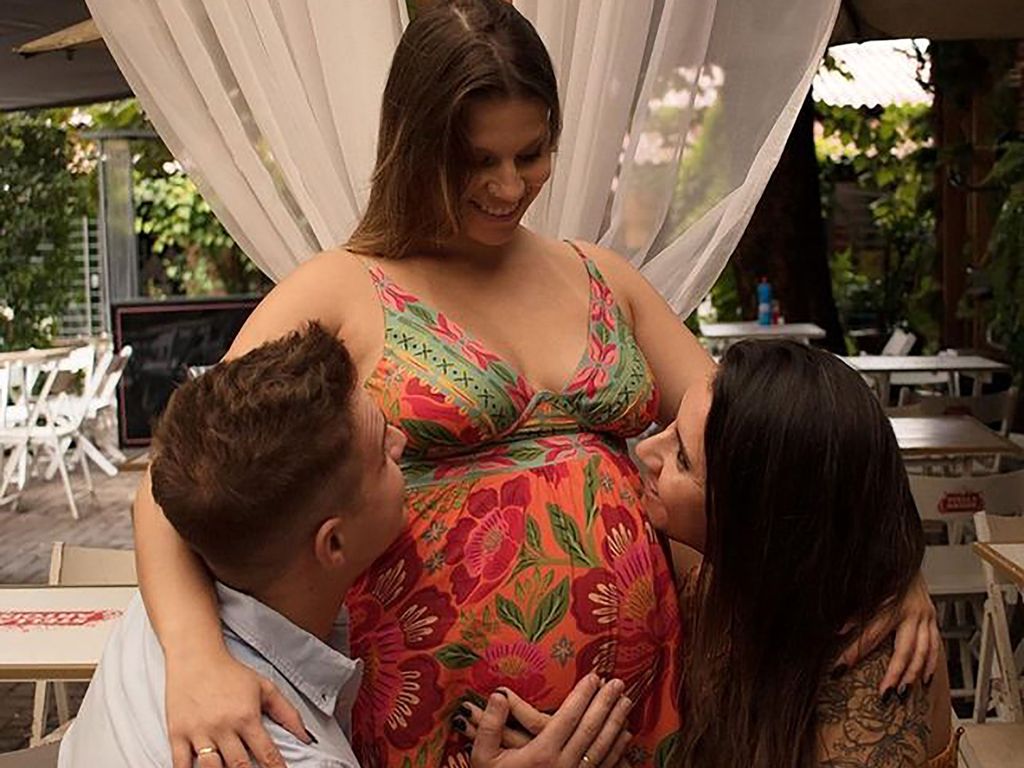
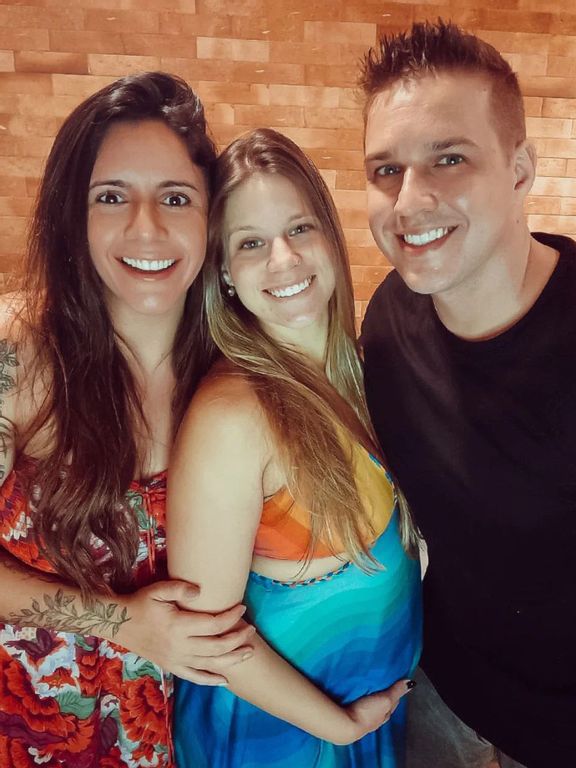
A Brazillian woman, Maria Carolina Rizola, 30, (middle), who is in a relationship both with her husband Douglas Queiroz, 33, (right) and Klayse Marques, 34, (left) is pregnant with a baby boy. (@meutrisal/Zenger)


By Feza Uzay

This Brazilian ‘throuple’ are expecting a baby to join their unorthodox family unit very soon.


Carol, Douglas, and Kah boast 18,100 followers on Instagram and have amassed 37,200 ‘likes’ on TikTok.

But it was only when Carol announced that she was expecting the throuple’s first baby that the trio really caused a stir online and made the headlines.

Zenger News spoke to Carol, who offered some insights into the trio’s unorthodox relationship, in a country where Christian and conservative values are widely held.

A Brazillian woman, Maria Carolina Rizola, 30, (middle), who is in a relationship both with her husband Douglas Queiroz, 33, (left) and Klayse Marques, 34, (right) is pregnant with a baby boy. (@meutrisal/Zenger)

Maria Carolina ‘Carol’ Rizola, 30, is an architect, Klayse ‘Kah’ Marques, 34, is a business consultant, and Douglas Queiroz, 33, is a fireman. They live in the city of Londrina, in the southern Brazilian state of Parana.

Carol, who was first in a couple with Douglas, said: “We met (Kah) through a dating app. It was very natural. Initially we weren’t looking for a relationship, it was just supposed to be an experience, but we ended up falling in love, and then it was common to miss being with Kah all the time. We spent more time together than apart.

“The idea of creating the Instagram was for people to hear what our relationship was like from the horse’s mouth and not through hearsay.”

A Brazillian woman, Maria Carolina Rizola, 30, (middle), who is in a relationship both with her husband Douglas Queiroz, 33, (left) and Klayse Marques, 34, (right) is pregnant with a baby boy. (@meutrisal/Zenger)

On where they see themselves in a decade, Carol told Zenger News: “I hope we are very happy, traveling loads and living with two or three children on the beach.

“I can definitely see us in old age, sharing our experiences and how we helped make the world a slightly better place for our grandchildren.”

Carol said the trio’s bond goes beyond looks. She said: “Most of the relationship is maintained by things other than just physical attraction. We fell in love with the people we are, we are friends, we are partners, we enjoy each other’s company.

“Physical attraction is just a detail.”

A Brazillian woman, Maria Carolina Rizola, 30, (middle), who is in a relationship both with her husband Douglas Queiroz, 33, (right) and Klayse Marques, 34, (left) is pregnant with a baby boy. (@meutrisal/Zenger)

And on the wider reaction to their unorthodox relationship, Carol said: “Many people send us messages of affection and love, supporting us and saying that they love the fact that we are spontaneous and we show how happy we are and how much we love each other.

“Many also send their best wishes and love to Henrique [their son-to-be].

“Unfortunately, some people show negative feelings about our relationship.”

Carol continued: “We deal with it in a relaxed way, after all, we don’t need approval from anyone, we are sure of our love and that’s that.

“My family doesn’t approve of the relationship, so they chose to distance themselves. Douglas’ family doesn’t approve either, but they respect us and want to stay close mainly because of the baby. Kah’s family totally accepts us, they are wonderful and they are on our side, they can see that our love is pure.”

Recommended from our partners


The post Three And A Half: Brazilian Throuple Reveals Baby Is On The Way appeared first on Zenger News.
Meet The Sisters Who Helm The Country’s Largest Black-Owned Wine Brand

0
Robin and Andrea McBride

Randi Richardson

NBC News