Birmingham Artist Jahman Hill Explores The African American Experience Through COVID
asfa.k12.al.us
asfa.k12.al.us
birminghamal.gov
birminghamal.gov

The Birmingham Times
Bottled water or tap?
How you answer that question could have some major implications for your long-term health, a new study into the health effects of ingested plastic particles shows.
That study also contained this startling fact: People are eating the equivalent of one plastic credit card every week in their diet. The plastic particles enter the human food chain through plastic waste contained in fish, sea salt and drinking water, the study shows.
Scientists say such nanoplastics disrupt the human gut bacteria and can lead to killer diseases like cancer and diabetes.
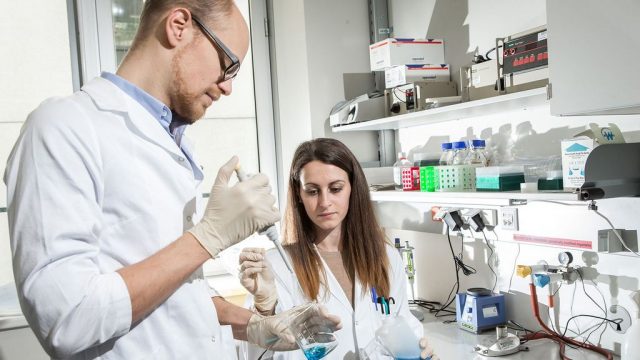
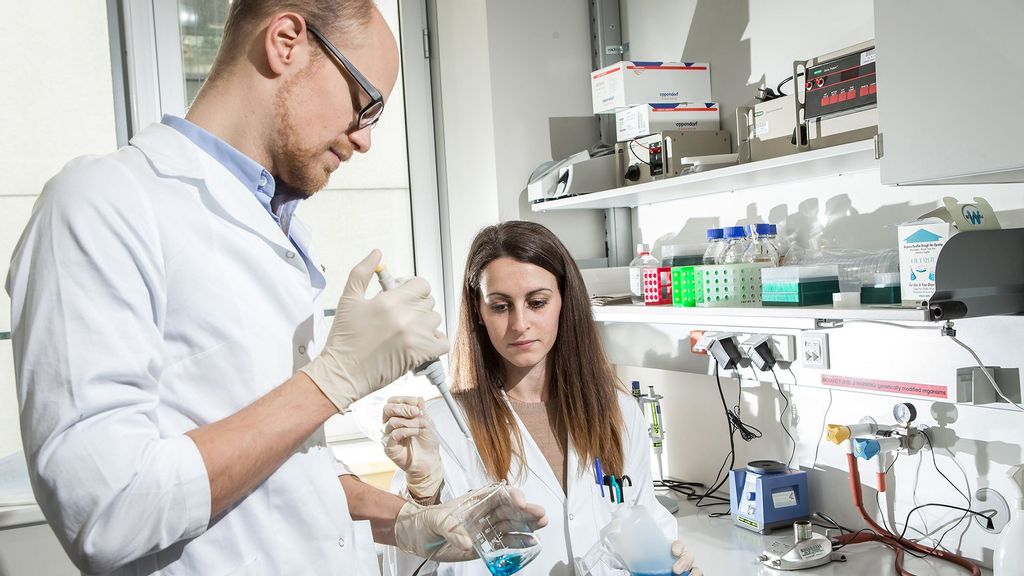
The research, by Austria’s Medical University of Vienna, reveals the impact of plastic nanoparticle pollution on the human digestive system.
The average person consumes roughly 5 grams (0.18 oz) of plastic every week, “roughly equivalent to the weight of a credit card,” the study reports.
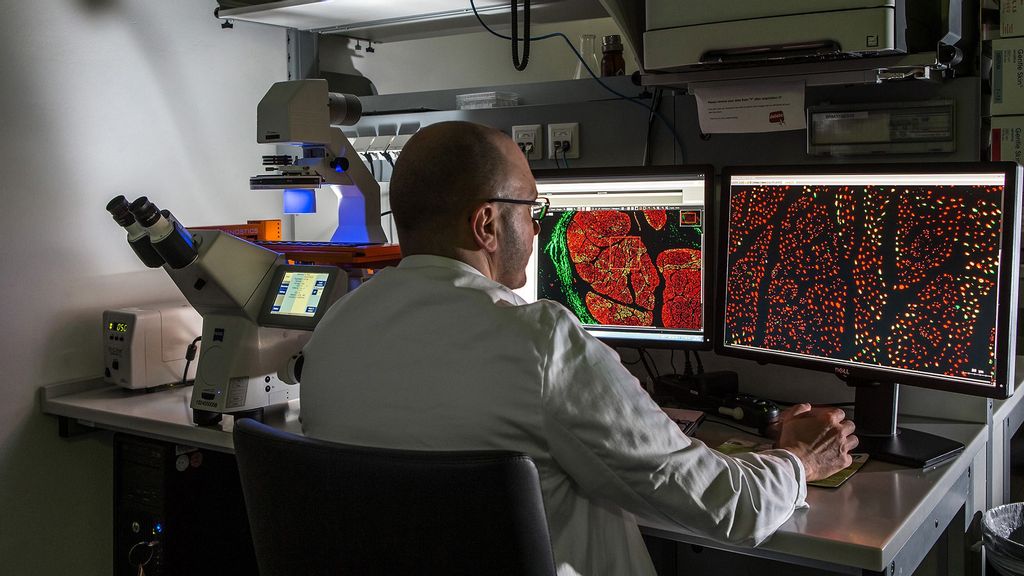
The research, which also summarizes the current state of scientific knowledge on the subject, states that ingesting plastic nanoparticles has adverse effects on human health, although the full extent of this is currently unknown.
The experts did say that so far, research shows that absorbing plastic via the gastrointestinal tract leads to changes in the composition of the gut microbiome, which is made up of trillions of useful microbes, fungi and bacteria.
This, in turn, reportedly has negative effects on the human body, including the development of metabolic diseases such as diabetes, chronic liver disease and obesity.
The scientists said that there are molecular mechanisms that make it easier for micro- and nanoplastic particles (MNPs) to be absorbed by the human body and that these can trigger or contribute to the development of inflammations and immune system reactions.
They also said that nanoplastics appear to play a key role in the development of cancer.

A piece of nanoplastic is typically defined as measuring less than 0.001 millimeters in size, while microplastics might still sometimes be visible with the naked eye.
These particles enter the food chain via waste resulting from packaging, but they do not enter the human body via food alone. As well as entering the body via marine life or sea salt, the experts said that drinking water also plays a role — and that whether you prefer the liquid in plastic bottles or from the tap could play an important role in your future health.
People who drink the recommended amount of 1.5 to 2 liters of water per day from plastic bottles ingest about 90,000 plastic particles per year as a result, while people who drink tap water can reduce this amount to 40,000 plastic particles a year, the researchers say.
But they stressed that this largely depends on people’s geographical location and where they get their tap water from.
The ingestion of plastic particles can adversely affect people with chronic diseases, said Lukas Kenner of the Clinical Institute of Pathology at the Medical University of Vienna. “A healthy gut is more likely to ward off the health risk. But local changes in the gastrointestinal tract, such as those present in chronic disease or negative stress, may predispose to the deleterious effects of MNP.”
The research team was led by Kenner and Elisabeth Gruber, who is with the division of visceral surgery at the Medical University of Vienna.
The study was published in the academic journal Exposure and Health on March 24.
Edited by Matthew B. Hall and Kristen Butler
The post Junk Food And Tainted Water: People Ingest A Credit Card Worth Of Nanoplastics Weekly, Study Says appeared first on Zenger News.
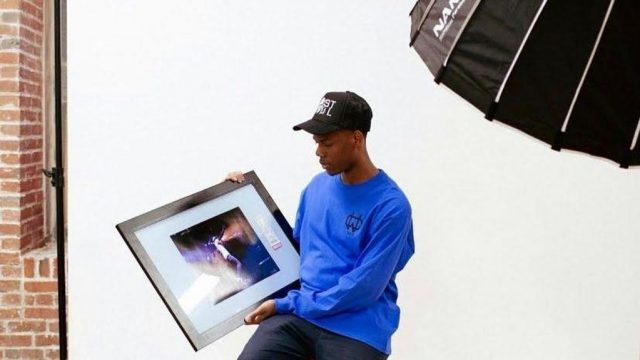
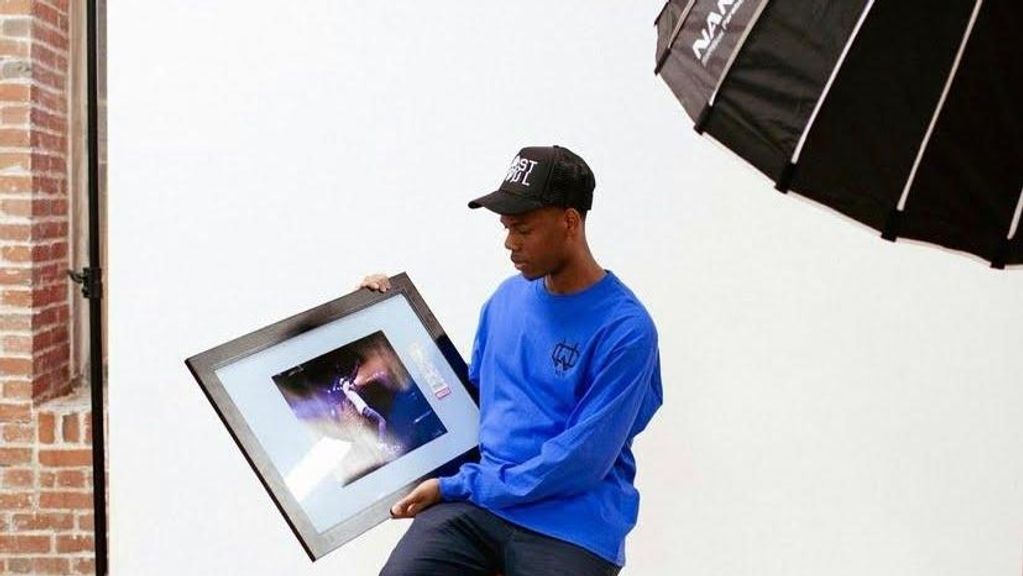
Sometimes it only takes one other person to believe in your dream to push that vision forward. In CJ Wolfe’s case, it was a high-profile pro football player and friend who helped him make the decision to formulate a plan that involved exiting his role as a financial advisor and pursuing his true passion to be a full-time photographer.
Risky? Yes. Worth it? Definitely.
With the help of NFL safety Will Parks of the New York Jets, Wolfe jumped behind the lens of a camera and created Immortal Vision Studio. The studio provides both creative space and the services of a creative agency. Wolfe used his lessons as a student-athlete, along with experience gained on other jobs, to launch his Philadelphia-based enterprise. Parks encouraged the leap while letting Wolfe shoot photos on and off the field of him and other NFL athletes. CJ now finds pleasure in helping other creators build their portfolio and chase their dreams.
Zenger spoke with the young entrepreneur to discuss his journey from the hardwood to the studio. He also explains what makes his business unique and much more.
Percy Crawford interviewed CJ Wolfe for Zenger.
Zenger: You were a hoops star. What made you stop pursuing that dream to become an entrepreneur, or is there a lot in between there that I’m missing?
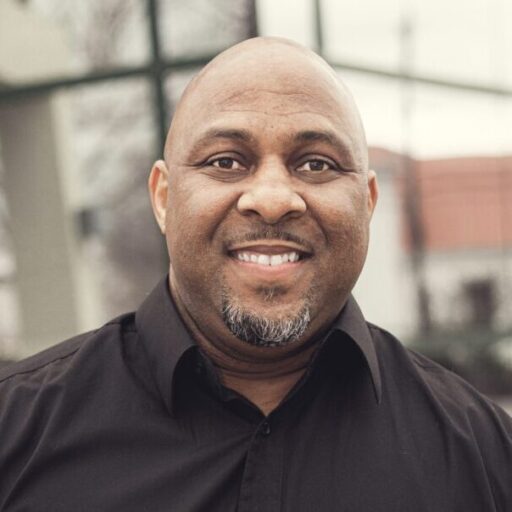
Wolfe: That’s kind of crazy that you figured that out. I was always creating, even when I was a student-athlete in high school and college. Coming from my background, I was limited because I didn’t have that much, but once I got to college and was exposed to more equipment, technology and different professors and realms of people, I was able to enhance the creativity and the resources I had around me for me to create.
A typical day in college when I was still playing ball, after class or after practice, I would watch YouTube University, learn, and go back home to Philadelphia. My school, Gwynedd Mercy University, was about 45 minutes away from Philly, so I would always come back, shoot my boys playing overseas and getting ready for the draft — stuff like that. I just fell in love with it. Once a friend let me hold a camera my sophomore year in college, it just was something I fell in love with.
Zenger: Photography wasn’t in your background at all, so you literally learned on the job, right?
Wolfe: I was 19 when I picked up a camera. I did learn on the job, but it’s been a great experience, because I look at photography as art. We can watch videos, we can learn from others, but everyone has their own niche in life and business, but most importantly within their lane.
My image can look different from yours. We could be at the same spot, same event, shooting the same event, but the way I see it, and the way I capture it, would look totally different from yours. That’s what makes it great and that’s what makes entrepreneurship great as well, because when we’re talking about the arts, we’re talking about no more starving artists, about more creators getting opportunities. More creative studios are coming around.
What makes my creative studio different? Having that sports background adds to the healthy competition of what separates me from you. I always look at the business part, and even the photography part goes hand-and-hand. If we make a bad play on offense, we gotta get back and sprint and cover the basket on defense. I just always took those life skills of basketball… I played in AAU since a kid, and those friends that I was able to shoot helped my portfolio. That was big within my network.
I put everything from school, finance, college and being a student-athlete into being a full-time creative entrepreneur. It all goes together. I just try not to complicate it, take it day-by-day, and always be ready to learn and lean on each other to get us to where we want to be.
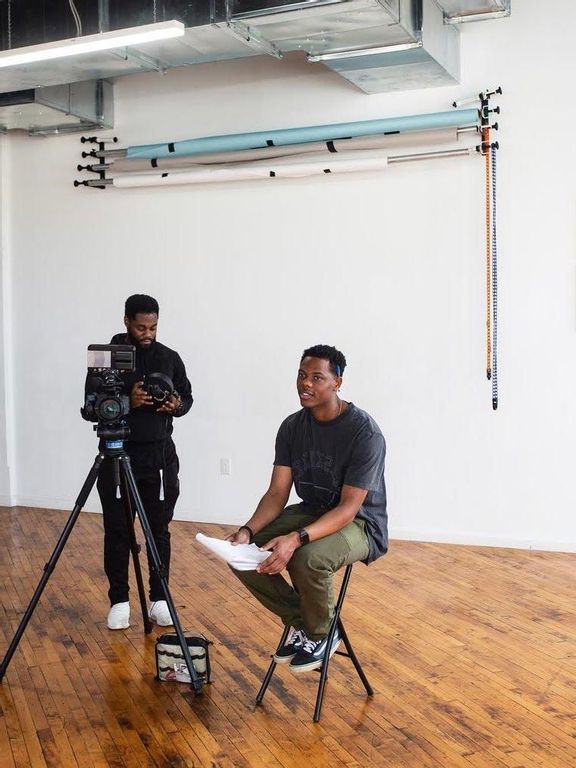
Zenger: Your studio seems to be an open network for creatives. You have an open-door policy. Just the other day I saw you had an event, and it was just creators networking.
Wolfe: Yes sir! With our studio we have an agency, as well. I’ll be the first to admit, shooting inside the studio is not me. My gallery inside the space is not shots that I shot inside the studio. They were shot outside the studio in different countries, different cities. But I knew that there was a need for a studio, and people use me now with it, because the studio is a place where we can come and collaborate.
Our biggest thing is our agency. We go and produce content for businesses and athletes. My duty is to showcase and mentor other creators, so they can get the opportunity to work and build their portfolio. But more importantly, they get compensated for what they deserve and give them that experience. There wasn’t nobody for me saying, “CJ, go do this job,” “CJ, go do that job,” “CJ, I’m putting you in front of the city councilman.”
The impact is what really drives me. How can I pass this torch and continue to build this community? My creative gift on my team is going to put me in a better position, but more importantly, it’s going to put Immortal Vision Studio in a better position that will help the next generation. We really think of impact and legacy when we think of the studio — not just to be here for now.
Zenger: The pandemic affected everyone in some form or another. It actually changed your thought process and essentially changed your course of life. Tell us how, please.
Wolfe: I was in Mexico, working with [NFL player] Will Parks. I was up all day. I didn’t sleep. It was early in the morning, I couldn’t sleep, and I said, “You know what, I gotta do this full-time. This has to be my lifestyle. How many times am I going to be around different individuals, taking trips, and not buy all into what I’m really talented at, and what my calling is?”
At the time I was a financial advisor working at Northwestern Mutual. Individuals would call me about their life insurance and stock and ask what they should do with it. I had to constantly go to a different room to take the call. I felt like I wasn’t present on giving my clients everything that they needed. He [God] showed me constantly, “This is what I want you to do, and I believe in you.” I had to believe in myself and just get out of the financial industry.
Some people will look at that and say, “I can’t just quit my job.” But I had a plan. I didn’t just quit my job right then and there. I quit six months after I decided I couldn’t do it anymore. I had to come up with a strategic plan. I had to go to a bank and work a 9-5. I dedicated my weekend and after hours strictly to my craft. Once I got the studio, I was able to build a solid team, I said, “Okay, now I can quit.” Then it was all up from there.
Zenger: How influential was Will Parks to your vision?
Wolfe: Very influential. He gave me exposure and I think that was the biggest thing. Your belief system comes from what you are seeing and experiencing. It comes from your process. He was able to put me in situations and different rooms, even on the field, to be able to capture that stuff, which really led to the young man I became.
On the professional side, I’m really building on to that. We are still building on to it to find different ways to help and impact the city of Philadelphia, and most importantly the youth and giving them an outlet to create. Let them know, it’s bigger than being in sports. I played sports. Will is fortunate enough to be in that 1 percent to make it. But we can still impact the game and the lifestyle. We can still do the storytelling. We can pick up a camera and know how to operate through it.
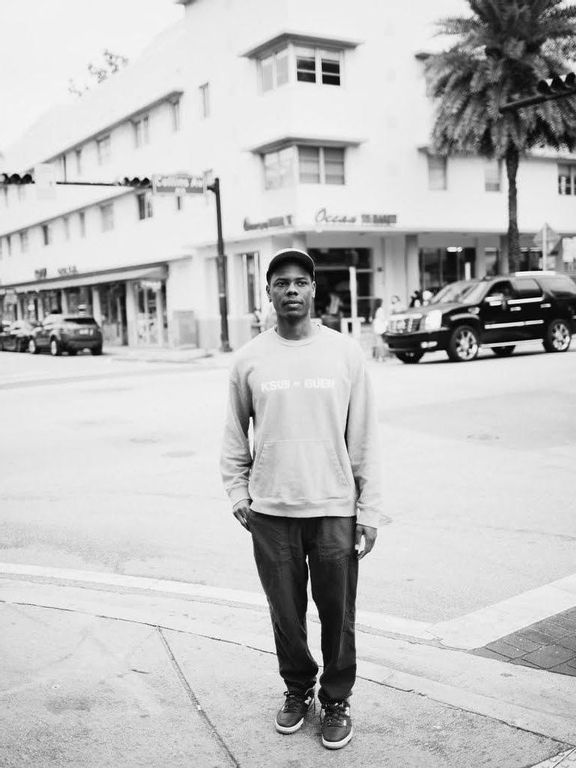
Zenger: We know the meaning of immortal is to never die, forever. What was the thought process behind naming your company?
Wolfe: It kept growing. At first, I was like, “Don’t ever let nobody tell you your work’s worth.” It started on Instagram. I kept seeing myself posting on Instagram and forgetting about it. I would say, “This is a great photo.” But it was such a rush of, what’s next? I didn’t live in the present of what I just captured. The immortal part comes from understanding that artwork always be immortal. Don’t forget about it. Just because you have to stay up with the times of social media posts to get your work seen, have that work be immortal and last however long you want it to last.
The vision part comes from whether it’s your artwork, your vision, or your dreams… Whether you want to lose 15 pounds, get better in photography, whatever vision you have — make it immortal. Things will come in between that, roadblocks are going to happen, so you have to keep that vision immortal in order to get to what you want.
For me, it’s capturing different images — that’s what drives me to keep my vision immortal. At Immortal Vision Studio, we don’t just do the photography thing. We do different networking events; we are going to do some creative classes where I will teach my classes. No matter what, keep that vision immortal and don’t let it die.
Edited by Matthew B. Hall and Kristen Butler
The post CJ Wolfe Traded His Basketball Sneakers For A Camera And Creative Studio appeared first on Zenger News.


Scientists are expecting to make major advances in identifying how owls evolved based on the discovery of a remarkably well-preserved skeleton of an extinct species that lived more than 6 million years ago.
The incredibly intact fossil even included the remains of the bird’s last meal, a small mammal that was still being digested when the owl died.
The fossil was discovered at a high altitude of 6,890 feet (2,100 meters) in the Linxia Basin in Gansu, a landlocked province in northwestern China, near the Tibetan Plateau.
On studying the well-preserved remains, researchers from the Institute of Vertebrate Paleontology and Paleoanthropology of the Chinese Academy of Sciences confirmed that the fossil dates back 6 million years to the late Miocene Epoch.
They published their findings in the journal Proceedings of the National Academy of Sciences.

Even though it is an ancestor to the modern owl, the research team believes that this particular species was probably active during the day rather than the night.
“It is the amazing preservation of the bones of the eye [orbital bones] in this fossil skull that allows us to see that this owl preferred the day and not the night,” said lead author Li Zhiheng, who performed the research with co-author Thomas Stidham.
The scientists are hoping to make significant advances in determining how owls developed based on the fossil, which is almost complete, from its skull through to its wings, legs and tail bones.
It also contains other unusual parts not typically found in fossils, including the tongue, trachea and kneecaps, as well as indications of the presence of tendons in the wing and leg muscles.
The fossil has been given the scientific name Miosurnia diurna in a nod to its closest living relative, the diurnal (active during the day) northern hawk owl (Surnia ulula).

It is believed that the fossil is the first on record of a prehistoric diurnal owl.
Such creatures would have had small eyes, according to the scientists. To measure the size of the prehistoric owl’s long-decayed eyeball, they pieced together the bones that would have surrounded it.
They then compared the owl fossil’s scleral ossicles — bones within the sclera of the eye — with those of 55 reptile species and over 360 bird species, including many species of owls.
Their findings proved that the eyes of the extinct owl were less open to light. This suggests that the species was diurnal and did not need effective night vision.
Edited by Siân Speakman and Kristen Butler
The post Owls About A Snack? 6-Million-Year-Old Owl Fossil Still Had Lunch In Its Stomach appeared first on Zenger News.
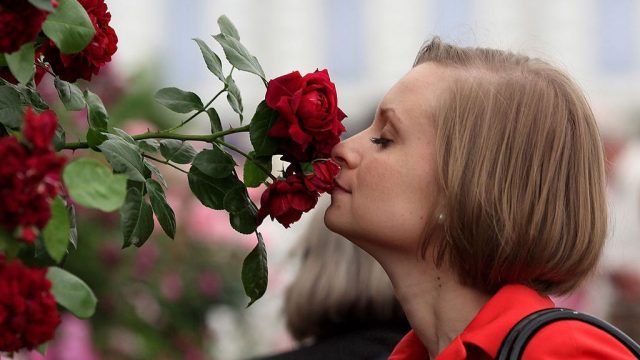
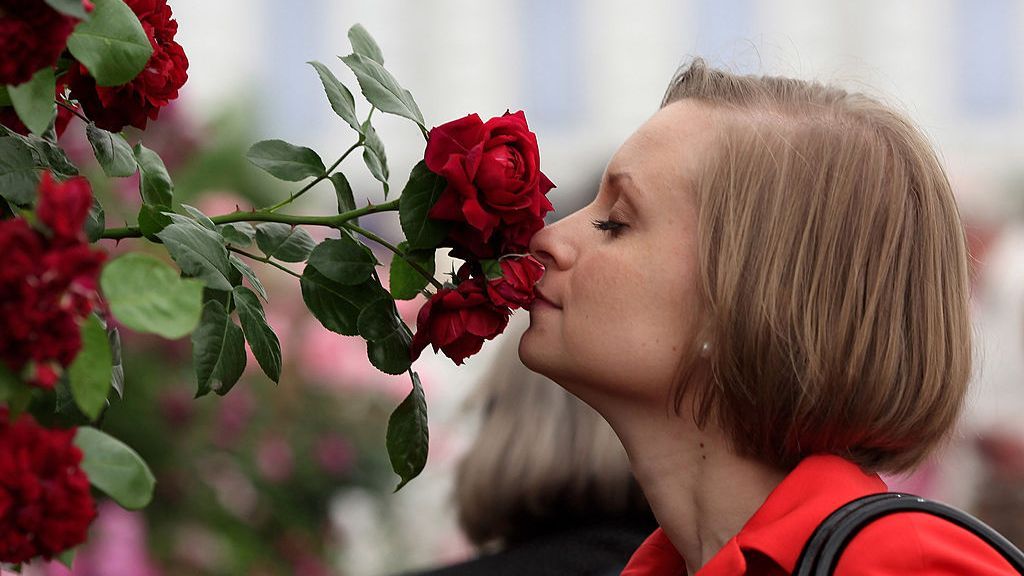
Fans of the novel “Perfume” by German author Patrick Süskind may one day be able to experience some of the pong and stench of the 18th-century world he described as scientists have revealed plans to recreate odors of the past.
Researchers from the Max Planck Institute for the Science of Human History in the city of Jena, located in the German state of Thuringia, are looking into ways of bringing the smells of the distant past into today’s world, publishing a call to action paper on the subject in the journal Nature Human Behaviour.
By recreating old scents, experts hope to create a connection with history that enables them to learn more about historical experiences, behaviors and societies.

While the bestselling novel “Perfume” details the importance of the sense of smell and scents in human relations in the past, many people more recently became intimately familiar with the value of their sense of smell when they lost it during the COVID-19 pandemic.
German researchers investigating ways to resurrect old smells might draw inspiration from the novel, set in 18th-century France. The book tells, largely through references to smells, the story of an unloved orphan who is born with an exceptional sense of smell and becomes a perfume maker. However, his sense of smell leads to him becoming a killer.
In recreating long-forgotten odors, the German team aims to apply new biomolecular and omics methods such as proteomic and metabolomics techniques and link new data with information from ancient texts, visual depictions and other broader archeological records.
“Producing scents from the past is no simple task, but the fact that history records expeditions of discovery, wars and long-distance trade routes to acquire materials with strong olfactory properties — like incense and spices — reveals how significant scent has been for humankind,” said lead author of the paper Barbara Huber.

“Scent is a powerful and underappreciated aspect of human experience. Smells reach our brain fairly directly and motivate us in critical ways — whether to avoid danger, identify something that is good for us or remember something from our past, for example,” said Nicole Boivin, senior researcher and director of the Department of Archaeology at the Max Planck Institute Science of Human History.
“Using new methods and traces of scented substances preserved in archeological artifacts, we can recreate the powerful odors that were a cardinal feature of ancient realities and that shaped human action, thoughts, emotions and memories,” said Huber.
Odors and aromatic substances can provide information on many aspects of the ancient past, such as rituals, perfumery, hygiene, cuisine, trade and commerce, according to the researchers.
The scientists hope these odors will also provide insight into more general aspects of the past, from social hierarchy and practices to group identity.

The 1985 book “Perfume” has been translated into 49 languages, with more than 20 million copies sold worldwide to date. It is one of the best-selling German novels of the 20th century.
The title remained on bestseller lists for about nine years and received almost unanimously positive national and international critical acclaim.
Edited by Siân Speakman and Kristen Butler
The post Scent Back: Süskind’s Perfume Could Come To Life As German Scientists Recreate Smells From The Past appeared first on Zenger News.