

Mayor Woodfin Looks at ‘Out-of-Box’ Strategies to Combat Gun Violence

World’s Smallest Battery Is Tinier Than A Grain Of Salt
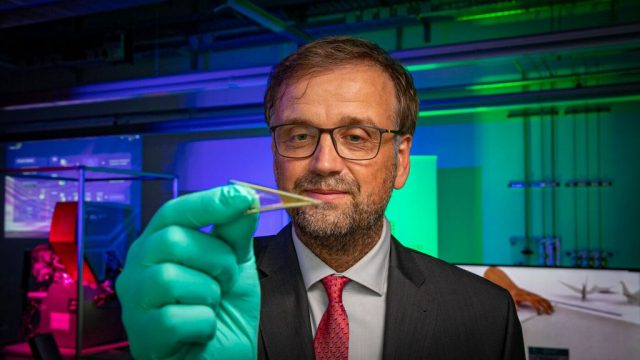
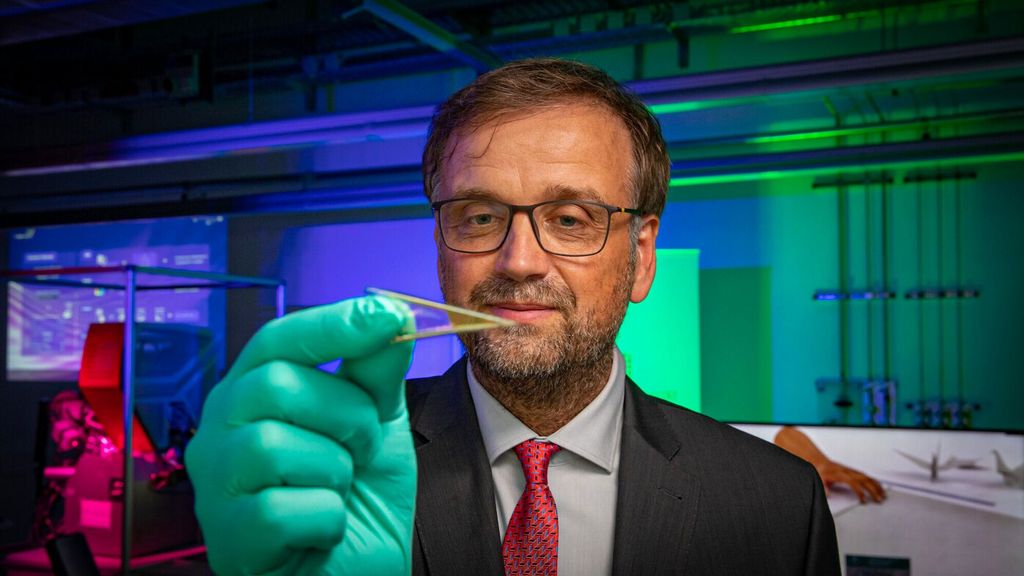
An international research team has developed what they say is the world’s smallest battery, which is the size of a grain of salt and can be used to power surgical implants and microrobots.
Scientists from the Chemnitz University of Technology (TU Chemnitz) and the Leibniz Institute for Solid State and Materials Research, both in Germany, along with the Changchun Institute of Applied Chemistry in China, created the battery prototype.
The scientists say their invention, which is only 1.10 by 1.69 by 0.15 millimeters in size, could soon be used to power miniaturized medical implants, microrobots and ultra-flexible electronics.
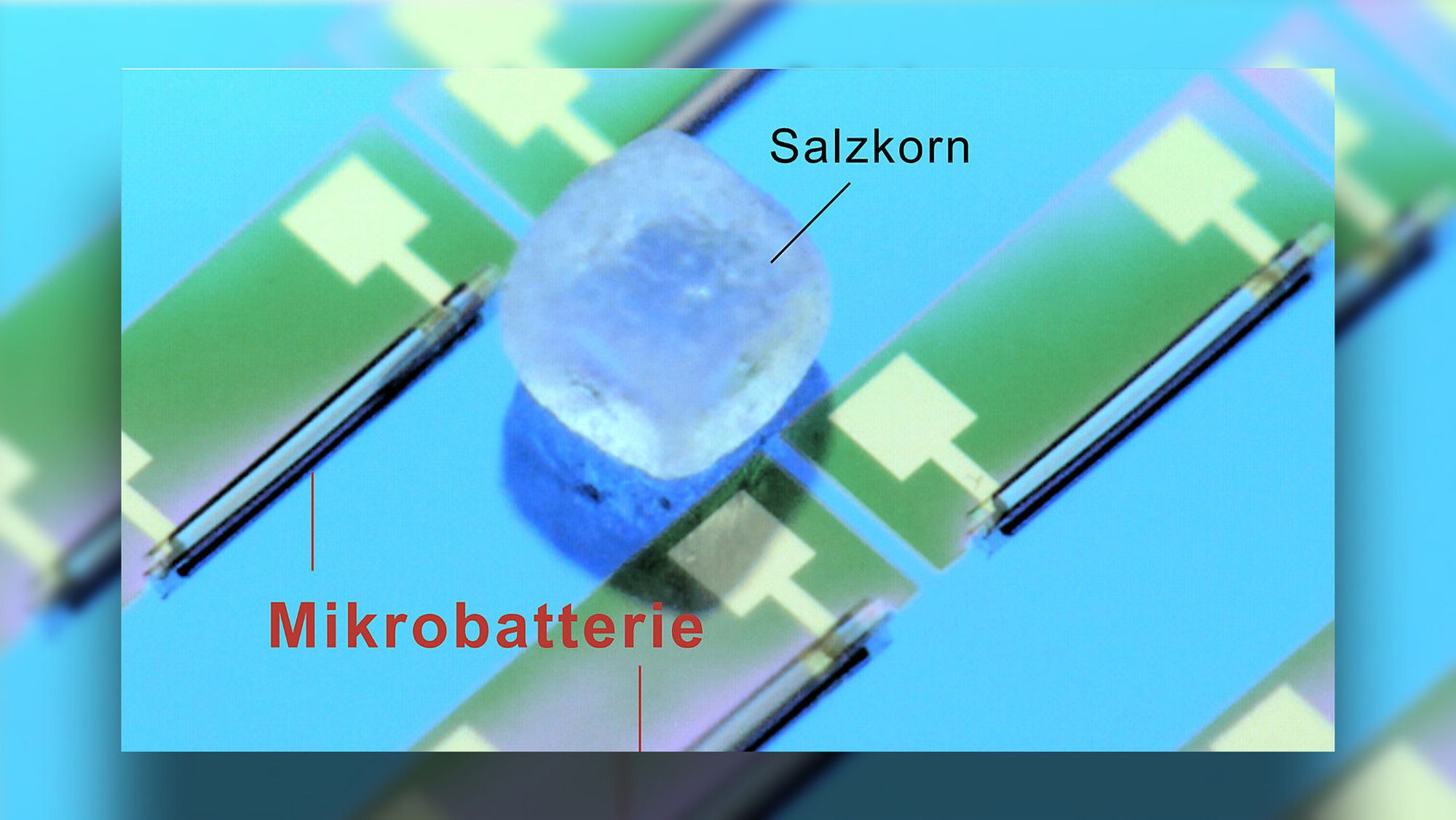
“There is still a huge optimization potential for this technology, so that in the future we can expect significantly more powerful micro-accumulators,” said Oliver G. Schmidt, scientific director of the Center for Materials, Architectures and Integration of Nanomembranes at Chemnitz University of Technology.
“Our results show encouraging energy storage performance on a sub-square millimeter scale,” said Minshen Zhu, also from Chemnitz University of Technology.
The scientists said their aim was to design a battery that can be integrated directly into a chip without taking up more than one square millimeter of space and that has a minimum energy density of 100 microwatt hours per square centimeter.
They did this by altering the winding of a conductor and electrode strips to the microscale, which is the same process used by Tesla to produce the batteries for its electric cars.
The study was published in the journal Advanced Energy Materials.

“This is where the so-called Swiss roll or micro-origami process is used,” TU Chemnitz said in a press release. “A stressed layer system is created by alternately depositing a few thin layers of polymeric, metallic and dielectric materials on a wafer surface.
“This mechanical tension can be released by detaching the thin layers in a targeted manner so that the layers unroll themselves into a Swiss-roll architecture. So no external forces have to be applied to create the wound batteries.”
According to the university, this method enabled the researchers to produce submillimetric rechargeable microbatteries, which have the potential to power the world’s smallest computer chips for up to 10 hours.
Researchers say there are endless possible uses for their tiny batteries in the future, beyond medicine and robotics, with micro- and nanoelectronic sensors and actuators in Internet of Things wearables and household products.
Edited by Richard Pretorius and Kristen Butler
Recommended from our partners
The post World’s Smallest Battery Is Tinier Than A Grain Of Salt appeared first on Zenger News.
Shipping Pallets, Polystyrene Get A Sustainable Makeover
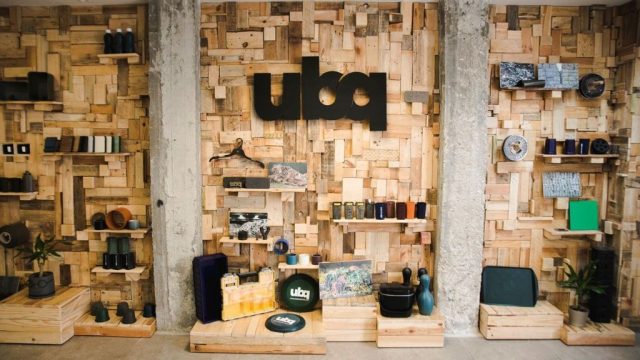
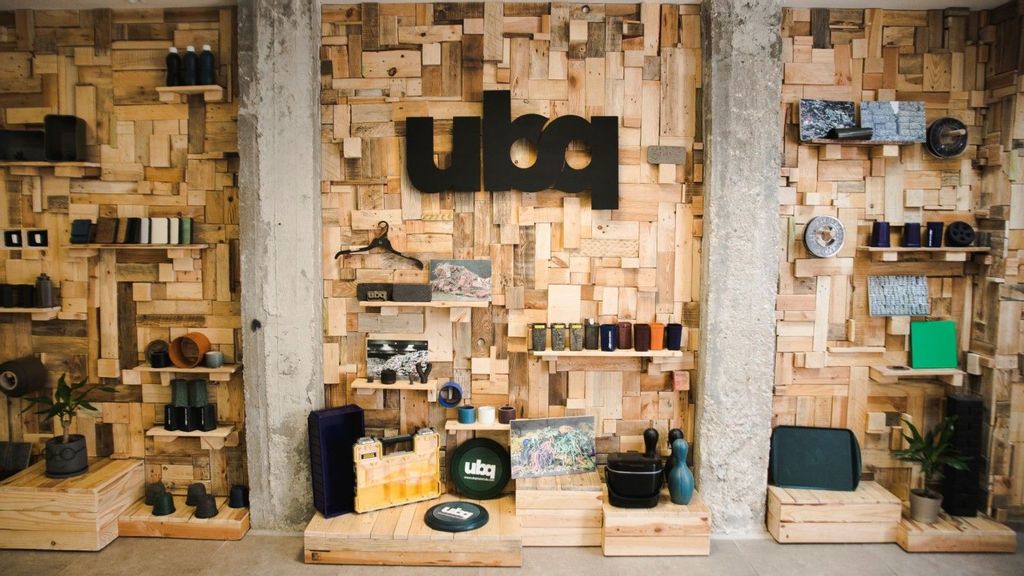
UBQ Materials, which makes a thermoplastic substitute from household waste, announced two new partnerships.
PepsiCo, one of the world’s largest food and beverage companies, will use UBQ material to develop climate-friendly shipping pallets.
Raphael Cyjon, Senior Director of Operations at PepsiCo LatAm, said this innovation “helps us on our journey through materials that replace virgin plastic while at the same time working on CO2 reduction. In addition, this differentiated material represents an alternative to the chain as a whole, especially with regard to collection, sorting, transportation and final disposal in landfills.”
Resirene, the largest polystyrene resin producer in Mexico, will produce the first-ever high-impact polystyrene with UBQ. It’s expected to be the most sustainable polystyrene in the world, incorporating 15-32 percent UBQ to offset products’ carbon emissions.
Polystyrene (such as Styrofoam) is a hydrocarbon thermoplastic used to make products for industries including food and beverage, healthcare, electronics, construction and advertising.
The new polystyrene will be used in higher-value items ranging from multi-use razor handles to signage. Resirene has already started to sample the new material with clients.
Based in Israel, UBQ Materials converts unsorted household and municipal landfill-destined waste into a climate-positive replacement for plastic that can be incorporated into standard manufacturing processes without additional machinery or materials.
“The plastic-free movement, including government regulations banning products such as single-use straws and plastic bags, has propelled the polystyrene market to adapt and evolve. We have reached a new level in terms of reducing our product’s environmental impact with UBQ inside,” said Sergio Paredes Castañeda, CEO of Resirene.
“Our goal is to close the loop on the production-to-waste process and create a circular economy that takes the seemingly endless accumulation of waste and converts it into a resource,” said Albert Douer, chairman and co-CEO of UBQ Materials.
“This partnership with Resirene allows us to incorporate our climate-positive thermoplastic into various products, offsetting emissions and offering a viable end-of-life solution for waste.”
UBQ’s customers include global retail solutions provider Mainetti; Daimler, the manufacturer of Mercedes-Benz; and Arcos Dorados, the world’s largest franchisee of McDonald’s restaurants across Latin America.
Produced in association with ISRAEL21c.
Recommended from our partners
The post Shipping Pallets, Polystyrene Get A Sustainable Makeover appeared first on Zenger News.

Five Teens Killed Over Past Six Weeks in Birmingham, Mayor Woodfin Issues Statement

The Birmingham Times
VIDEO: Influencer Uses Bubbles, Light And IPhone To Create Visual Art
By Lee Bullen
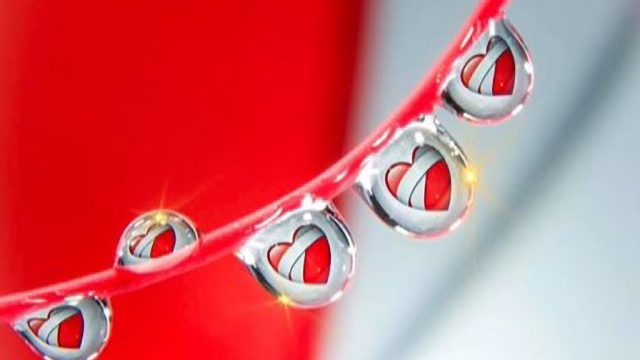
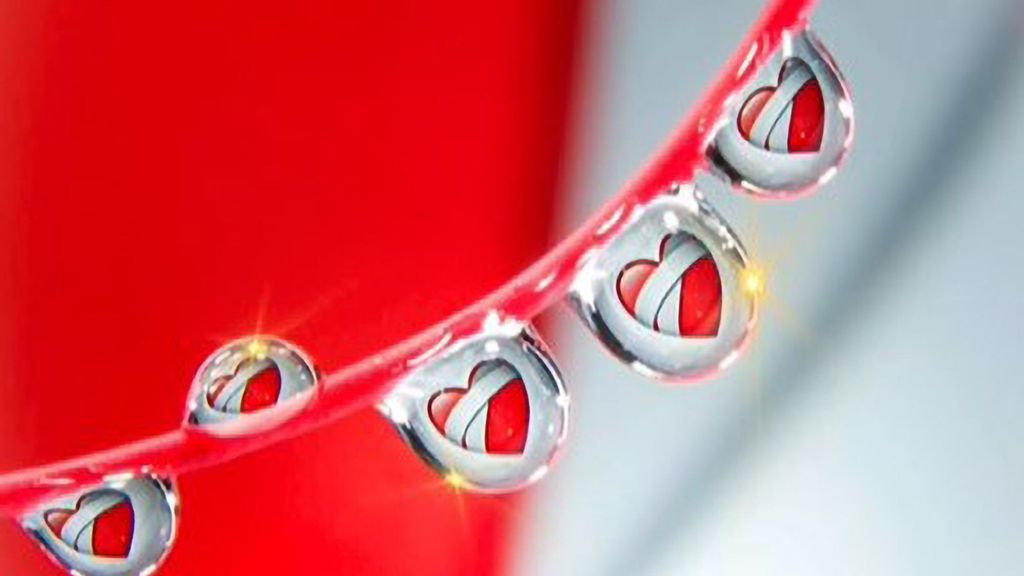
A Michigan artist uses frozen soap bubbles, light tricks and his iPhone to create singular pieces of art.
Amthel Al-Dayni was born in the Iraqi capital of Baghdad, but moved to Grand Rapids, Michigan, in 2010. His day job is working for a home-improvement company, but his real passion is photography.
Al-Dayni, who has 121,000 followers on Instagram, said: “Photography has been a part of my entire life. My lack of confidence as a young boy was always telling me that I can only express my love of photography by looking at beautiful images, not really making them.”
But he says he decided in 2017 to get over his fears and start taking photos with his phone.
“I’m on a mission to make photography easier with simple gear for beginners and even advanced photographers. That’s why I make free short videos on Instagram Reels and TikTok.
“The videos have really easy steps that you can follow to create the same results I make.”


Al-Dayni, who lives with his wife, 2-year-old son, and three dogs, said: “I enjoy experimenting with different things. I enjoy failing and trying again. I believe that the reward is in the process, not only in the results.
“I wasn’t sure that it was possible working in such a way until I saw my son’s soap-bubble can, and I thought of giving it a shot.
“For years, I thought this soap-bubble video will not work because of all the challenges, such as weather temperature, wind, recipe mixture of the dish soap, glycerin and water.”
He added: “I use an 8-year-old Nikon D750 camera, but most of my successful videos are done with my iPhone 12 Pro Max.

“What I love most about photography is the creativity. One of the most common questions I get asked by beginners is: How can I become creative?
“Creativity is something we can improve by trying different things and by having a mindset that it is OK to fail. The more we fail, the more creative we get. I post are about 20 percent of the videos I make, about 80 percent of my work is unusable content. But the idea is the more we fail, the more we succeed.
“A lot of beginners are scared of failing. They don’t try anything unless it gives them a high chance of success up front. One of my favorite quotes is by author Scott Adams: ‘Creativity is allowing yourself to make mistakes. Art is knowing which ones to keep.’”
Edited by Fern Siegel and Kristen Butler
Recommended from our partners
The post VIDEO: Influencer Uses Bubbles, Light And IPhone To Create Visual Art appeared first on Zenger News.
Reducing Herbicide Use By Distinguishing Weeds From Crops

By Brian Blum
Spraying herbicides on weeds has long been an imprecise science. Farmers have had little choice in the past but to spray everything — healthy crops and weeds alike. It’s an incredibly wasteful process.
“Farmers go to their fields with their machines and spray the entire field uniformly, 100 percent of the time, season after season, field after field, even though the weed infestation might be only 10% of the field,” explains Nadav Bocher, CEO of Greeneye Technologies.
This Israeli ag-tech startup has come up with a new approach to weed control.
“We want to change this from a wasteful practice to one of precision spraying, where you spray only where needed.”
But how do you differentiate between the weeds you want to eradicate and the crops you don’t want to douse with unnecessary chemicals? And how do you do that in real time?
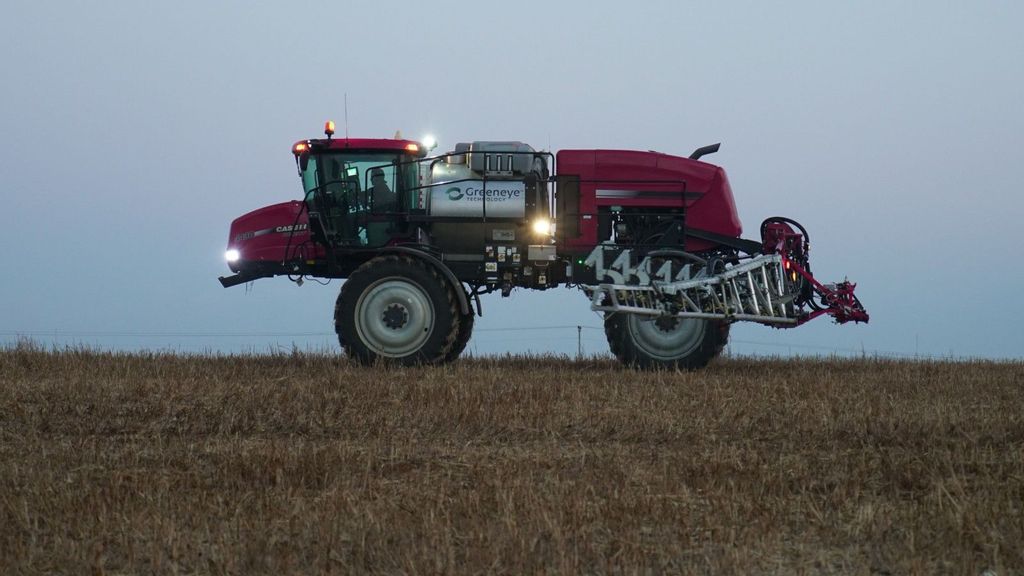
The answer is artificial intelligence. Greeneye’s software turns ordinary machines into AI-powered “smart sprayers.”
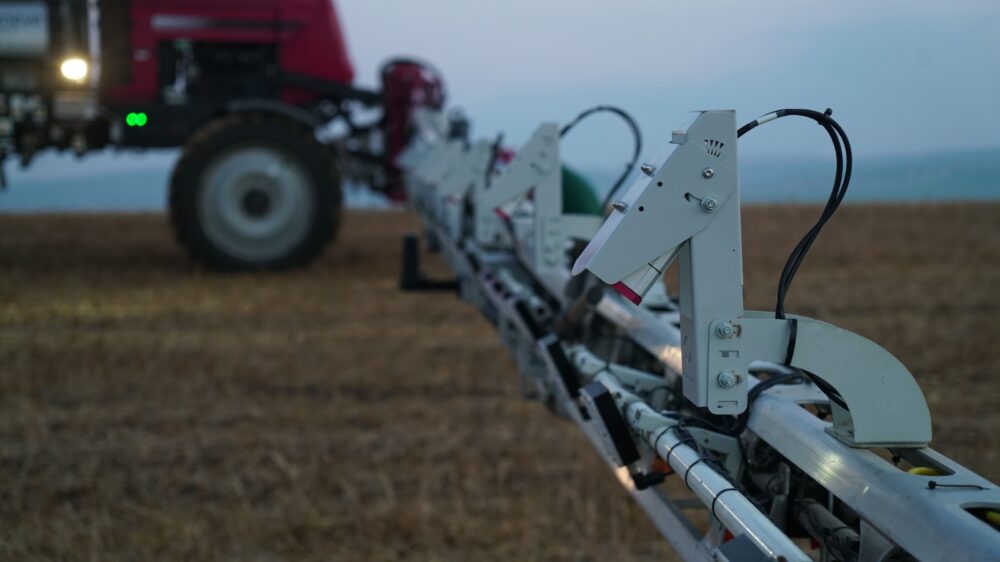
Cameras installed on the “boom” — that’s the 36-meter [118-foot] arm affixed on the sprayer that dispenses the herbicide — capture data from the entire field.
Where are the weeds (Greeneye’s algorithms recognize and classify more than 200 types)? Are the crops healthy? Are there any diseases in the field? Are the crops receiving the micronutrients they need? Are the correct fertilizers being used?
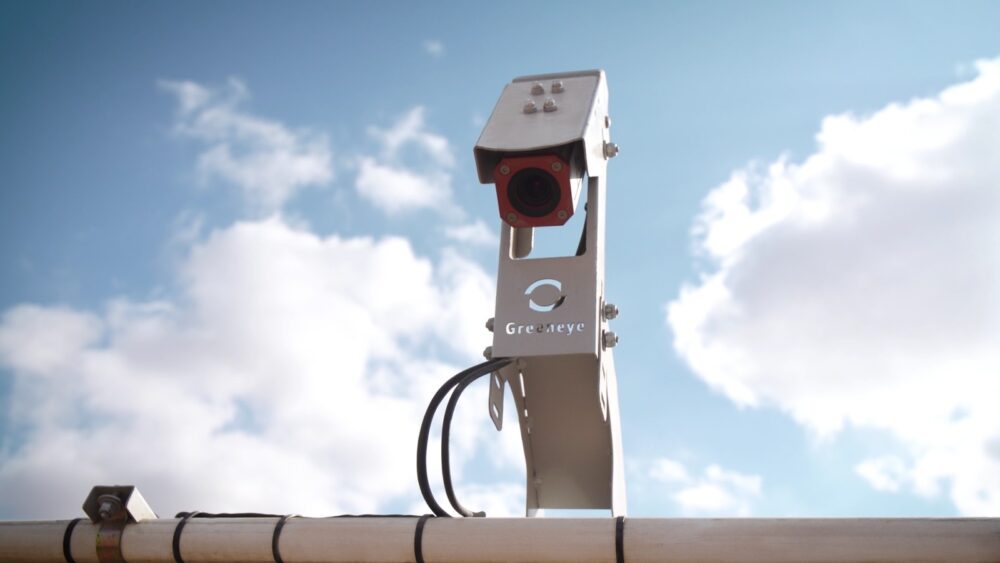
Greeneye’s cameras snap away at 40 frames per second, allowing the spraying vehicle to travel at its normal maximum speed of around 20 kilometers [12 miles] per hour.
Bocher says Greeneye’s AI-enabled precision spraying system can detect weeds with 95.7 percent accuracy.
“Farmers need assurance that 95 percent of weeds will be captured and sprayed,” he notes. “If we miss a weed, if the camera didn’t detect it or the nozzle didn’t spray, the price farmers will have to pay will be too high.”
Weed maps
The company has amassed a database of millions of images from many different fields, crops and growing regions. Greeneye’s AI compares what it sees with what it’s already learned about specific crops.
Greeneye hopes to produce precise “weed maps” that will help farmers pick the right crop-protection products and use less of them.
Greeneye’s smart sprayers make sure that only the weeds are given a dose of herbicide. That’s good for the health of the plants (and the humans who consume them), good for reducing water and soil contamination from pesticide run-off, good for preventing herbicide-resistant crop evolution and, most of all, it’s good for the farmer’s bottom line.
If a farmer can spray up to 90 percent less herbicide (the average is 78.4 percent, Bocher tells ISRAEL21c), the farmer can save big time, especially for soy and corn where profit margins are extremely thin. Bocher estimates farmers can reduce their costs by more than 50 percent.
For farmers, this represents a game changer. Globally, farmers spend some $30 billion a year on herbicides. However, weeds remain a perennial problem. In the U.S. alone, they are estimated to cost farmers $33 billion a year in lost crop production.
And, because of Covid-19 and challenges to the supply chain, the price of herbicides has skyrocketed. Glyphosate, a commonly used herbicide, jumped 300 percent — if you can even find it.
Green on green
Distinguishing weeds from crops is known as “green on green” spraying. Current equipment cannot do that, so farmers tend to spray before any crops have been planted to catch weeds early on.
Greeneye aims to change the equation and enable spraying several times in a season, Bocher says.
Greeneye’s “dual spraying” function allows farmers to dispense herbicides along with other chemicals, such as fertilizer, fungicides and micronutrients. The technology works with any brand of spraying vehicle.
Greeneye has raised $29 million since its founding in 2017 (including $22 million at the end of 2021). Leading herbicide maker Syngenta led the first round with Jerusalem Venture Partners and has participated in subsequent rounds, which have also included AGCO, a leading maker of spraying vehicles.
Why would an herbicide maker like Syngenta choose to back a company that would mean they’ll sell less of their main product?
Farmers are facing an increasingly tough regulatory landscape, Bocher notes. The European Union, for example, has a target to cut pesticide use in half by 2030.
While the U.S. and Canada have yet to implement similar goals, the expectation is that they will, and that farmers will need to be prepared.
“The chemical manufacturing industry is going through huge disruption. They understand they don’t have any other choice and they are going to have to reinvent themselves,” Bocher says.
On Jan. 25, Greeneye announced a partnership with Farmer’s Business Network, the largest online retailer selling products direct to family farms. Greeneye’s precision spraying system will be tested in FBN’s 2022 On-Farm Field Trials Program in the U.S. Midwest across a range of geographies and field conditions.
Early adopters
Bocher will soon be relocating to the Midwest, where Greeneye launched an “early adopter” program with dozens of customers in Nebraska, Iowa and Illinois who will start using the Greeneye system in the coming months.
“Our early adopter program was oversubscribed in less than a week,” Bocher says. Greeneye plans to expand across North America in 2023.
Greeneye is currently focusing on the two of the largest crops in the world, soybeans and corn (with 175 million acres planted in the U.S.), although Bocher says the company will in the future expand to other plants, such as cotton and wheat.
The Greeneye software and hardware suite is appropriate mainly for larger, Westernized farms. On smaller or specialty farms, herbicide is delivered manually rather than by vehicle. Some of these farms can use approaches such as mechanical weeding, lasers or electricity.
“It will be a few years before we can introduce our technology to India and countries like that,” Bocher says.
Prices are not yet available, but Bocher expects Greeneye to be cheaper than competitive systems from companies such as Weed-it, Ecrobotix and Bilberry. Customers will have the option to purchase the system outright or subscribe and pay a flat fee per acre.
Bocher says that farms can see a return on their investment in six to 18 months. “The larger the farm, the faster the ROI because the impact is bigger,” Bocher says. That’s a huge improvement over standard farm machinery, where the ROI benchmark is closer to five years.
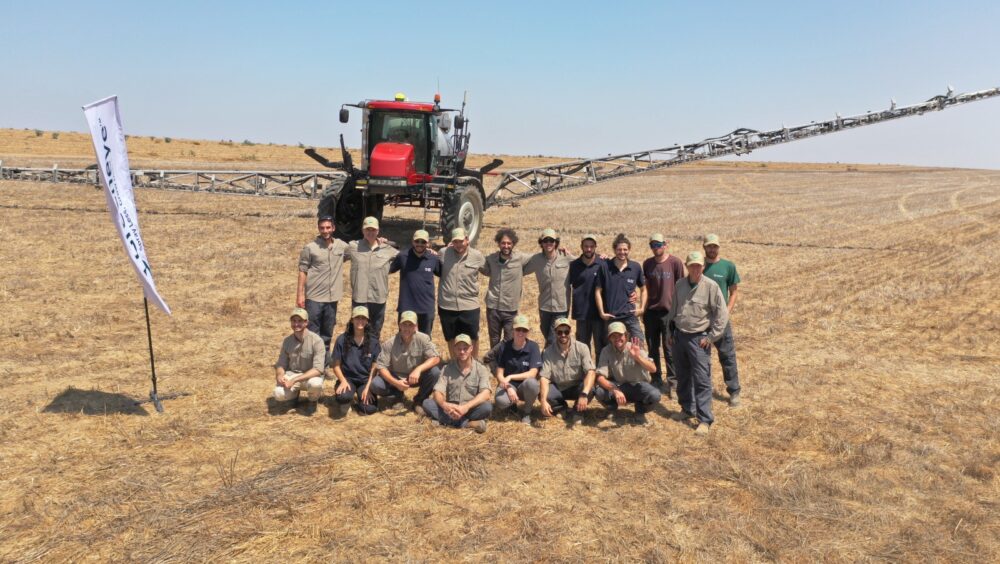
Greeneye employs 25 people in three offices. R&D is in Tel Aviv and Bethlehem HaGlilit, where the machinery is tested. Sales and operations are run out of the US Midwest, where Bocher soon will be relocating.
Can Greeneye help with climate change? Yes, says Bocher. When a farmer tills the ground to control weeds and provide better conditions for the crops, “a lot of carbon escapes. It’s a massive carbon emission path. We help farmers reduce their dependance on tillage.”
Herbicides “are not our enemy,” Bocher stresses. “They’ve enabled us to feed the planet. We just need to be more efficient in how we do it, to not spray where we don’t need to.”
Produced in association with ISRAEL21c.
Recommended from our partners
The post Reducing Herbicide Use By Distinguishing Weeds From Crops appeared first on Zenger News.
The Scientist Using Nanotech To Create The Impossible
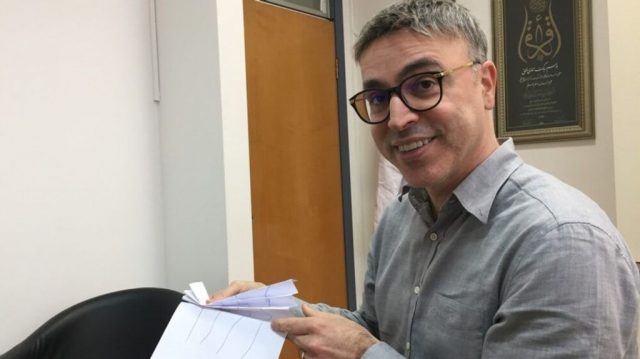
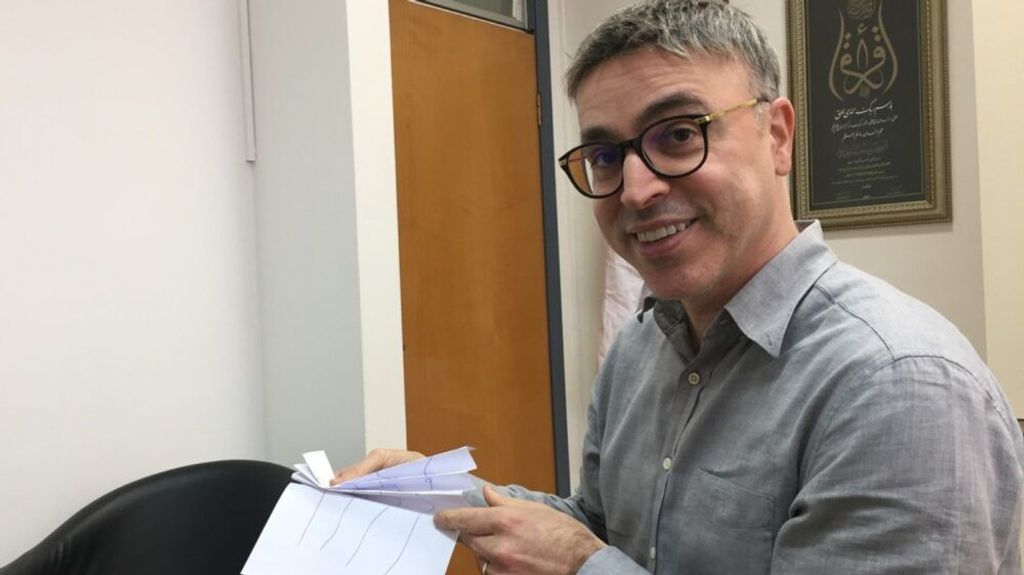
Hossam Haick, a professor at the Technion Israel Institute of Technology and an expert in the field of nanotechnology and noninvasive disease diagnosis, began our interview with a story about his older son, Fadi, now 13.
When Fadi was a little boy, Haick recounted, he was afraid of water.
“But one day, my wife and I were at the pool in the Technion,” Haick, 47, continued, “and an older faculty member swimming in the pool — to this day, I don’t know his name — reached out his arms and Fadi went into the water with him. And that was how Fadi learned to swim.”
Since then, Fadi has become a competitive swimmer, winning numerous awards. Haick said that he will always be grateful for the unknown man who introduced his son to water.
And that idea of experimenting and trying new things is symbolic of Haick’s pioneering work.
“When I do research, I jump into the water and then learn how to swim,” Haick said.
With a black belt in karate, Haick has an aura of someone who is calm and softspoken, yet with a steely focus. With his 32-member team — a diverse group of scientists from around the world, including China, India and Russia — he has produced more than 42 patents and patent applications, many already licensed to international companies.
He has won grants, awards and recognition including a 2008 listing on the “World’s 35 leading young scientists” of MIT’s Technology Review.
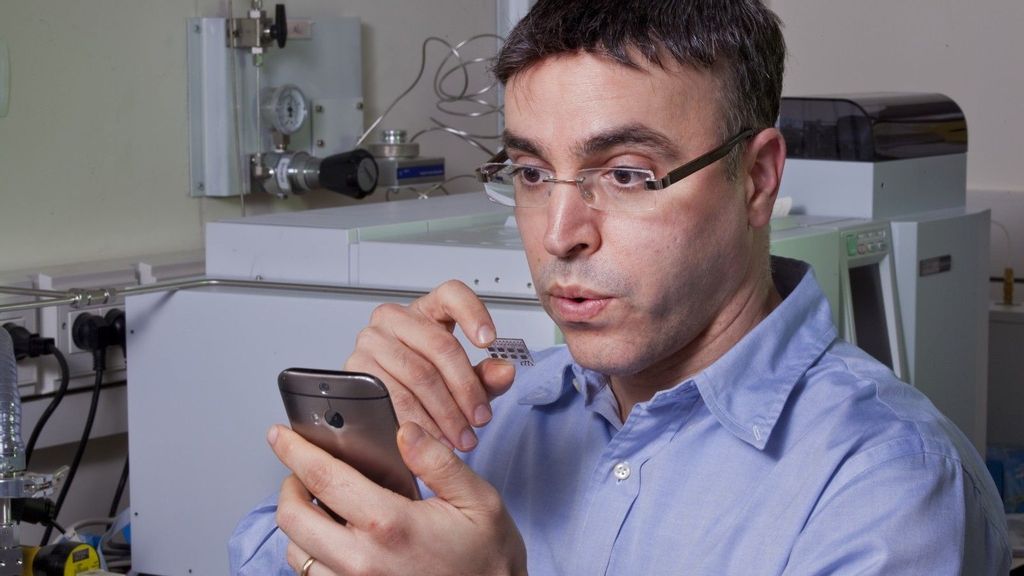
He likes to imagine the impossible. Two of his most famous inventions are the SniffPhone, whose nanotechnology sensors analyze breath to detect certain kinds of cancers, and the NaNose, which can detect biomarkers for a variety of medical conditions.
Molecular zipper instead of sutures
But before explaining more about those inventions, Haick was excited to share the background information about one of his latest inventions.
“I saw the movie ‘The Terminator’ when I was a little boy,” Haick began, launching into his next story — the kind of story he used to read growing up in Nazareth with his four siblings. His family was poor, Haick said, but his parents always brought home books about inventors and leaders as inspiration.
“Six or seven years ago I saw the movie again.” Haick paused. “You know the story about the robot? Well, suddenly at 3AM I woke up thinking about the robot, and thought, ‘Why don’t we do self-healing for electronic devices?’
“There’s nothing called a mistake. If you have a different perspective and different view, it can be an opportunity. That’s why I never say to someone, ‘You are wrong.’ I say, ‘I have a different opinion.’”
The next day, I called a post-doctorate fellow, Dr. Ning Tang, originally from Vietnam but now at the University of Texas in Austin, and told him, ‘I have something crazy for you.’ He said, ‘Great.’”
Haick said that electronic devices could not be fixed, and they couldn’t touch skin or blood. Tang created a polymer that could do all that.
Made from sulfur and nitrogen and arranged like a molecular zipper, the device can bind a wound, eliminating the need for sutures. It decreases infection. It is also a smart device, connected to a doctor’s computer.
“I’m very excited about replacing sutures,” Haick said. “It’s incredible.”
On his laptop, he showed me a film of an electronic device floating in saltwater. A scientist cut the device in half, and then pressed the two pieces together. Unlike Humpty Dumpty, the pieces put themselves back together. Not only that, the scientist was able to stretch the device like taffy.
“He will keep stretching it,” Haick said, smiling up at me. “No worries.”
Tattoo health tracker
Another of Haick’s inventions is a wearable health-tracking device that can be applied like a temporary tattoo, “like the kind I put on my kids,” he said.
People place the device on the skin and apply a dab of water. They then pull off the adhesive backing, and the device remains, able to bend and stretch while converting motion and body heat into electric energy.
“There are electrodes and micro-needles in the device but they’re the thickness of a hair,” Haick said. “You don’t feel them. They are the sensors that monitor people’s biomarkers such as glucose, salt, latent tuberculosis, and even to check for dehydration.”
This noninvasive device could transmit this data to the user and the doctor.
“Did you know that between 20 and 40 percent of all medical diagnoses are incorrect?” Haick asked. “And 15% of all surgeries are done for the wrong reason. This is because of delayed diagnosis. We’re seeking to detect diseases while we’re still healthy. The survival rate will increase.”
Haick points out that these days, a physician might see 40 to 70 patients every day. “But if we have such a system, the doctor could see 70,000 patients just by having access to the data.”
“So, if you had a crystal ball will this device be commonplace in the future?”
“Yes,” he said without thinking twice. “Most people will wear one.”
A wearable lab
“What is your focus for the next few years?” I asked.
“Do you know what a spectrometer is?”
I shook my head.
He showed me a photo of the machine. “It’s larger than one meter by one meter, weighs about 200 kilograms and costs a half-million dollars,” he said. “It’s a very complicated lab. You bring the sample of blood or urine to it and it separates mixtures into elements. You can’t bring it into the field.”
Then he drew squiggly lines and squares on a piece of paper and held it up for me to see.
“This invention is like origami,” he explained. “We have developed something that will do everything the spectrometer does but in the size of a credit card. It has 150 layers — of course it depends on how you fold it — and it will cost $20 to produce. The secret is what we put in the ink and how we do the folding. We write it on a piece of paper.”
“That’s crazy!” I said.
“It is really crazy,” he said. “We have to think of a name for this device — we now call it a wearable lab. In the future, you will be able to stick this device on a building to detect a specific compound. For example, there’s a compound xylene. Above a certain threshold, it can cause cancer. It’s very difficult to collect and examine. But this device will be able to do that. In agriculture, you could detect infections in trees to monitor fungi or toxicity.”
The wearable lab “has huge potential,” he said, adding that he is certain he will find partners to develop it.
While he was just about done explaining this project, he went off on a tangent about another one of his team’s projects.
“There are 600 trillion cells in the human body and we are studying how they communicate with one another,” he said, placing one hand by his shoulder and another by his hip.
“From one part of the body to another, cells have a chemical language that they use. We’re studying that. If we can spy on that language, we can intervene in this communication and intervene with the treatment.”
Gut feelings
In addition to his nanotechnology research, Haick now serves as dean of undergraduate students at the Technion.
He said that he has recently welcomed applicants whose academic grades “were not high but they had other qualities.”
“I find the spot of light and believe in them,” he said.
“Is that science?” I asked.
“I rely on a gut feeling,” he said. “In one case out of 100 I’m wrong — so that makes me right 90 percent of the time. I love to take the risk.”
Haick recounted that a student recently asked him how he succeeded in life. He replied, “I don’t think too much. When I find the opportunity, I don’t think too much about the pitfalls.”
He added that he doesn’t believe in mistakes.
“There’s nothing called a mistake,” he said. “If you have a different perspective and different view, it can be an opportunity. That’s why I never say to someone, ‘You are wrong.’ I say, ‘I have a different opinion.’”
Role model
He and his wife, Rana, a chemist and food engineer, live in Haifa with Fadi and their eight-year-old son, Eass. Although Haick no longer practices karate, he walks six kilometers each morning before work.
He said that he shows people what he’s done and demonstrates by his own experience. As a Christian Arab Israeli, he doesn’t want to be a role model only for a certain population.
“I try to be a role model for excellence as a human, not as an Arab. I have a humanistic concept. I look for excellence. It’s the umbrella that defines all of us.”
How did his childhood and his family’s economic hardships influence him?
“I remember as a student, I always thought, ‘How will I survive?’” Haick said. “I don’t worry about that now. But I can’t forget where I’ve started from. In terms of humanity, I think of those who don’t have the means. I’m always thinking how I can contribute to the health of people.”
Then he paused. “We have to dream but dream realistically. You need a work plan. The work plan has to be realistic in terms of time and cost. There are competitors, and if you don’t catch the train you will miss something.”
As an educator, Haick wants to reach as many people as possible. He developed the Technion’s first massive open online course (MOOC) in English and Arabic. Since 2014, more than 54,000 people from around the world have participated in the course.
He said that he tries to encourage students to “understand the gaps that currently exist. The more you know about a topic the better it is. Filling in the gap is called invention. That’s the idea and the dream.”
Scientist should not be isolated in the lab, he said. “It’s much more important to influence the public and the next generation.”
Produced in association with ISRAEL21c.
Recommended from our partners
The post The Scientist Using Nanotech To Create The Impossible appeared first on Zenger News.
