




Millipedes As Big As Cars Roamed Northern England 100 Million Years Before The Dinosaurs


The stuff of nightmares if bought to life, a giant millipede’s fossil was found at a scenic beach in the north of England.
The remains of Arthropleura, the biggest invertebrate ever known to exist, were discovered about 40 miles north of Newcastle in Northumberland. As big as a car, the creature was even bigger than the previous record-holder, the ancient sea scorpion.
A fossil segment about 30 inches long led experts to estimate that the entire millipede was about 9 feet long and weighed more than 100 pounds. “It was an incredibly exciting find, but the fossil is so large it took four of us to carry it up the cliff face,” said Neil Davies of Cambridge University, the lead author of the study published in the Journal of the Geological Society.
In January 2018, the fossil was found in a block of sandstone that had dropped from a cliff overlooking the beach at Howick Bay. “It was a complete fluke of a discovery,” said Davies. “The way the boulder had fallen, it had cracked open and perfectly exposed the fossil, which one of our former students happened to spot when walking by.”

When the immense arthropod existed, Northumberland had a tropical climate and Great Britain was close to the equator. The fossil was dated to about 326 million years ago, in the middle of the Carboniferous Period, which derives its name from the fact that proliferating plants left a layer of organic material that, over time, under heat and pressure, was rendered into coal.
During the Carboniferous Period, 100 million years before the dinosaurs, invertebrates and early amphibians lived on vegetation in an environment lined with creeks and rivers. The Arthropleura fossil was found in what was once a river channel. It is probably a segment of exoskeleton that the millipede molted, which filled with sand, preserving it for eons.
Arthropleura millipedes were common in equatorial regions for about 45 million years, but went extinct during the Permian Period (298.9 million to 251 million years ago). The cause of their extinction is uncertain but may have been due to climate change or competition from reptiles.

The fossil was compared to previous records at Cambridge, revealing new information about the animal’s habitat and evolution. The researchers concluded that it would have lived only in equatorial regions. While experts in the past had theorized that it lived in the swamps that ultimately yielded coal, the Arthropleura specimen shows that it lived in open woodlands near the coast.
Arthropleura fossils have otherwise been found only in Germany, albeit much smaller specimens than the Howick Bay one. “Finding these giant millipede fossils is rare because once they died, their bodies tend to disarticulate, so it’s likely that the fossil is a molted carapace that the animal shed as it grew,” said Davies. “We have not yet found a fossilized head, so it’s difficult to know everything about them,” he added.
While its jumbo size prompted theories that Arthropleura lived in an oxygen-rich environment during the late Carboniferous and Permian periods, the newly discovered relic was found in rock laid down before this peak. This shows that oxygen cannot be the only explanation for its size.
Its diet may have played a role. “While we can’t know for sure what they ate, there were plenty of nutritious nuts and seeds available in the leaf litter at the time, and they may even have been predators that fed off other invertebrates and even small vertebrates such as amphibians,” Davies said.
Edited by Richard Pretorius and Kristen Butler
Recommended from our partners
The post Millipedes As Big As Cars Roamed Northern England 100 Million Years Before The Dinosaurs appeared first on Zenger News.
Ear’s The Future Of Cosmetic Surgery
By Brian Blum
A small percentage (0.1 percent to 0.3 percent) of babies are born with congenitally deformed ears. This can have a severe psychological impact, and sometimes involves hearing loss.
While surgeons can reconstruct a proper ear using cartilage harvested from the patient’s chest, the procedure is not usually performed until at least 10 years of age.
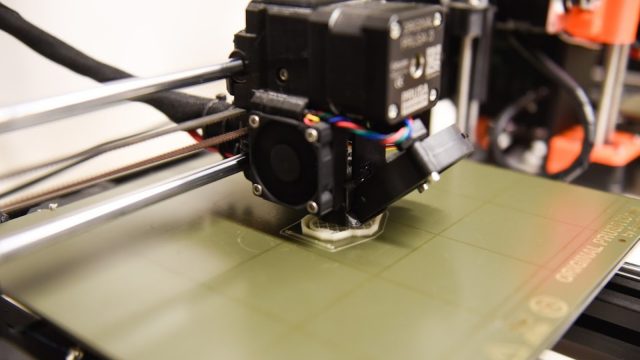
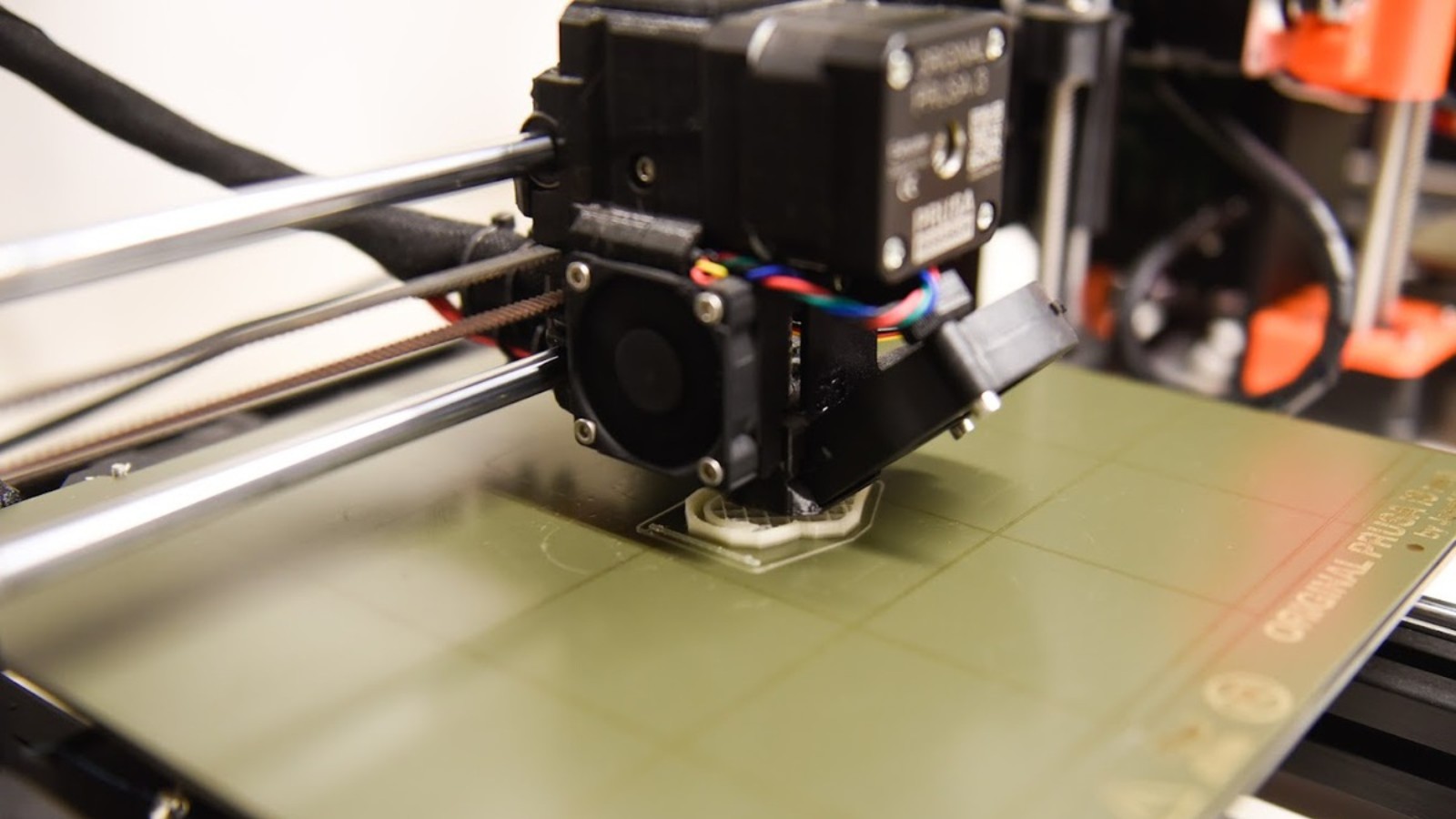
Researchers at the Technion-Israel Institute of Technology and Sheba Medical Center have developed a way to 3D-print “scaffolding” as the basis for a replacement ear.
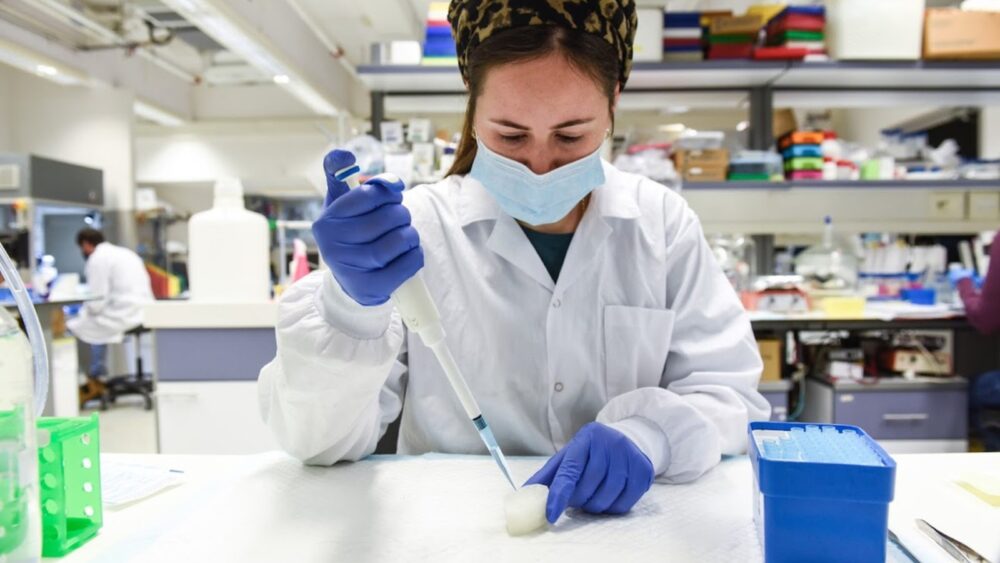
The scaffold, which allows for the formation of an aesthetic and stable auricle (the visible part of the external ear), is designed from a CT scan of the patient’s ear and can be performed on children as young as 6 years old.
The biodegradable scaffold forms chondrocytes, the cells responsible for cartilage formation, and mesenchymal stem cells. Pores of varying sizes allow for cell attachment to form stable cartilage.
The procedure has so far been tested on lab rats. The researchers monitored cartilage formation within the auricle construct in the lab for between 10 days and six weeks before implanting it in the test subjects.
The grafted prosthetic ear demonstrated good biomechanical function, the researchers reported in the journal Biofabrication.
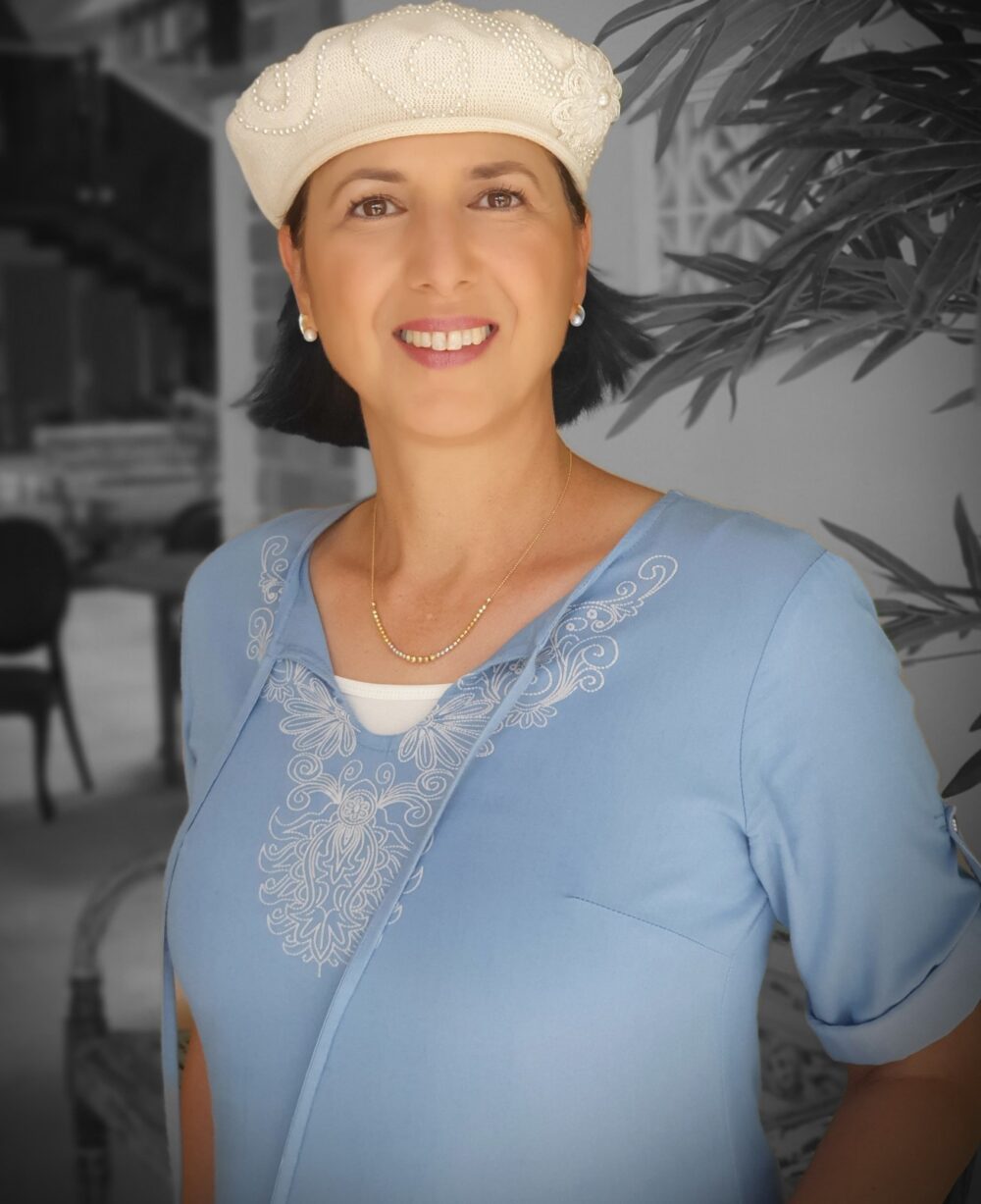
The project was led by professor Shulamit Levenberg of the Faculty of Biomedical Engineering at the Technion and Dr. Shay Izhak Duvdevani, a senior physician in the Otorhinolaryngology Head and Neck Surgery Department and head of the Tissue Engineering Lab at Sheba Medical Center. The protocols were developed in Levenberg’s lab under Dr. Shira Landau.
“One of the challenges in the study was to find a suitable 3D-printing method, since fabricating an ear necessitates the use of biodegradable materials that break down in the body without harming it but have an extremely accurate external structure and small pores,” said Levenberg.
“We estimate that it will be possible to tailor our technology to other applications, such as nasal reconstruction and fabrication of various orthopedic implants.”
Produced in association with Israel21c.
Recommended from our partners
The post Ear’s The Future Of Cosmetic Surgery appeared first on Zenger News.
Remains of Former O’Jays Member Identified after 40 Years


Origins Of Schizophrenia May Be Found In Early Embryonic Development
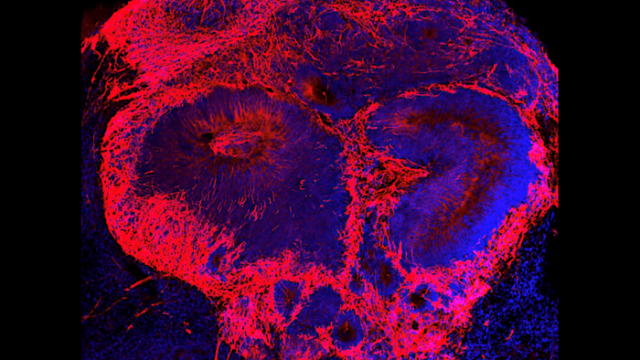
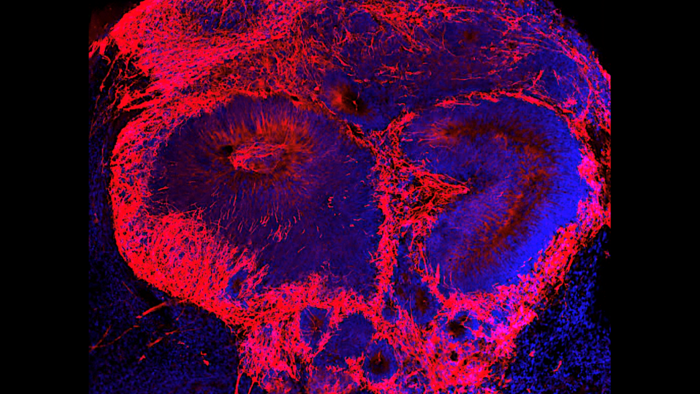
A tendency toward schizophrenia may originate during the first month of fetal development, according to researchers who grew “mini-brains,” or organoids, to find a possible genetic basis for the disorder.
Investigators at Weill Cornell Medical Center conducted a study, published in Molecular Psychiatry, on the many changes human brain cells undergo during the first month of embryonic development. The researchers used stem cells from schizophrenia patients and control participants to grow organoids in a laboratory and compared the two groups.
They found that a reduced expression of two specific genes in the cells hinders early development and causes a shortage of brain cells in organoids grown from schizophrenia patients’ stem cells. The researchers obtained stem cells from adult donors to avoid ethical concerns over the use of embryonic stem cells.
“This discovery fills an important gap in scientists’ understanding of schizophrenia,” said co-author Dilek Colak, a neuroscientist at Weill Cornell Medicine. While schizophrenia typically only becomes evident in adults, studies of the brains of deceased people with the disease show cavities called ventricles, as well as differences in the upper layers of the brain that probably occurred earlier.
“There were hints [that] schizophrenia started during early development, but we didn’t have proof,” Colak said.
The research team collected stem cells from 21 donors and grew brain tissue matching each patient’s genetic make-up. They then used single-cell RNA sequencing to compare gene expression in individual cells in the patients’ tissue and in tissue grown from people without schizophrenia. “We found a common pathology among all the patients with schizophrenia despite each of the patients having distinct disease presentations,” Colak said.
The study found that samples from schizophrenia patients showed reduced expression of BRN2, a regulator of gene expression, and pleiotrophin, a cell-growth promoter. This caused reduced production of new brain cells and increased brain-cell death. Researchers determined that replacing the missing BRN2 in the cells restored brain cell production and adding pleiotrophin reduced brain-cell death.
“We’ve made a fundamental discovery providing what we think is the first evidence in human tissue that multiple cell-specific mechanisms exist and likely contribute to [the] risk of schizophrenia,” said lead author Michael Notaras. “This forces us, as a field, to reconsider when disease truly begins and how we should think about developing the next generation of schizophrenia therapeutics.”
The researchers believe that further study could confirm their results and lead to therapies to correct genetic differences in specific brain cell types.
Colak and the other researchers used the mini-brains to understand the roles of each cell type and the genetic factors interacting with the environment to cause schizophrenia. Currently, their focus is on endothelial cells, which line blood vessels and release important cytokine molecules, promoting an immune response. Mini-brains developed from schizophrenia patients showed an excess of early endothelial-related cells, which could lead to an excessive immune response.
“This may explain the link between maternal infections during pregnancy and schizophrenia seen in mouse studies,” Colak said.
Edited by Siân Speakman and Kristen Butler
Recommended from our partners
The post Origins Of Schizophrenia May Be Found In Early Embryonic Development appeared first on Zenger News.
Artur Beterbiev And David Morrell Notch Big Wins
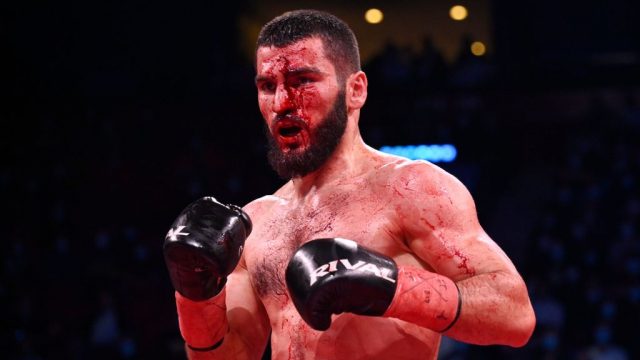
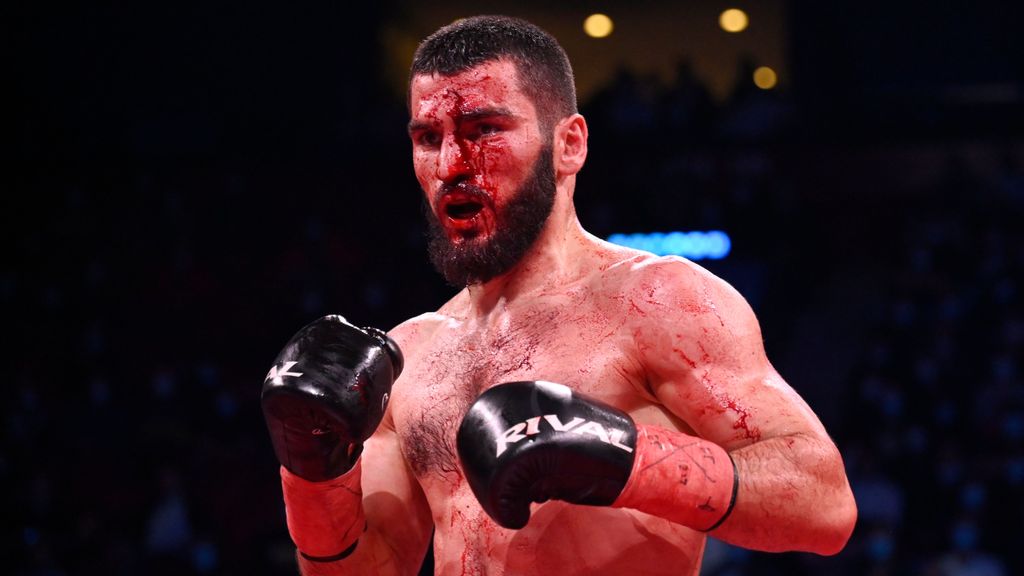
Artur Beterbiev faced more adversity in Friday’s IBF/WBC 175-pound title defense against slick-boxing southpaw Marcus Browne than perhaps at any time in his career. The following night, David Morrell dropped and stopped Alantez Fox in a fourth-round TKO victory.
Here’s the lowdown on both bouts.
The Russian-born Beterbiev trailed on two of the three judges’ cards and struggled to see through the mask of crimson while bleeding profusely from a gash in the middle of his forehead caused by a third-round clash of heads that also cut Browne over his right eye.
A ringside physician granted Beterbiev “one more round” before the fifth, having examined the damage to both fighters and allowed their bloodbath to continue. Beterbiev would have lost a split decision had the fight been stopped with four completed rounds.
“One thing you can’t account for is accidental fouls, and Brown had won two if not all of the first three rounds,” said BoxingScene.com’s Corey Erdman, who served as ringside commentator for ESPN Plus. “So when the clash of heads happened, and the doctor told Beterbieve he had one more round, things got dramatic really quickly.”

Beterbiev (17–0, 17 KOs) responded by flooring Browne (24–2, 16 KOs) once each in the seventh and final rounds of a ninth-round knockout at Bell Centre in Montreal, halting the southpaw for the first time in his career.
“We won this fight. This is another experience in my career. I have two world titles,” said Beterbiev, whose previous bout in March was a one-knockdown, 10th-round TKO of Adam Deines, a southpaw who entered at 19–1–1 (10 KOs). “I am happy I had the opportunity to give the great fans of Montreal a memorable championship fight.”
In victory, Beterbiev secured the fifth defense of a crown won in November 2017 by career-high 12th-round knockout of Enrico Koelling, who entered at 23–1 (6 KOs) but was floored twice and stopped for the first time.
“Beterbiev is traditionally a slow starter who can lose early rounds while still applying pressure. He’s losing rounds but not control of the fight because he always finds a way to hurt his opponents,” said Erdman. “I think if Beterbiev didn’t turn it on the way he did in the fourth and show that he could win rounds despite the cut, the fight might have been stopped, and we’d be having a different conversation right now.”

In Browne, Beterbiev faced the most adversity since his initial defense in October 2018 against Callum Johnson, when he rose from a second-round knockdown to secure a fourth-round stoppage.
Johnson entered at 17–0 (12 KOs) and had scored three of his previous four consecutive knockouts in the first round, but Beterbiev scored first- and final-round knockdowns to stop the Englishman.
“I showed what the courage that I already knew I had,” Beterbiev told Zenger. “I already knew I had courage, and I simply continued to demonstrate the focus and composure of a great fighter.”
Beterbiev’s past victories include second-round knockouts of former champion Tavoris Cloud and previously unbeaten Jeff Page in September and December 2014. In April 2015, Beterbiev scored a fourth-round stoppage of left-handed former champion Gabriel Campillo (April 2015), and, in 2016, fourth- and first-round KOs of Ezequiel Osvaldo Maderna (June) and Isidro Ranoni Prieto (December).
Cloud entered at 24–2 (20 KOs) and Page at 15–0 (10 KOs), Maderna was 23–2 (15 KOs) and Prieto, 26–1–3 (22 KOs), with both being stopped for the first time in their careers.
Beterbiev won twice in 2019 with fifth- and 10th-round knockouts of Radivoje Kalajdzic and Oleksandr Gvozdyk in May and October. Kalajdzic entered at 24–1 (17 KOs) and hit the deck once in the third round, and Gvozdyk at 17–0 (14 KOs) was floored three times in the 10th as Beterbiev added Gvozdyk’s WBC crown to his IBF version.
“When you watch Beterbiev fight, it just feels inevitable that he’ll get to his opponents and stop them, which he has done 100 percent of the time,” said Erdman. “So when he was in the most danger he’s ever been in, in terms of losing against Browne, it didn’t fully register with me at the moment.”
Beterbiev has his sights on Canelo Alvarez (56–1–2, 38 KOs), who rose two weight classes in November 2019 for an 11th-round knockout of then-WBO 175-pound titleholder Sergey Kovalev to become a four-division champion.
Alvarez did so in sensational fashion, knocking the “Crusher” literally to his knees, senseless, out cold and sagging against ring ropes that held him up.
With last month’s two-knockdown 11th-round stoppage of previously unbeaten Caleb Plant (21–1, 12 KOs), the 31-year-old Alvarez added Plant’s IBF crown to his WBA/WBC/WBO versions to become the first undisputed 168-pound champion from Mexico.

“Canelo executed a smart fight against Kovalev. That was a good win for him,” Beterbiev said. “Everybody agrees Canelo has the pedigree to be named the best boxer pound-for-pound. That’s why I want to challenge Canelo Alvarez. Nothing personal.”
Does Beterbiev’s knockout streak continue against Alvarez?
“The objective is never to KO someone. The target is the win and a good performance. The KO is just the conclusion of a good work. But I don’t want to talk about how I can beat Canelo — I just want to do it.”
If not Alvarez, Beterbiev would consider Russian WBA counterpart Dmitry Bivol (19–0, 11 KOs) or the WBO’s Joe Smith (27–2, 21 KOs) of Long Island, New York, who battles Callum Johnson (20–1, 14 KOs) on Jan. 15.
“Barring an Alvarez fight opening up, the best fight at light heavyweight is Beterbiev-Bivol,” said Cliff Rold, boxing historian at BoxingScene.com. “Beterbiev-Smith might be easier to make, but its winner is also probably easier to predict.”
Beterbiev just wants to fight.
“All are good choices. I am open to fighting the other champions in my division,” Beterbiev said. “I hope that my promoter is able to strike the deal that is the best for me.”
Morrell Nabs Fourth-Round Win Over Fox
Cuban David Morrell describes his talents as “a mixture of my four favorite fighters — I’m talking about Mike Tyson, Roy Jones, Sugar Ray Leonard and Roberto Duran.”
Morrell (6–0, 5 KOs) displayed those skills en route to scoring his third-straight stoppage on Saturday night against 6-foot-4 Alantez Fox (28–3–1, 13 KOs) of Upper Marlboro, Maryland, flooring the 6-foot-1 southpaw in the fourth and final round of a TKO in his third WBA 168-pound title defense at The Armory in Minneapolis, Minnesota.
Morrell’s sharp jab, masterful counterpunching, and body work, along with a slugger-aggressor mentality, were the difference against Fox, whom he dropped with a head-bobbling short left hook in the fourth before mercilessly blasting him with several unanswered blows. Fox’s father and trainer, Troy, stepped onto the ring apron as referee Mark Nelson stopped the fight with 54 seconds left in the round.

“I was just listening to my team and following their instructions. We were just working our strategy in there just like we do in the gym,” said Morrell, who had an exemplary 135–2 amateur record and turns 24 in January.
“They told me to let my hands go, so I did. Fox didn’t have the power to keep me off of him. So I knew that I had to take advantage of it. I felt comfortable and that made it easy for me.”
Fox represented Morrell’s first bout with trainer Ronnie Shields, also the corner man for undefeated WBC 160-pound champion Jermall Charlo, having previously worked with the father-son tandem of Sankara and Adonis Frazier, who have trained Minneapolis-based former welterweight champion Jamal James.
Morrell returned to the site of his pro debut in August 2019, when he weighed 171.25 pounds for a 65-second TKO of Yendris Rodriguez Valdez. Morrell followed that up in November of that year with a two-knockdown second-round stoppage of Quinton Rankin. A southpaw who entered the fight with a 15-6-2 (12 KOs), Rankin had five months earlier gone the eight-round distance with left-handed former champion Chad Dawson.
Morrell’s next fight in August 2020 was a title-winning 12-round unanimous decision over Lennox Allen, who entered at 22–0–1 (14 KOs). His first defense was a one-knockdown, third-round knockout of Mike Gavronski in December 2020.
“I love fighting here in Minnesota,” said Morrell, who returned to the Armory for his last fight in June, a first-round knockout of 6-foot-1 Mexican Mario Cazares, who entered at 12–0 (5 KOs).
“This is a great opportunity to fight in front of my fans here. It really motivates me. I respect everybody in the super middleweight division, but I want to fight all of them. I’ve got this belt right now, and I’m open to fighting any of them. They just have to step up.”
Morrell follows Cuban expatriates such as southpaws Erislandy Lara and Guillermo Rigondeaux as well as Yuriorkis Gamboa who have become multi-division titleholders.
“Most people that know Cuban boxing think this is the best kid to ever come out of Cuba. The first time I laid eyes on David Morrell Jr., I saw a bigger, better Vasiliy Lomachenko. I really believe he will take over the super middleweight and light heavyweight divisions,” said Warriors’ boxing promoter Luis DeCubas of Morrell, who was nicknamed “O.D.” by one of his trainers.
“David has perfect timing and great footwork, and he can crack. David has Sonny Liston-type hands. He has fast hands, even though he’s a thumper-type of guy. The kid is special. He can punch and take a punch. He’s like a Sugar Ray Robinson type of fighter and a nice-looking kid on top of it. He is going to be a star of the highest order in boxing.”
Information on who Morrell might face next was not available as of this posting.
Edited by Kristen Butler and Matthew B. Hall
Recommended from our partners
The post Artur Beterbiev And David Morrell Notch Big Wins appeared first on Zenger News.
