

VIDEO: Operation As-Kicker: NASA Launches DART To Crash Into Asteroid In Planetary Defense Test


By Lee Bullen
NASA’s DART spacecraft launched from California this week to possibly “defend the world” against asteroids and comet threats.
The Double Asteroid Redirection Test (DART), which the space agency describes as “the world’s first full-scale mission to test technology for defending Earth against potential asteroid or comet hazards,” launched Nov. 24 on a SpaceX Falcon 9 rocket from the Vandenberg Space Force Base in California, NASA said in a statement.
The space agency said DART, built and managed by the Johns Hopkins Applied Physics Laboratory (APL) in Maryland, “will impact a known asteroid that is not a threat to Earth,” but the experimental technology could be used to one day defend Earth from external threats.
“DART’s one-way trip is to the Didymos asteroid system, which comprises a pair of asteroids,” NASA said. DART’s target is the moonlet Dimorphos, which is approximately 530 feet in diameter. The moonlet orbits Didymos, which is approximately 2,560 feet in diameter.
The “Armageddon”-style plan is to crash the spacecraft into Dimorphos and slightly change its path.
NASA said the impact should alter the asteroid’s movement so it can be measured by experts using telescopes on the ground.
“DART will show that a spacecraft can autonomously navigate to a target asteroid and intentionally collide with it, a method of deflection called kinetic impact. The test will provide important data to help better prepare for an asteroid that might pose an impact hazard to Earth, should one ever be discovered,” NASA said.
“LICIACube, a CubeSat riding with DART and provided by the Italian Space Agency (ASI), will be released prior to DART’s impact to capture images of the impact and the resulting cloud of ejected matter,” the U.S. space agency added.
About four years after DART’s impact, the European Space Agency’s Hera project will carry out a survey with “particular focus on the crater left by DART’s collision and a precise determination of Dimorphos’ mass.”
“DART is turning science fiction into science fact and is a testament to NASA’s proactivity and innovation for the benefit of all,” NASA Administrator Bill Nelson said.
“In addition to all the ways NASA studies our universe and our home planet, we’re also working to protect that home, and this test will help prove out one viable way to protect our planet from a hazardous asteroid should one ever be discovered that is headed toward Earth.”
The spacecraft is expected to intercept the Didymos system between Sept. 26 and Oct. 1, 2022, when it will intentionally crash into Dimorphos at roughly four miles per second.

Experts estimate that the impact will shorten Dimorphos’ orbit around Didymos by several minutes.
“Researchers will precisely measure that change using telescopes on Earth. Their results will validate and improve scientific computer models critical to predicting the effectiveness of the kinetic impact as a reliable method for asteroid deflection,” NASA said.
“We have not yet found any significant asteroid impact threat to Earth, but we continue to search for that sizable population we know is still to be found,” Lindley Johnson, planetary defense officer at NASA Headquarters, said. “Our goal is to find any possible impact, years to decades in advance, so it can be deflected with a capability like DART that is possible with the technology we currently have.”
“It is an indescribable feeling to see something you’ve been involved with since the ‘words on paper’ stage become real and launched into space,” said Andy Cheng, a DART investigation lead at Johns Hopkins APL who came up with the DART concept.
“This is just the end of the first act, and the DART investigation and engineering teams have much work to do over the next year preparing for the main event, DART’s kinetic impact on Dimorphos,” Cheng said.
Edited by Richard Pretorius and Kristen Butler
The post VIDEO: Operation As-Kicker: NASA Launches DART To Crash Into Asteroid In Planetary Defense Test appeared first on Zenger News.
Pre-Hispanic Art Comes To Life On Mexican Baker’s Cookies
By Julio Guzmán
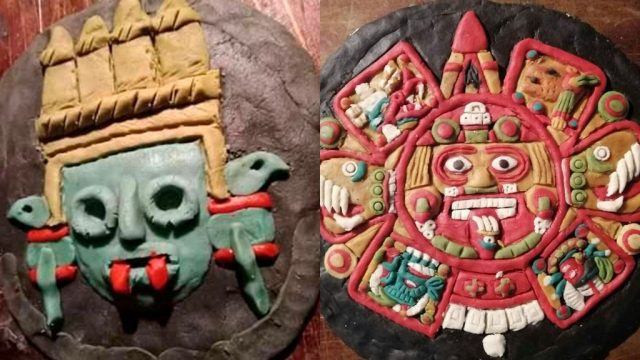
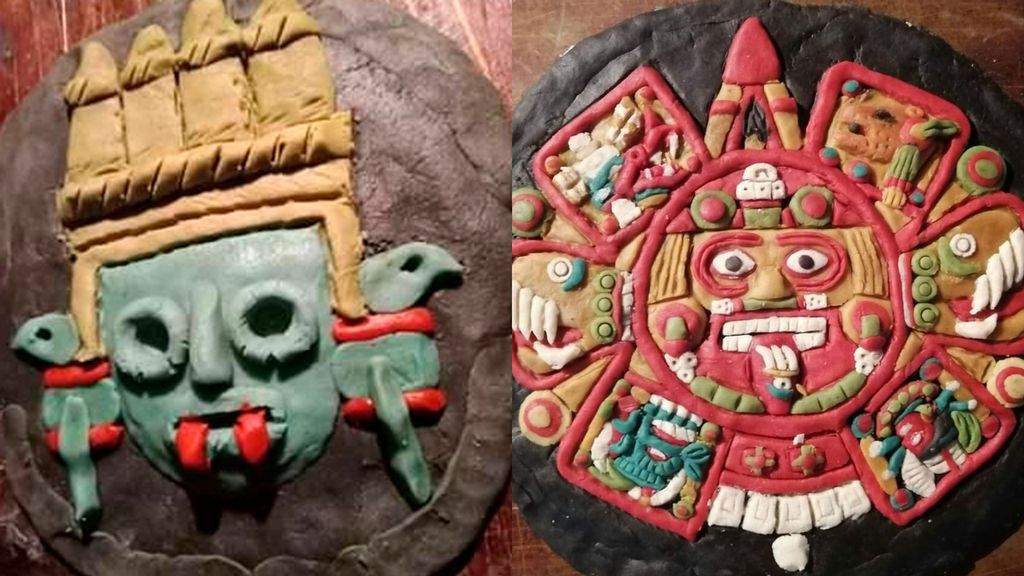
Diego Barranco, a baker from Ozumba, in the State of Mexico, has created cookies with designs inspired by the country’s pre-Hispanic art. He defines his work as “craftwork with bread dough.”
Pre-Hispanic cultures are a group of civilizations that settled in most of what today makes up Mexico, from 1500 B.C. to A.D. 1521, such as the Aztecs, Mexicas, Mayans, Olmecs, Toltecs, Teotihuacan cultures, Mixtecs and Zapotecs.
The 43-year-old baker says his fondness for these cultures led him to combine that period’s cultural heritage with his work.

He is especially interested in the culture of Teotihuacan, which settled in the modern State of Mexico, from the year 300 to 900. When some artifacts depicting the figures were recently found there, he felt inspired to make copies of some of them with bread dough, and then on cookies.
“I saw the archeology pieces that the workers in the area had found, like the masks, some body shapes, that type of thing. I started to practice with the first masks. We learned as we went, developing more art on cookies, and now we’ve become much better at it,” Barranco told Zenger.
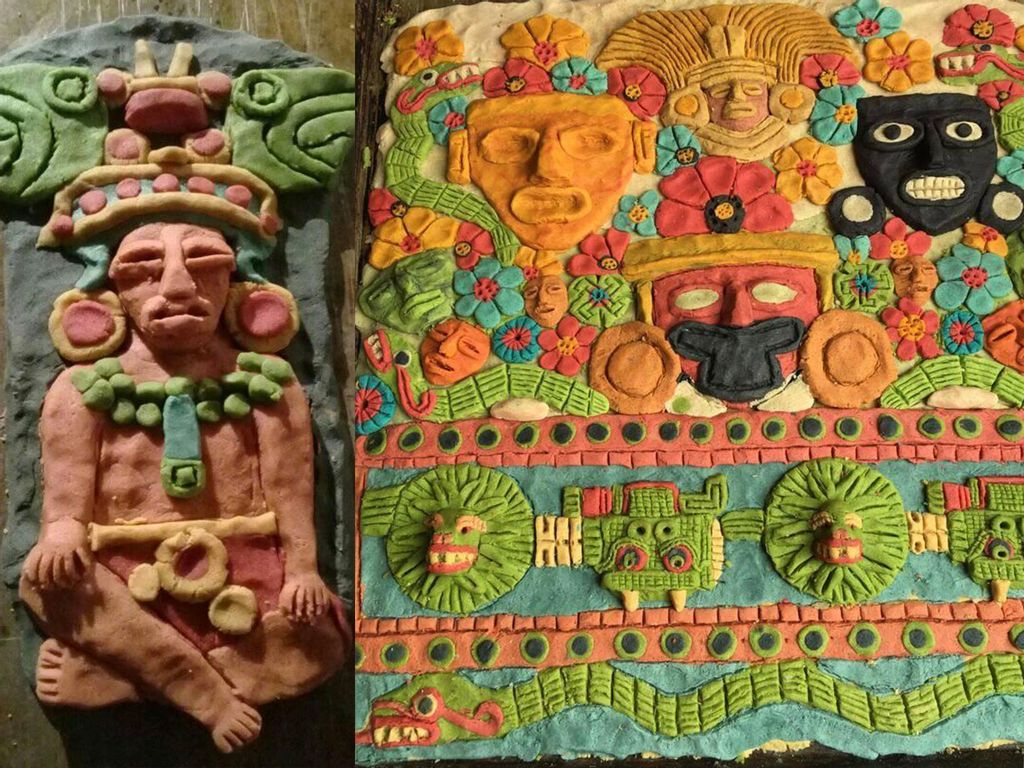
Besides baking traditional bread, Barranco has spent the last three years creating figurines with these pre-Columbian motifs. Some of his creations include cookies with masks from Teotihuacan, plumed men, jaguar knights (soldiers from the Mexica Empire), and Mexica deities such as Tlaloc (the rain god), Xochipilli (the flower god) and Coyolxauhqui (the moon goddess). He has also made replicas of the tree of life, a sculpture that is part of the Mexican culture and explains the creation of the world.
Pre-Hispanic Art On A Cookie
Prices vary according to the level of difficulty. A small cookie with a simple figure takes about 10 minutes to make and sells for three to five dollars. An 11-pound “mega cookie” is more complicated. Barranco has spent up to three weeks on them, and they cost $350.
“We’ve made mega cookies the size of a bread pan, 15 by 45 inches. The first one was a tree of life. We put four deities on it: of fire, earth, water and wind. Then, we made another one based on the art of Teotihuacan. We based it on a temple and added some masks and cultural features. You won’t find work like that anywhere else,” he said.
People are very interested in the cookies, and Barranco says he has had to study more about the history of the figures he’s recreating, so he can tell his clients what they mean.
“We have to have some information, know what we’re doing, what it means. For example, you can make a jaguar warrior or a god, and if you don’t know what it is, you have to find out, so you can explain it to people who ask. That draws them in,” he said.

Barranco’s work has been well-received by the customers at his “teotlaxcalli” (divine bread, in Aztec language Nahuatl) workshop in Ozumba, and by people who go there during the festivals and to visit the markets and fairs where he sells his goods.
He hopes the artistic representations from the pre-Hispanic period will live on today. They also link people with their past.
“I think Diego’s design concept is very interesting. Nobody around here had tried to do this type of thing before. I see his dedication to each of his pieces. The art he shares through them is unique, and his cookies and breads are delicious,” Yarmil Rivera, a 36-year-old customer, told Zenger.
Barranco hopes to transmit his technique to the younger generations. Today, he is training his children to take over the business someday and to continue with his recipes and creations.
“They saw how this craft got started. We’re going to pass the trade down to them because they’re going to learn it and not allow this to die,” Barranco said.
“I think it’s interesting [to learn this technique] because it’s like revisiting and preserving a part of ancient pre-Hispanic culture that is still alive through these edible pieces. There’s great responsibility in transmitting this to the younger generations, so our roots and culture will never be forgotten,” said Erick Martínez, Barrancos’ 17-year-old son.

Barranco says he is grateful for the response his products have seen among locals and foreigners. He asks everyone to preserve Mexico’s pre-Hispanic traditions.
“I want to move forward. Now, the market is receptive and people are interested. We’re fighting hard, from the bottom up … Every day we’re doing sketches. We’re constantly coming up with new ideas. I hope everyone enjoys our local craftspeople. There are a lot of them in many Mexican communities who are very talented,” he said.
Translated by Melanie Slone. Edited by Melanie Slone and Kristen Butler
The post Pre-Hispanic Art Comes To Life On Mexican Baker’s Cookies appeared first on Zenger News.
VIDEO: What The Cluck? ‘Vulture Bees’ Eat Chicken In Costa Rica
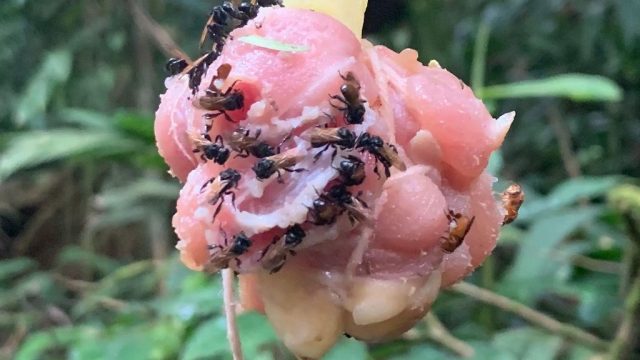
Although most bees are not carnivores, a few stingless tropical bee species have evolved a taste for flesh, presumably due to fierce competition for nectar, scientists say.
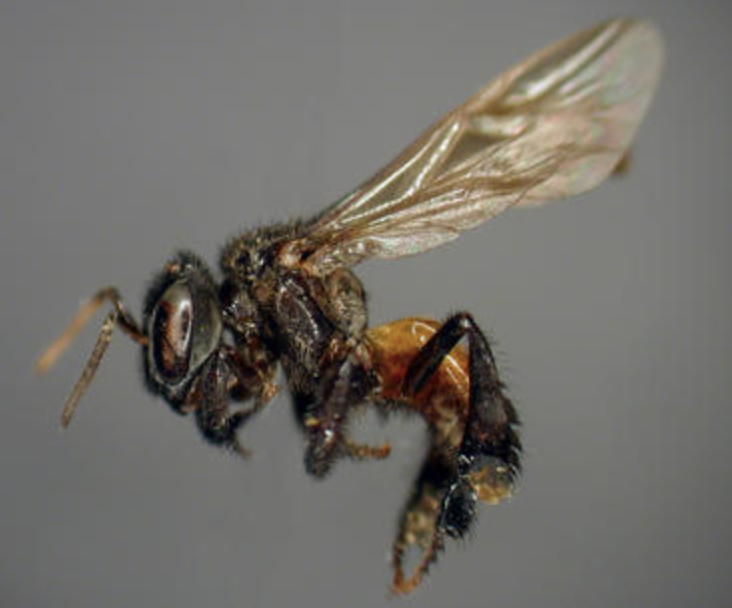
The so-called “vulture bees” evolved an extra tooth and their gut microbes are more like those found in vultures than in other bees. This allows them to feed on dead animals, or carrion.
“These are the only bees in the world that have evolved to use food sources not produced by plants, which is a pretty remarkable change in dietary habits,” said entomologist Doug Yanega of the University of California-Riverside.
Millions of years ago, bees evolved from wasps, which do eat meat albeit not exclusively. While some modern bees eat both pollen and meat, vulture bees are fully necrophagous, meaning they eat only carrion.
Other species, such as bumblebees, honeybees and other stingless bees typically have the same five core microbes inhabiting their guts.
“Unlike humans, whose guts change with every meal, most bee species have retained these same bacteria over roughly 80 million years of evolution,” said researcher Jessica Maccaro, co-author of the study published in the journal mBio. The researchers found gut bacteria in vulture bees differed greatly from those in other bees, allowing them to feast on carrion.
Turkey vultures, widespread across the Americas, rely on strong gut bacteria to eat dead carcasses. Microbes such as Fusobacteria and the poisonous Clostridia make carcasses toxic for other animals but are merely a sauce for the winged flesh-eaters.
“The vulture bee microbiome is enriched in acid-loving bacteria, which are novel bacteria that their relatives don’t have,” said McFrederick. These bacteria resemble those in actual vultures and other animals that feed on carrion, according to McFrederick, “presumably to help protect them from pathogens that show up on carrion.”

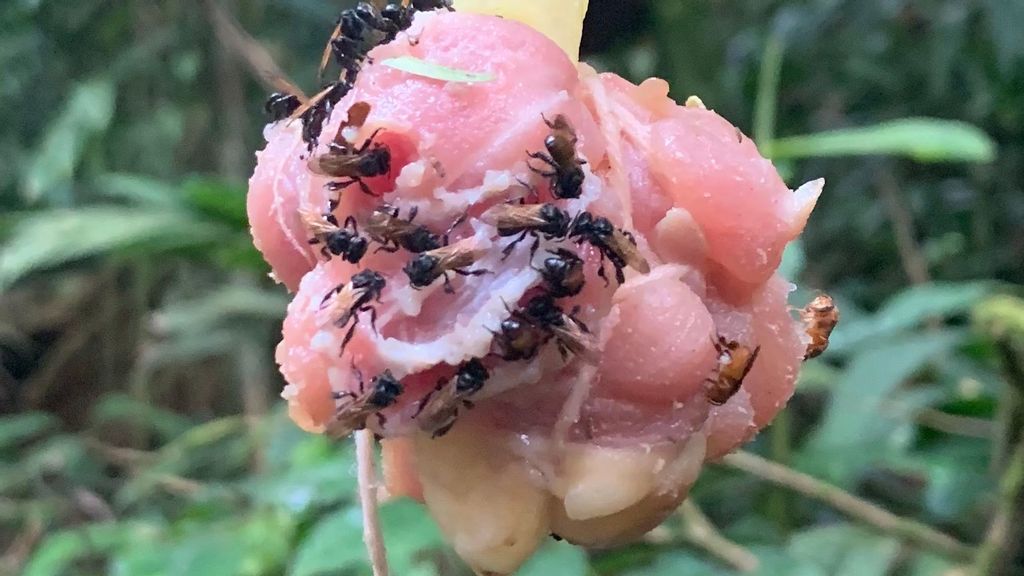
The research team traveled to Costa Rica and used pieces of raw chicken strung from the branches of trees to bait the bees. The bait was smeared with petroleum jelly to fend off ravenous ants.
Vulture bees and related species were drawn to the meat. Stingless bees have structures on their hind legs resembling baskets to collect pollen. But meat-loving bees, the team found, use the same baskets to store meat. “They had little chicken baskets,” said researcher Quinn McFrederick. According to previous research, these meat-lovers are able to reduce a small corpse to bone in just a few days.
Some stingless bees feed on both flowers and meat while others feed only on pollen. The team looked at the gut microbiomes of all three types of stingless bees and found that the carnivorous species showed the most extreme changes.
The team found Lactobacillus bacteria and Carnobacterium in the guts of the vulture bees. Lactobacillus bacteria are found in fermented foods, such as sourdough bread, eaten by humans. Carnobacterium is associated with digesting meat.
“It’s crazy to me that a bee can eat dead bodies. We could get sick from that because of all the microbes on meat competing with each other and releasing toxins that are very bad for us,” said Maccaro.
Even though the bees have no stinger, they are not defenseless. “Many species are thoroughly unpleasant,” said Yanega. “They range from species that are genuinely innocuous to many that bite, to a few that produce blister-causing secretions in their jaws, causing the skin to erupt in painful sores.”
Though the bees feast on flesh, their honey is sweet. “They store the meat in special chambers that are sealed off for two weeks before they access it, and these chambers are separate from where the honey is stored,” said Maccaro.
The research team will continue to study the genomes of the bacteria, fungi and viruses they found to learn more about the evolution of bees. “The weird things in the world are where a lot of interesting discoveries can be found,” said McFrederick. “There’s a lot of insight [to be had] there into the outcomes of natural selection.”
Edited by Siân Speakman and Kristen Butler
The post VIDEO: What The Cluck? ‘Vulture Bees’ Eat Chicken In Costa Rica appeared first on Zenger News.
New Baby Smell Makes Moms Aggressive But Dads More Docile
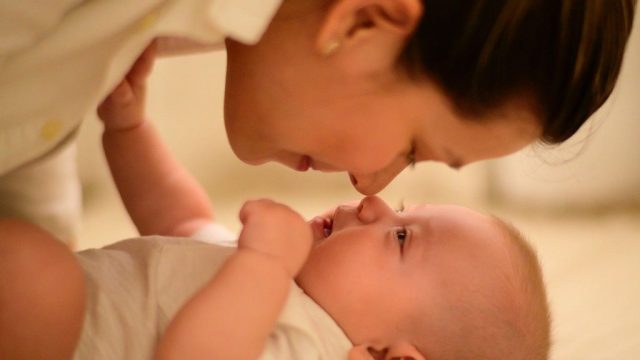
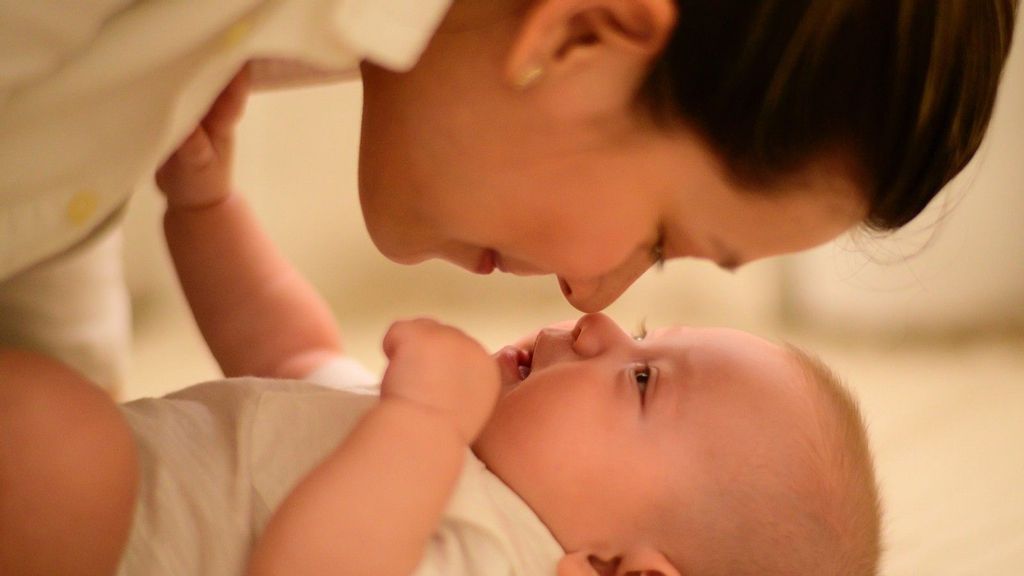
Catching a whiff of that delightful “baby smell” on a newborn’s head turns out to have a very practical purpose.
A volatile organic compound, hexadecanal (HEX), is the major component of this scent. This “chemosignal” triggers mothers to be more aggressive and fathers less aggressive, according to a study published in Science Advances by researchers from the Azrieli National Center for Brain Imaging and Research at the Weizmann Institute of Science in Israel.
It seems this cute aggression effect is beneficial for all kinds of mammal babies, as the mother is primed to protect the newborn and the father less inclined to act aggressively toward his offspring.
To test this “sex-specific social chemosignaling” phenomenon, the scientists, led by Eva Mishor from professor Noam Sobel’s research group, asked 67 men and 60 women aged 21 to 34 to sniff a mineral oil. Half of them received oil that had HEX added to it.
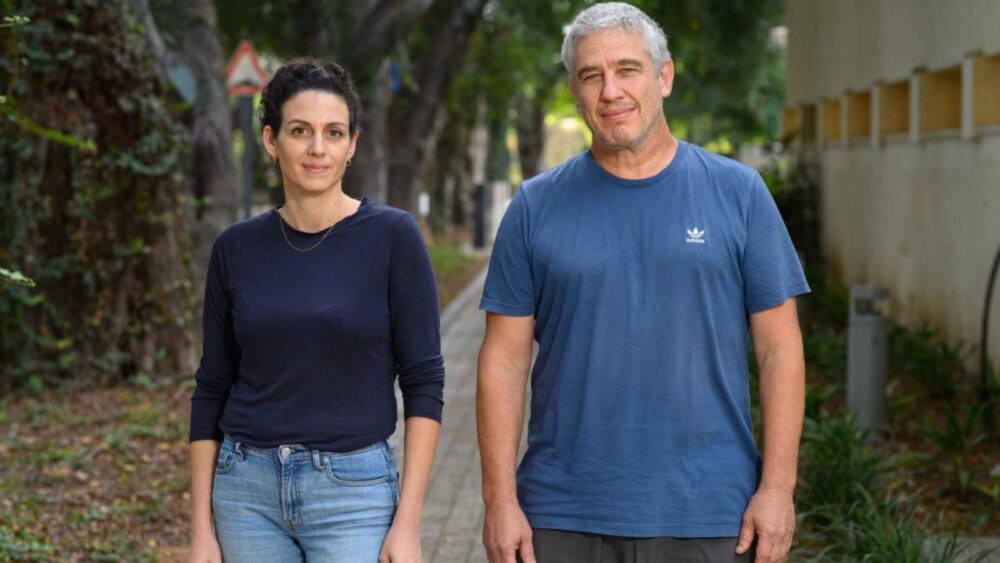
The results of the double-blind trial surprised the researchers, who’d expected it to reduce aggression in both genders.
Instead, it had markedly different effects in men and women, quantified in a computerized game that tested their aggressiveness level. Three separate analyses confirmed their findings.
Brain scans further confirmed that while both men and women perceive HEX as odorless, it triggers distinct, gender-related neurological reactions, increasing activity in a brain area implicated in the perception of social cues.
“Babies cannot communicate through language, so chemical communication is very important for them,” said Sobel. “As a baby, it is in your interest to make your mom more aggressive and reduce aggressiveness in your dad.”
He said this study is among the first to provide a direct link between human behavior and a single molecule picked up through the sense of smell.
Produced in association with Israel21C.
The post New Baby Smell Makes Moms Aggressive But Dads More Docile appeared first on Zenger News.
After Losing Teenage Son To Gun Violence, LaRicha Rousell Focuses On Helping Others Cope


NEW ORLEANS — The holidays are supposed to bring families together to share good times. But last year, Christmas changed the dynamic for LaRicha Rousell. Her 14-year-old son, Ja’ Mere Alfred, was gunned down outside a drugstore in New Orleans.
Ja’ Mere is described as a fun-loving kid who loved his family, football and band. His life was cut short on Christmas Day 2020. The gunmen are still at large.
To help cope with her grief and to help others going through similar situations, Rousell founded two nonprofits: the King Ja’ Mere Alfred Foundation, which focuses on kids who have lost siblings to gun violence; and Mothers Empowered For Justice, which helps families seeking justice stay abreast of their loved one’s cases.
Rousell, for her part, refuses to give up on obtaining justice for Ja’ Mere and continues to uplift his memory.
Zenger spoke with Rousell to discuss Ja’ Mere’s legacy, the foundations she has set up, and the gun violence in New Orleans.
Percy Crawford interviewed LaRicha Rousell for Zenger.
Zenger: Tell us about what it was like to receive that call about Ja’ Mere on Christmas Day last year.
Rousell: When I first received the call, I was told that there had been an accident. I was thinking car accident. Mind you, Ja’ Mere went away for 14 years with family for Christmas. He never missed a year. He would always go. I wasn’t told right then and there that it was a shooting or that he was murdered. I didn’t know until his dad got to the hospital and things started going downhill. I was devastated. Ja’ Mere was left with family. He went to Walgreens with cousins, and then this situation happened.
Zenger: Obviously, Ja’ Mere wasn’t the target, but was this a random shooting?
Rousell: It was not a random shooting, and the target was someone else, not Ja ‘Mere.

Zenger: Has there been any arrest for his killing or is this ongoing?
Rousell: It’s still an open case. Ja’ Mere was with family, so family has to be accountable and come to the surface to tell the truth. An innocent 14-year-old child was murdered.
Zenger: Can you describe what type of kid Ja ‘Mere was?
Rousell: Ja’ Mere was a fun, witty kid, an old soul. He loved band, football, and loved me, his dad and his siblings, his teammates and his friends. He was just a sweet kid. He never caught a whooping, was very smart, stayed to himself. He loved his family.
Zenger: How imperative was it for you to not only tell his story, but also continue to shed light on the violence that takes place in New Orleans on a daily basis?
Rousell: When I got the phone call and I realized that my shoes as a parent… and don’t get me wrong, Ja’ Mere has two parents, and he always will. But when I realized the role of parenting changed, I wanted to make a difference. I knew that was something that Ja ‘Mere would want me to do. For me to live his legacy and also be a blessing to other people and other families.
I told God that I didn’t want to get stuck. This kind of stuff is designed to lay a parent out. For myself, Ja’ Mere is my only child; to his dad, he is the baby boy. I can only imagine what he goes through, as well. I wanted to be different and to heal other parents that are going through this kind of stuff. Is it hard? Yes, it is. I can’t have any more kids. But I feel like God is birthing change through me through this process.
Zenger: I’m sure it’s tough for you when you hear gunfire or watch the news and see the continuous violence.
Rousell: It is tough. I really don’t watch the news, but I have a team of people that tell me what’s going on. Like the 11-year-old was murdered the other night. They were shooting at somebody, and she got shot. It is just ridiculous. I just don’t understand it. I think the youth, the ones that are doing this, you’re not even shooting the people that you’re trying to shoot, which means you shouldn’t be shooting anybody.
Innocent people are being affected by this. When it happens, the person [killed] goes on to be with the Lord, but it’s the family that suffers. Sometimes there is no comeback. You have families that are torn and broken, parents separate or divorce and, in some cases, parents just lose their mind.

Zenger: His birthday was a week ago, and he would have turned 15. Christmas is right around the corner —how did his being killed on Christmas Day change the way you celebrate the holiday season?
Rousell: I just honor him. One thing I always say, Ja’ Mere is not here in physical form, but his spirit is just so real. That will never leave us. As long as I live, I’m going to continue to live his legacy in both foundations, and do what I have to do for him, his legacy and continue to do for other people.
Zenger: You have two foundations set up with the same mission but different meanings. Tell us about the King Ja’ Mere Alfred Foundation, and the Mothers Empowered For Justice Foundation.
Rousell: The King Ja’ Mere Foundation is set up for siblings that have lost other siblings through senseless gun violence, with academics, with band and football. We have scholarships and we donate for that. Mothers Empowered for Justice is more for the families that have been affected by this. The mental health part of it — putting them in direction with their case managers and detectives.
I get a lot of phone calls that the detectives are not calling back, and you go through that. I’ve been blessed that I don’t really have that problem, but other families go through that. And it really makes the families give up. But I told them since day one, I’m not giving up on my child’s case.

Zenger: What has been the most difficult part about Ja’ Mere not being here anymore?
Rousell: I miss him so much. I’ve gotten better, a little bit. We would send him off to football practice every year for the summertime. In the beginning, I really just felt that he was gone away to either Atlanta or Houston to practice and that he would come back. That’s what I really had in my mind. And then God just kept saying, “Richa, you know that that’s not right.” So, I have gotten better with it.
Sometimes my mind tends to go to the left, but I get it. He’s in heaven, I don’t believe that Ja’ Mere suffered. He’s with the master, he’s with God, and he’s resting. His case will never go cold. God promised me justice and I believe that. I believe God is going to make the truth come to surface.
Edited by Matthew B. Hall and Judith Isacoff
The post After Losing Teenage Son To Gun Violence, LaRicha Rousell Focuses On Helping Others Cope appeared first on Zenger News.
Small Businesses Squeezed As Inflation Soars, Supply Chains Clog
Small and medium-sized business owners are under pressure as inflation soars and a stalled economy continues, according to a new survey.
More than 20 months after the onset of the pandemic, 73 percent of small business owners are saying they haven’t recovered, according to a survey released earlier this month by Alignable, an online network that includes more than 6 million small business members.
“From what I’m hearing from small business owners, it all comes down to cash,” Eric Groves, CEO-co-founder of Alignable, said in an interview with Zenger. ”Especially with the way the tax code is written, it’s hard for small business owners to set up a nest egg to help ride out a disruption.”
Just when businesses thought the pandemic had subsided and revenues would return, the Delta variant caused things to slow down again. At the same time, difficulty meeting labor needs has raised payroll costs. On top of that, inflation has taken another bite out of business owners’ revenue, which has “crushed margins further,” Groves said.
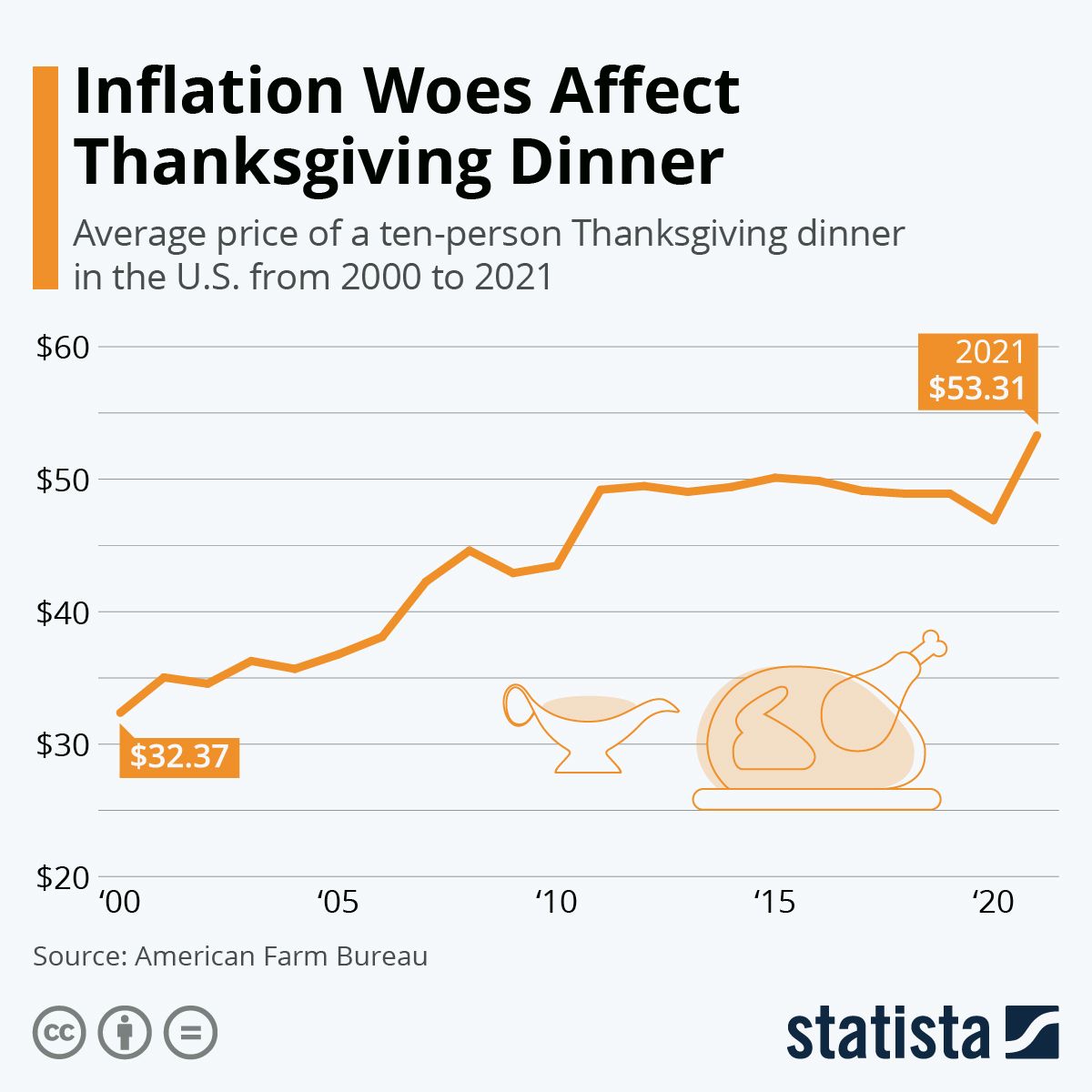
What’s worrying these business owners most? Far and away, their top concern is inflation, as the survey showed almost 35 percent citing rising cost of supplies. Other worries include enticing customers to return, government-mandated business re-closings and increasing revenue. Only one in ten small- and medium-sized business owners said they had no concerns.
On Nov. 10, the federal Bureau of Labor Statistics reported the highest growth of a key inflation measurement in 31 years. The Consumer Price Index showed another increase in October, rising 0.9 percent to push prices 6.2 percent higher than the October 2020 data. It was the highest rate of rise for inflation since November 1990, when the United States was bracing for the Gulf War in Iraq.
One item in Alignable’s survey showed that business owners are reporting that the costs of supplies and inventory continue to increase compared with prices before the Covid-19 lockdowns. Now 89 percent report encountering higher prices, with 34 percent putting those cost increases at 25 percent or more.
Alignable’s survey showed that 67 percent of businesses were reopened, as compared with 70 percent reporting last month. Moreover, more small business owners are now saying that they haven’t fully recovered, ticking up 8 percent since July. The small and medium-sized businesses suffering the worst are beauty salons, with 93 percent reporting that they’re not recovered, followed by event planning, nonprofits, massage therapists, transportation and restaurants.
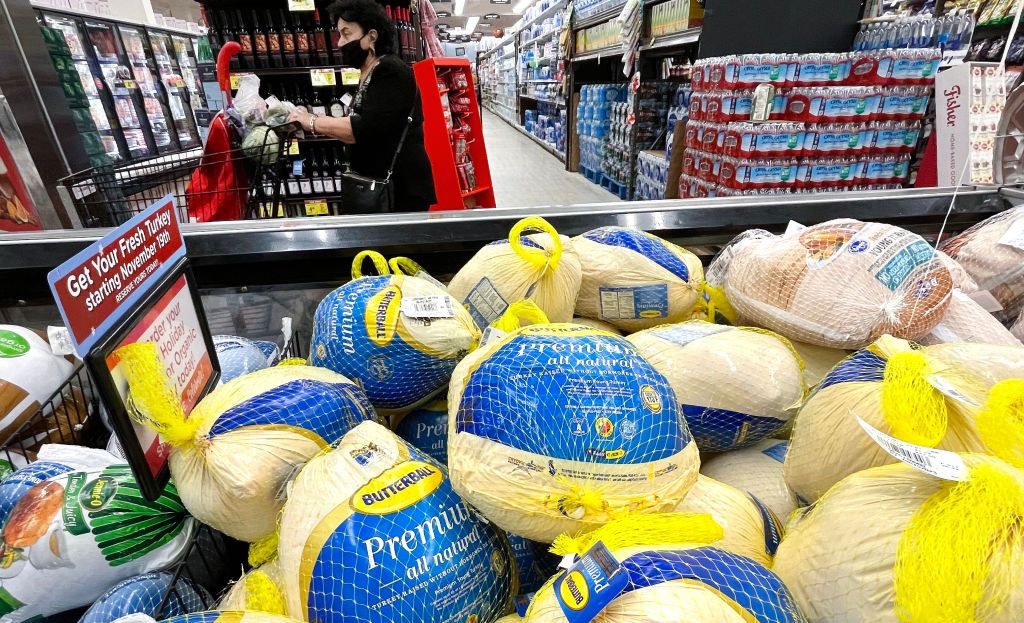
Meanwhile, other groups are reporting similar supply chain issues. In October, an industry study showed that order volumes across global supply chains are down by as much as 24 percent. The data, compiled by global digital trade platform Tradeshift in its Index of Global Trade Health, showed that order volume was slowing even faster in the U.S., falling 40 percent in the third quarter.
“The delta we see between ordering activity and invoicing is indicative of massive fulfillment issues across global supply chains,” said Christian Lanng, co-founder and CEO of Tradeshift. “Buyers are starting to question the wisdom of putting fresh orders into a system that is buckling under an enormous backlog. The longer this situation continues, the more likely we’ll see a more prolonged reversal heading into 2022.”
In a September interview with Zenger, Lanng said the supply chain was something both governments and industry would have to tackle. He said recent history has shown how the supply chain can be affected by outside events, noting that in addition to Covid-19, supply chains are routinely disrupted by weather, disaster and trade disputes, as well as political events like Brexit.
He cited one example to show how supply chain snags can have a big impact. Between February and July 2020, the U.K.’s National Health Service spent 12.5 billion pounds ($16.7 billion) on PPE that would have cost just 2.5 billion pounds ($3.3 billion) in 2019, before the virus raged and lockdowns put a premium on supplies and workforce availability, according to the U.K.’s National Audit Office.
“It wiped out 20 years of savings from the supply chain,” he said.

For consumers, recent economic news has been like ping-pong, as negative economic reports of higher inflation and supply chain disruptions are countered with some positive news on jobs reports.
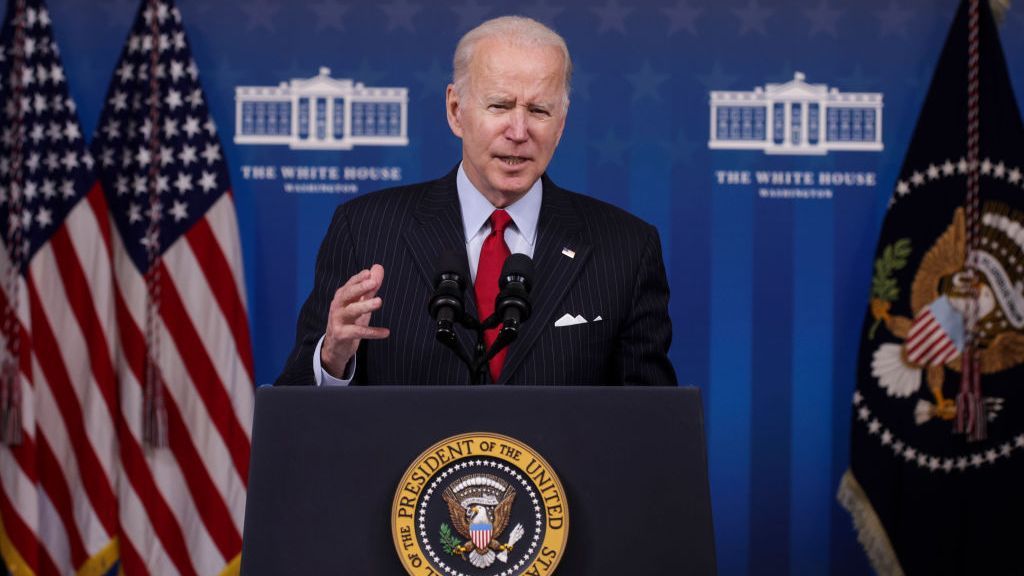
Days before the most recent inflation report, President Joseph R. Biden Jr. held a press conference celebrating the Nov. 5 report from the Bureau of Labor Statistics, which showed both higher-than-forecasted job growth and a lower unemployment rate. Biden, while acknowledging the pressure of inflation, said job growth is 10 times higher than in the months before taking office.
“In total, the job creation in the first full nine months of my administration is about 5.6 million new jobs — a record for any new President,” Biden said. “We still have to tackle the costs that American families are facing. But this recovery is faster, stronger, and fairer, and wider than almost anyone could have predicted. That’s what the numbers say.”
Edited by Bryan Wilkes and Kristen Butler
The post Small Businesses Squeezed As Inflation Soars, Supply Chains Clog appeared first on Zenger News.
Birmingham Mayor Randall Woodfin Sworn In; Outlines Plans for Second Term

By Ryan Michaels
The Birmingham Times
Mayor Woodfin Shuffles Some Members of His Executive Leadership Team