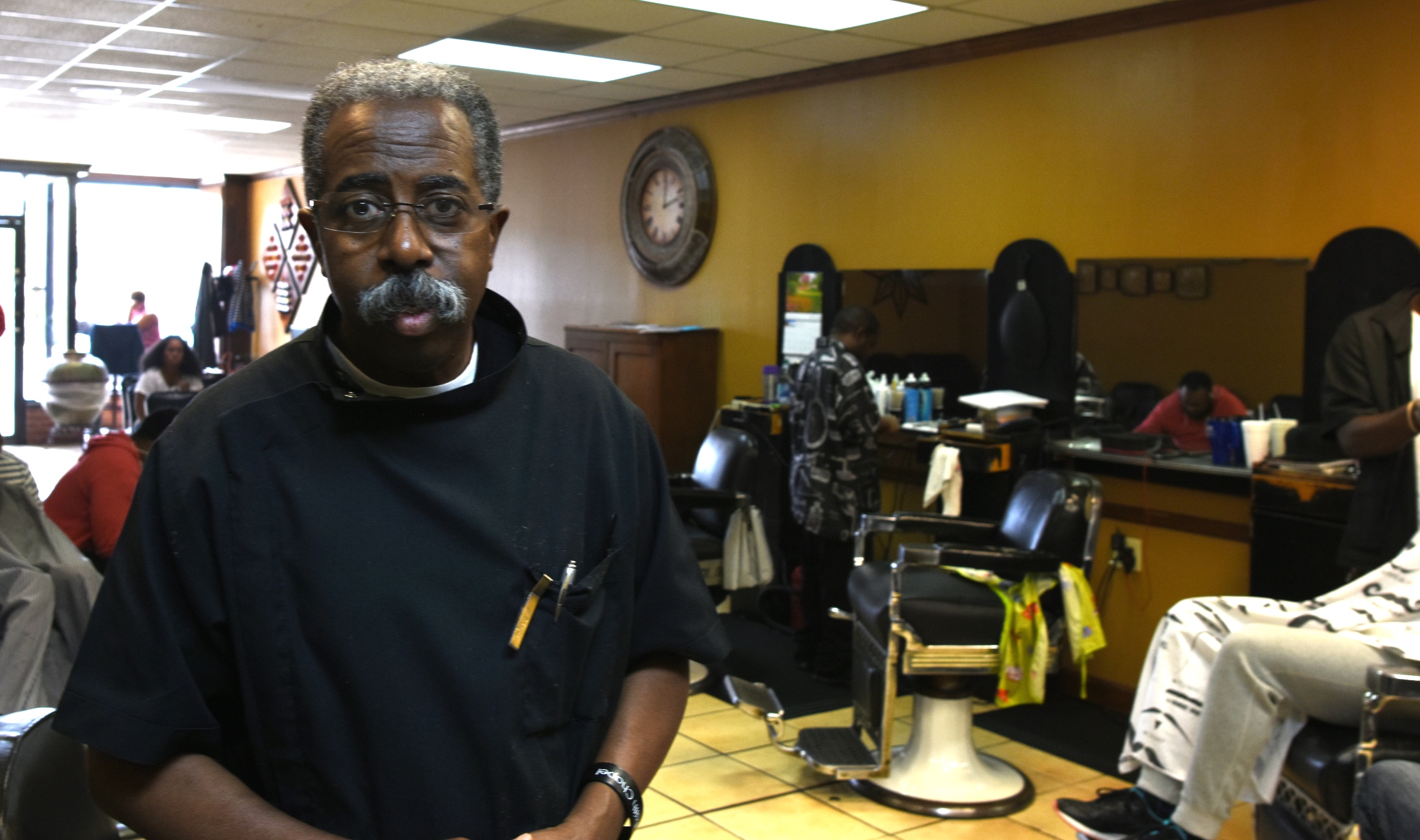
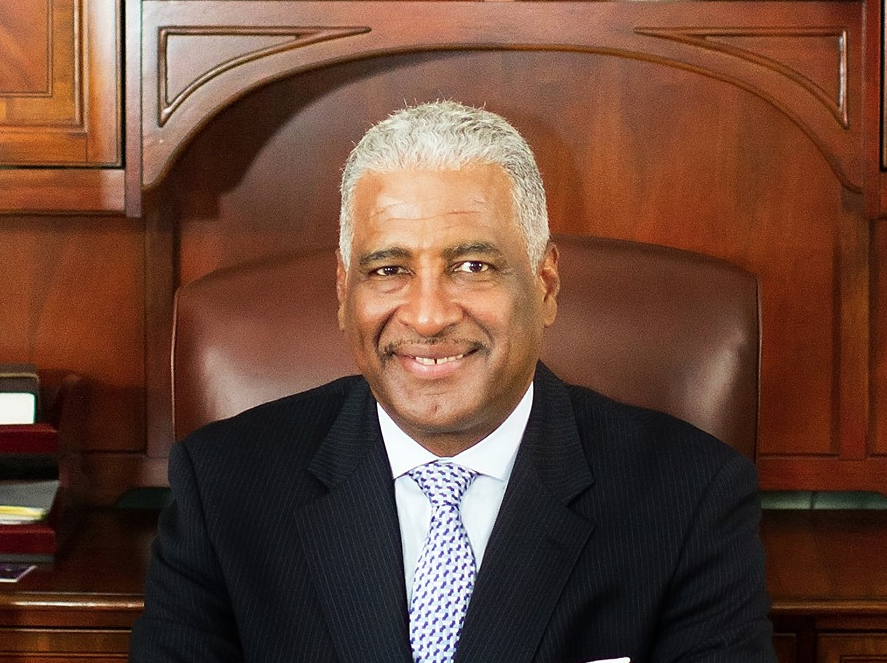
Willie Etheridge, Jr., owner of Etheridge Brothers barbershop in downtown Birmingham, said he learned a lot growing up in the family business. (Solomon Crenshaw Jr. photo).
By Barnett Wright
Times staff writer
Willie Etheridge, Jr., owner of Etheridge Brothers barbershop in downtown Birmingham, said he learned a lot growing up in the family business. (Solomon Crenshaw Jr. photo).
“LeBron or Steph?” “Hillary or Bernie?”
Whether it’s sports or politics, visitors to any barbershop can be assured that discussions about who will win this year’s NBA title (maybe LeBron James or Steph Curry) or who will be the Democratic nominee for president (Hillary Clinton or Bernie Sanders) are likely to be as intense as—or even more heated than—the playoffs or the primaries.
“I joke with some guys that they can’t talk at home, so they come to the barbershop to talk,” said Willie Etheridge Jr., owner of Etheridge Brothers barbershop in downtown Birmingham. “Some people can’t express themselves on their jobs, but they can come to the barbershop and express themselves.”
“Barbershop: The Next Cut,” the third installment of the popular comedy film series hit theaters last week (April 15), but many say the barbershop’s role in the black community is no laughing matter.
“My father owned a barbershop,” Etheridge said. “When I was younger, I would go to the shop to be around men and understand how a man’s supposed to act, how a father’s supposed to be. That was a blessing for my brother and me.”
The Etheridge Brothers—including Willie Sr. and his five brothers—opened their first shop on Third Avenue North in January 1970 and expanded throughout the city. Currently, the business consists of six shops and three beauty salons that employ nearly three dozen in East Lake, Center Point, West End, and other locations.
“I think the community likes to come to a barbershop,” Etheridge said. “They feel more relaxed. They feel like they can talk and be open. We want to make sure our barbershop is a place where you can bring your wife, or your daughter, or your son.”
According to Quincy T. Mills, a history professor at Vassar College and author of “Cutting Along the Color Line: Black Barbers and Barber Shops in America,” the origins of the shops and beauty salons can be traced back to the early 18th century. On plantations, enslaved men and women served as barbers and hairstylists for their fellow slaves, grooming them on Sunday mornings—their only leisure time—to look their best for the day’s church services.
Early barbershops were essentially the original black-owned businesses. Free and enslaved African-Americans hired out by their masters “seized the opportunity to become entrepreneurs in an industry void of white competition, with minimal startup costs and significant profit potential,” Mills writes.
In many communities, black barbershops eventually became anchor businesses. Barbers rented out chairs in their shops to other stylists. Street vendors stopped by to sell their goods.
Willie Etheridge Jr. inside his downtown Birmingham barbershop. (Solomon Crenshaw Jr. photo).
The barbershop became a central gathering place, where people could bond to discuss the latest news, styles, music—and maybe even find a spouse.
Etheridge said, “I’ve seen women and men meet each other in a barbershop and end up getting married.”
Birmingham Times contributor Solomon Crenshaw Jr. contributed to this article.
Some may even be more memorable than the movies they accompany
Movie soundtracks. They serve as backdrops for plot and action, but they can be as enduring as—and even outshine—the movies they accompany. The soundtrack for the recently released “Barbershop: The Next Cut” combines hits from music icons like Earth, Wind & Fire; James Brown; Curtis Mayfield; Luther Vandross, and others. Could that soundtrack rank with some of the others that have left a mark on music?
Here’s a look at 15 standout soundtracks.
Shaft (1971)
Many of the classic blaxploitation films were defined by their soundtracks—and this tour de force might be Exhibit A. The movie starred Richard Roundtree and Moses Gunn, and the double album contained all the elements of a classic. Recorded by Isaac Hayes for the legendary Stax Records enterprise label for Metro-Goldwyn-Mayer’s Soul Cinema Classic film series, the album consists mainly of instrumentals composed by Hayes as the film’s score, as well as three vocal selections: “Soulsville,” “Do Your Thing,” and of course the iconic “Theme from Shaft.” This soundtrack remains Hayes’s best-known work and is the best-selling LP ever released on a Stax label. In 2014, the album was added to the National Recording Registry by the Library of Congress for being “culturally, historically, or aesthetically significant.”
Superfly (1972)
The soundtrack was so popular that it grossed more than the blaxploitation film it accompanied. Curtis Mayfield put together a masterpiece of 1970s soul and funk music boosted by two million-selling singles, “Freddie’s Dead” and title track “Superfly,” as well as songs like “Little Child Runnin’ Wild” and “Pusherman.” Many regard this album and Marvin Gaye’s “What’s Going On” as pioneers of socially aware lyrics about poverty and drug abuse.
Trouble Man (1972)
Following his landmark “What’s Going On” album, Marvin Gaye released this soundtrack to the blaxploitation film of the same name. Gaye wrote all the tunes, including “Poor Abbey Walsh,” “Cleo’s Apartment,” and “Life Is a Gamble,” but the title track may have been among his best. This more-contemporary album, a marked departure from Gaye’s politically charged release of the previous year, would become the soul icon’s only soundtrack and film score.
The Harder They Come (1972)
The soundtrack to this Jamaican crime drama starring reggae star Jimmy Cliff, along with the emergence of superstar Bob Marley, introduced reggae music to a global audience. Only the title track was recorded by Cliff specifically for the soundtrack, which also includes three earlier Cliff songs. The remainder of the album is a compilation of singles released in Jamaica from 1967 through 1972 by artists like the Melodians, the Slickers, and DJ Scotty, as well as seminal early reggae stars Desmond Dekker and Toots & the Maytals.
Cooley High (1975)
The movie, starring Glynn Turman and Lawrence Hilton-Jacobs, tells the tale of a group of friends from the South Side of Chicago who get into trouble—and is considered the black “American Graffiti.” The soundtrack is a classic, as well, featuring songs by the Temptations, Mary Wells, Smokey Robinson & the Miracles, the Supremes, and other Motown acts. One of the most memorable songs, “It’s So Hard to Say Goodbye to Yesterday,” only charted at 38 on the Billboard singles chart in 1975 but hit number two when it was covered by R&B group Boyz II Men in 1991.
Car Wash (1976)
This debut album by R&B band Rose Royce included songs like “I Wanna Get Next to You,” “I’m Going Down,” and the title track, which was a number-one single on the Billboard pop chart. The album, produced by Motown legend Norman Whitfield (who created numerous hits for Marvin Gaye, Gladys Knight & the Pips, and the Temptations), won the 1977 Grammy Award for Best Score Soundtrack Album.
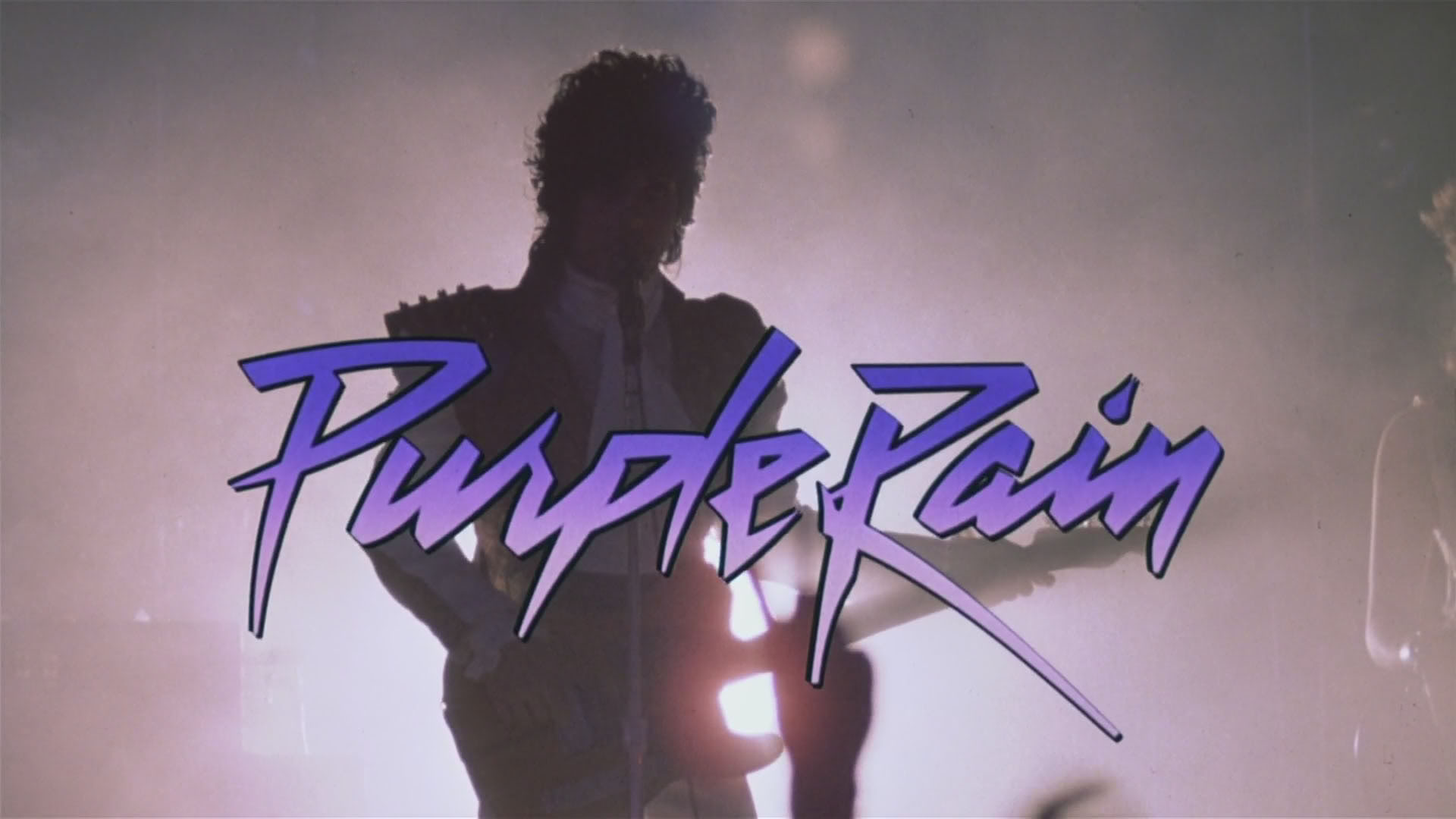
Purple Rain (1984)
This is regarded not only as one of the best soundtracks of all time but also among the best albums in music history. It was ranked the 15th greatest album of all time by Time magazine in 1993 and placed 18th on VH1’s Greatest Rock and Roll Albums of All Time. Rolling Stone magazine ranked it the second-best album of the 1980s and 76th on its list of the 500 Greatest Albums of All Time. In 2012, “Purple Rain”—which has sold more than 20 million copies—was added to the Library of Congress’s National Recording Registry list of sound recordings that are “culturally, historically, or aesthetically important.”
Do the Right Thing (1989)
Any number of director Spike Lee’s soundtracks could have made the list—in fact, two are in our top 15 and another two are among our honorable mentions—but this one features “Fight the Power,” which became a global anthem and helped propel the socially conscious, sometimes controversial hip-hop pioneers Public Enemy into the Rock and Roll Hall of Fame. For the record, R&B group Guy, go-go band E.U., and reggae performers Steel Pulse also contributed to the soundtrack.
New Jack City (1991)
Definitely a new jack soundtrack, this album, was arranged by the king of new jack swing, Teddy Riley, who also served as a producer on the film. This Mario Van Peebles–directed cult classic about crime in the big city, starring Wesley Snipes as drug lord Nino Brown and Chris Rock as crack fiend Pookie, was backed up by a score that featured music from a broad range of then-popular artists: Ice-T, Color Me Badd, Guy, Keith Sweat, 2 Live Crew, Queen Latifah, Christopher Williams, and others.
Deep Cover (1992)
The title track of this film introduced 17-time Grammy nominee Snoop Dogg, collaborating with music superproducer Dr. Dre in his solo debut after his departure from recent Rock and Roll Hall of Fame inductees N.W.A. The rest of album—a mix of hip-hop, R&B, and reggae (courtesy of Shabba Ranks)—serves as the backdrop for this Bill Duke–directed film starring Jeff Goldblum and Laurence Fishburne in the role of an undercover cop who moonlighting as a rising drug lord whose life is slowly blurring out of control.
Malcolm X (1992)
Lee, making his second appearance on the list, wrote in the album’s liner notes, “Many of the artists on this project were friends of Detroit Red/Malcolm Little. Malcolm loved to dance and to be around the music. We have attempted to re-create that music, that sound—the distinct sound of the African-American experience.” Lee also continued, “The songs gathered here … all in some way reflect what it means to live, breathe, die, and love as the descendants of slaves.” Terrance Blanchard produced the film’s score, and the diverse soundtrack featured notables like John Coltrane, Arrested Development, Lionel Hampton, Ella Fitzgerald, Ray Charles, Aretha Franklin, and Duke Ellington.
Dead Presidents (1995)
This soundtrack made up of 1970s R&B, funk, and soul tunes was so nice it had to be released twice. The first one was quite successful—reaching number 14 on the Billboard 200 and number one on the Top R&B/Hip-Hop Albums charts—so Capitol Records released a second volume the following year. Tracks include “If You Want Me to Stay” by Sly & The Family Stone, “The Payback” by James Brown, “Do Right Woman, Do Right Man” by Aretha Franklin, and “Tired of Being Alone” by Al Green, as well as tunes by the O’Jays and Issac Hayes.
Waiting to Exhale (1995)
This seven-times-platinum soundtrack featuring some of the biggest names in the industry at the time—Whitney Houston, Toni Braxton, TLC, Brandy, Aretha Franklin, Chaka Khan, Faith Evans, Patti LaBelle, and Mary J. Blige—remained at number one on the U.S. Billboard 200 album chart for five weeks and the Top R&B Albums chart for 10 weeks. The only question was which artist would go to number one. That would be Houston, with “Exhale (Shoop Shoop),” and Braxton with “Let It Flow.” Brandy’s “Sittin’ Up in My Room,” Blige’s “Not Gon’ Cry,” and the Houston-and–Cece Winans duet “Count on Me” all made the Top 10. Even more impressive, all of the songs, except “My Funny Valentine,” were written and produced by megaproducer Kenneth “Babyface” Edmonds.
Love Jones (1997)
One of the more underrated music soundtracks, this album features spoken-word poetry by actor Larenz Tate plus music by Dionne Farris (“Hopeless”), the Fugees featuring Lauryn Hill (“Sweetest Thing”), and ’90s soul stars Maxwell, Groove Theory, and Xscape. It even includes some classics from Duke Ellington and John Coltrane.
The Best Man (1999)
This movie features just about every member of the ’90s “black pack”—Taye Diggs, Morris Chestnut, Nia Long, Terrence Howard, and Sanaa Lathan. And the soundtrack features songs by equally popular ’90s R&B artists: Jaguar Wright, Kenny Lattimore, Maxwell, and Faith Evans. It also includes music from the legendary Roots crew, as well as a duet with Lauryn Hill and the late, great Bob Marley.
Curious about our honorable mentions—including Boomerang, The Bodyguard and Soul Food? Visit www.birminghamtimes.com
Some may even be more memorable than the movies they accompany
“Barbershop: The Next Cut” hit theaters last Friday (April 15, 2016), giving moviegoers a unique blend of the old and the new. This third installment of the popular comedy franchise pairs cast mainstays like Cedric the Entertainer and Ice Cube with newcomers like Nicki Minaj and Tyga.
And the movie’s soundtrack follows suit, combining hits from music icons like Earth, Wind & Fire and James Brown with cuts from current artists like Aloe Blacc and Leela James.
Here’s a look at 25 soundtracks—15 standouts were featured in the Thursday, April 21, 2016, print edition of the Birmingham Times—worthy of an honorable mention.
Black Caesar (1973)
James Brown, with heavy input from bandleader Fred Wesley, wrote and performed his first score and soundtrack to this blaxploitation classic of the same name starring the man who helped defined the genre—Fred Williamson. This remake of the 1931 film “Little Caesar” is about the rise of a Harlem crime lord. Among the hits on the soundtrack: “The Boss,” “Down and Out in New York City,” and “Like it Is, Like it Was.”
Claudine (1974)
Curtis Mayfield wrote and produced the film’s score and soundtrack. Soul superstar group Gladys Knight & the Pips handled the vocals. The ’70s film brought together James Earl Jones, Diahann Carroll, and Lawrence Hilton-Jacobs as stars, and its theme song, “On & On,” was a number-five hit for Knight & the Pips in 1974.
Sparkle (1976)
The soundtrack was a collaboration of two legends: Aretha Franklin—who sang every song—and Curtis Mayfield, who composed and produced. The album was certified gold and hit the top of the Billboard R&B chart. Franklin’s classic single “Something He Can Feel” was later covered by 1990s R&B group En Vogue.
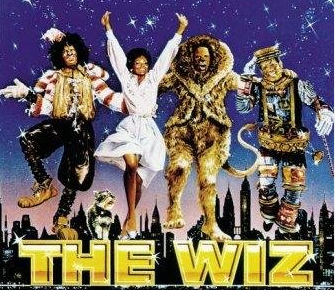
The Wiz (1978)
This original score by music legend Quincy Jones featured “Ease on Down the Road” and other timeless songs performed by the greats—Diana Ross, Michael Jackson, and Lena Horne.
Wild Style (1983)
The original soundtrack is considered by many to be a key record of early-’80s hip-hop. Highly regarded albums—“Illmatic” by Nas, “Midnight Marauders” by A Tribe Called Quest, “Black Sunday” by Cypress Hill, and “Resurrection” by Common—feature samples from the film, which also was named one of the top 10 rock and roll movies of all time by the Rock and Roll Hall of Fame.
Beat Street (1984)
This film about hip-hop culture, including graffiti and breakdancing, was produced by Harry Belafonte, better known for acting and Calypso singing. The two-volume soundtrack features hip-hop pioneers like Grandmaster Melle Mel & the Furious 5, Afrika Bambaataa & the Soul Sonic Force, and the Treacherous Three, featuring beatbox pioneer Doug E. Fresh.
Krush Groove (1985)
The film fictionalizes the story of Def Jam Records and its co-founder, Russell Simmons (named Russell Walker in the film and played by Blair Underwood). The soundtrack features an array of ’80s music stars, including LL Cool J, Sheila E, and the Fat Boys, as well as punk band Blondie’s lead singer and rapper, Debbie Harry.
Jungle Fever (1991)
Spike Lee got Stevie Wonder to record the entire soundtrack—11 original tunes—including “These Three Words” and the title track.
The Five Heartbeats (1991)
Robert Townsend’s film (co-written by Keenan Ivory Wayans) followed the lives of a fictional doo-wop group modeled on acts like the Dells and the Four Tops. The soundtrack features songs performed by the fictional group, tracks by R&B groups the Dells and After 7, and one piece by gospel great Andre Crouch.
Boyz n the Hood (1991)
The landmark Academy Award–nominated debut by director John Singleton became a cultural classic for its look at the lives of several characters in South Central Los Angeles. Movie co-star Ice Cube—who was a member of N.W.A. and a soundtrack contributor—gave the disc incredible street cred. Produced by Stanley Clarke, the soundtrack also included contributions from music legend Quincy Jones, R&B group Tony! Toni! Toné!, and rapper Too Short.
Boomerang (1992)
Some have argued that this soundtrack was better than the film. The movie starred Eddie Murphy, Robin Givens, and Halle Berry. The soundtrack featured equal star power with Babyface, Toni Braxton, Aaron Hall, Keith Washington, Boyz II Men, Johnny Gill, and a Tribe Called Quest. “End of the Road,” which Boyz II Men recorded for the film is considered one of the most successful songs of all time. It was the number one single of 1992 and ranked by Billboard as the 6th most successful song of the 1990s.
The Bodyguard (1992)
Three years before starring in “Waiting to Exhale,” Whitney made her acting debut in this film, opposite Kevin Costner. The soundtrack made Houston the first musician to sell 1 million copies in a single week. She sang most of the tracks, including a remake of Chaka Khan’s “I’m Every Woman,” in addition to “I Have Nothing” and the classic “I Will Always Love You.”
Juice (1992)
This film about four young men growing up in Harlem and facing struggles related to poverty, police harassment, and gang violence stars Tupac Shakur and features cameo appearances by Queen Latifah, EPMD, Special Ed, and other familiar names in the rap game. So it’s no surprise that the soundtrack showcases hip-hop heavyweights like Eric B. & Rakim (“Juice—Know the Ledge”), Big Daddy Kane (“Nuff Respect”), Salt-N-Pepa (“He’s Gamin” on Ya”), Naughty by Nature (“Uptown Anthem”), and others.
Poetic Justice (1993)
The John Singleton–directed film starred pop and hip-hop stars Janet Jackson as Justice and Tupac Shakur as her love interest, Lucky. Jackson did not perform on the soundtrack, but Tupac did, along with fellow rappers Pete Rock & CL Smooth and Nate Dogg, and R&B artists Usher, Babyface, and Tony! Toni! Toné!
What’s Love Got to Do With It (1993)
Tina Turner re-recorded many of her songs from the Ike & Tina Turner period for this album, including their first hit single “A Fool in Love” and three new tracks. The soundtrack also featured two tracks from her 1984 breakthrough solo album “Private Dancer”: “I Might Have Been Queen” and film’s Grammy Award–winning title track.
Above the Rim (1994)
The soundtrack was released by Death Row Records, a year after label founder Suge Knight bailed Tupac out of New York’s Attica prison in exchange for a recording commitment. The soundtrack included tracks by SWV, H-Town, Warren G, and Nate Dogg. The movie featured Tupac as the villain, Bishop, and actor Omar Epps as Q.
Crooklyn (1994)
Spike Lee’s autobiographical portrait of 1970s Brooklyn spawned a two-volume soundtrack that featured classic artists like the Staples Singers, Sly & the Family Stone, the Jackson 5, the Chi-Lites, Curtis Mayfield, and many more.
Space Jam (1996)
Kelly’s ageless “I Believe I Can Fly” carried this soundtrack, which also included tracks from Monica, D’Angelo, Salt-N-Pepa, Coolio, and the Quad City DJs.
Jackie Brown (1997)
Quentin Tarrantino’s updated blaxploitation classic starred Pam Grier and Samuel L. Jackson in leading roles. And the soundtrack featured “Strawberry Letter #23” by the Brothers Johnson, plus an eclectic roundup, including Johnny Cash, Minnie Riperton, Bill Withers, and Randy Crawford.
Soul Food (1997)
The soundtrack featured that era’s biggest music artists: Usher, En Vogue, Dru Hill, Boyz II Men (who sang the movie’s signature, “A Song for Mama”), Xscape, and Total. It also was also noted for the quartet group Milestone—consisting of K-Ci and JoJo of Jodeci fame and Kevon and Melvin Edmonds of After 7—all of whom came together only once for their single “I Care ’Bout You” and the movie appearance.
The Wood (1999)
The throwback film featured a soundtrack with tunes by Biz Markie, D-Nice, Keith Sweat, Teddy Riley, and Eric B. & Rakim. It also included soul classics, including a remake of “If This World Were Mine” by Luther Vandross and Cheryl Lynn.
Love & Basketball (2000)
This soundtrack had everything from Meshell Ndegeocello’s “Fool of Me” to Rob Base & DJ Easy Rock’s “It Takes Two.” Also on the track list: Al Green’s “Love and Happiness,” Rufus & Chaka Khan’s “Sweet Thing,” and Roger’s auto-tune predecessor “I Wanna Be Your Man.”
Ray (2004)
This biopic, largely comprised of Ray Charles’s greatest hits, snagged Jamie Foxx a Best Actor Oscar win. And the soundtrack reignited a passion for timeless Charles hits like “I Got a Woman,” “What’d I Say,” “Hit the Road,” and “Unchain My Heart.”
Dreamgirls: Music from the Motion Picture (2006)
Most of the tunes are performed by the actors in the film, including Jamie Foxx, Beyoncé Knowles, Eddie Murphy, Jennifer Hudson, Anika Noni Rose, Sharon Leal and Keith Robinson. The film adaptation of the musical “Dreamgirls” stands out because of Hudson’s show-stopping “And I Am Telling You I’m Not Going” which covers the Jennifer Holiday version from the musical. By the way, Hudson also won an Academy Award for Best Supporting Actress for her portrayal of Effie White.
Cadillac Records (2008)
It’s hard to portray the story of the rise of renowned blues label Chess Records without a decent soundtrack. Beyoncé Knowles co-starred and recorded five songs, including a cover version of Etta James’s “At Last.” The soundtrack also included contributions from a broad range of entertainers: Mos Def, Jeffrey Wright, Columbus Short, and Eamonn Walker, as well as Raphael Saadiq, Solange Knowles, Mary Mary, Nas, Buddy Guy, and even Elvis Presley.
Claudia Price, left, and Beverly Gaither discuss the next steps for Price as she goes through the home-buying process. (Ariel Worthy/Birmingham Times)
By Ariel Worthy
Times staff writer
Claudia Price, left, and Beverly Gaither discuss the next steps for Price as she goes through the home-buying process. (Ariel Worthy/Birmingham Times)
Claudia Price did not think it was possible to even go through the homeownership process because of her income.
Adding to that, she has multiple sclerosis, which makes it difficult to find homes that accommodate her special needs. Sometimes she needs to use a wheelchair and in many homes doors are too small.
Price was among the several dozen attendees at last week’s Greater Birmingham Homeownership Learning Conference sponsored by Bancorp South, the Jefferson County Housing Authority (JCHA) and the Housing Authority of the Birmingham District (HABD).
The conference, at Birmingham Southern College, was open to the public. It featured workshops and attendees were able to go to sessions related to credit-building, insurance and home inspection and home maintenance.
Price said she began the process of homeownership with the help of Beverly Gaither, who is homeownership manager with the JCHA.
“She is very helpful, if there is anything I need I know I can call her,” Price said of Gaither. “If she doesn’t pick up, I know I can expect a phone call back soon.”
Price said the process of finding a home can be frustrating and “sometimes you just want to give up and ‘say I’m just going to stay where I am.’”
Gaither said everyone can do better and should not get discouraged by the difficulties of finding a home.
“It’s not going to happen overnight,” said Gaither. “It’s going to be a process, and you have to take it slow and steady.”
Price was at the conference to learn more about credit building in hopes of buying a home for her and her two sons.
“Now that I have talked to a lot of realtors, I’ve realized that I can [own a home],” said Price, 35. “I thought that was impossible, but I learned something new.”
“Homeownership is possible for anyone,” said Buffy Murphy, BancorpSouth Assistant Vice President. “I think a lot of people think that’s a nice goal to think about, but a lot of people don’t think the American dream of owning a home is possible.”
People of all ages were at the conference.
Eric Zinnerman, 27, and Brittney Roscoe, 26, attended because they want to buy a home in the next year.
“We really want to gather more knowledge on what we need to have ready to purchase a home,” Zinnerman said. “We want to make sure we are doing it right.”
Cynthia Bennett, 54, said she wanted somewhere safe to live.
“The place I’m living now is substandard,” Bennett said. “It has made me ill from the mold. Nobody needs to live like that.”
” Has the advancement of technology removed people from real intimacy?…”
Whether it’s a waiting room, red light, church, school, hospital, restaurant, gym or park nearly everyone can be seen on their smartphones, either texting, on social media, listening to music or just browsing the web.
Is this newfound means of connection really keeping people disconnected? Has the advancement of technology removed people from real intimacy?
According to Dr. Ioana Shirley, psychiatrist at Psychiatry Consultants LLC., in Birmingham, “It’s not a matter of technology replacing intimacy it’s just a matter of using technology and adjusting to it instead of allowing it to evolve our lives. In some ways I think the actual intimacy can be better, but it can also be worst . . . there is a fine line because smartphones are also very helpful. There is therapy on the phone and information that people otherwise wouldn’t get.”
Smartphones also have a downside for some business owners, said James Lewis, Owner and Chef at Bettola Restaurant in Birmingham.
“Not only are smartphones replacing intimacy it can also cause problems at work, especially when people are addicted to it, they either keep looking at it, using it or playing on it when they’re not supposed to, so there is a constant struggle of that happening within the business,” Lewis said.
Another problem, he said, is when you text “you could be saying one thing but it can come off completely different and that creates a rift that didn’t need to be in the conversation in the first place.”
Some lawyers point to the impact of phones in the legal arena.
“Smartphones and social media have changed the landscape of the evidence that is available in personal injury and divorce cases,” says attorney Patrice Blankenship of Blankenship and Associates, PC. “What you find is that infidelity and inappropriate relations are more easily proven with the new technology, texting and social media. Phones have a major impact on the infidelity grounds for divorce as far as being able to prove it. But it is very hurtful to the other party because they know exactly what their spouse is doing.”
Blankenship admits that she often communicates with her clients via text or email, because it’s more efficient, but when it comes to personal relationships she feels that technology does remove intimacy.
“Even though people use capital letters when texting it’s still not the same as face to face communication,” she said. “I still had to get myself abreast with a lot of the abbreviations, because I didn’t know what they meant, so I had to get one of my nieces or cousins to help me with that . . . I’m still learning it. But it does impact the way we communicate.”
According to a study by the Pew Research Center, 68 percent of U.S adults have a smartphone, up from 35 percent in 2011. Their research shows 86 percent of those 18-29 years of age have a smartphone, along with 83 percent of those ages 30-49 and 87 percent of those living in households earning $75,000 and up annually.
Lebaron Marks, of Marks Media Cinematography LLC., in Birmingham, who is in that 30-49 age range admits that he uses his smartphone for everything, but he can’t deny its negative impact when it comes to real human interaction. “It’s a more convenient way to communicate, but it is making things less personable than they use to be,” he said.
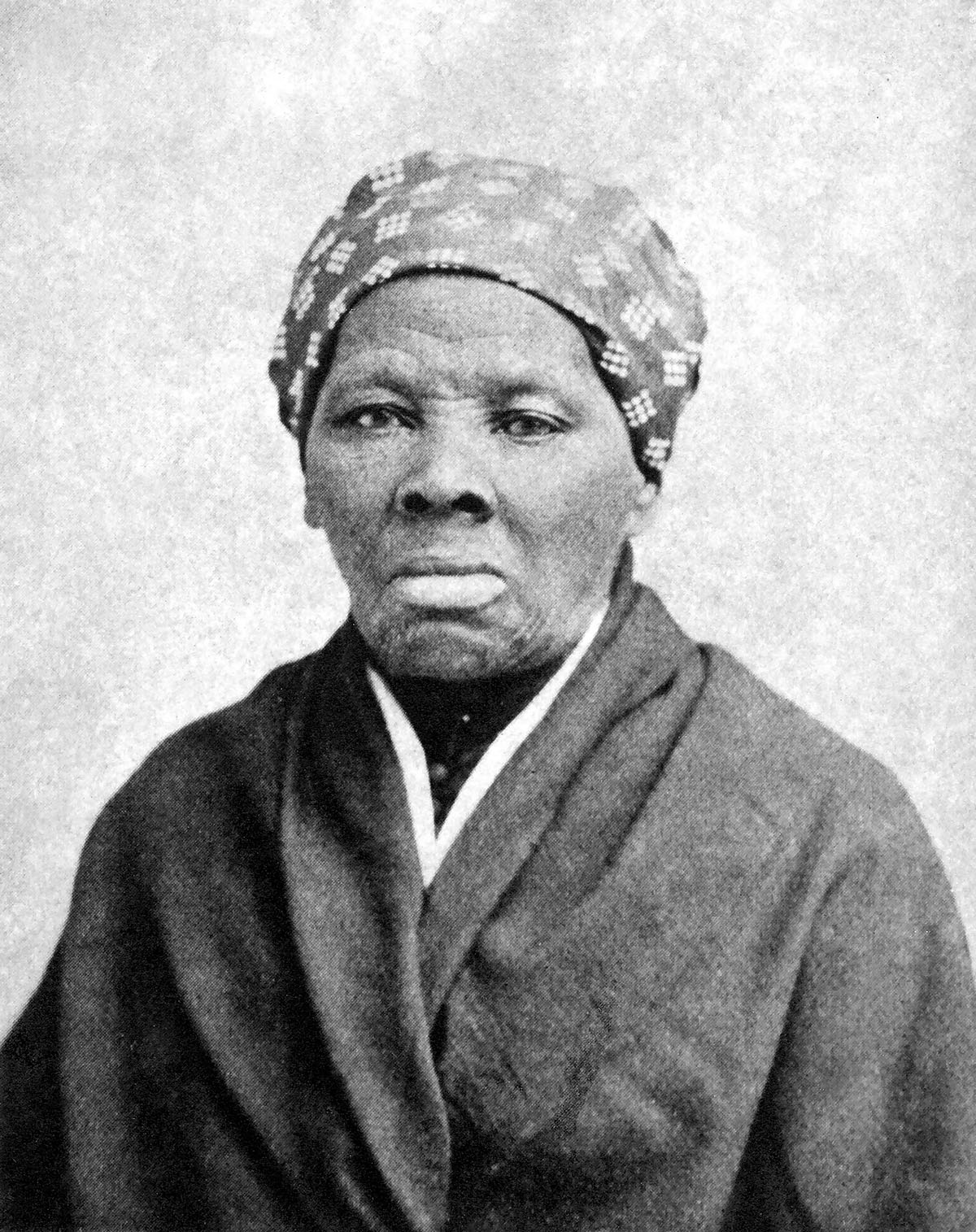
It is official. The first woman will be on U.S. paper currency in 100 years.
On Wednesday treasury officials announced Secretary Jacob Lew has decided to put Harriet Tubman on the $20 bill.
The official, who spoke on the condition of anonymity, says that the 19th century abolitionist and leader of the Underground Railroad was chosen to replace seventh U.S. president Andrew Jackson.
Lew’s announcement is expected to also provide details on other changes being made to other paper currency.
The decision to place Tubman’s portrait on the $20 likely means that Lew decided to keep Alexander Hamilton on the $10, which is a victory for those who opposed his initial plan to remove Hamilton.
The $10 bill is the next note scheduled for redesign to introduce updated protections against counterfeiting. The redesign is scheduled for 2020, which would be the 100th anniversary for women’s rights to vote. Lew often cited a connection as a reason to put a woman on the $10 bill.
Objection ran strong from supporters of Hamilton, who also happens to have a hit Broadway musical, “Hamilton.”
There is expectation that Lew will propose replacing the Treasury building, which is currently on the $10 bill, with a mural-like depiction of the suffrage movement.
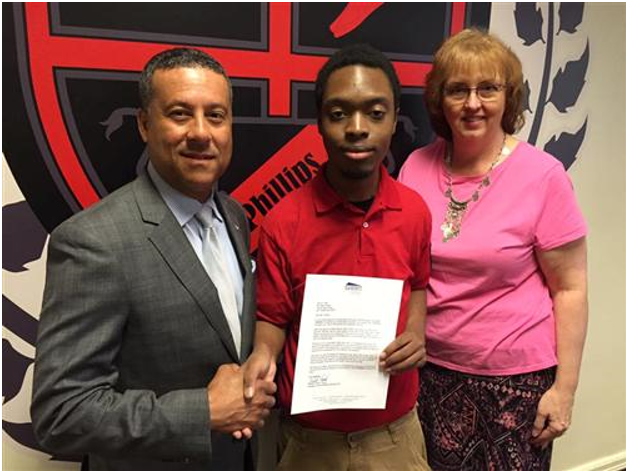
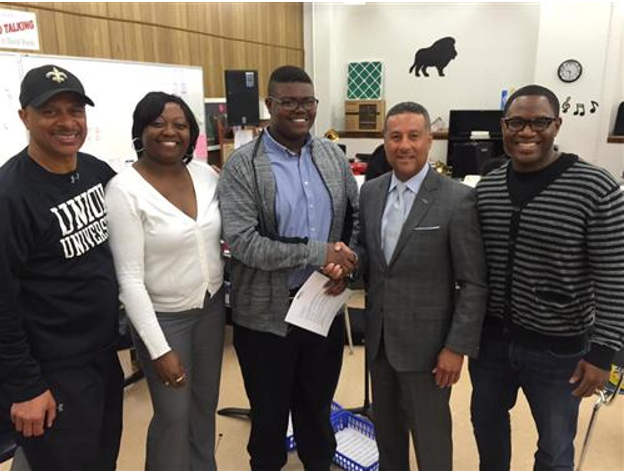
Phillips Academy seventh grader Jaeden Henderson, (center) meets with Summit Media Entertainment President Chuck Faush at Phillips Academy. Also pictured, from left, are Jaeden’s music teacher, Joseph Smith III; Sonjanika Henderson, Jaeden’s mother; and Grammy-nominated performer Alvin Garrett. (Photo by Chanda Temple)
Get ready for lights, camera and action as Summit Media Entertainment celebrates Birmingham heroes with national reach and influence during the FUSION Awards on Friday, April 22 at the BJCC arena at 6 p.m.
“We are celebrating passionate innovators, creators and leaders who’ve done so much to spark major change for Birmingham and beyond,’’ said Summit Media Entertainment President Chuck Faush.
“We have about two dozen honorees, including (former Huffman High School and University of Alabama star) Marcel Dareus, a defensive tackle for the Buffalo Bills; Bill Clark, UAB’s football coach; and Allison Green of Lincoln Financial.’’
While most of the nominees are adults, two nominees are Birmingham City Schools’ students. They are Phillips Academy seventh grader Jaeden Henderson and Carver High School senior Sady Fofana.
Jaeden, a pre-AP student with a 3.0 GPA and his first single in the works, will join Grammy-nominated songwriter Alvin Garrett in performing at the awards show. Garrett’s “By Myself” single is the No. 1 requested record for the Summit Media Entertainment radio stations in Birmingham.
Fofana’s 3-D animation production was one of 10 selected to be highlighted in an international competition in Hungary. While there were shorts submitted by several countries, Fofana’s animation was the only video selected from the Western Hemisphere. In 2015, Fofana won the Statesman Award through Skills USA Career Tech. He is also president of the Skills USA Career Tech at Carver High School.
“FUSION is, by design, an adult recognition program. But we were blown away by these students,” said Faush. “We see their passion. They are examples of what FUSION is all about – local talent with a national reach.”
“We feel that we have two super stars that the world needs to know about. We are grateful for Birmingham City Schools nurturing them and encouraging them.”
Several performers are scheduled to appear, including the Carver High School’s choir.
The event will kick off on April 22 with free workshops centered around branding, marketing, leadership, networking and more. Doors for the workshops will open at 4 p.m. Sessions, led by area and national business leaders, will be held from 4:30 to 5:45 p.m. in the BJCC Arena Club. The sessions, which will also include guest star appearances, are free.
Want to know how to advance in a male-dominated field, entrepreneurship, community leadership and creative personal pursuits? Check out the Fearlessly Forward panel discussion on April 22 with Kathleen Hamrick, director of the UAB iLab at Innovation Depot; Natalie Bolling, a financial institutions litigator and employment lawyer with Baker, Donelson, Bearman, Caldwell & Berkowitz; and moderator Javacia Harris Bowser of See Jane Write.
Other workshops will include Regions’ session on identity theft; Coca Cola’s session on branding and diversity; Corbitt Chandler, vice president of marketing for IronTribe, and Just a Few Cats’ front man Alvin Garrett discussing how drive, dedication and determination led to their success; and how to expand one’s marketing, social media and public relations footprint with insight from Esther Franklin of Starcom MediaVest Group. There will also be a business speed networking event with industry experts.
Then at 6 p.m. in the BJCC arena, entrepreneurs, professionals and others will be recognized during a ticketed dinner. The 6 p.m. awards ceremony is sold out. For more information, visit www.fusionbham.com.
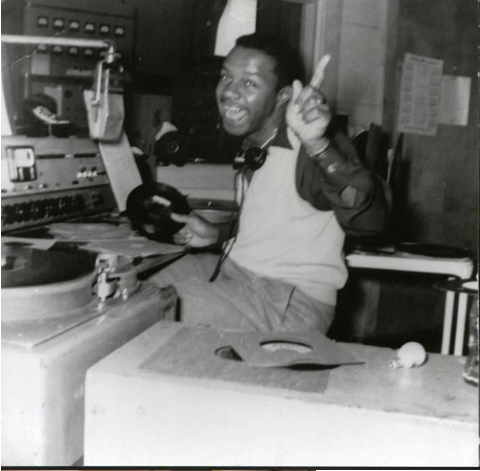
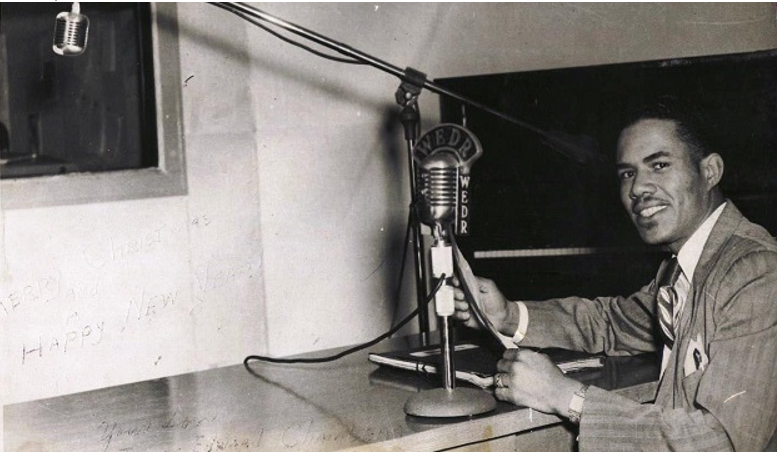
Ed Chambers, a sportscaster with WEDR-AM 1220 is shown in this 1950 photo (Alabama NewsCenter contributed)
Peer into the archives of the Birmingham Black Radio Museum and you will find much of the multilayered history of Jefferson County.
The airwaves of this most democratic medium promulgated the unique sound of the area’s gospel and rhythm-and-blues music, shepherded black enterprise into a major business force, and helped knit the social fabric that defined the black community in the state’s largest city.
The Birmingham Black Radio Museum (BBRM) project began amassing interviews, pictures and memorabilia in 1992 and received its not-for-profit status on 2004. Its goal was to organize and preserve that history and make it available to scholars and the public. The collection now spans the 1930s through the 1980s and is archived at the historic Carver Theatre in downtown Birmingham.
Black radio stations were crucial to the success of the civil rights movement in Birmingham. Announcers such as Paul “Tall Paul” White played important roles on and off the air in support of marches, boycotts and other forms of direct action. He would remind schoolchildren of their “commitment to do their homework” and tell them “you know what you need to do today.” The communication may not have been a direct call for action, but many people consider it as coded signals.
The Birmingham Black Radio Museum collection now spans the 1930s through the 1980s and is archived at the historic Carver Theatre in downtown Birmingham.
BBRM board member Gwen Webb, a Western-Olin High School student in the days of fire hoses and police dogs in 1963, remembered how radio helped spread the word of demonstrations. She said Martin Luther King Jr. lieutenant James Bevill “saw how Tall Paul was in tune with the young people through sock hops and his system of daily ‘check-ins’ from each school to his morning call-in show. Bevill used that check-in method at the staging areas for the marches and showed Dr. King what Paul could and would do for the movement.”
King later credited White for motivating the youth marches that filled Birmingham paddy wagons and helped lead to the success of the demonstrations.
White’s early life and career are featured in “A Radio Hero,” a BBRM video available for presentation to groups and events.
The BBRM grew out of a 1992 project to commemorate the 50th anniversary of the founding of black-owned radio station WJLD. Sales manager and part-time announcer Bob Friedman developed the project. “As I began to compile information, the breadth and depth of Birmingham’s unique radio history became apparent. It begged for a treatment that would go beyond just WJLD,” said Friedman, now BBRM project director.
As he developed the WJLD history, Friedman met Edward McClure, a former disc jockey known by his on-air moniker, “Johnny Jive.” McClure brought him a scrapbook overflowing with still photos and newspaper clippings from his years in radio. “This treasure-trove of material led to many other sources of radio history,” Friedman said.
For example, a colleague at the Birmingham Civil Rights Institute found an old reel-to-reel recording tape in a box labeled WJLD. “It turned out to be an invaluable interview with Rev. Fred Shuttlesworth in 1966 on the 10th anniversary of his founding of the Alabama Christian Movement for Human Rights, an organization created after the NAACP was banned from Alabama,” Friedman said. “And when black business legend A.G. Gaston passed away, we were given the opportunity to copy his personal collection of 8×10 photographs related to radio.”
A rich source of material was from local black photographic studios as their owners died or went out of business. The collection includes images of gospel quartets and radio personalities, from Graf Studios in Bessemer, Morrow Photography of Fairfield, McNair Studios of Birmingham and others.
Many photographs are unidentified, but the BBRM hopes to change that. Friedman said, “One of our responsibilities under a grant from Alabama’s State Archives is to develop a website which will allow anyone to view and provide information on our historic material.” The museum (205-902-9487) is interested in talking with anyone who has items that might have a place in its collection.
Friedman, who came to Birmingham in 1987 as a community organizer, was an experienced record collector with discs of black gospel and rhythm-and-blues groups of the 1940s and 1950s. As a teenager in New York City, he lent his bass voice to doo-wop groups and became enamored of the complex harmonies and rhythms of black gospel quartets. At WJLD, Friedman would discuss the music with the Rev. Don Solomon, who hosted the Sunday morning Gospel Train program. That mutual musical interest led them to help organize the gospel group The Pillars of Birmingham, in 2005.
“Our discussions excited my appreciation for the ‘Jefferson County sound,’ a recognizable a capella gospel harmony that emerged locally as rural blacks migrated to the mines and steel mills surrounding Birmingham,” Friedman said. Popularized through radio, the unique call-and-response harmony and rhythm combined the feel of the cotton fields with that of the industrial urban South into a haunting, powerful sound. That music and the groups that sang them, such as the Ensley Jubilees, the Four Eagles, the Delta Aires and the Sterling Jubilees, form an important part of the museum’s collection.”
This slideshow requires JavaScript.
Secular music also was important as a programming tool. Stations promoted major performers of the post-World War II years, such as Dinah Washington, Charles Brown, B.B. King, the Clovers, and the Five Royales, headliners at the jazz and jive clubs that sprouted up along local highways and back roads. Black radio announcers became stars themselves as they hosted entertainment and sponsored platter parties and sock hops in the teenage scene that developed in the late 1950s. Photos, posters, radio logs, news clippings and other BBRM memorabilia document the period.
Some announcers also became targets of racists. A 1960 Birmingham News clipping reported Shelley “The Playboy” Stewart being attacked by the Ku Klux Klan when he hosted a dance for white teenagers. And Dwight “Gatemouth” Moore and Jesse Champion were among those “asked to leave the city” by Police Commissioner Eugene “Bull” Connor, according to interviews in the museum archives.
In a 1967 speech to a national organization of black announcers that can be heard on “A Radio Hero,” King urged the group to “appreciate the role radio can play in the lives of our people” and to “be aware of the power and potential of your vocation.”
That admonition, Friedman said, “was fully realized by black radio pioneers of Birmingham and is the great legacy preserved by the BBRM.”
– See more at: http://alabamanewscenter.com/2016/03/30/birmingham-black-radio-museum-maintains-unique-aspect-local-heritage/#sthash.v7MK1h4b.dpuf
The City of Birmingham along with community and neighborhood leaders will commemorate the five year anniversary of the April 27, 2011 tornado with a series of events. On Tuesday, April 26th at 9:00 a.m. the City will continue with the “super block” concept for the Pratt City Community with the arrival and meeting with designer Tom Leader. Tom Leader will be on site for a three-day planning and design visit.
Tom Leader Studio, the design firm that gave the City Rail Road park, has been engaged to craft and create this iconic space for the existing and new residents of the Pratt Community. The engagement of Tom Leader Studio will allow the City to work with a known, internationally acclaimed team.
The City is implementing the ideas set forth in the Regional/Urban Design Assistance Teams (R/UDAT) that visited the city after the storms and which calls for a community node to be located around the existing Pratt Library. This node will have increased connectivity and residential density to create an identity and sense of place. Paramount to this is the deployment of a world class park and community center to act as a community green or front yard and a civic gathering space and provide the framework for new housing construction in the area.
“Railroad park was the catalyst for the development we now see in that area. We are hopeful that by using the same overall concept and the same team that developed Railroad Park, we will have that same transformative impact in this neighborhood. What the park and community center ultimately become will be based on the needs and desires of the residents and stakeholders of the area,” said Mayor William Bell.
It is anticipated that the park and community center will share the same “super block” as the existing Pratt Library and that integrated housing will be constructed to create a solid fabric to continue to stitch the community back together.
In addition, Pratt City Community leaders will host a Commemorative Celebration to be held on both April 27 and April 30, 2016.
Residents in the Pratt City Community will hold a commemorative worship service on April 27, 2016 at Bethel Baptist Church (1708 Spencer Avenue) at 5:30pm. A Community Commemorative Festival Saturday April 30, 2016 from 11am-4pm at the Howze-Sanford Recreation Center located at 320 Avenue D Pratt City.
“Both events show a true spirit of life and revitalization,” said the Mayor. Over the past 5 years the Pratt City Library has been rebuilt, new housing, a new fire station along with the “superblock” plan for new housing and green space.
“We come together as a community in celebration of life, love and thanking God for enabling us to survive the storm. Although we had one fatality in 2011, we are thankful for being able to look back and see how far we have come since that devastating time. “ Leroy Bandy, Central Pratt Neighborhood President and Vice President of Pratt Community.
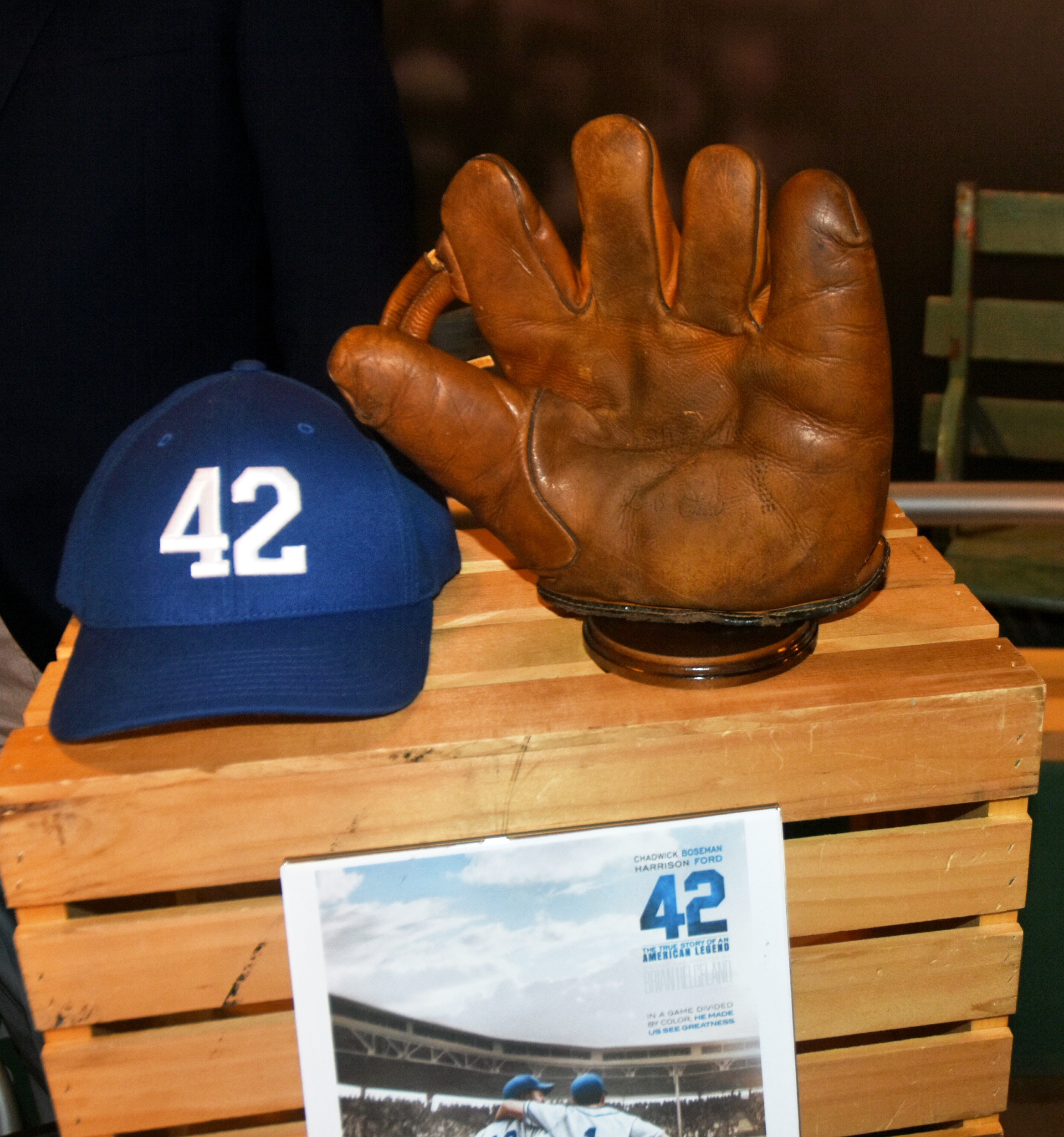
Vintage Brooklyn Dodgers cap and glove on display at the Negro League Southern Baseball museum in downtown Birmingham.
Brooklyn Dodger broke the game’s color barrier 69 years ago this month
By Solomon Crenshaw Jr.
Special to The Times
Eudy Pina (right) gives dap to teammate Marcus Lemon during evening to celebrate baseball great Jackie Robinson. (Solomon Crenshaw Jr. photo).
Jackie Robinson, the first black to play major league baseball, was perhaps the second most powerful figure in the Civil Rights Movement behind Dr. Martin Luther King Jr., one local baseball official says.
Friends of Rickwood chairman Gerald Watkins, who attended festivities in Birmingham last week to honor Robinson, believes the baseball great had an impact similar to the Civil Rights icon.
“Proving that people could play together did an awful lot to bring the races together,” Watkins said. “Once you play ball with someone, you develop a bond that can’t be developed in many other ways.”
Vintage Brooklyn Dodgers cap and glove on display at the Negro League Southern Baseball museum in downtown Birmingham.
Robinson broke the baseball color line when the Brooklyn Dodgers started him at first base on April 15, 1947.
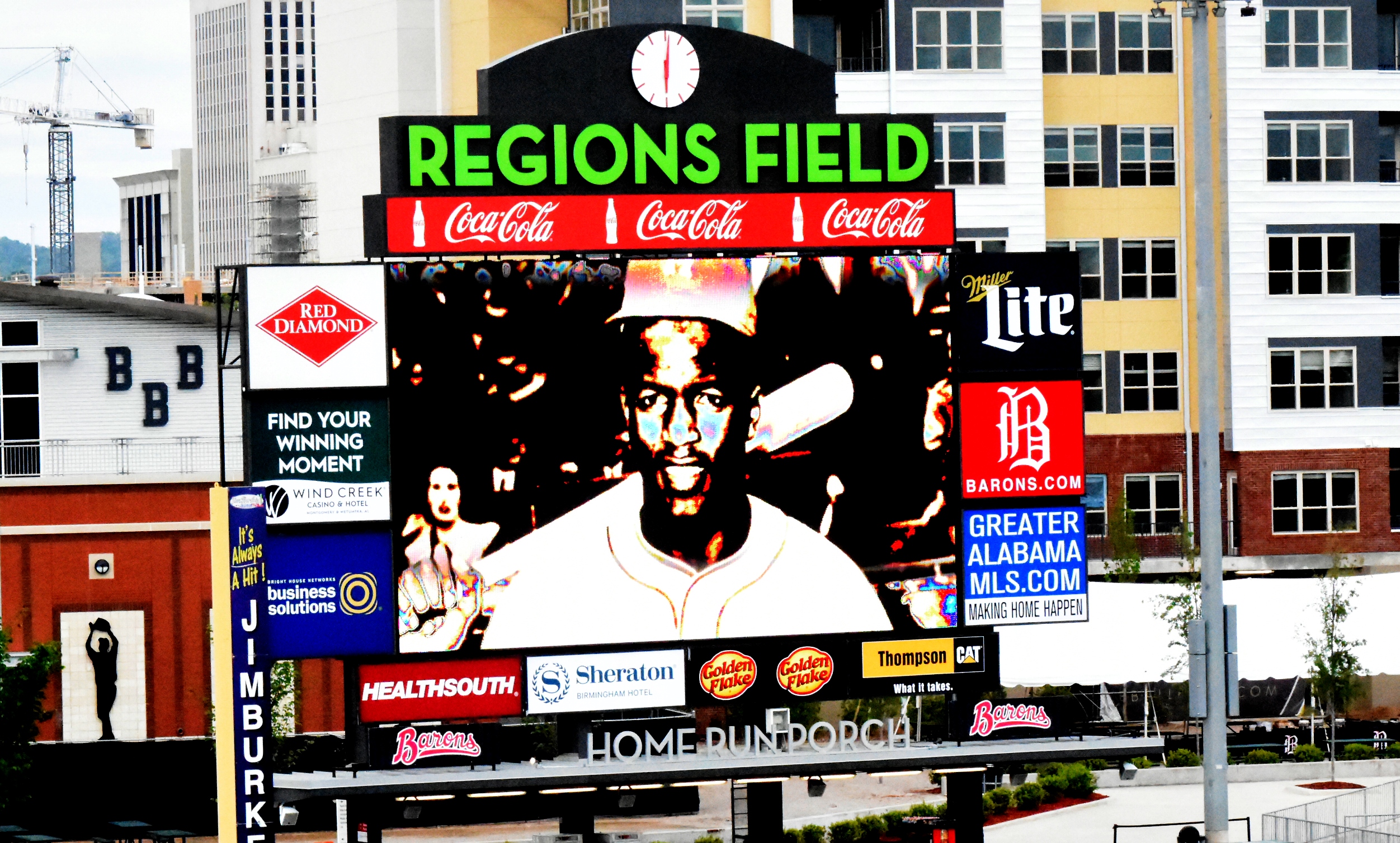
The Birmingham Barons and neighboring Negro Southern League Museum last week celebrated Jackie Robinson Day with festivities that included all 26 Barons players, the manager and two coaches wearing Robinson’s No. 42 for their game against the Tennessee Smokies at Regions Field and a pregame showing on the scoreboard of a PBS documentary about Robinson.
Natasha Rogers, director of the Negro Southern League Museum, said it was only fitting to remember Robinson as he honed his skills in the Negro Leagues.
Fans were treated to the PBS documentary “Jackie Robinson” before the game. (Solomon Crenshaw Jr. photo).
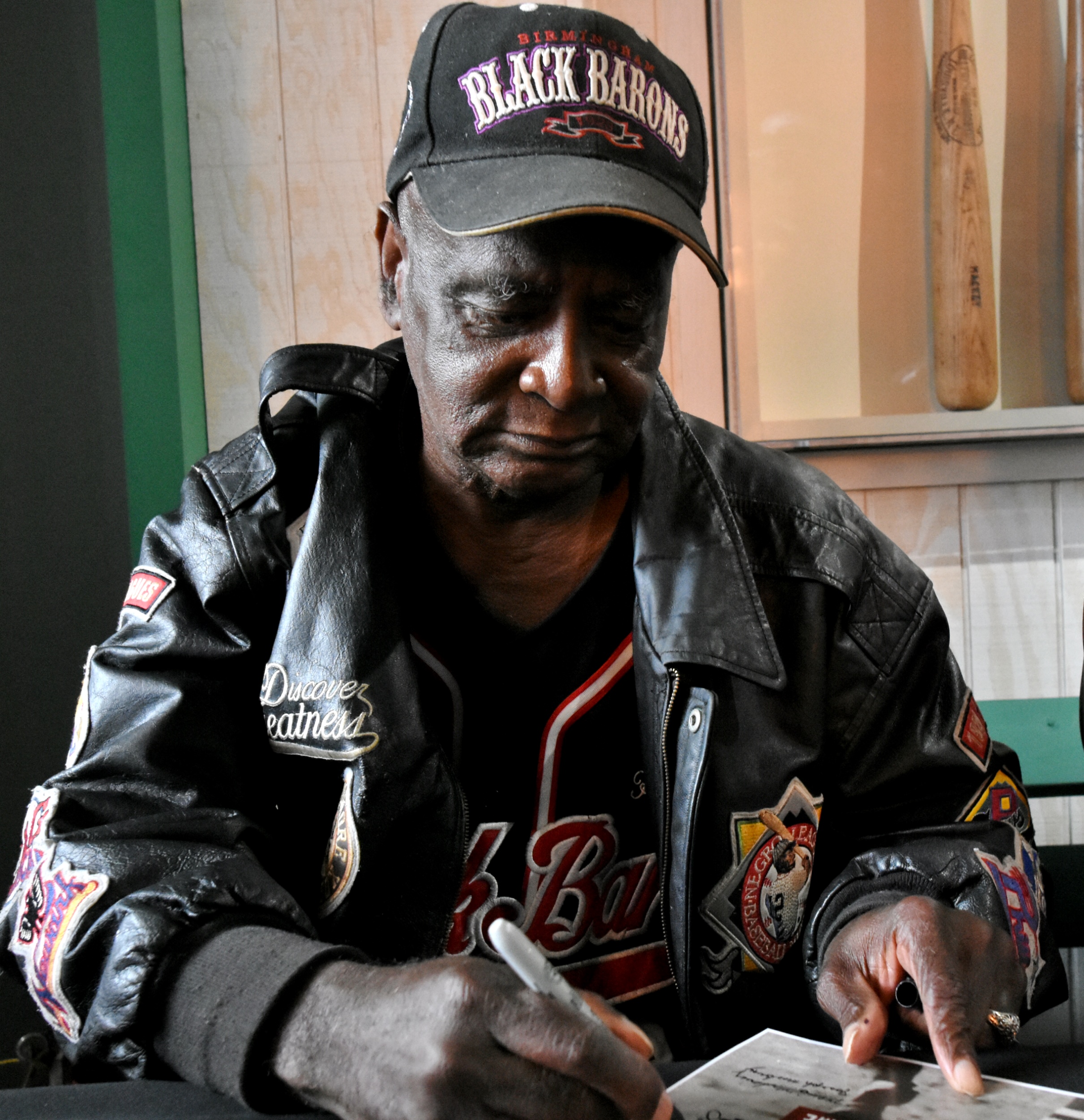
The museum hosted former players signing autographs and had performances by the Miles College band and singers from Tuscaloosa’s Alabama Choir School.
Clayton Sherrod, a renowned local chef who annually hosts a reunion for former Negro Leaguers, said Robinson’s historic step was not just about baseball. It was also about giving black people a chance “not only in baseball but in other areas,” he said.
Henry Elmore, a former Birmingham Black Baron, said Robinson was given the “right break and he was the right one to go up.”
“There were some guys who probably would have went up before him but they had bad attitudes,” he said. “Jackie had the right attitude.”
Robinson’s historic integration of the major leagues eventually signaled the end of the Negro Leagues. The Dodgers, by playing Robinson, ended the racial segregation that had relegated black players to the Negro Leagues since the 1880s.
But the move paved the way for players like Barons shortstop Marcus Lemon. The son of former major leaguer Chet Lemon played his first game for a minor league team that celebrated Jackie Robinson Day with No. 42 jerseys.
“It was a big deal for me,” he said. “It was a privilege. It really meant a lot to put on that number. To have the opportunity to be on the field with all these guys because of Jackie Robinson is just an honor. Obviously I wouldn’t have this opportunity if it wasn’t for him.”
The jerseys worn by the Barons Friday night were patterned after those used by the old Brooklyn Dodgers. The jerseys were auctioned off during the game as a fund-raiser for the Negro Southern League Museum.
Former Birmingham Black Baron Henry Elmore signs autographs. (Solomon Crenshaw Jr. photo).