Home Blog Page 1204

Can You Get Out Of Your Own Way?

0

Barbershop Talk

by

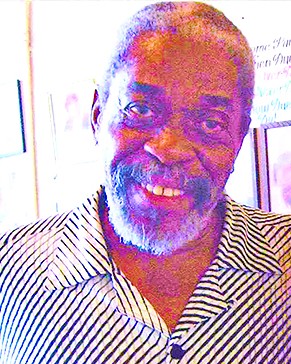
Pete Stone

As a barber I have witnessed many people participating in the shop talk issues, and many of them expected the same results to their conversational exchanges from each group of clients that came into the shop while they were talking.

Character is a distinguishing feature of a person in a shoptalk setting, but the essential character of many African Americans is typical of the Willie Lynch Syndrome that taught the slaves to distrust each other. Barbershop talk taught me that the Willie Lynch mis-education of the Black man is still in many of us today. I have lost many customers because they turned a conversation into an argument in my shop and lost the argument. A black business person must be on the alert for warning signals of people who can’t get out of their own way or risk losing a customer because of mis-trust.

The African American communities  in America are dying out because of the absence of key black owned business operations such as grocery stores, in Birmingham, we have had two grocery stores that were black owned, but we couldn’t get out of our own way and we lost them. In my opinion we as a people must start spending our money and our trust with each other if we are to survive and build an ecomomical future in America, we must get out of our own way. Now I am not asking you to believe this because I said it, I am asking you to study o show your own self approval.

Contact me at (205) 243-844

That’s Love

0

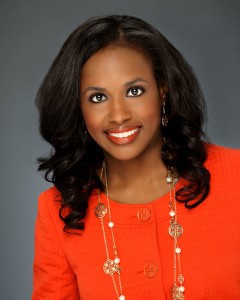
By L’Tryce Slade

I am reminded during the Valentine’s Holiday season about what love is. Love means different things to different people. One thing that most people will agree on is that love is sacrifice. 

We all come to a point in our life that we must think about in life what we are willing to sacrifice for our religion, family, careers, and community. 

One thing is clear, if you are not living your life in order to make a sacrifice in an area of your life, then you are not truly living. 

I challenge you as you reflect on February as the heart month, that you commit your heart to making your religion, family, career, and community better. 

Live each day with resilience, and conviction that comes from the heart. 

I believe that we do not necessarily choose a direct path in life, but yet we are given options that will ultimately map our life. 

Let’s live each day making the best choices, not only for us but those around us. That is true sustainability- making the world better for those that come behind us. 

In order to achieve true sustainability, we must tap into what makes us wake up each day with the desire to make a difference in the world. My path is being what I call the “dirt” lady. A woman in the construction industry (General Contracting, Geotechnical Services, Construction Material Testing, Environmental Consulting, and Urban Planning) that is passionate about making career opportunities for others to support their families, which will lead to affecting the next generation’s sustainability. 

Ask yourself, what is your path?

L’Tryce Slade, MRP, JD

HYPERLINK “http://www.sladellc.com” www.sladellc.com

Lslade@sladellc.com

https://www.facebook.com/pages/Slade-Land-Use-Environmental-and-Transportation-Planning-LLC/246496148701

More Comments on Credit Cards

0

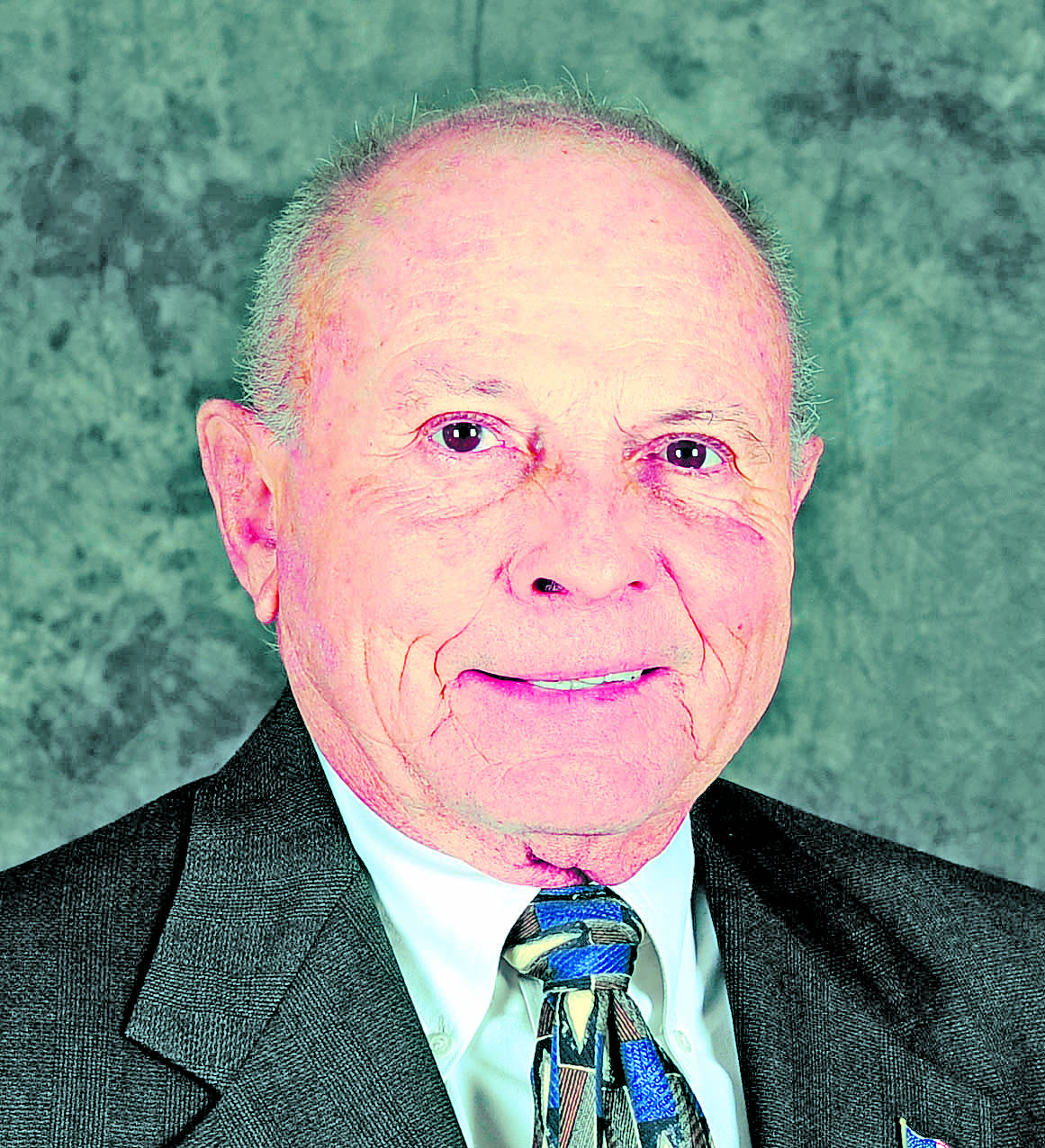
By Wayne Curtis

Why are you always so negative on the use of credit cards?” The question is from a regular reader of this column regarding comments that have, admittedly, not cast credit cards in the best light.

Credit cards are not all bad. Used responsibility — and this is problematic for many people — they can be beneficial. They allow consumers to make purchases conveniently. They can be used to build a credit history. And some have good rewards programs.

But keep in mind convenience can be the Achilles heel for many people. It allows them to overspend. Many spend without thinking about the consequences. Before they realize it, they will have accumulated so much debt that it is impossible for them to pay it off on a monthly basis. The finance charge on the balance is high, usually 15 percent to 18 percent.

Credit cards are fine if the user has the discipline not to overspend and if the balance is paid in full each month. This way, card holders can avoid the high interest rates associated with unpaid balances each month.

For readers who may be considering acquiring a credit card, there are some pitfalls to avoid. Beware of introductory offers and bonuses promoted by card issuers. Remember that card companies are in business to make a profit, and the end objective is to entice people to spend more money.

While introductory offers can be attractive, they often are costly in the long-run.

The bottom line is that these types of programs can be beneficial if used properly. But using a card for the sole purpose of getting rewards does not make sense if this leads to large monthly balances that carry high interest rates.

Another potential pitfall is store credit cards that offer free financing for purchases in excess of a certain amount for a fixed period of time. With “deferred interest” financing, the total amount must be paid within the specified period. Interest starts accruing from the day the purchase is made. If the total amount is paid within, say, 12 months, no interest is charged. But if any balance, however small, is left, all of the interest that accrued will become due and payable.

Someone said that credit cards can be a consumer’s best friend or worst enemy. No truer statement has ever been uttered.

Wayne Curtis, former superintendent of Alabama banks, is a retired Troy University business school dean. Email him at wccurtis39@gmail.com.

Electrical Safety at Home

0

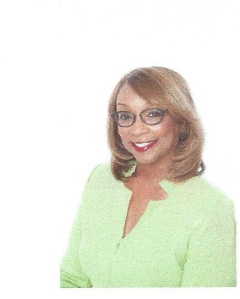
BY Samuetta Drew

Electrical Home Safety is a topic we will review this week.

The Consumer Safety Product Commission (CSPC) has declared February as National Electrical Safety Month “to bring awareness to the dangers of electrical accidents in the home and to encourage homeowners to take greater precautions in this area”. It has been reported that U.S. fire departments have responded to approximately 47, 820 reported home structure fires involving electrical failures or malfunction between 2007 and 2011 resulting in 1,518 injuries, 47,820 deaths and $1.5 billion in property damages.

Yes, electricity has been a marvelous invention. It has positively impacted are lives in ways we now take for granted. It is has made our lives much easier and convenient but, we must be aware of its potential dangers when not used properly. Unfortunately, we all can recall a story about a young child being shocked by putting a metal object in an electrical outlet or someone who plugged in a lamp with faulty wiring only to receive an electrical jolt. Therefore, there are some safe guards we need to practice in our homes daily.

Let’s begin with the importance of a) replacing or repairing damaged or loose electrical cords, and b) not running extension cords across doorways or underneath carpet. You should consider having additional circuits or outlets added by a licensed electrician to prevent from having to use extension cords.

It is important that you not overload your outlets. Plug only one high-wattage appliance into a receptacle outlet. Follow the manufacturer’s instruction when plugging an appliance into a receptacle outlet. Cover all exposed receptacle outlets with tamper-resistant (TR) receptacles if you have infants, very young children or low performance special needs individuals in your home. Avoid allowing young children from plugging and unplugging small appliances. 

Make sure your home has ground fault circuit interrupters (GFCIs) in your kitchen, bathroom(s), laundry, basement or outdoor areas. Installation of these circuit breakers allows harmful current flowing from an outlet to be detected and stopped before an injury can occur.

If outlets or switches feel warm, frequent problems with blowing fuses or tripping circuits, or flickering or dimming lights, call a licensed electrician. This could be an indicator of a serious problem.

Other common precautions are placing all lamps on a level surface. Only use the manufacturer’s recommended bulb wattage in your lamps as well as in your ceiling lights and outdoor lights. Avoid using hair dryers near your bathtub or sink.

Even though electricity is one of man’s greatest inventions, it is important for us to Keep an Eye on Safety as we use it and its buy products responsibly. 

Prince Dedicates Australian Show to Denise ‘Vanity’ Matthews

0
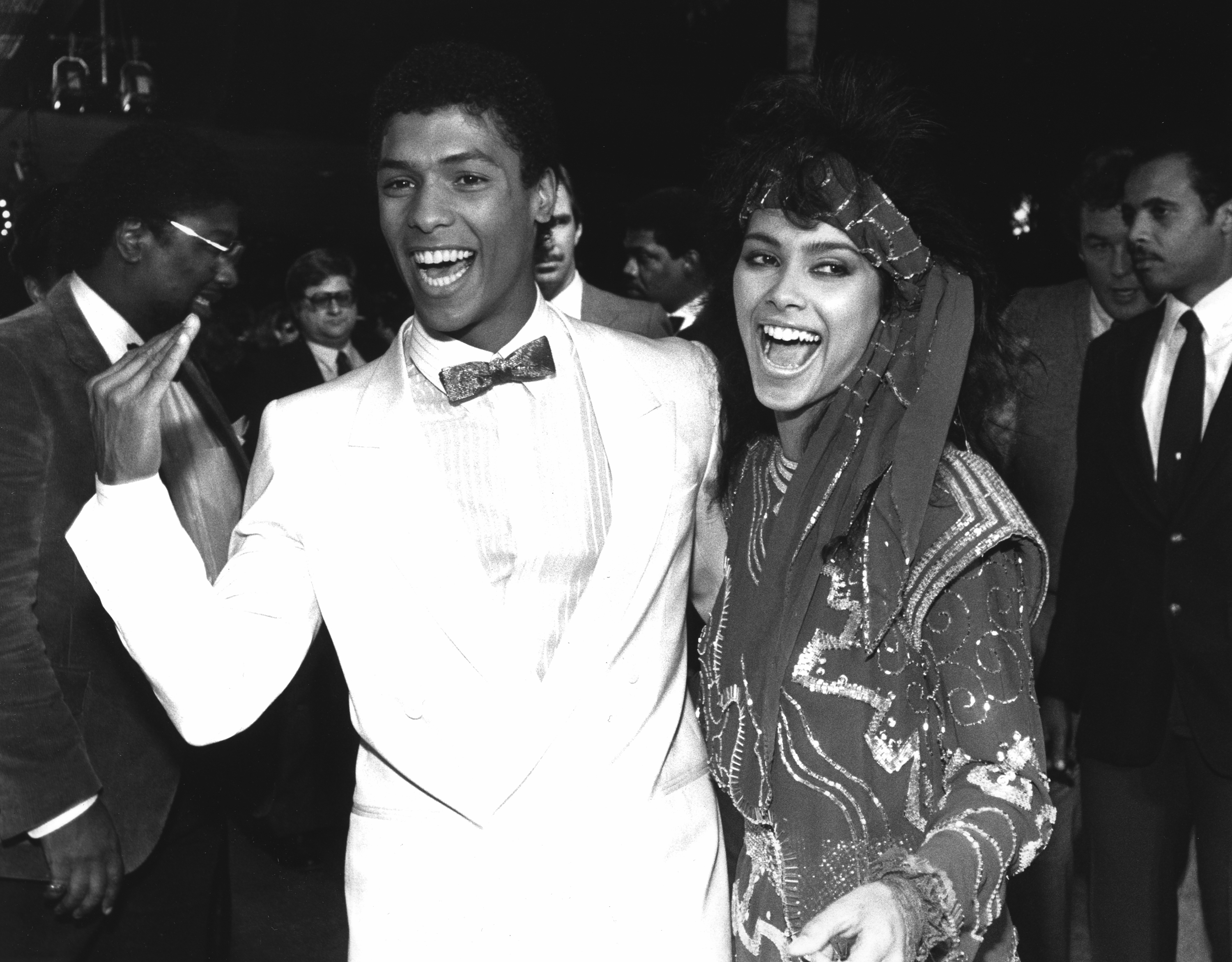
Actor Taimak, left, and Vanity arrive at the Century Plitt Theater in Century City for the premier of their film "The Last Dragon" on March 22, 1985. (AP Photo/Liu Heung Shing)

From Wire Reports

The death of Denise ‘Vanity’ Matthews must have hit Prince pretty hard. Currently on tour in Australia, Prince dedicated his Melbourne show to Matthews, who had been battling illness for some time. The Herald Sun in Australia reports that Prince’s intimate show was reworked to pay homage to Matthews, Monday after battling a long-term battle with kidney issues.

The Herald Sun reports: 

His first Melbourne show at the State Theatre was particularly emotionally charged — Prince admitting he’d just found out about the death of Denise Matthews, aka Vanity, his ex-girlfriend from the early ‘80s and protoge when she fronted the band Vanity 6.

“Someone dear to us has passed away, I’m gonna dedicate this song to her,” Prince said before playing a touching version of “Little Red Corvette” with a touch of “Dirty Mind” — songs from the era when they were together.

Prince reworked his classic “The Ladder” to replace the name ‘Electra’ with ‘Vanity’ — so the lyrics ran “This Prince, he had a subject named Vanity who loved him with a passion, uncontested.”

After an encore Prince returned to the stage noting “I am new to this playing alone. I thank you all for being so patient. I’m trying to stay focused, it’s a little heavy for me tonight. Just keep jamming … She knows about this one.” That introduced a truly incredible version of “The Beautiful Ones,” another song from the Vanity era (she was the original choice for lead in the Purple Rain movie), the song ending with Prince changing “my knees” for “Denise … Denise”.

Unusually chatty and candid, he continued going off script. “Can I tell you a story about Vanity? Or should I tell you a story about Denise? Her and I used to love each other deeply. She loved me for the artist I was, I loved her for the artist she was trying to be. She and I would fight. She was very headstrong because she knew she was the finest woman in the world. She never missed an opportunity to tell you that.”

Prince then opened up about a fight where he threatened to throw Vanity in the pool. She said “You can’t throw me in the pool, you’re too little”. He then asked his six foot bodyguard Chick to do the dirty work for him.

“I probably shouldn’t be telling this story,“ he said, “but she’d want us to celebrate her life and not mourn her.”

PBS documentary explores The Black Panther Party

0
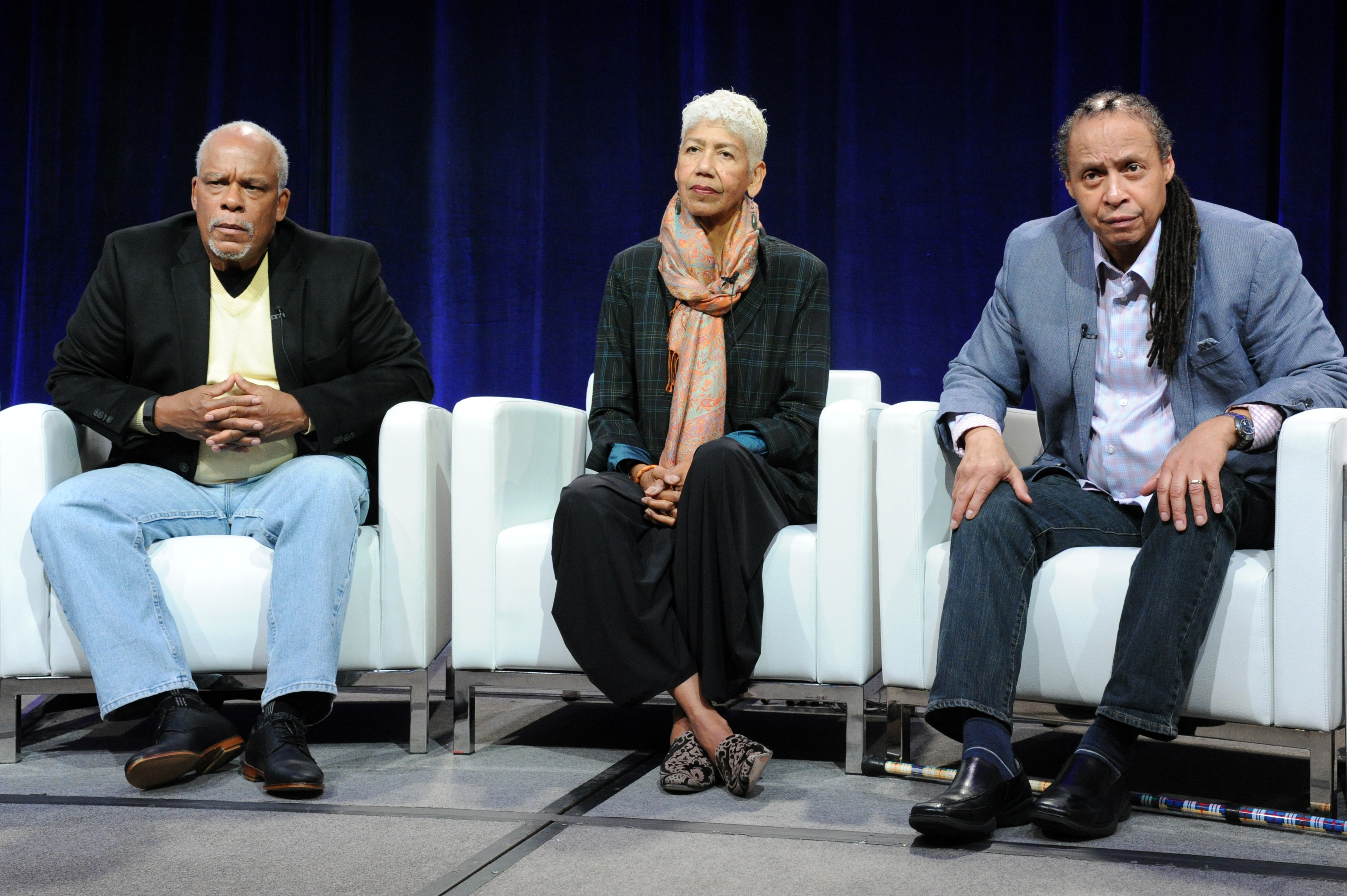
Director Stanley Nelson Jr., from left, Ericka Huggins and Jamal Joseph participate in "The Black Panthers" panel at the PBS Winter TCA on Tuesday, Jan. 19, 2016, in Pasadena, Calif. (Photo by Richard Shotwell/Invision/AP)
Director Stanley Nelson Jr., from left, Ericka Huggins and Jamal Joseph participate in “The Black Panthers” panel at the PBS Winter TCA on Tuesday, Jan. 19, 2016, in Pasadena, Calif. (Photo by Richard Shotwell/Invision/AP)
From Wire Reports

Change was coming to America and the fault lines could no longer be ignored — cities were burning, Vietnam was exploding and disputes raged over equality and civil rights. A new revolutionary culture was emerging, and it sought to drastically transform the system.

The Black Panther Party for Self-Defense would, for a short time, put itself at the vanguard of that change. Directed, produced and written by Stanley Nelson, “The Black Panthers: Vanguard of the Revolution” premiered on “Independent Lens” Tuesday, Feb. 16 on PBS.

“The Black Panthers: Vanguard of the Revolution” is the first feature-length documentary to explore the Black Panther Party, its significance to the broader American culture, its cultural and political awakening for black people and the painful lessons wrought when a movement derails. Master documentarian Nelson goes straight to the source, weaving a treasure trove of rare archival footage with the voices of the people who were there: police, FBI informants, journalists, white supporters and detractors and Black Panthers who remained loyal to the party and those who left it.

The documentary begins in a riotous flutter of revolutionary flash, set to a pulsating soul power soundtrack circa 1966. An infuriated knot of activists in Oakland who initially called themselves The Vanguard, sick and tired of being treated as punching bags and shooting targets by the local cops, organized their own watchdog units to follow the police and keep them from mistreating anybody. Realizing that California state law allowed them to carry guns in public, they did just that, and set off a firestorm. They could protest all they wanted that they were simply following their constitutional rights, but all the police and politicians saw was the threat of open revolt.

The film goes on to track the group’s brilliant political theater, designed to highlight the absurdity of laws against open carry suddenly being passed once black people had the temerity to follow it. The media images of these seemingly staunch militants refusing to be cowed by the establishment, and being very clear about being “ready to throw down” if the cops got out line, shocked a white establishment already nervous about the speed with which the civil rights movement had notched up victories.

Featuring Kathleen Cleaver, Jamal Joseph and dozens of others, “The Black Panthers: Vanguard of the Revolution” is a vibrant chronicle of this pivotal movement that gave rise to a new revolutionary culture in America.

“Stanley Nelson is one of our greatest chroniclers of American movements for justice and social change,” said Lois Vossen, “Independent Lens” executive producer. “From the ill-fated People’s Temple to the idealistic young volunteers of Freedom Summer, from the Native American uprising at Wounded Knee to the Black Panther movement, he brings these incendiary, game-changing movements to vivid life in a way that combines clear-eyed analysis with riveting, edge-of-your-seat storytelling.”

Visit the Black Panthers page on “Independent Lens,” which features more information about the film. “The Black Panthers: Vanguards of the Revolution” will be available on DVD and Blu-ray from PBS Distribution on Feb. 16. The DVD and Blu-ray can be purchased by going to ShopPBS.org or calling 800-PLAY-PBS.

The Amsterdam News contributed to this report.

Several minorities mentioned as replacements for Antonin Scalia on the U.S. Supreme Court

0
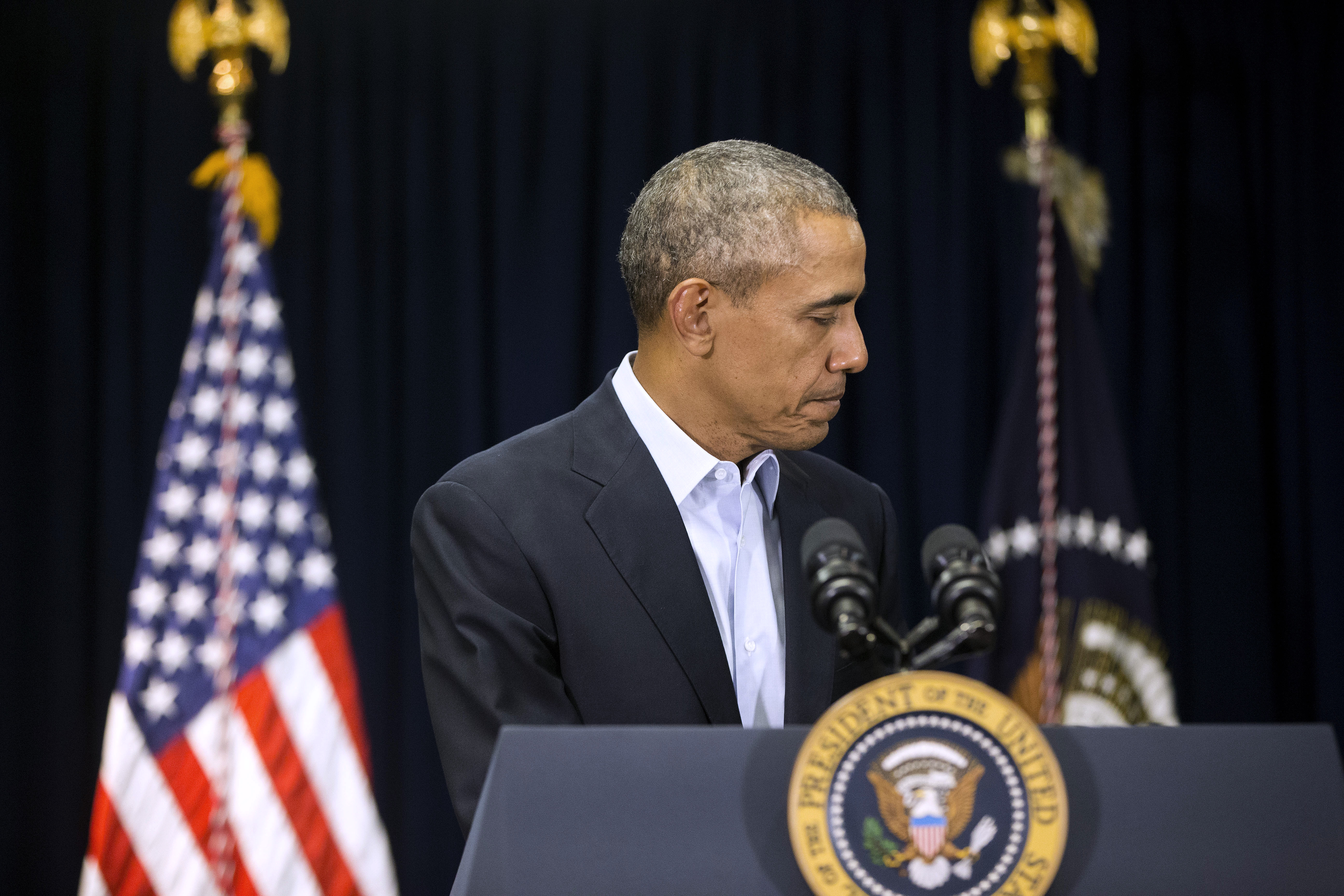
President Barack Obama finishes speaking to reporters about the death of Supreme Court Justice Antonin Scalia at Omni Rancho Las Palmas in Rancho Mirage, CA. Saturday, Feb. 13, 2016. Scalia, 79, was found dead Saturday morning at a private residence in the Big Bend area of West Texas. (AP Photo/Pablo Martinez Monsivais)

By Kathleen Hennessey & Donna Cassata

Associated Press

WASHINGTON (AP) — President Barack Obama last week said that he would seek to fill the Supreme Court seat left vacant by the death of Justice Antonin Scalia, charging into a heated and likely prolonged election-year fight with Republicans.

Obama said a nomination was “bigger than any one party.” Several minorities have been mentioned as possible replacements including  either Attorney General Loretta Lynch or California Attorney General Kamala Harris, a Howard University graduate.

Former U.S. Attorney General Eric H. Holder, among others, has also been mentioned as a possibility as well as Paul J. Watford, a judge on the U.S. Court of Appeals for the Ninth Circuit. Watford, an African-American, who served as a law clerk to Justice Ruth Bader Ginsburg from 1995 to 1996. 

However, one leading candidate appeared to be Sri Srinivasan, a judge on the District of Columbia Circuit Court of Appeals, a popular stepping stone to the Supreme Court. The son of immigrants from India, he clerked for conservative appeals court Judge J. Harvie Wilkinson and Sandra Day O’Connor, a frequent swing voter on the Supreme Court.    

Srinivasa, 48, former chief deputy to the U.S. solicitor general, was confirmed for his present position by the Senate by a vote of 97-0 in 2013, a fact Obama hopes will make his nomination more difficult to oppose.

With a half-dozen or more major cases and the ideological tilt of the court in the balance, Obama said he pIanned “to fulfill my constitutional responsibility to nominate a successor in due time.”

The president said the decision was about democracy and “the institution to which Justice Scalia dedicated his professional life, and making sure it continues to function as the beacon of justice that our founders envisioned.”

Obama’s remarks answered Republicans who wasted little time Saturday night, as news of Scalia’s unexpected death spread, arguing that Obama should leave the lifetime appointment to his successor.

“The American people should have a voice in the selection of their next Supreme Court justice,” Senate Majority Leader Mitch McConnell said. “Therefore, this vacancy should not be filled until we have a new president.”

His position was echoed by several Republicans seeking the GOP presidential nomination. Sen. Ted Cruz said conservatives could not risk losing influence on the court “for a generation.” Donald Trump urged Senate Republicans to “delay, delay, delay.”

Democratic candidate Hillary Clinton told a Democratic dinner in Denver that Obama “is president of the United States until Jan 20, 2017. That is a fact my friends, whether the Republicans like it or not.”

“Let’s get on with it,” said Democrat Bernie Sanders, arguing that the Senate should vote on whoever Obama nominates. The court has already heard — but not decided — big cases involving immigration, abortion, affirmative action and public employee unions.

With many cases recently decided by 5-4 margins, with Scalia leading the conservative majority, the vacancy could have major repercussions, both legally and in the presidential race.

The nomination fight in the Senate could determine the tenor of much of Obama’s final year in office — and ricochet through the campaign to replace him. Obama, who already has little goodwill on the Hill, faces stiff opposition from Republicans hungry for the chance to further tip the court to the right. A confirmation process often takes more than two months, but could be drawn out longer by the Republican-led Senate.

Obama said the Senate should have enough time for a fair hearing and timely vote. Senate Democrats made clear that they would work vigorously to keep Republicans from trying to run out the clock. They quickly offered counterarguments to Republican statements that the decision should rest with the next president.

“It would be unprecedented in recent history for the Supreme Court to go a year with a vacant seat,” said Senate Minority Leader Harry Reid of Nevada. “Failing to fill this vacancy would be a shameful abdication of one of the Senate’s most essential constitutional responsibilities.”

Democrats pointed out that Justice Anthony Kennedy was confirmed in an election year — 1988 — the final year of Ronald Reagan’s presidency. Kennedy had been nominated in November 1987 after the Senate rejected Robert Bork and Douglas Ginsburg bowed out. Democrats also argued that waiting for the next president in January 2017 would leave the court without a ninth justice for more than the remainder of Obama’s term as Senate confirmation would not be immediate.

The court faces a crowded docket of politically charged cases that are certain to resonate in the presidential campaign on issues such as immigration, abortion, affirmative action, climate change, labor unions and Obama’s health care law. Decisions were expected in late spring and early summer on whether the president could shield up to 5 million immigrants living in the United States illegally from deportation.

The immediate impact of Scalia’s death means that the justices will now be divided 4-4 in many of those cases. If there is a tie vote, then the lower court opinion remains in place.

A Senate looking at a limited legislative agenda in an election year now faces one of the most consequential decisions for the venerable body. Not only will voters choose the next president, majority control of the Senate is at stake in November, with Republicans clinging to control and concerned about the fate of some half dozen GOP senators running for re-election in states that Obama won.

Scalia’s replacement would be Obama’s third Supreme Court appointment — joining Justice Sonia Sotomayor and Elena Kagan. A short list of possible replacements includes Patricia Ann Millet, who sits on the U.S. Court of Appeals for the District of Columbia Circuit. Millet has argued dozens cases before the Supreme Court.

Not all the Republicans said Obama should skip a nomination fight. Former Florida Gov. Jeb Bush, who is positioning himself as a moderate, said Obama has the power to nominate and should use it.

Ohio Gov. John Kasich lamented, “I just wish we hadn’t run so fast at the politics.”

Angela Davis: A Birmingham Native Who Made the World Stand Still

0
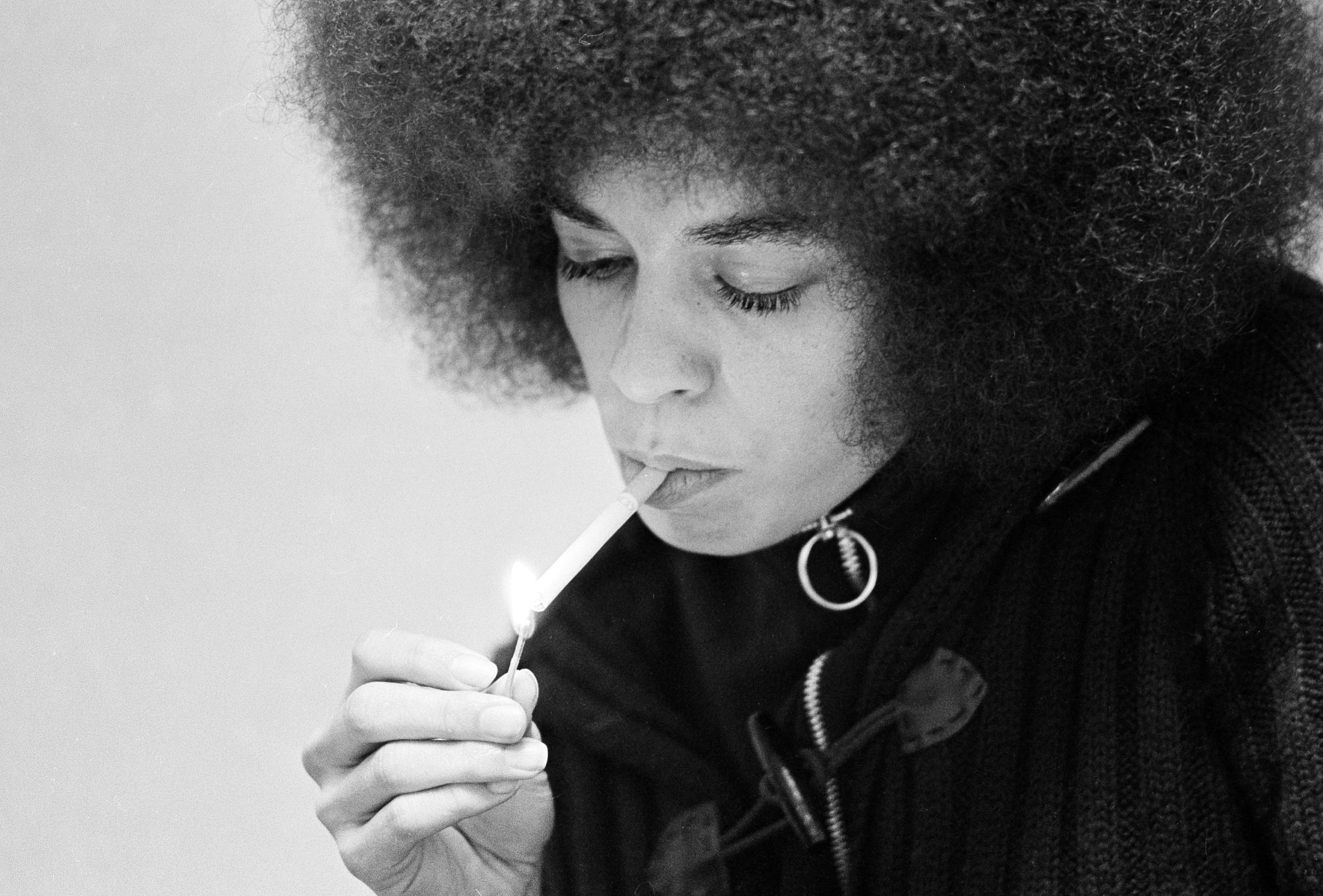
Angela Davis, black Communist jailed for more than a year on murder-conspiracy charges resulting from San Rafael courthouse slaying of a judge and three others, lights a cigarette as she talks during an exclusive interview with Associated Press reporters Edith Lederer and Jeannine Yoemans in tiny green interview room at Santa Clara County jail at Palo Alto, Dec. 27, 1971. (AP Photo/Sal Veder)
By Andre Thomas

Decades before Beyonce made the world stand still with her iconic performance at Super Bowl 50, one radical woman affiliated with the Black Panthers paved the way for women to be strong and confident. As Beyonce inspired little girls to “fight the power,” Angela Davis’ influence shined brighter than ever before.

Holding her fist proudly in the air, Angela Yvonne Davis found herself immersed in America’s history when she was named one of the FBI’s Most Wanted in 1970. Standing tall and firm, the Birmingham native didn’t allow the intimidation tactics of an unjust government to silence her as an advocate of equality. Clearing the record, Davis’ attorney later proved the charges to be false and she was found not guilty.

However, the tumultuous experience made her more aware of the injustices that plagued thousands of incarcerated women across the world.

Over her nearly 50 year career in activism, Davis has authored nine books, hosted lectures in three continents, and has taught classes at some of the world’s most distinguished colleges and universities. The Distinguished Professor Emerita at the University of California, Santa Cruz is also one of the founding members of “Sisters Inside,” an abolitionist organization based in Queensland, Australia that works in solidarity with women in prison.

Although it has taken nearly five decades for the world to conceptualize her analytical views of education, her beliefs of intellectual liberation are slowly becoming the cornerstone of educational curriculums and assessments. Despite her not so glamorous past, Davis is truly a heroine to millions as she is respected across the world.   

“Education should liberate the mind from established definitions and plans… the mind has to be liberated in order to perceive the world” ~ Angela Davis (1969 speech at UCLA)

Angela Davis, The Birmingham Times salutes you as this week’s, “Pride of Birmingham.”

Slave Murals Could Soon Fade From View

0
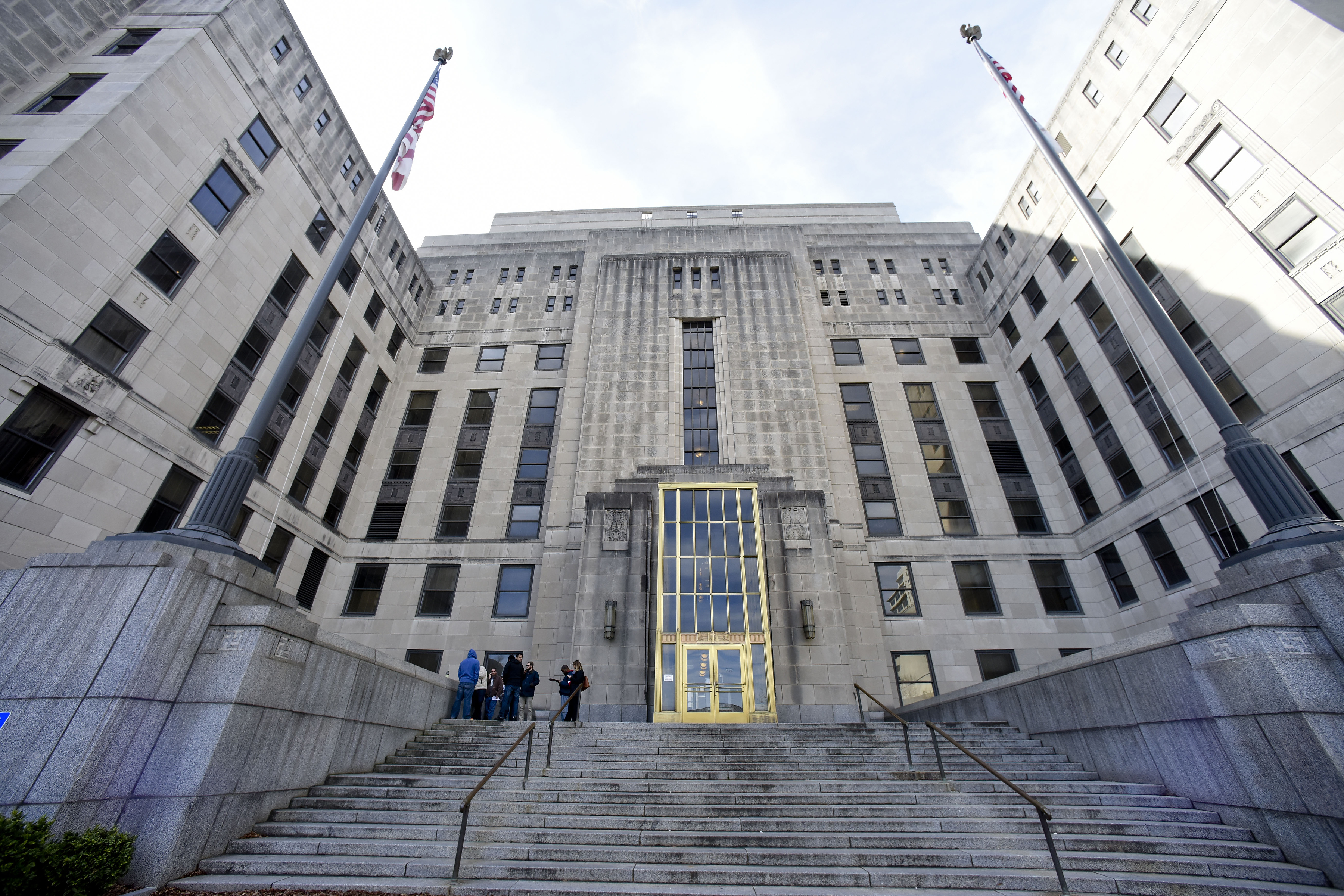
Murals painted by Chicago artist John W. Norton in 1931 and 1932 in the entrance of the Jefferson County Courthouse in Birmingham, Alabama Wednesday January 6, 2016 depict black workers at the bottom of agrarian Old South and industrial New South. Photo by Frank Couch

Committee close to recommendations on courthouse murals some see as offensive

By Barnett Wright

Birmingham Times Staff

The Jefferson County Mural Committee could submit recommendations next month about what to do with murals in the lobby of the downtown courthouse that some see as offensive. The 17-member group’s suggestions will be presented to the Jefferson County Commission, which will have the final say on the murals.

County commissioners Sandra Little Brown and Joe Knight are meeting with a number of community members and civic leaders to determine what to do with the murals, which include one of slaves picking cotton in a field and another of black men working in a furnace.

“Something has to be done because the murals in Jefferson County Courthouse are offensive and, to some, humiliating,” Brown said. “For blacks in Alabama to still be viewed as slaves does not offer any redeeming value to many in Jefferson County. The murals should be taken down because it’s time to reevaluate them and bring our symbols in line with the new Jefferson County. They should come down because it’s the right thing to do.”

A Matter of Perspective

The Jefferson County Commission in November 2015 formed the mural committee to help decide how to address concerns about the courthouse artwork. The past three months of deliberations have been both challenging and rewarding, say those involved in the process.

“The committee has wrestled with this quite sincerely,” said committee member Linda Nelson, who is with the Jefferson County Historical Society. “The issue for a lot of people is … why should [the murals] be in a courthouse, in a public building. The courthouse is where people go to get justice, and [the murals] represent, essentially, injustice.”

Committee member Eyrika Parker, a radio talk show host with WJLD, said she believes the mural of slavery needs to “be covered or come down.”

“I think it is an inappropriate place to hang a mural,” she said. “That is not a place to display such an example of the most pernicious part of our history. The courthouse is the one place everyone comes to for a redress of their grievances.”

Committee members have discussed a number of ways to deal with the murals, including taking them down, covering them, commissioning a new panel, or restoring and preserving them.

“The ideal thing in my mind is removal, but I am not opposed to compromise,” said Hezekiah Jackson, president of the Metro Birmingham Chapter of the National Association for the Advancement of Colored People (NAACP) and a committee member. “My greatest challenge is that that can’t be the whole story. If the compromise is that the story evolves from that point [of slavery] and we put up a portrait of President Barack Obama or Dr. Martin Luther King, [put up] something to show some evolution.

“The mural up there now seems to have us stuck in time,” he said. “I’m not opposed to their historical perspective, but where is mine?”

Removing the murals could be costly both financially and artistically, some say.

“It appears that they are so well attached to that wall that it is impossible to take them down without damaging them,” Nelson said. “Even if you could take them down, they are so big [and] there is no place else to show them. Of course, the Smithsonian Institution [in Washington, D.C.] would like to get them, but we cannot get them down intact.”

The murals show something about the history of the building and the history of society’s attitudes at that point in time, Nelson said.

“Many of us feel the thing to do is restore them and put in some didactic panels that explain them and put them in context and talk about the injustice,” Nelson said. “[The panels would] say who painted them, when they were painted, why they are there, [similar to what] would be done if they were at the Birmingham Civil Rights Institute or the Birmingham Museum of Art.”

This slideshow requires JavaScript.

Moved to Act

Brown has said she was contacted by the Birmingham chapter of the NAACP and others about the murals and began meeting with the group to work out a solution.

“The main plank of their grievance platform was that the murals were insensitive to blacks who had to visit the courthouse on a daily basis, not to mention to those blacks who have to work there daily,” Brown said.

In the courthouse lobby, two 17½-by-8-foot murals painted by Chicago artist John Warner Norton depict the agrarian Old South and the industrial New South. The paintings, which were completed in the early-1930s, were commissioned by Chicago architectural firm Holabird & Root.

Brown said she also was moved to act after learning of an online petition started by Mountain Brook resident Anne Garland Mahler, who demands that the Jim Crow era murals be taken down at once.

“These murals were painted in 1931-1932 in the midst of Jim Crow, and they both romanticize a hierarchy of labor in which black people are positioned at the lowest level,” the petition reads.

Brown said she has a message for those who believe the murals “represent Jefferson County history.”

“If that is the case, then the history of the murals is incomplete,” she said. “We are now a new Jefferson County, and these murals are offensive to the new county.”

The following is a full list of the committee members, in addition to Nelson, Parker, Jackson, and commissioners Brown and Knight:

• Ahmad Ward, head of education and exhibitions at the Birmingham Civil Rights Institute

• Dr. Carl Marbury, former president of Alabama A&M

• Evan Williams, Birmingham Land Planning Department

• Gail Andrews, director at the Birmingham Museum of Art

• Graham Boettcher, curator of American Art at the Birmingham Museum of Art

• Gwen Webb, Foot Soldiers International

• Jeff Freeman, Wells Fargo, Trussville

• Kate Nielson, former executive director of the Community Foundation of Greater Birmingham

• Mark Kelly, publisher of Weld for Birmingham

• Odessa Woolfolk, board member Birmingham Civil Rights Institute

• Pastor Steve Green, More Than Conquerors Faith Church

• Randall Woodfin, Birmingham Board of Education

Making her mark: Alabama woman playing key role in S.C.’s Sanders-Clinton presidential showdown

0

By Joseph D. Bryant

Special to The Times

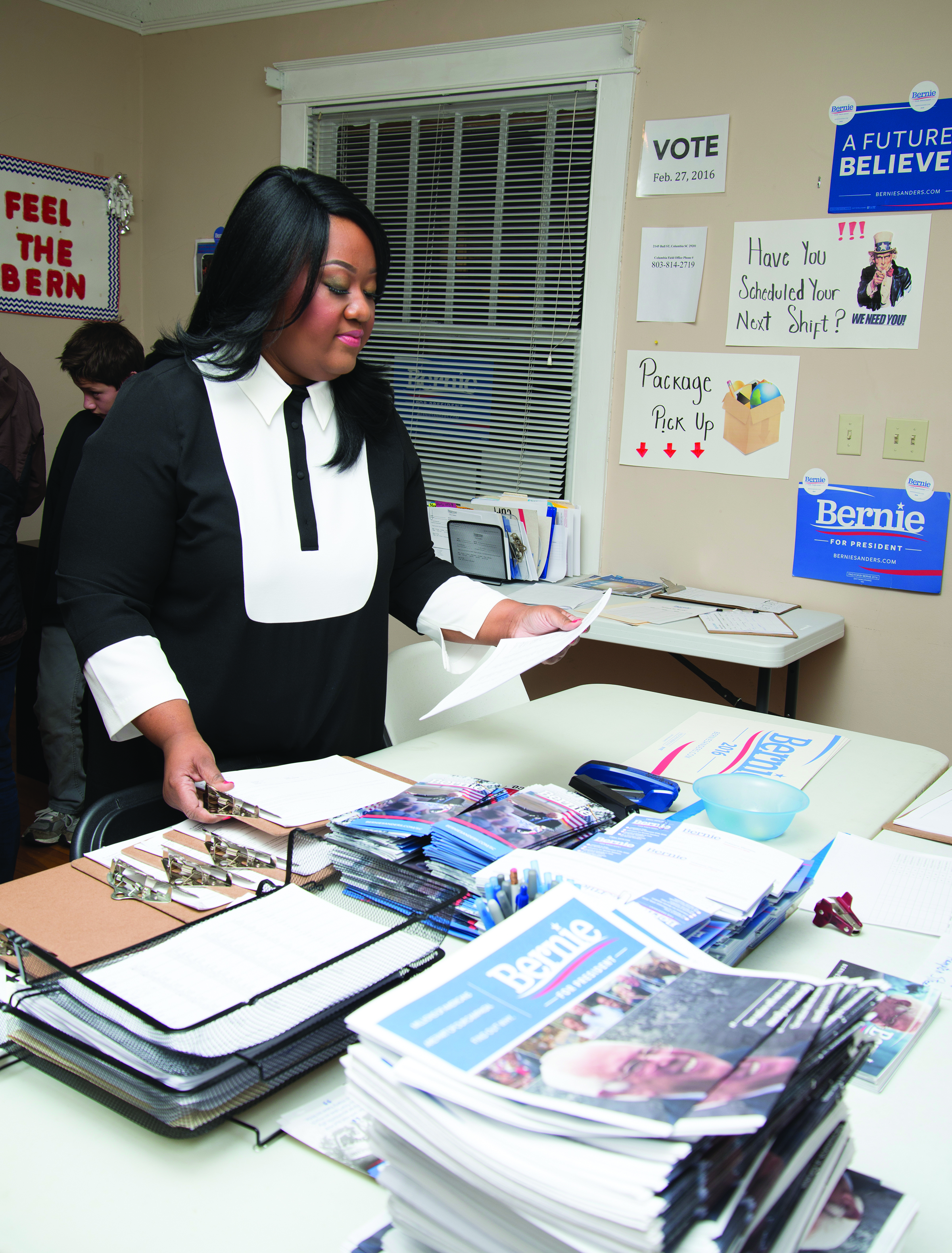
A Selma native with strong Birmingham connections is playing a central role in the South Carolina presidential showdown between Hillary Clinton and Bernie Sanders.

As South Carolina communications director for the Bernie Sanders campaign, Aneesa McMillan is responsible for spreading the Vermont senator’s message across the latest battleground state leading to the Feb. 27 Democratic primary.

McMillan is constantly talking and writing about some aspect of the 2016 presidential campaign, from moment she wakes up until it’s time to recharge her cell phone late in the night.

“All eyes are on South Carolina right now, and it’s my job to tell the story of how far we’ve come,” McMillan said. “We get tons of press requests, so day by day I’m facilitating, I’m giving quotes, I’m arranging interviews and I’m hosting surrogates.”

Following his sweep in the New Hampshire primary, Sanders, initially the long-shot contender, has gained momentum and is laboring to make a strong showing in the first southern primary.

At the same time, the Clinton camp works to hold on to popularity and favorability numbers among South Carolina Democrats. The support from black voters is critical to both sides, as African-Americans comprise up to half of the Democratic voting base there.

McMillan is in the middle of it all.

Clinton continues to lead the South Carolina polls, yet McMillan shows no signs of alarm. She notes that Sanders has grown from a relative unknown candidate to a major force in the Democratic contest.

“It’s a challenge nationally, but we’ve never seen it as a disadvantage,” McMillan said. “When we talk about the issues and we present his platform and present his issues, they see a candidate who will fight for them as president.”

Worked for Terri Sewell

At just 30-years-old, McMillan’s resume already reads like a political and communications veteran. She has spent most of her professional career in Birmingham as a newspaper reporter, then as an aide to U.S. Rep. Terri Sewell. McMillan left a position as Sewell’s press secretary to join the Sanders campaign.

“I always felt a sense of urgency,” explained McMillan. “I didn’t want to waste any time that I had. I always wanted to do something that was meaningful.”

MSNBC recently described McMillan as “the campaign’s youthful South Carolina communications director.” McMillan laughs it all off, saying some have even mistaken her for younger than her 30 years.

McMillan is modest when describing her early professional rise, preferring to thank others for giving her the opportunities.

“I’ve had some great mentors. I’ve been blessed that when I got into the business that I’ve had people who entrusted me with what I was doing,” she said. “Part of it is just taking it seriously. I’ve grown up fast and learned a lot. I always saw myself as someone who wasn’t just a political operative. I wanted to do some meaningful work.”

McMillan spent more than four years as Sewell’s eyes and ears in Birmingham. When she left the congresswoman’s office, McMillan also deviated from Sewell’s choice for president.

Sewell is campaigning for Clinton. But don’t expect any political jousting between the congresswoman and her former staffer.

“I’m grateful for the time that I spent in that office because it created some opportunities for some national exposure,” McMillan said. “I saw her at the debate in Charleston and she was very supportive.”

McMillan said she chose to support and ultimately work for Sanders after doing her own research.

“For me it was just about the issues,” she said. “We’re at a time where we’re figuring out where we go from here. The president has done an amazing job, but at the end of the day, I’m not only a political staffer, I’m a voter.”

On the campaign trail, her days are filled with booking, planning and strategy sessions. On a recent evening, McMillan spoke by phone while driving her latest guest to an appearance.

This day it was Erica Garner, daughter of Eric Garner, the black man who died after being placed in a chokehold by New York police in 2014 when they attempted to arrest him for selling loose cigarettes. Since her father’s death, Garner has become a figure in the Black Lives Matter movement. She endorses Sanders.

“While she’s here, I’m responsible for making sure there’s some type of press here,” McMillan explained. “My goal is to tell the story of the Sanders campaign in South Carolina.”

Mom gets credit

Back in Selma, Marilyn McMillan looks in the papers, on television and on the internet to keep up with her daughter’s latest moves.

“I’m even watching the debates,” Marilyn McMillan said with a laugh. “I watch every debate. I’m following it closely.”

Aneesa McMillan credits her mother for telling her early on that she could achieve her goals and rise as high as she desired.

“It’s just overwhelming,” Marilyn McMillan said. “When she was in the second grade, they had a Christmas program in school and she had the lead solo. They put the spotlight on her and she just sang her heart out. I knew right then she was going to excel and do good.”

While Marilyn McMillan isn’t surprised that her daughter has found success, she remains amazed by the timing of it all. In just a few years, her daughter has worked for Congress, stood in the Whitehouse next to the president, and now works to select the next president.

“It is all happening so fast. Each hurdle that she makes I just shout for joy. I’m just excited about it,” the proud mother said. “I told her to make sure she’s humble and to hold on to who she is.”

The fight for South Carolina will be decided in just a week. With that, the attention will move on to the next contest along the way to the nomination. Aneesa McMillan plans to stay with the campaign through the long-haul, not quite sure where the next assignment will take her. Still, she’s excited to see what comes next.

“I really hope that people at home see me as an example. I hope there are other Aneesas who dream of meeting presidents and helping to elect presidents,” she said. “There’s somebody else out there who can and who will.”