Home Blog Page 1205

Why presidential candidates need to court millennial vote

0

By Ariel Worthy

Birmingham Times staff

mil

More than 48 million millennials could significantly swing this year’s presidential election.

Millennials are those born between the early 1980s and mid-2000s and make over one third of the country’s population.

They are 31 percent of eligible voters and a generation that candidates arguably should focus on attracting for the 2016 presidential.

Here’s what presidential candidates need to know about millennials:

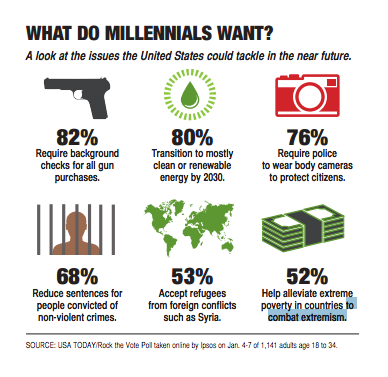
According to a USA Today poll, 80 percent want to transition to mostly clean or renewable energy by 2030. Also, 76 percent want to require police to wear body cameras to protect citizens, and 53 percent want to accept refugees from foreign conflicts such as Syria.

Jasmine Linson, 24, a millennial who lives in Birmingham, said, “I’m an Equal Rights advocate — and not just for homosexuality and race — but more on a morality basis.”

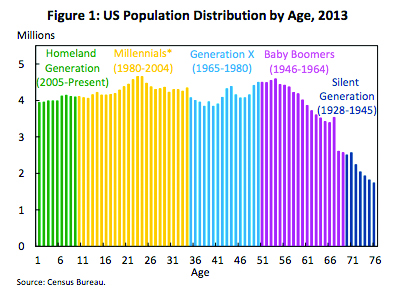
The millennials were born with the Internet and has spearheaded social media and are different from Generation X (those born between 1965-1980).

While previous generations tend to be more conservative on policies both domestic and foreign, some millennials tend to focus on social, environmental, foreign and domestic policies more liberally.

CHART1

So far, millennials seem to favor the Democrats but are split between Vermont Senator Bernie Sanders and former U.S. Secretary of State Hillary Clinton.

Sanders has promised a policy to keep undocumented people who have been in the U.S. for at least five years to stay without fear of being deported.

Clinton has promised to enact “comprehensive immigration reform to create a pathway to citizenship, keep families together and enable millions of workers to come out of the shadows.”

Millennials are more educated than some of their generational predecessors.

Over 61 percent of adult millennials have attended college, whereas only 46 percent of the Baby Boomers did so. Many college-going millennials are more likely to study social science and applied fields — communications, criminal justice, library science — that correspond more directly to specific field, according to the U.S. Census.

Many from the Boomer generation (those born between 1946-1964) studied business or education.

Millennials are also a very diverse generation. For example, 42 percent identify with a race or ethnicity other than non-Hispanic white, twice the share of the Baby Boomer generation when they were that age.

But can the presidential candidates win over millennials who are possibly the most progressive generations the U.S. has ever been?

“No matter what president we get — in my opinion — it’s all the same,” said Malachi, 30, a millennial who does not believe in voting for national elections and did not want to give his last name. “They make people think we’re getting different options, but we’re really not.”

Malachi used healthcare as an example. “Hillary thought that it should be mandated that you have health insurance. Obama says, ‘no, I don’t want health insurance to be mandated.’ So he doesn’t make it mandatory for you to have insurance, but he imposes a mandatory fine if you don’t have it. So it’s almost the same thing.”

However, Linson disagreed.

“So many people in our past fought for us to have the right to vote,” Linson said. “We owe it to historians to educate ourselves in politics and use what has been given to us. We need to be the voice and have an attitude for change instead of just plain acceptance.”

Elite business leaders drawn to city

0

A.G. Gaston Conference encourages leaders, businesses to reinvest 

in community

By Barnett Wright

Birmingham Times staff

Dozens of national business and economic leaders were in Birmingham this week to discuss a myriad of issues that ranged from entrepreneurship to corporate America.

The 12th annual A.G. Gaston Conference featured community leaders, best-selling authors and business leaders, and students from UAB. The theme this year was Black Business in America: Capitalism, Race and Entrepreneurship.

“The primary goal of the conference is to help community leaders and business owners understand the impact that reinvesting in their communities can have on the economy in the state of Alabama,” said Bob Dickerson of the Birmingham Business Resource Center, who hosted the event.

The two-day conference drew speakers that included Birmingham Mayor William Bell; Marc Morial, CEO and President of the National Urban League; Dr. Juliet E.K. Walker, Founding Director of the Center for Black Business History, Entrepreneurship and Technology; and Dr. Dennis Kimbro, best-selling author of “Think and Grow Rich: A Black Choice.”

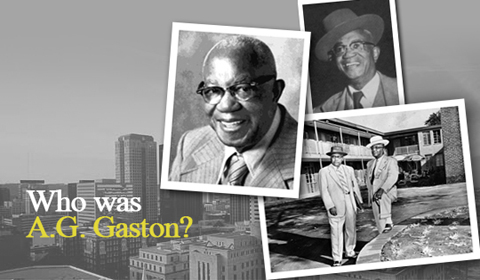
The conference was founded in 2004 to honor the life and legacy of the late A.G. Gaston, one of Alabama’s first African-American millionaires.

It also provided seminars designed to create and incubate the next generation of community leaders with a focus on economic empowerment in minority communities.

Kimbro told of how he got a chance to spend quality time with Dr. Gaston and learned a valuable lesson of perseverance.

“It was the lowest point of my life,” Kimbro said. “I went through financial hell and high water to get (my book) done … What you don’t know is that we – my wife and three daughters – drove from Atlanta so dad could spend a day with Dr. Gaston.

“It was the middle of the summer and they waited in the car in the parking lot for the better part of that day while dad was in there interviewing him. The financial strain got to me.”

Kimbro said he had almost lost his house on five different occasions and had two cars repossessed. He remembers breaking down in tears in front of Gaston.

“He said, ‘young man what in the world is wrong?’”

“I said, ‘Dr. Gaston, you just don’t know. My wife and children are out there, people are laughing at me, I’m living off her earnings as an accountant, people are doubting me … I can’t find a quarter with a roadmap, I don’t have a dime, I’m behind on my mortgage.”

Kimbro said Gaston listened and handed him a tissue, saying “Young man tell me when you’re through.”

Kimbro recalls Gaston finally saying to him: “Greatness takes time. A person must be tested in the furnace of adversity. Fear not, young man, continue to move forward.”

“He could see from a distance what I could not see up close,” Kimbro told the audience in a conference room at Birmingham-Jefferson Convention Complex.

Kimbro delivered his message to an audience that included University of Alabama at Birmingham students who visited areas of the city targeted for revitalization and developed sustainable ideas that will make these areas attractive to live, work, play and serve.

The conference was open to students from state high schools and universities to expose them to economic leaders from across the country.

‘They’re all our children’

0
Steven King, coach of the 12U girls team Alabama Warriors talks with his team during a timeout. The Police Athletic Teams league games at Huffman High School Saturday February 6, 2016 in Birmingham, Alabama. (Frank Couch/ The Birmingham Times)

Police Athletic Teams bridge gap between Birmingham’s children and its officers

By Solomon Crenshaw Jr.

This slideshow requires JavaScript.

Birmingham Police Sergeant Venus Winn still calls them her girls – the members of the Police Athletic Teams basketball squad she coached more than 10 years ago. “That was just something I wanted to do,” said Winn, who was an officer in those days. “I coached three years; actually longer than that. They are still my girls. I’m not their birth mother but I’m going to make sure that they’re taken care of … doing their school work, staying out of trouble. They’re part of me.”

These days, Winn has far more girls – and boys – she considers her own as she is supervisor of the PAT program. There are 570 youngsters in the 8-, 10- and 12-younger basketball leagues with the 16-league set to tipoff this week.

Winn moved into her current role in October 2015 but PAT has been a part of Birmingham since 1970.

The program was created by city officials, community leaders and the Community Affairs Committee (CAC) of Operation New Birmingham to bridge the gap between the city’s police and underprivileged youth through various sports programs, including basketball, baseball and softball.

Volleyball has been added to the program. Other additions have been discussed, including boxing, track and field, and a proposed Midnight Madness program centered on basketball, Winn said.

She said PAT’s purpose is to create and cultivate a mutual appreciation and understanding between law enforcement personnel and the youth of Birmingham through athletics, training and competition. The goal, she said, is to reduce crime.

The sergeant said Police Athletic Teams and other programs in the police department’s Community Services Division build special bonds between police officers and children.

“These things keep our children well-rounded, it keeps them busy,” she said. “It keeps them in a relationship with the police officers.

“We are out there at the basketball courts when they’re playing,” Winn continued. “We are at the fields when they’re playing softball. We are at the courts when they’re playing volleyball. They don’t just see us in the field dealing with the criminal aspect but they’re seeing us in a positive aspect.”

Police Athletic Teams alumni include some of the most famous basketball players Birmingham has produced, including University of Alabama standouts Ennis Whatley and Buck Johnson. Now the athletic director of Birmingham City Schools, Johnson said his PAT experience was limited to all-star teams that traveled to Las Vegas and Provo, Utah.

These days, he has a greater appreciation for PAT’s regular league play, which closes the gap between younger recreational play and middle school play.

“If it wasn’t for them, it would be a huge gap in there with sixth-graders,” Johnson said. “PAT picks up the slack there as well as other sports. They do a tremendous job for kids in this area in sports programs.”

Barry Bearden was a Birmingham police officer for 10 years before becoming a coach and now athletic director at The Altamont School. While he only played one year with Police Athletic Teams, he recalls spending time in a police center on Tuscaloosa Avenue in West End.

“It was to keep our butts out of trouble,” said Bearden, who went on to play at West End High and the University of Alabama at Birmingham. “At that time, I wasn’t thinking about playing basketball in college, or even going to college. It was just something we did.”

Today, PAT features basketball league play on Saturdays at Huffman and Jackson-Olin high schools. There is also Tuesday and Thursday basketball play for youngsters in Housing Authority Birmingham District teams at Harris Homes, Collegeville and Cooper Green.

“They’re all our children,” Winn said. “They’re PAT – same fee, same shirts, same rules. The only difference is they’re having to play at the housing authority site because of transportation.”

A housing authority official praised the program, calling it an opportunity to expose youth in public housing to a positive image of law enforcement authority. Youngsters’ first thoughts of an approaching police car can be images of someone they consider a friend and mentor.

“The partnership has been beneficial on both ends positively,” said Darius Hall, the recreation coordinator for HABD. “The police get the opportunity to work with our youth in a positive manner and our youth get to see the police in a positive manner. Each party has been very open and receptive to working together.”

Lando Williams was on the sideline Thursday when the Loveman Village team he coaches outlasted Collegeville 31-30. This is his third year coaching PAT basketball beginning at Smithfield.

“I think it’s a good thing for kids to have something to do other than them being on the street,” he said. “PAT is great.”

A new Birmingham Times, one step at a time

0

By Sam Martin

Today’s newspaper is the third edition since the transition of ownership from Dr. Jesse J. Lewis Sr. to the Foundation for Progress in Journalism. I hope you have enjoyed the last two editions and I trust you will be pleased with today’s newspaper.

Over the months as we discussed this transition with Dr. Lewis he wanted to ensure that the plans we were making positioned The Birmingham Times for the next 50 years and we have plenty of changes in mind to do just that. The feedback we have gotten after the first two editions has been overwhelming and it has been rewarding to know we are taking the Times in the right direction, but you ain’t seen nothing yet.

Coming this spring you won’t recognize the Times in print or on the web as the content will continue to evolve with less focus on covering news that you already know and more focus on informing our readers about greater Birmingham — its culture, its community and more.

We plan to change the format making it physically smaller and easier to handle. Our website will be redesigned and we will introduce a mobile app. We plan to change our distribution strategy, we need more readers in print and online and to do that we need to be in more places, so we are going to find more places to be. Even our logo will change, while we want our loyal readers to continue to read us, we want to expose new readers to our “Reimagined” Times.

And did I mention content? You will get more each week. You will see more people from the community on the pages of the newspaper and on our newly designed website.

We already started fulfilling that commitment with recent stories about Andrea Taylor, CEO of the Birmingham Civil Rights Institute and a story about a Birmingham Housing Authority resident who participated in a fatherhood initiative program after being blinded in his left eye by a gunshot, and there are more compelling stories to come. Our mission is to inform, engage and empower our readers.

I hope you can tell that I am excited about the future and I wanted to share just a little bit of it with our readers. I also wanted to note that in the past our readers have come to expect a voice from the publisher’s office to give a perspective or two about various issues local and beyond. That will continue but not as often as you may have grown accustomed to from Dr. Lewis.

Today’s column “From Where I Sit” will serve as our new forum to provide perspective from the publisher of the Times. Dr. Lewis’s column “One Man’s Opinion” was a regular feature that readers looked forward to and his view on things can’t be replaced since few people have the history, the living, and the knowledge of the community or his perspective. Fortunately, Dr. Lewis has agreed to lend his perspective from time to time, so read often, you never know when he may get the urge to share.

As the new President and Publisher of the Birmingham Times I don’t expect to replace Dr. Lewis’s take on Birmingham or the world with my column, but every now and then I hope to let our readers know just where I sit.

Samuel P. Martin is the president and publisher of The Birmingham Times Media Group LLC.

‘You’re never too late to get what you want in life’

0

By Joseph D. Bryant

Housing Authority of the
Birmingham District

Graduates have found jobs, moved to better jobs and have gone from public housing and public assistance to finding complete financial and housing independence.

Participants include both public housing residents and Housing Choice Voucher residents.

Earlier this month, the Housing Authority of the Birmingham District celebrated the life-changing success of residents who have reached their goal of self-sufficiency.

The latest class of Family Self-Sufficiency program participants successfully completed the program that features goal setting, mentoring and financial incentives to empower families to make positive life changes.

Here are some of their stories:

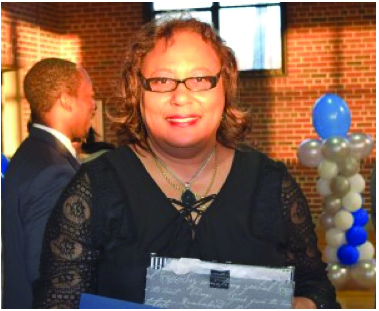
Beverly Fields
Beverly Fields is now a program specialist with HABD.

Beverly Fields: “You’re never too late to get what you want in life.”

Beverly Fields proudly calls herself living proof that anything is possible with patience and dogged determination.

Each day that she returns home from work – to her own house – Fields smiles with both pride and appreciation. Fields went from renting through the Section 8 program to owning her own home after years in the FSS program.

“I always wanted to thrive and do more and not just lean on the system to take care of us,” said Fields, the mother of three adult sons and a proud grandmother.

Fields attended the monthly FSS seminars, working toward her goal of homeownership.

“They had different speakers come and speak to us,” she recalled. “If you’re in it to learn from it and to grow from it, it’s an excellent program. They walk you through all these necessary steps.”

Fields eventually began to see tangible evidence of her improvement. Her credit score soared and she qualified for her dream home on a half-acre.

“I advise anyone to attend those classes and those workshops. I am a living witness. I found the house of my dreams,” she said.

And her work is still paying dividends.

“My house almost tripled in value from what I paid for it,” Fields said.

“Going through my lifetime of work and experience I always wanted to give back and be an inspiration to someone who had to come up like I did,” she said. “I use myself as an example. You can be in the program and the program can put you anywhere you want to be. All you have to do is stand strong, stand firm and be encouraged.”

Fields is now a program specialist with HABD, where her duties include mentoring to residents. She doesn’t need a textbook to find a strong example. She shares her story freely with her HABD residents. She wants them to know that anything is possible.

“’Can’t’ is not in my vocabulary and I don’t let them use the word can’t,” Fields said. “I’m doing this to be an inspiration. I’m doing this to let them know that a person can go from Section 8 to home ownership. I want to be an inspiration to the people who are coming up behind me and see that a real true life individual can succeed if they are persistent. You’re never too late to get what you want in life.”

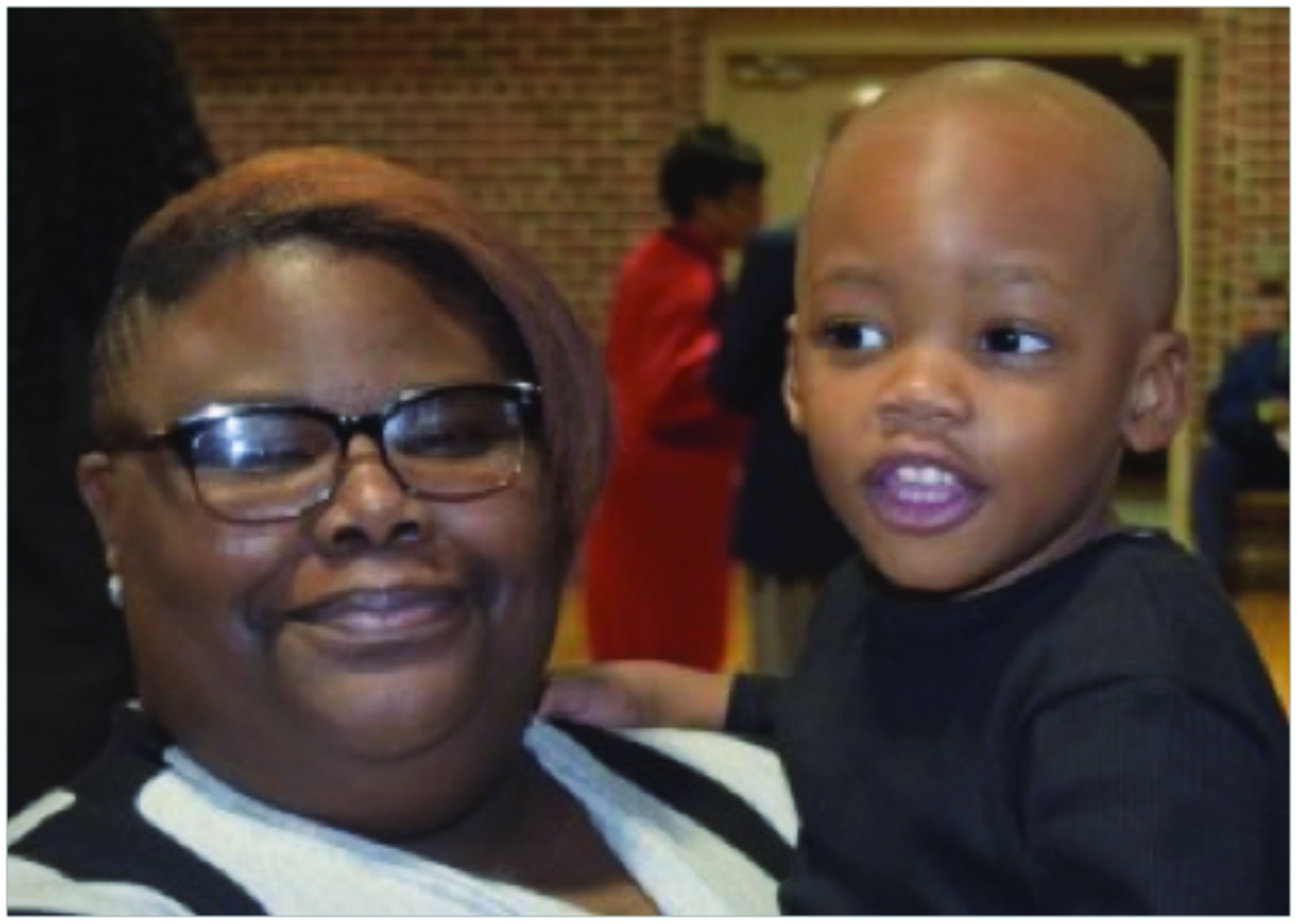
Misha Hargrove is now a homeowner in Tuxedo Terrace.

Misha Hargrove: “As I reflected on my life’s journey, I couldn’t hold back the tears of joy.”

Misha Hargrove saw her life evolve from a never ending saga of disappointments to one of achievement and pride.

The journey was long and ended with Hargrove charting her own path to success and holding the keys to her own home through Family Self-Sufficiency program.

“As I reflected on my life’s journey, I couldn’t hold back the tears of joy, and I am hap¬py to report that all of my goals for the FSS program have been achieved,” Hargrove said.

For Hargrove, it all began when she took the right steps to remedy a series of wrong decisions.

“At the age of 24, I was hang¬ing out with the wrong crowd and made a slew of bad decisions that became a continuous night¬mare that I thought I would never wake up from,” she said. “Like typical kids, I felt I was invincible and I soon found out I was not as tough as I thought.”

Hargrove said her early actions created a stain on her record that made it difficult to get and keep a job. It was a consequence she never considered earlier.

“For many years my life appeared as if it would never get better, and the word ‘failure’ faced me daily,” she recalled.

Hargrove said things began to improve, but she still felt like she was in bond¬age. The blemish on her record from long ago con¬tinued as an impediment to her ultimate goals.

She had to take additional action. She worked and saved enough to pay the $3,000 restitution fee. Then the day finally came for Hargrove to make her case for a new start.

“As I stood before the judge that morning, he asked me one question, ‘What will this pardon do for you?’ Before I could respond, the tears began to flow down my face because I knew my response would determine the outcome of my pardon,” Hargrove recalled. “When I could regain composure, I told him that the pardon meant I could have the life back that I so foolishly took for granted, get a job, take care of my son and go back to school to become a nurse.”

The official pardon removed the one remaining obstacle in Hargrove’s path. Hargrove is a new homeowner at Tuxedo Terrace.

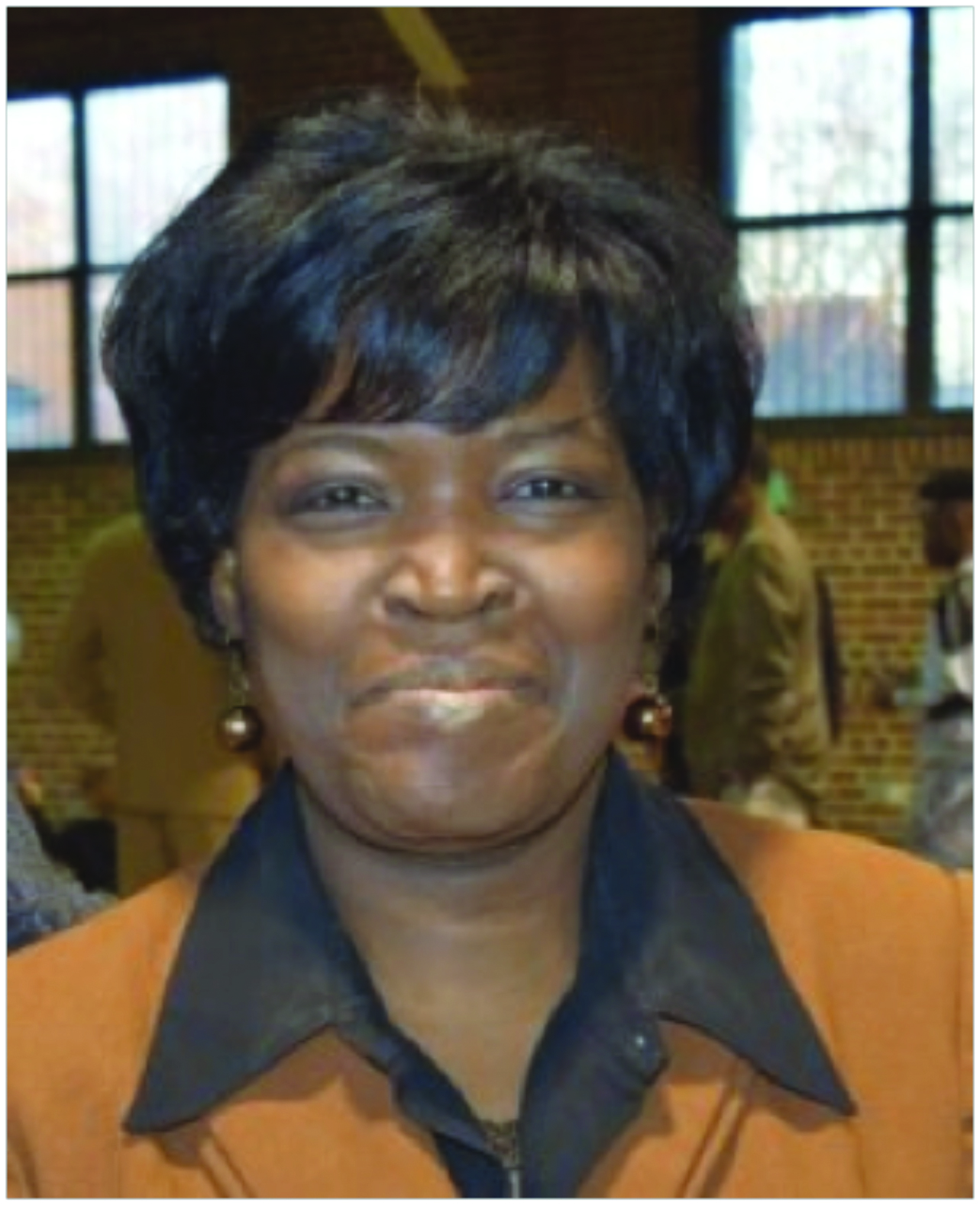
LEAHNETA
Johnson is a self-employed cosmotologist.


Leanita Johnson: “It feels good and the best is yet to come.”

Leanita Johnson is living her dream each morning she opens the door and begins work in her own corner of a downtown hair salon.

Johnson is self-employed as a cosmetologist. She’s also in the home-buying market — her second major goal.

Johnson’s journey towards self-sufficiency began in late 2011 when she joined the FSS program. Johnson moved tenaciously in the direction of fulfilling her goal to improve her quality of life.

She had three goals: to become gainfully employed, to establish a salon, and to attend homebuyer seminars in preparation for homeownership.

Johnson said her journey was not without challenges, but she remained focused. Johnson gives the same advice to others that she followed.

“Don’t give up. Keep pursuing the dream that God has given you,” she said. “It doesn’t matter the obstacles. What’s for me is for me and know that God is leading me to a better place.”

Johnson now has two jobs. In late 2015, she became a community center assistant at the Harris Homes Community Center.

“It feels good and the best is yet to come,” she said. “I’m looking forward to moving into my own home.”

WILLIAMS
Cecilia Williams is now the proud owner of a home that her daughter named, Gracie.

Cecelia Williams: “I wanted something better for myself.”

Cecelia Williams has always maintained a job as a bus driver, but a series of circumstances necessitated a move into public housing and a need for some public assistance. While living at HABD, Williams learned about the FSS program and decided to enroll.

Determined to meet her goals, Williams at one point balanced two jobs as a school bus driver and charter bus operator.

“I literally was pushing it but through all of it I didn’t complain because I wanted something better for myself,” said the mother of two. “I passed that on to my girls. I would tell them that sometimes in life you have to make sacrifices and do things you don’t like.”

Williams attended the FSS workshops and listened intently to the tips given.

“I was always looking for ways to advance. I was always looking for ways to do better,” she said. “I enjoyed the project because it taught me a lot. The only thing that FSS requires of you is to apply yourself if you really want it.”

Williams eventually earned a promotion as a school bus dispatcher. When a home was available for rent in the new Tuxedo Terrace, Williams and her family were financially ready. The houses weren’t even fully constructed before Williams laid her claim.

“I came by here and I claimed this house,” she said, laughing as she recalled the experience. “Now I have a house. If I work and I keep the same hard work up, I can keep me and my family in this house.”

When they moved in, Williams’ daughters even named the house – “Gracie.”

Her long-term goal includes purchasing Gracie and making her claim permanent. Williams credits FSS with laying the foundation for the success she and her family now enjoy.

Williams may not attend Thursday’s graduation ceremony. She has after-school bus duty.

“It has given me character. It has developed me in my growth and it has taught me a lot,” she said. “When you start out with nothing and you are able to build something, it’s humbling. It’s beautiful.”

5 Steps to Getting Back In Shape

0

From staff reports

Sometimes life happens.

We don’t always have time to take an hour or 30 minutes out of our day to stick to our work out routine. You skip the gym a couple of weeks, and then a month, and next thing you know you haven’t renewed your gym membership.  Trying to get back into the swing of working out can be tough, especially if its been a while. That hour run that you used to be able to do with ease now has you out of breath after the first couple of minutes. Don’t worry though, all is not lost.

WHEN TRYING TO GET BACK ON TRACK
REMEMBER THESE STEPS:

1.

Don’t think about what it used to be. When you first started back in the day, you didn’t start off at your goal, in fact it was a challenge then, but you made it. Just like it took some time then, it will take time now. Sometimes we can be our biggest critic of our own performance, and checking daily makes it more difficult. Start where you are now, and give yourself a month before you check your scale. It will be easier to see your progress.

2.

Start at a comfortable level for where you currently are. Yes, running a marathon used to be an annual hobby, but your body may be telling you otherwise. It could also lead to serious injury. Start small and take it one day at a time. If running is your thing, sign up for 5K and make weekly goals to get up to there. If you aren’t a runner, sign up for a group fitness class or hire a trainer for a few days a week.

3.

Find new motivation. Fitting in your wedding dress or looking good on the beach might have been your goal five years ago, that does not mean it has to be today. If you want to stay healthy for your family (or yourself) let that be your motivation. Also, don’t let the wrong numbers be your motivation. Often the focus is on the numbers of the scale when the focus should be on other numbers, such as cholesterol or heart rates.

4.

Don’t forget to stretch. Whether you are working on strength, or doing cardio on a daily basis, don’t forget to stretch those muscles. It can also help relieve some of that day-after soreness.

5.

Find what works for you. Just because weight lifting or running was your thing then, does not mean that it still is. Find what works for you now. See what you enjoy more. Most importantly, don’t let your health be a chore. Make it a fun part of your day.

Racism is an Excuse, Really…

0

by Mahari McTier

My article this week is in response to a letter I read on AL.com.  After reading this, it led me to further confirm that some people still just don’t get it and will never understand that what we are experiencing today with racism, bigotry, and prejudice in policing is not as black and white as some people want to make it. The letter read:

Racism is just an
excuse: reader opinion

Police being accused of racism and unlawful punishment against blacks is getting out of control. All anyone has to do is read or listen to the news all over the country and see that a high percentage of crime is committed by blacks and that is the reason more blacks are in prison than whites. Racism has nothing to do with it, it’s just an excuse. The old saying “Do the crime, do the time” means just that. Al Sharpton and Jesse Jackson should preach peace instead of racism, marching, rioting, stealing and destroying property.

Politicians should butt out and pay more attention to this country’s problems instead of concentrating on racism. Blacks need to stop living in the past and blaming others for their problems. They need to get educations and jobs so they wouldn’t have time for crime, rioting or marching.  If people want what others have, they should work for it and not expect the American dream to be handed to them.

Police have the right to defend themselves and protect citizens. That is their job.

Sandra Prentice

The writer, in my opinion, sees a nation where the playing field is totally equal. Her statements would be true if we had a legal system that prosecuted and sentenced Black and white offenders equally; if access to opportunity and capital was equal for everyone; if all schools, regardless of zip code, had equal resources and tools to educate our kids. And the list goes on and on…. 

It is easy for some to say just forget the past and move on, go get a job, start a business, and just shut up and stop complaining if they don’t understand that there are some systemic barriers for some people. A friend once shared this analogy with me. Three people line up to race, all of them in cars, but one is driving a Ferrari, one a Ford Focus, and the other a Chevrolet Chevette. Who is going to win the race?  Of course, the Ferrari.

According to the New York Times, Black Americans were nearly four times as likely as whites to be arrested on charges of marijuana possession in 2010, even though the two groups used the drug at similar rates, according to new federal data.

Black men were more than six times as likely as white men to be incarcerated in federal and state prisons, and local jails in 2010, according to a www.pewsocialtrends.org/2013/08/22/kings-dream-remains-an-elusive-goal-many-americans-see-racial-disparities/4/” Pew Research Center analysis. 

In 2010, the incarceration rate for white men under local, state and federal jurisdiction was 678 inmates per 100,000 white U.S. residents; for Black men, it was 4,347. According to the Bureau of Justice Statistics, Black men were more than six times as likely as white men to be incarcerated in 2010.

In no way am I giving African-Americans a pass for committing crime and doing stupid things like looting, and yes I believe that if you do the crime you should do the time.  We only ask that we all operate under a system of justice that is fair.

Mahari A. McTier is a Financial Advisor with Tier 1 Advisors, LLC and can be reached at mahari@tier1advisorsllc.com

Welcome Back Art

0

By Hollis Wormsby

I have great respect for my memories of Art Franklin’s first stint as a news anchor in our local market. Frankin early on showed a commitment to being the kind of anchor who did not just report the news, but who in his off time chose to be a part of the community and a part of the quest to make the community a better place.

I can remember that in the days when he was an anchor before, it was not unusual to go to a candidates’ forum and find Franklin as one of the hosts for the evening. He took the time to visit elementary schools and talk to our children, and he lent his voice and his celebrity to countless banquets for countless organizations that he supported while he was here.

It was also true in those days that when a big story hit, we all waited in a way to hear Franklin’s take on the breaking news event of the moment. And I remember the countless times that I was proud as a Black man to see and hear a man represent our community in the way he did. But I also remember that he was a man who did the work. 

When he reported a story, he did the additional work and frequently provided secondary highlights that made you see the story differently. And as a viewer when you watched Franklin tell a difficult story you felt the way that in addition to having thoroughly researched the story, he also legitimately felt the story he was telling. I once worked for a man who said, “People will not care how much you know, until they know how much you care.” When you watched Franklin tell a painful story you knew he cared, and that made you value what he shared even more.

When you take a look at his first week on air back in this market, it is testimony to the kind of professionalism he has always brought to the table. 

From his one-on-one interview with former Birmingham Mayor, Richard Arrington, in which the Mayor shared perspectives I had not seen him share in years, to his one-on-one interview with Governor Bentley that covered a range of topics, he showed his mastery of the craft, and he reminded us of why he was once one of Birmingham’s media darlings before the bigger market callings of Atlanta stole him away.

I can say that for decades I have watched the morning show on Fox 6, with Mickey and the gang, but this past week I watched the Channel 42 morning show because of the return of Franklin and the excitement his return represented. 

The local tv news ratings wars and personal loyalties will shift and shimmy as they are known to do, but in the midst of all that, it is a pleasure to be able to join the chorus of folks who have gone on record as saying welcome back Art.

Hollis Wormsby has served as a featured columnist for the Birmingham Times for more than 20 years. He is the former host of Talkback on 98.7 KISS FM, and the current host of Real Talk at 3p.m. on Saturday afternoons on 610AM, where you will find informed discussion and an opportunity to discuss issues of importance to the African American community here in Birmingham. You can also pick up Real Talk on the World Wide Web by going to:610.wagg.com  and clicking on the Listen Live button.

100 Most Influential Black Republicans

0

Two from Alabama make the list, including Condeleeza Rice

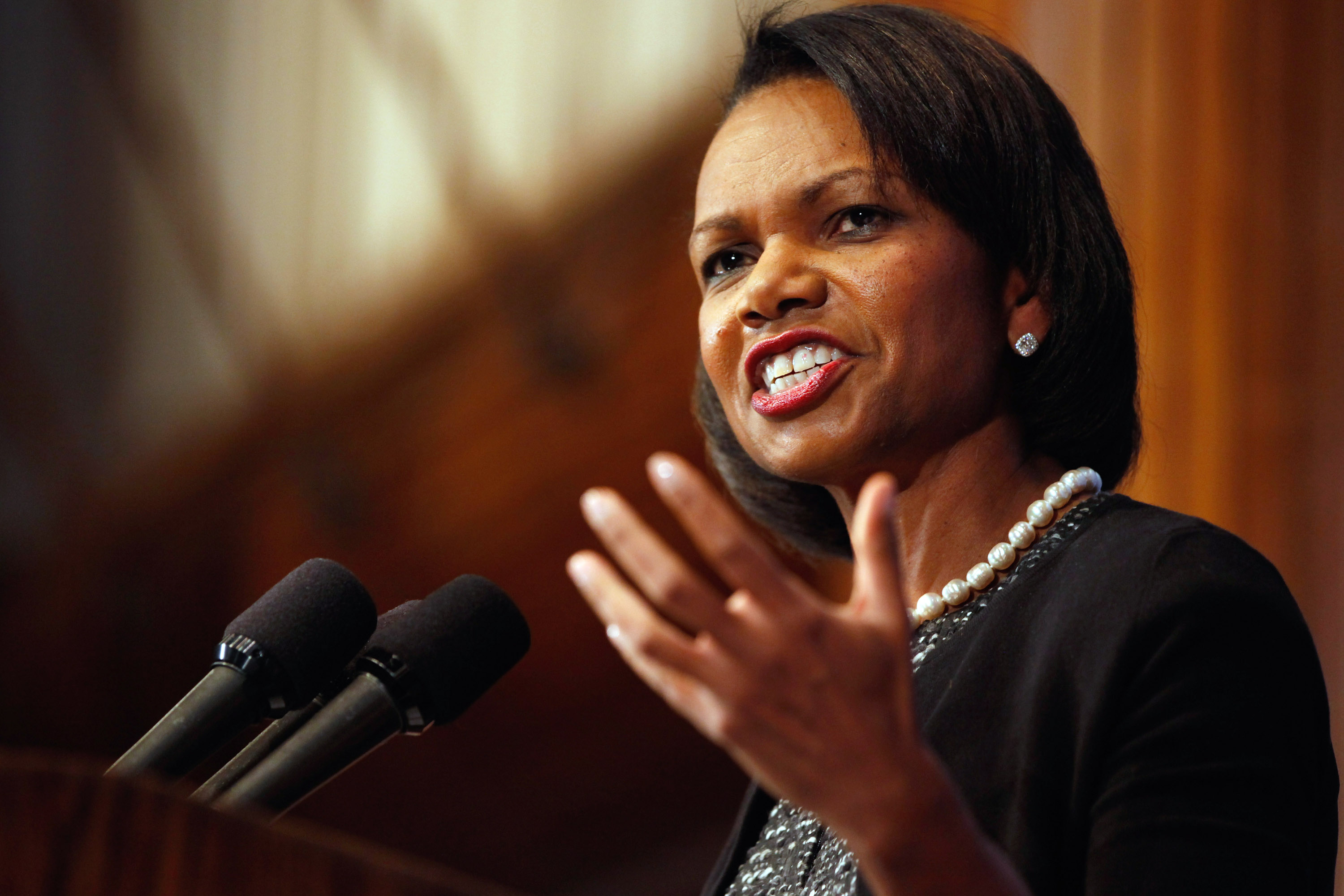
Condoleezza Rice Gives Talk, Promotes Book In Washington DCTimes staff report

While Democrat presidential candidates Hillary Clinton and Bernie Sanders battle for the heart and soul of the African American vote ahead of this month’s South Carolina primaries, the only black hopeful in this year’s presidential campaign can be found in the GOP.

Dr. Ben Carson is the lone black running for president in this cycle. He’s also a Republican. That means he’s unlikely to get many black votes, given that African-Americans historically favor Democrats overwhelmingly in national elections.

But that doesn’t mean most blacks eschew the Republican Party. In Alabama two years ago, 11 black candidates ran in the GOP primary, which some considered an all-time high.

Those candidates included Phillip Brown, chairman of the Alabama Minority GOP, who ran unsuccessfully for a seat on the Public Service Commission.

Last year, Newsmaxx Media, a leading conservative news media organization, published a list of the 100 most influential African-American Republicans and included Birmingham’s Condeleeza Rice, former U.S. secretary of state; and Huntsville’s John Meredith, President and CEO of Meredith Advocacy, who is son of James Meredith, the first African-American to enroll at the University of Mississippi.

Who are some of the other African-Americans to make the list of prominent Republicans?

Listed below are Newsmax’s 100 Most Influential African-American Republicans. A caveat: not everyone on the list may be actually registered Republican. But these are individuals who have a public identity as Republican or ones who lean Republican.

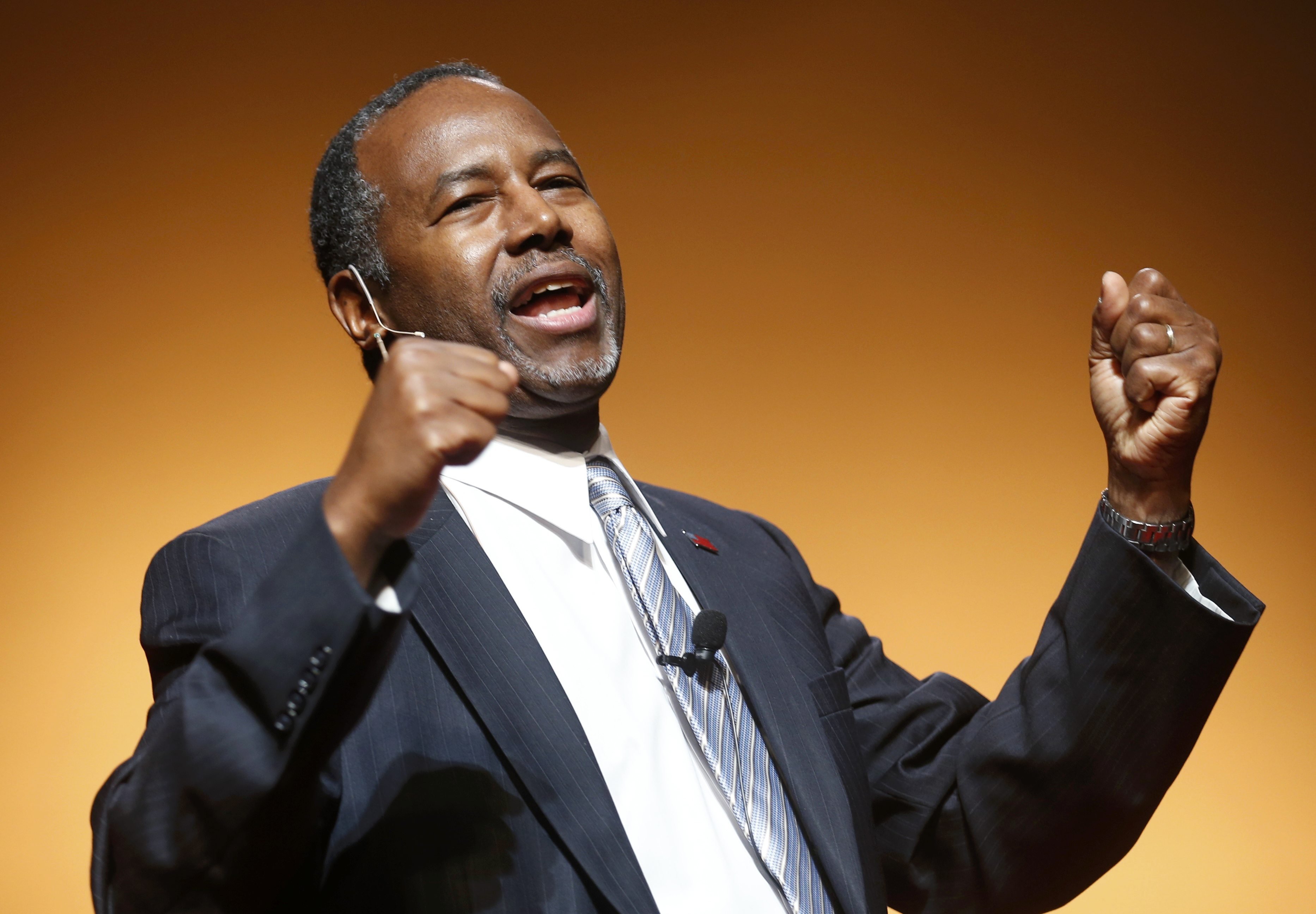
1. Ben Carson — renowned pediatric neurosurgeon; 2016 presidential candidateRepublican U.S. presidential candidate Carson officially launches bid for the Republican presidential nomination in Detroit
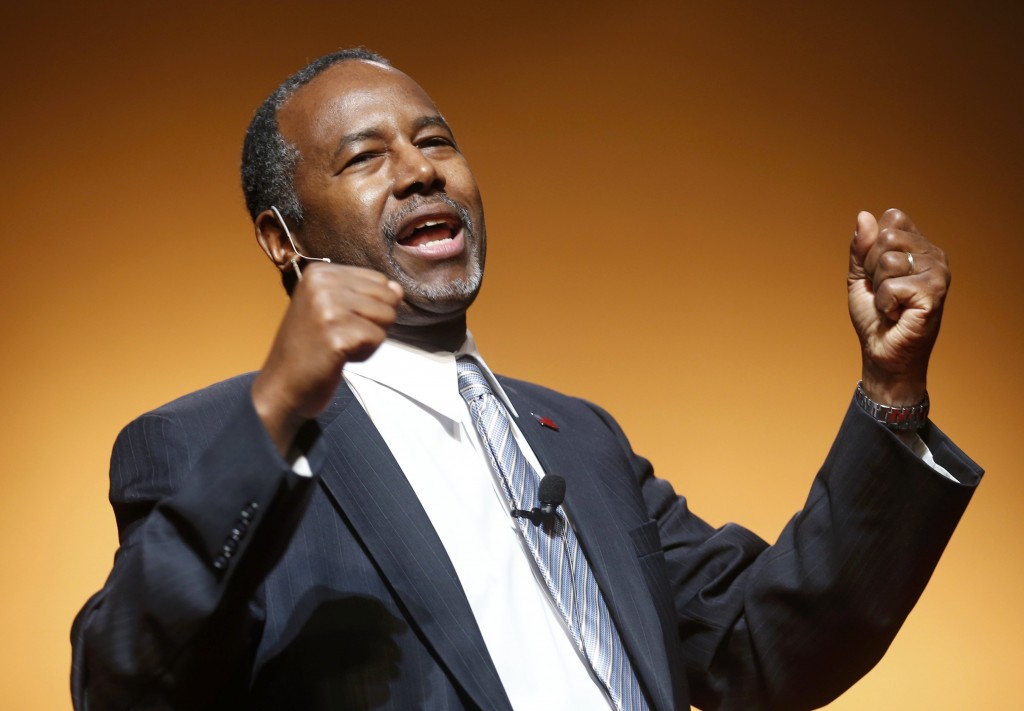
2. Colin Powell — former secretary of state; U.S. Army general

3. Condoleezza Rice — former secretary of state

4. Clarence Thomas — Supreme Court justice

5. Mia Love — U.S. congresswoman, Utah

6. Tim Scott — U.S. senator, South Carolina

7. Jason Riley — Wall Street Journal editorial writer; author, “Please Stop Helping Us”

8. Michael Powell — former chairman, Federal Communications Commission; president, National Cable & Telecommunications Association

9. Will Hurd — Texas congressman

10. Herman Cain — businessman; 2012 presidential candidate

11. Thomas Sowell — economist; author

12. Allen West — former congressman, Florida; ex-Army officer

13. Janice Rogers Brown — federal judge on the United States Court of Appeals for the District of Columbia Circuit.

14. Shaquille O’Neal — retired NBA star; actor

15. Michael Steele — former chairman, Republican National Committee

16. Antonio Williams — director of government relations, Comcast/Senior Director of Government and External Affairs at Comcast

17. Deroy Murdock — nationally syndicated columnist; businessman

18. Lynn Swann — NFL Hall of Famer; 2006 Pennsylvania gubernatorial nominee

19. Elbert Guillory — Louisiana state senator; former Democrat

20. Dwayne Johnson — athlete; actor

21. James “Bo Snerdley” Golden — producer, “The Rush Limbaugh Show”

22. James Earl Jones — Oscar-winning actor

23. Raynard Jackson —A Republican political consultant based in Washington, D.C. who has been involved in every Republican presidential campaign from George H. W. Bush to George W. Bush.

24. Walter Williams — economist; guest host, “The Rush Limbaugh Show”

25. Judge Lynn Toler — star of “Divorce Court”

26. LL Cool J — rapper; actor

27. Herschel Walker — retired NFL running back and Heisman Trophy winner

28. Joseph C. Phillips — actor, writer; Christian commentator

29. Shelby Steele — author, “The Content of Our Character”; documentary filmmaker

30. Joseph Louis Clark — former New Jersey high school principal portrayed by Morgan Freeman in “Lean On Me”

31. Prince — pop star

32. Alveda C. King — pro-life activist; former Georgia legislator; ex-Democrat; niece of Martin Luther King Jr.

33. Boyd Rutherford — Maryland lieutenant governor

34. Nolan Carroll — Philadelphia Eagles cornerback

35. Richard Ivory — founder, HipHopRepublican.com blog

36. Larry Elder — talk radio host; columnist

37. Jimmie “J.J.” Walker — stand-up comedian; iconic comic actor on “Good Times” in 1970s

38. Peter Kirsanow — member, U.S. Commission on Civil Rights

39. Robert P. Young Jr. — chief justice, Michigan Supreme Court

40. Don King — boxing promoter

41. Star Parker — president, Coalition on Urban Renewal and Education (CURE); columnist; congressional candidate

42. Alan Keyes — former presidential candidate

43. Raphael “Raffi” Williams — deputy press secretary for Youth and Conservative Media, RNC

44. Ward Connerly — former University of California regent; affirmative action foe

45. Crystal Wright — conservativeblackchick.com blogger

46. Armstrong Williams — radio commentator; author; media entrepreneur

47. Kevin A. Ross — host, “America’s Court with Judge Ross”; former Los Angeles Superior Court judge

48. Stephen N. Lackey — corporate philanthropist; GOP fundraiser

49. Michael L. Williams — former Texas commissioner of education

50. B.J. Penn — assistant secretary of the Navy under George W. Bush

51. Conrad James — scientist; member, University of New Mexico Board of Regents; New Mexico House of Representatives,

52. Robert J. Brown — CEO & Founder of B&C International, a global business management consulting firm headquartered in High Point, NC.

53. Harold Doley — Doley Securities. investment banker and founder of Doley Securities, LLC., the oldest African American owned investment-banking firm in the United States.

54. Logan Delany — Delany Capital; treasurer, Ben Carson Organization

55. Alvin Williams — Black America’s Political Action Committee

56. Robert A. George — New York Post editorial writer

57. Amy Russell — clerk for U.S. District Judge James M. Moody Jr. in Arkansas

58. Jane E. Powdrell-Culbert — New Mexico legislator

59. Karl Malone — retired NBA great

60. Niger Innis — national spokesman, Congress of Racial Equality (CORE); former Nevada congressional candidate

61. Neal E. Boyd — pop opera singer; “America’s Got Talent” winner; candidate, Missouri legislature

62. Kay James — president, Gloucester Institute; former George W. Bush administration official

63. Erika Harold — Miss America 2003; 2014 congressional candidate in Illinois

64. Damon Dunn — former NFL wide receiver; real estate investor; Long Beach, California, mayoral candidate

65. Thomas Stith — chief of staff for North Carolina Gov. Pat McCrory, leading governor’s “Innovation to Jobs” initiative

66. Robert Woodson — president, National Center for Neighborhood Enterprise

67. Sheryl Underwood — comedian; CBS “The Talk” commentator

68. David Tyree — retired NFL wide receiver; New York Giants director of player development; pro-family activist

69. Bruce Harris — nominated by Gov. Christie and defeated by state Democrats to be New Jersey’s first openly homosexual supreme court justice; former mayor of Chatham, N.J.

70. Orlando Watson — black media communications director, Republican National Committee

71. Scott Turner — Texas state legislator; retired NFL defensive back

72. Dale Wainwright — attorney, Bracewell & Giuliani; former associate justice, Texas Supreme Court

73. Stacey Dash — actress; Fox News commentator

74. Jackie Winters — Oregon state senator

75. Patricia Funderburk Ware — HIV/AIDS expert who served in Clinton, Bush, and Obama administrations

76. Chidike Okeem — Nigerian-born, London-raised blogger

77. J.A. Parker — president, Lincoln Institute; publisher, The Lincoln Review

78. Nadra Enzi — “The Hood Conservative,” New Orleans-based anti-crime activist

79. Mike Hill — Florida state legislator

80. Sonja Schmidt — PJTV commentator

81. Chelsi P. Henry — entrepreneur; political strategist

82. Joseph Perkins — columnist, Orange County Register

83. Carson Ross — mayor, Blue Springs Missouri

84. William Barclay Allen — former chairman, U.S. Civil Rights Commission; candidate for U.S. Senate in California

85. Clarence M. Mitchell IV — “C4,” Baltimore talk radio personality

86. Deneen Borelli — author, “Blacklash”; FreedomWorks outreach director
Lobbyist John Meredith

87. John Meredith — lobbyist; son of civil rights pioneer James Meredith

88. Bill Hardiman — Michigan state veterans services administrator; former mayor, Kentwood, Michigan; former state senator and congressional candidate

89. Jill Upson — West Virginia legislator

90. Ken Blackwell — former Cincinnati mayor, Ohio secretary of state, and GOP gubernatorial nominee

91. Vernon Robinson — campaign director for Draft Ben Carson movement; former North Carolina congressional candidate

92. Amy Holmes — news anchor, TheBlaze TV

93. Dr. Elaina George — otolaryngologist; ObamaCare critic

94. Tony Childress — sheriff, Livingston County, Illinois

95. Larry Dean Thompson — George W. Bush deputy attorney general

96. Kevin Jackson — host, “Black Sphere” radio show

97. Michel Faulkner — retired New York Jets defensive lineman; New York City pastor; 2010 congressional nominee against Rep. Charles Rangel

98. Ryan Frazier — investment consultant; former Colorado congressional candidate; Mitt Romney adviser

99. Brian C. Roseboro — international banker; George W. Bush Treasury Department official

100. David Webb — talk radio host; political columnist

Source: Newsmax Media.

Strong Men Put Heart Health First

0

HEART

By Clarence Ancar

heart surgery survivor

(NAPS) — In the blink of an eye, my life went from living what I believed to be a “normal” lifestyle to almost becoming one of the over 37,000 African-American men who die of heart disease each year. One moment I was enjoying a family vacation in Mississippi, and just two days later, I was in the hospital due to shortness of breath and dizziness. A series of tests showed that I had three blocked arteries, and I would quickly need triple coronary bypass surgery to save my life.

When I was told I needed surgery in March of 1999, I couldn’t believe it. I felt angry, confused, and wondered, “How could I have allowed this to happen to me?” I knew I had a family history of heart disease. My grandfather and father both died from heart attacks before the age of 60. I knew my blood pressure and cholesterol levels were off the charts, but I ignored my doctor’s advice on living a healthier lifestyle. I knew I should exercise more, eat better and take my medications to help lower my blood pressure and cholesterol. But like many men, it was always something I would do tomorrow. Because I delayed, I was almost too late in saving my own life.

After my surgery I decided to put my heart health first. I was given a second chance and I owed it to myself and my loved ones to live a long, healthy life. Dr. Keith C. Ferdinand and my health care team taught me that heart disease was not a death sentence and that I could still live a productive life if I committed to making a change and respected my heart condition. My wife, family, friends and doctor were all counting on me, and I wasn’t going to let this defeat me.

I developed a plan with my doctor and health care team to improve my heart health. Committing to this new lifestyle wasn’t easy at first. I felt like I was on my own and I didn’t know where to begin. My health care team helped me see that by setting small, achievable goals, and tracking those goals, I could make a big and lasting difference in my health. I learned the importance of high blood pressure and cholesterol medications and started taking them regularly, as prescribed. With my dietitian’s help, I started eating less of the fatty, salty and greasy food that the South is known for and more fruits and vegetables. I also walked two to three miles each day. After my surgery, I lost a significant amount of weight.

One of the best things I do for my health is visit my doctor regularly to ensure my heart is functioning at its best. At each visit, we track my blood pressure and cholesterol numbers to make sure they are controlled. I have a strong, trusting relationship with Dr. Ferdinand, and he motivates and supports me in staying heart healthy.

Many African American men feel too “macho” for regular doctor visits, especially if they aren’t sick. Take it from me, health care professionals know how your heart should perform, and they can work with you to reduce your risks for heart disease and stroke. Strong men put their heart health first, so don’t be afraid to ask questions and trust their advice.

For American Heart Month, learn from my story and don’t let heart disease take you by surprise. One day of delay and it could be too late. I challenge you to be strong and commit to making one heart-healthy lifestyle change during the month of February. Share your success with others on Million Hearts® Facebook page at www.facebook.com/millionhearts. Learn steps you can take for heart health at millionhearts.hhs.gov. Your family, friends and community are counting on you to be strong and take care of your heart.