Home Blog Page 223

Live HealthSmart Alabama Announces Expansion into Central Alabama

0
Live HealthSmart Alabama, an initiative of the University of Alabama at Birmingham to improve the health of all Alabamians, is beginning to expand its programs and services beyond Birmingham and into central Alabama, thanks in part to a recent $2.47 million gift from Novo Nordisk Inc. (Adobe Stock)

Live HealthSmart Alabama, an initiative of the University of Alabama at Birmingham to improve the health of all Alabamians, is beginning to expand its programs and services beyond Birmingham and into central Alabama, thanks in part to a recent $2.47 million gift from Novo Nordisk Inc.

Funding will support LHSA’s programs and services, including revitalization of the built environment, a new mobile wellness van and mobile market – much-needed resources that will be deployed in Selma, Demopolis, Camden and beyond.

“We thank Novo Nordisk Inc. for their remarkable $2.47 million gift to help propel our shared goals and Live HealthSmart Alabama’s mission of improving healthy living across our state,” said UAB President Ray L. Watts. “Public/private partnerships have been absolutely critical to the early successes of Live HealthSmart Alabama, and we are excited and eager to work with others who share our passion for making a difference in the lives of Alabamians as we expand the initiative to other areas of the state.”

Novo Nordisk, Inc. — a global pharmaceutical company committed to improving the lives of people with chronic diseases like diabetes — is viewed as a key partner in helping LHSA improve the health of Alabamians.

“Investing in a healthier tomorrow, Novo Nordisk Inc. is proud to partner with UAB’s Live HealthSmart Alabama and its mission,” said Apurva Patel, Director of Corporate Sustainability and Social Impact with Novo Nordisk Inc. “Together we are striding forward, fostering access to nourishing foods and securing spaces for physical activity in underserved communities. Our hope is to ease the burden of chronic disease and shape a future of vitality for all.”

LHSA has been operating in 11 Birmingham communities since 2019 and has developed a playbook of evidence-based strategies to improve health outcomes, such as reducing chronic disease rates and improving access to healthy food. These strategies have been implemented in all 11 communities, and LHSA is seeing early positive results. In all these efforts, corporate partnership is vital, and LHSA’s goal could not be accomplished without a broad coalition of supporters and partners, like Novo Nordisk.

“These efforts can positively impact the incidence of chronic disease, supporting more Alabamians in achieving better health,” said Mona Fouad, M.D., chief executive officer of LHSA and director of the UAB Minority Health and Health Equity Research Center.

LHSA is committed to working with local partners to develop a plan that is specific to the local communities to make a significant impact on the health of Alabamians. In Selma for example, support has been committed by the city of Selma, United States Representative Terri Sewell, Cadell Construction, Henry Brick Company, Ingram Construction, Vaughn Regional Medical Center, YMCA of Selma and the UAB-Selma Family Medicine Residency Program, in addition to Novo Nordisk. Preliminary meetings with community members, pastors and local leaders in Selma have already taken place, while a built environment plan has received approval from the city of Selma. Additionally, research is ongoing to support a food access and wellness event strategy.

Live HealthSmart Alabama is committed to improving access to healthy eating, physical activities, and prevention and wellness to reduce high blood pressure, diabetes and high cholesterol in the state of Alabama.

“We are honored that so many have agreed to support the mission of LHSA,” said Teresa Shufflebarger, chief administrative officer of LHSA, which is facilitated by the UAB MHERC. “Making good health simple includes making healthy food choices accessible, encouraging more physical activity and providing free preventive health screenings.”

To learn more about Live HealthSmart Alabama’s efforts across the state, visit its official website.

UAB Department of Theatre, Red Mountain Theatre Co-Present “Sister Act”

0
Joining the UAB/Red Mountain production as Deloris is the dynamic Nicole Vanessa Ortiz, who recently finished an international tour run in the role. More than half of the cast and crew members for “Sister Act” are current UAB students, who are not only earning class credit, but in many cases making their professional debuts at RMT. (RMT)

sister act streamTwo of Birmingham’s musical theater education powerhouses have teamed up to present the feel-good musical comedy “Sister Act,” with shows from April 5-21.

This is not the first time the University of Alabama at Birmingham Department of Theatre and Red Mountain Theatre have collaborated; they have historic ties. But it is the first time the two groups have co-presented a production like this.

“Sister Act” is based on the popular 1992 film: After witnessing a murder, disco diva Deloris Van Cartier must hide in a local convent disguised as a nun. At odds with the strict lifestyle and even stricter Mother Superior, she finds her niche in revitalizing the church choir — until it blows her cover.

Show times are Thursday through Saturday at 7:30 p.m., with matinees on Saturday and Sunday at 2 p.m. Tickets start at $49. A 20 percent discount is available for UAB students and employees. Purchase tickets at redmountaintheatre.org. The show is recommended for ages 13 and older. Use the code BLAZER20 until April 14 for a 20 percent discount on tickets.

The Birmingham, Alabama-based nonprofit organization Red Mountain Theatre has been inspiring audiences and creating conversations through theater experiences since 1979. RMT also offers educational programs for young people and growth opportunities for theater professionals.

The UAB Department of Theatre, in the College of Arts and Sciences, has won the highest honors awarded to university theaters, including best in region from the Kennedy Center American College Theater Festival. Faculty members in the department continue to work professionally in addition to teaching.

More than half of the cast and crew members for “Sister Act” are current UAB students, who are not only earning class credit, but in many cases making their professional debuts at RMT. When current faculty and alumni of UAB’s prestigious theater program are included, UAB Blazers represent two-thirds of the team uniting to present the beloved show, according to RMT.

Joining the production as Deloris is the dynamic Nicole Vanessa Ortiz, who recently finished an international tour run in the role. Ortiz is up against the stodgy Mother Superior and Monsignor O’Hara, played by UAB’s Valerie Accetta, head of Musical Theatre, and Dennis McLernon, head of Performance. Stepping into the role of Officer Eddie Souther is UAB musical theater student Jalen Kirkman, who just won Best Male Vocalist in the 2024 NextGen National Competition.

The show’s director, Roy Lightner, is well aware of this kind of crossover energy. He is RMT’s Singh Artistic Director and an associate professor at UAB.

“It is an awesome, artistic skill-building collaboration between the two,” Lightner said. “Pooling our creative resources means the talent level in Birmingham, and the talent we attract, just keeps going up and up.”

The partnership marks a return to RMT’s roots in Birmingham. Its original incarnation, Summerfest, was started in 1979 through a partnership with UAB that lasted until 1993. Though unofficial relationships and crosspollination continued, “Sister Act” marks the beginning of a new era for both groups.

“This is a collaboration we intend to sustain into a long and bright future,” says RMT Executive Director Keith Cromwell.

“Sister Act” is sponsored by Bruno Rumore Foundation, Will Donaldson and Steve Holmes, The Palmer on Parkside and The Drummond Family.

For the First Time in 37 Years, Jefferson County Makes Major Change to Tax Maps

0
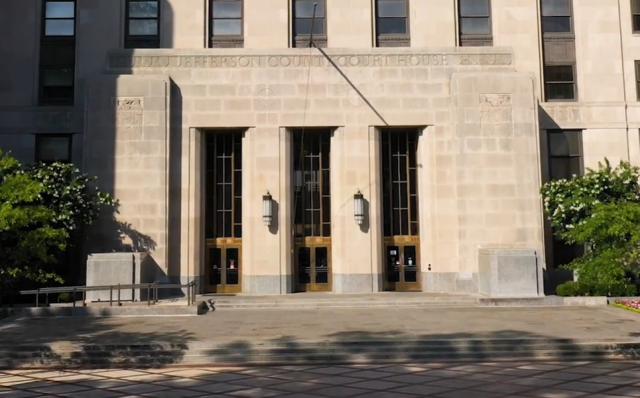
For the first time in 37 years, the Jefferson County Tax Assessor’s Office has completed a comprehensive countywide resurvey that has modernized parcel data that will impact more than 600,000 residents and departments like the Board of Equalization. (File)

By Barnett Wright | The Birmingham Times

For the first time in 37 years, the Jefferson County Tax Assessor’s Office has completed a comprehensive countywide resurvey that has modernized parcel data that will impact more than 600,000 residents and departments like the Board of Equalization.

The tax map is the foundation for some of the county’s most important functions from emergency services to the US Postal Service and every municipality within the county.

Officials said the antiquated tax application relied on obsolete technology which caused potential security issues and led to inaccuracies that caused confusion and raised questions about the reliability of the data.

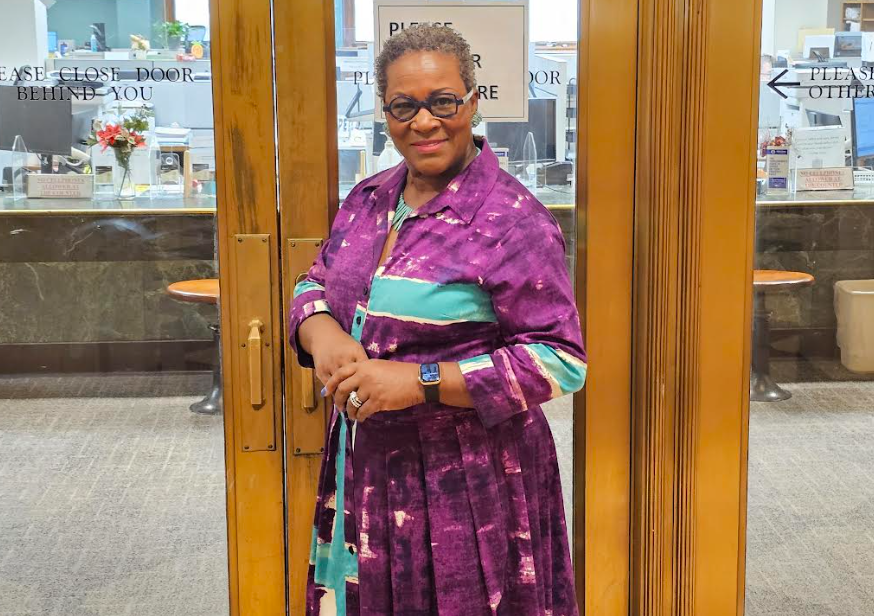
Gaynell Hendricks, Jefferson County Tax Assessor, in the downtown courthouse. (Barnett Wright Photo, The Birmingham Times)

The conversion took about four years and involved more than 400,000 parcels, said Gaynell Hendricks, Jefferson County Tax Assessor. “[The technology] was really bad. It was old. … [But] now we now know where every parcel is located and the boundaries in the entire county.”

As Hendricks learned more about the antiquated GIS system in 2019 and found corrupted data in the Bessemer division could spread and put major systems at risk for the entire county she took action, she said.

The tax assessor said it was a huge and expensive ($3 million from the tax appraisal budget) undertaking.

“When we began this project, this was the largest tax data conversion in the history of the United States and we were only recently eclipsed by Harris County, Texas, which is the 3rd most populated county in the U.S.,” said Joshua Chris, Enterprise GIS Manager in Jefferson County’s IT department.

The inaccuracies in the antiquated tax map posed several challenges across various business operations and the inconsistencies proved disruptive for many departments.

“… it goes without saying that the assessment and collection of taxes is of critical importance to funding government,” said Chris. “Additionally, the data feeds into business systems across the county and impacts nearly every citizen within the county.”

Commissioner Joe Knight said the “pinpoint accuracy” of the maps makes a huge difference for residents who want to know exactly where their property lines and parcels are.

He also spoke of the importance for law enforcement and first responders.

“When you get a 911 call you know exactly where that property is … same thing with the police department and the fire department. That’s a great addition to our county.”

The parcel data is now “spatially accurate” which means that it is tied to its true location on the earth, Chris said. “When it comes to land ownership, location, and accuracy are imperative and carry legal implications. Through a two-pronged approach of recovering section corners and updating parcels to align with those legal boundaries, the data is more accurate than it has ever been.”

The county’s Parcel Lookup App has over 1.5 million unique visits and gets around 1,200 visits per day, he said.

“This technology has also allowed us to leverage the data in new ways,” he said. “We are building dashboards that allow for leadership to track updates over time and provide assessors in the field with up-to-date metrics on parcels that have been assessed and those still pending assessment.”

On Tuesday, Chris told the Jefferson County Committee of the Whole, “prior to this we were leveraging 20th century technology that was outdated, cumbersome, and not scalable to the needs of Jefferson County. I am happy to say we are now in the 21st century and implementing cutting edge technology and applications.”

Justin Jones: The Taste of Sweet Potato Pies Along With Sweet Success

0
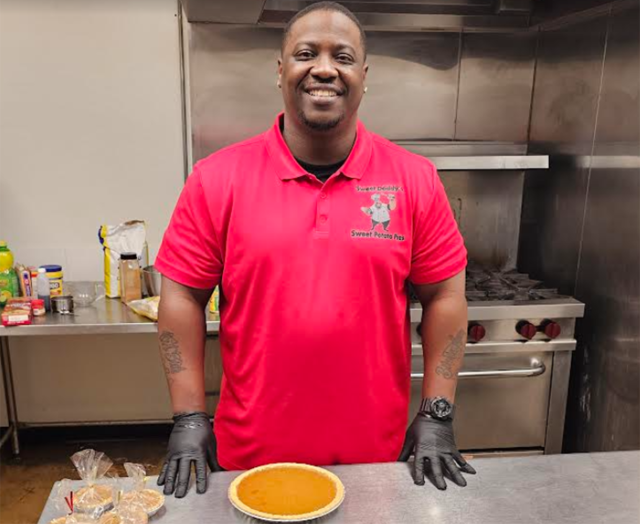
Justin Jones, co-owner of Sweet Daddy’s Sweet Potato Pies in Birmingham. (Barnett Wright, The Birmingham Times)

By Keisa Sharpe-Jefferson | For The Birmingham Times

He started off as a kitchen helper for his mother and grandmother while they baked sweet potato pies in Birmingham’s Central Park community.

Justin Jones, co-owner of Sweet Daddy’s Sweet Potato Pies in Birmingham, would taste the desserts and would ask his mother, Rena Jones, and grandmother, Johnnie Mae Lewis, to tweak them based on his palate.

“If I felt like it needed a little bit more of something …  more sugar …  more vanilla …  they would make their pies according to my taste,” said Jones.

And when his mother became tapped out making sweet potato pies (she’d made so many and was tired of making them for the holidays), her son stepped up.

“Somewhere around 2020 … I would make them for her. Then my wife’s family got a taste of the pies too, and so many people wanted me to make sweet potato pies in the family, so I just said, “You know, I’m going to start charging people for these,” said Jones.

And Sweet Daddy’s Sweet Potato Pies were born. Justin started making pies in his own kitchen in Center Point for the holidays and delivering them to family members.

Not only does Jones make sweet potato pies, which is “my mom’s recipe and I just tweaked it to my taste buds,” but his homemade dessert lineup also includes pecan and apple pies, as well as peach cobbler.

And each dessert has a gluten-free option.

Birmingham’s Best

The 38-year-old Jones is Birmingham born and bred. “I grew up on the West side of Birmingham, in the Central Park and Green Acres areas.”

He’s a 2004 graduate of Midfield High School and although he knew he wanted to be a businessman, his life didn’t take the path he expected.

He and wife Charity, who’s also co-owner of Sweet Daddy’s Sweet Potato Pies, have six children between them both and a one-year-old granddaughter.

“Ever since I was a kid, I always wanted to be an entrepreneur,” said Jones. “But I thought I was going to play football all my life (he was a running back and strong safety at Midfield High) and (I thought) that was going to support my dream.”

Jones graduated high school in 2004 and then played football for the now-closed Concordia College in Selma.

“All in one year, I transferred from Concordia College in 2005, then finished the school year at Miles College, and then went to the Army stationed at Vilseck, Germany where I stayed two years and worked as a generator mechanic,” said Jones.

After the military, Jones went to Norfolk Southern in Irondale in 2018 and in 2021, he was hired at Nucor Steel in Birmingham, which was his last job before launching his business in September 2023.

It’s Moving Fast

Jones recently celebrated his 38th birthday in February and celebrated four years of marriage to Charity on March 9.

He sets up at various markets with a tent (with the Sweet Daddy Pies logo) and a table to sell his desserts.

Most weeks, his schedule is pretty set with fresh pies ready by the weekend.

He works from a community kitchen in Hoover, where several small businesses rent kitchen space that comes with appliances and tools.

“Normally, I start cooking on Wednesday and have it (pies) packed up by Thursday and Friday and have them fresh and ready to go on Saturday morning for market.”

Jones delivers to various customers, including businesses, throughout the week.

When at his markets, Jones said he loves to do more than just sell. “I like talking to my customers while they eat my pies,” he said. “That’s one of the things I enjoy the most about setting up at our markets – meeting and talking to our customers face-to-face.”

Markets included in Sweet Daddy’s rotation include locations from Pepper Place in Birmingham to Ross Bridge in Hoover.

For those who want to get into business, Jones offers this advice. “Don’t be intimidated and don’t be scared, just trust the process,” he said. “Always be confident and make connections. Network, network, network – it’s a big part of what I do. I like to talk to people and get to know them and you never know who you come across that can help you and help your business grow.”

He adds, “at first when you start, it might be kind of slow. Keep networking so you can get to bigger markets, and you’ll find your way and that builds confidence.

To place an order call Jones at 205-801-6219, he said, or Instagram @SweetDaddyPies, where Jones and his team post their market schedule. 

Jehovah’s Witnesses Launch Invitation to Special Events

0
On Sunday, March 24 millions will gather at sundown to commemorate what is considered the most important day of the year for Jehovah’s Witnesses, the Memorial. (File)

jw.org

On Sunday, March 24, a one-hour talk highlighting the significance of Jesus Christ’s death and what it means for all of mankind will be held around the world.

Millions will gather at sundown to commemorate what is considered the most important day of the year for Jehovah’s Witnesses, the Memorial, which is observed annually on Nisan 14 of the Jewish calendar in adherence to Jesus’ statement found at Luke 22:19, “Keep doing this in remembrance of me.” Though there are over 8.6 million Jehovah’s Witnesses around the world, almost 20 million people attended the event last year.

“Around the world, many people who are not Jehovah’s Witnesses attend the Memorial. We hope that members of our local community will also join us in remembering the death of Jesus Christ to show gratitude for his sacrifice,” said Clarence Fortune, spokesperson for Jehovah’s Witnesses. “While it is a solemn occasion, it is also a joyous one.”

In Birmingham, a special campaign was launched during March 2024 to invite local residents to attend the annual observance of the Lord’s Evening Meal as well as a special public talk that was delivered the week before.

Titled “The Resurrection—Victory Over Death!”, the special talk was delivered at local Kingdom Halls on the weekend of March 16 and 17. This 30-minute, Bible-based public discourse focused on the scriptural hope of a resurrection of the dead in the near future.

James Robinson said: “My family looks forward to the special talk and the Memorial all year. Both events help us to pause and reflect on all the things we can be grateful for, things that we can consider blessings from God. We learn practical ways to draw closer to Jehovah and to draw closer together as a family.”

To learn more about how Jehovah’s Witnesses observe the Lord’s Supper, visit the Frequently Asked Questions page found on jw.org.

Birmingham Therapists Share Importance of Mental Health Wellness for Black Women

0
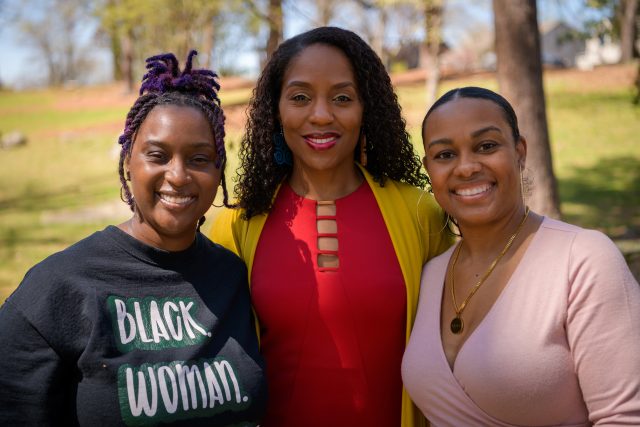
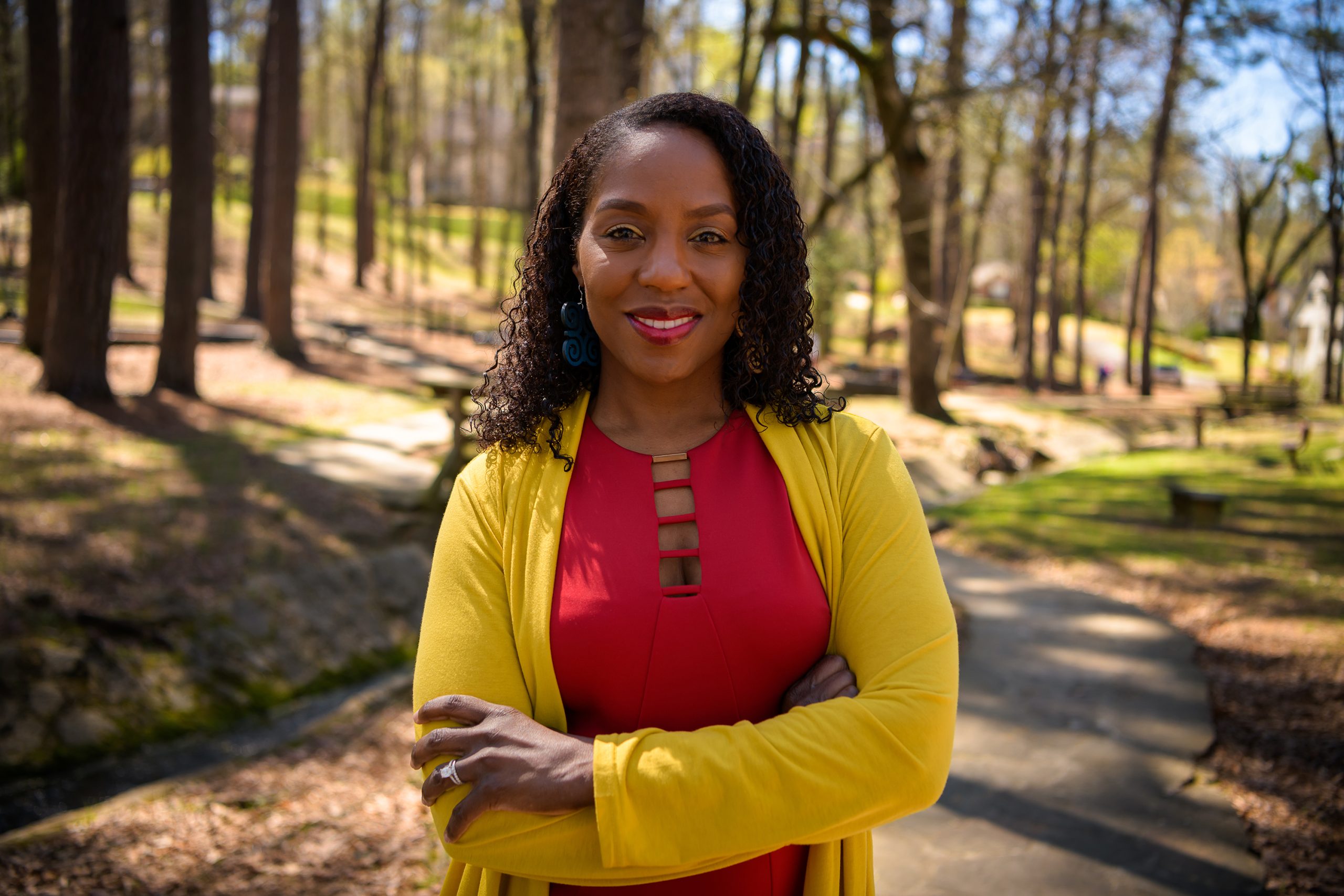
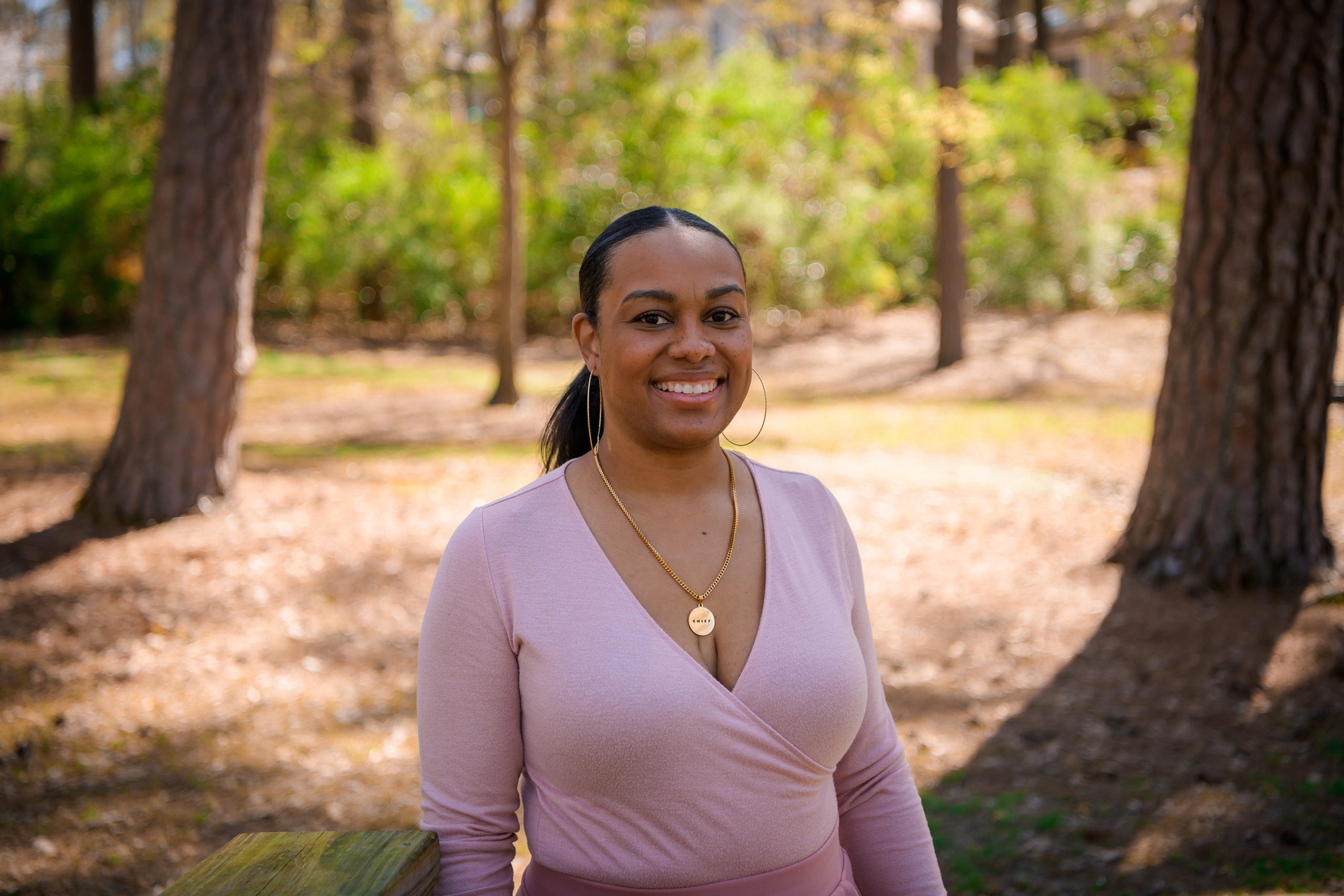
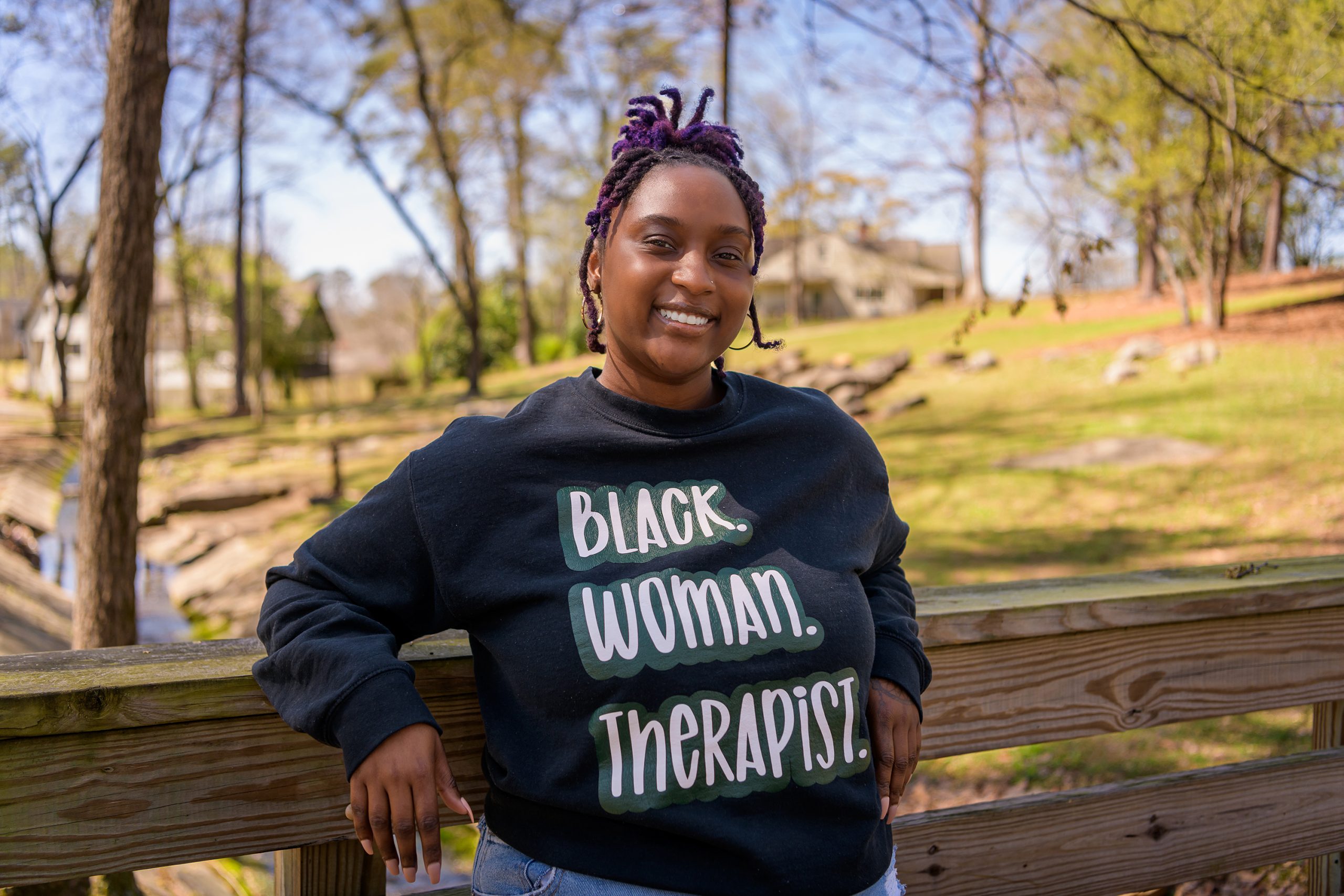
From left: Adezza DuBose, founder, Black Mental Health: Let’s Pray and Talk; Dr. Nadia Richardson-Johnson, founder and CEO of the Black Women’s Mental Health Institute and Tiffany Storey, founder and executive director of Storeyhouse Counseling and Consulting. (Amarr Croskey, For The Birmingham Times)

By Keisa Sharpe-Jefferson | For The Birmingham Times

Dr. Nadia Richardson-Johnson is a professor, diversity consultant as well as Founder and CEO of the Black Women’s Mental Health Institute (BWMHI). She serves with a personal understanding of what mental health patients battle.

Johnson’s been vocal and vulnerable about being diagnosed with “high functioning, rapid cycling, bipolar two,” which is characterized as experiencing four or more episodes of mania or depression in a year’s timeframe.

Her diagnosis came after a collaborative conversation between her medical team – including her counselor, psychiatrist, and internal medicine physician. “I gave all three of them permission to talk to each other, and when they did, they all kind of came together (with a diagnosis),” said Johnson.

That “official” diagnosis opened the door for additional conversations with family who’d managed similar mental health struggles for years, she said.

Dr. Nadia Richardson-Johnson, Founder and CEO of the Black Women’s Mental Health Institute. (Amarr Croskey Photo, For The Birmingham Times)

Johnson and other Birmingham-area medical professionals encourage members of the Black community to be more open about their mental health. There’s still a negative stigma associated with mental illness in the Black community and that stigma is hindering our acknowledgement and healing.

Adezza DuBose, licensed professional counselor and founder of Iman Healing Journey (Iman means faith), said her tea, is “educating and we’re also advocating. We’re doing the best that we can for clients in general, especially Black people, because we are still just down at the bottom when it comes to mental health (care). We still don’t take it as serious as we need to (because) there’s still so much stigma and shame associated with it.”

What’s more concerning is that Alabama rates 50th in the nation in terms of mental health care access, according to a study by Mental Health America, said Richardson.

And that same study shows Alabama has consistently dropped in rankings compared to other states in recent years when it comes to access to mental health resources and care, she added.

Armed with this information, it’s even more important to recognize the signs of mental illness, particularly in high-achieving African American females, she said.

Subtle Signs

One of the first subtle signs, according to Johnson, is when people veer off their normal routine. “When it ventures into this space of mental distress or mental illness, it means it’s impacting their ability to go about their lives as they usually do,” said Johnson.

Watch for the person who is no longer tapping into the things they’d usually enjoy, like going to church, the gym or even family outings, she said.

To kickoff Women’s History Month, Johnson’s organization hosted a luncheon at the Birmingham Botanical Gardens, featuring a panel discussion with April Simpkins, the mother of Cheslie Kryst, a lawyer, television correspondent and 2019 Miss USA who was lost to suicide in 2022.

Simpkins shared with the audience that her daughter had long struggled with depression and encouraged them to watch for signs of mental illness, like an excessive work ethic.

Tiffany Storey, licensed counselor, founder and executive director of Storeyhouse Counseling and Consulting. (Amarr Croskey, For The Birmingham Times)

Clues To Help Others

Tiffany Storey, Birmingham licensed professional counselor, founder and Executive Director of Storeyhouse Counseling and Consulting, joined Johnson and Simpkins on that panel discussion.

Storey, who reminded the audience to check on their “strong friends,” shared some clues to help others understand how and when high achievers are struggling.

“You’ll hear them negotiating when they can get sleep, or when they can have down time, or when they can squeeze things in,” said Storey. “They say things like, ‘I’m overwhelmed.’ They’re forgetting things. They’re running behind and looking tired. They’re more hidden or socially isolated. That’s the time to pay attention to them,” she said.

Storey added, “People who identify as strongest are often the most emotionally vulnerable. While meeting everyone else’s needs, they get the message their needs aren’t important.”

Storey continued, “often people in distress know they are, but they struggle to acknowledge or make the next step.”

But she added, once you recognize a friend or family member is dealing with a mental health crisis, there are a few ways you can assist to help them move forward and get the help they need.

“First, don’t use terms to make them feel bad or small,” she said. “And make sure they feel seen and heard.’

And rather than just offering to help, take it a step further and insist on making life easier by cooking, cleaning, and running errands for them.

For Johnson’s organization, the work of empowering others to help those who have challenges with mental illness is a crucial part of the healing journey.

“We do mental health first aid training,” she said. “We offer free counseling. We put on community health workshops and clinician training, and some of that includes educating and empowering individuals to self-advocate.”

Adezza DuBose, licensed counselor and founder, Black Mental Health: Let’s Pray and Talk. (Amarr Croskey, For The Birmingham Times)

Challenges For Black Women

DuBose, founder of Iman Healing Journey, said there a number of challenges for Black women not found in other communities.

DuBose said she was startled to learn “Black women are now leading in those who have died by suicide after having birth.”

Learning this gave her a renewed passion to help women, as she takes her work and her mission to heart, not only in counseling patients dealing with post-partum depression, but she counsels adolescents and couples.

The most effective personal healing begins with self, she said.

“We cannot continuously pour from an empty cup,” she said. “We have to be able to pour into ourselves and help ourselves as much as we can, so that we can pour back into others, whether it’s our families or it’s the community or wherever.”

The first question she asks in terms of those seeking help, is what their support system looks like, she said.

“Just have some type of foundation to lean on when you’re down, but that’s still not enough,” said DuBose.

“We need community. We need to seek some type of help from somebody that doesn’t know me, so I know there are no biases (knowing) I have a different place outside of my home or outside of wherever that I’m experiencing this trauma. I have somewhere else I can go to release all this mess that’s on me,” said DuBose.

Additional Resources

For more on Richardson and Black Women’s Mental Health Institute visit https://www.bwmhi.org.

For more on Storey and Storeyhouse Counseling and Consulting visit https://www.shccal.com.

For more on DuBose, visit https://www.imanhealingjourney.com.

Gov. Kay Ivey Signs Bill to Limit Public Funds for DEI in Alabama

0
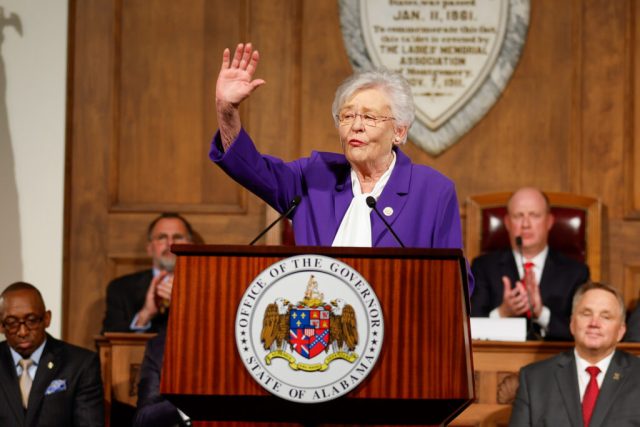
Alabama Gov. Kay Ivey delivers the State of the State address on Tuesday, Feb. 6, 2024 in Montgomery, Ala. (Stew Milne for Alabama Reflector)

By | Alabama Reflector

Gov. Kay Ivey Wednesday signed a bill limiting the use of public funds for diversity, equity and inclusion (DEI) programs and limiting the ability of public employees to discuss so-called “divisive concepts.”

In a statement Wednesday, Ivey wrote that she and her administration valued “Alabama’s rich diversity,” but she wanted to prevent people on college campuses from what she called “their liberal political movement counter to what the majority of Alabamians believe.”

“We have already taken action to prevent this in our K-12 classrooms, and I am pleased to sign SB 129,  to protect our college campuses,” the statement said. “Supporting academic freedom, embracing diversity of cultures and backgrounds and treating people fairly are all key components of what we believe in Alabama, and I am more than confident that will continue.”

The bill would prevent public teachers, along with some other public employees, from compelling others to accept or conform certain “divisive concepts,” including  “the moral character of an individual is determined by his or her race, color, religion, sex, ethnicity, or national origin” and “meritocracy or traits such as a hard work ethic are racist or sexist.”

The bill would also prevent public funds from being used for DEI efforts. The bill includes preventing any state agency, local board of education, or public institution of higher education to sponsor a DEI program or maintain an office, physical location or department that promoted DEI.

A person violating the act could face discipline or lose his or her job.

Opponents said the legislation could subject teachers to discipline for discussing widely-accepted historical facts and inhibit efforts to help students understand people from different backgrounds.

The bill was amended several times in the House of Representatives. The legislation originally said that nothing in it “may be construed to inhibit or violate the First Amendment rights of any student or employee, or to undermine the duty of a public institution of higher education to protect, to the greatest degree, academic freedom, intellectual diversity, and free expression, provided that none of these protected tenets conflict with this act.”

An amendment removed the final clause of the statement: “provided that non of these protected tenets conflict with with this act.”

Speaking after the bill passed Tuesday, Senate Minority Leader Bobby Singleton, D-Greensboro, said that the bill could have consequences, such as for higher education and major companies.

“That scares me, in terms of whether or not we’ll run other companies in the future away from Alabama,” he said.

Derrick Johnson, NAACP President & CEO, condemned the bill in a statement on Wednesday, saying Alabama government “has failed our children.”

“The ongoing assault on diversity, equity, and inclusion is part of an anti-Black agenda that seeks to revert our nation back to a time where Black students and teachers were denied adequate access to the classroom,” the statement said. “We refuse to go back. The NAACP remains committed to exploring all avenues of advocacy, mobilization, and litigation to ensure that our young people have the resources and support they deserve.”

The University of Alabama said in a statement Wednesday that its institutions “remain dedicated to our mission of providing exceptional educational, research and patient care experiences to all people, of all backgrounds, in welcoming and supportive environments that foster open thought, academic freedom and free expression.”

“Before the legislation goes into effect in October 2024, we will determine what actions are needed to ensure we can continue to fulfill our multifaceted missions and equip all campus community members for success at our universities and beyond in compliance with applicable law,” the statement said.

Auburn University President Christopher B. Roberts and Provost and Senior Vice President of Academic Affairs Vini Nathan sent a message to the campus community Wednesday that said the school is committed to providing support to all students, “with particular emphasis on providing access and opportunity.”

“We work hard each day at Auburn to create an environment where our faculty, staff and students are welcomed, valued, respected and engaged,” they wrote in the letter. “We remain committed to providing these exceptional experiences while continuing to support academic freedom and freedom of expression. As always, Auburn will act consistently with applicable state and federal law.”

Alan Tita: UAB professor, 2023-2024 Distinguished Faculty Lecturer

0
Alan T.N. Tita, M.D., Ph.D. is the senior associate dean for Global and Women’s Health at the Heersink School of Medicine, professor in the UAB Department of Obstetrics and Gynecology, and Mary Heersink Chair for Global Health. (UAB)

By Matt Windsor | UAB News

For parents, the sound of a child’s cry can generate panic. Alan T.N. Tita, M.D., Ph.D., thinks there are few things more beautiful in his line of work. “Hearing a newborn child cry is wonderful news at birth,” said Tita, senior associate dean for Global and Women’s Health at the Heersink School of Medicine, professor in the UAB Department of Obstetrics and Gynecology, and Mary Heersink Chair for Global Health.

Tita is a sub-specialist in maternal-fetal medicine (obstetrics and gynecology) and one of the country’s leading innovators on the topic. While he was growing up in Cameroon, his mother, Agnes, was a nurse. Her example, her interesting books and exposure to the staff at the local hospital where she worked all steered him to a career in medicine.

During training at the Faculty of Medicine and Biomedical Sciences at the University of Yaoundé I he began to see the reality of the “high rates of maternal and infant mortality in Cameroon” and learned about the huge disparities in these rates between countries. “In Cameroon, women were 100 times more likely to die during childbirth compared to those in Europe and North America,” Tita said.

After medical school, Tita worked for two years at a missionary hospital in rural Cameroon, where he “faced the challenges associated with maternal health firsthand,” he recalled in an interview with the Clinical Research Forum. “When you see so many young women dying from complications of childbirth and illegal abortions, well, those images don’t just go away.”

“Area Where I Could Contribute”

Tita wanted to have an impact on these outcomes, and it was clear “this was an area where I could contribute and hopefully make a difference,” he said. That is exactly what he has done since. In 2022, Tita received one of the highest honors in science and medicine when he was elected to the National Academy of Medicine. That same year, the groundbreaking Chronic Hypertension and Pregnancy study, known as CHAP, (a nationwide collaborative effort led by Tita in association with Gary Cutter, Ph.D., and Jeff Szychowski, Ph.D., at the UAB School of Public Health) was published in the New England Journal of Medicine.

CHAP answered a question that had challenged clinicians for decades: Is it beneficial and safe — for both mothers and their babies — to treat mild chronic hypertension with medications during pregnancy? The answer was yes, with outcomes improved for mothers and babies and no obvious impairments on fetal growth. The same day CHAP was published, national guidelines began to change.

More Than 350 Peer-Reviewed Publications

In 2023, CHAP was selected as the David Sackett Trial of the Year Award winner by the Society for Clinical Trials and the Herb Pardes Clinical Research Excellence Award recipient from the Clinical Research Forum, given to the most impactful study of the year.

Another study published in the New England Journal of Medicine in 2023, led by Tita and UAB neonatologist Waldemar A. Carlo, M.D., Edwin M. Dixon Professor of Pediatrics, showed that azithromycin reduced a composite of maternal sepsis and maternal death.

That study, conducted by the NICHD Global Network for Women and Children’s Health Research with co-funding by the Bill and Melinda Gates Foundation, has also been recognized as one of the top trials of the year by the Clinical Research Forum. Tita has more than 350 peer-reviewed publications, multiple book chapters and Grand Rounds presentations at more than 30 OB/GYN departments in the United States. He has been responsible for over $70 million in research funding.

Tita’s contributions as a researcher and clinician, along with his service to UAB, have earned him recognition as the latest recipient of the 2023-2024 Distinguished Faculty Lecturer Award. This is the highest honor bestowed by UAB’s academic health center on a faculty member who has advanced the frontiers of science and made outstanding contributions to education, research and public service.

“It’s an understatement to say that his research has had a transformative impact on obstetrical care in the U.S. and worldwide,” said Warner Huh, M.D., professor and chair of the UAB Department of OB/GYN. “His research literally changed how all obstetricians practice — very few people in the world can be credited that way.”

Tita, who will deliver his Distinguished Faculty Lecture at the Hill Student Center at 4 p.m. on April 29, says he is honored to have been selected. “I express my profound appreciation to the selection committee and the chair of the Department of Obstetrics and Gynecology, Dr. Warner Huh, who nominated me,” he said.

“This recognition by my UAB peers and community is both humbling and special. I am indebted to many, including faculty and staff colleagues, my mentees and trainees in OBGYN, and other individuals within and outside UAB who have provided a supportive and stimulating work environment.”

Making An Impact Through Clinical Trials

How did he get involved with clinical trials? “This is not what I originally set out to do,” Tita said. “When I saw the high rates of maternal mortality in Cameroon and the huge disparities within countries and between regions, I thought public health training would allow me to run large programs to address these problems.”

“When I met the people, there was no question UAB was the place to be.”

In 1998, he obtained a master’s degree in international public health from the Nuffield Institute of Health at the University of Leeds in the United Kingdom and came to the United States for his residency in OB/GYN.

“To stay active in the health system while applying for OB/GYN residency, I joined the Ph.D. in Public Health program, and settled on epidemiology and statistics” at the School of Public Health at the University of Texas Health Science Center, Tita said.

He went on to complete his residency in OB/GYN at Baylor College of Medicine in Houston.  Tita says that, while he was applying for fellowships in maternal-fetal medicine, he did not originally have UAB on his list. “Both the labor and delivery director at Baylor, Dr. Michael Gardner — a UAB maternal-fetal medicine trainee — and the OB/GYN chairman, Dr. Joe Leigh Simpson, advised me to look at UAB,” Tita said. “They knew I wanted to do OB/GYN global health work, and UAB was among the top-ranked OB/GYN departments in the country with a robust global health collaboration in Zambia. When I met the people, there was no question UAB was the place to be.”

Tita began his fellowship at UAB in 2005 and joined the faculty in the Department of OB/GYN in 2008. The next year, he received his first NIH funding award. “I am grateful to Drs. John Hauth, William Andrews and Dwight Rouse for their early mentorship and support that shaped my career path,” Tita said.

The hallmark of what he saw at UAB during his initial visit, and one that remains today, Tita says, is its collaborative environment. “UAB is open and nurturing, and the university wide interdisciplinary centers promote the kind of work that leads to health care innovation,” he said.

Looking Forward

Although the main CHAP trial has concluded, Tita and his fellow investigators have received additional funding from the National Heart, Lung and Blood Institute and the Eunice Kennedy Shriver National Institute for Human Development to follow the women who participated in the trial and the children born to those women, respectively, for up to 10 years after participation. He also leads the coordinating center of the American Heart Association’s Health Equity Research Network to improve maternal and infant health, a partnership with multiple universities including historically Black colleges and universities and community organizations.

“UAB is open and nurturing, and the university wide interdisciplinary centers promote the kind of work that leads to health care innovation.”

Tita and colleagues are working on additional initiatives to reduce maternal and infant mortality and morbidity, which disproportionately affect Black and other underserved populations in the United States. One example is adjunctive treatment for peripartum cardiomyopathy, which “causes a significant proportion of deaths” during childbirth, according to a 2023 paper by Tita and colleagues. The condition is more likely to cause severe consequences in Black women.

For more on this story visit www.uab.edu

Women’s History: Dr. Valerie LaVerne Thomas: Renowned Scientist, Physicist, and Inventor

0

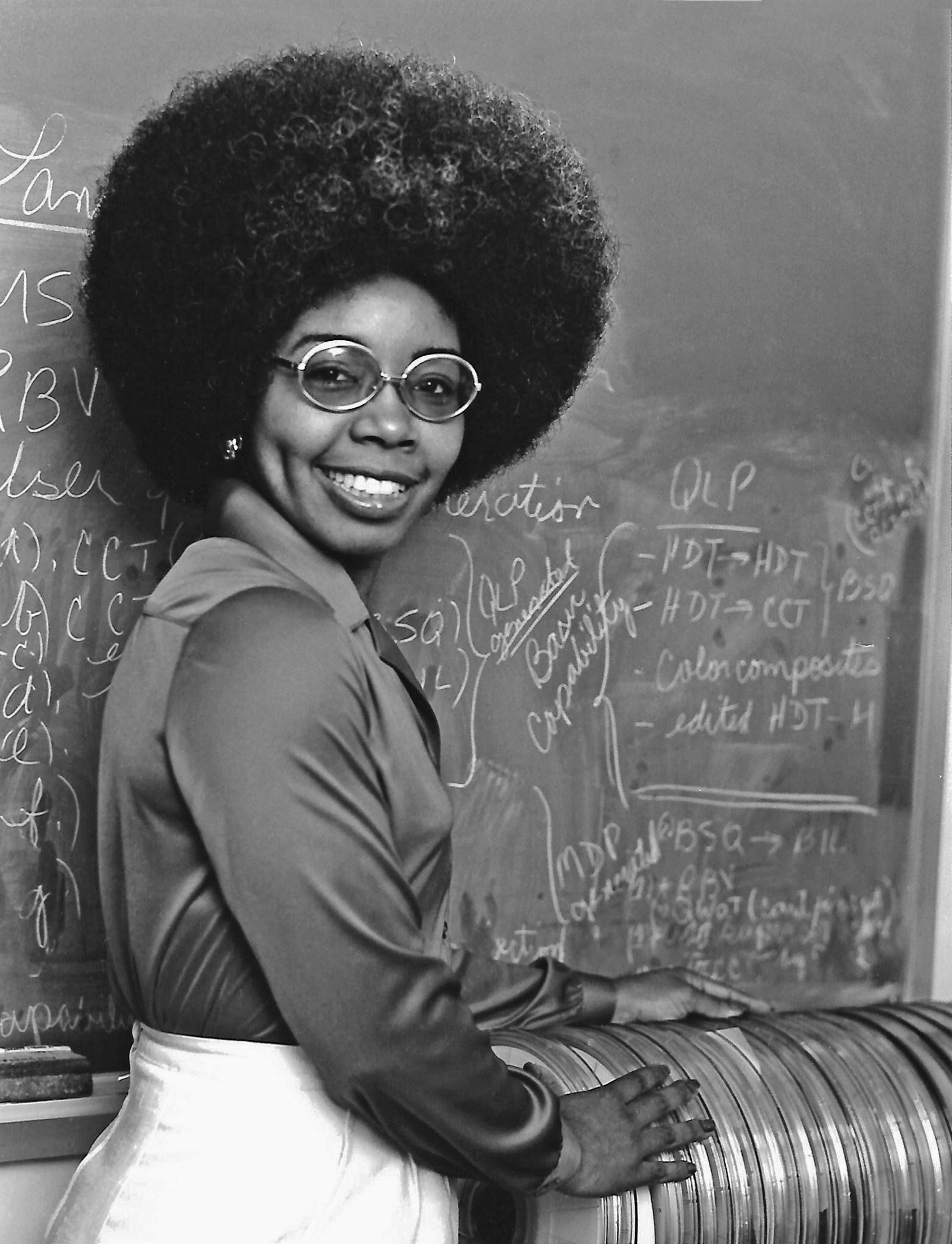
As we continue our series this month spotlighting notable African American women who have helped change and shape the landscape of our country, as well as the world, we want to highlight the accomplishments of Dr. Valerie LaVerne Thomas, renowned scientist, mathematician, physicist, and inventor.

Thomas was born in 1943 in Baltimore, Maryland and reared in the historic all Black Cherry Hill neighborhood. Thomas states that her parents were her first role models and instilled in her the importance of education.

Dr. Valerie LaVerne Thomas is a renowned scientist, mathematician, physicist, and inventor. (WIKIPEDIA)

Thomas attended the all-girls public Western High School, then later Baltimore magnet school at Howard and Centre which was racially integrated under police protection in 1954. She enrolled three years later and developed a keen interest in physics, graduating in 1960. She received her undergraduate degree at a Historically Black Colleges and University – Morgan State College, now known as Morgan State University, in physics. She obtained her master’s degree in 1985 from George Washington University in Engineering Administration and her Doctor of Education Degree in Educational Leadership/Ed Tech in 2004.

She developed computer data systems to support Orbiting Geophysical Observatory from 1964-1970. Thomas later became an international Landsat Image processing data format expert from 1970 – 1981 and Thomas helped to develop the image-processing system for NASA’s Landsat, a program involving uncrewed scientific satellites designed to collect information about Earth’s natural resources. She later became the Goddard Space Flight Center (GSFC) team leader for Large Area Crop Inventory Experiment. This position proved the feasibility of using Landsat data to predict global wheat yield.

Thomas continued her career as an assistant program manager for Landsat/Nimbus on detail at NASA Headquarters and then technical officer, earning a $42 million multi-year technical support contract. Her career continued to flourish. In 1985, she was the National Space Science Data Center computer facility manager and served as project manager for the Space Physics Analysis Network until 1990, which was NASA’s wide area network and critical part of today’s Internet. Her networking expertise contributed to the research in the Halley’s comet, ozone hole studies, and a supernova.

In 1976, Thomas became intrigued by 3-D illusions after viewing a demonstration in a light bulb that seemed to stay lit even after being removed from a lamp. The illusion was created by means of a concave mirror reflecting a second light bulb. She began experimenting.

In 1980, Thomas received a patent for the Illusion Transmitter, which could reproduce an image (holograms) at a remote site using parabolic mirrors. Her purpose for developing the Illusion Transmitter was to send three-dimensional images across a distance, making them look as if they are in front of the mirror. As late as 2022, her technology invention is still used by NASA and is being adapted for use in surgery, as well as for television and video screens.

Before retiring in 1995 from NASA, she held the position of Associate Chief of the Space Science Data Operations Office. She has received numerous honors and awards throughout her career. She has lectured at various prestigious institutions of higher education and authored numerous scientific technical reports. Throughout her life she encouraged young people, especially African Americans and girls, to pursue a science education. Thomas now resides in Prince George’s County, Maryland where she does substitute teaching. She continues to work with Science, Technology, Engineering and Math (STEM) organizations.

It May Be Time to Spring Clean Your Relationships

0

With the dawn of spring, we normally look at or can visibly see areas of our lives that need a little dusting off. In actuality, the new season reveals it.

For instance, we would look a little silly wearing heavy coats in the spring. Or sundresses in the winter. So just as we recognize naturally when seasons change, we’d do ourselves a great service by recognizing it in other areas of our lives, too.

I can’t help but think about one recent news story of a young lady in Birmingham whose life was brutally taken at the hands of her so-called “friends.” I am not only disappointed by the vicious crime, but I also empathize with her family and sincerely wish for peace for them as they process this horrendous act. I’d be lying if I said it didn’t cause me to analyze my own circle.

We use that term, friend, too quickly and too matter-of-factly these days, when in all honesty, very few deserve it. Here’s a quick questionnaire guide to help you sort through the question of the sincerity of your friendships or relationships.

Is that person providing you with a benefit, or a debilitating dose of distraction or detraction – meaning, in some form, they are taking something away from you? Is reciprocity at the core – meaning you both give and receive something – or is it unilateral in nature, with you giving most often (or only) to another?

Do you constantly feel deprived or empty while relating to this person? Are you consistently defending yourself against insults, threats or sarcastic and snide remarks they make? Do they speak ill of you and treat you harshly around others?

These are all key questions to consider for one important reason.  No one can continue to pour into another without being refilled and refueled.  And, not knowing one’s purpose in your life can have devastating repercussions.

Givers and empaths take heed – you will need to be replenished at some point because takers have no limits. Determining whether to leave or abandon any relationship is a choice you ultimately must make. But I am asking you to take a serious look at what value your relationships provide to you.

You and I do not have an infinite amount of time, energy and resources. And as we become more mature, it is especially important that we use these all the more wisely.

And I’ve found that relationships can be one of the most draining transactions we can engage in, unless others sincerely have our best interest at heart. So please, take some time and think over your relationships and friendships.

Is it really a benefit to you?  And don’t be afraid if the answer is no. Chill out, make the adjustment or put distance in between. As they say, we are “grown grown” now, and we don’t need anyone’s permission to make decisions.

You are your most important investment, and you have the right to protect it at all costs. Again, I urge you, think through your relationships and whether they are sincerely providing any value to you.

And if not, quickly adjust.

Know that I’m cheering for you.

Keisa Sharpe-Jefferson is a life coach, author and speaker. Her column appears each month online and in The Birmingham Times. You can contact Keisa at keisasharpe@yahoo.com and visit http://www.allsheanaturals.com for natural hair and body products.