Realizing Dr. King’s Dream at the Birmingham Civil Rights Institute



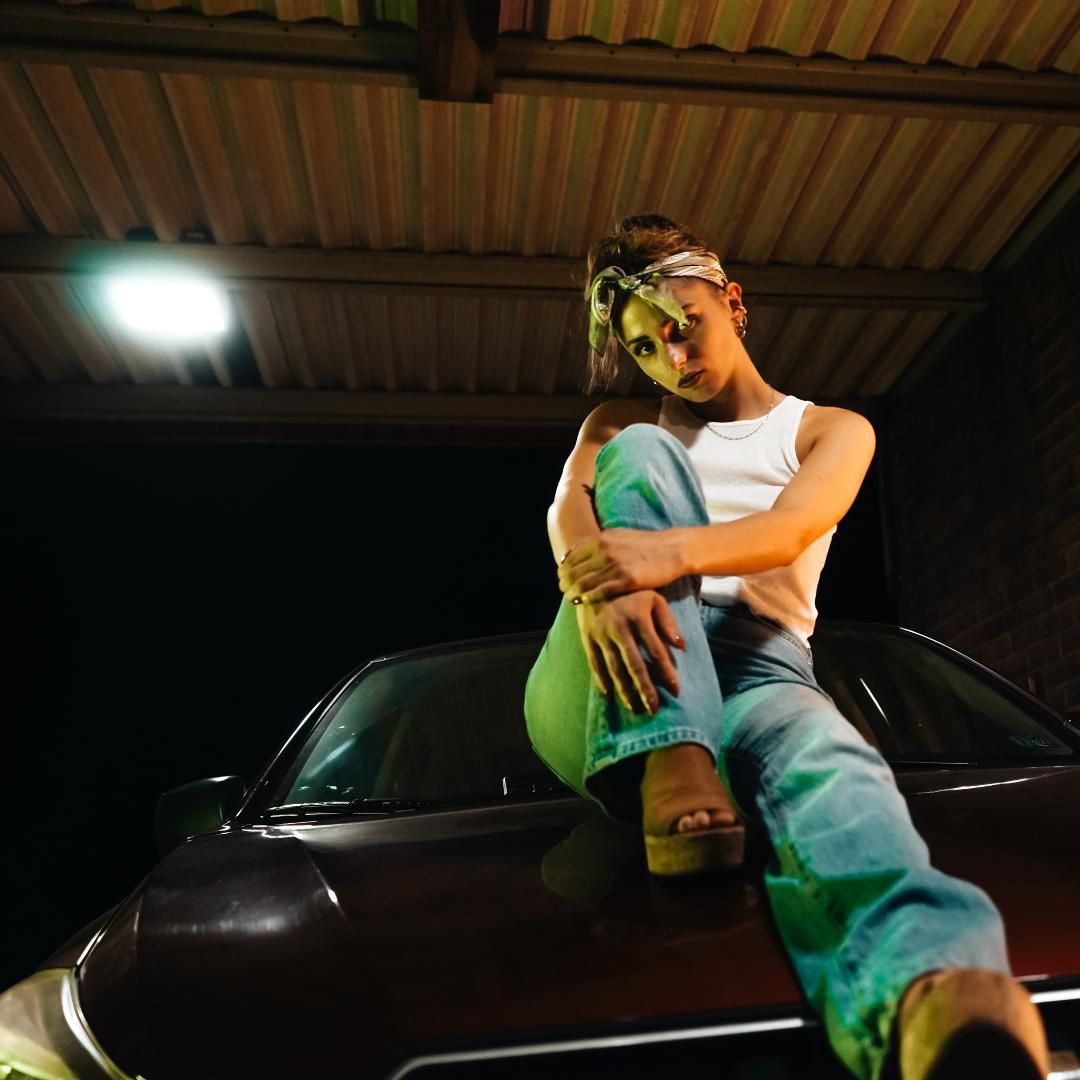
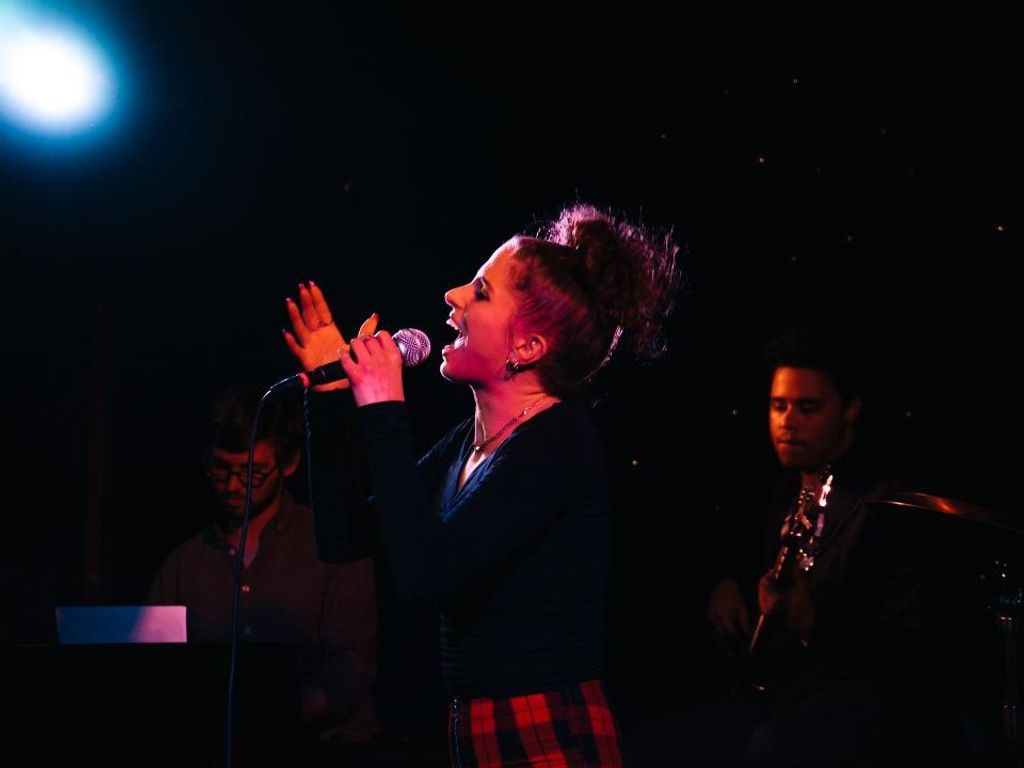
The phrase “music to my ears” perfectly describes the sound of Pittsburgh native KELS. Kelsey Hillock, better known by her stage name, KELS is poised for a breakout year. Her jazz-influenced style, mixed with a melodic R&B sound, and pop-star look, has superstar written all over it.
Her new EP, “Slow Ryde,” provides a sneak peek at the 26-year-old’s talent. KELS hopes to hit her musical stride this year, and “Slow Ryde” appears to be the first of many installments in her catalog. Her covers and live performances posted on social media continue to bring a new audience to her music.
Her sound is influenced by the greats, and her management, Roc Artist Management, helps provide balance to her career.
Zenger gets to know more about KELS during a recent conversation about her music, her influences, and much more.
Percy Crawford interviewed KELS for Zenger.
Zenger: How has the first two weeks of 2022 treated you?
KELS: I actually had COVID for the first week of 2022 (laughing).
Zenger: Goodness. I had it for the last week of 2021.
KELS: I don’t want to dwell on that week of ’22 and say that that’s a foreshadowing for the rest of the year, but I’ll just say it was restful. A lot of rest all week.
Zenger: We will just view it as, you got it out of the way.
KELS: Yeah. It’s been going around for two years, and I have been lucky to not have caught it until now.
Zenger: How did you squeeze such a big voice into such a small body?
KELS: (Laughing). That is the science experiment everyone wants to know about. I don’t know. I guess I come off as introverted, but when I sing, I definitely let all that go. That’s kind of a release for me. Letting all my emotions out when I sing has always been like something that I’ve done. S, I don’t know if it’s that I’m so introverted I keep everything bottled up and then it comes out later. That’s the only explanation.
Zenger: I hear so many musical influences in your voice and your style. Who are some of your musical influences?
KELS: I would say, first and foremost, I was trained as a jazz vocalist So, Sarah Vaughan, Etta James, Diana Krall. Those were three really big influences early on. I had a vocal coach starting at 13, and he wanted me to learn the basics on opera. So, I sing in French, Italian, Spanish. But then he wanted me to decide on a genre. Once I started singing jazz, I felt like it really matched my voice.
But from there, after singing jazz… I don’t know, I would say I have so many from so many different genres. Erykah Badu, Jazmine Sullivan, Ms. Lauryn Hill, those are three influences that aren’t necessarily jazz, but have roots in jazz. So, it all kind of makes sense. But I also grew up singing pop.
Zenger: I clicked on Instagram and without looking at my phone, when I heard you sing, I thought it was Amy Winehouse.
KELS: I meant to mention Amy too. I can’t believe I didn’t mention her. I don’t know why I left her out. She was a huge influence on me at a young age. I just knew she had something special in that she could write jazz-influenced music but still have it be mainstream. That’s always been something that I really respected about her. She never dulled her edge, but she was able to put it on mainstream, which was amazing. But that’s a compliment, so thank you (laughing).
Zenger: Absolutely! You recently released your first EP, “Slow Ryde.” Were you nervous, anxious… what was the feeling of releasing your first project?
KELS: It depends on the stage. In terms of my music, I actually did this EP release a little bit different than I’ve done before. I typically will write a ton of unreleased music, I will feel it out in private, sing it a few times, show it to a few producers, and then record it and release it. But with the EP, I decided to actually sing the EP tracks live all summer because I was getting booked locally for a lot of festivals in Pittsburgh. I just tried them out and every time I would try them out, sometimes it would be with different musicians, so it would always come out a little bit different, and that actually really helped me musically.
Once I was in studio, I had this idea, “Oh, I did this and this performance and that matched really well with the intro of this song.” All of that led into my studio sessions being way more productive. I felt more confident than ever doing these EP tracks than I have ever felt releasing.
The anxiety really came from the marketing and content side that I don’t personally love doing. But I’m still small enough to where I have to be the jack of all trades. That’s where my anxiety comes from a lot. I know the story that I want to tell with my lyrics and my music. I think a lot of people who are big on lyrics will kind of piece together what I’m trying to say, but overarching and making that into a visual story is tough for me. The singles… it’s a little bit easier because you can be more straightforward.
Zenger: If used correctly, I think social media is a remarkable tool for artists to be seen, heard and discovered. Has that been a key source for you?
KELS: It’s helped a lot. I know a lot of people say that you can fake it on social media, but my benefit has been posting my live performances on social media, because you can’t fake that. And posting covers or me covering different songs from different artists, that has helped me a lot in terms of my original music getting picked up. It kind of gets picked up after the fact, of me posting a live performance of me singing my song or someone else’s song. So I’m trying to work on putting out videos and content that pushes my own music.
I’m trying to do it in a roundabout way right now, which I think works because people typically want to hear stuff that they have already heard. That gets a little frustrating sometimes. It’s like, “I want to sing my stuff (laughing).” But I do understand, it’s like you said, people want to know your influences. If I cover a Jazmine Sullivan song or Amy Winehouse song, people will understand that that is where my voice is coming from.
Once I release original stuff, it will all make more sense. So, I would say, definitely in terms of getting people to know where I come from, social media has been key.
Zenger: What are the determining factors of the songs you cover?
KELS: I’m in the process right now with coming up with a Spotify playlist of all my main influences and songs that really taught me how to sing and taught me my weaknesses early on. It’s like, “I want to be able to sing, “Bust Your Windows,” by Jazmine Sullivan, but I’m 11 years old and I don’t have the range yet. But if I sing it 20 times, maybe I will.”
I want to get a Spotify playlist together so people can see what songs really made my voice what it is. I’m trying to do that right now, and then I will be mirroring that on social media. But typically, it will be like, “Oh, I remember that song,” or “I really want to sing, “Rehab,’ by Amy Winehouse today.
Zenger: Do you view this year as your introduction year?
KELS: Absolutely! I feel like, I trust myself now more than ever. I underestimated how important that is. In the past, I didn’t know what kind of benchmarks to be setting. But 2020 was kind of a year for me where I was like, “OK, what do I want people to hear as my story, my sound, my look?” I doubled down on that in 2021. I had a goal to play every major music festival in Pittsburgh. And that came true, and it’s like, why didn’t I think I could do that?
It surprised me, but at the same time once you start to realize that, if you put in the work… which before this summer I was singing live a lot, but it was like small restaurants. It’s like, of course you’re going to move on to the next level if you put in the work. Now that that’s happened, I’ve had a lot of artists on the local circuit reach out to me and they’re like, “How did you get that gig?” And I tell them, “You take a lot of gigs that you didn’t necessarily want so that people can see your face, see your name, and you can experiment with a lot of things until you get to a festival setting.”
Just trusting myself and knowing what benchmarks to set, I feel it’s really going to take off in 2022.
Zenger: What role has Roc Artist Management played in pushing your career forward and doing the things that any artist at this stage needs?
KELS: I would say, structure. I have so many ideas for my music because I know where it can go, you have all these visions, and I think with Roc Management, it’s just structure that I need to help me figure out, how realistic each step is going to be and more of a timeline. If you say, “Hey, I want to play Madison Square Garden.” But how do you get there?
It will be so much more beneficial to me moral-wise to advance in small steps and see the progress than just want to do this crazy thing with no idea how to get there. They have been beneficial in helping me figure out the steps to get where I want to go. Also, just different avenues in music that I didn’t know about, like sync, getting my music on TV and radio… I had no idea that there was a way to do that just from an independent artist standpoint, so all of that has really helped me out.
Zenger: Will you be dropping another EP this year, or can we expect a full album?
KELS: Definitely, within the year, a huge goal of mine is to release a full project. I do want to keep releasing singles because I feel it’s important… again, going back to trust, I want to trust myself. I have a ton of music that I haven’t released yet. I want to start putting out stuff that makes sense as a single, but also kind of lay low and write a full album. That is a huge goal of mine this year.
Zenger: When the market is saturated with so much music, how important is it for you to just stay in the studio and continue to work?
KELS: Oh my gosh, it’s crazy pressure. It’s this weird thing of, I don’t want to be forgotten. I want people to hear my music. And I think that’s the benefit to releasing an EP is, people can listen to it for a little while. But for me, I just need to keep being myself because I know that I’m not trying to sound like whoever is big. I’m not a trend chaser. I’m going to stick to what I know, and I know that people hear my foundation in what I do and my work. I think it’s refreshing to have a new voice on that foundation. I want to keep doubling down on that.
Zenger: What will eventually separate you from the pack?
KELS: I think the fact that I write all of my own stuff. I don’t have anybody writing for me. The same thing with live, I think the benefit for me is, my favorite thing about this whole thing is performing my music live. There are some artists that love the performance aspect in the music video, they do the dance with their music, but for me, singing live in front of people and making that connection is why I do this.
I think I have an advantage in that space because I really try to create a new experience when you hear my stuff live than if you heard it on Spotify. Anybody can go listen to me on Spotify, but I want to create a new higher experience when they hear me live.
Zenger: I appreciate your time, I love your voice, and looking forward to hearing more from you. Is there anything else you would like to add?
KELS: Thank you so much! I just dropped my music video for, “Just Let Me Go,” on my YouTube channel. I’m really excited about it. I filmed it at a local GetGo station. Anyone familiar with GetGo in Western Pennsylvania, it’s a very prominent gas station, and at a carwash.
Edited by Kristen Butler and Judith Isacoff
The post Singer KELS: The Soul Of Pittsburgh appeared first on Zenger News.


Experts have studied a rare African parchment in their search for clues about the evolution of writing, which they say has evolved “to become simpler and more efficient.”
“To arrive at this insight, they turned to a rare African writing system that has fascinated outsiders since the early 19th century,” the Max Planck Institute for the Science of Human History in Jena, Germany said in a statement, adding that the world’s first writing occurred more 5,000 years ago in the Middle East before it was reinvented in China and Central America.
“Today, almost all human activities — from education to political systems and computer code — rely on this technology,” the statement said.
“The Vai script of Liberia was created from scratch in about 1834 by eight completely illiterate men who wrote in ink made from crushed berries,” said Piers Kelly, lead author of the study published in the journal Current Anthropology.
The Vai language had never been written down before, and according to Vai teacher Bai Leesor Sherman, the script “was always taught informally from a literate teacher to a single apprentice student. It remains so successful that today it is even used to communicate [COVID-19] pandemic health messages.”

“Because of its isolation and the way it has continued to develop up until the present day, we thought it might tell us something important about how writing evolves over short spaces of time,” said Kelly, a linguistic anthropologist at the University of New England, Australia.
“There’s a famous hypothesis that letters evolve from pictures to abstract signs. But there are also plenty of abstract letter-shapes in early writing. We predicted, instead, that signs will start off as relatively complex and then become simpler across new generations of writers and readers.”
The team of experts analyzed manuscripts in the Vai language from archives in Liberia, Europe and the United States.
By analyzing year-by-year changes in the 200 syllabic letters of the Vai language, the research team traced the entire evolutionary history of the script from 1834 onward. Measuring visual complexity with digital tools, they found that the letters became visually simpler over time.
“The original inventors were inspired by dreams to design individual signs for each syllable of their language. One represents a pregnant woman, another is a chained slave, others are taken from traditional emblems,” Kelly said.
“When these signs were applied to writing spoken syllables, then taught to new people, they became simpler, more systematic and more similar to one another.”
Kelly explained that “visual complexity is helpful if you’re creating a new writing system. You generate more clues and greater contrasts between signs, which helps illiterate learners. This complexity later gets in the way of efficient reading and reproduction, so it fades away.”
Illiterate inventors have reverse engineered writing down spoken languages in Mali and Cameroon, while “new writing systems are still being invented in Nigeria and Senegal,” the Max Planck Institute statement said.
“African indigenous scripts remain a vast, untapped repository of semiotic and symbolic information. Many questions remain to be asked,” Nigerian philosopher Henry Ibekwe said in response to the study.
Edited by Richard Pretorius and Kristen Butler
The post Experts Study Rare African Parchment In Search Of Clues About The Evolution Of Writing appeared first on Zenger News.

By Ryan Michaels
The Birmingham Times

Associated Press
By Naama Barak
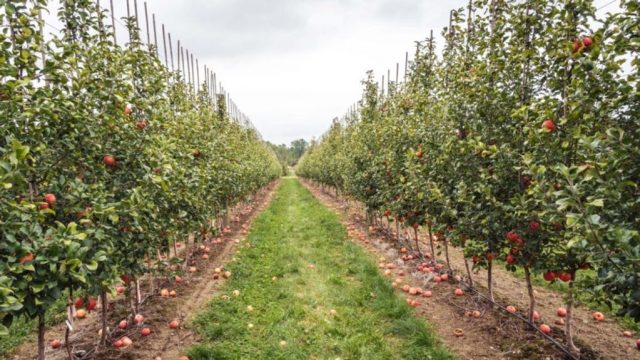
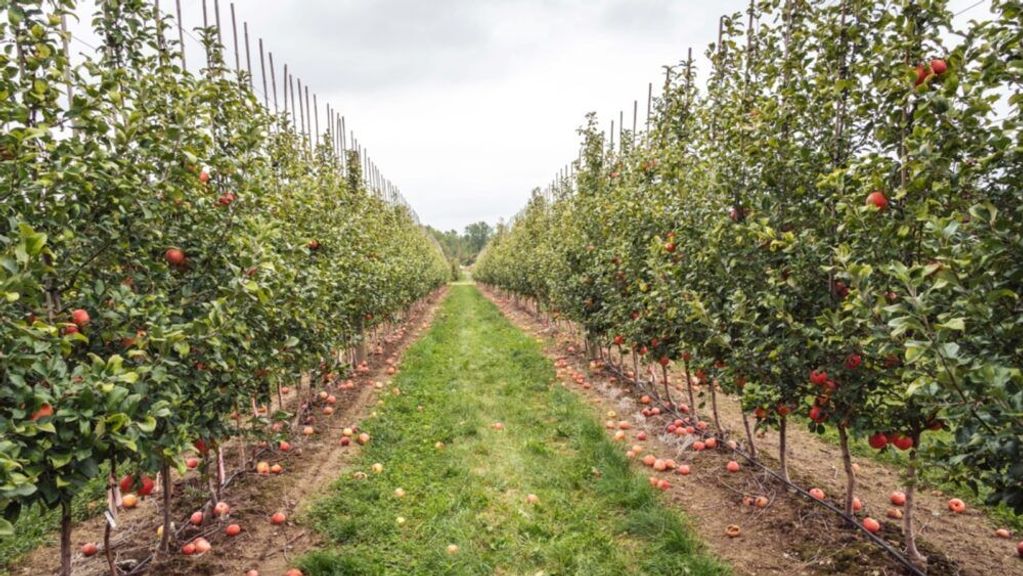
Tu B’Shvat, the Jewish New Year for the trees, is a wonderful occasion to celebrate two Israeli fortes: green research and Start-Up Nation.
Therefore, trees, research and tech all form the very roots of this article, highlighting the top technologies that ensure the wellbeing and prosperity of our seedlings, saplings and fully grown green friends.
This year, Tu B’Shvat (the 15th of the Jewish month of Shvat) falls on January 17. Celebrate by sampling some new fruits while you read about these nine innovative ag-tech companies.
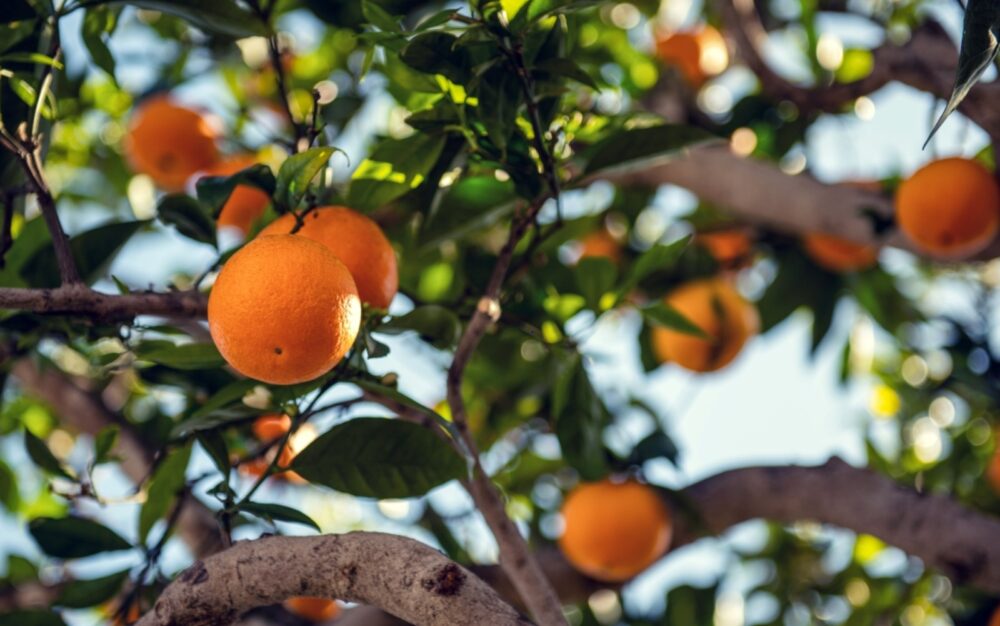
SeeTree is perhaps the most Israeli startup in the world, combining as it does military intelligence and that ultimate local symbol, citrus. Founded by a former military intel exec, the company collects and analyzes whole citrus and other orchards using drones, sensors and machine learning, giving growers a “medical record” for each tree. This can allow farmers to prevent devastating disease such as HLB, or citrus greening, as well as to monitor the general wellbeing of their trees and their fruit yield. SeeTree operates out of Tel Aviv, but also has offices near some of its largest markets in California and Brazil.
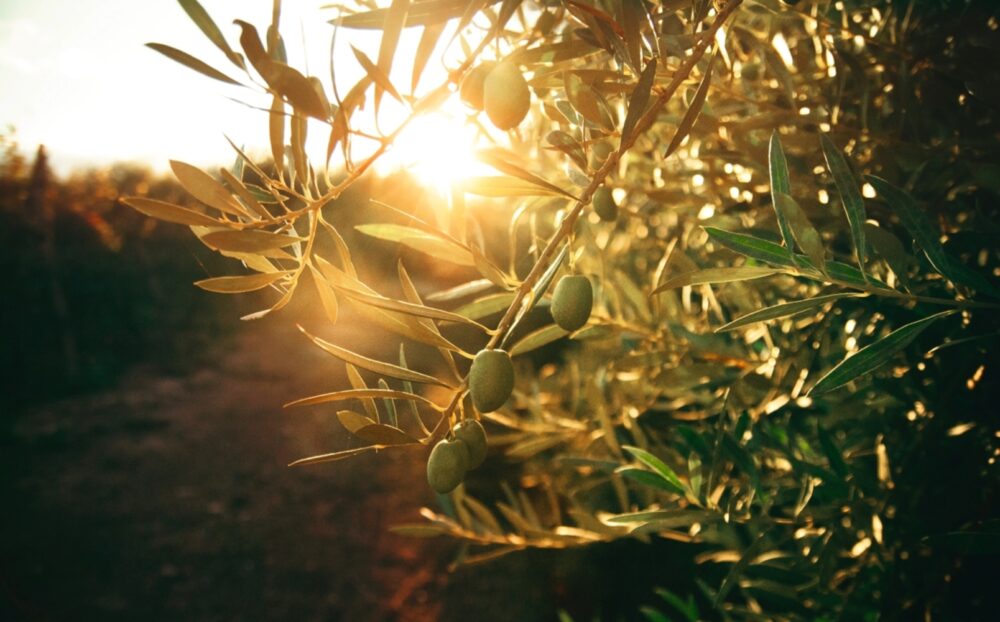
Fieldin is an Israeli startup that aims to digitize the entire growing process of high-value crops such as almond and olive trees, allowing farmers to stay on top of their work and making farming more sustainable. It does so by attaching sensors to farm equipment such as plows and pesticide sprayers that in turn allow for smart harvesting, smart spraying and smart cultural practices. By getting all the data needed, farmers can address issues such as water usage, carbon emissions and spraying efficacy, leading to healthier trees and more profitable farming.
Fighting Treetop Fire is a startup that does exactly as it says: applied in forest fires, it uses algorithm-controlled laser beams to zap leafy treetops in order to direct the fire back down to the ground and prevent it from rapidly spreading from one tree to the next. The startup was inspired by the massive forest fires that often rage in Israel during summers, leading founder and electro-optics physicist Daniel Leigh to work out how he could contribute to combating the issue.
Israeli startup BetterSeeds is working on genetically changing the architecture of many kinds of low-lying crops to enable mechanized picking using a cutting-edge gene-editing technology called CRISPR-Cas9. But it is also setting its sights on higher ground in the form of perennial crops such as apple and citrus trees, which could be revolutionized to make them less lengthy and risky investments. The gene-editing technology is set to enable trees to quickly mature within the space of a couple of years, increasing the range of trees planted, cutting down risks of disease and making farming more profitable and sustainable.
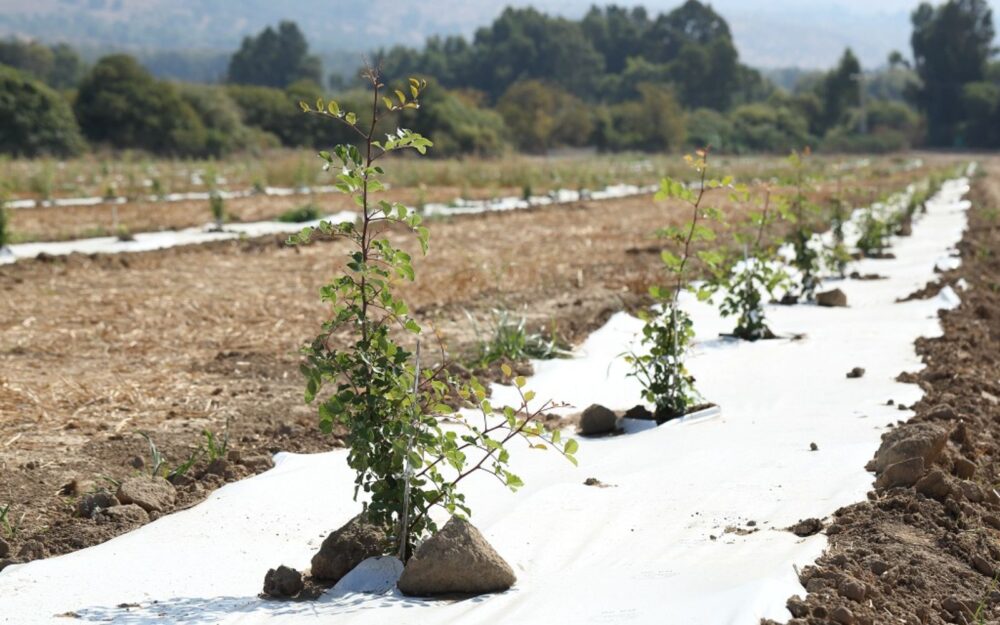
CarobWay is all about giving the ancient biblical tree, the carob, a tech makeover and bringing it into the 21st century. After creating a huge databank of thousands of trees, the company chose the top 10 to form the basis of cultivation of the ultimate carob tree, seedlings of which were planted across the Hula Valley in northern Israel. The company has promised farmers to purchase the whole yield for 10 years. The seeds will be resold to a European manufacturer of locust bean gum, an important element in food manufacturing, and the rest of the fruit will be turned into advanced products. This way, not only have 170 acres of trees been planted in Israel, but their growth is being carried out in a sustainable, viable way that promises a green future for both them and their farmers.
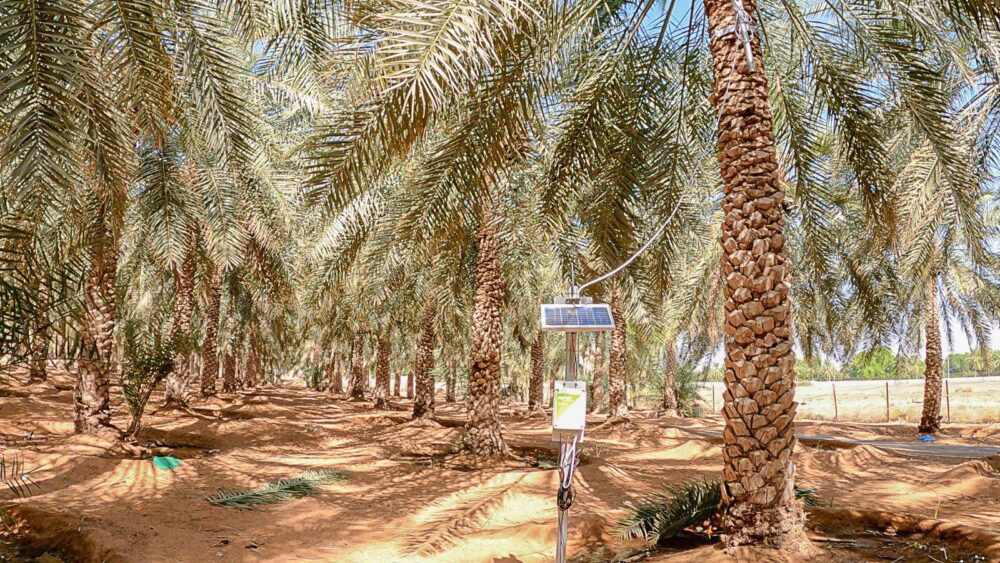
SupPlant promises to “Help farmers speak better Plant.” It does so in two ways: either by attaching sensors to monitor soil moisture and salinity, leaf temperature and more and combining this weather forecast data, or by using its already existing data from large farms to give similar predictions to smaller, sensor-less farmers unable to shell out on the technology. Either way, it allows farmers to optimize care for their crops in terms of irrigation and freak weather management, ensuring healthy crops, food security and sustainable income even with climate change. SupPlant has customers worldwide, including in the Middle East – it has already worked with Emirati farmers to cut down 50 percent of water usage in palm tree irrigation.

Ever stumbled on an upturned piece of pavement moved out of place by a determined tree root? Then you will appreciate TreeTube, the Israeli startup developing a root structure system that allows trees to peacefully grow their roots firmly underground. The tube-like modular design of the system includes soil, water and a ventilation system, giving the tree all that it needs and directing its roots in an unobtrusive direction. Led by a team of entrepreneurs and landscape architects, it’s already been put in place in Tel Aviv and Europe, creating harmony between mankind and trees once again.
Treetoscope, which recently celebrated its first anniversary, has developed an IoT device that can sense the internal water flow of plants, giving real-time inside information on trees’ water consumption and needs. According to the company, it is the first such commercial device, boasting affordable technology and easy deployment for farmers worldwide. The solution not only aids growers to save water, but it also helps to better manage plant stress, increase resilience and boost fruit quality.
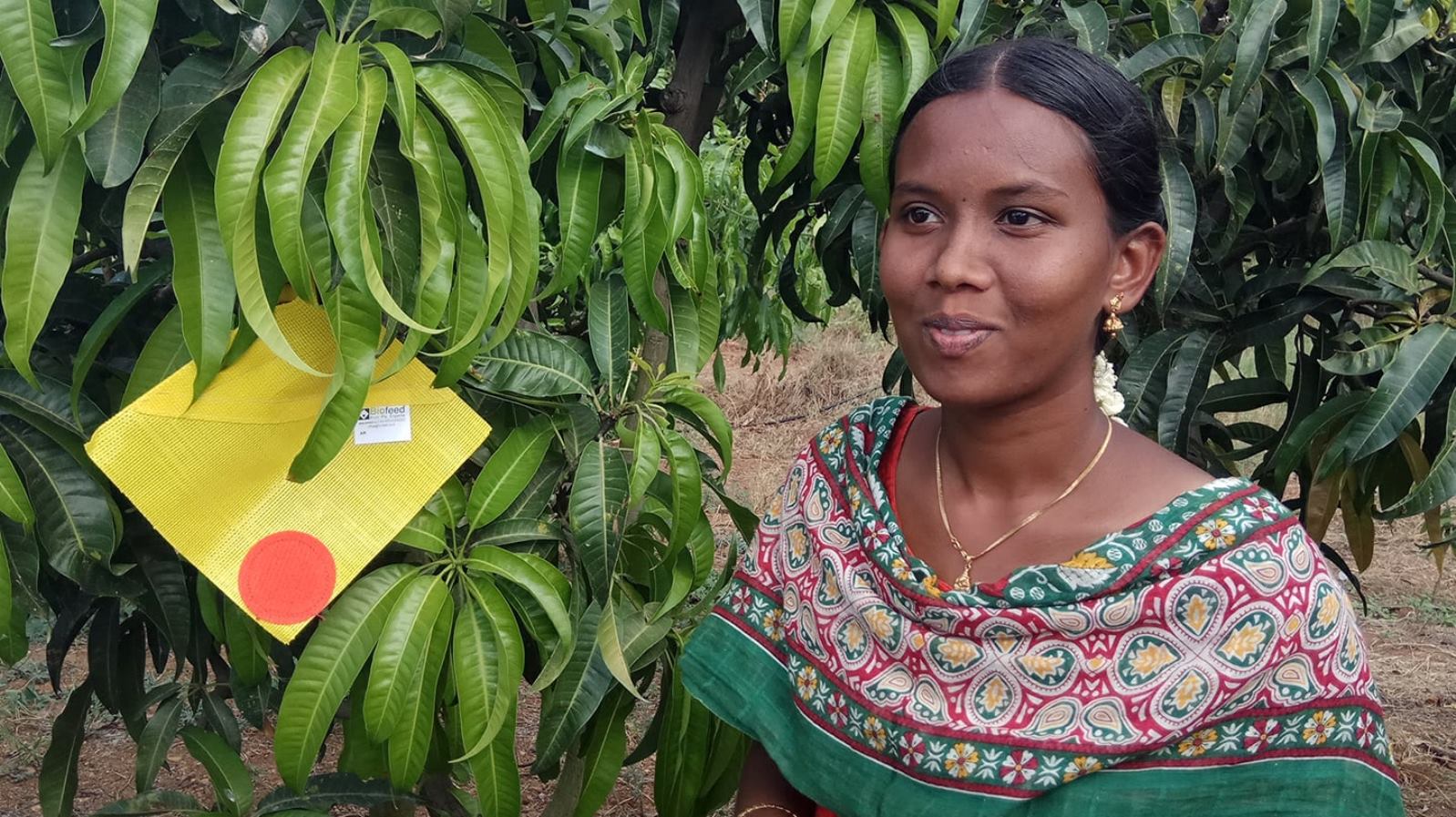
For fruit growers, the enemy is surprisingly small: pesky fruit flies that devastate crops. One solution to the problem is to spray trees but this is not necessarily eco-friendly or, for many growers, economically viable. Step in Biofeed, which has developed fruit-fly lures that use slow fluid release technology to attract and feed or kill the harmful flies. The easy-to-use and reliable suspended devices and traps have already been used to great success by mango growers in India and Togo, saving both tons of fruit and the livelihood of many farmers.
Produced in association with ISRAEL21c.
The post 9 Technologies To Help The World’s Trees appeared first on Zenger News.
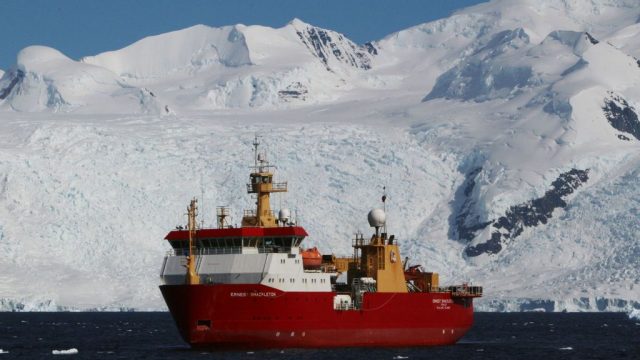
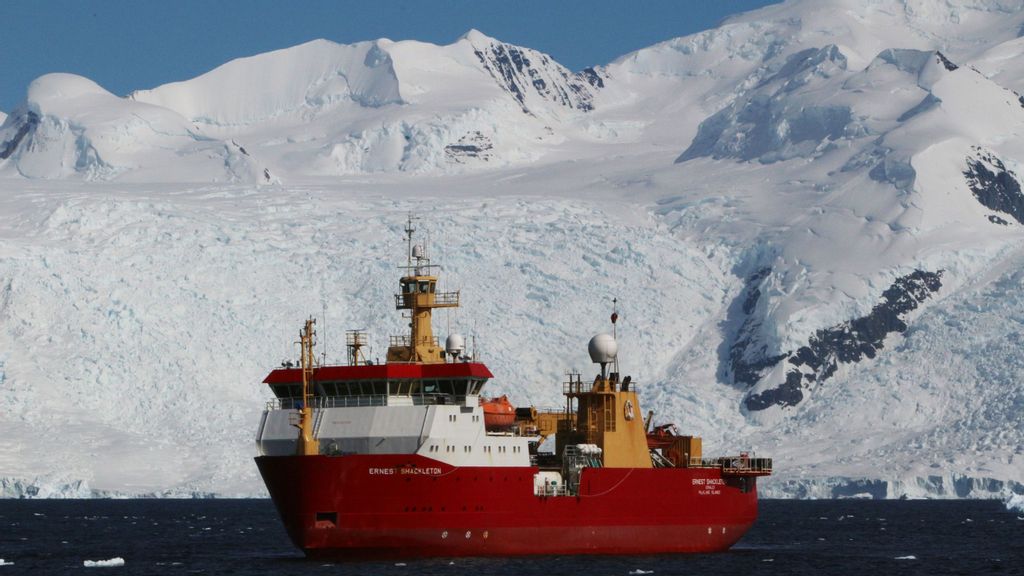
Invasive species from around the world are hitchhiking on ships visiting Antarctic waters, bringing with them a threat to native species.
Fishing, research, supply and tourism ships from 1,581 ports linked to Antarctica may be transporting algae, barnacles, crabs and mussels. These species attach themselves to the ships’ hulls in a process dubbed “biofouling” that exposes the once pristine continent to visitors from around the world.
“Invasive, non-native species are one of the biggest threats to Antarctica’s biodiversity — its native species have been isolated for the last 15-30 million years. They may also have economic impacts, via the disruption of fisheries,” said Professor David Aldridge of Cambridge University.
Aldridge is a co-author of a new report about the ship-traffic threat to Antarctica that appeared in the online journal PNAS.

Of great concern are species from the North Pole region, which are already adapted to a cold climate, that hitch rides on research or tourist ships spending time in the Arctic before heading to the Antarctic for the antipodal summer season.
“The species that grow on the hull of a ship are determined by where it has been. We found that fishing boats operating in Antarctic waters visit quite a restricted network of ports, but the tourist and supply ships travel across the world,” said study co-author Arlie McCarthy of Cambridge University and the British Antarctic Survey.
Research vessels stay longer in Antarctic waters, the report found, than ships on tourist jaunts. But fishing and supply vessels stay even longer. Researchers had already found that the longer the stay, the more likely that invasive species will take hold.
Because Antarctica is so remote, many native species have not developed a tolerance to non-native ones. The mussels attached to ship hulls, for example, have no Antarctic competitors should they be introduced, and shallow-water crabs would pose a new predatory threat that native species have not encountered.
“We were surprised to find that Antarctica is much more globally connected than was previously thought. Our results show that biosecurity measures need to be implemented at a wider range of locations than they currently are,” McCarthy said. Although there are strict regulations intended to bar invasive species, McCarthy said their success “relies on having the information to inform management decisions.”

The researchers hope that the study may help in detecting non-native species before they become problematic.
The study used port call data and satellite observations from 2014–2018, which showed the ships sailed most frequently from southern South America, Northern Europe and the western Pacific Ocean to Antarctic waters. The Southern Ocean surrounding the icy continent is the Earth’s most isolated marine environment, supporting a fragile and unique ecosystem of plants and animals. So far, it has no known invasive species. But additional ship traffic is increasing the likelihood of accidental introduction of non-native plants and animals.
Invasive species may endanger the Southern Ocean’s krill fisheries. Krill are tiny shrimp-like crustaceans that are at the bottom of the food chain and are consumed by species ranging from baleen whales and penguins to fish and squid. They are also important as human food because they are used in feeding fish in aquaculture and in the pharmaceutical industry. A drop in the biomass of krill could lead to starvation for filter feeders, such as the gigantic blue whale.
“Biosecurity measures to protect Antarctica, such as cleaning ships’ hulls, are currently focused on a small group of recognized ‘gateway ports’. With these new findings, we call for improved biosecurity protocols and environmental protection measures to protect Antarctic waters from non-native species, particularly as ocean temperatures continue to rise due to climate change,” said researcher Lloyd Peck of the British Antarctic Survey.
Edited by Richard Pretorius and Kristen Butler
The post Shellfish Ships: Antarctic Species Under Threat From Crabs And Barnacles Clinging To Ships appeared first on Zenger News.