
Dr. Martin Luther King Jr.’s Most Memorable Visits to Birmingham (AL)

By Ryan Michaels
The Birmingham Times
By Ryan Michaels
The Birmingham Times


Altruism is a way of life for Ozie Nzeribe.
“I’ve been raised to put others before myself” said Nzeribe, an International World Peace Youth Ambassador in 2016. “I enjoy seeing the smile on people’s faces that I help. You can’t put a price on that.”
Beyond that, the question, “who is Ozie Nzeribe, and what does he do?” can be answered, “Who isn’t Ozie Nzeribe and what doesn’t he do?”
Nzeribe’s rap moniker, ZMNY, is derived from a childhood nickname given him by his father. He has worked with or met entertainers such as Beyonce, Snoop Dogg and Brandy, among others.

In the new Apple TV series “Swagger,” inspired by the life of Brooklyn Nets star Kevin Durant, Nzeribe portrays the character Royale, working alongside O’Shea Jackson Jr., son of rapper Ice Cube.
Nzeribe has also acted alongside Oscar-winner Reese Witherspoon, Oscar nominees William H. Macy and Terence Howard, and Emmy Award-winner Kerry Washington, as well as talk show host Ellen DeGeneres.
“I aspire to be a platinum-recording, Grammy-winning music artist,” said Nzeribe, 19, “as well as an Oscar-winning actor for thrillers, comedies, mysteries, drama and sci-fi.”
Nzeribe spoke to Zenger about his young life and aspirations.
Zenger: Have you always been musically creative?
Nzeribe: I played a little basketball and football for fun but not for a team or professionally. Music has been a part of my life for as long as I can remember. I went from performing covers at family weddings to recording my first song at 13 years old with Ray J Norwood [younger brother of actress and singer Brandy Norwood].
I have kept going since then. As for acting, it was an unexpected gift that I was glad to receive. Some of my inspirations for music include Chance The Rapper, Billie Eilish, Tyler The Creator, Oliver Tree, Polo G and Lorde.
As far as acting inspirations, I would have to say Andrew Garfield, Dylan O’Brien, Ryan Reynolds, Chloë Grace Moretz, Seth Rogen, Asa Butterfield, Leonardo DiCaprio, Logan Lerman and more.
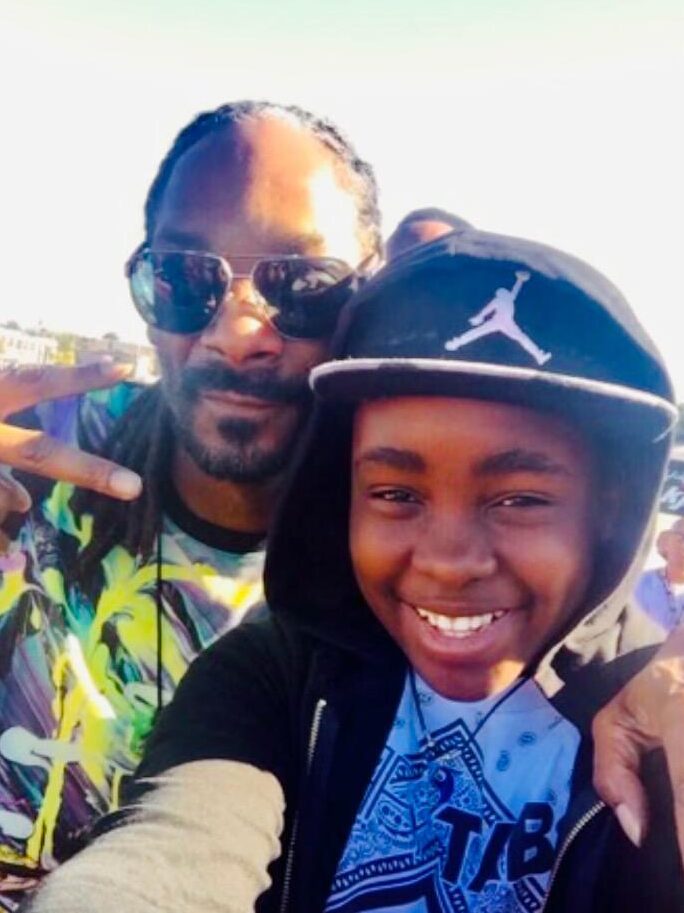
Zenger: Can you characterize your role as Royale Huges, on Kevin Durant’s “Swagger”?
Nzeribe: My character, Royale Hughes, is a very misunderstood player on team Swagger. He is a bit of an outcast, desperately wanting to fit in. But due to his shortcomings in basketball caused by his dyslexia, he is only pushed farther outside of his teammates’ inner circle.
The only reason Royale is on the team in the first place is because of his wealthy father supplying equipment to the team, so nobody thinks he belongs there. But Royale knows he belongs on the team.
Royale knows the game better than anybody. Having dyslexia has heightened his memorization skills, allowing him to keep track of everyone’s basketball tendencies and ball movement. This allows him to later rise to the occasion and shows everyone what he’s made of.
Zenger: Can you set up Royale’s crowning achievement — nailing the game-winning shot in a basketball game?
Nzeribe: In “Maze,” episode 9, Royale finally gets his time to shine after overcoming the obstacles his dyslexia created for him in basketball. Royale is finally stepping up and showing out, especially when Isaiah Hill’s character (Jace Carson) gets injured.
Royale has to sub in for him and ends up sinking the game-winning shot! Team Swagger then rushes the court to celebrate and congratulate him as the crowd and his dad go crazy! This was definitely one of the greatest moments in Royale’s life.

Zenger: Have you had any conversations with creator Kevin Durant regarding insight into your character or eliciting advice or counsel?
Nzeribe: Unfortunately, Kevin couldn’t be on set all the time because of COVID rules and quarantine, but when we did talk, he would make sure to drop little gems about how I can better play my character, like to live in the moment during scenes, whether it’s a happy one or a sad one.
Zenger: Are there any similarities between Royale’s life being from an upper middle class family, his learning issues, personality and the bullying issues that are similar to your lived experiences?
Nzeribe: I relate to my character in some ways but not in every aspect. Royale and I both share dyslexia, being in the upper class, and we have both experienced wanting to fit in. These are the only traits of my character that are alike. I have been teased when first beginning my music career, but nothing as bad as Royale’s hazing. I am living an amazing life.
Zenger: Have you received tips from rapper Ice Cube’s son, O’Shea Jackson Jr., or, otherwise, learned anything from him about acting, rapping or the business in general?
Nzeribe: I’ve definitely been inclined to ask O’Shea certain questions about the acting world, specifically what kind of roles I should and should not take. He went on to tell me if I’m not comfortable with a role, I shouldn’t do it, and that this is supposed to be fun, not just a job.
Zenger: Are there messages “Swagger” addresses regarding race, abuse or other statements?
Nzeribe: Race and abuse, these two subjects have been around practically forever, and the struggles and lessons remain the same. Race will always come into play in everyday situations, but you have to keep your head up high when faced with adversity.
If you want change, you have to take it — but not with violence. You have to do it by taking a stand and using your words. Abuse, whether it be mental or physical or both are equally serious issues, and people who are in trouble should always be urged to speak up.
Zenger: Do you have any advice on how youth can get started in pursuing their goals and dreams?
Nzeribe: If you want to pursue the acting or music industry and one or the other is truly your passion, stick with it. It’s going to be hard work and not always consistent, but believe in yourself and have patience — your time will come.
Also, always have a backup plan. This industry is constantly changing. You never know what’s going to happen next, so finish school, go to college, get a degree, so even if it does work out for you, you can succeed in both areas.
Zenger: Switching gears, how was your experience on the Ellen DeGeneres show?
Nzeribe: I gained a check off my bucket list. I had always been a great admirer of hers, and [it] was such an honor to be her guest. We played games, we laughed and went home with a flat-screen TV.
Zenger: How about working with Beyonce in her “Black is King” video?
Nzeribe: “Black is King” was one for the books! Met so many kind, talented, and funny people working on that set. There were so many outstanding dances, amazing music, lots of tribal face paint, fire, even a monkey! I’m so grateful that Beyoncé handpicked me and the others to be on the project.
Zenger: How did you come up with ZMNY and the way to pronounce it?
Nzeribe: ZMNY was actually a nickname I got from my dad. It’s pronounced Zmoney. When I was a kid, I was always obsessed with getting money any way I could, whether it’s rifling through our couch cushions or tricking my parents into giving me extra allowance.
Zenger: Of the rap songs you’ve created — your debut single “Hater Free” and “Happy,” “DJ Khaled” and “Promise” — which are your favorites in terms of the stories they tell and their intended impact?
Nzeribe: Well, as far as meaningful songs, “Promise” is definitely first. I remember coming up with the first couple bars one night and wanting to make it a kind of tool to show people what’s really important and how we should all do more to help others.

Zenger: How old were you when you made “Hater Free” with Ray J and were you successful in delivering your introductory message?
Nzeribe: I was 12 years old when Ray J and I first made the song, and I turned 13 the day we did the music video. I got a lot of good feedback, but from time to time, haters are bound to come from the woodwork trying to keep you down. I just never allow them to.
Zenger: Todd, your recurring character in “Shameless”— how old is he, what’s his relationship to Liam, and his overall representation of African American youth?
Nzeribe: Todd was actually one of my first acting jobs ever. Todd was the biggest and scariest kid in Liam‘s sixth-grade class. He was about 15 years old and got held back a lot. At first, he was a bodyguard type figure for Liam, and in exchange, Liam did his homework. But later in the next two seasons Liam Gallagher (Christian Isaiah) and I grew into fast friends and brothers on and off the set.
There’s even a time Liam spent a good amount of time at Todd’s house, basically teaching him how to be black, considering he grew up in a white home. My character on the show … was really just to be there for Liam, to be his friend and guide him and occasionally make fun of him when he gets into trouble
Zenger: What did you learn from working with Oscar nominee William H. Macy in “Shameless”?
Nzeribe: Considering it was the first show I ever worked on, working with William has given me a whole new outlook on TV series and in film altogether.
I now know how much time and effort goes into every single take, and all the hard-working people that are present during this amazing process, something I will never forget.
Zenger: What was your role in “Little Fires Everywhere” and what did you gain from working with Oscar-winner Reese Witherspoon and the accomplished Kerry Washington?
Nzeribe: I had the pleasure of guest-starring in Hulu’s “Little Fires Everywhere.” I was a concerned student confronting one of the main characters about a racist remark that was made.
It was such a fun job and an honor to work alongside Reese Witherspoon and Kerry Washington, both extremely talented women.
Zenger: Having served as a World Peace Ambassador in 2016, can you discuss your role as a humanitarian advocating against violence, racism, human trafficking and bullying and why that it is important to you?
Nzeribe: I’ve been raised to put others before myself. God has blessed me with so much, it is only fitting to pay it forward. I enjoy seeing the smile on people’s faces that I help. You can’t put a price on that feeling. To be a youth advocate, to me, is just doing the Lord’s work, and I love to do it.
Zenger: What are some of the best ways to address issues facing youth today, such as suicide, bullying, trauma, substance usage, domestic violence?
Nzeribe: These are all very serious topics, and I believe suicide is one of our biggest problems today, especially with our youth taking their lives because of extreme depression, thinking their lives have no meaning, or that they are not loved. Everyone needs to do better with encouraging others and instilling kind words.
Edited by Judith Isacoff and Kristen Butler
The post Ozie Nzeribe Aims To Change The World As A Youth Advocate, Actor And Rapper appeared first on Zenger News.


Deep in the tropical forests of Thailand, wildlife YouTuber JoCho Sippawa discovered a type of tarantula spider that lives exclusively inside bamboo stalks.
In Southeast Asia, tarantulas are usually found in trees or on the ground. Arboreal tarantulas can be found on various kinds of trees, but this is the first to be found exclusively on one specific type of tree.
“These animals are truly remarkable; they are the first known tarantulas ever with a bamboo-based ecology,” said Narin Chomphuphuang, an arachnologist at Khon Kaen University. He worked with Sippawa and Chaowalit Songsangchote of Kasetsart University on a study that appeared online in the journal Zoo Keys.

Bearing the scientific name Taksinu bambus, this species lives inside mature stalks of Asian bamboo. They enter the stalk, or culm, through entrances ranging from just an inch in width to larger fissures. Inside the stalk, the spiders build silky tubular burrows. All the tarantulas in the study had built silky retreat tubes that filled the cavity in the stems.
“This species is unique because it is associated with bamboo, and we have never observed this tarantula species in any other plant. Bamboo is important to this tarantula, not only in terms of lifestyle but also because it can only be found in high hill forests in the northern part of Thailand, at an elevation of about [3,280 feet]. It is not an exaggeration to say that they are now Thailand’s rarest tarantulas,” Chomphuphuang said.
Because these tarantulas are unable to bore into the tough bamboo stems, they often rely on other creatures such as the bamboo worm, carpenter bee, borer beetle and even rats to do that hard work for them.

The new Taksinus genus was named in honor of King Taksin the Great of Thailand (1734–1782), but also in recognition of the monarch’s role as Phraya Tak, or governor of Tak province, from where the tarantula originates.
Distinguishing Taksinus from other Asian spider denizens of trees is its short embolus, or copulatory organs of the male front forelegs, known as pedipalps. The embolus introduces sperm into female tarantula receptacles while mating.
While Borneo, Indonesia, Malaysia, Singapore and Sumatra have reported arboreal spiders, this is the first such genus discovered in Thailand.
Realizing that much of the country’s wildlife is undocumented, Chomphuphuang pointed out: “Thai forests now cover only 31.64 percent of the country’s total land area. We are primarily on a mission to research and save the biodiversity and wildlife within these forests from extinction, especially species-specific microhabitats.”
Edited by Richard Pretorius and Kristen Butler
The post Tarantula Discovered In Thailand Lives Its Best Life Inside Bamboo Stalks appeared first on Zenger News.


Energy demand seems to be floundering a bit, but it’s the supply side of the energy equation that’s keeping the price of oil elevated, analysts said.
The price of oil increased on Wednesday in part in response to data from the U.S. Energy Information Administration on inventory levels of crude oil and refined petroleum products such as gasoline. Data showing a dip in inventory level is usually synonymous with an uptick in demand, while the opposite holds for increases in storage levels.
The Energy Information Administration on Wednesday reported total commercial crude oil inventories, not counting strategic reserves, declined by 4.6 million barrels from the previous week. That would normally be a sign of healthy demand, though gasoline inventory levels increased by 8 million barrels, presenting a bit of a mixed bag.
Giovanni Staunovo, a commodities analyst at Swiss investment bank UBS, said the gasoline data did not paint a strong picture for demand. Much of that, however, is part of the usual post-holiday slump in travel.
A decline in total petroleum inventories, which includes crude oil as well as oil products, offset what would otherwise be a negative report.
“These factors probably explain the solid price rally after the report was issued,” Staunovo told Zenger.
West Texas Intermediate, the U.S. benchmark for the price of oil, had already broken through the $80 per barrel threshold early this week. It finished trading Wednesday at $82.61 per barrel, up some 1.75 percent on the day. Brent crude oil, the global benchmark, ended the day up 1.1 percent to close at $84.67 per barrel.
The surge in prices comes on the heels of an update on consumer-level inflation. Consumer prices over the 12-month period ending in December increased by 7 percent, the fastest pace since 1982. Inflation for energy goods, however, jumped by closer to 50 percent, though that actually marks a small decline from last month’s estimate.
Nevertheless, consumers flush with cash from government injections show no sign of letting up. While in a bit of a post-holiday slump, demand still looks close to pre-pandemic levels. However, some say the problem may now be on the supply side.
“Global oil producers are behind the curve in regard to keeping up with ever-growing demand,” said Phil Flynn, a senior energy analyst at The PRICE Futures Group in Chicago.

Members of the Organization of the Petroleum Exporting Countries are exercising production restraint in an effort to prevent the market from running too hot or too cold. U.S. crude oil production, meanwhile, is also on a bit of a decline despite steady reports of increased drilling.
Al Salazar, the managing director at energy data firm Enverus, said the week-on-week decline in domestic crude oil production was a disappointment given the ongoing struggles in the broader market.
Outside the United States national security issues threatened supplies from oil-rich Libya and Kazakhstan, while a geopolitical risk premium continues to emanate from tensions over Ukraine.
“Ultimately, we believe the combination of significant supply outages abroad and expectations of a milder Omicron demand impact will keep Brent prices well supported,” Salazar added. “That is until crude and product builds are sustained on a weekly basis.”
Edited by Bryan Wilkes and Kristen Butler
The post US Energy Market Facing Supply-Side Pressures appeared first on Zenger News.

By Joseph Hooven
pelicans.com


A full moon really does stir up a bloodlust in sharks, according to a new study, which found that shark attacks become more frequent during this time.
Researchers at Louisiana State University and University of Florida found that sharks are more likely to set their teeth into victims when the moon is shining brightly than at times when there is less illumination. While folklore and ordinary observation has long claimed that a full moon can stir up animal passions, few studies have been undertaken to test the theory.
The researchers examined data on shark attacks recorded in the International Shark Attack File at the Florida Museum of Natural History. They looked at nearly 2,000 attacks recorded off the coasts of North America, Australia, Africa and the Pacific Ocean Islands from 1960 to 2015 and found a correlation between shark attacks and phases of the moon. The exact cause of the phenomenon remains unclear, however.
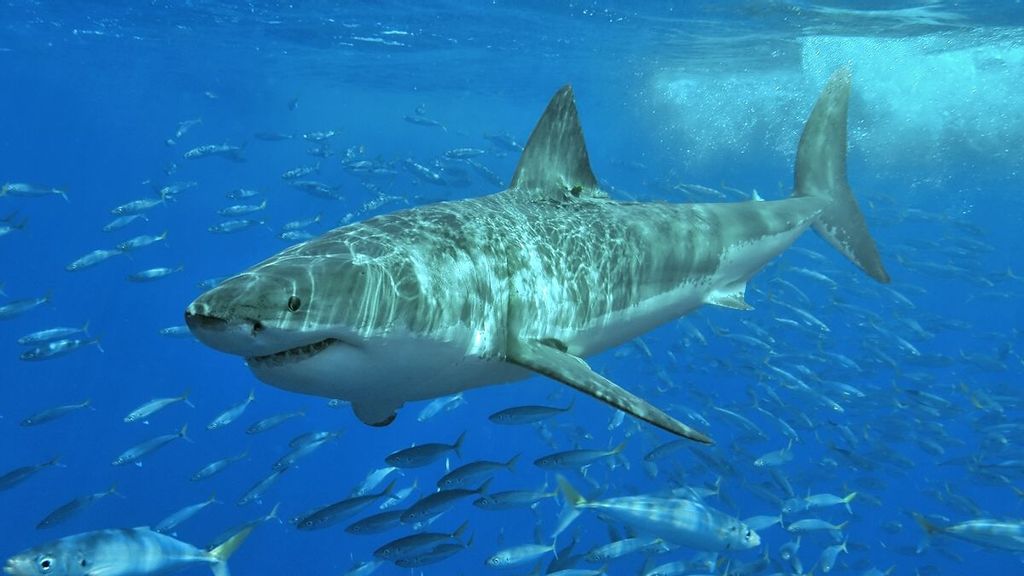
“It’s not a matter of more light at night for sharks to see. Most shark attacks occur in the daylight. However, the moon can exert other forces on Earth and its oceans in ways that are much more subtle — for example, the gravitation pull that we see affect the tides,” said study co-author Steve Midway of LSU, an expert on fisheries ecology and statistical analysis.
The study was published online in Frontiers in Marine Science.
While it may be too soon to say that moonlight encourages shark attacks, the new data offers a better understanding of shark aggression to develop recommendations that may calm the jagged nerves of beach-goers. “The abundance of data we have would suggest that there is something there that’s worth continuing to look at,” Midway said.
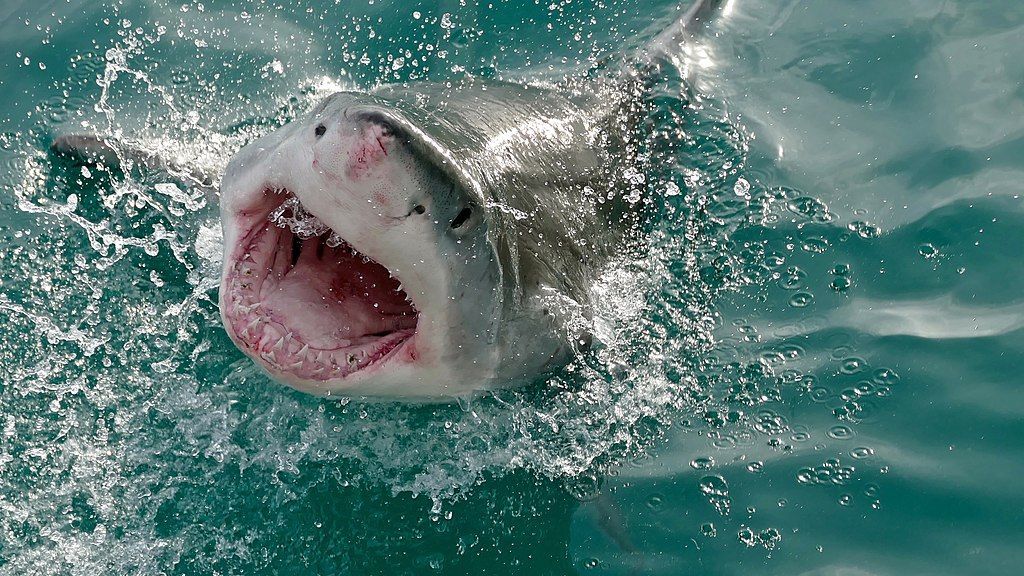
Approximately 70–100 shark attacks occur annually worldwide, according to the Florida Museum of Natural History, resulting in about 5 deaths. However, these numbers are only approximate because data from developing nations is incomplete and news about shark attacks may be suppressed out of fear of bad publicity. In 2020 alone, experts at the museum investigated 129 alleged shark-human interactions worldwide.
The light of the moon may not be the only effect celestial bodies have on terrestrial life. The gravitational pull of the moon and sun appear to affect both animals and plants, according to research by the Sao Paulo Research Foundation. Researchers at the institute based in Brazil suggest that gravitational tides change how both flora and fauna behave and grow, even when triggers such as the succession of night and day are factored out.
“All matter on Earth, both live and inert, experiences the effects of the gravitational forces of the sun and moon expressed in the form of tides,” said Cristiano de Mello Gallepo of the University of Campinas. “The periodic oscillations exhibit two daily cycles and are modulated monthly and annually by the motions of these two celestial bodies. All organisms on the planet have evolved in this context.”
Edited by Siân Speakman and Kristen Butler
The post Moon Shiver: Terrifying Truth That Shark Attacks Peak During Full Moon appeared first on Zenger News.

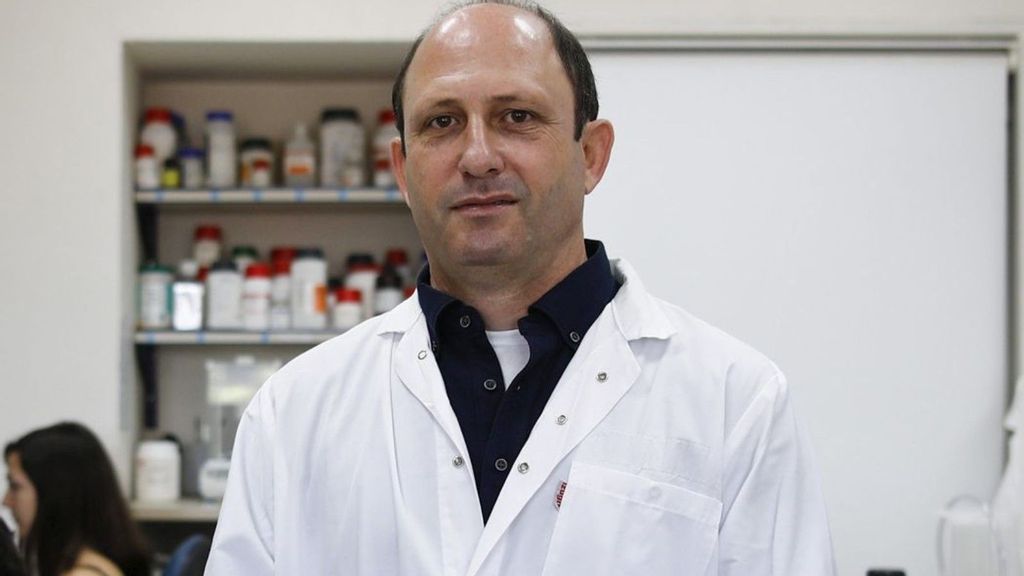
A new artificial intelligence technology developed at Tel Aviv University will make it possible to identify patients at risk of serious illness from blood infections — one of the world’s leading causes of morbidity and mortality.
The researchers trained the AI program to study the electronic medical records of about 8,000 patients at Tel Aviv Sourasky Medical Center who were found to be positive for blood infections between the years 2014 and 2020. These records included demographic data, blood test results, medical history and diagnosis.
“We wanted to see if the AI would identify patterns of information in the files that would allow us to automatically predict which patients would develop serious illness, or even death, as a result of the infection,” explained Prof. Noam Shomron.
The program automatically identified risk factors with an accuracy of 82 percent.
“Using artificial intelligence, the algorithm was able to find patterns that surprised us, parameters in the blood that we hadn’t even thought about taking into account,” said Shomron.
“We are now working with medical staff to understand how this information can be used to rank patients in terms of the severity of the infection. We can use the software to help doctors detect the patients who are at maximum risk.”
While the blood system normally is sterile one, an infection can occur during surgery, or as the result of complications from other infections, such as pneumonia or meningitis. The body’s immunological response to the blood infection can cause sepsis or shock, dangerous conditions that may lead to organ failure and even death.
Results of the study were published in the journal Scientific Reports by a team from Shomron’s genomics lab and colleagues from the medical center.
Ramot, Tel Aviv University’s technology-transfer company, is working to register a global patent for the groundbreaking technology.
Ramot CEO Keren Primor Cohen said, “Ramot believes in this innovative technology’s ability to bring about a significant change in the early identification of patients at risk and help hospitals reduce costs. This is an example of effective cooperation between the university’s researchers and hospitals, which improves the quality of medical care in Israel and around the world.”
Produced in association with ISRAEL21c.
The post AI Technology Helps Identify Patients At Risk From Sepsis appeared first on Zenger News.

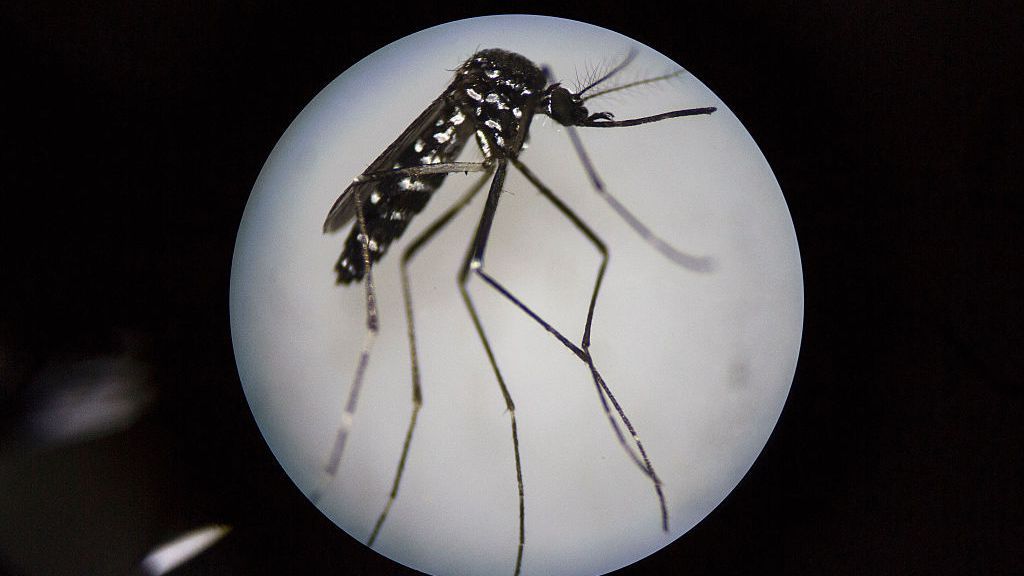
The mosquito-borne Zika virus, known mainly for causing severe birth defects when contracted by pregnant women, may be able to treat brain tumors, according to a recent study.
Researchers at the University of São Paulo, Brazil, injected Zika virus into live mice and cerebral organoids, brain-like organs created in vitro from stem cells. This prevented further growth of the tumors and reduced them in size. A series of injections destroyed the cancer without causing neurological damage or injuring other organs.
Researchers say cytokines, which are proteins that regulate immune response, reduced the growth of tumors, while defense cells migrated to the area around the tumor, alerting the immune system.
The study, published in the journal Viruses, confirms that virotherapy may be effective in treating tumors of the central nervous system. In Brazil, approximately 11,000 new cases of brain cancer were recorded in 2020, according to Brazil’s National Cancer Institute. Of these, 5,200 were women.
“One of the key points, confirming previous research, was recruitment of the immune system, which assured a good response to the treatment. Both viral action pathways are very important, enabling the virus to act on a larger number of tumors than we initially foresaw,” said Mayana Zatz of Brazil’s Institute of Biosciences and Human Genome and Stem Cell Research Center (HUG-CELL).
In a 2018 study on mice, scientists established that Zika virus can destroy central nervous system tumors. Researchers at HUG-CELL had found that the Brazilian variant of Zika may be used to treat embryonal central nervous system tumors, including medulloblastoma. Current therapies for these cancers, often found in children, are rarely effective and have severe side effects.
The latest study confirms that the approach is safe and effective. “In any attempt at treatment, you need to know the dosage and administration route. In our study, three doses of systemic intraperitoneal injections of Zika at seven-day intervals produced promising results in the models,” said lead author Raiane Ferreira.
Zika first appeared in Brazil in 2015 before spreading to neighboring countries. Even though Zika usually causes few symptoms, it may be linked to Guillain-Barré syndrome, meningitis and other neurological conditions in adults and can cause congenital malformations such as microcephaly in babies.

Zatz collected genetic material from babies in the northeast of Brazil who had congenital Zika syndrome. “Neural progenitor cells contribute to the formation of the brain and central nervous system. We collected samples from discordant twins, only one of whom had microcephaly. We bred cell lines from these progenitors in the lab. We then infected them with Zika to find out how the virus behaved. That led to the idea of testing it on brain tumors, which are rich in this type of cell,” said Zatz.
The study used laboratory mice bred to lack a normal thymus gland, creating a defective immune system deficient in lymphocytes. These mice are often used in cancer research because they do not reject tumor cells.
In the first test, the virus was injected directly into the mouse’s brains, thereby reducing the tumors’ growth. However, growth resumed after 21 days.
In another test, researchers injected three doses of the virus through the abdominal wall, or peritoneum, of the mice and saw positive results. The mice ate well and did not lose weight.
To analyze the Zika’s viral tropism, or preference, for infecting a particular tissue, the researchers injected tumor cells into the flank of each mouse. They believe that Zika preferred to interact with the central nervous system. Once scientists confirmed that the treatment was safe and that viral tropism focused on the brain, they began the series of injections for the study and observed the results, according to Ferreira.

Brain organoids showed rapid spreading of tumors for seven days before being infected with Zika. The Zika infection halted the progress of the tumor cells. This confirmed Zika’s intense cancer-killing effect. Such oncolytic viruses infect and destroy cancer cells but leave normal cells alone.
Positive results were also found in human embryonal central nervous system tumor cells, but more investigation is needed to confirm the selectivity of the virus in these cases.
Zatz said dogs may be used in future studies because they “have tumors that closely resemble human tumors and a preserved immune system,” making it possible to analyze different types of tumors.
Edited by Siân Speakman and Kristen Butler
The post Zika Virus Injection Destroys Brain Tumors In Mice, Study Finds appeared first on Zenger News.