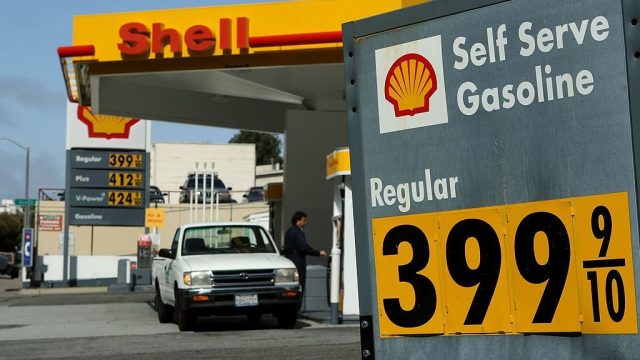
Retail gasoline prices in the United States are softening up, but analysts told Zenger that relief is unlikely to last through the first quarter of the new year.
Travel club AAA posted a national average retail price of $3.28 for a gallon of regular unleaded for Tuesday. The national average is skewed toward the upside because of the $4.67 per gallon average in California. Texas and Oklahoma are tied for the lowest price in the nation at $2.87 per gallon.
Prices were more or less static over the long holiday weekend in observance of Christmas. Apart from a few instances of inclement weather, road travel was immune to the COVID-related issues that caused widespread flight cancellations across the country.
Data from the U.S. Transportation Security Administration show air travel is still below pre-pandemic levels, though road travel seems to be holding up. (Transportation Security Administration)
Patrick DeHaan, the senior petroleum analyst at GasBuddy, told Zenger that holiday travel levels last week were strong, but actually marked a bit of a slump when compared with the previous week. Prices at the pump, which remain at multiyear highs, have done little to discourage demand so far.
DeHaan, however, said that prices may start moving higher relatively soon.
“I do think we’re likely to see the drops in the national average fizzle out, and while demand will likely cool off heading into the New Year, globally, when countries start to re-open, we’re likely to see stronger global demand,” he said.
Several European nations continue to press for renewed social restrictions as the highly contagious Omicron variant of the coronavirus continues to spread. But cases in South Africa, where it originated, are on a steep decline.
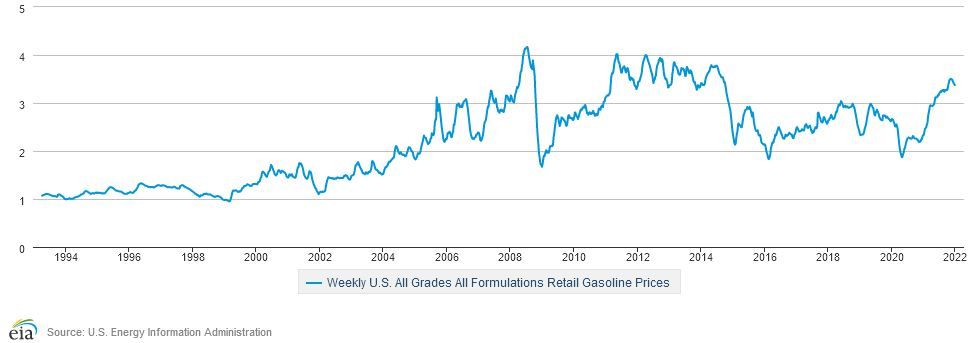
Gasoline prices continue hold at multi-year highs and analysts told Zenger current prices may seem low by next year. (U.S. Energy Information Administration)
Prices remain high because producers — initially caught off guard by the pace of economic recovery — continue to struggle to keep up with demand.
Andrew Gross, a spokesperson for AAA, said that the recent fire at ExxonMobil’s refinery in Baytown, Texas, one of the largest in the country, only adds insult to injury.
“If it can be back up and running in a few weeks, the effect could be minimal,” he said in a statement. “But if repairs take months, consumers could begin seeing higher prices again at the pump.”
Travel over the upcoming New Year holiday weekend could be upended by forecasts of sub-freezing temperatures and heavy snows across the northern plains and into parts of the Great Lakes states. But looking ahead to 2022, Tom Kloza, the president of the Oil Price Information Service, said relief at the pump could be fleeting.
Gasoline demand has lost some of its “mojo” and travel could be lower through February as winter evolves, he said. While a handful of states are now below the $3-per-gallon mark, Kloza said he expects more and more of them to join California with a state average above $4 per gallon next year.
The first half of 2022 could certainly be more expensive than the first half of this year, when vaccines were still at a premium. But Kloza said he suspects the national average during the early part of the new year will be higher than it as during the second half of 2021.
“Watch out for gasoline spikes after this head fake of low demand and relatively reasonable production,” he said. “Things get more bullish for gasoline between Martin Luther King weekend (Jan. 15–17) and the Ides of March (March 15).”
In the future, the ideal steak will be sizzling, charbroiled — and probably made from cultivated meat. However, companies that produce cell-based meat are challenged to make production affordable.
Recently, researchers at Israel’s Weizmann Institute of Science stumbled upon a solution that could cut the cost of cultivated meat in half.
Tamar Eigler, a post-doctorate fellow in professor Eldad Tzahor’s molecular cell biology lab, was experimenting with cultured muscle stem cells.
When Tzahor looked into Eigler’s microscope, he was surprised to see that the cells had begun fusing into tiny fibers that thickened quickly. Within hours, large muscle fibers had formed that looked like a slice of steak.
The phenomenon was explained by Weizmann biomolecular scientist Ori Avinoam as the process of muscle regeneration.
In an article published in Developmental Cell, Avinoam explains that when muscle stem cells called myoblasts are exposed to a small molecule that blocks the enzyme ERK, the cells start differentiating and fusing into tiny fibers. This leads to the activation of another enzyme that begins muscle regeneration.
Follow-up experiments showed that the same process works in several species of farm animals, including chickens, cows and sheep.
“Since all muscles in our bodies and those of other animals, including cattle, are produced by the same biological processes, our findings may be applicable both to the study of muscle regeneration and to the production of cultivated meat,” Tzahor said.
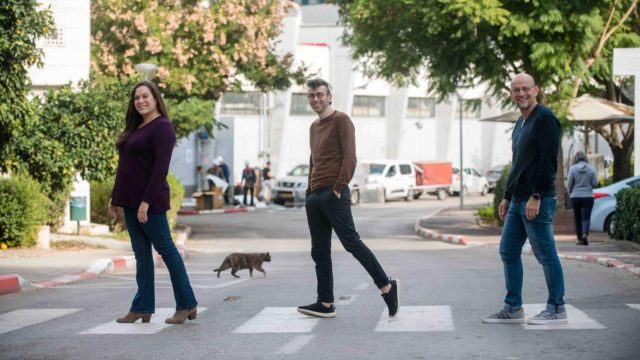
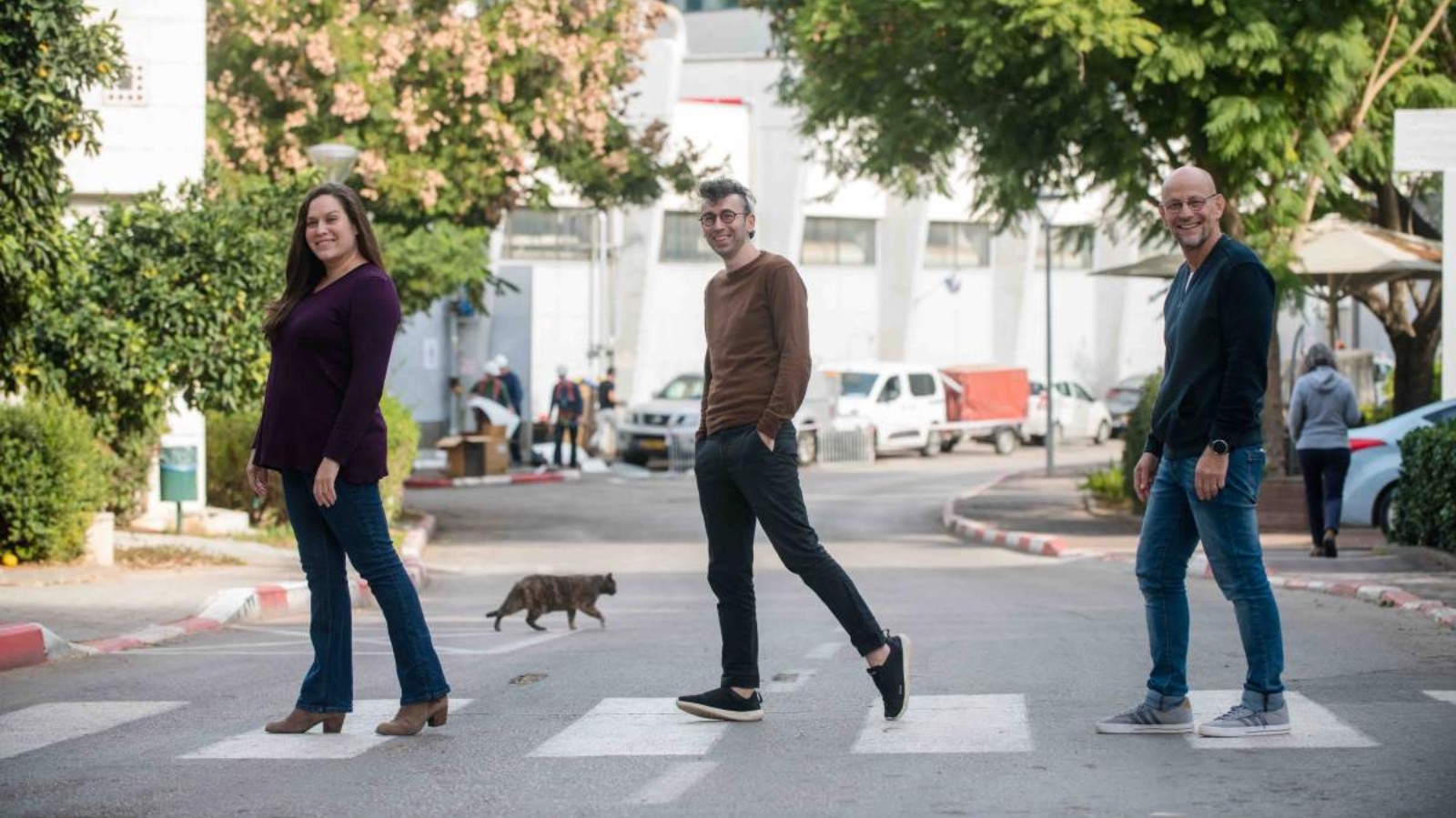
The three researchers have formed ProFuse Technology, a company set to slash the cost of cultivated meat by accelerating muscle fiber growth, the process that Eigler serendipitously discovered. It’s based in the Fresh Start food tech incubator in northern Israel.
Yeda Research and Development, the Weizmann Institute’s technology transfer company, granted ProFuse exclusive rights to the technology and to the patent covering this research.
“This doesn’t exist elsewhere,” said The Kitchen’s vice president of business development, Amir Zaidman, in 2016.
Today, The Kitchen has 19 portfolio companies cooking up innovations to feed the world more efficiently, sustainably and securely.
But The Kitchen is no longer alone: Governmental, corporate and academic food-tech labs and incubators are opening across Israel. The number of food-tech startups has risen to approximately 400.
Food-tech (increasingly referred to as agri-food-tech) combines two of Israel’s best assets, says Nisan Zeevi, head of business development at Margalit Startup City, which includes Fresh Start.
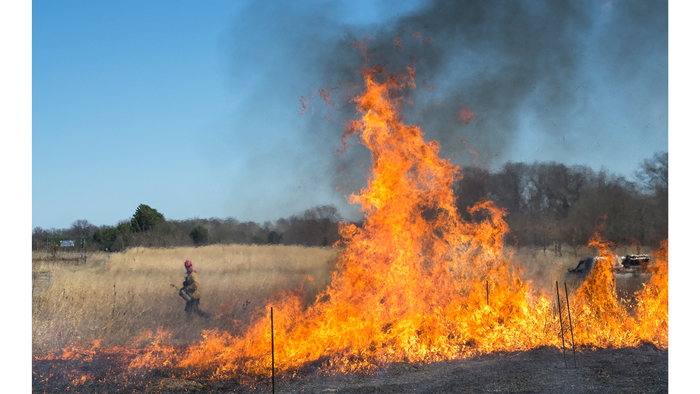
Prescribed burning in temperate forests and grasslands may actually increase carbon storage in the soil, researchers have learned, as long as the frequency and intensity is “just right.”
“Using controlled burns in forests to mitigate future wildfire severity is a relatively well-known process. But we’ve found that in ecosystems including temperate forests, savannahs and grasslands, fire can stabilize or even increase soil carbon,” said Adam Pellegrini of the University of Cambridge, co-author of the study published in the journal Nature Geoscience.
The study focused on topsoil less than about 12 inches deep. More carbon is stored in soil than in the world’s vegetation and atmosphere combined, the study’s authors said, and naturally occurring fires are an important part of the carbon cycling process.
The look of the landscape following a prescribed burn. (Adam Pellegrini)
Severe wildfires burn plant matter and organic layers of soil, leading to erosion and carbon leaching. Once that happens, it can take years or decades for the soil to re-accumulate that lost carbon.
But fire can also transform soil to offset carbon losses and stabilize ecosystem carbon, according to the study.
By creating charcoal, which doesn’t easily decompose, and aggregates, lumps of soil that protect carbon-rich organic matter at their center, fire stabilizes soil carbon. It can also increase carbon found in soil minerals.
A prescribed, controlled burn of an oak savannah. (Adam Pellegrini)
“Ecosystems can store huge amounts of carbon when the frequency and intensity of fires is just right. It’s all about the balance of carbon going into soils from dead plant biomass and carbon going out of soils from decomposition, erosion and leaching,” Pellegrini said.
When fires are intense and frequent, especially in densely planted forests, organic material that would otherwise decompose and release carbon into the soil is burned. Such fires can destabilize soils, break off carbon-based organic matter from minerals, and kill bacteria and fungi.
In the absence of fire, plant matter is consumed by microbes and released as carbon dioxide or methane, recycling the carbon. The study found that cooler, infrequent fires may increase carbon retention by producing charcoal and soil aggregates that protect from plant matter decomposition.
A visible fire gradient seen in a peatland. (Adam Pellegrini)
“Most of the fires in natural ecosystems around the globe are controlled burns, so we should see this as an opportunity,” Pellegrini said. “Humans are manipulating a process, so we may as well figure out how to manipulate it to maximize carbon storage in the soil.”
According to the study, ecosystems can be managed in a way that increases the amount of stored soil carbon. Grasslands store much of their carbon in the roots of the plants. Controlled burns can encourage grass growth, but it also increases root biomass, which in turn increases the amount of carbon stored.
“In considering how ecosystems should be managed to capture and store carbon from the atmosphere, fire is often seen as a bad thing. We hope this new study will show that when managed properly, fire can also be good, both for maintaining biodiversity and for carbon storage,” Pellegrini said.
The skull of a fishy reptile discovered in a Nevada shale bed is the oldest known example of an ichthyosaur reaching an epic size. How swimming reptiles developed gigantic proportions and streamlined shapes to rule the waves millions of years ago offers insights into the evolution of modern whales, researchers say.
“Ichthyosaurs derive from an as yet unknown group of land-living reptiles and were air-breathing themselves,” said paleontologist Martin Sander of the University of Bonn, Germany, who is also associated with the Natural History Museum of Los Angeles County.
“From the first skeleton discoveries in southern England and Germany over 250 years ago, these ‘fish-saurians’ were among the first large fossil reptiles known to science, long before the dinosaurs, and they have captured the popular imagination ever since,” he said.
Giant ichthyosaurs and other aquatic reptiles were not dinosaurs, though they lived alongside them. Like modern whales and dolphins, ichthyosaurs were hydrodynamic and had fins for swimming.
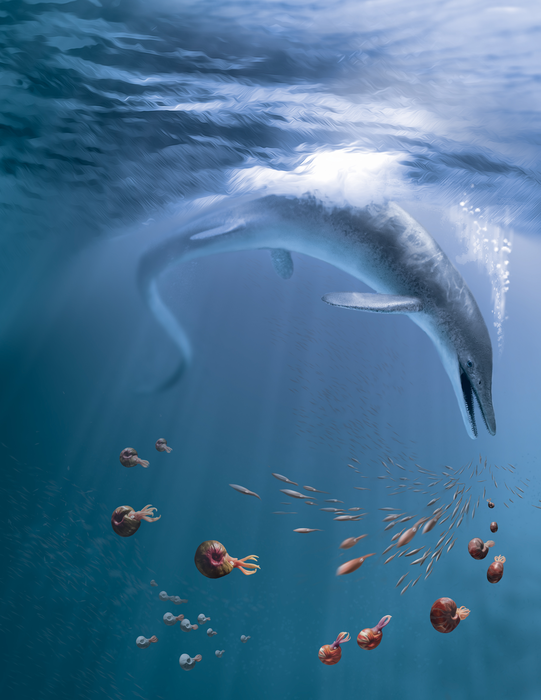
An artist’s concept of a diving icthyosaur, C. youngorum, hunting for ammonites 246 million years ago during the Triassic period. (Stephanie Abramowitz/Natural History Museum of Los Angeles County)
The newly discovered ichthyosaur was excavated at the Fossil Hill Member formation in Nevada’s Augusta Mountain range. Dubbed Cymbospondylus youngorum, it is the biggest animal ever found on land or sea from the Middle Triassic age, about 247 million to 237 million years ago. Paleontologists excavated its massive skull, as well as a shoulder, fore fin and vertebrae.
C. youngorum was the size of a modern sperm whale, or cachalot, measuring more than 55 feet long. It is the first giant creature to live on Earth and developed its giant size faster than whales.
Paleontologists have been working at Fossil Hill Member for about 120 years, discovering remnants of ancient life in sedimentary shale, siltstone and limestone. Apart from sea-going reptiles, various species of ammonites, shelled mollusks that preceded modern cephalopods such as octopus and nautilus, have been found.
C. youngorum was swimming in the Triassic oceans about 246 million years ago and only 3 million years after its ancestors first set out to sea. According to the authors of a study appearing in Science, this was an amazingly short time for it to super-size.
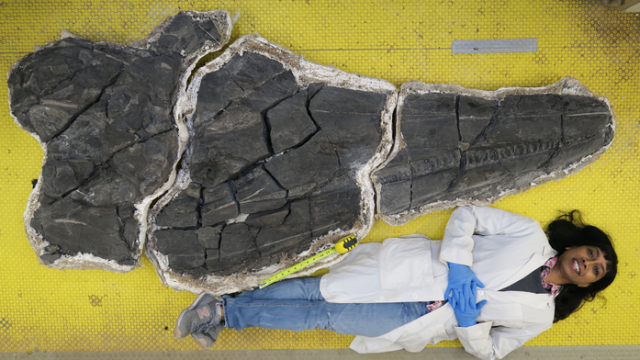
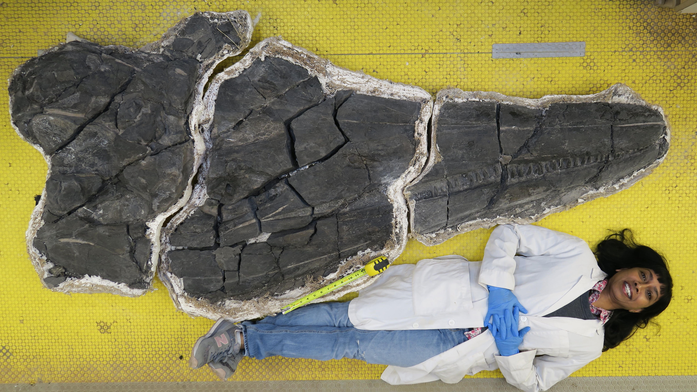
Six feet long, the skull of the first giant creature to ever inhabit the Earth, ichthyosaur “Cymbospondylus youngorum,” is on display at the Natural History Museum of Los Angeles County. (Natalja Kent/Natural History Museum of Los Angeles County)
With its long snout and sharp conical teeth, C. youngorum may have hunted fish and squid and preyed on juveniles of its own species. The study’s co-authors used computer models to calculate that the ancient marine habitat could support giant carnivorous ichthyosaurs of various survival strategies and diets. Modern cetaceans range from the biggest animal ever, the toothless filter-feeding blue whale that eats tiny shrimp-like krill, to squid-hunting sperm whales, seal-hunting orcas and the smaller fish-eating dolphins.
Study co-author Eva Maria Griebeler of the University of Mainz in Germany conducted the modeling and said the ancient environment’s ability to sustain the largest ichthyosaurs may have been less than suggested by their findings in the field. During the Mesozoic Era (252 million to 66 million years ago), comprising the Triassic, Jurassic and Cretaceous periods, “modern highly productive primary producers [e.g., plants] were absent in Mesozoic food webs and were an important driver in the size evolution of whales.”
Ichthyosaurs and whales have similar body shapes reflecting mass extinctions at different times. Each class of these animals reached its giant size independently. While ichthyosaurs had an initial boom to super-size, cetaceans took much longer to obtain such a large mass.
The study found a link between large size and hunting and between large size and loss of teeth. In the case of ichthyosaurs, their surging size may have been due initially to a similar boom in ammonites and eel-like conodonts that thrived after the mass extinction event at the end of the Permian period, just before the Triassic, about 252 million years ago.
An ichthyosaur fossil surrounded by the shells of ammonite mollusks, the food source that possibly fueled the animal’s growth to huge sizes. (Georg Oleschinski/University of Bonn, Germany)
The study found that ichthyosaurs and cetaceans each exploited niches in the food chain that resulted in their giant size. “As researchers, we often talk about similarities between ichthyosaurs and cetaceans but rarely dive into the details. That’s one way this study stands out, as it allowed us to explore and gain some additional insight into body size evolution within these groups of marine tetrapods,” said study co-author Jorge Velez-Juarbe.
The discovery of C. youngorum and the fauna at Fossil Hill Member are “a testament to the resilience of life in the oceans after the worst mass extinction in Earth’s history,” he said.
The fiercely inhospitable environment of Venus may be undergoing moderating change due to lifeforms in its clouds making the planet more habitable.
For decades, scientists have sought to understand strange phenomena observed in the planet’s upper atmosphere, including the presence of ammonia. According to a study published in Proceedings of the National Academy of Sciences, any ammonia present in the Venusian atmosphere should not have been produced by any chemical process known for the planet.
Experts modeled chemical processes to demonstrate that if ammonia is found on Venus, it could produce chemical reactions to neutralize the surrounding droplets of sulfuric acid.
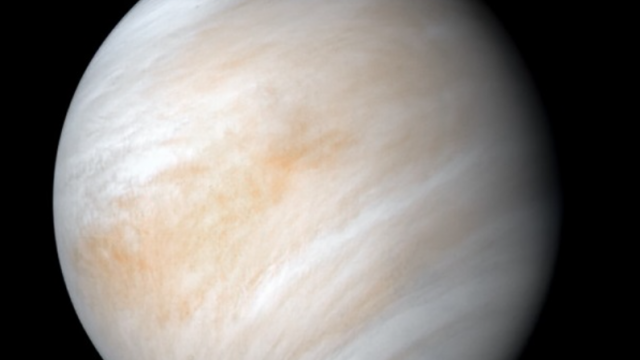
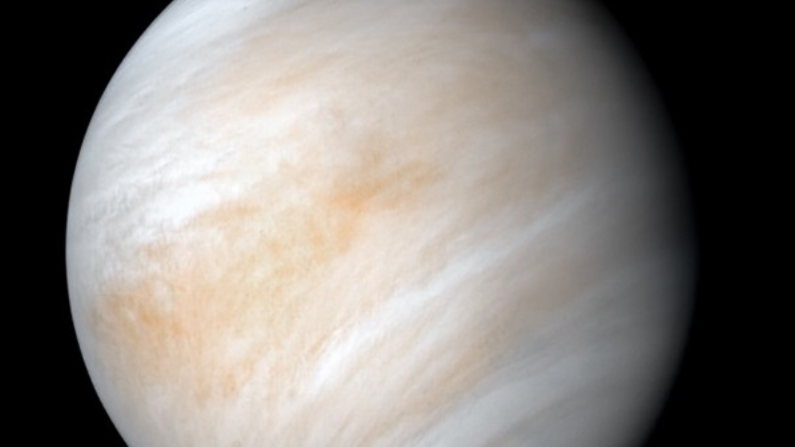
This picture of Venus was taken by the Galileo spacecraft’s Solid State Imaging System on February 14, 1990, at a range of almost 1.7 million miles from the planet. A highpass spatial filter has been applied in order to emphasize the smaller scale cloud features, and the rendition has been colorized to a bluish hue in order to emphasize the subtle contrasts in the cloud markings and to indicate that it was taken through a violet filter. The sulfuric acid clouds indicate considerable convective activity, in the equatorial regions of the planet to the left and downwind of the subsolar point (afternoon on Venus). They are analogous to “fair weather clouds” on Earth. (NASA/JPL)
This could increase the clouds’ pH from about -11 to 0. This is still an acidic environment but within the range to sustain life. On Earth, there are living things that produce ammonia, which neutralizes acidity and produces a livable environment. Such lifeforms, for example, live in the human stomach.
“We know that life can grow in acid environments on Earth, but nothing as acid as the clouds of Venus were believed to be. But if something is making ammonia in the clouds, then that will neutralize some droplets, making them potentially more habitable,” said the study co-author William Bains of Cardiff University.
With a surface hot enough to melt lead and an atmosphere thick with carbon dioxide, Venus cannot support life as we know it. The clouds of sulfuric acid that blanket it are so caustic that they can burn a hole through human skin.
The scientists believe that the most plausible explanation for ammonia on Venus is a biological origin rather than non-biological sources such as volcanoes and lightning.
“Ammonia shouldn’t be on Venus,” said study co-author Sara Seager of the Massachusetts Institute of Technology. Noting that ammonia contains hydrogen, which is in short supply on Venus, she said: “Any gas that doesn’t belong in the context of its environment is automatically suspicious for being made by life.”
In this image taken by Japan’s Akatsuki spacecraft, Venus was captured in infrared light showing a surprising amount of atmospheric structure on its night side. The vertical orange terminator stripe between night and day is so wide because of light is so diffused by Venus’ thick atmosphere. Also known as the Venus Climate Orbiter, Akatsuki has cameras and instruments to investigate unknowns about the planet, including whether volcanoes are still active, whether lightning occurs in the dense atmosphere, and why wind speeds greatly exceed the planet’s rotation speed. (ISAS, JAXA)
The scientists identified chemical signatures or anomalies in the clouds that have not been explained before. Apart from oxygen, phosphine and non-spherical particles, these included sulfur dioxide and water. The team theorized that minerals in dust kicked up from the planet’s surface and into the clouds interacted with sulfuric acid to produce the anomalies. However, they found that while the chemistry was feasible, only a massive lofting of dust into the atmosphere could cause the anomalies.
When the team thought to explain the presence of ammonia through a series of chemical processes, they determined that ammonia produced by lifeforms could yield chemical reactions producing oxygen. The ammonia would then dissolve in tiny drops of sulfuric acid. Any sulfur dioxide would also dissolve.
For the researchers, ammonia may explain the anomalies in Venus’ clouds. Referring to the planet’s challenges to life, Bains said, “There is almost no water there for a start, and all life that we know of needs water. But if life is there, then neutralizing the acid will make the clouds just a bit more habitable than we thought.”
“No life that we know of could survive in the Venus droplets,” Seager said, “But the point is, maybe some life is there, and is modifying its environment so that it is livable.”
“There are very acidic environments on Earth where life does live, but it’s nothing like the environment on Venus — unless life is neutralizing some of those droplets,” Seager said.
Clarence Muhammad, second from left, chair of the Birmingham Kwanzaa committee, and other members of the group prepare for a week long of activities. (PROVIDED PHOTO)
Archbishop Desmond Tutu died peacefully at the Oasis Frail Care Center in Cape Town. He had been hospitalized several times since 2015 after being diagnosed with prostate cancer in 1997. (Associated Press)
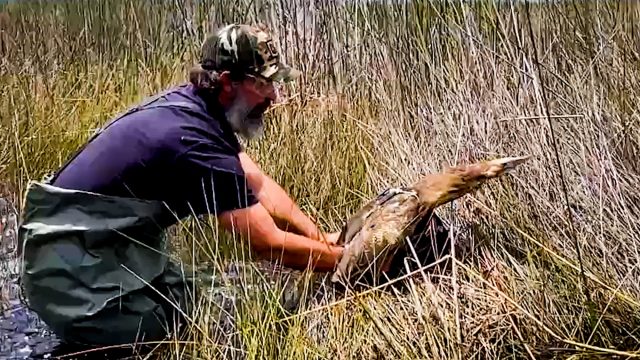
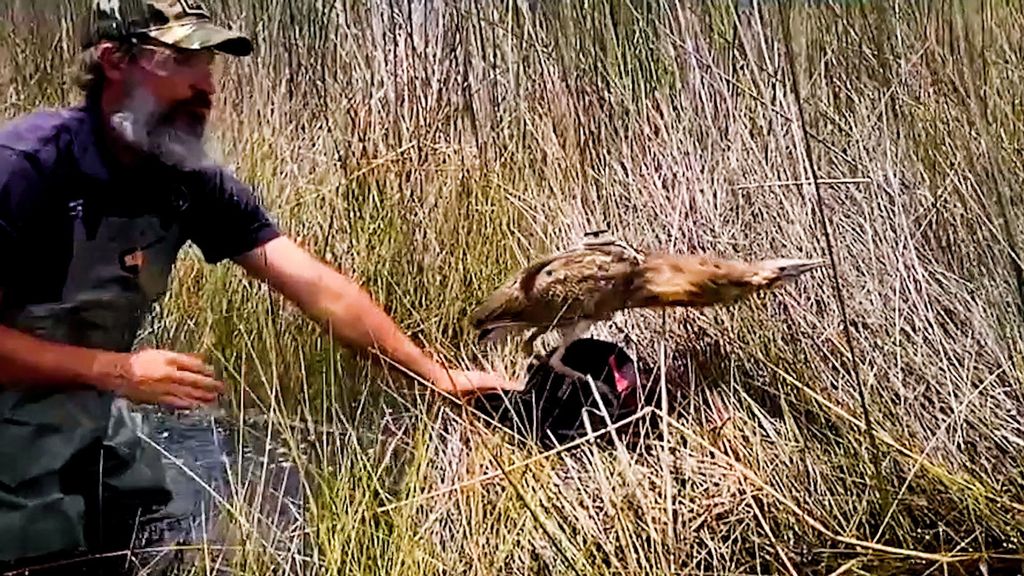
An endangered bittern, a large marsh bird of the heron family, is the first of its species in Western Australia to be fitted with a solar-powered transmitter, allowing conservationists to learn more about its habits and movements.
“Bushy” the bittern’s tracker is “now providing valuable information about his movements and wetland use to DBCA [Department of Biodiversity, Conservation and Attractions] scientists and BirdLife Australia,” according to the region’s Parks and Wildlife Service.
“Australasian bitterns, which are endangered in Western Australia, are rare and extremely difficult to observe so their habits and movements within and between wetlands are very poorly known. Information on Bushy’s movement will give researchers a previously impossible glimpse into the life of this rarely seen inhabitant of the wetlands of southwestern Australia,” the parks service said in an online post.
“Bushy was captured in a wetland in the Lake Pleasant View suite near Manypeaks, east of Albany. As well as Bushy’s location, the transmitter records environmental variables like temperature, humidity and light intensity, and data that can be used to understand flight characteristics such as velocity and acceleration — information vital for the long-term survival of bittern and other wetland fauna,” the parks service said.
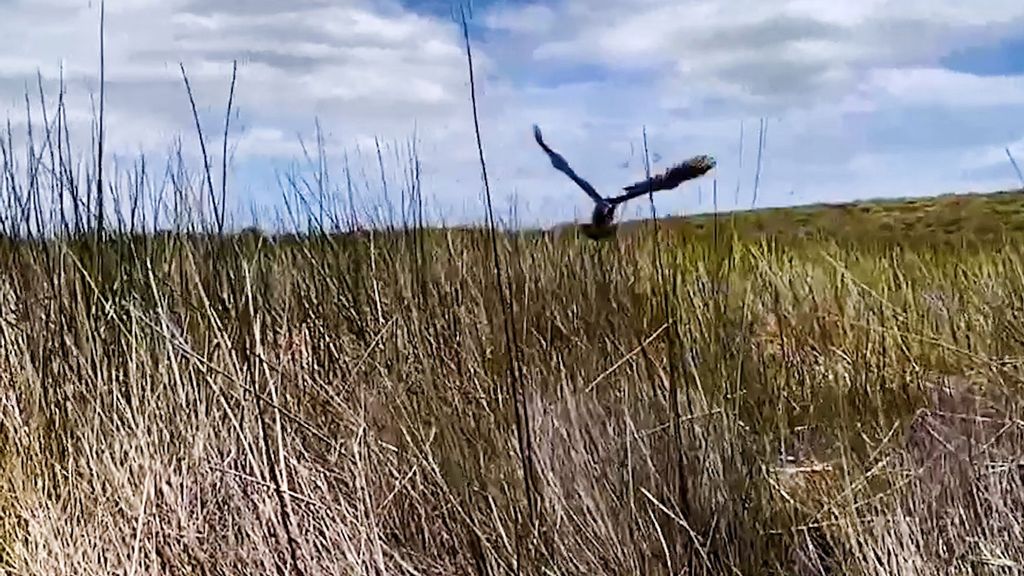
The endangered bittern takes flight after it was fitted with a solar-powered transmitter to track its movements. (Department of Biodiversity, Conservation and Attractions, Stu Ford/Zenger)
BirdLife Australia’s website says: “The Bittern Project was started in 2007 in response to concerns over the plight of the Australasian and Australian Little Bittern. Our research has revealed that the Australasian bittern is indeed threatened and through our efforts has been added to the EPBC list [Environment Protection and Biodiversity Conservation] as endangered, while the Australian Little Bittern has less precise habitat requirements and hence not currently threatened.
“This project aims to help ensure the long-term survival of bitterns as well as other species which inhabit the freshwater wetlands.
“Australasian bitterns specialize in living in dense beds of reeds and rushes, where they are surprisingly difficult to see, as they are particularly well camouflaged. Added to this, when alarmed, they stand still with neck stretched upwards and bill pointing skywards. Sometimes they even sway in the breeze, in time with the surrounding reeds,” the website says.
Conservationists can now track “Bushy” the endangered bittern to learn more about its habits and movements. (Department of Biodiversity, Conservation and Attractions, Stu Ford/Zenger)
“This combination makes them blend in remarkably well with the surrounding vegetation. It is hardly surprising that the species is seldom recorded.”
Under Australia’s Environment Protection and Biodiversity Conservation Act, “new categories have been added for listed threatened species and ecological communities. Critically endangered, conservation dependent and extinct in the wild have been added to the previous categories of endangered, vulnerable and extinct for threatened species and critically endangered and vulnerable have been added to the previous category of endangered for ecological communities,” the agency’s website says.
“The definition of a species under the EPBC Act includes sub-species and distinct populations that the Minister has determined to be species for the purposes of the Act.”
Another difficult year of COVID is coming to a close, leaving most everyone exhausted by the twists and turns of this pandemic. But there are plenty of other things that not only warrant attention, but in fact deserve a shout-out.
Here are some key reasons to be cheerful as we move into a new year:
Scientists are learning to talk to whales
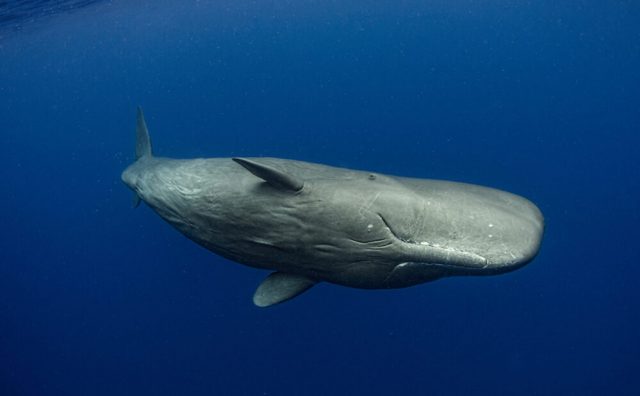
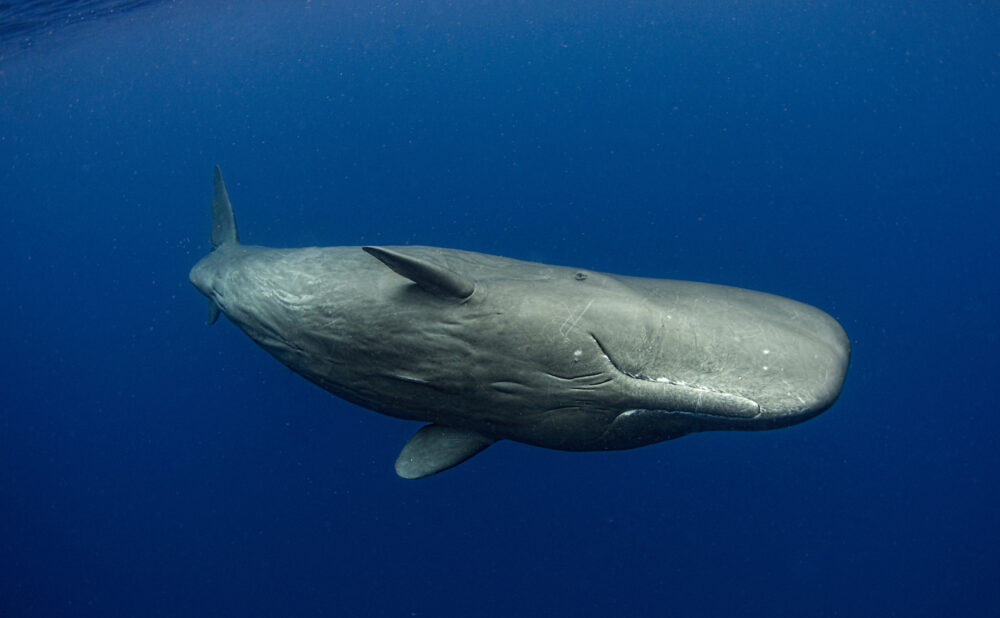
We may finally be about to learn what Sperm whales think and talk about, an opening of communication to the natural world that could transform the way we coexist with the creatures of our planet.
This year, marine scientists from Israel, the United States, the United Kingdom and more, launched an ambitious five-year Cetacean Translation Initiative in the Caribbean to decipher how Sperm whales communicate and whether their speech patterns can be replicated so humans can communicate with them.
The Sperm whale, a vulnerable species, has the largest brain on Earth, more than five times heavier than a human’s. Like humans, it has a complex communication system and lives in tightly knit family groups.
Sniffing plants is good for your health
New research shows that sniffing or interacting with plants can increase your well-being. And who wouldn’t want to increase their well-being after the last two years?
In a study published in Conservation Biology, researchers from the Technion-Israel Institute of Technology in Haifa showed that closeness to nature — touching or smelling plants and flowers — improves well-being more than just strolling through a forest or looking at a green landscape.
A new species of bee has been discovered
Bee populations have been declining all over the world and crop pollination is in danger as a result. But a new bee has been discovered that is unique to the sand dunes of Israel’s coastal plains.
Crop pollination relies mainly on managed colonies of the domesticated honeybee. However, wild, unmanaged bees are also highly effective in pollinating natural and agricultural systems.
The world just got a little safer for women
Neta Schreiber Gamliel, SafeUP’s co-founder and CEO (left), with some of the startup’s employees and volunteers. (Courtesy of SafeUP)
As a woman, walking alone at night, or even sometimes during the day, is not just frightening at times, it can also be dangerous.
To counter this, Neta Schreiber created the app SafeUP that allows women to log on and be virtually or physically accompanied to their desired location by a trained volunteer.
The app was launched around a year ago as a pilot project with the Tel Aviv municipality, and already has thousands of users in Israel, the U.S., the UK, Hungary and Poland.
Even in conflict there is hope
Fadi Kasem and Mor Janashvili (in the hospital bed) at an emotional reunion at the Galilee Medical Center in Nahariya. (Courtesy Galilee Medical Center)
During the conflict between Israel and Gaza in May, violence broke out suddenly between Israel’s Arab and Jewish communities in certain areas of the country. It was shocking and for many people deeply unexpected. But among the violence came incredible stories of heroism — the Muslim Israeli who saved a Jewish man caught in a lynching, the Jew killed in rioting whose kidneys went to an Arab woman, the Arabs who tried to stop rioters from burning down Jewish businesses.
Organizations up and down the country came out strongly in favor of coexistence, from doctors and nurses to biotech leaders and high-tech leaders.
As the country finally calmed down, peace organizations stepped up their work, more determined than ever to make coexistence work.
And the businesses that had been burned and destroyed? The owners rebuilt, often with the help of local communities, and turned their devastating experience into something positive and good.
A match that just keeps getting better and better
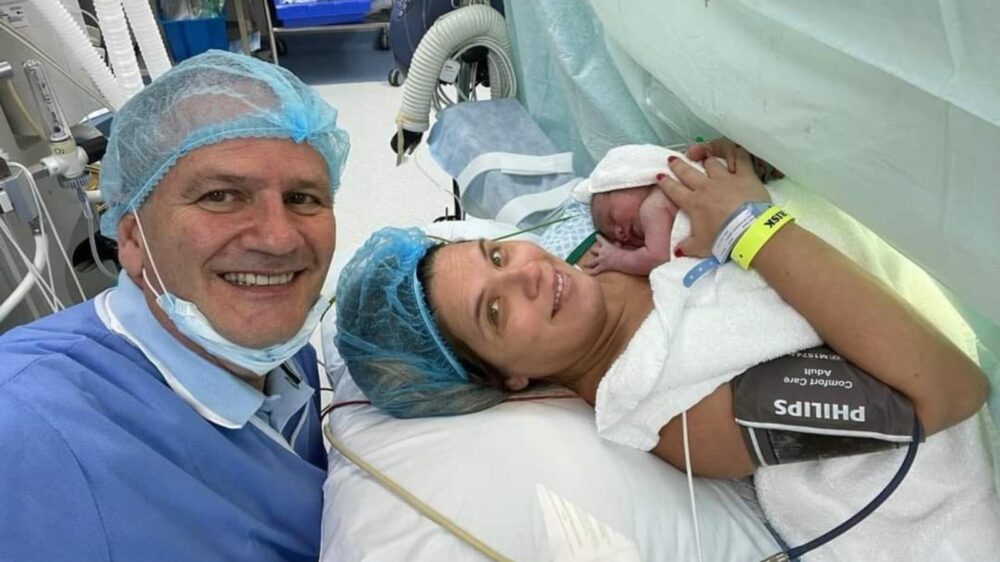
Israeli Head of Mission in Dubai Ilan Sztulman and wife Jacqueline on Aug. 14, 2021, with newborn Mia. (Courtesy of Israeli Foreign Ministry)
In a Middle East full of conflict, one of the most heartening stories of the last year is the way Israel and the United Arab Emirates and Bahrain have embraced one another so wholeheartedly.
Since normalization in September 2020, the people of these three nations have rushed to fill the gap with visits, agreements, MOUs and cooperation in virtually every area you can think of.
There are billion-dollar investment funds, joint clean-tech ventures, innovation ventures and think tanks.
There are also baseball tourneys between Israeli and Emirati kids, exchanges of organ transplants, and an Israeli baby born in a UAE hospital.
And to cap it all, there’s even a plan to fly together to the moon and back.
The world’s manure problem is being sorted
Trust the folks at Paulee CleanTec to come up with a solution for manure. It already had developed a device that could turn dog droppings into odorless powder at the press of a button.
Since then, the company has grown and pivoted, and has now developed a low-cost solution to convert animal manure into sterile, odorless organic fertilizer.
Globally, hundreds of millions of tons of dung are untreated or improperly treated and discharged into waterways or absorbed into soil, contaminating crops and drinking water.
Paulee CleanTec’s low-cost chemical process, now being tested at a kibbutz in Israel, converts the manure into organic potassium-rich fertilizer, free of pathogens and odor. The powdered fertilizer can be stored safely for the farm to use, sell or trade.
McDonald’s started using recycled rubbish to make trays
McDonald’s trays made of a plastic substitute derived from household trash. (Courtesy of UBQ Materials)
McDonald’s restaurants in Brazil are serving up orders on new trays manufactured with a composite thermoplastic material made by Israeli company UBQ Materials.
This is the first product to come out of a partnership between UBQ and Arcos Dorados Holdings, the largest independent McDonald’s franchise in the world with over 2,200 restaurants in Latin America and the Caribbean.
UBQ breaks down unsorted household waste into its basic natural components and creates a new thermoplastic material that can be made into things like bricks, shopping carts, pipes, trash cans and automotive parts.
Daily chores are getting easier
Gary the robot straightening up toys. (Courtesy of Unlimited Robotics)
Picking up toys or socks, watering the plants, stripping bedsheets, serving food — Gary can do it all.
The robot, created by Unlimited Robotics, is the height of a 10-year-old, moves at 3.1 miles an hour, and goes into production in early 2022.
Two other devices designed to make life easier are a nail polish robot that paints and dries your nails in 10 minutes per hand, and a mini diaper-cleaning machine for those environmentally friendly, but not so pleasant to wash, reusable diapers.
Maybe we’re nearing the end of animal testing
Two developments this year have brought the end of animal testing much closer, while also potentially reducing the cost of drug development, and the time it takes to bring a drug to market.
Quris is rolling out the world’s first clinical-prediction AI platform to evaluate the safety and efficacy of new drugs. The platform can test thousands of novel drug candidates at once, on hundreds of miniaturized “patients-on-a-chip,” improving efficacy, cutting development costs, and of course leaving out those poor little mice.
Another new chip technology uses the same principle. Researchers at Hebrew University of Jerusalem incorporated microscopic sensors in human tissue to enable precise monitoring of the body’s response to drug treatments, in real time.
A community banded together to help migrating birds
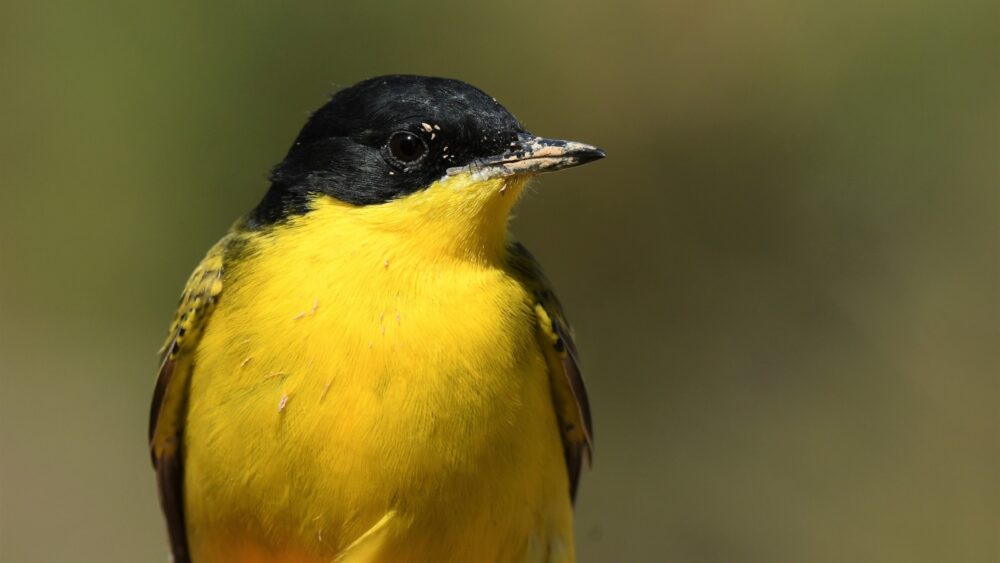
A yellow wagtail. (Noam Weiss/IBRC)
Millions of birds migrate across Eilat and the southern Arava desert twice a year because this strip of land in southern Israel is the only land-bridge connecting Eurasia and Africa.
It’s a long, perilous journey for the birds, but in Eilat the International Birding & Research Center has joined forces with local community members to help keep the flyway clear of hazards such as wind turbines, cable antennas, power lines and even glass façades that birds can crash into.
The community initiative, which encourages farmers to make migrating birds welcome on their farms and the local water company to keep the water reservoir safe for birds, was chosen as one of the 19 most outstanding projects, out of 258 candidates from 26 countries, at the UN Conference of the Parties (COP15).
Buildings might soon be able to create their own energy
Energy shortages are becoming increasingly common, not just in developing countries, but even in places like the United States and Israel. TurboGen may have a solution that will help buildings create their own energy with small, lightweight microturbines that can generate electricity, heat and cooling.
The microturbines can replace traditional boilers and A/C units in homes, public buildings, hotels, hospitals and offices, lowering electricity and heating costs, and preventing power outages.
The first commercial installation is planned in Manhattan later in 2022.
A revolutionary blood clot to heal chronic wounds
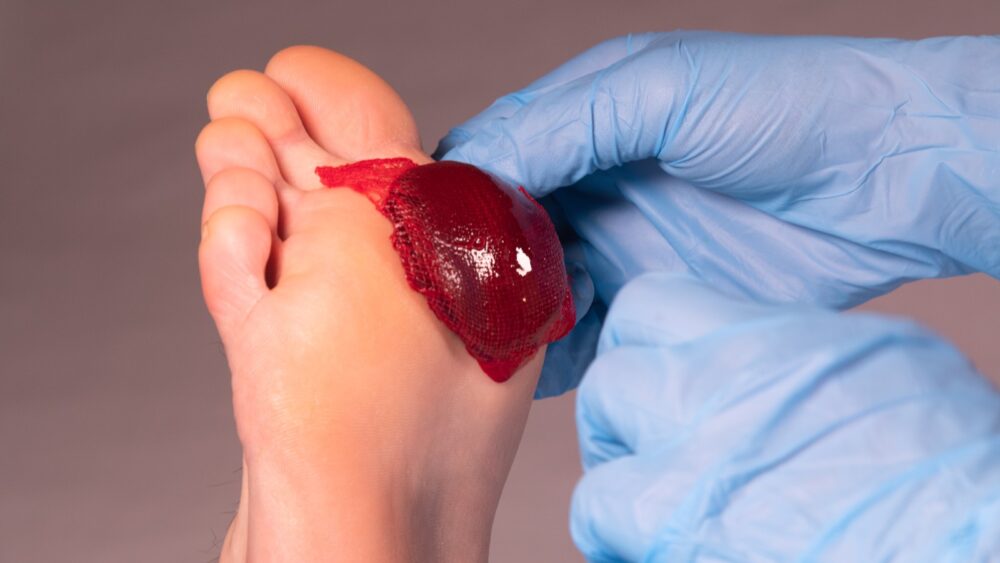
ActiGraft forms a blood clot outside the body, using the patient’s own blood and is applied to trigger healing in a chronic wound. (Courtesy of RedDress)
Wounds in the body usually heal alone, but sometimes people suffer chronic injuries that never heal because the wounds form too gradually to set off the body’s immune response.
ActiGraft, invented in Israel, is a unique solution to this problem — a blood clot made from a vial of the patient’s blood mixed with a clotting agent. It can be applied to the wound to jump-start the natural healing process that failed to begin before.
It takes just 12 minutes for medical staff to create the blood clot. The product has FDA and CE clearance and is already sold in the US and 15 other countries, including Israel.
Also worth mentioning for wound care is Nanomedic, which has developed a spray-on skin for wound care. The flexible second skin is applied once, anywhere on the body, and no dressing changes are needed. When the skin underneath heals, the dressing peels away on its own.
New techs could help fix the shipping crisis
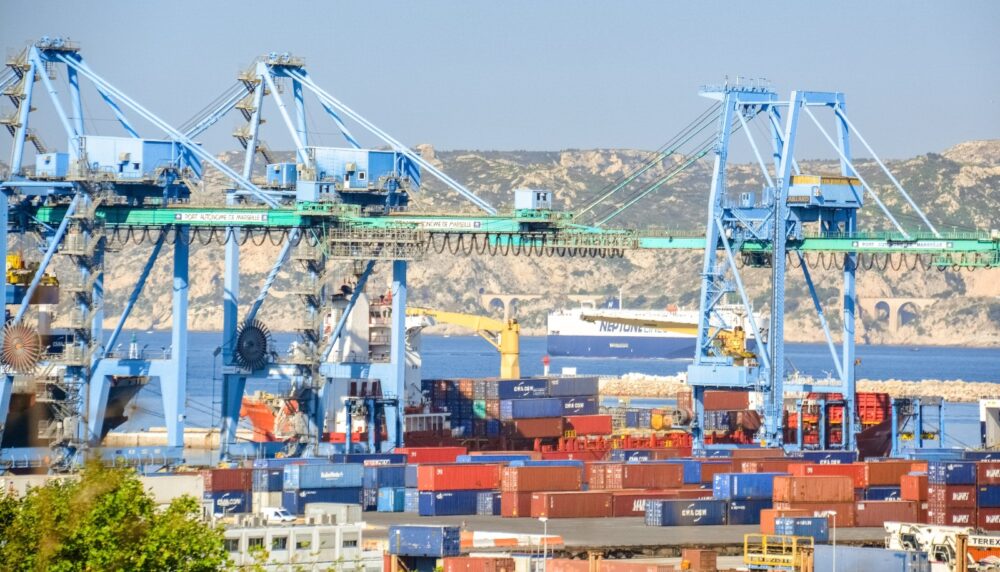
Port of Marseille, France, in October 2021. (Jeremy Bezanger/Unsplash)
Over the last two years it has become apparent how vulnerable the shipping industry is. COVID-19 with its labor shortages, port shutdowns, passenger flight cancellations and increased online purchasing, triggered a global supply-chain crisis. Then, the massive Ever Given container ship got stuck in the Suez Canal in March.
Freightos is building a global freight booking platform to connect all players, from importers to exporters of every size to airlines, ocean liners and trucking companies.
WaveBL has built a blockchain-backed digital shipping platform to provide an electronic alternative to printed documents, while DockTech enables real-time dynamic mapping of depth in canals and ports, to help avoid grounding accidents such as the one in the Suez Canal.
Windward uses AI to predict when a shipment will arrive, curing many headaches in the current system that can lead to missed connections.
Pig organs could be used in humans
There’s an acute shortage of human organs for transplant and demand is rising. In the U.S. alone, 100,000 people are waiting for lifesaving organs, and around 20 Americans die every day waiting for them.
The domestic pig is an excellent potential source of donor organs for humans – they are easily available, and their organs are close in size to human organs. The only problem: They get rejected by the human body.
Researchers at Rabin Medical Center’s Beilinson Hospital have spent the last four years honing a way to modify pig organs so that the human immune system won’t recognize them as foreign.
These hybrid organs would give an unlimited supply of organs that could be prepared and stored, and transplant surgeons could order them as needed, right off the shelf.
It will take another five years or so before clinical trials begin, but in the meantime this is certainly an extremely promising and futuristic step forward.
Technology is making farming easier
Corn growing in a field irrigated with SupPlant technology. (Courtesy of SupPlant)
Farming has to get more efficient if we are going to feed a world that is growing in population but shrinking in arable land.
One of Time magazine’s best inventions of 2021 was Israeli ag-tech company, SupPlant, which uses sensors to monitor the temperature and moisture of crops, providing instructions to farmers to maximize yields in the face of a changing climate.
FieldIn, meanwhile, is aiming to digitize farming — from spraying pesticides to harvesting – in an effort to increase sustainability.
There’s also BetterSeeds, which aims to genetically change the architecture of many types of crops to make them easier for mechanized picking.
Food tech is going through a revolution
Alternative protein companies are developing, including InnovoPro, Hargol and SavorEat — which recently launched its first plant-based burger to the world.
Leonardo DiCaprio invested in Aleph Farms and Ashton Kutcher invested in Meatech. Future Meat Technologies just announced a $347 million Series B round, marking the largest investment to date in the cultivated meat industry.
For a climate-threatened planet threatened by food shortages, sustainable solutions like these are likely to make a big difference.